Proteins
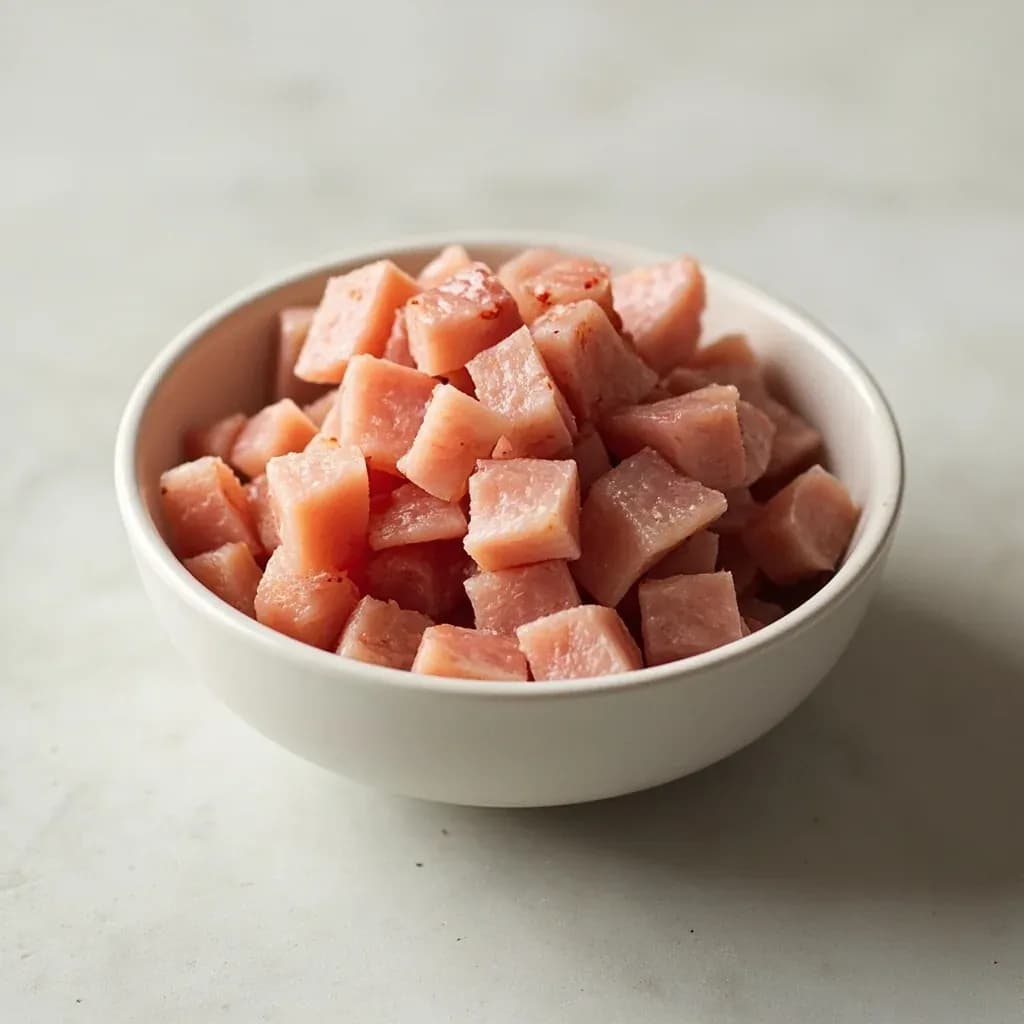
Diced Cooked Ham
Pre-cubed cooked ham stirred into omelets, soups, and casseroles.
Diced cooked ham is fully cooked, cured ham cut into small cubes for easy use. It folds quickly into omelets, fried rice, soups, and casseroles, adding salty, savory bites without extra prep. Being precooked, it only needs warming through.
Diced cooked ham is a fully prepared ingredient that eliminates the multi-day curing and cooking process, giving cooks instant access to savory cured pork flavor and texture. The cubes—typically 3/4 inch or smaller—are made from pork leg or shoulder that has been wet-cured, dry-cured, or brined, then cooked to a safe internal temperature. This makes them genuinely versatile: they fold into egg dishes without bleeding, hold their shape in soups, and contribute that unmistakable cured-saltiness that defines comfort food from split pea soup to scalloped potatoes.
The primary advantage is time. A cook reaches for diced ham instead of planning days or weeks ahead to cure a ham hock or spending an hour simmering one. The tradeoff is sodium—even modest portions deliver 400–700 mg of salt depending on brand and cure method, which shapes how you build a dish around it. The texture is also a known quantity: fully cooked means it only needs warming through, not cooking to doneness, so treatment differs from raw proteins.
How you handle it depends on the dish. In wet preparations like soups and casseroles, add cubes late to avoid drying them out until they turn rubbery. For crisp edges and caramelized exterior—desirable in breakfast bakes, salads, or when you want textural contrast—give the cubes 2–3 minutes per side in a hot dry skillet. The fat renders nicely and the exterior browns while the interior stays moist. That flexibility, plus the neutral cube shape, is why it works across cuisines from American comfort food to Hawaiian fried rice to Italian calzones.
- Measured in
- g
- Storage
- Fridge
Types & varieties
Classic choice; leaner than shoulder with mild, clean ham flavor
Slightly fattier with more pronounced pork flavor; tends to stay moist during cooking
Most common retail variety; brined and injected with solution; milder, more tender texture
Cured with salt and spices without liquid injection; more concentrated flavor, firmer texture
Sweetened during cure; subtle honey notes; caramelizes well when pan-fried
Cold-smoked or liquid-smoke treated; pronounced smoky flavor carries through cooking
Specific style with darker color and robust, slightly sweet-smoky character
No synthetic nitrates or nitrites; fewer artificial additives; flavor varies by producer
Common uses
Tips & pitfalls
- Add diced ham near the end of cooking for soups, casseroles, and fried rice—late addition prevents it from drying out and turning rubbery
- For caramelized edges, sauté cubes in a dry or lightly oiled skillet over medium-high heat for 2–3 minutes per side to render fat and develop browning
- Always taste before seasoning—diced ham contributes significant sodium, and overseasoning is the most common mistake with this ingredient
- For a crispier texture in breakfast dishes or grain salads, pan-fry or broil cubes briefly before folding them into the recipe
- When substituting for bacon or pancetta, use roughly equal volume and add a pinch of smoked paprika to approximate the smokiness
- For lower sodium, choose low-sodium brands, rinse briefly under cold water, or supplement with fresh cubed cooked pork loin
- Frozen and thawed diced ham works fine for cooked applications; texture remains acceptable through two months frozen
- Do not serve expecting the pink curing color to signal rawness—cured ham is fully cooked, though some diners unfamiliar with cured pork may find the appearance misleading
Nutrition
Energy
510 kJ · per 100 g
Where the calories come from
Protein
17.9g
36% DV
Carbs
7.3g
3% DV
Fat
2.4g
3% DV
Fiber
0g
0% DV
Sugars
0g
of which
Sodium
900mg
39% DV
Source · USDA FoodData Central · approx. Ham, honey, smoked, cooked
View on FDC →In the shops
Matched grocery products
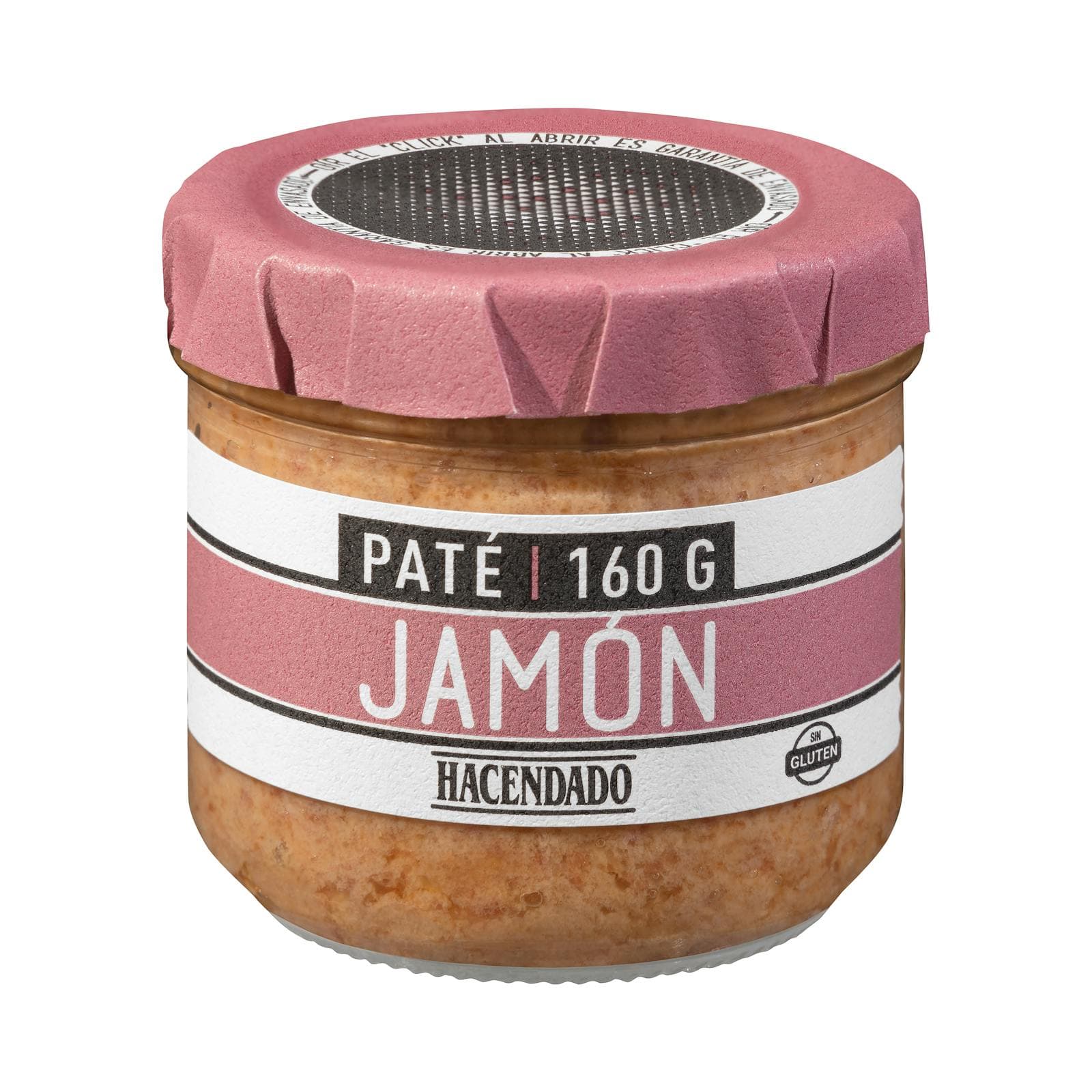 €1.10
€1.10Ham Pâté
Hacendado · 160 g · Mercadona
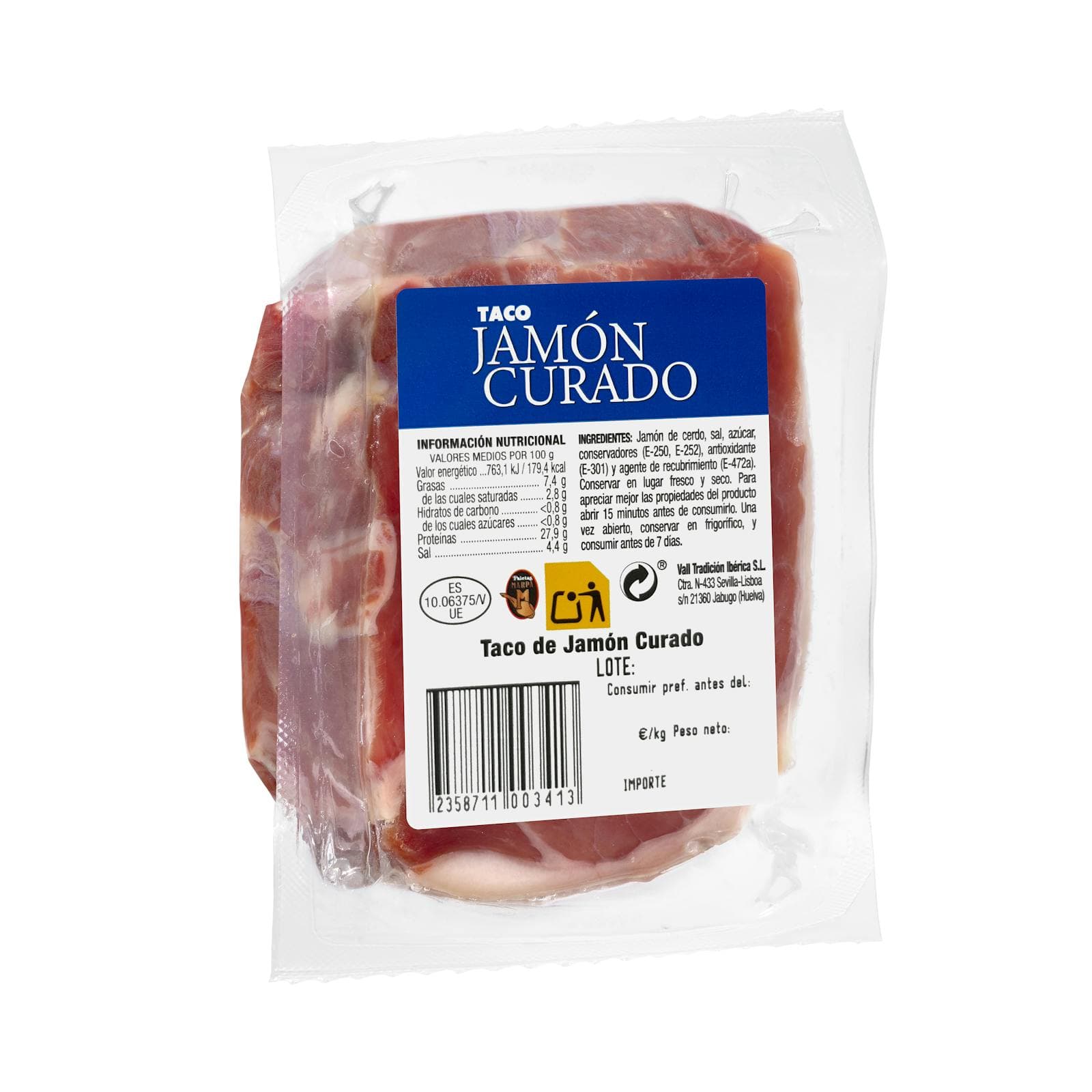 €3.85
€3.85Cured Ham Portion
220 g · Mercadona
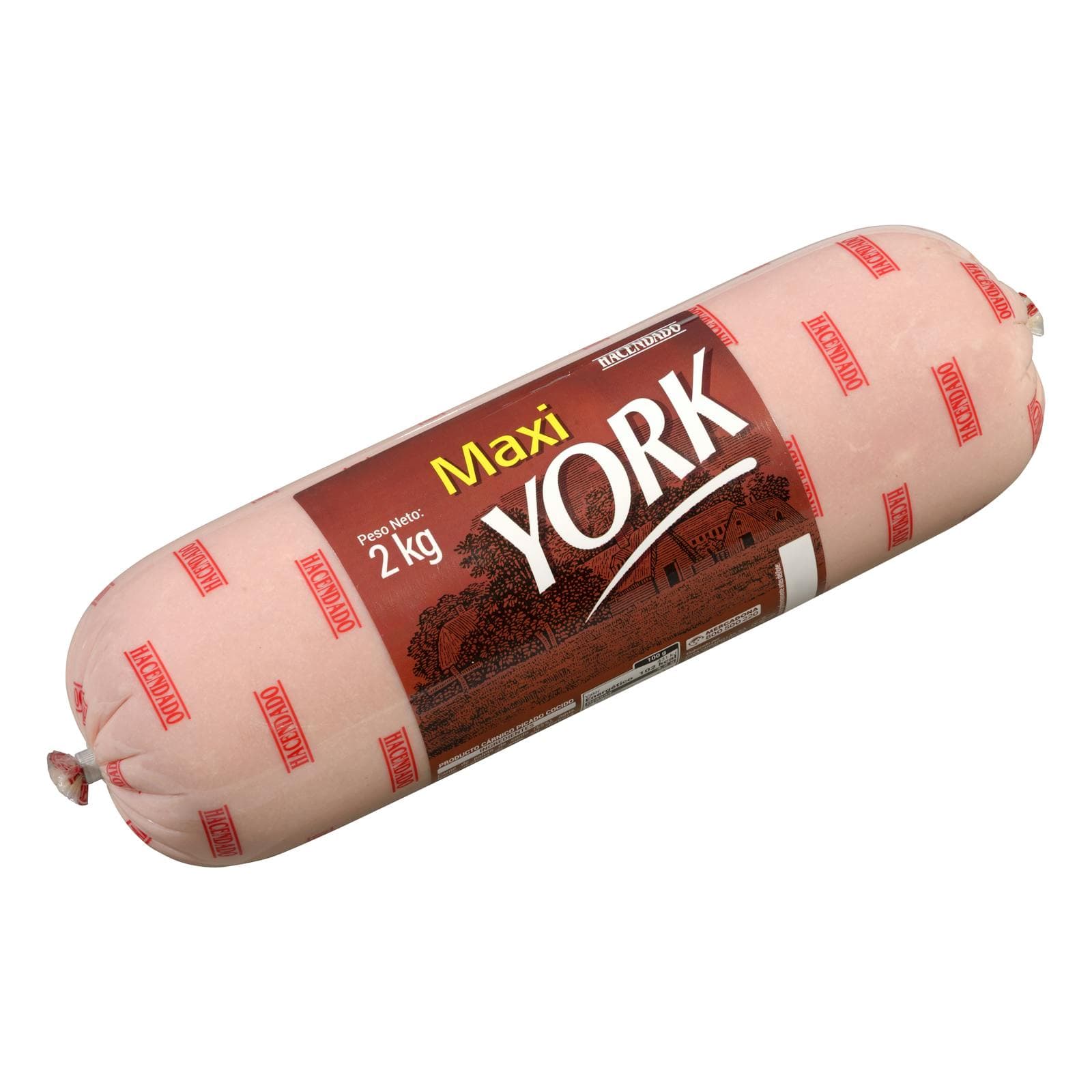 €5.95
€5.95Maxi York Ham
Hacendado · 2 kg · Mercadona
 €6.75
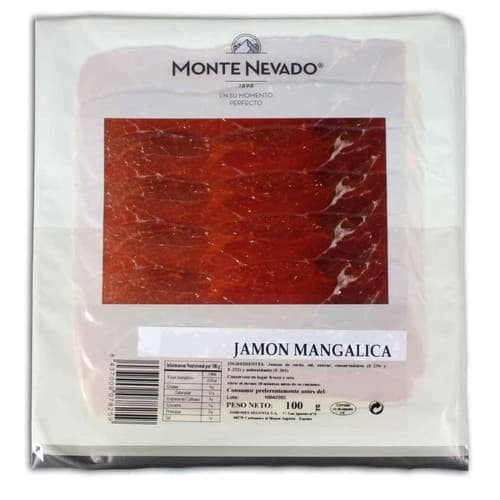
€6.75Mangalica Ham
MONTE NEVADO · kg · Bonpreu
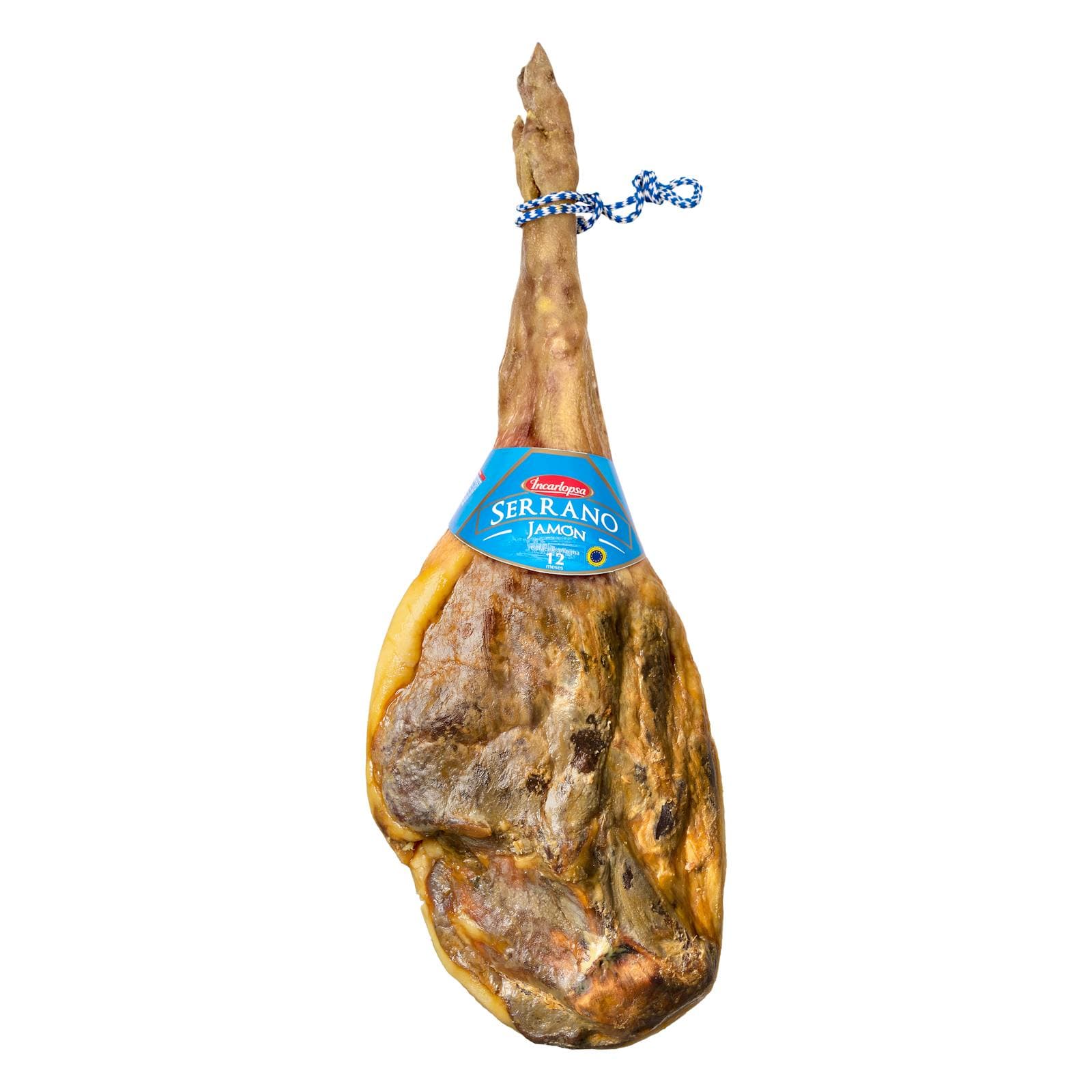 €65.00
Serrano Ham Incarlopsa
Incarlopsa · 7.5 kg · Mercadona
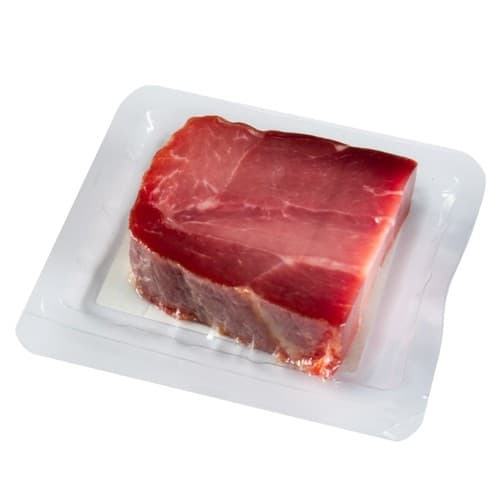 €3.85
€3.85Cured Ham Block
ESPUÑA · kg · Bonpreu
Good to know
- Form
- Pre-cut cubes, typically 1/2 to 3/4 inch (1.3–2 cm)
- State
- Fully cooked; safe to eat without additional heat required
- Typical sodium
- 400–700 mg per 2-oz serving depending on brand and cure method
- Protein
- About 5 g per ounce
- Fat content
- Approximately 3–5 g per ounce; varies by cut and brand
- Refrigerator storage
- Use within 5–7 days of opening or purchase date
- Freezer storage
- Up to 2 months in airtight packaging; texture acceptable through frozen period
Substitutes
- Cooked pork belly or shoulder, cubed — Cook fresh pork to 145°F (63°C) and cube; will lack cured ham's smokiness and salt balance
- Canadian bacon or back bacon, diced — Leaner and more delicate flavor; works well in egg dishes; add a pinch of salt to compensate
- Bacon, cooked until chewy and chopped — Smokier, more pronounced flavor; reduce added salt by half when substituting
- Prosciutto cotto, hand-torn — Cooked Italian ham with similar flavor profile; lacks cube shape so tear or chop before using
- Low-sodium diced turkey ham — Lower fat option; acceptable for strict sodium restrictions; similar texture and appearance
Pairs with
Also called
Diced Ham · Cubed Ham
Related
Egg
The kitchen's everything ingredient — bind, leaven, enrich, or fry
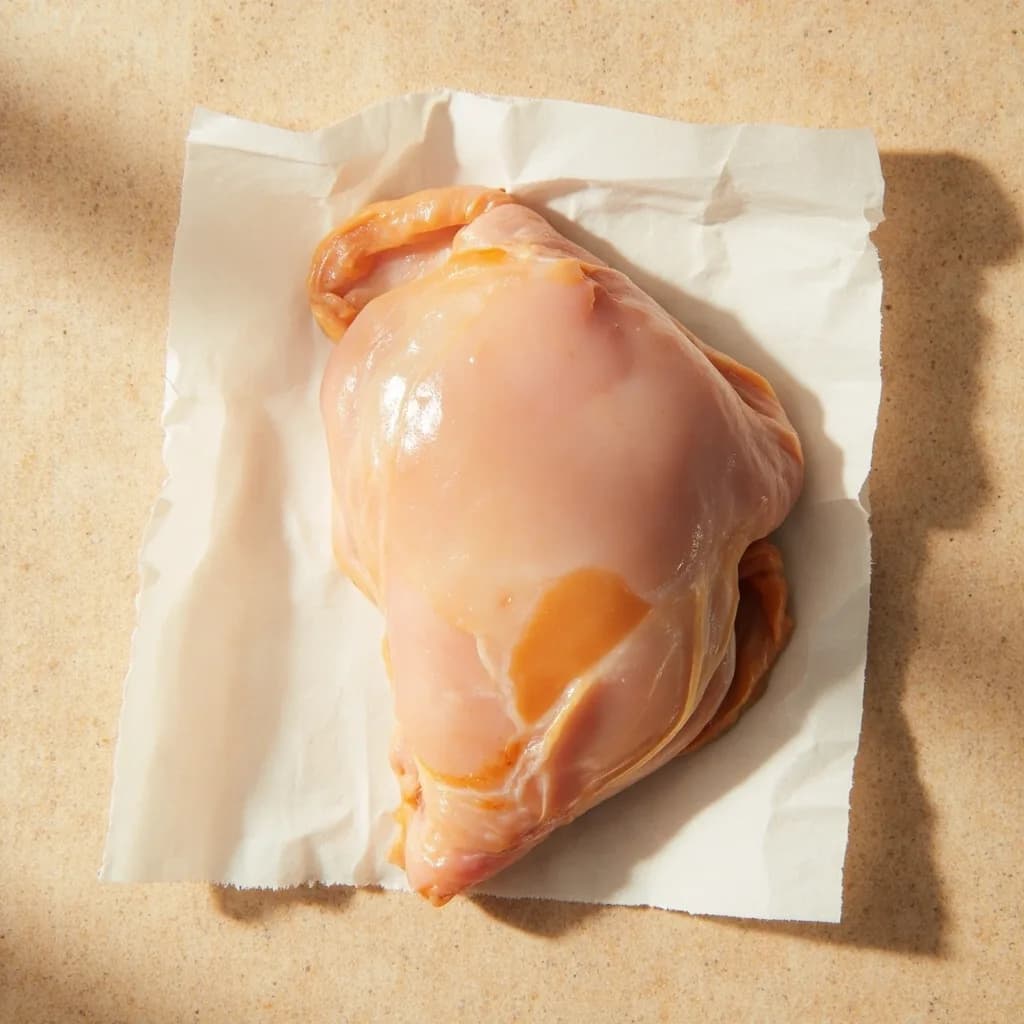
Chicken Breast
Lean, quick-cooking white meat for everyday dinners

Ground Beef
Versatile minced beef for burgers, ragù, tacos, and meatballs
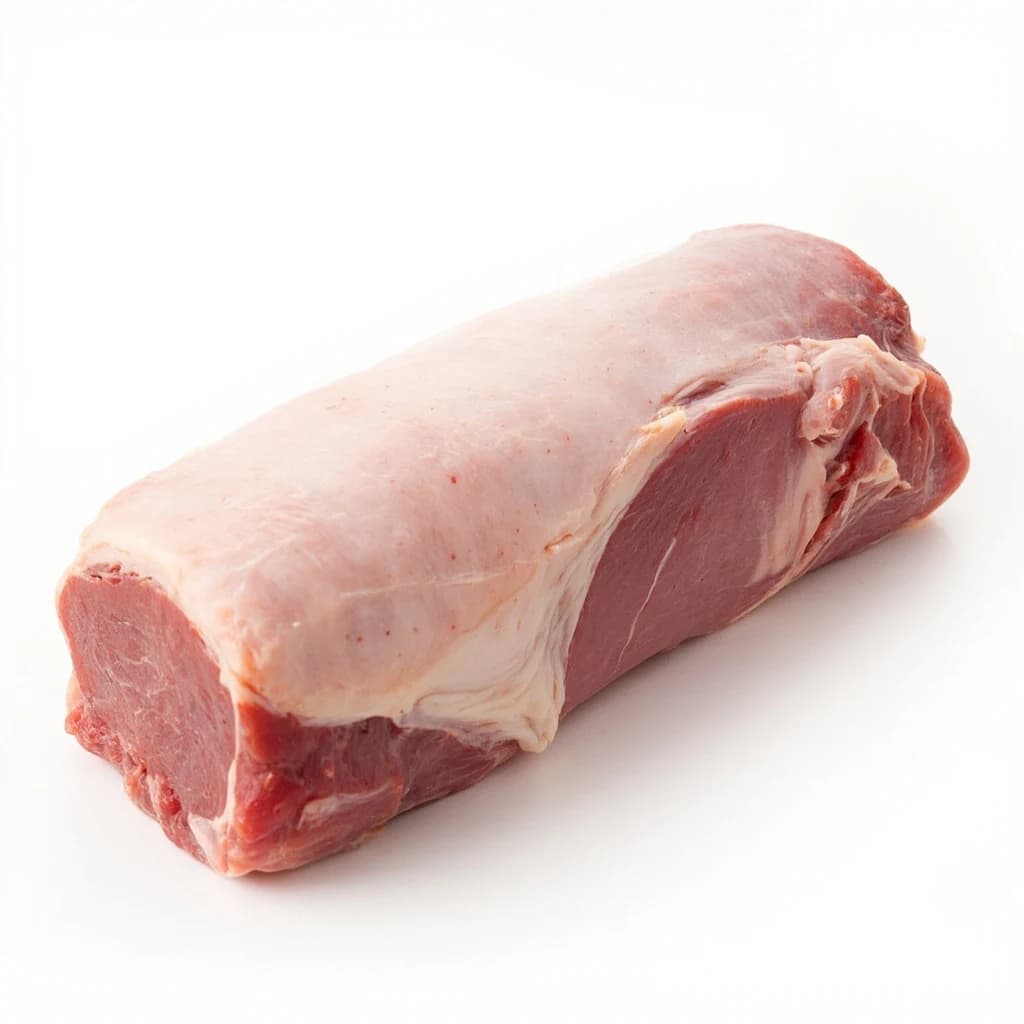
Pork Loin
Lean, tender roasting cut that stays juicy with care

Salmon
Rich, rosy fish that roasts, grills, or cures beautifully

Egg White
Pure protein that whips to airy peaks for meringue and more

Egg Yolk
Rich, golden yolk for custards, mayonnaise, and pasta

Quail Egg
Tiny, speckled eggs for garnishing and elegant bites