Proteins
Dried Yak Meat
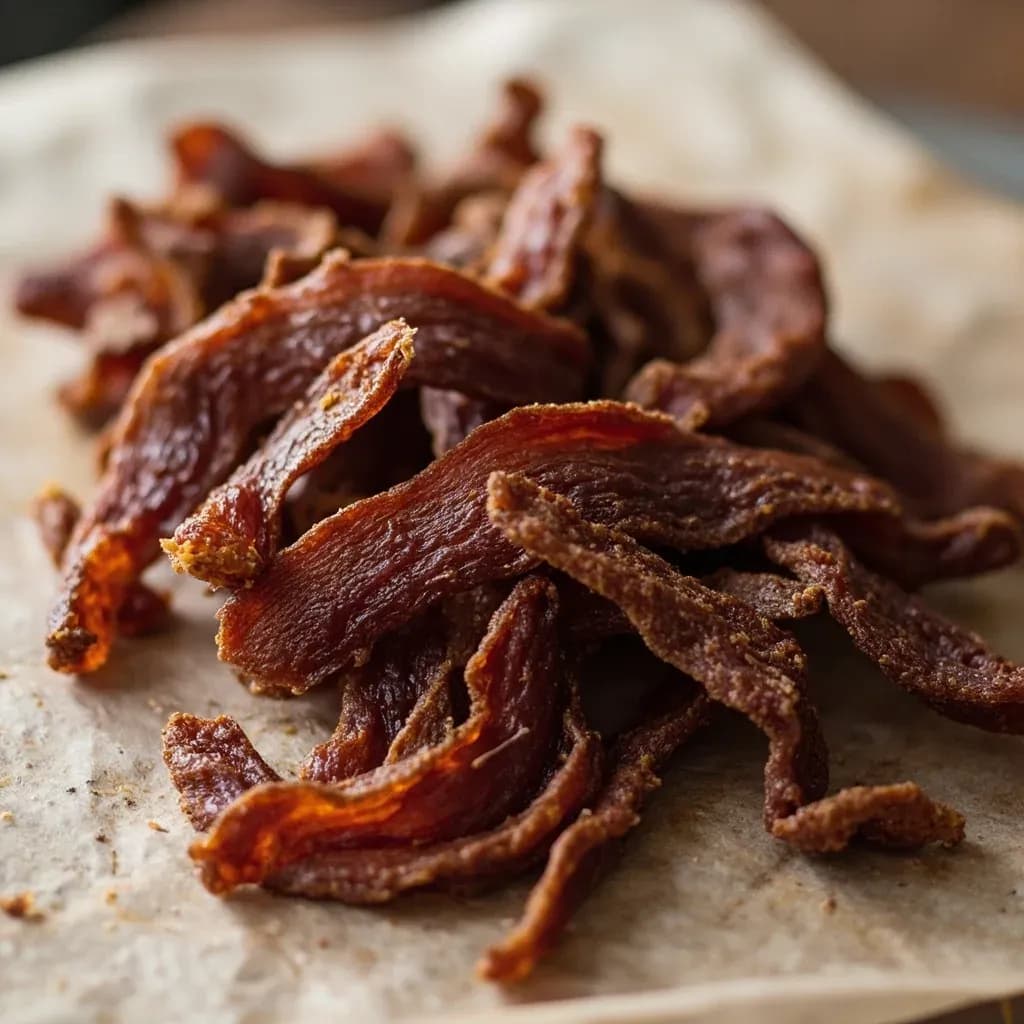
Air-dried Himalayan yak meat, a chewy high-protein snack and jerky.
Dried yak meat is strips of yak preserved by air-drying in the cold, dry Himalayan climate, a staple across Tibet and Nepal. Lean and intensely savory, it is eaten as a chewy jerky-like snack or rehydrated into stews and noodle dishes. Yak meat is lower in fat than beef with a slightly gamey, rich flavor.
Dried yak meat is a traditional preservation method native to the Qinghai-Tibet Plateau and surrounding Himalayan nations, where sub-freezing temperatures and low humidity create ideal conditions for air-drying without refrigeration. Unlike the soft, often sugar-glazed jerky found in Western convenience stores, traditional dried yak meat—known as sukuti in Nepali and by various dialectal terms across Tibet—is typically salted only, dried slowly in the cold mountain air, and produces a product that is significantly drier, saltier, and more intensely flavored than its commercial counterparts. This concentrated intensity makes it a pantry staple in Himalayan cuisines, where it functions as a flavor base and protein source much like cured pork belly in European cooking or dried shrimp in Southeast Asian pantries. The meat is versatile: eaten as a protein-rich snack, or rehydrated, sliced thin, or crumbled into soups, stews, stir-fries, and grain dishes to lend a deep, savory backbone that fresh meat alone cannot provide.
- Measured in
- g
- Storage
- Pantry
Types & varieties
Salted only, no additional spices; the most traditional form and the standard for cooking applications
Seasoned with turmeric, chili powder, cumin, coriander, or Sichuan peppercorn before drying; regional spice blends vary by household and valley
Dried over yak-dung fire for added smoky depth; darker color and more pronounced aroma; primarily a snack item
Includes visible marbling; richer flavor and noticeably softer texture when rehydrated
From Plateau to Pantry: Why Drying Reigned Supreme
Before refrigeration reached the Himalayas, communities needed ways to preserve protein through harsh winters when fresh meat was unavailable. The yak's adaptation to extreme altitudes—thriving where cattle cannot—made it the dominant livestock, and its lean, dense meat proved ideal for air-drying. The process is simple but unforgiving: thin strips are salted, sometimes spiced, then hung in well-ventilated spaces where the cold, dry air draws out moisture over days or weeks. The result is a stable, nutrient-dense food that requires no energy to store. This practicality made dried yak meat essential for nomads crossing high passes, for monasteries stocking winter provisions, and for families seeking to stretch a single animal across lean months. Today, while refrigeration has reduced dependence on traditional preservation, dried yak meat remains woven into daily cooking—not as a curiosity but as a foundational ingredient.
- The yak (Bos grunniens) is physiologically distinct from cattle, with more hemoglobin in its blood for oxygen efficiency at altitude
- Traditional drying takes 1–3 weeks depending on strip thickness and weather; commercial versions may use controlled dehumidification
- Sukuti production often increases in late autumn, timed to provide winter stores before deep cold sets in
Cooking with Dried Yak Meat: A Pantry Mindset
Western palates encounter dried yak meat primarily as a snack, but serious cooks should understand its true home is in cooking. Think of it as a highly concentrated umami agent—like a meat stock cube, but with texture and complexity. The flavor is assertive: intensely savory, mildly gamey, and significantly saltier than fresh meat. A little goes a long way. Before using in cooked dishes, always consider whether you need to rehydrate, and adjust seasoning accordingly. When rehydrated and sliced thin, it can stand in for cured meats in many applications; when crumbled dry into a broth, it dissolves flavor throughout the liquid without needing cooking time. The key is to balance its power with neutral starches, acid, or fat—which is exactly how Himalayan cooks have always paired it.
- Always taste before adding salt when cooking with rehydrated sukuti; it may already contribute significant seasoning
- For soups and broths, add dry strips early to let flavor permeate the liquid; rehydrate only if you want visible pieces
- In stir-fries, brief rehydration (5–10 minutes in warm water) softens the texture without losing the concentrated flavor
Common uses
Tips & pitfalls
- Store in a breathable container—paper bag, cloth bag, or mesh bag—in a cool, dry, ventilated area; plastic traps moisture and invites mold
- If the texture is too hard to chew when snacking, soak strips in warm water for 10–15 minutes before cooking to rehydrate
- Slice into smaller pieces before adding to soups to distribute the intense flavor evenly throughout the dish
- Balance the strong, salty flavor by pairing with mild starches (rice, noodles) or acidic elements (lime, tomato, pickled vegetables)
- For snacking, pull apart against the grain for easier chewing and a more pleasant texture experience
- Avoid exposing to direct sunlight during storage; UV degrades both color and flavor compounds over time
- When buying, look for uniform deep red-brown color and a clean, meaty smell without any rancidity or sourness
- Start with a small amount when cooking with it for the first time—the flavor is concentrated and significantly saltier than fresh yak or beef
- If using as a snack, a little yak butter tea alongside helps cut through the chewiness and salt
Nutrition
Energy
1301 kJ · per 100 g
Where the calories come from
Protein
41.7g
83% DV
Carbs
34.7g
13% DV
Fat
3g
4% DV
Fiber
17.5g
63% DV
Sodium
10mg
0% DV
Source · USDA FoodData Central · approx. Meat extender
View on FDC →In the shops
Matched grocery products
No matched grocery products for Dried Yak Meat yet.
Good to know
- Origin
- Himalayan region (Tibet, Nepal, Bhutan, Qinghai-Tibet Plateau)
- Primary Protein
- Yak (Bos grunniens)
- Preservation Method
- Air-dried or sun-dried in cold, high-altitude climate
- Flavor Profile
- Savory, intensely umami, mildly gamey, slightly smoky; noticeably saltier than fresh yak meat
- Texture
- Chewy, leathery when dry; rehydrates to a dense, meaty texture
- Typical Form
- Thin strips or flattened sheets, often 15–30 cm long
- Protein Content
- Approximately 45–55% by weight—significantly higher than fresh meat due to moisture removal
- Shelf Life
- Months to years when stored in cool, dry, ventilated conditions
- Traditional Name
- Sukuti (Nepali); various Tibetan dialectal terms
- Fat Content
- Yak meat is naturally lean; fat content varies by cut and whether fat is left on strips
- Where to Buy
- Himalayan grocery stores, specialty Asian markets, online retailers; increasingly found in gourmet snack shops
Substitutes
- Air-dried beef jerky (plain, low-sugar) — Most accessible substitute; similar chewy texture and savory intensity, though without the distinctive gamey yak character
- Biltong — South African air-dried beef; similar texture and protein density, slightly different seasoning profile and less smoky by default
- Dried water buffalo meat — Common across Nepal and northern India; comparable flavor and texture to yak meat and shares the same culinary traditions
- Sun-dried beef or yak strips (fresh equivalent) — If you have access to high-altitude markets; requires longer drying time if making from scratch
Pairs with
Also called
Yak Jerky
Related

Egg
The kitchen's everything ingredient — bind, leaven, enrich, or fry
Chicken Breast
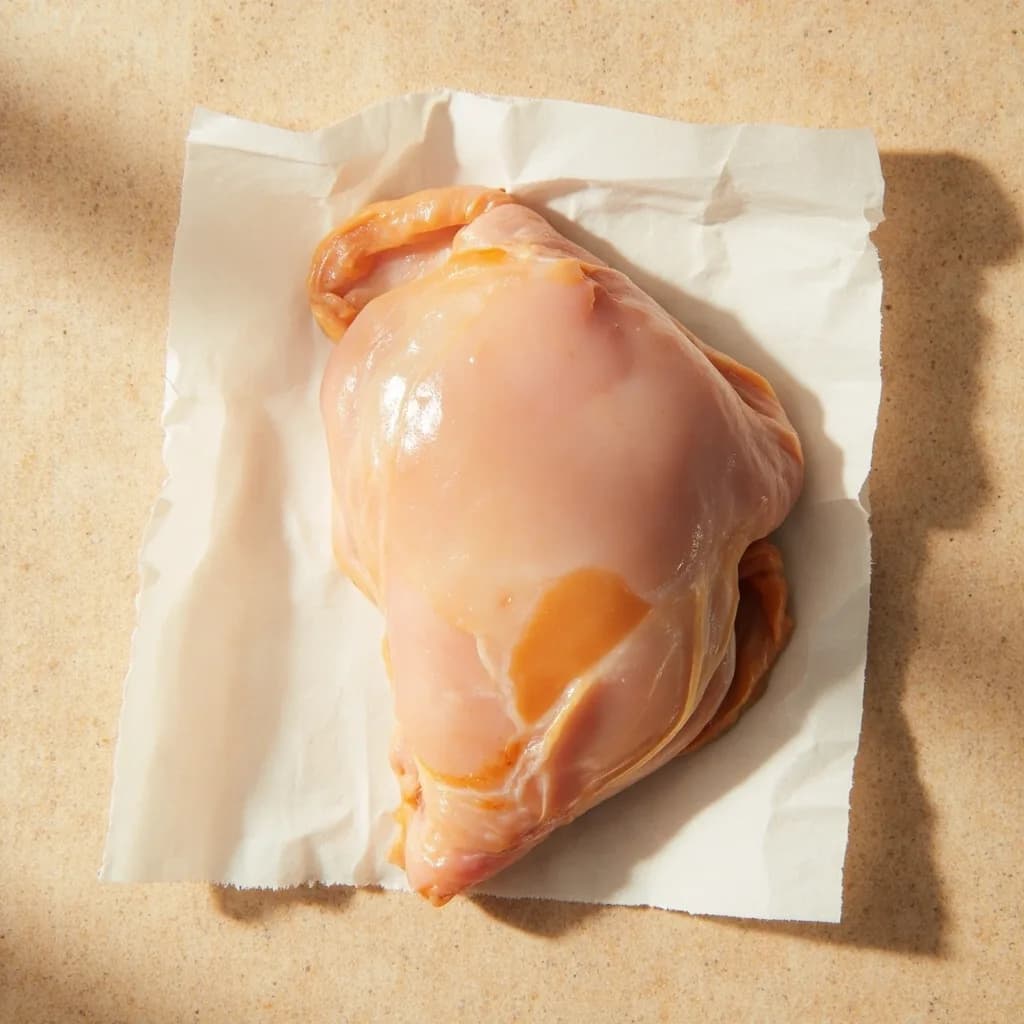
Lean, quick-cooking white meat for everyday dinners

Ground Beef
Versatile minced beef for burgers, ragù, tacos, and meatballs
Pork Loin
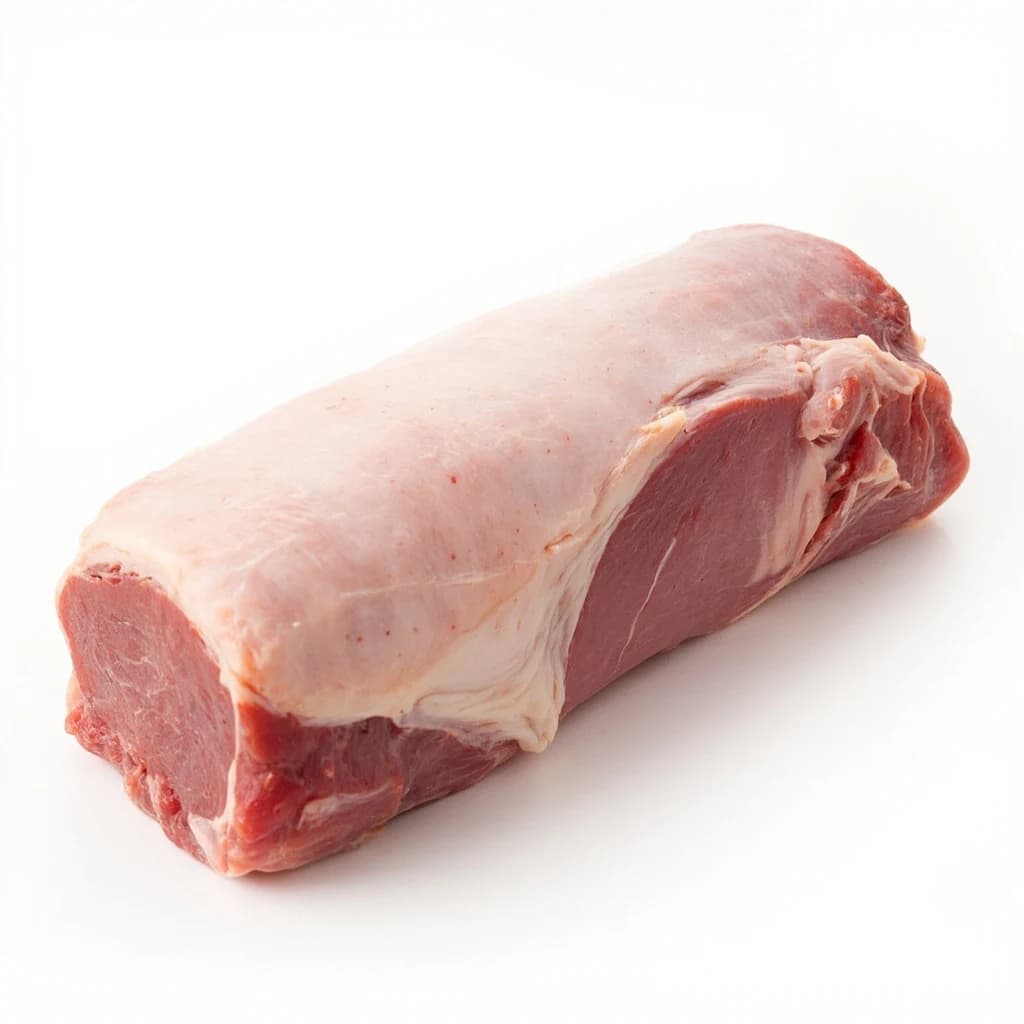
Lean, tender roasting cut that stays juicy with care
Salmon
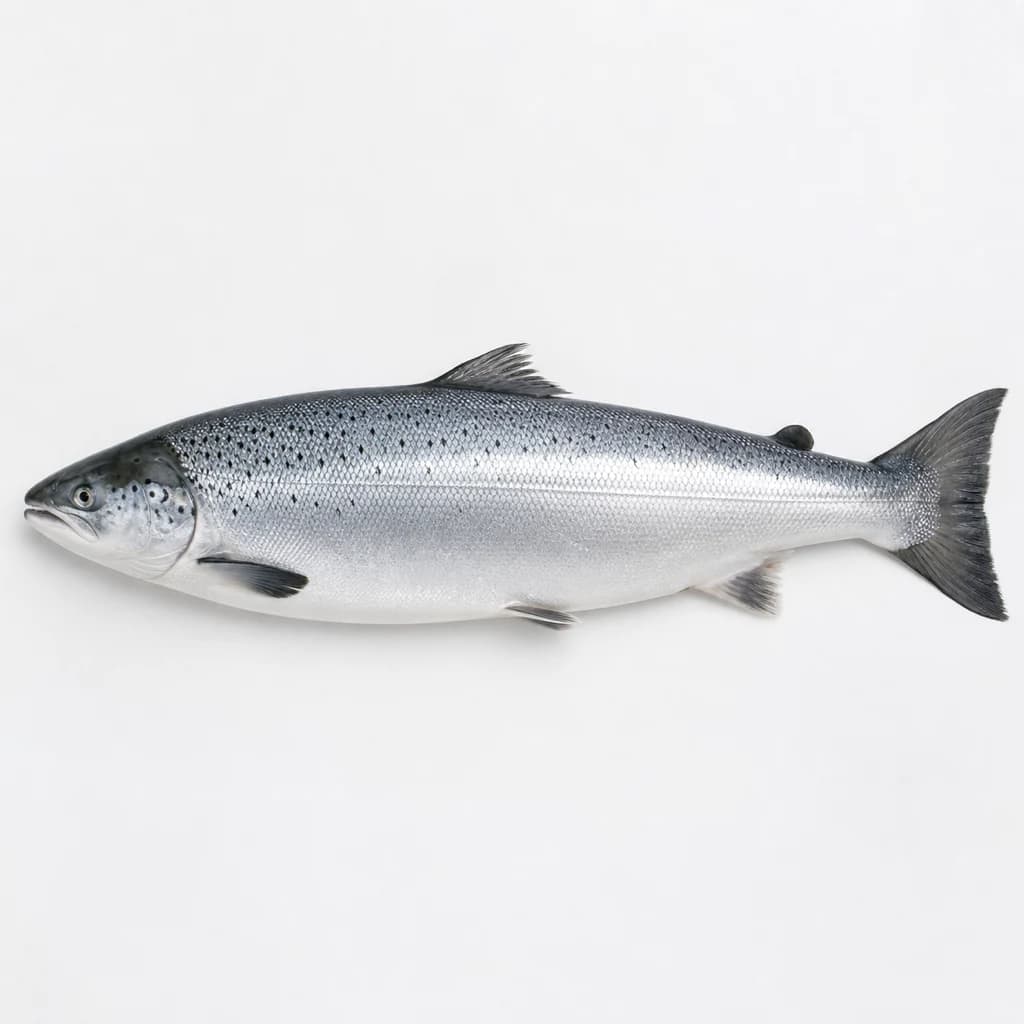
Rich, rosy fish that roasts, grills, or cures beautifully

Egg White
Pure protein that whips to airy peaks for meringue and more

Egg Yolk
Rich, golden yolk for custards, mayonnaise, and pasta

Quail Egg
Tiny, speckled eggs for garnishing and elegant bites