Proteins
Edible Caterpillar (Makongo)
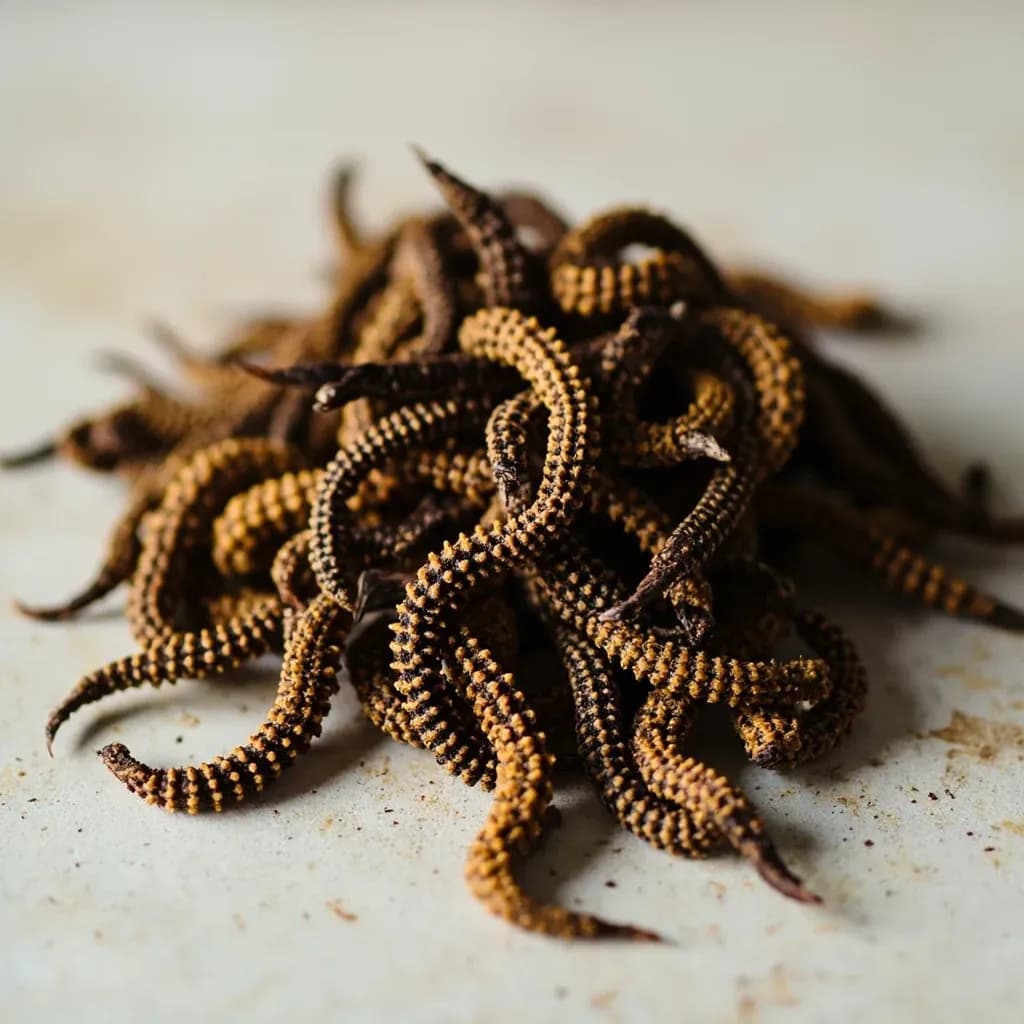
Protein-rich harvested caterpillars, dried or fresh, simmered into stews across Central and Southern Africa.
Edible caterpillars, such as the mopane worm (makongo), are larvae harvested seasonally and eaten as a high-protein food across Central and Southern Africa. They are gutted, boiled, and dried for storage, then rehydrated and fried or stewed with tomato, onion, and chili. The texture is chewy and the flavor earthy and savory, like a meaty mushroom.
The mopane worm—known as makongo across its range—is the caterpillar of the emperor moth (Gonimbrasia belina, Saturniidae family), harvested almost exclusively from the leaves of the mopane tree (Colophospermum mopane) across southern-central Africa's mopane woodlands. It is one of Africa's most significant edible insects, both as a protein source and as an economic engine for rural communities. The caterpillars are plump and active when fresh, displaying distinctive yellow or orange stripes against a greenish body; upon drying, they turn dark brown and shrink considerably, developing an intensely earthy, smoky, slightly nutty flavor that is far more concentrated than the fresh form.
Nutritionally, mopane worms are exceptional: they deliver 55–65% protein by dry weight—on par with fish or lean meat—alongside bioavailable iron, zinc, calcium, and B vitamins. The iron content per gram actually exceeds that of beef, making this a particularly valuable food in regions where iron-deficiency anemia is prevalent. Fresh caterpillars cook quickly (15–20 minutes of simmering once cleaned) and yield a tender result, while dried specimens require 15–30 minutes of soaking followed by extended cooking in stews to rehydrate properly and absorb surrounding flavors. The cooking liquid itself is savory; skilled cooks use it as the stew base rather than discard it.
Mopane worms are not merely a food item but a seasonal cultural event tied to the rains and the mopane tree's life cycle. The harvest typically falls in January–February in Zimbabwe and November–December in Zambia, creating a temporary but vital informal economy centered on women collectors and traders. Their significance extends across the Southern African Development Community region, with trade flowing between countries. The annual appearance of the caterpillars is predictable enough to shape household food planning and market activity, making mopane worms a cornerstone of food security for millions rather than a marginal or emergency food source.
- Measured in
- g
- Storage
- Pantry
Types & varieties
The dominant commercial species; greenish with distinctive yellow or orange stripes when fresh, turning dark brown when dried. This is what the term makongo typically refers to in trade and cooking.
A smaller, paler species (Gynanisa species) found in some regions; processed and used similarly to mopane worms though less commercially significant.
Various Saturniidae and Lasiocampidae species consumed locally across different regions; mopane worms dominate commercial trade, but these other species appear in regional cuisines.
Seasonality and sustainability
The mopane worm harvest is tied directly to the rainy season and the moth's single annual breeding cycle. Female moths lay eggs on mopane trees at the start of the rains; caterpillars emerge, feed aggressively on the foliage, and grow to harvestable size within weeks. This compressed lifecycle means the harvest window is brief and cannot be extended through farming in the conventional sense. Rural collectors, predominantly women, handpick caterpillars from trees and ground, typically processing them the same day as deterioration begins rapidly after harvest.
Sustainability concerns have grown as demand increased and harvest pressures intensified. Some areas have experienced population declines, prompting local conservation programs that encourage collectors to leave a portion of the population to complete the breeding cycle. The informal trade across SADC countries means that overharvesting in one region can affect supply elsewhere. For cooks, this underscores that mopane worms are a seasonal treasure: fresh worms are available only during the brief harvest window, while dried stock carries the season's yield through the rest of the year. Buying from vendors who practice sustainable harvesting helps support the long-term viability of this resource.
- Fresh mopane worms are live and active at point of sale; process within hours of purchase
- Dried worms represent the entire season's harvest—use them thoughtfully throughout the year
- Look for suppliers who support sustainable collection practices in producer communities
From fresh to dried: understanding the forms
Fresh mopane worms are living caterpillars collected directly from mopane trees. They require immediate attention: clean them by squeezing from head to tail to expel the gut contents (2–3 firm passes), then cook them the same day. Fresh worms simmer in 15–20 minutes and have a tender, yielding texture with a mildly earthy flavor.
Dried mopane worms are the preserved form that dominates market trade. They are typically sun-dried whole, often strung on sticks or into strings for easier handling and storage. The drying process concentrates flavor dramatically—the earthy, smoky, slightly nutty character intensifies compared to fresh worms. Dried worms require soaking in cold water (15–30 minutes) before use; use this soak water as part of your cooking liquid as it carries dissolved flavor. Never use boiling water for soaking, as it toughens the exterior while leaving the center hard. Once soaked and added to stews, dried mopane worms need 30–45 minutes of cooking to rehydrate fully and absorb surrounding flavors.
- Fresh: clean by squeezing head to tail, cook same day, 15–20 minutes simmering is sufficient
- Dried: soak in cold water 15–30 minutes, use soak water as cooking liquid, add to stews 30–45 minutes before serving
- Never rush dried worms—they need proper rehydration and cooking time for correct texture
Common uses
Tips & pitfalls
- Always clean fresh caterpillars thoroughly: grasp the head and squeeze firmly from head to tail 2–3 times to expel the gut before cooking; failure to do this results in bitter flavor and potential food safety issues
- For dried caterpillars, soak in cold water for 15–30 minutes until softened before adding to stews; do not use boiling water as it toughens the exterior while leaving the center hard
- Add dried mopane worms early in the cooking process (30–45 minutes before serving) so they rehydrate evenly and absorb the stew's flavors
- The cooking liquid from mopane worms is itself flavorful; use it as a base for the stew rather than discarding it
- Overcooking fresh caterpillars makes them tough and chewy; 15–20 minutes of simmering is sufficient once cleaned
- Store dried caterpillars in airtight containers away from sunlight and humidity; inspect periodically for moisture or pest intrusion
- Common mistake: treating dried mopane worms as an instant ingredient; they require proper rehydration and cooking time to achieve the correct texture
Nutrition
Nutrition
No USDA FoodData Central match for Edible Caterpillar (Makongo) yet. We surface a per-100 g profile once a generic whole-food entry is matched and verified.
In the shops
Matched grocery products
No matched grocery products for Edible Caterpillar (Makongo) yet.
Good to know
- Scientific name
- Gonimbrasia belina (Saturniidae family, emperor moth)
- Primary habitat
- Mopane woodlands of southern-central Africa (Zimbabwe, Zambia, Botswana, northern South Africa, Namibia, Malawi, Angola)
- Host plant
- Colophospermum mopane (mopane tree); caterpillars feed exclusively on mopane foliage
- Protein content
- 55–65% dry weight—comparable to fish or lean meat
- Key micronutrients
- Iron, zinc, calcium, B vitamins; higher iron per gram than beef
- Form sold
- Fresh (live or freshly processed) or sun-dried (whole, often strung on sticks)
- Harvest season
- Rainy season: January–February in Zimbabwe; November–December in Zambia
- Shelf life
- Dried: several months in cool, dry, airtight conditions; fresh: 1–2 days refrigerated
Substitutes
- Dried small sardines (kapenta/mandazi) — Provides comparable protein density and smoky, umami depth; cook similarly in tomato-based stews; has a fishier, saltier character but fills a similar nutritional and culinary role
- Dried sprats or other small dried fish — Similar textural qualities—softens in cooking, absorbs sauces—and protein punch; widely available across the same regions as mopane worms
- Cooked beans or lentils — Partial protein substitute; lacks the intense umami and mineral density of mopane worms; useful when caterpillars are unavailable but not equivalent in flavor impact
- Smoked tofu — Provides smoky flavor and protein punch; not a traditional substitute but functional in non-traditional contexts and available beyond the caterpillars' range
Pairs with
Also called
Edible Caterpillars (Makongo) · Mopane Worm · Makongo
Appears in these dishes
Related
Egg
The kitchen's everything ingredient — bind, leaven, enrich, or fry
Chicken Breast
Lean, quick-cooking white meat for everyday dinners

Ground Beef
Versatile minced beef for burgers, ragù, tacos, and meatballs
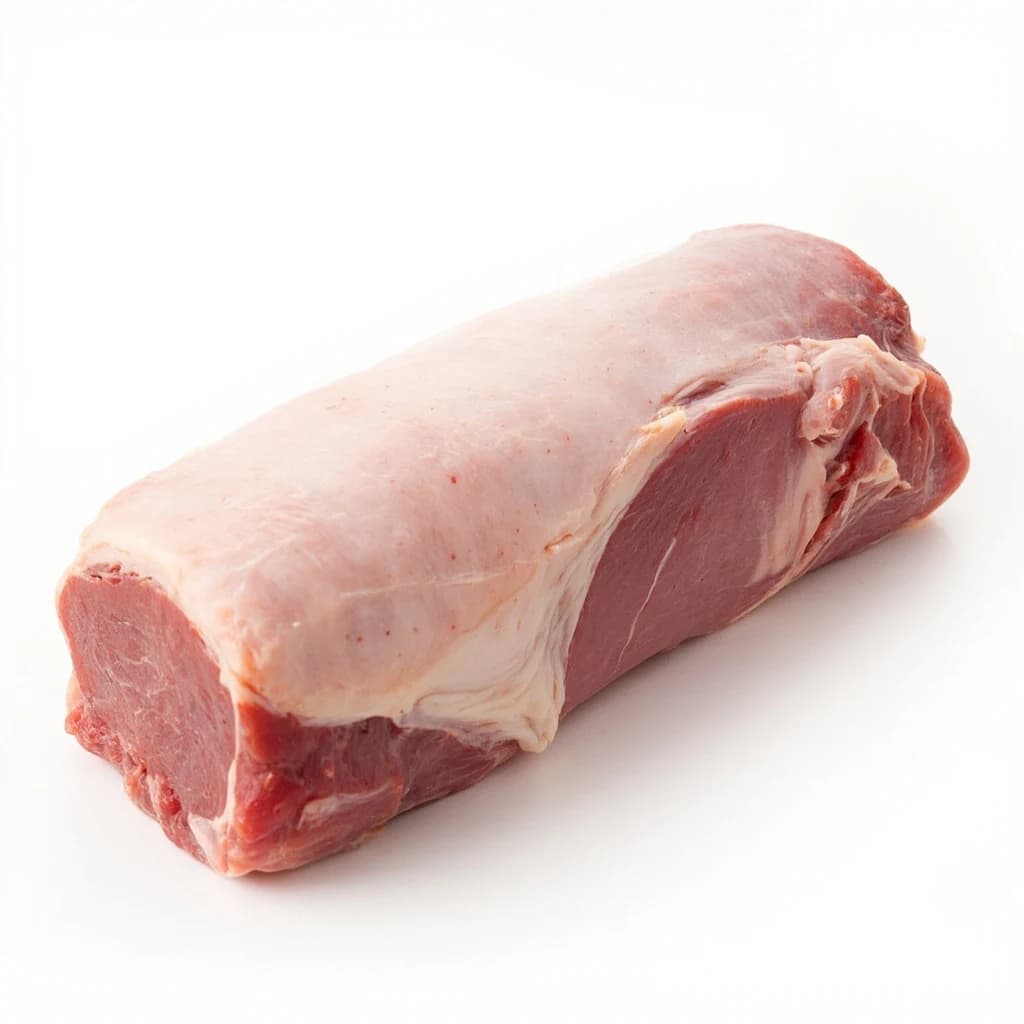
Pork Loin
Lean, tender roasting cut that stays juicy with care
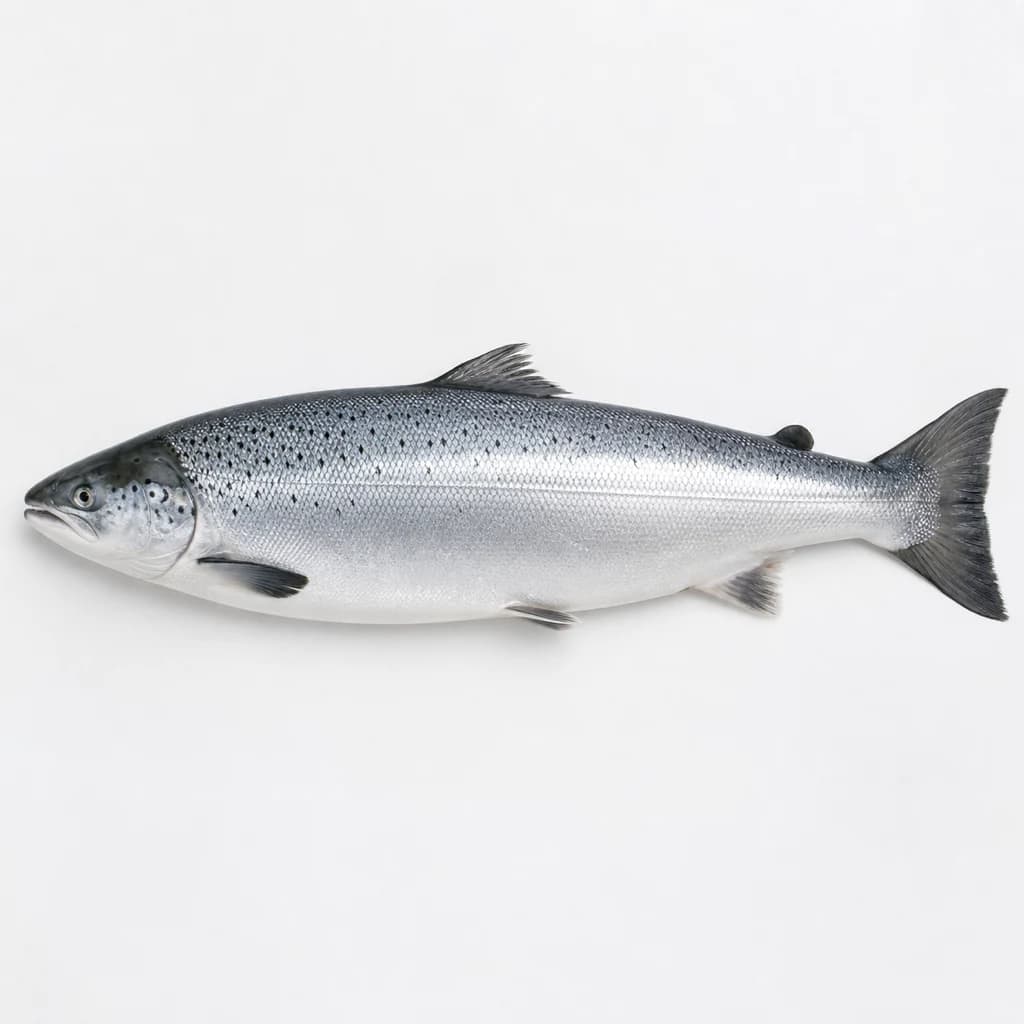
Salmon
Rich, rosy fish that roasts, grills, or cures beautifully

Egg White
Pure protein that whips to airy peaks for meringue and more

Egg Yolk
Rich, golden yolk for custards, mayonnaise, and pasta

Quail Egg
Tiny, speckled eggs for garnishing and elegant bites