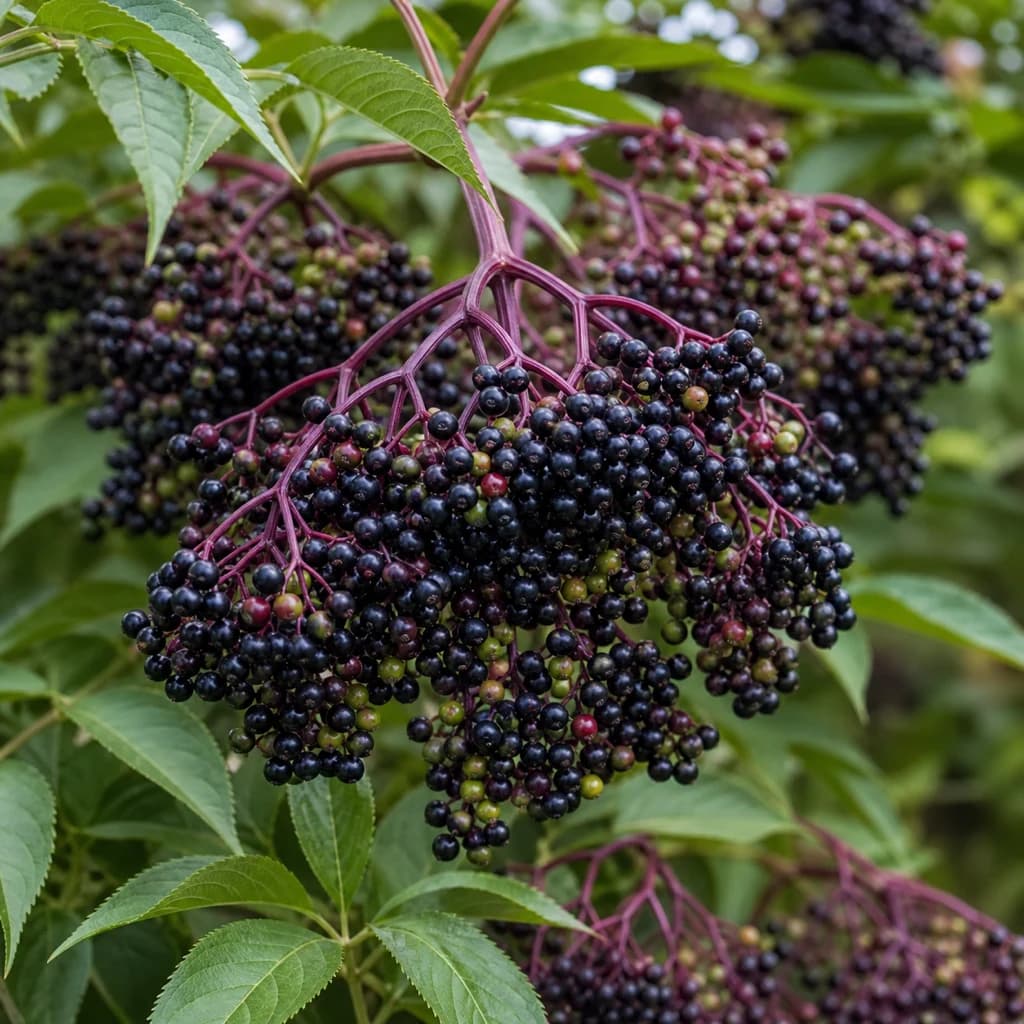
Natural form
Clusters of ripe elderberries hanging on the shrub, showing their deep purple-black color.
Shows the berry in its natural state on the plant so readers can identify elderberries growing in the wild or a garden.
Produce
Elderberry
Tiny dark berries cooked into syrups, cordials, and jams; tart and must be cooked before eating.
Elderberries are small, dark purple-black berries from the elder shrub, with a tart, earthy flavor and high acidity. They are cooked into syrups, cordials, wines, and jams across Europe and are popular in herbal remedies for colds. Raw elderberries and the stems are mildly toxic, so they are always cooked before consumption.
Elderberries are the small, intensely flavored fruit of the elder shrub (Sambucus nigra in Europe, S. canadensis in North America), growing 4–6 mm in diameter and ripening to a deep purple-black in late summer. Their flavor is tart with a subtle floral undertone—more acidic and assertive than blackberries—and their high natural pectin makes them exceptional for setting jams and preserves without added thickeners. The berries grow in clusters called umbels, typically yielding 2–3 cups of cleaned fruit per pound of whole clusters. Historically one of the most widely foraged wild fruits in temperate regions, elderberries have been used since antiquity for cordials, wines, and medicinal preparations; the Anglo-Saxon name "æld" (fire) refers to hollow elder stems used to stoke flames. All parts of the raw plant—berries, bark, stems, and leaves—contain cyanogenic glycosides and must be cooked before consumption, but properly prepared berries are remarkably versatile. The European elder has been cultivated for centuries and remains prized for wine and cordials, while American elderberry is preferred for preserves and is more cold-hardy. Foragers must distinguish the edible black elderberries from the toxic red-berried elder (Sambucus racemosa), which grows throughout North America and Europe and causes severe gastrointestinal distress; the distinguishing feature is cluster shape (flat umbels versus pyramidal clusters) and leaf texture, but beginners should avoid red-berried elders entirely.
- Measured in
- g
- Storage
- Fridge
Types & varieties
The most common culinary variety; larger berries, more productive, preferred for wine and cordials
Native to North America; slightly smaller berries; excellent for preserves; more cold-hardy
Popular European cultivar with large, productive clusters and good disease resistance
Common American cultivar; large berries in abundant clusters; vigorous grower
American variety with exceptionally large berries; good for fresh cooking
Ornamental variety with dark purple foliage; berries are edible but grown primarily for aesthetics
Deeply serrated, near-black foliage; pink flowers followed by edible black berries
Foraging Safety
Distinguishing elderberry from toxic look-alikes is critical. The edible European and American elderberries have flat-topped umbel clusters of dark purple-black berries, smooth leaves, and grow as multi-stemmed shrubs typically 6–12 feet tall. The red elderberry (Sambucus racemosa) has pyramidal clusters of bright red berries and pubescent (fuzzy) leaves—its raw berries cause severe gastrointestinal distress. When in doubt, do not harvest. Never consume any part of the raw elder plant, and avoid unripe green or reddish berries, which contain higher concentrations of toxic compounds.
- Positive ID is essential: flat umbel clusters of dark berries on smooth-leaved shrubs
- Avoid red-berried elders entirely; they grow alongside black elders throughout temperate regions
- Never eat bark, leaves, stems, or raw berries—cook all berries for at least 10 minutes before use
- Work with experienced foragers on your first few harvests
Cleaning and Prep
The stems of elderberry clusters contain the highest concentration of toxic compounds and must be removed completely before cooking. The most efficient method is to freeze clusters whole on a sheet pan, then shake firmly inside a large bag—the frozen berries release from the stems effortlessly. For fresh cleaning, strip berries by running your thumb down each spoke of the umbel, working over a bowl. Expect to spend 15–20 minutes cleaning a pound of clusters. Rinse cleaned berries thoroughly and pick through to remove any remaining stem fragments, leaves, or unripe berries.
- Freeze first: frozen berries shake free from stems in seconds
- Work over a bowl or lined baking sheet to catch berries as they fall
- Pick through cleaned berries to remove stems and unripe (green/red) specimens
- Rinse thoroughly in a fine-mesh strainer before cooking
Common uses
Tips & pitfalls
- Strip berries from stems by freezing clusters first on a sheet pan, then shaking firmly in a large bag—frozen berries release effortlessly.
- Always cook elderberries thoroughly—simmer at least 10 minutes—to neutralize cyanogenic compounds before tasting or using in recipes.
- Never use bark, leaves, green unripe berries, or raw berries; even seeds in large quantities can cause stomach upset.
- Add a pinch of baking soda while cooking to preserve the deep purple color; acidity causes berries to turn brownish-red.
- For syrup, use roughly 1 part berries to 1 part sugar and 1 part water for a versatile base.
- If foraging wild elderberries, positively identify the plant—distinguish from toxic look-alikes like red elderberry (Sambucus racemosa).
Nutrition
Energy
305 kJ · per 100 g
Where the calories come from
Protein
0.7g
1% DV
Carbs
18.4g
7% DV
Fat
0.5g
1% DV
Fiber
7g
25% DV
Sodium
6mg
0% DV
Source · USDA FoodData Central · Elderberries, raw
View on FDC →In the shops
Matched grocery products
No matched grocery products for Elderberry yet.
Good to know
- Scientific name
- Sambucus nigra (European), Sambucus canadensis (American)
- Season
- Late summer to early autumn, typically August through September
- Flavor profile
- Tart and slightly sweet with a distinct floral note; more acidic than blackberries
- Toxicity
- Raw berries, bark, stems, and leaves contain cyanogenic glycosides; must be cooked thoroughly before eating
- Berry size
- 4–6 mm in diameter, growing in clusters of 20–200+ berries
- Yield
- Approximately 2–3 cups of cleaned berries per pound of whole clusters
- pH
- Approximately 4.5–5.0 when ripe; acidity decreases as berries fully ripen
- Storage (fresh)
- Refrigerate up to 1–2 days; freeze clusters up to 6 months
Substitutes
- Blackcurrants — Closest match in tartness and color; use in equal quantity
- Blackberries — Similar texture but less acidic; may need added lemon juice
- Mulberries — Softer texture, milder flavor; good for jams but less ideal for syrups
- Blueberries with pomegranate juice — For color and tartness; blend cooked blueberries with 1–2 tablespoons pomegranate juice per cup
- Frozen mixed berry blends — Containing blackberries and currants work well in cooked applications
Pairs with
Also called
Sambucus Berry
Related
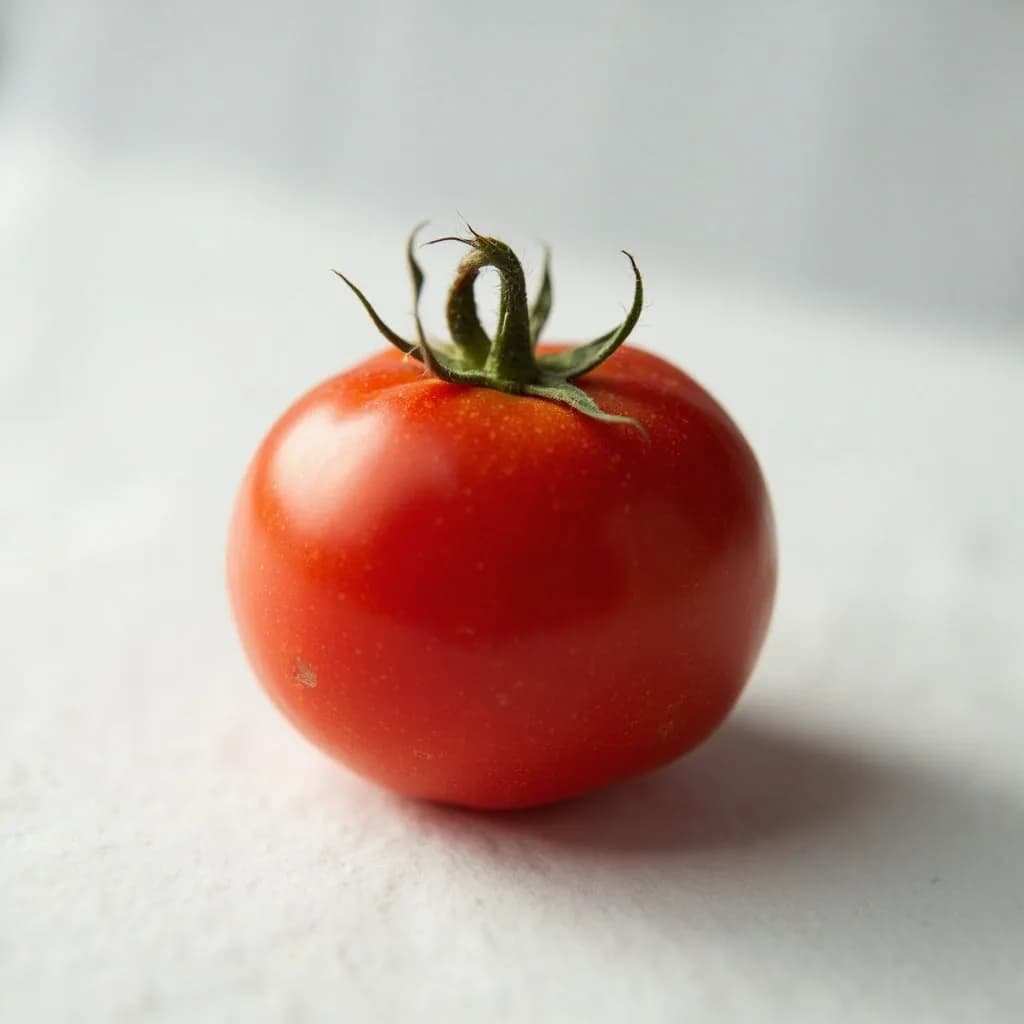
Tomato
Juicy, sun-sweet fruit for sauces, salads, and slow-cooked depth
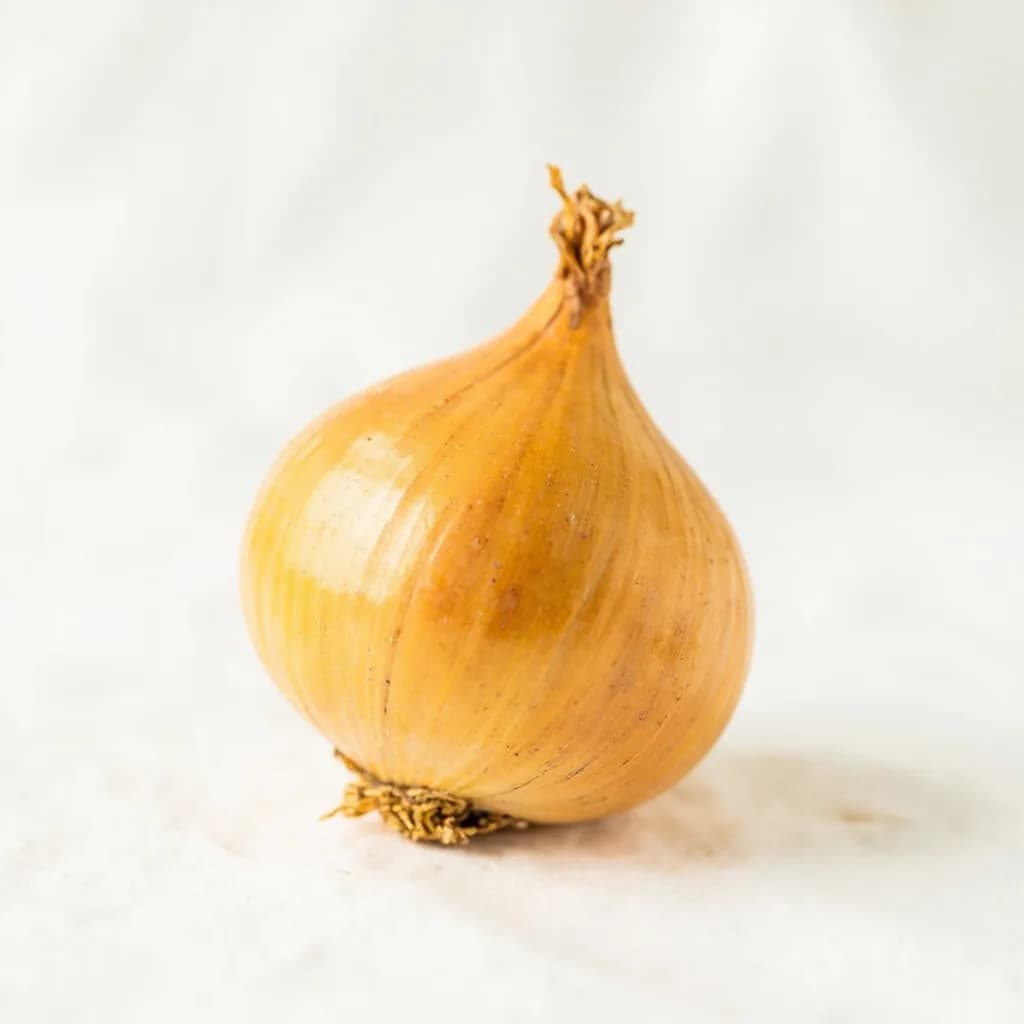
Yellow Onion
The aromatic backbone of soups, sofritos, and braises
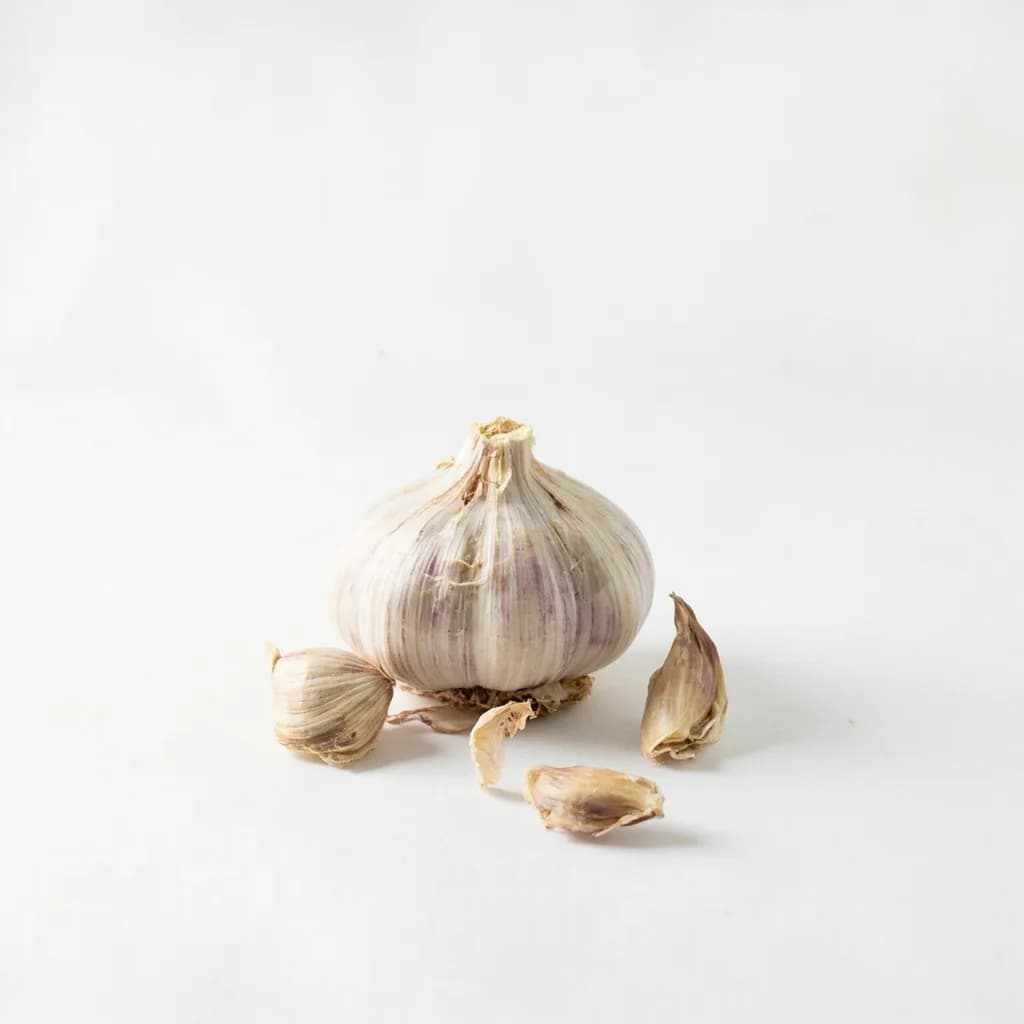
Garlic
Pungent cloves that perfume nearly every savory dish
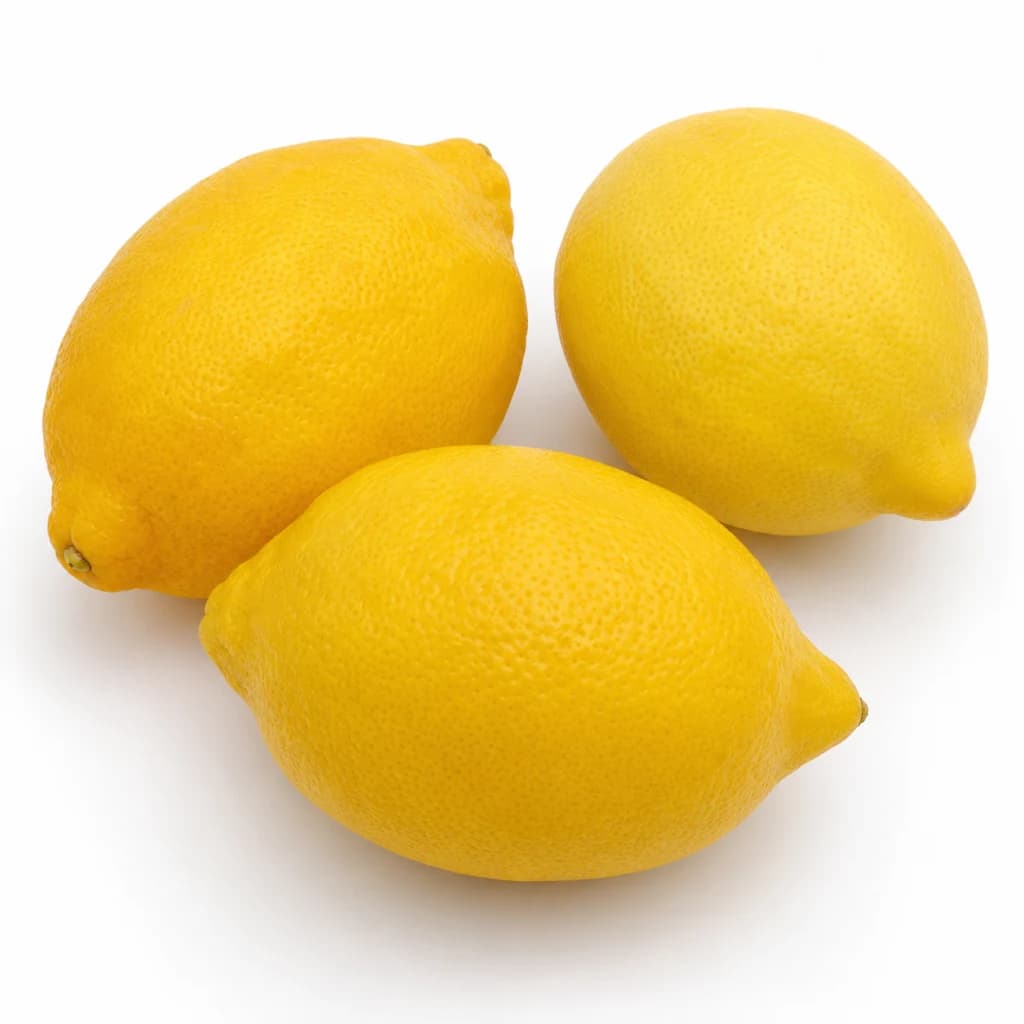
Lemon
Bright, acidic citrus that wakes up almost any dish
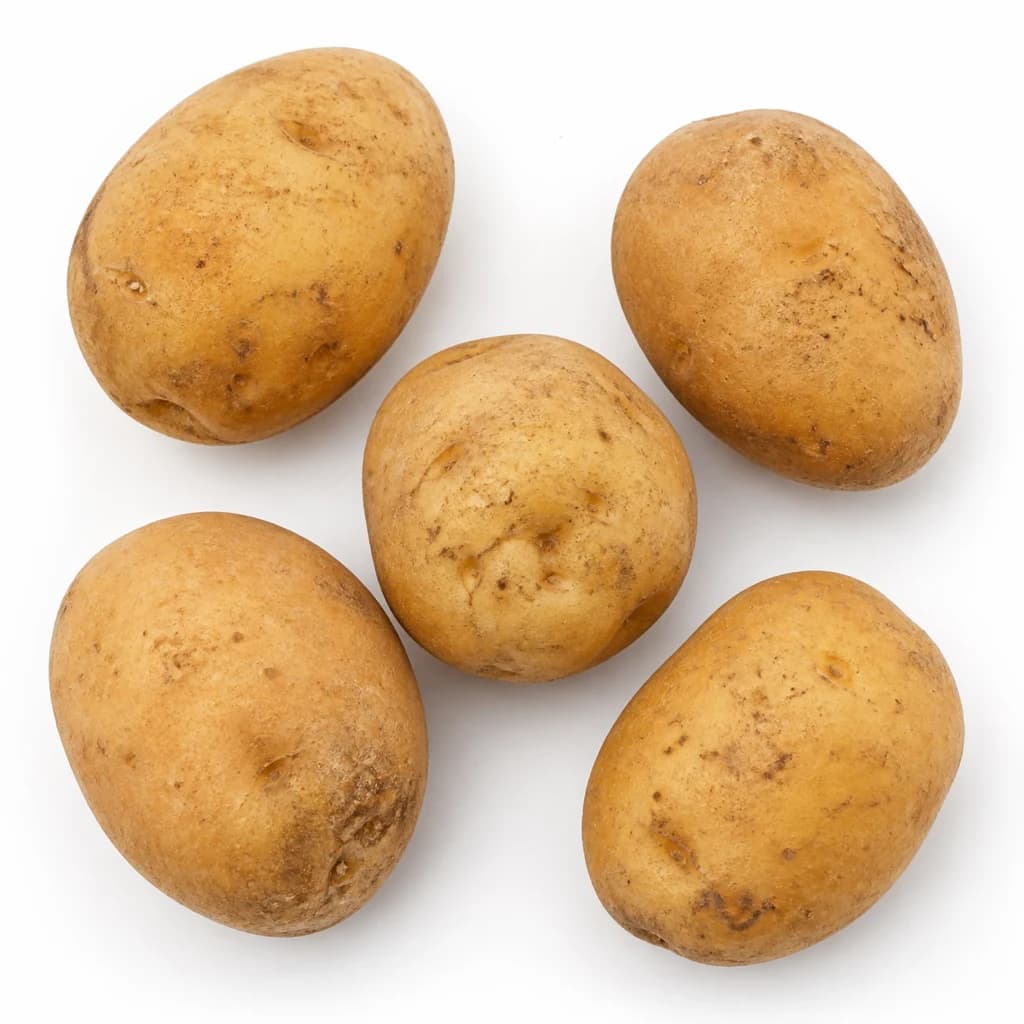
Potato
Humble, hearty staple — roast, mash, fry, or boil
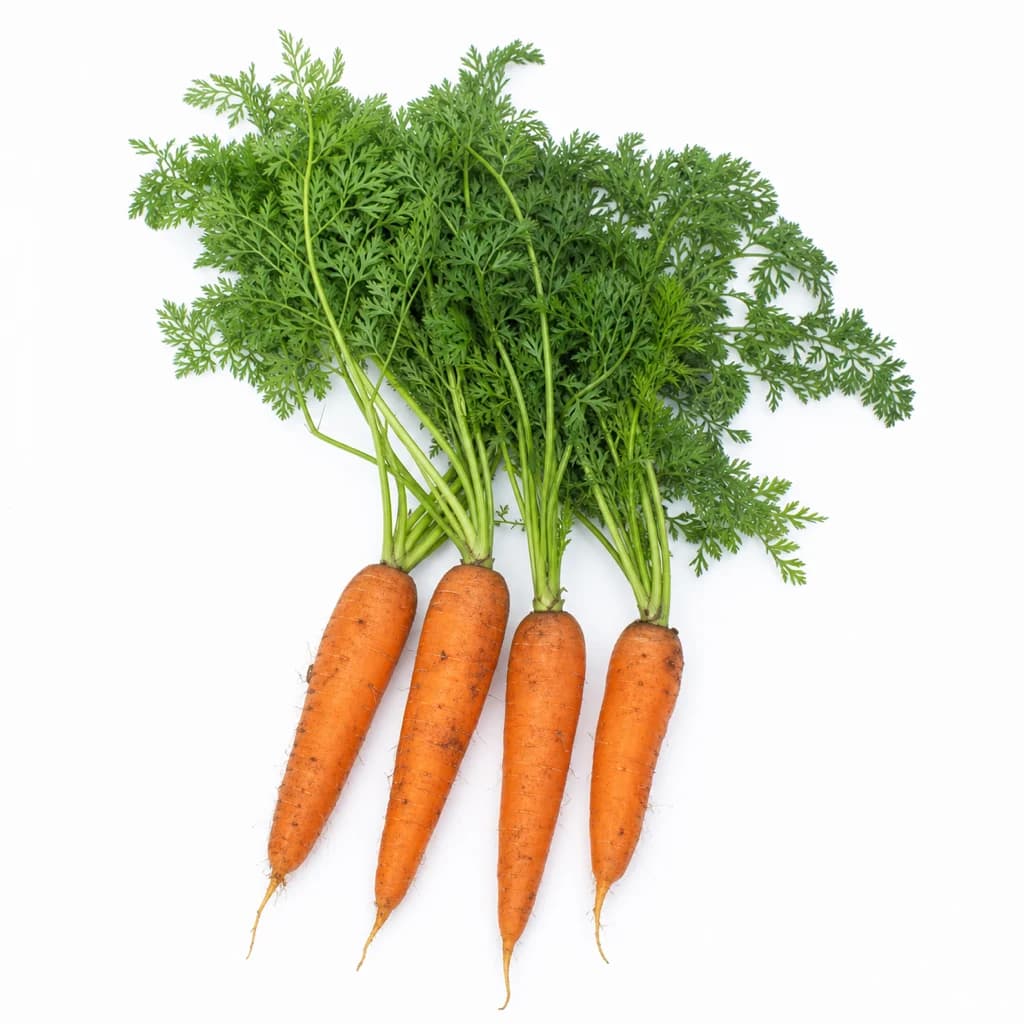
Carrot
Sweet, crunchy root — raw, roasted, or the base of a sofrito
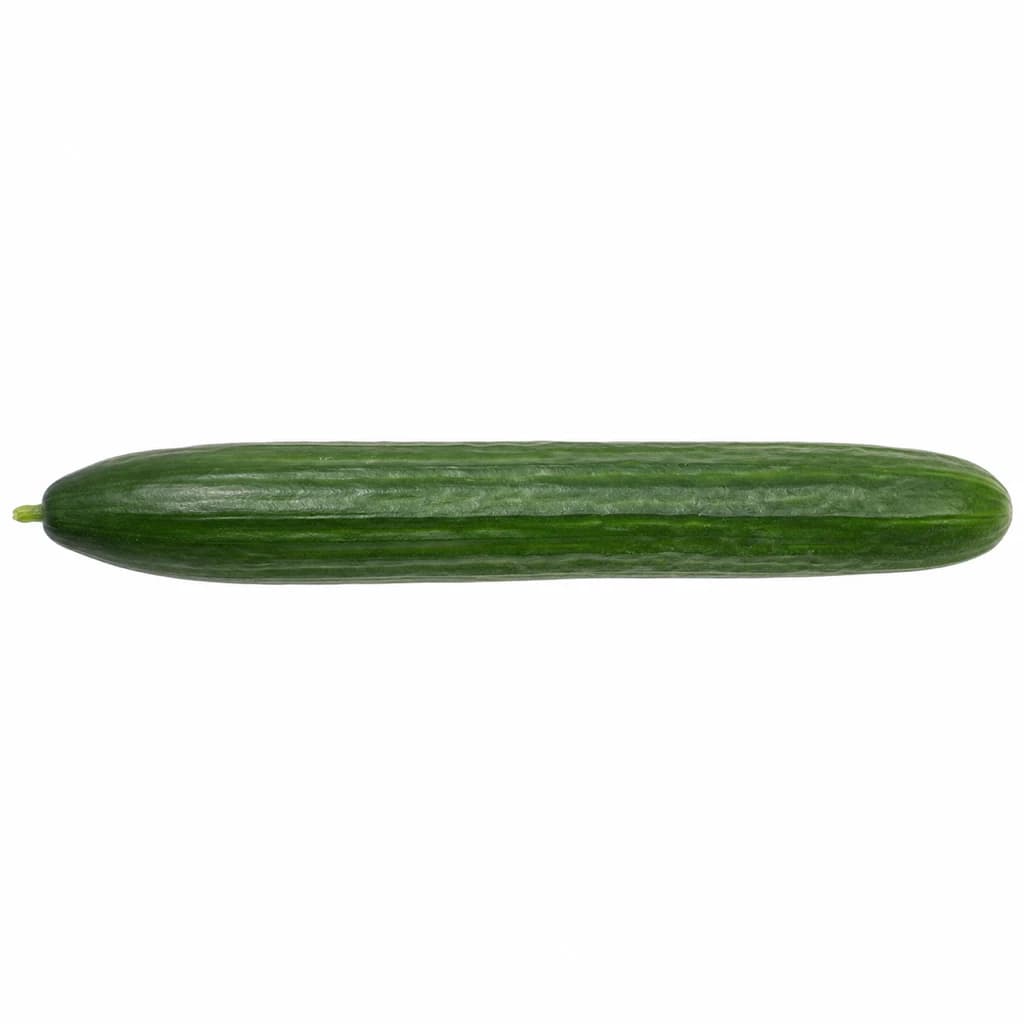
Cucumber
Cool, crisp, and watery — for salads, pickles, and tzatziki

Lettuce
Crisp leaves for salads, wraps, and a fresh crunch