Produce
Edible Fern Tip
Tender young fern shoots cooked as a leafy vegetable in Southeast Asian and Pacific dishes.
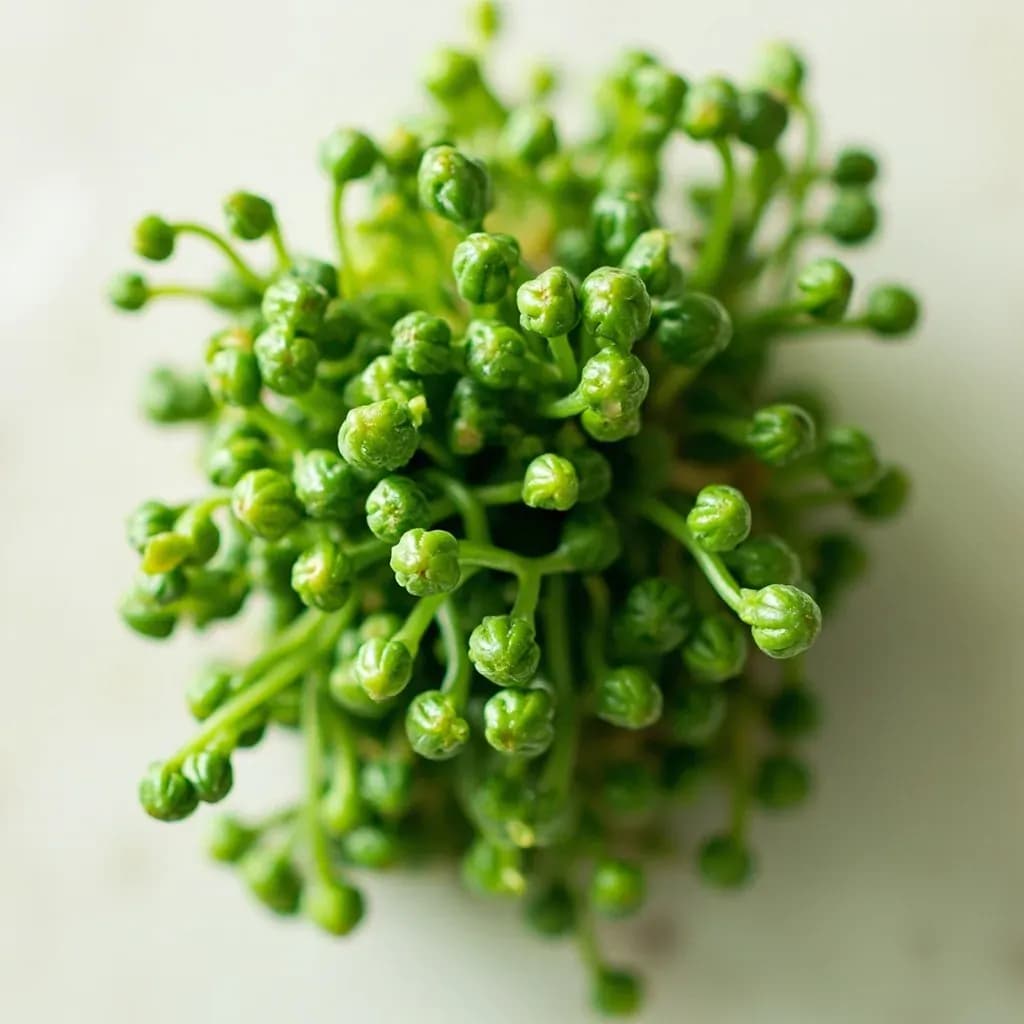
Edible fern tips are the tender young shoots of certain fern species, picked before the fronds unfurl and cooked as a leafy green vegetable. They are popular in Southeast Asian and Pacific cooking, stir-fried with garlic, added to coconut curries, or dressed into salads. They have a mild, grassy flavor and a slightly mucilaginous, crunchy texture, and should be cooked before eating.
Edible fern tips are the tightly coiled young fronds of certain fern species, harvested in early spring before they unfurl. These spirals—commonly called fiddleheads in North America—range from 1 to 3 centimeters in diameter and are covered in a papery brown membrane that must be removed entirely before cooking. The coiled form is not merely decorative; it signals youth and tenderness, the two qualities that make the frond worth eating. Once a fern begins to unfurl, it becomes tough and bitter, which is why timing the harvest matters so much.
The culinary appeal lies in their delicate, vegetal flavor that reads as faintly nutty—somewhere between asparagus and artichoke—with a crisp-tender snap when properly prepared. They occupy an unusual position in the global kitchen: a seasonal novelty in temperate Western cuisines, prized for their brief appearance and visual drama, yet a staple vegetable across East Asia and the Pacific, where they are pickled, sautéed into namul, simmered in soups, and served alongside rice as a daily food. This dual identity shapes how they are cooked: Western preparations tend to treat them as a special-occasion side, while Asian traditions incorporate them as a matter of course.
Safety is non-negotiable with fern tips. Raw ferns contain toxins and enzyme inhibitors that are neutralized only by thorough cooking—specifically blanching. The concern is not trivial: bracken fern, widely eaten in East Asia, contains ptaquiloside, a potential carcinogen, which is why traditional preparation calls for multiple water changes during boiling. Ostrich ferns, the preferred species in North America, carry fewer concerns and are generally considered the sweetest and most tender. Regardless of species, always blanch before any other cooking method.
- Measured in
- g
- Storage
- Fridge
Types & varieties
Considered the finest eating; sweetest and most tender of the edible species; identified by smooth, U-shaped cross-section and brown papery covering. The standard choice for North American cooking.
Widely eaten in East Asia; higher in suspected carcinogens; traditional preparation involves thorough boiling with at least one water change. Use sparingly and cook with care.
Common in Eastern North America; fuzzier texture than ostrich ferns; the tightly coiled fiddlehead at the center is the edible portion. Good alternative when ostrich ferns are unavailable.
More delicate than other species; found throughout North America and Europe; thinner and more fragile stems. Best for quick preparations where tenderness is paramount.
Less common culinary use; more fibrous than other varieties; used in some traditional preparations in Asia and the Pacific. Not worth seeking out specifically.
Identification and Foraging
Correct identification is the single most critical skill for anyone harvesting fern tips. The coiled spiral form (the fiddlehead) appears in many fern species, but only a handful are safe to eat—and some look-alikes are toxic. Ostrich ferns grow in wet, wooded areas and are identifiable by their smooth, U-shaped cross-section when viewed from above. Bracken ferns have triangular-shaped fronds even when coiled and tend to grow in open fields and heathlands. Never harvest from roadsides, industrial areas, or sites where pesticides or herbicides may have been used. If you cannot identify the species with certainty, do not eat it. Commercially, fresh fern tips appear in farmers' markets and specialty grocers in spring; dried, canned, or jarred versions are available in Asian markets year-round, though they require longer cooking and have a softer texture.
- Carry a detailed field guide or use a reputable plant-identification app when foraging
- Harvest only tightly coiled fronds, 1–3 days after emergence
- Take only a few fronds per plant to allow the fern to regenerate and survive
- Avoid areas near conventional golf courses, agricultural fields, or high-traffic roads
Common uses
Tips & pitfalls
- Forage only if you can positively identify the species to the level of scientific name; many ferns are toxic or inedible
- Harvest when fronds are still tightly coiled—once they begin to unfurl, they become tough and bitter
- Remove the brown papery membrane entirely by rubbing with your fingers or peeling with a small knife; this is the most commonly skipped preparation step
- Always blanch first: boil in generously salted water for 2–3 minutes, then drain and rinse—this removes bitterness, enzyme inhibitors, and any residual toxins
- Shock blanched ferns in ice water to preserve the bright green color and crisp texture
- Do not overcook; they should retain a snap and resistance when bitten, not turn olive-brown and mushy
- When stir-frying after blanching, cook over high heat for only 1–2 minutes to maintain texture
- For bracken ferns specifically, discard the blanching water completely and do not reuse it; the toxins concentrate in the cooking liquid
- Frozen fern tips should be thawed overnight in the refrigerator, not at room temperature or under running water
Nutrition
Nutrition
No USDA FoodData Central match for Edible Fern Tip yet. We surface a per-100 g profile once a generic whole-food entry is matched and verified.
In the shops
Matched grocery products
No matched grocery products for Edible Fern Tip yet.
Good to know
- Common names
- Fiddlehead, warabi (Japanese), gosari (Korean), paku (Malay/Indonesian), fern tip, fern frond
- Primary edible species
- Ostrich fern (Matteuccia struthiopteris), Bracken fern (Pteridium aquilinum), Cinnamon fern (Osmundastrum cinnamomeum)
- Season
- Early spring, typically April through June in temperate zones; year-round in tropical regions
- Flavor profile
- Mild, vegetal, faintly nutty; compared to asparagus, green beans, or artichoke
- Physical form
- Coiled spiral frond, 1–3 cm diameter; bright to deep green depending on species; covered in papery brown membrane that must be removed
- Must be cooked
- Yes; raw ferns contain toxins and enzyme inhibitors that are neutralized by heat
- Toxicity concern
- Bracken fern contains ptaquiloside, a potential carcinogen; limit consumption and always cook thoroughly
- Storage (fresh)
- Refrigerate unwashed in a paper towel-lined container; use within 2–3 days
- Storage (prepared)
- Blanch and freeze for up to 6 months; thaw in refrigerator before use
Substitutes
- Broccoli rabe (rapini) — Similar bitter-green flavor profile; easier to find year-round in most markets; prepare by blanching then sautéing with garlic and chili
- Asparagus — Comparable texture and mild vegetal flavor; easier to prep with no membrane to remove; works in most applications at similar volumes
- Green beans — Similar snap and size; more neutral flavor that takes seasoning well; good choice for stir-fry and side dish applications
- Bok choy stems or baby bok choy — Acceptable in Asian-style preparations; different texture but compatible flavor and similar cooking behavior
- Artichoke hearts — Similar earthy, mild flavor; very different texture but works in salads and as a side dish component
Pairs with
Also called
Kumu Musong · Edible Fern Tips · Pako
Related
Tomato
Juicy, sun-sweet fruit for sauces, salads, and slow-cooked depth
Yellow Onion
The aromatic backbone of soups, sofritos, and braises
Garlic
Pungent cloves that perfume nearly every savory dish
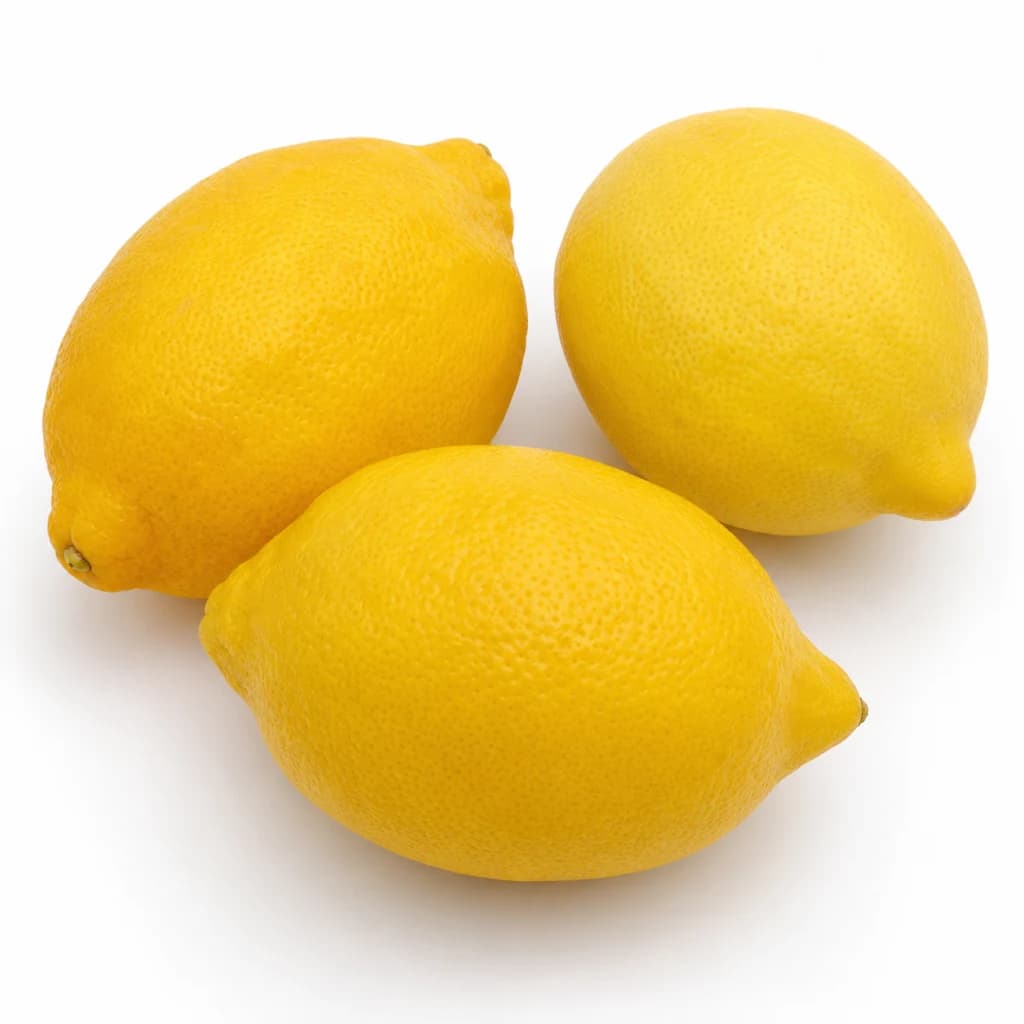
Lemon
Bright, acidic citrus that wakes up almost any dish
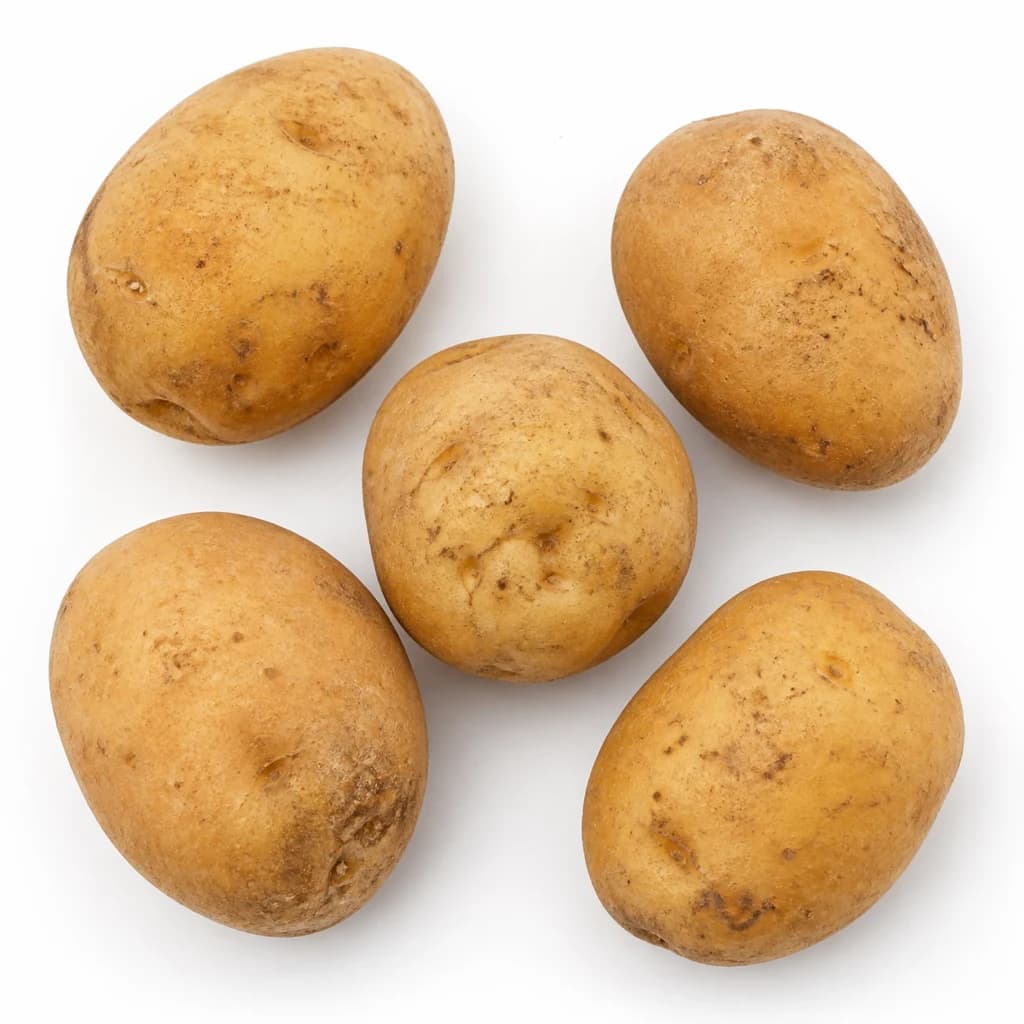
Potato
Humble, hearty staple — roast, mash, fry, or boil
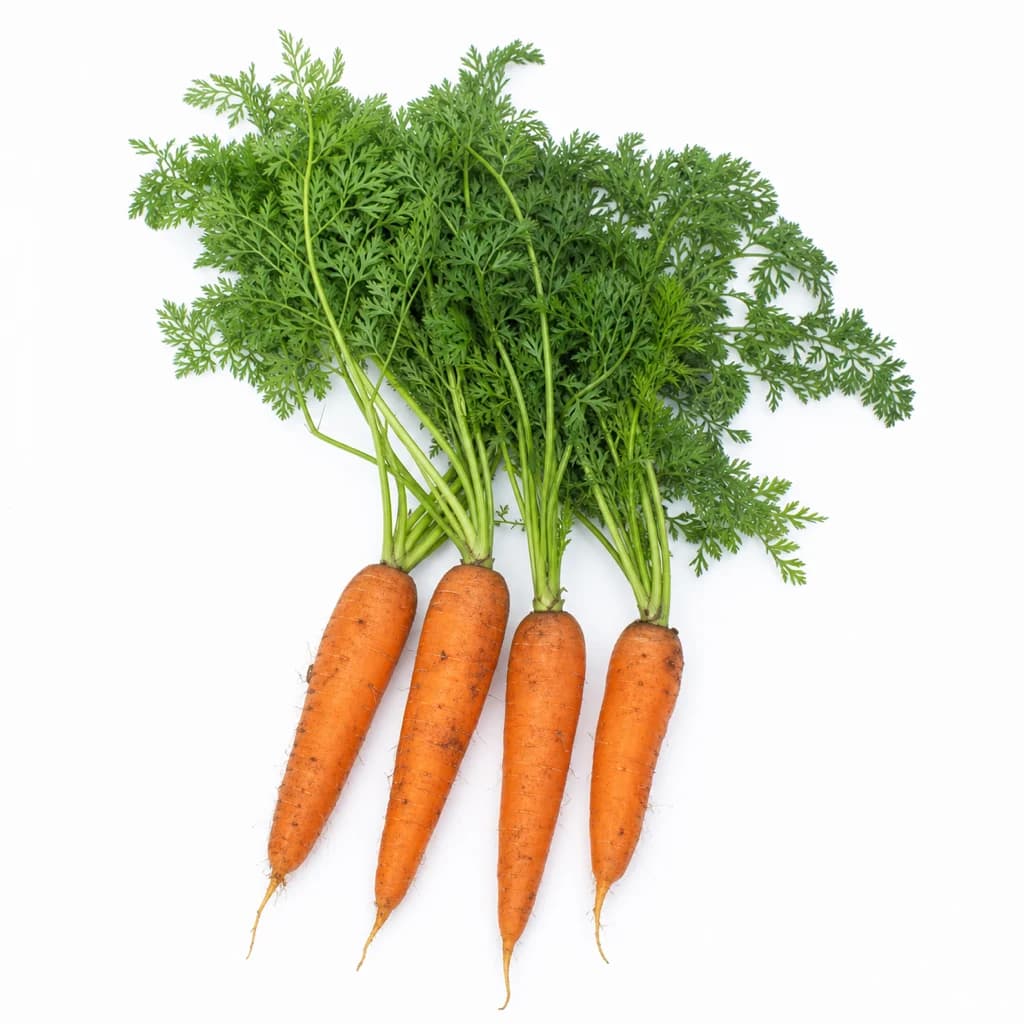
Carrot
Sweet, crunchy root — raw, roasted, or the base of a sofrito
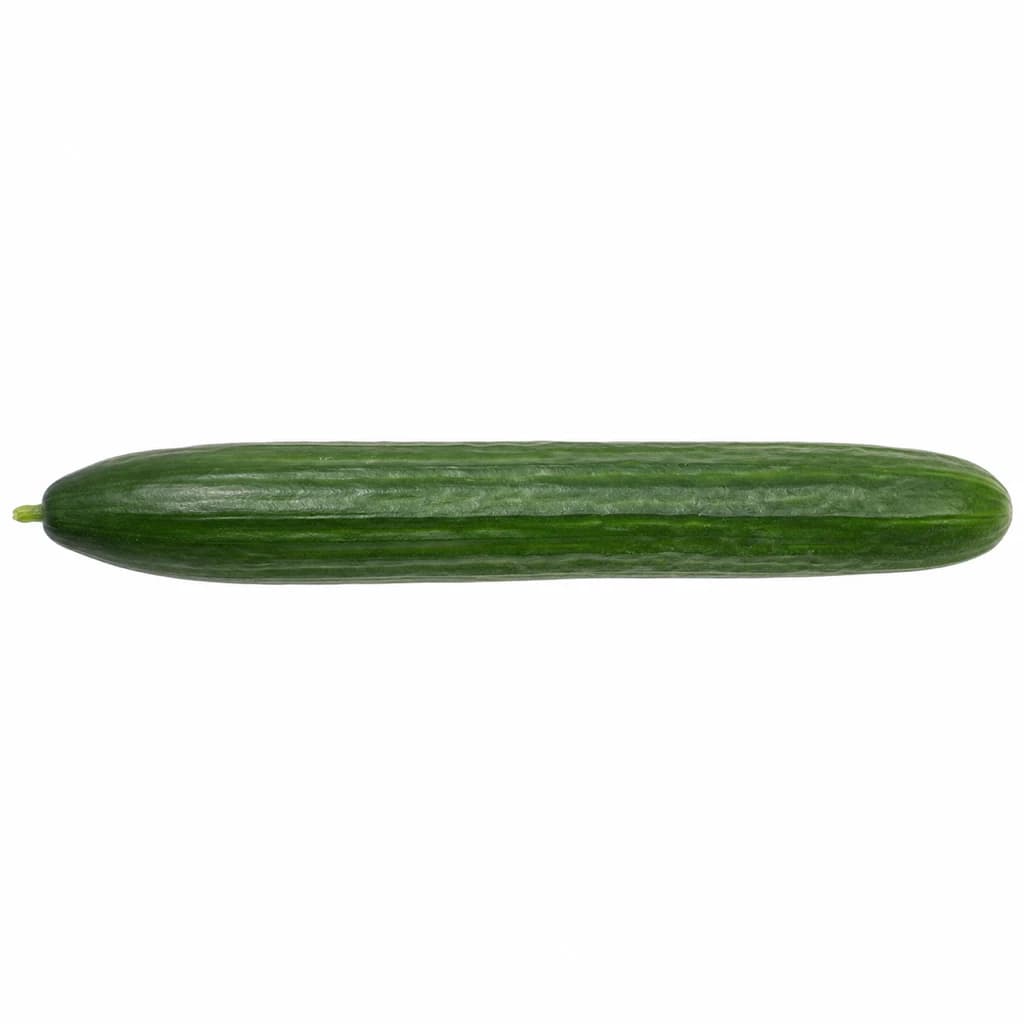
Cucumber
Cool, crisp, and watery — for salads, pickles, and tzatziki

Lettuce
Crisp leaves for salads, wraps, and a fresh crunch