Grains & Rice
Fresh Masa
Moist nixtamalized corn dough for tortillas, tamales, and pupusas.
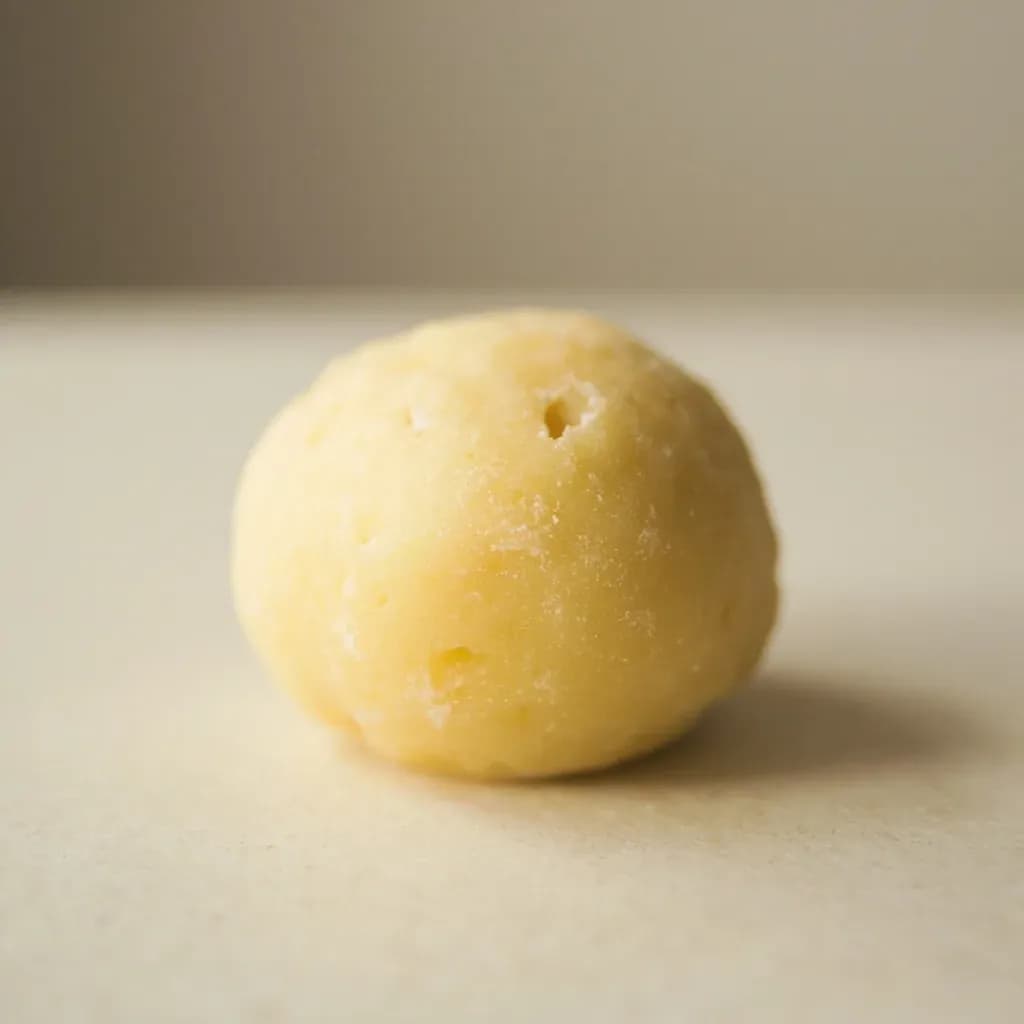
Fresh masa is a pliable dough made by grinding nixtamalized corn (maize cooked in lime) while still moist. It is the foundation of tortillas, tamales, pupusas, and many Mesoamerican dishes, with a fresh, sweet corn aroma that dried masa harina cannot fully match. It is highly perishable and best used the day it is made.
Fresh masa is a moist, pliable dough made from nixtamalized field corn ground while still warm. The nixtamalization process—cooking corn in lime water (calcium hydroxide)—is the defining transformation that separates true masa from ordinary cornmeal. This ancient Mesoamerican technique makes corn digestible by loosening the hulls and releasing niacin, while creating the characteristic smooth, workable texture and bright, slightly nutty flavor. The dough should feel like Play-Doh—smooth, soft, and warm when freshly ground—with a faint alkaline aroma rather than a sharp chemical smell. When pressed thin and cooked on a hot comal, a properly made tortilla will puff with steam, both the hallmark of success and an indicator of soft, tender results. Fresh masa differs fundamentally from dried masa harina in moisture content (45–55% water), texture, and flavor intensity—the freshly ground version has a brighter, more complex corn taste that degrades during the flash-drying process of commercial masa flour. This is the foundational dough of Mexican and Central American cuisine, essential for tortillas, tamales, pupusas, and dozens of regional preparations.
- Measured in
- g
- Storage
- Fridge
Types & varieties
Most common variety; neutral corn flavor; standard for tortillas, thick tortillas, and most tamales
From yellow field corn; slightly sweeter, more corn-y flavor; used for yellow tortillas, some regional tamales, and cornbread-style dishes
From blue corn; earthy, slightly sweeter, nuttier flavor; used for blue tortillas, blue tamales, and ceremonial foods
From red or crimson corn; mild, slightly sweet flavor; used for red tamales and some regional tortillas
Standard consistency, medium hydration; optimized for rolling and pressing into thin circles
Slightly stiffer consistency than tortilla masa; holds shape better during steaming and wrapping
Thicker, drier consistency than tortilla masa; must hold together without cracking when stuffed and formed into thick discs
Masa with lard added; produces flakier, more tender tortillas and richer tamales
Chicken fat version, common in some Central American and Jewish-Latin communities
Common uses
Tips & pitfalls
- Temperature matters: fresh masa grinds best and produces the most pliable dough when the nixtamal is still warm (not hot) from cooking; cold nixtamal yields a grainy, less workable dough
- Hydration test: properly hydrated masa should not stick excessively to your hands but should hold a clean impression when pressed; if it crumbles, add water a tablespoon at a time; if it sticks badly, add masa flour
- The ball test: grab a handful and squeeze; it should hold together in a ball that springs back slightly, not crack or ooze
- Nixtamalization is non-negotiable for proper texture and nutrition: untreated corn meal (like cornmeal or polenta) cannot substitute the alkaline-processed flavor, texture, or binding properties
- Masa consistency varies by intended use: tortilla masa should spread easily under a press; tamal masa should hold a mound without spreading; pupusa masa must be thick enough to encase filling without tearing
- When making tortillas, let the dough rest 10–15 minutes after mixing; this allows hydration to stabilize and reduces tearing during pressing and cooking
- Cook tortillas immediately after forming: fresh masa develops a dry skin quickly, causing cracking at the edges
- Common mistake: overmixing or overworking fresh masa can make it dense and affect texture; mix just until uniform
- Another mistake: using masa that is too cold, which causes cracking and poor adhesion when pressing tortillas; bring to room temperature if refrigerated
- Freezing fresh masa: portion into serving-size balls, wrap tightly in plastic, then freezer bag; press flat into discs before freezing for easier thawing and faster use
- If masa tastes bitter or has a harsh lime flavor, the corn was cooked in too much lime or not rinsed thoroughly enough after nixtamalization; next batch requires better draining and rinsing
Nutrition
Nutrition
No USDA FoodData Central match for Fresh Masa yet. We surface a per-100 g profile once a generic whole-food entry is matched and verified.
In the shops
Matched grocery products
 €1.55
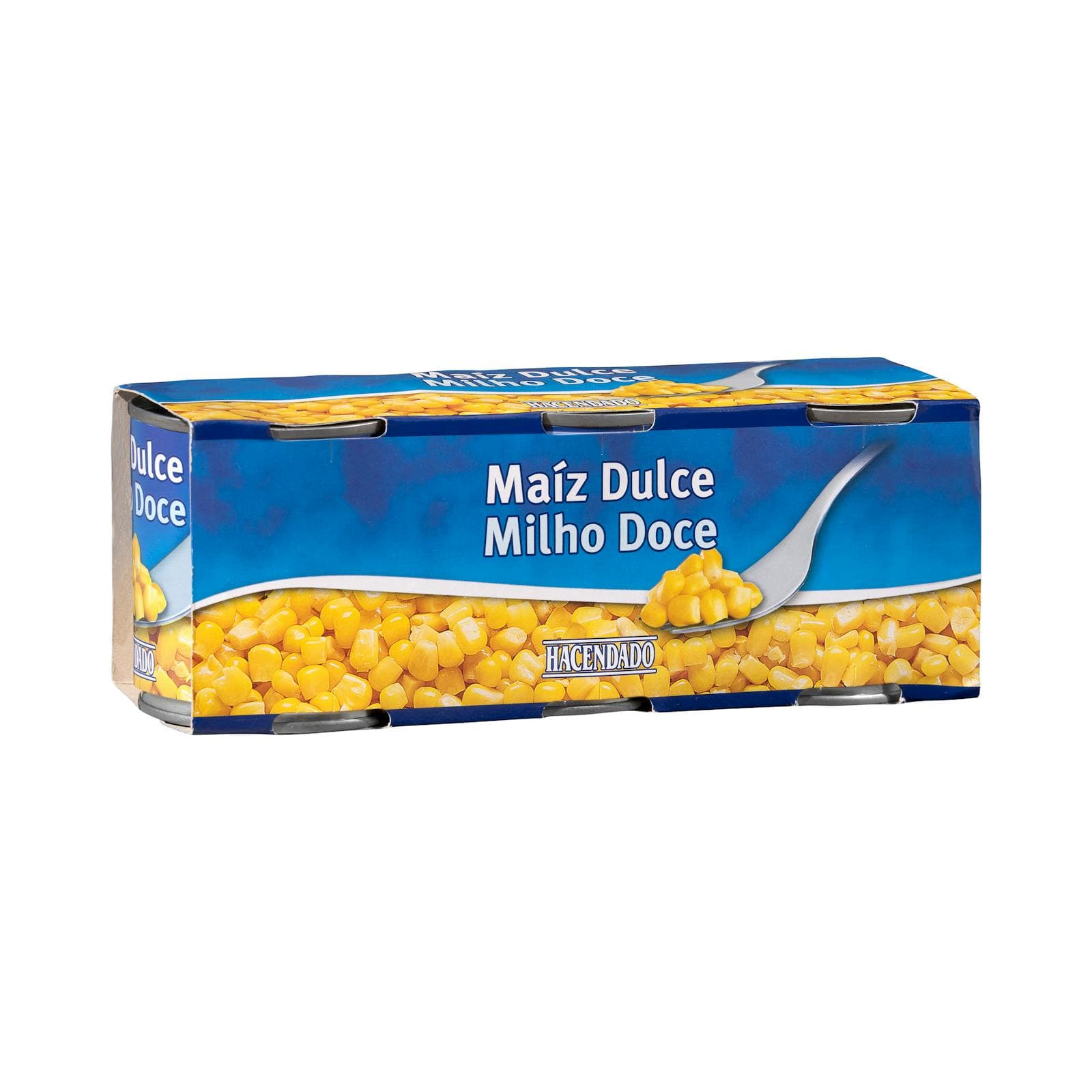
€1.55Sweet Corn
Hacendado · 450 g · Mercadona
 €1.59
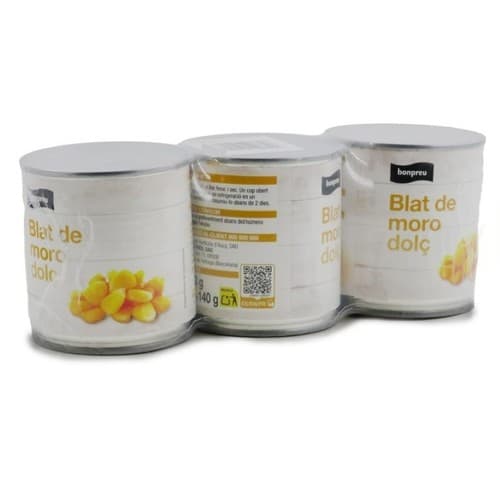
€1.59Sweet Corn Bonpreu
BONPREU · kg · Bonpreu
 €2.49
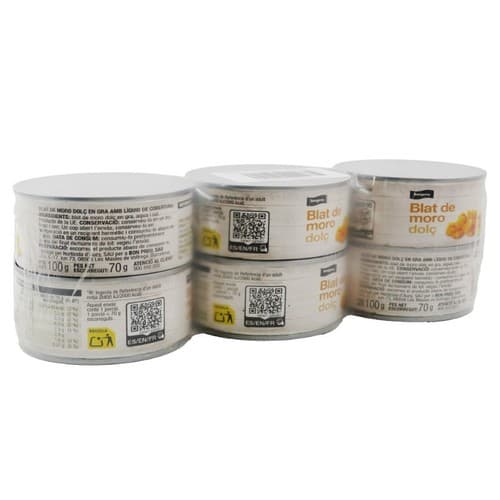
€2.49Sweet Corn Bonpreu
BONPREU · kg · Bonpreu
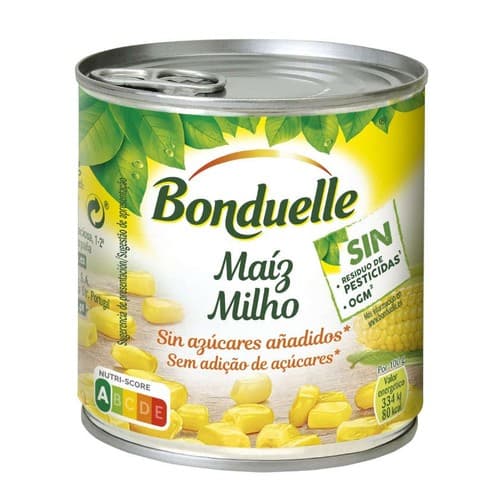 €1.99
€1.99Bonduelle Sweet Corn
BONDUELLE · kg · Bonpreu
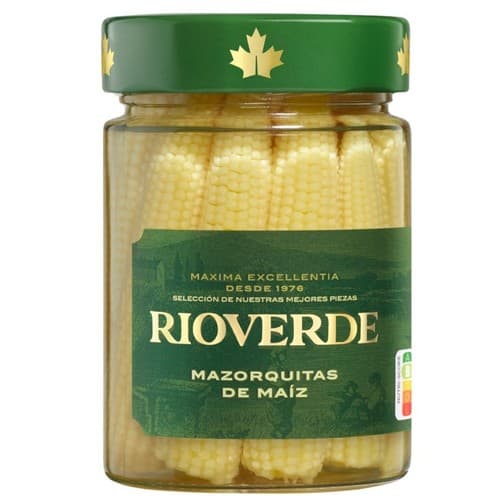 €2.99
€2.99Pickled Corn Kernels
RIOVERDE · kg · Bonpreu
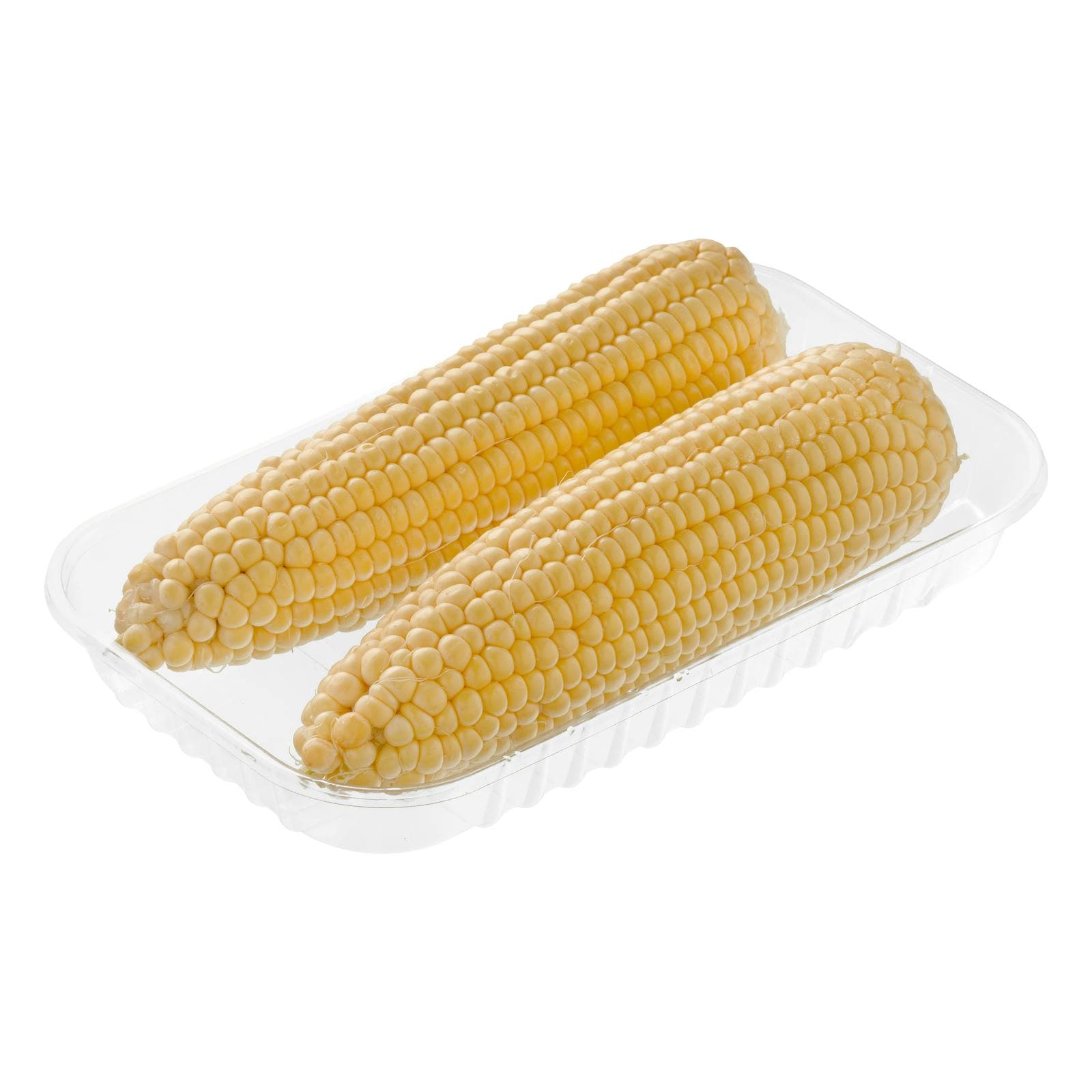 €3.15
€3.15Sweet Corn on the Cob
2 ud · Mercadona
Good to know
- Type
- Ground nixtamalized field corn dough (alkaline corn dough)
- Primary Varieties
- White (most common), yellow, blue, and red field corn varieties used regionally
- Nixtamalization Agent
- Calcium hydroxide (slaked lime), typically 1–2% by weight of corn; traditional wood ash also used
- pH
- Alkaline, typically 10–11 after nixtamalization
- Hydration
- Approximately 100–120% water to dry corn weight, yielding a pliable dough consistency
- Texture
- Smooth, soft, and pliable like Play-Doh; slightly warm when freshly ground
- Shelf Life
- Refrigerated: 1–3 days; frozen: up to 3–6 months (thaw overnight in refrigerator)
- Difficulty
- From scratch: advanced (requires nixtamalization knowledge); purchasing fresh: beginner-friendly
Substitutes
- Masa Harina (Instant Dry Masa) — Reconstitute with water per package directions; not identical but functional; the convenience option for home cooks without access to fresh masa; look for brands like Maseca, Quaker, or Goya (Masa Borrega for tamales)
- Masa para Tortillas Mix (instant) — Pre-hydrated and often contains some additives; convenient but slightly inferior texture and flavor to freshly ground masa
- Prepared Tamale Dough (from Latin grocery) — Fresh or refrigerated masa specifically formulated for tamales; a reasonable substitute if used for tortillas or pupusas (adjust consistency as needed)
- Finely Ground Nixtamal (hominy) — Already-ground dry nixtamal flour; hydrate with warm water; closer to fresh masa than standard masa harina because it has not been flash-dried at high temperatures
- Harina de Maíz Precocida — Pre-cooked corn flour; the Latin American equivalent to masa harina; hydrate per package instructions; commonly available in Central American and Caribbean markets
Pairs with
Also called
masa-fresca · Masa Fresca · Nixtamal Dough
Appears in these dishes
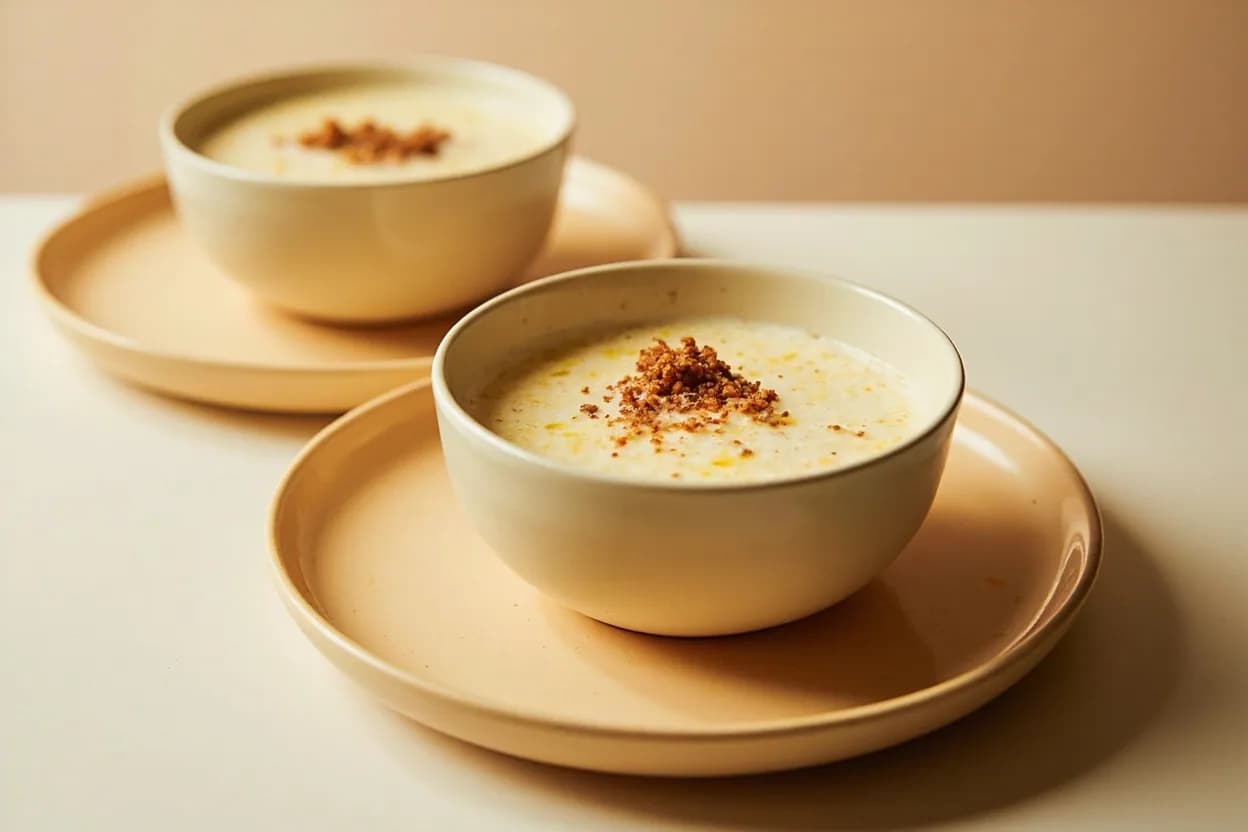
Related

White Rice
Fluffy long-grain rice — the neutral base for almost any meal

White Bread
Soft sandwich loaf for toast, sandwiches, and crumbs
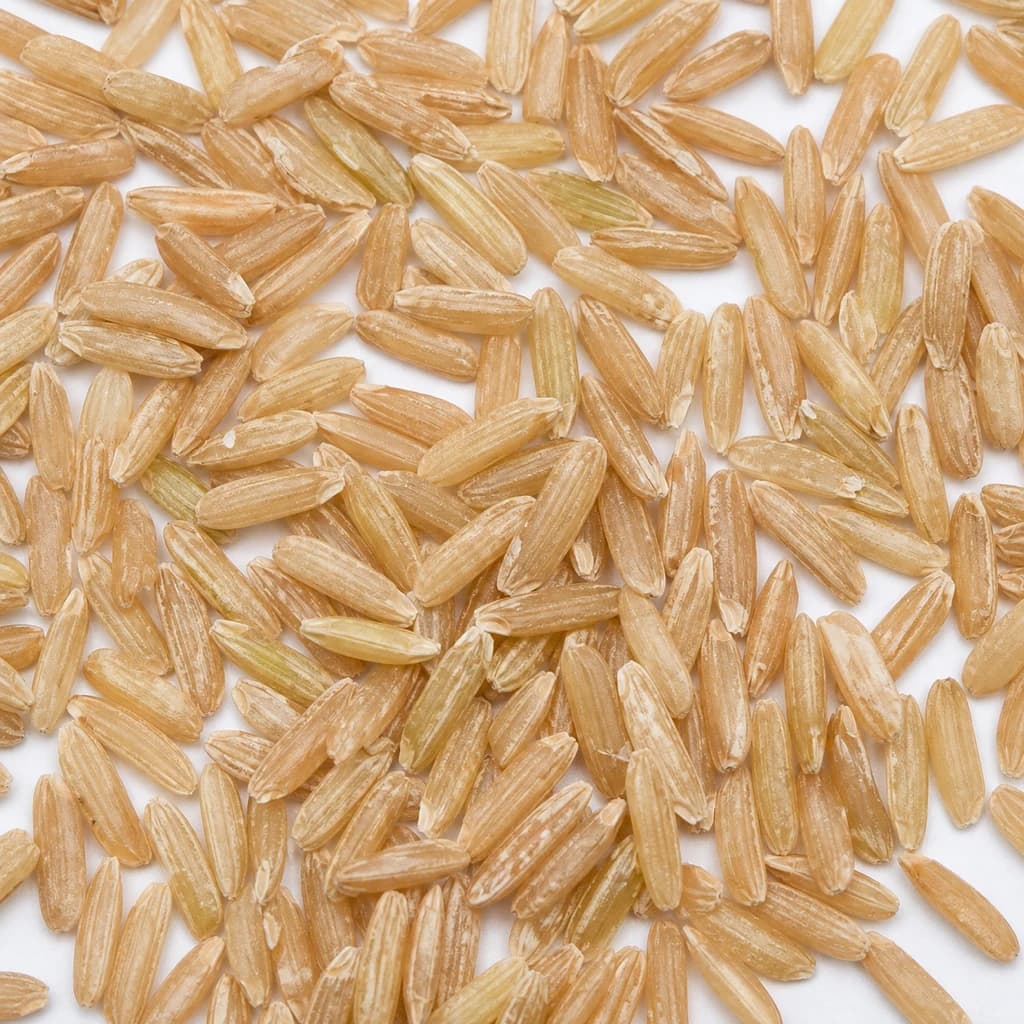
Brown Rice
Nutty, whole-grain rice with chew and extra fiber

Basmati Rice
Fragrant, long-grain rice that cooks up light and separate
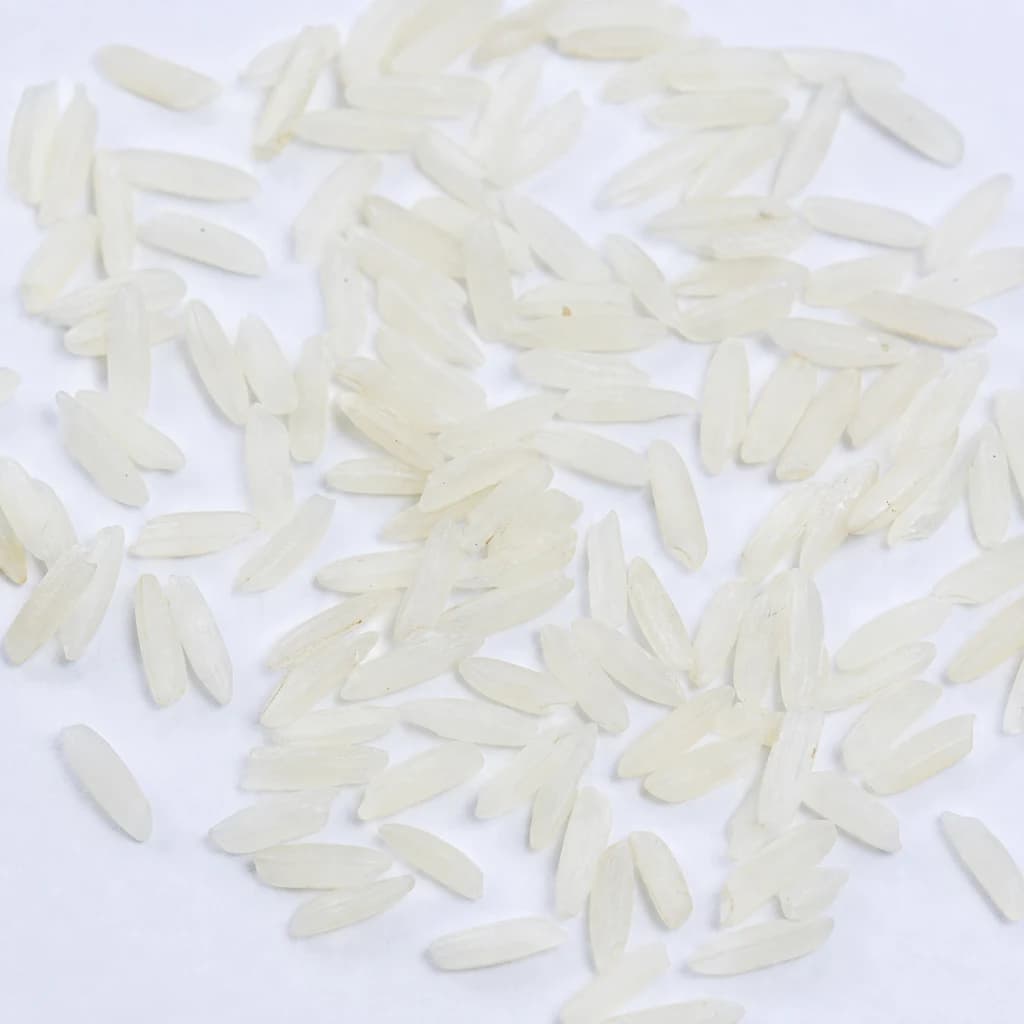
Jasmine Rice
Soft, floral-scented rice that's the pillar of Thai meals
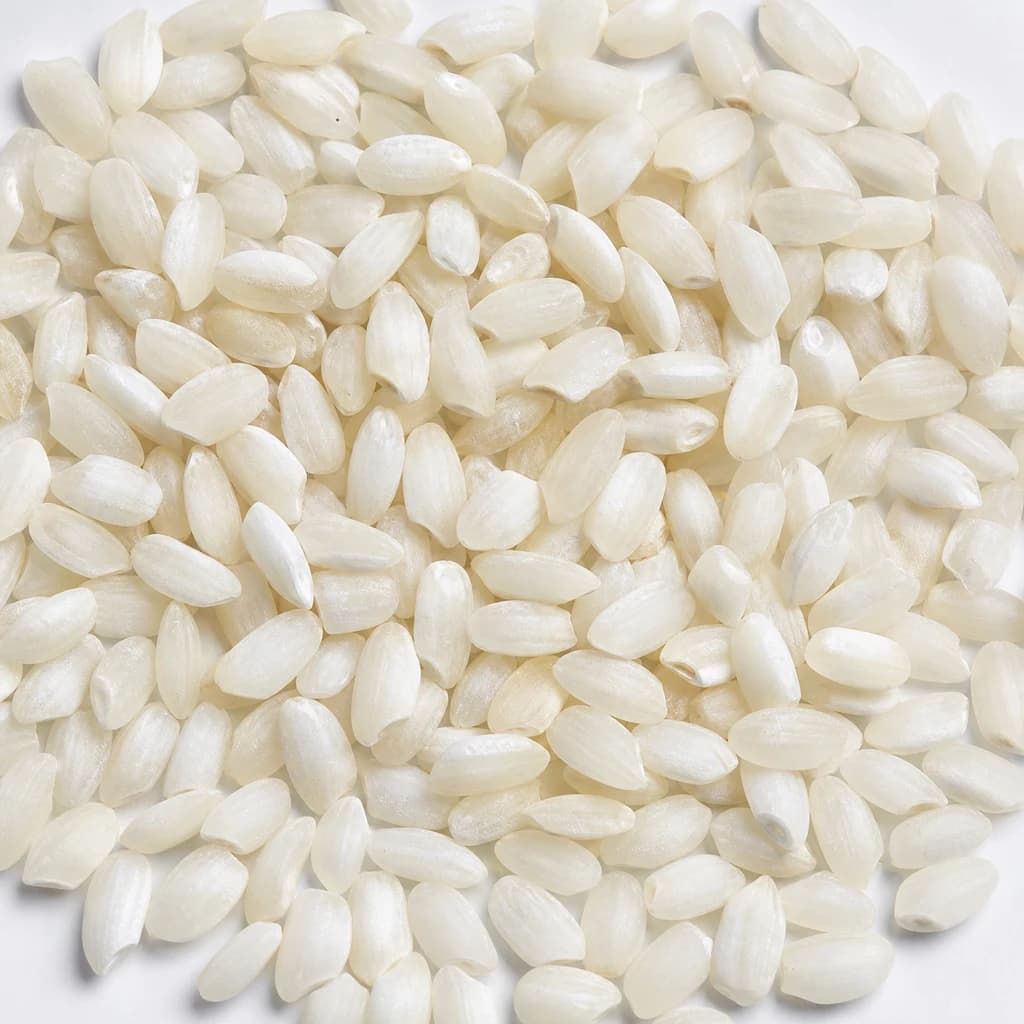
Arborio Rice
Plump, starchy rice that makes risotto creamy
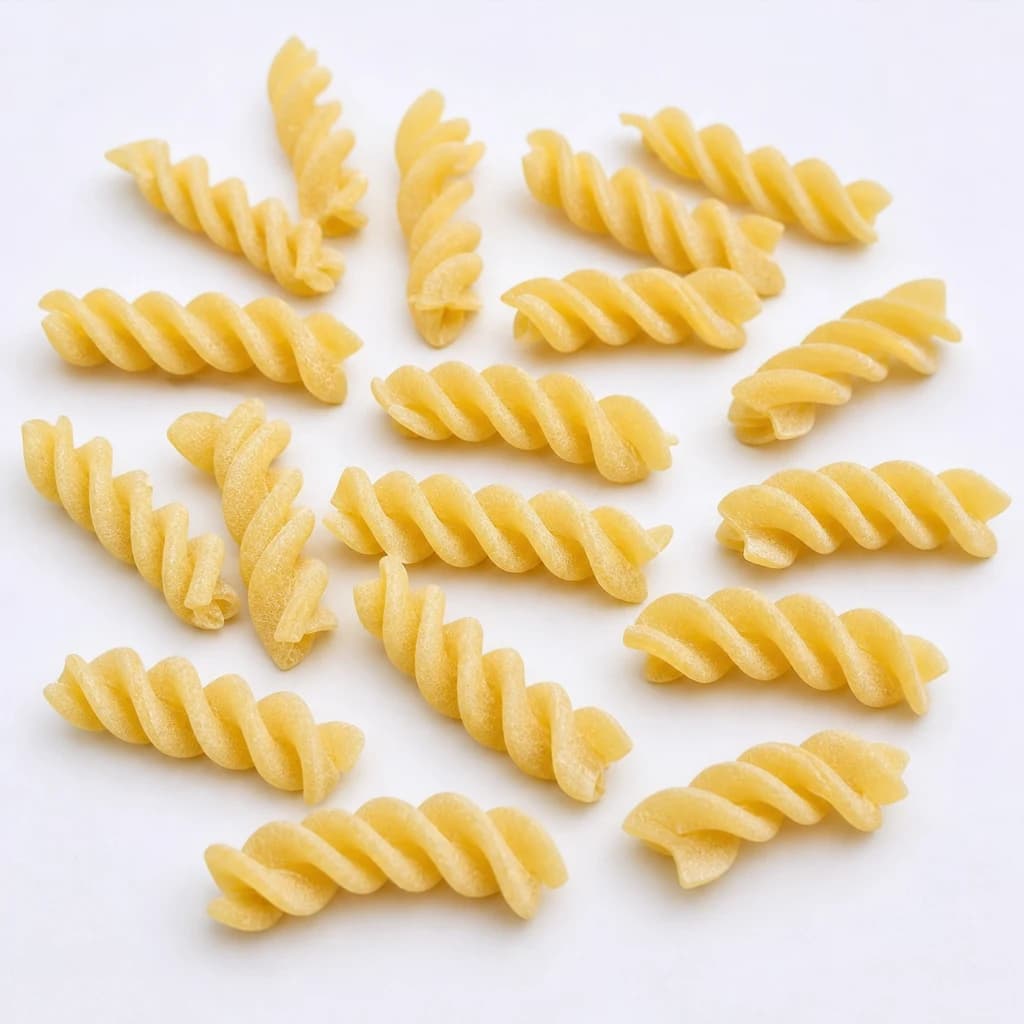
Fusilli
Spiraled pasta that twirls up sauce and dresses cold salads
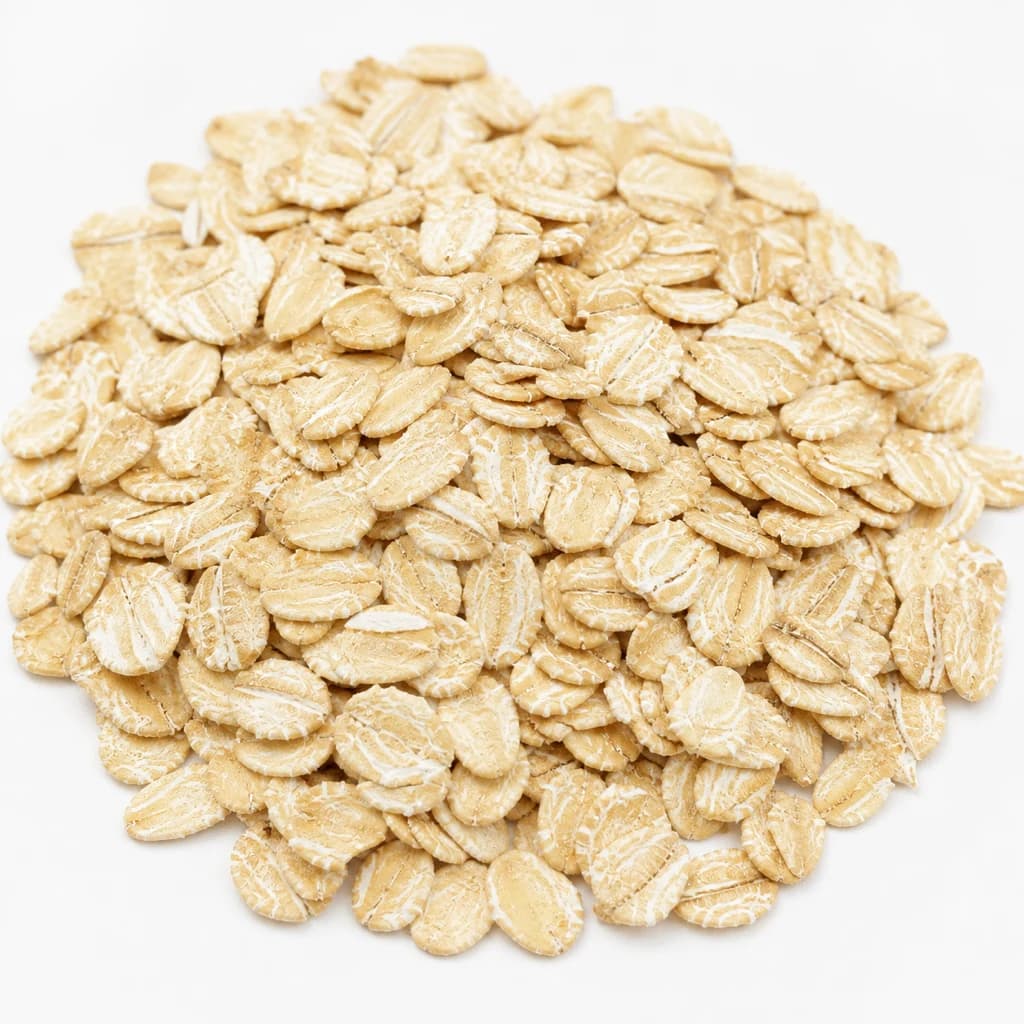
Rolled Oats
Hearty flakes for porridge, granola, and chewy cookies