Natural form
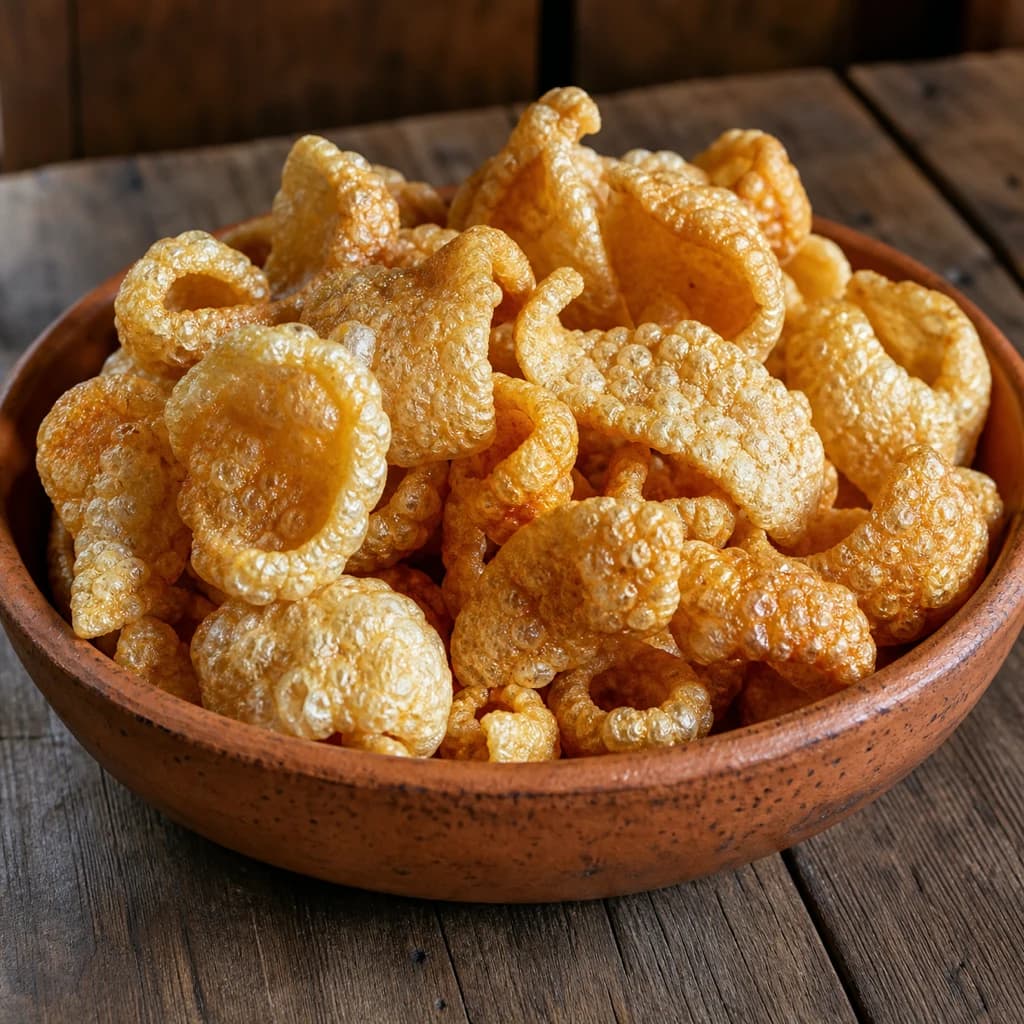
Golden puffed pork rind chicharrón, light and airy, piled in a rustic ceramic bowl.
Shows the most iconic form — dramatically puffed, bubbly, golden pork rind crackling — so readers immediately recognize chicharrón's distinctive puffed texture and color.
Proteins
Chicharrón
Crispy fried pork belly or pork skin, eaten as a snack or folded into dishes.
Chicharrón is fried pork, ranging from puffed crackling pork rind to chunks of belly fried until crisp outside and tender within. It is a beloved snack and ingredient across Latin America and Spain, served with lime and salsa or crumbled over tacos, arepas, and stews. The skin version puffs dramatically when deep-fried.
Chicharrón is pork skin (and often attached subcutaneous fat) that has been rendered and fried until it blisters into airy, shatteringly crisp pieces. It is one of the oldest preserved-pork preparations in the Spanish-speaking world, appearing in medieval Spanish cookbooks before traveling to the Americas where it became deeply embedded in regional cuisines from Mexico to Colombia to Peru. The process exploits the skin's collagen structure: slow rendering melts the fat between layers, while high-heat frying causes the remaining proteins to rapidly expand and crisp. The result is simultaneously rich and crunchy, with a distinctive texture that no other frying technique quite replicates. Chicharrón behaves differently depending on context: as a snack it should shatter when bitten; in a stew it softens slightly while absorbing sauce; crumbled as a garnish it provides textural contrast. The quality depends almost entirely on the starting skin — seek skin from pastured or heritage pigs when possible, and avoid skin that has been treated with sodium phosphates (common in supermarket bacon skin), which prevents proper crisping. Whole fried pork belly (cerdo frito) is the related ancestor of chicharrón de pork belly.
- Measured in
- g
- Storage
- Pantry
Types & varieties
Skin attached to belly meat; most common in Mexico and taquerías; has chewy meat bits alongside crispy skin
Pork skin only, fat cap trimmed to uniform thickness; standard in Spain and many Latin American countries
Veal skin version, less common; lighter color and slightly different texture
Fried chicken skin; lighter and more delicate than pork versions; popular in Puerto Rico and parts of Central America
Colombian style from Valle del Cauca; cubed pork belly with skin, fried in large pieces; served with ají and lime
Pre-fried pork pieces simmered in tomatillo or green chile sauce; popular in Mexican home cooking
Pressed chicharrón; compressed pork skin formed into sheets or blocks; used for tortas and sandwiches in Mexico City
Choosing and Storing Pork Skin
The starting skin determines everything. Look for skin from pastured or heritage pigs when available — it has better fat marbling and crisps more evenly. Avoid skin that has been treated with sodium phosphates, which is common in pre-packaged bacon skin and prevents proper crisping. The skin should be clean, unbroken, and dry to the touch. If purchasing from a butcher, ask for skin with a thin fat layer attached (about 1/4 inch); too much fat makes frying messy, too little yields a tough, chewy result. For storage: fresh pork skin keeps 1–2 days refrigerated. Once fried, chicharrón stays crisp 2–3 weeks in an airtight container at cool room temperature — store it in a paper bag, not plastic, which traps steam and softens the skin.
- Fresh pork skin: 1–2 days refrigerated
- Fried chicharrón: 2–3 weeks at cool room temperature in paper bag
- Refrigerated fried chicharrón: 1–2 months (re-crisp in hot oven before serving)
- Avoid phosphate-treated skin — it will not crisp properly
The Two Frying Methods
Two approaches dominate: the render-and-blast method and the traditional boil-then-fry. The render-and-blast (starting in cold oil) is more forgiving and produces consistently crisp results — the fat gradually melts from the inside out as the oil temperature climbs, so the skin crisps at the moment the fat is fully rendered. The boil-then-fry method involves cooking the skin in salted water with a splash of vinegar until tender (30–60 minutes), then frying at high heat. This produces a more uniformly blistered skin but requires closer attention. Adding a tablespoon of white vinegar to the boiling water helps break down proteins for better crisp texture.
- Cold-start method: place skin in room-temperature fat, then bring to 375–400°F
- Boil-then-fry: 30–60 minutes in salted water with vinegar, then high-heat fry
- Add 1 tablespoon white vinegar to boil water to aid protein breakdown
- Test with small piece — if it doesn't audibly sizzle, fat isn't hot enough
Common uses
Tips & pitfalls
- Start frying in cold oil: place pork skin in room-temperature fat, then bring heat up gradually — this allows fat to render fully before the skin crisps
- Score the skin in a crosshatch pattern before frying if using large pieces — this ensures even heat penetration and consistent blistering
- Dry the skin aggressively with towels before frying; any surface moisture causes steaming instead of crisping and leads to chewy results
- Resist crowding the pot; fry in batches if necessary — overcrowding drops oil temperature and creates soggy patches
- Season the raw skin with salt, cumin, or chili powder before frying for deeper flavor penetration
- Test a small piece first; if it doesn't audibly sizzle when hitting the oil, the fat isn't hot enough
- After frying, drain on a wire rack, not paper towels — paper traps steam and softens the skin
- Store fried chicharrón in a paper bag at room temperature; sealed plastic creates sogginess
Nutrition
Energy
3397 kJ · per 100 g
Where the calories come from
Protein
2.9g
6% DV
Carbs
0g
0% DV
Fat
88.7g
114% DV
Fiber
0g
0% DV
Sugars
0g
of which
Sodium
11mg
0% DV
Source · USDA FoodData Central · approx. Pork, fresh, backfat, raw
View on FDC →In the shops
Matched grocery products
No matched grocery products for Chicharrón yet.
Good to know
- Primary protein
- Pork skin and subcutaneous fat, from belly or whole carcass
- Traditional origin
- Spain, with heavy variation across Mexico, Colombia, Peru, and Central America
- Core technique
- Render fat slowly, then blast-fry at high heat until skin blisters and crisps; or boil-then-fry method
- Fat content
- 60–80% fat by weight, depending on cut and preparation
- Shelf life
- 2–3 weeks in airtight container at cool room temperature; 1–2 months refrigerated
- Key equipment
- Heavy-bottomed pot or Dutch oven, thermometer (ideal frying: 375–400°F/190–200°C), slotted spoon or spider
- Prep yield
- Approximately 25–35% weight retention from raw pork skin to finished chicharrón
- Typical size
- 1–3 inch pieces for snack style; larger sheets for wrapping or folding into dishes
- Difficulty
- Moderate — managing moisture and temperature are the main challenges
Substitutes
- Pork rinds (American style) — Air-puffed pork skin; much lighter and more fragile texture; not a direct substitute for chewy or saucy preparations
- Pork cracklings — Southern US style with meat attached; closer texture to belly-style chicharrón; good for crumble applications
- Fried chicken skin — Chicken thigh or back skin fried until crisp; similar mouthfeel for garnish use; milder pork flavor
- Turkey skin cracklings — Seasonal alternative for a lighter fat profile; same technique applies
Pairs with
Also called
Pork Rind · Fritada · Fried Pork
Appears in these dishes
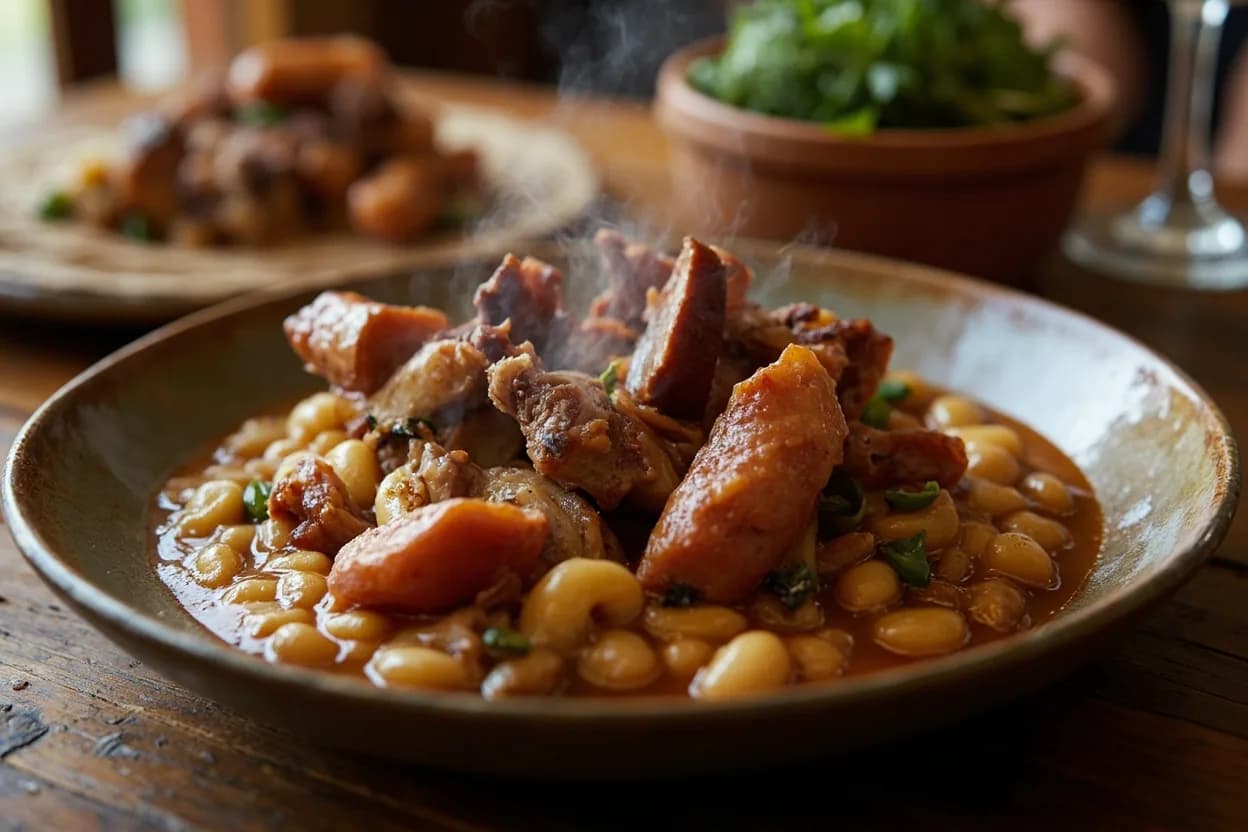
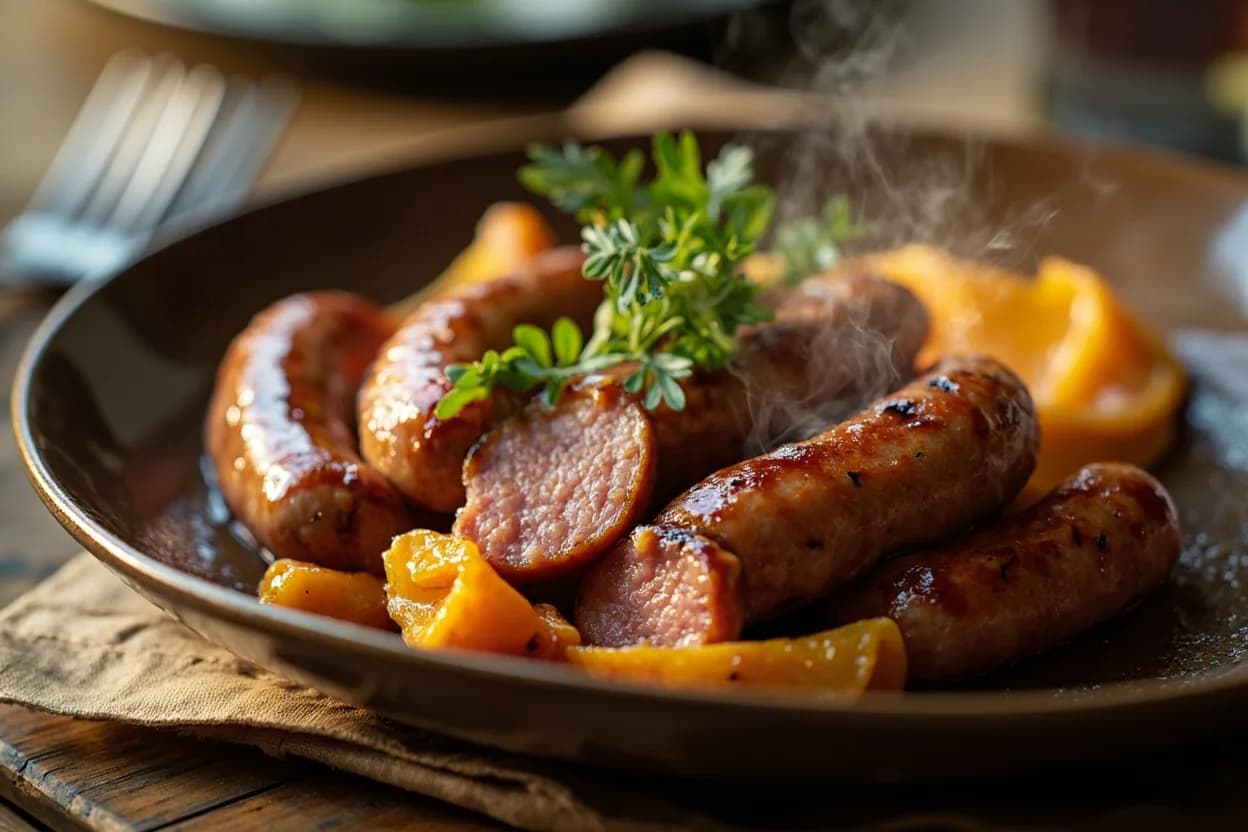
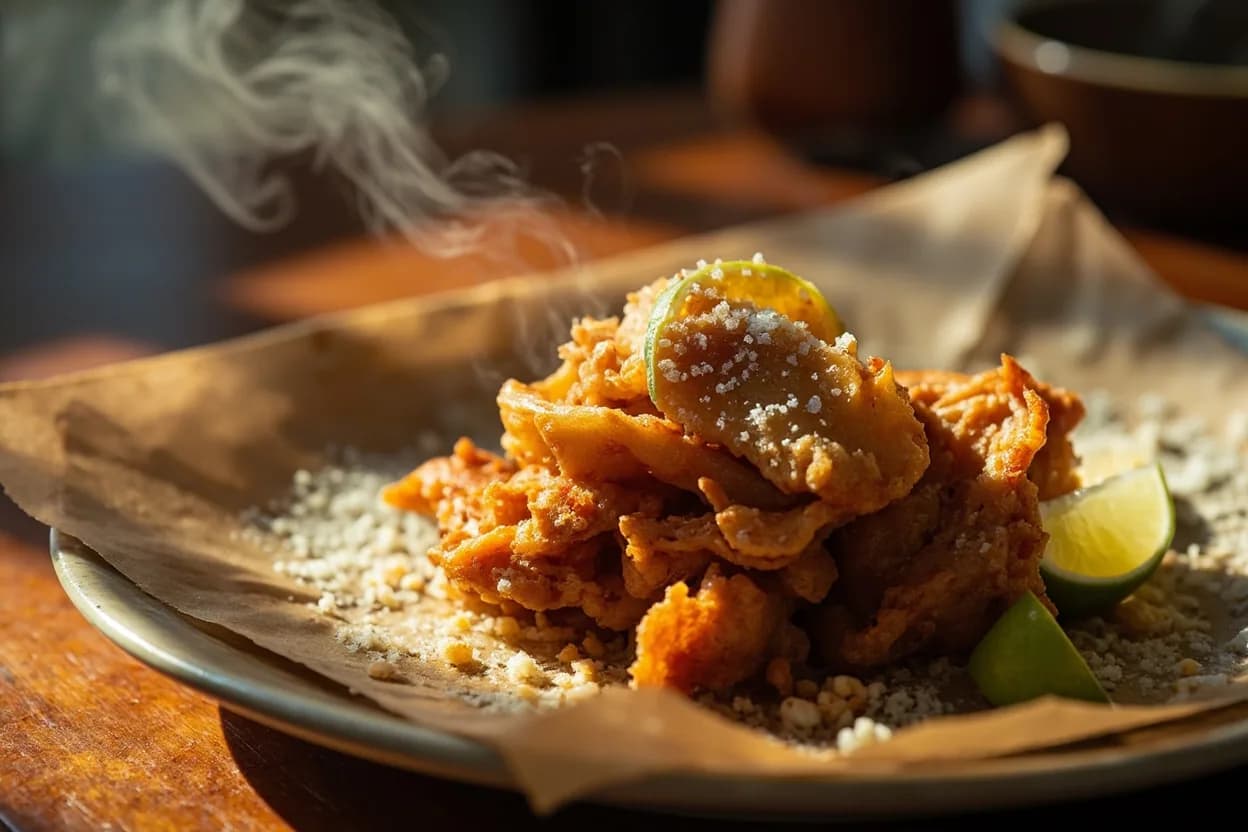
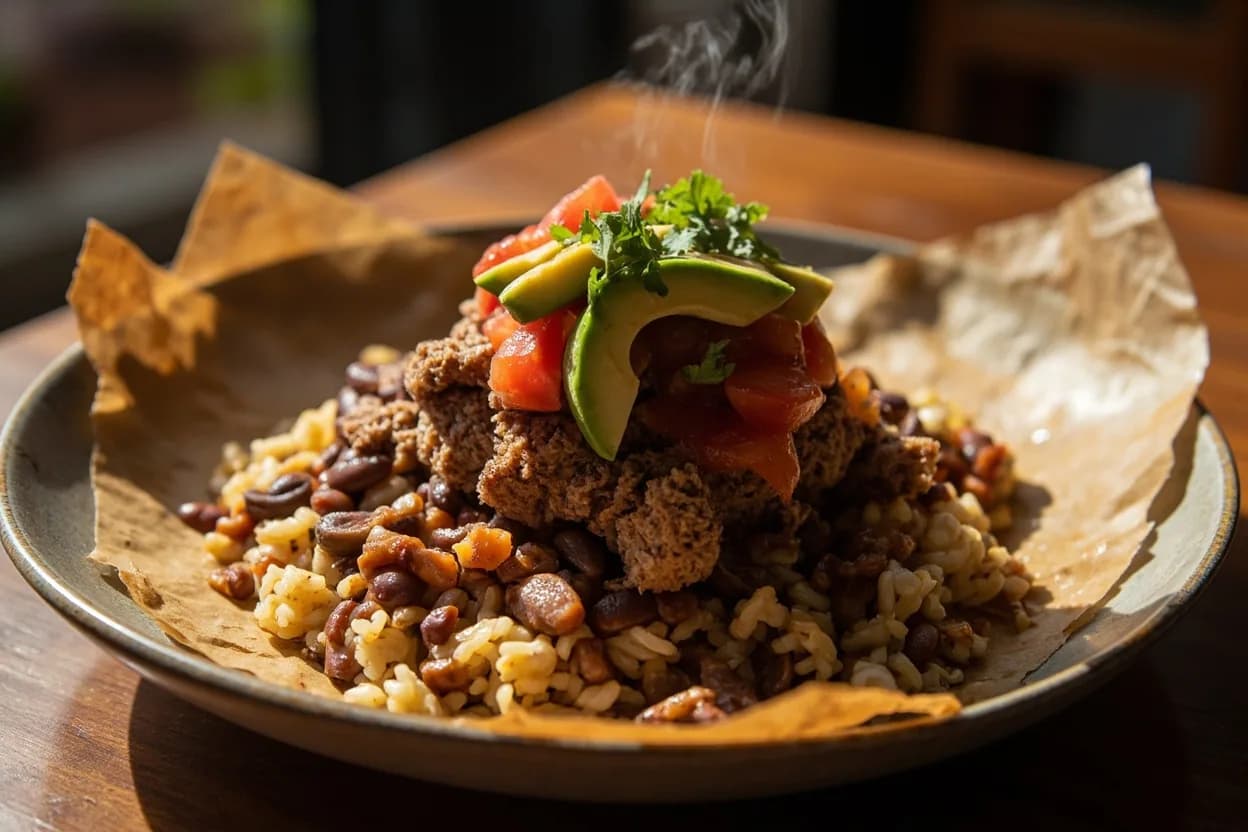
Related

Egg
The kitchen's everything ingredient — bind, leaven, enrich, or fry

Chicken Breast
Lean, quick-cooking white meat for everyday dinners

Ground Beef
Versatile minced beef for burgers, ragù, tacos, and meatballs

Pork Loin
Lean, tender roasting cut that stays juicy with care

Salmon
Rich, rosy fish that roasts, grills, or cures beautifully

Egg White
Pure protein that whips to airy peaks for meringue and more

Egg Yolk
Rich, golden yolk for custards, mayonnaise, and pasta

Quail Egg
Tiny, speckled eggs for garnishing and elegant bites