Proteins
Goan Pork Sausage (Chouriço)
Tangy, fiery vinegar-and-chili cured pork sausage from Goa, used in pulao, pao and curries.
Goan chouriço is a coarse pork sausage cured with vinegar, dried red chilies, garlic and spices, reflecting Portuguese influence on Indian Goan cooking. It is sharply tangy, spicy and deeply savory once cooked. Cooks squeeze the meat from its casing to fry into rice pulaos, stuff into bread (chouriço pao), or simmer in onion-tomato curries.
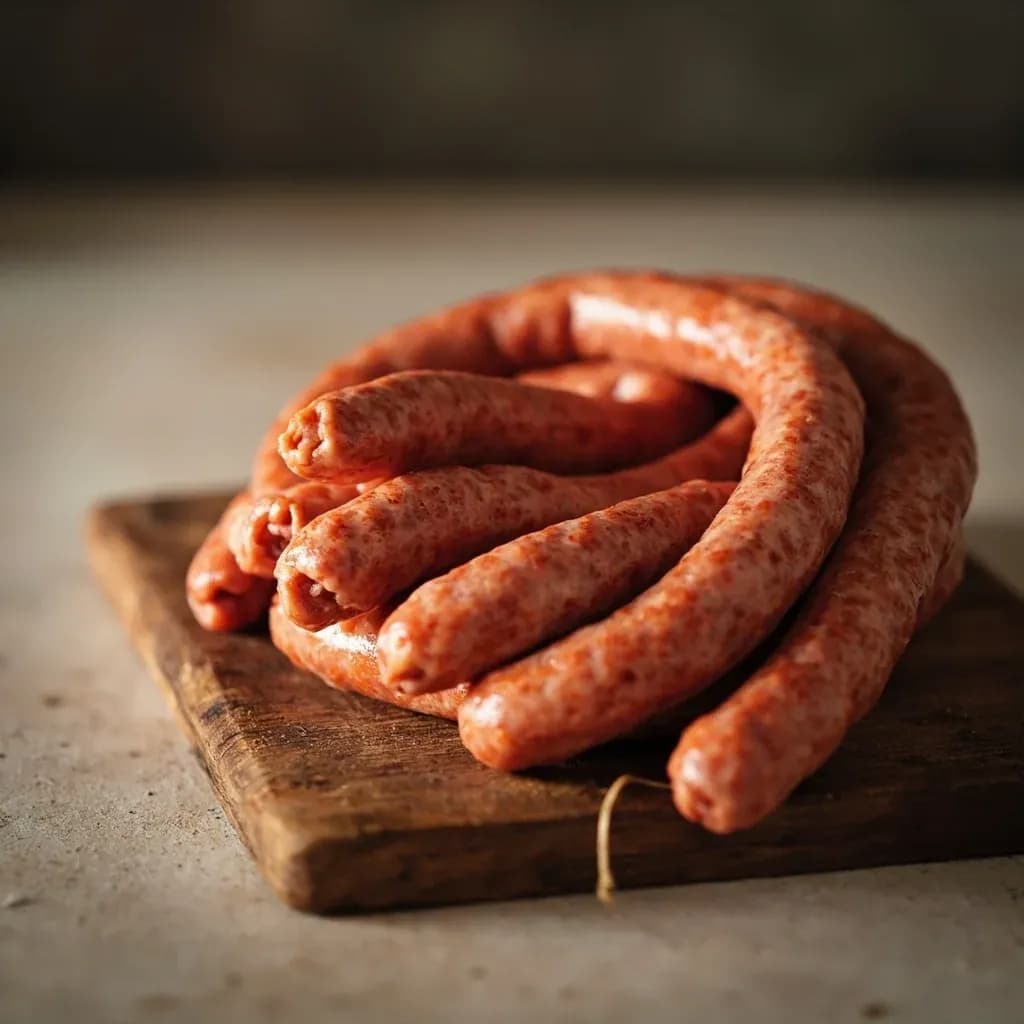
Goan Pork Sausage (Chouriço) is a cured pork sausage that occupies a unique culinary space between Iberian charcuterie and Indian spice traditions. Developed during the Portuguese colonial period (1510–1961) in Goa, it adapts Portuguese chouriço techniques to local ingredients: white vinegar replaces the wine or brandy of Iberian versions, and Kashmiri red chili provides the deep brick-red color and warm, lingering heat rather than searing sharpness. The sausage is coarsely ground with visible pork fat, packed into natural pork casings or formed into cylindrical rolls typically 4–6 cm in diameter. Unlike Portuguese chouriço, Goan chouriço is never smoked and is always cooked before serving.
The defining characteristics are its aggressive vinegar content—acting simultaneously as preservative, flavor agent, and source of bright tanginess—and the dense, coarse texture that holds up in curries, fried rice, and sandwiches. The sausage renders substantial fat when cooked, which becomes a flavored cooking medium for onions, rice, and aromatics. Commercially produced chouriço keeps refrigerated for 3–4 weeks due to the natural preservatives in vinegar and chili, and the flavor improves after a few days' rest, allowing the acidity to penetrate the meat evenly. When making from scratch, rest the seasoned mixture refrigerated for 24 hours before using.
Goan chouriço reflects Goa's hybrid cultural identity: Portuguese technique and Indian spice palette meeting coastal Goan preference for tangy, coconut-rich cuisine. When selecting, seek suppliers who grind coarse with visible fat specks throughout; avoid smooth, uniformly pink chouriço, which indicates industrial production and lacks the textural complexity and depth of traditionally made versions. The sausage is a pantry essential in Goan and Mangalorean Catholic kitchens, anchoring dishes from simple fried accompaniment to complex coconut-milk curries.
- Measured in
- g
- Storage
- Fridge
Types & varieties
Pork only, coarsely ground; the standard pantry sausage; vinegar-forward with moderate heat
Contains pork liver (up to 30%); richer, deeper flavor with subtle metallic undertone; slightly softer texture; harder to find commercially
Hotter variant with increased chili; preferred in northern Goa; more aggressively spiced
Made without casings, pressed into bamboo tubes or rolled and tied; wider variation in spice and vinegar ratios
Making Chouriço from Scratch
For homemade chouriço, the process requires a meat grinder with a coarse plate (6–8 mm) and patience. The coarse grind is essential—finely ground sausage loses its characteristic texture and the fat distribution that makes it special. The mixture should rest refrigerated for 24 hours before use to allow the vinegar to penetrate the meat and flavors to meld. Some traditional preparations press the mixture into bamboo tubes or roll and tie it with twine, mimicking the caseless village style.
- Use 70% pork shoulder and 30% pork fat for the right balance of lean meat flavor and renderable fat
- Kashmiri red chili provides color and warmth; use 3–5% of total meat weight depending on heat preference
- White vinegar should be 3–5% of total weight; this is the minimum for both flavor and preservation
- After grinding and mixing, stuff into casings or form into rolls, then refrigerate uncovered overnight to surface-dry before storing
Common uses
Tips & pitfalls
- Fry before use: Always start chouriço in a dry or lightly oiled pan over medium heat. As the fat renders, the sausage firms and the exterior caramelizes—this concentrates flavor and removes the raw vinegar edge.
- Do not overcook when crumbling: If crumbling for pulao or stuffing, cook until just browned; over-crisping makes it taste mealy rather than juicy.
- Balance the acidity: If a dish tastes too sharp from the vinegar, a pinch of jaggery or a tablespoon of coconut milk mellows it without losing character.
- Grind coarse: Commercial chouriço is often ground too fine; for homemade or when selecting, prefer sausage with visible fat specks and textured surface.
- Store casing-on until cooking: If bought in casing, keep it on until ready to cook—it protects the sausage and preserves flavor; remove only before slicing or crumbling.
- Freeze pre-fried portions: Fry a batch, cool, and freeze in recipe-ready portions for weeknight meals; they reheat directly from frozen in a covered pan.
Nutrition
Energy
1213 kJ · per 100 g
Where the calories come from
Protein
13.9g
28% DV
Carbs
3g
1% DV
Fat
24.3g
31% DV
Fiber
0g
0% DV
Sugars
1.2g
of which
Sodium
563mg
24% DV
Source · USDA FoodData Central · approx. Sausage, Italian, pork, mild, raw
View on FDC →In the shops
Matched grocery products
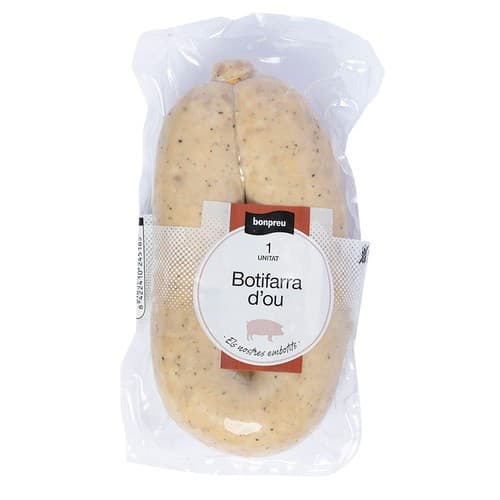 €3.79
€3.79Egg Sausage
BONPREU · kg · Bonpreu
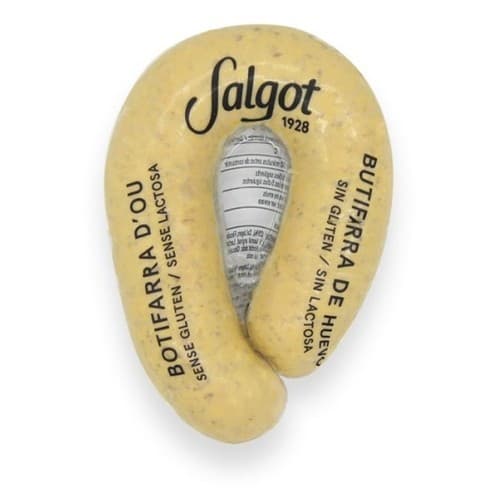 €4.99
€4.99Egg Sausage
SALGOT · kg · Bonpreu
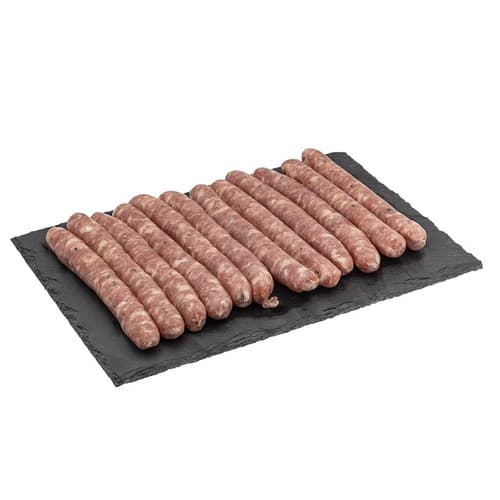 €5.99
€5.99Pork Sausage
BONPREU DE L'ERA · kg · Bonpreu
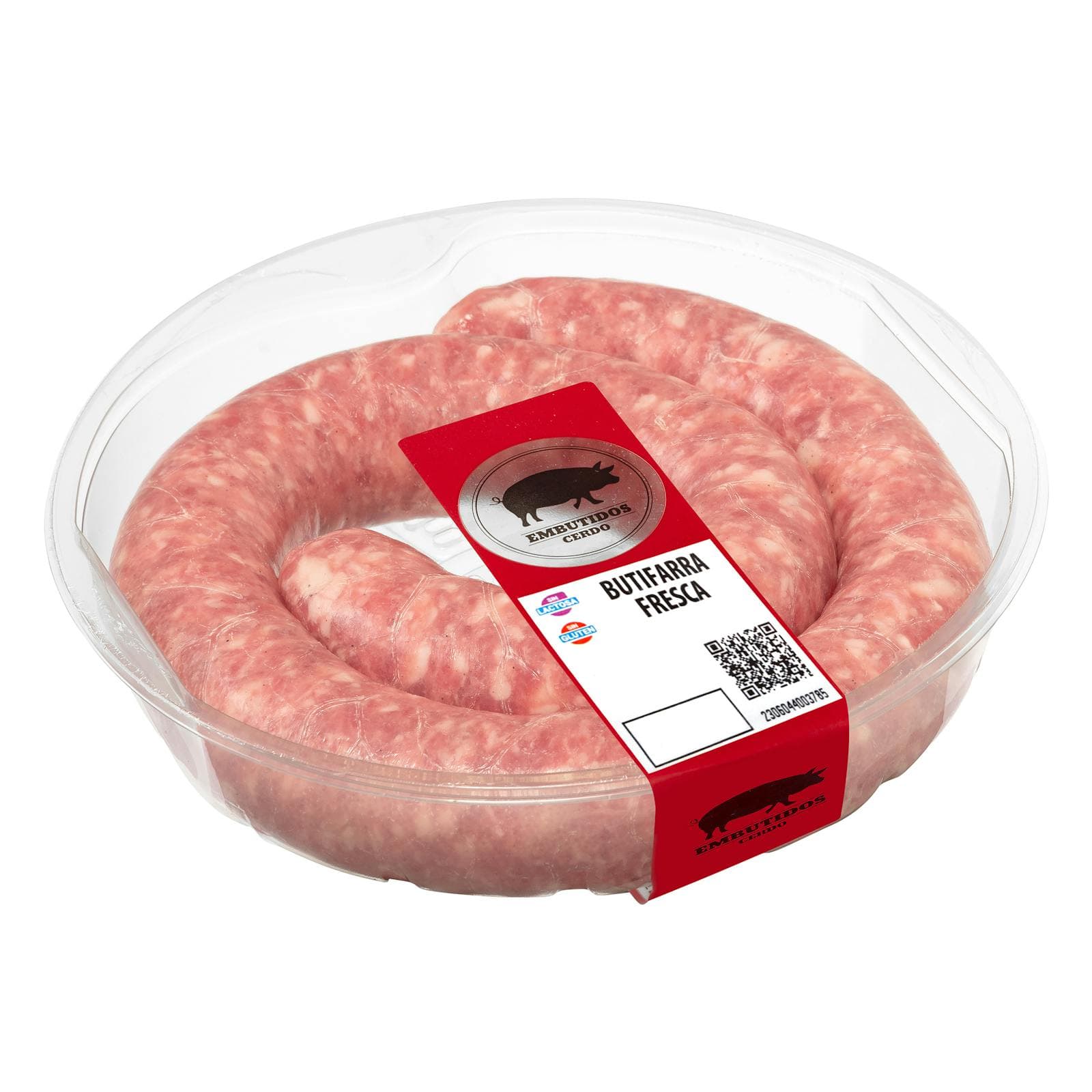 €3.62
€3.62Fresh Sausage
640 g · Mercadona
 €6.75
€6.75Rabbit Sausage
BONPREU · kg · Bonpreu
 €1.89
€1.89Catalan Sausage
BONPREU · kg · Bonpreu
Good to know
- Origin
- Goa, India; evolved during Portuguese colonial rule (1510–1961) from Iberian chouriço techniques adapted to local ingredients and palate
- Primary Flavor Profile
- Tangy, fiery, and savory with pronounced warmth from Kashmiri red chili and acidity from white vinegar
- Key Ingredients
- Pork (coarsely ground, traditionally with pork fat), white vinegar, Kashmiri red chili, garlic, ginger, cumin, black pepper, salt
- Appearance
- Deep brick-red to rust-colored, dense, coarse grind; typically sold as cylindrical links or rolls 4–6 cm in diameter
- Texture
- Firm and dense; holds shape when sliced; firms further when cooked
- Preservation
- High vinegar content and chili act as natural preservatives; keeps refrigerated 3–4 weeks; improves with a few days' resting
- Heat Level
- Medium-hot to hot; heat varies by maker and proportion of Kashmiri chili (which is warm, not searingly hot)
- Typical Size
- Links 15–20 cm long, or sold by weight in rolls cut to order
- Storage
- Refrigerate below 4°C; can be frozen up to 3 months in airtight wrapping
Substitutes
- Portuguese Chouriço — Most similar; slightly less acidic, often smoked; remove casing and pan-fry before use; use 1:1
- Goan Pork Sausage (Simanna) — A pork-and-cumin variety from Karnataka; milder in chili and vinegar; acceptable but less authentically tangy
- Spanish Chorizo Picante — Drier and smokier; cook longer to soften; add a teaspoon of white vinegar to approximate the Goan tang
- Home-cured Indian Pork Sausage — Regional variants from Northeast India or Anglo-Indian kitchens; adjust seasoning with extra chili and a splash of vinegar
Pairs with
Also called
Chouris · Choris · Goa Sausage · Goan Chorizo
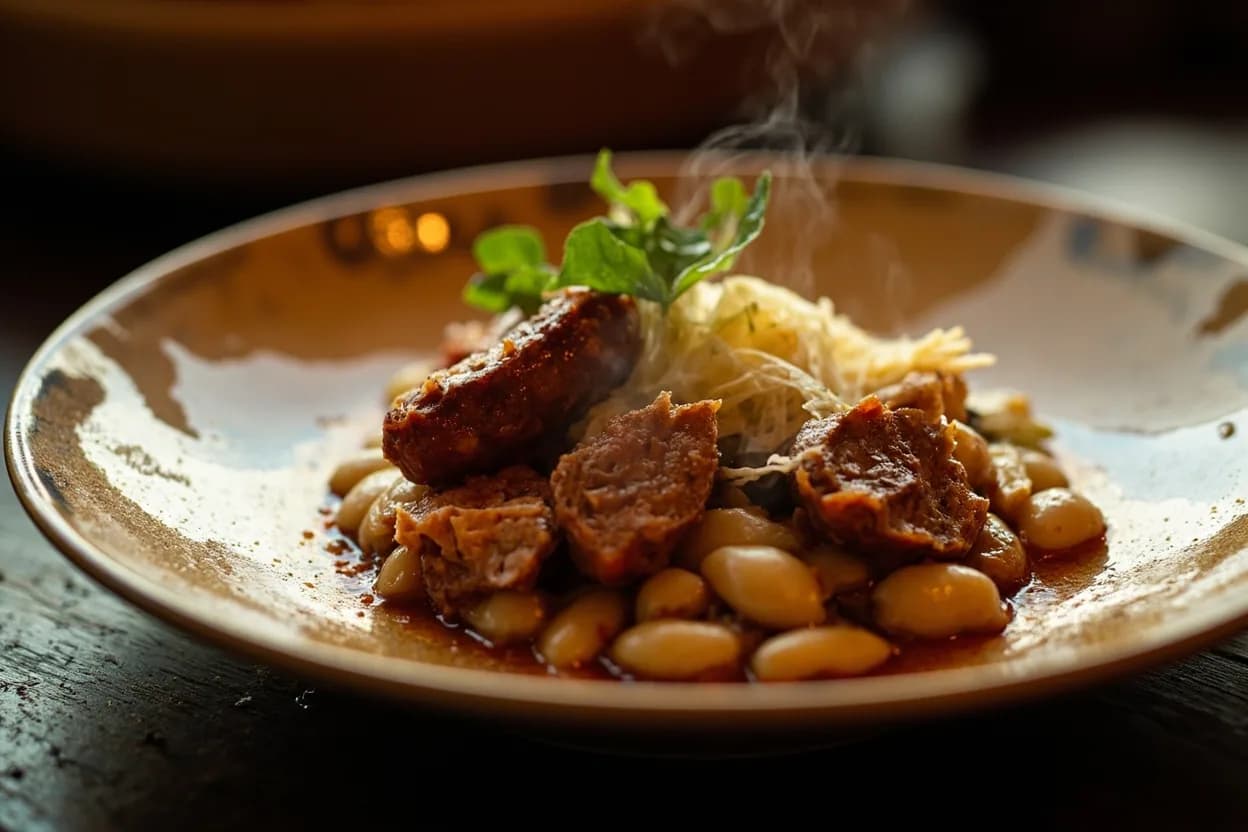
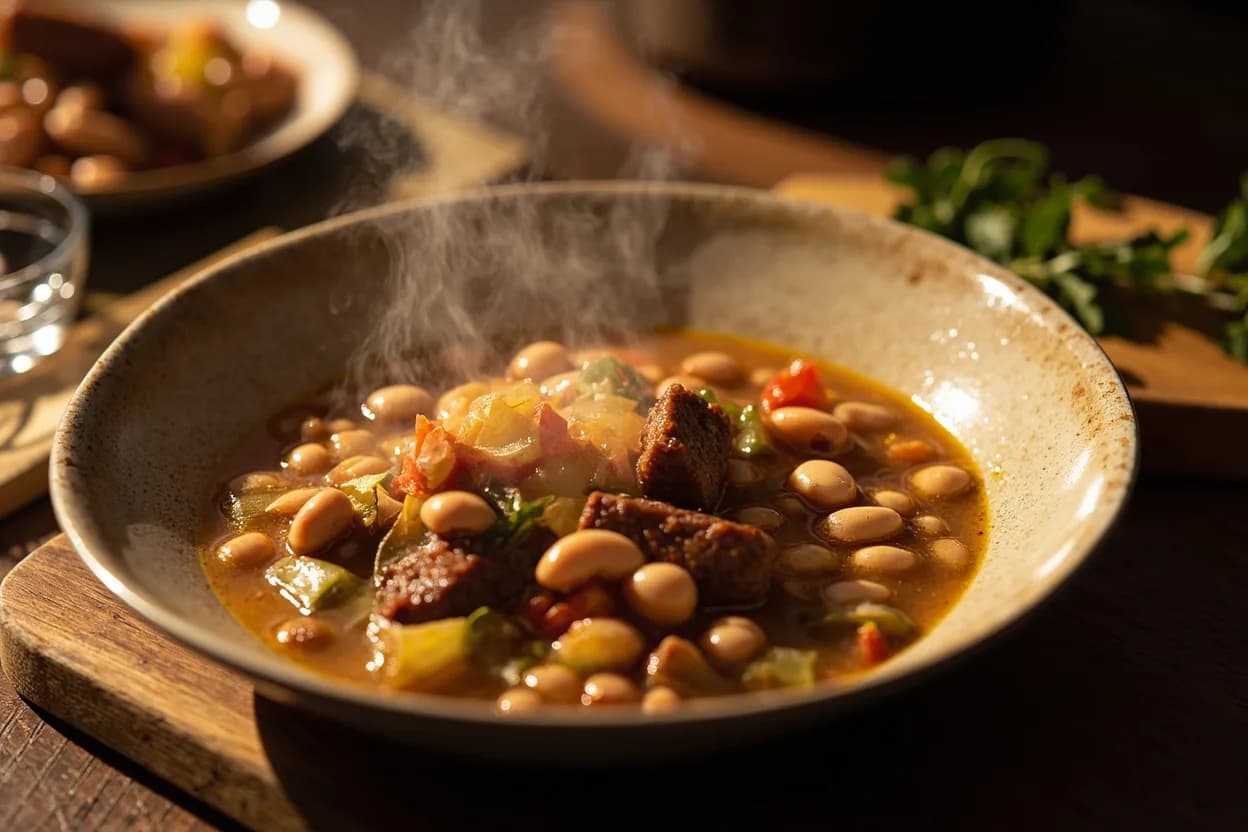
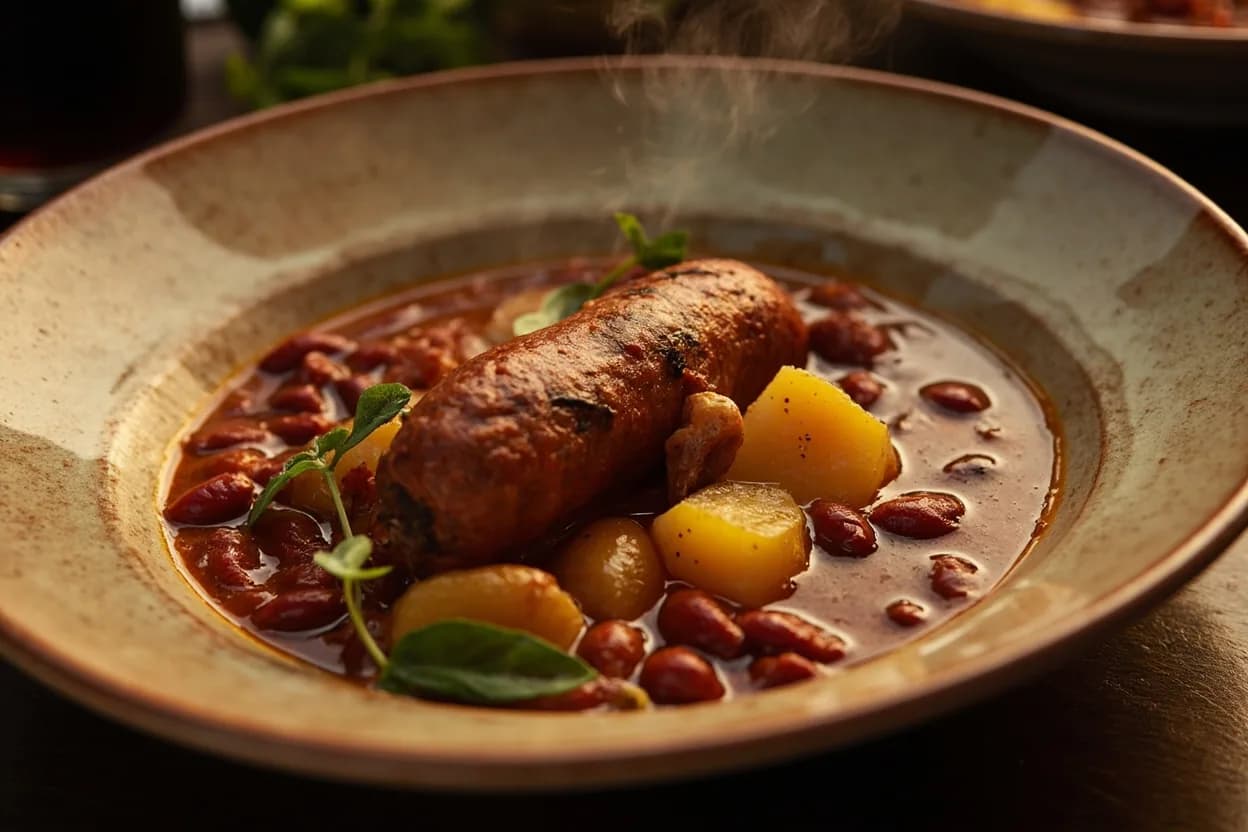
Appears in these dishes
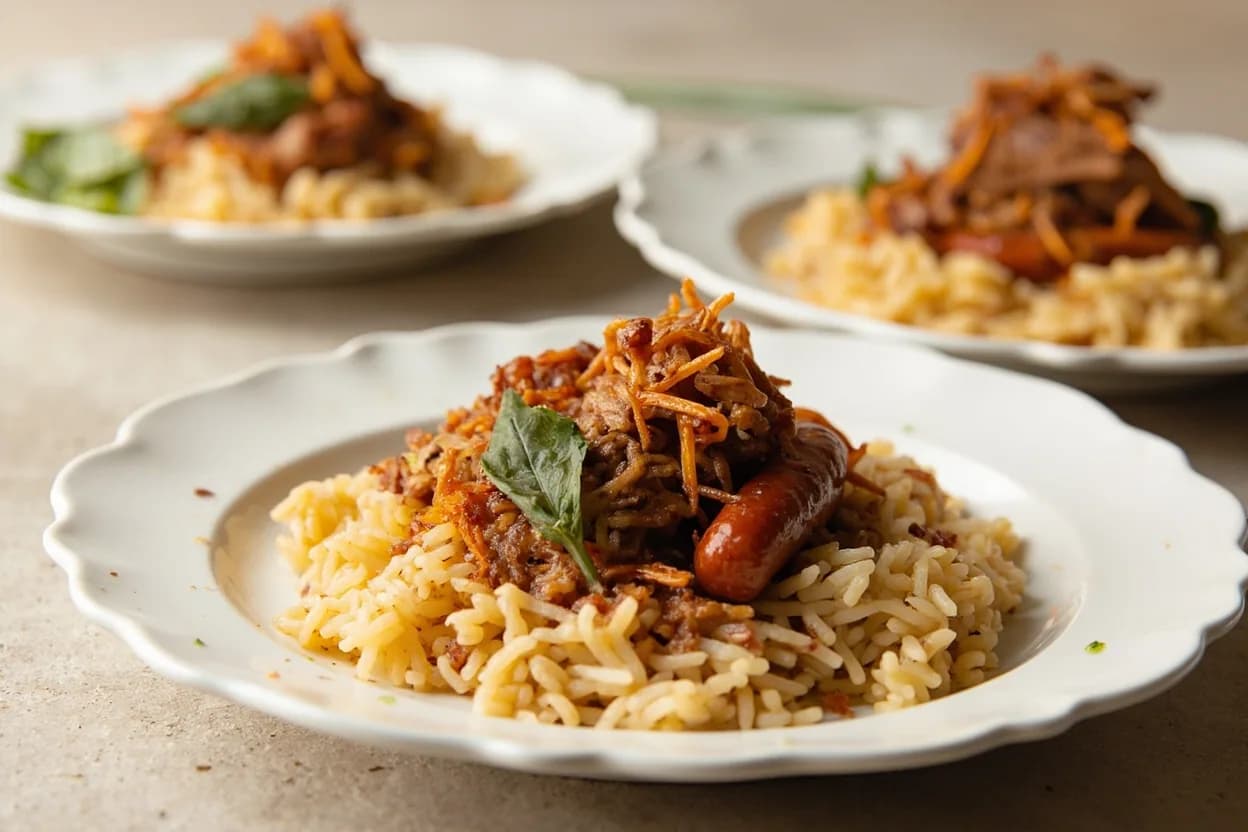
Related
Egg
The kitchen's everything ingredient — bind, leaven, enrich, or fry
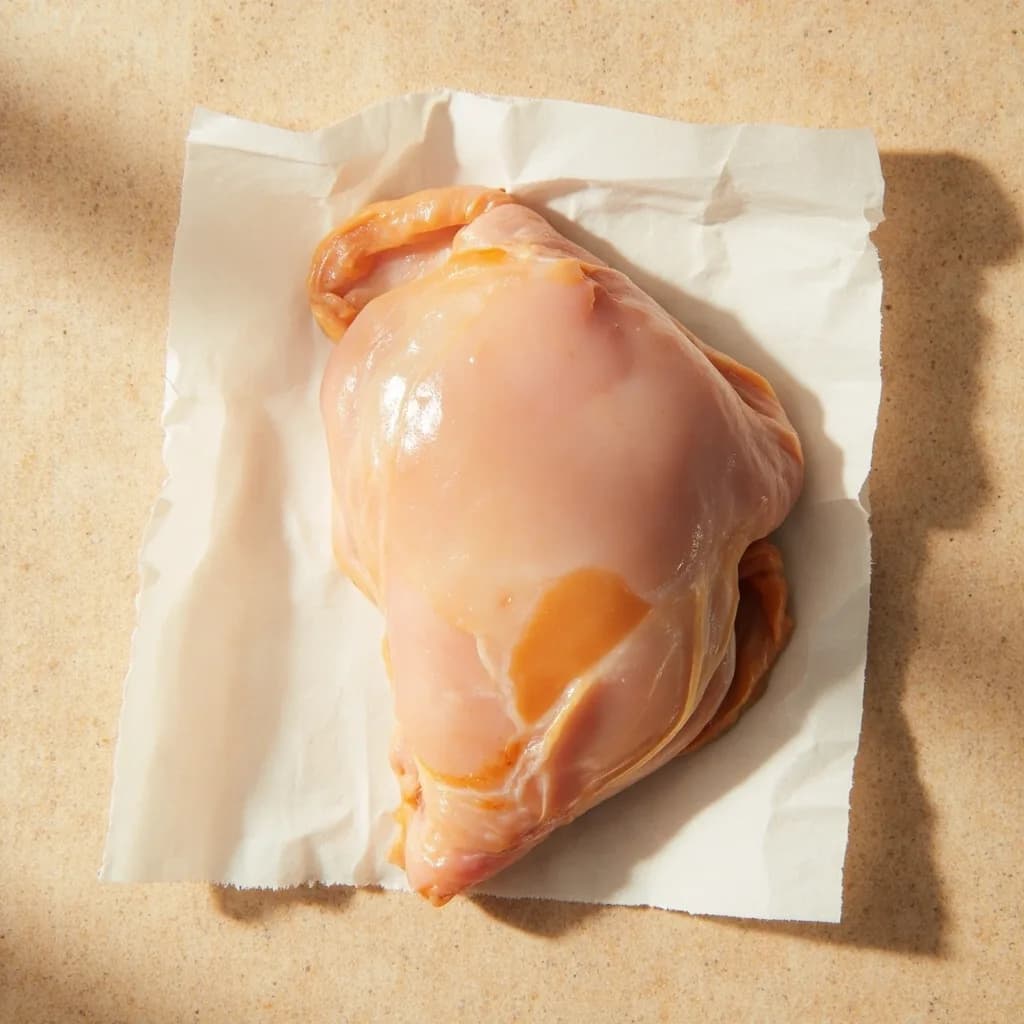
Chicken Breast
Lean, quick-cooking white meat for everyday dinners

Ground Beef
Versatile minced beef for burgers, ragù, tacos, and meatballs
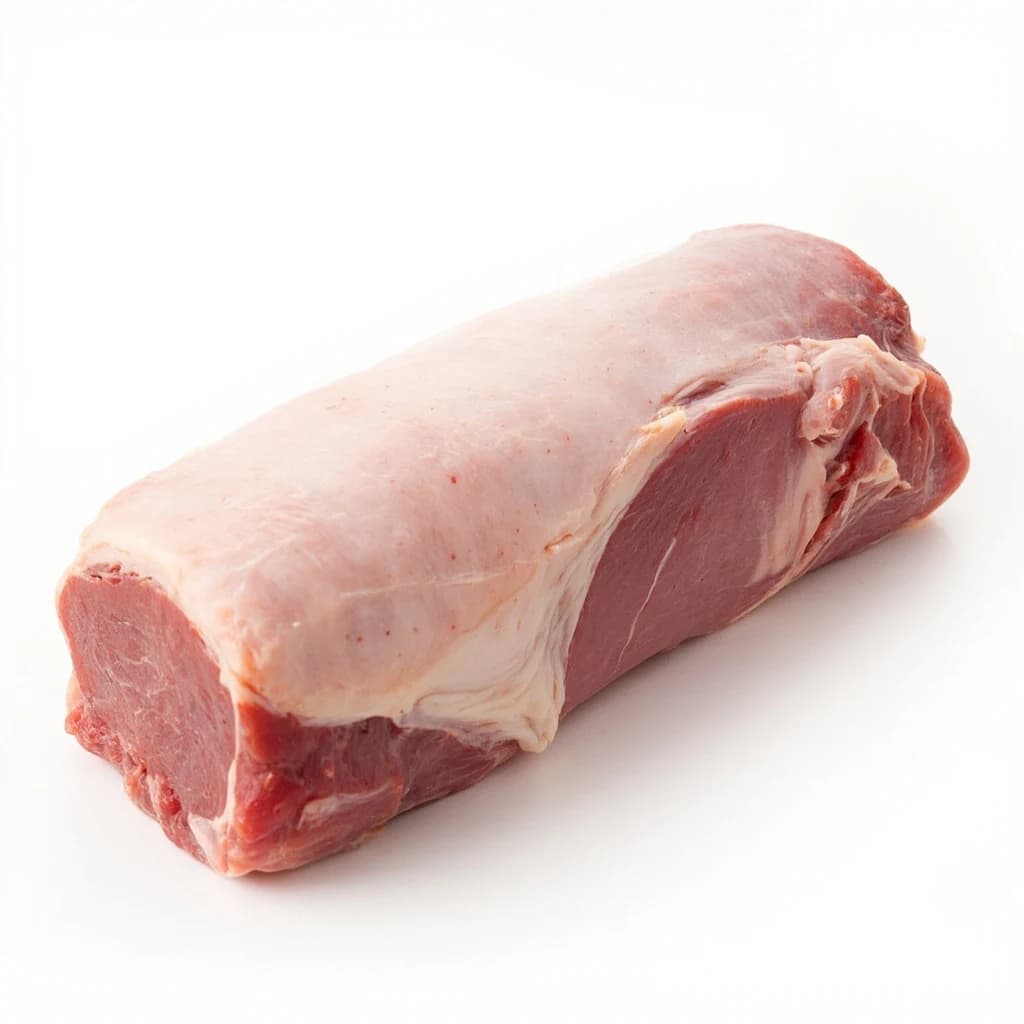
Pork Loin
Lean, tender roasting cut that stays juicy with care
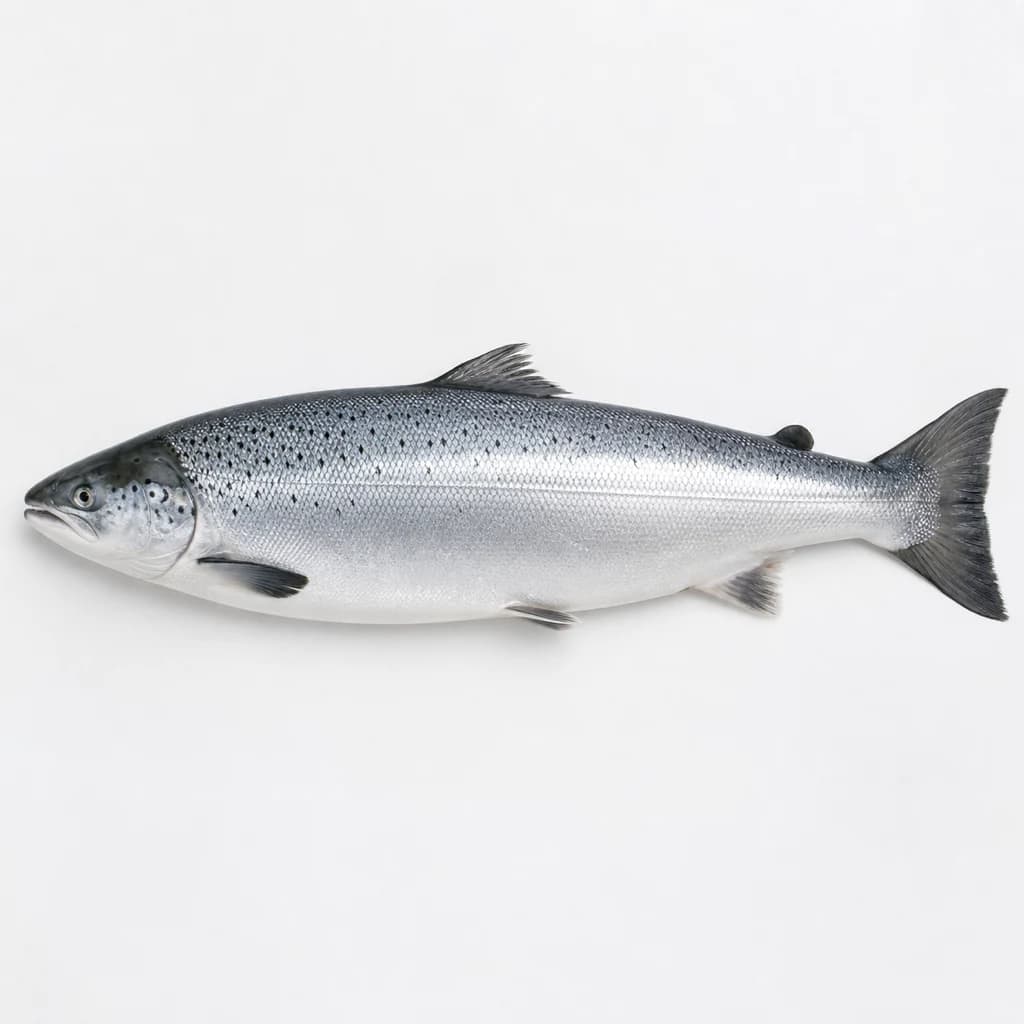
Salmon
Rich, rosy fish that roasts, grills, or cures beautifully

Egg White
Pure protein that whips to airy peaks for meringue and more
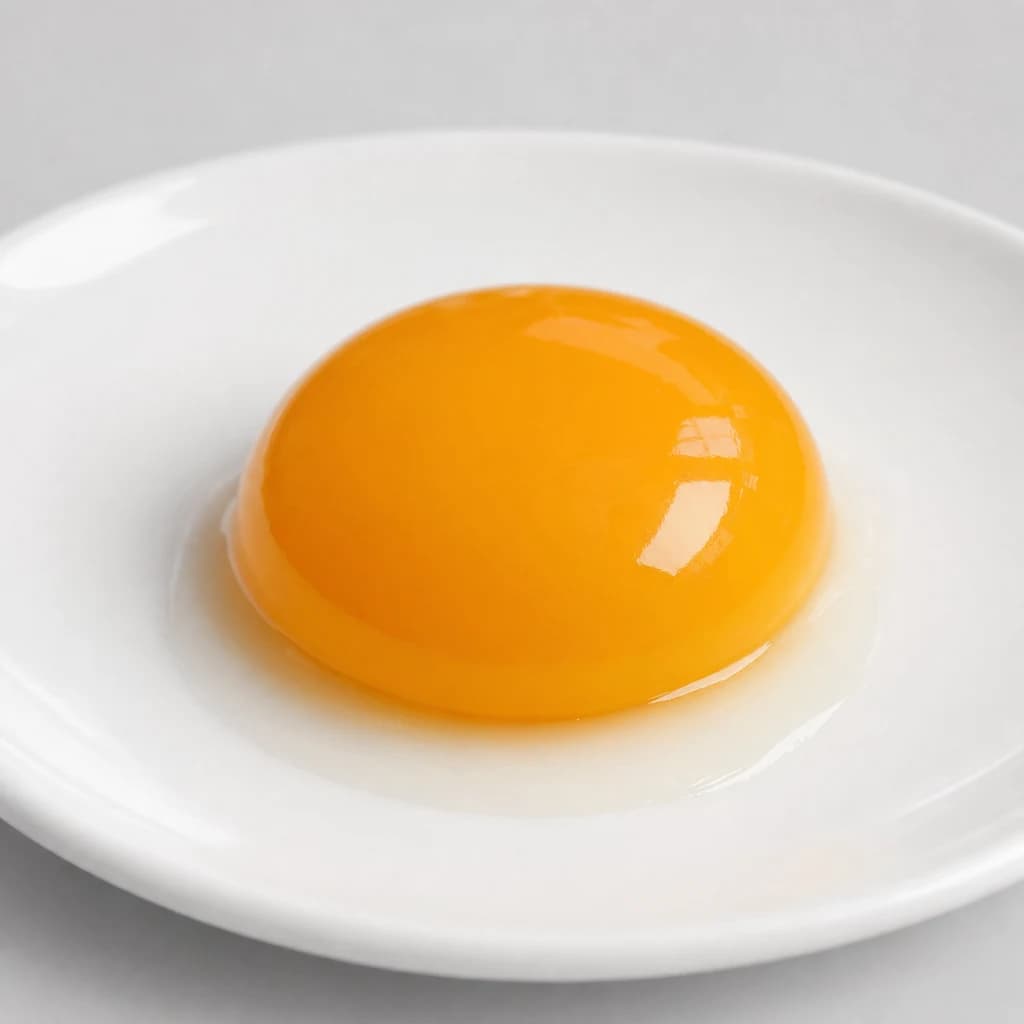
Egg Yolk
Rich, golden yolk for custards, mayonnaise, and pasta

Quail Egg
Tiny, speckled eggs for garnishing and elegant bites