
Natural form
Ripe and unripe golden apples showing the fruit's oval shape and yellow-green skin.
Shows the fruit's distinctive appearance at different ripeness stages so readers can recognize it at market.
Produce
Golden Apple (June Plum)
Tart-sweet tropical fruit eaten green with salt or ripe in juices and chutneys.
The golden apple, also called June plum or pommecythere, is a crisp tropical fruit with a single spiny seed, popular across the Caribbean and Pacific. Eaten green and sour with salt and chili, or ripe and fragrant in juices, jams, and chutneys, it has a flavor between mango and pineapple. The flesh is firm and refreshing when underripe.
Golden Apple (Spondias dulcis) is a tropical stone fruit from the Anacardiaceae family, related to mango and cashew, native to the South Pacific and now essential across Caribbean, Southeast Asian, and Pacific Island cuisines. Known as June Plum in the Anglophone Caribbean, Ambarella in Southeast Asia, Kedondong in Indonesia and Malaysia, and Makok in Thailand, the fruit undergoes a striking transformation: green and unripe, it offers intense tartness with a faint pineapple note, ideal for snacks and salads; ripened to golden yellow, it becomes sweet-tart and juicy, suitable for fresh eating, preserves, and desserts. The large, woody, spined seed is inedible, but the flesh comprises 70–75% of the fruit's weight.
Its high pectin content makes Golden Apple exceptionally well-suited to chutneys and preserves, while its dual nature as both a souring agent and a finished fruit explains its prominence from Jamaican street snacks to Filipino sinigang. The fruit is oval to round, 5–8 cm long, with bright green skin and pale green to white flesh when unripe, transitioning to golden yellow and yellow-orange when ripe, with tender, juicy, slightly fibrous texture.
The fruit stores 3–5 days at room temperature when unripe, or refrigerated for 2–3 days when ripe; flesh discolors quickly when exposed to air. Key preparation involves halving lengthwise and twisting to separate cleanly from the spined seed. The skin is edible but carries a slightly bitter, resinous note—peel for desserts and fresh eating if sensitive. Frozen ripe fruit maintains quality for up to three months and works well in smoothies and sorbet.
- Measured in
- piece
- Storage
- Pantry
Types & varieties
Standard cultivar with oval fruit, bright green when unripe, golden yellow at maturity; most widely available in Caribbean and Southeast Asian markets
Famous Pacific cultivar known for particularly large fruit, excellent flavor, and minimal fiber; popular in Fiji and surrounding islands
Broader, more rounded fruit than typical varieties; widely grown in French Polynesia and Hawaii
Selected for sweeter ripe fruit; popular for fresh eating in Taiwan and southern China
Commonly labeled 'makok' in Thai markets; tends to have more pronounced acidity and is preferred for savory applications
Common uses
Tips & pitfalls
- Select firm, unblemished green fruit for savory uses; slight yellowing indicates the fruit is beginning to ripen and will be less acidic
- To ripen at home, store at room temperature in a paper bag; ethylene from the bag hastens ripening by 1–2 days
- Halve the fruit lengthwise, then twist halves in opposite directions to separate cleanly; the large spined seed will pull away from the flesh
- Work quickly with ripe fruit—flesh oxidizes and browns within minutes; a squeeze of lime juice preserves the color
- When making chutney or preserve, cook green or half-ripe fruit; fully ripe fruit becomes mushy and overly sweet when cooked
- The skin is edible but can carry a slightly bitter, resinous note; peel for desserts and fresh eating if sensitive to this flavor
- Do not attempt to grate or shred ripe fruit—it is too soft and juicy; slice or use only firm, unripe fruit for shredding applications
- Freeze ripe, peeled fruit in single layers on a tray before transferring to bags; frozen fruit works well for smoothies and sorbet for up to 3 months
Nutrition
Energy
238 kJ · per 100 g
Where the calories come from
Protein
0.3g
1% DV
Carbs
13.6g
5% DV
Fat
0.2g
0% DV
Fiber
2.4g
9% DV
Sugars
10g
of which
Sodium
2mg
0% DV
Source · USDA FoodData Central · Apples, raw, golden delicious, with skin
View on FDC →In the shops
Matched grocery products
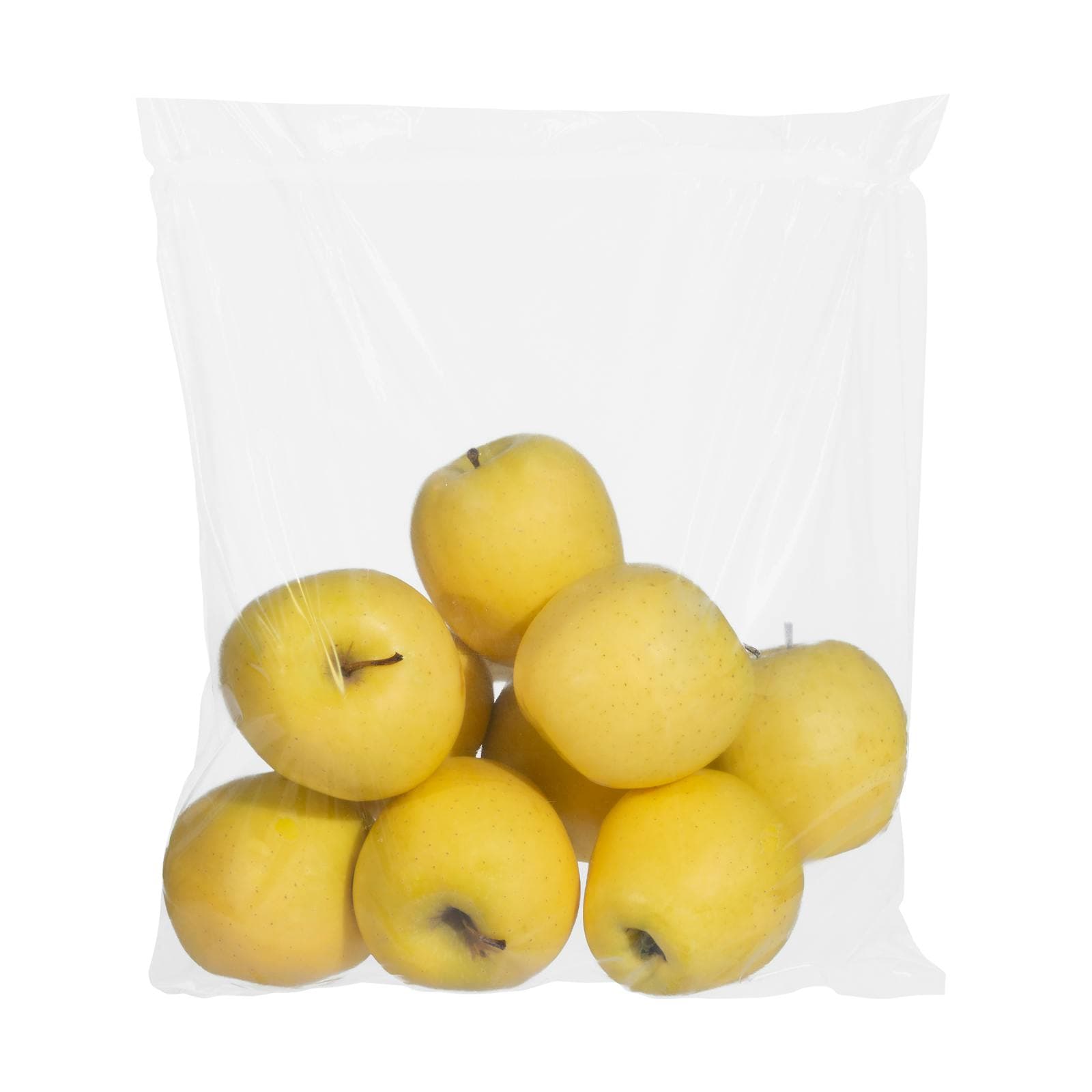 €2.84
€2.84Golden Apples
1.58 kg · Mercadona
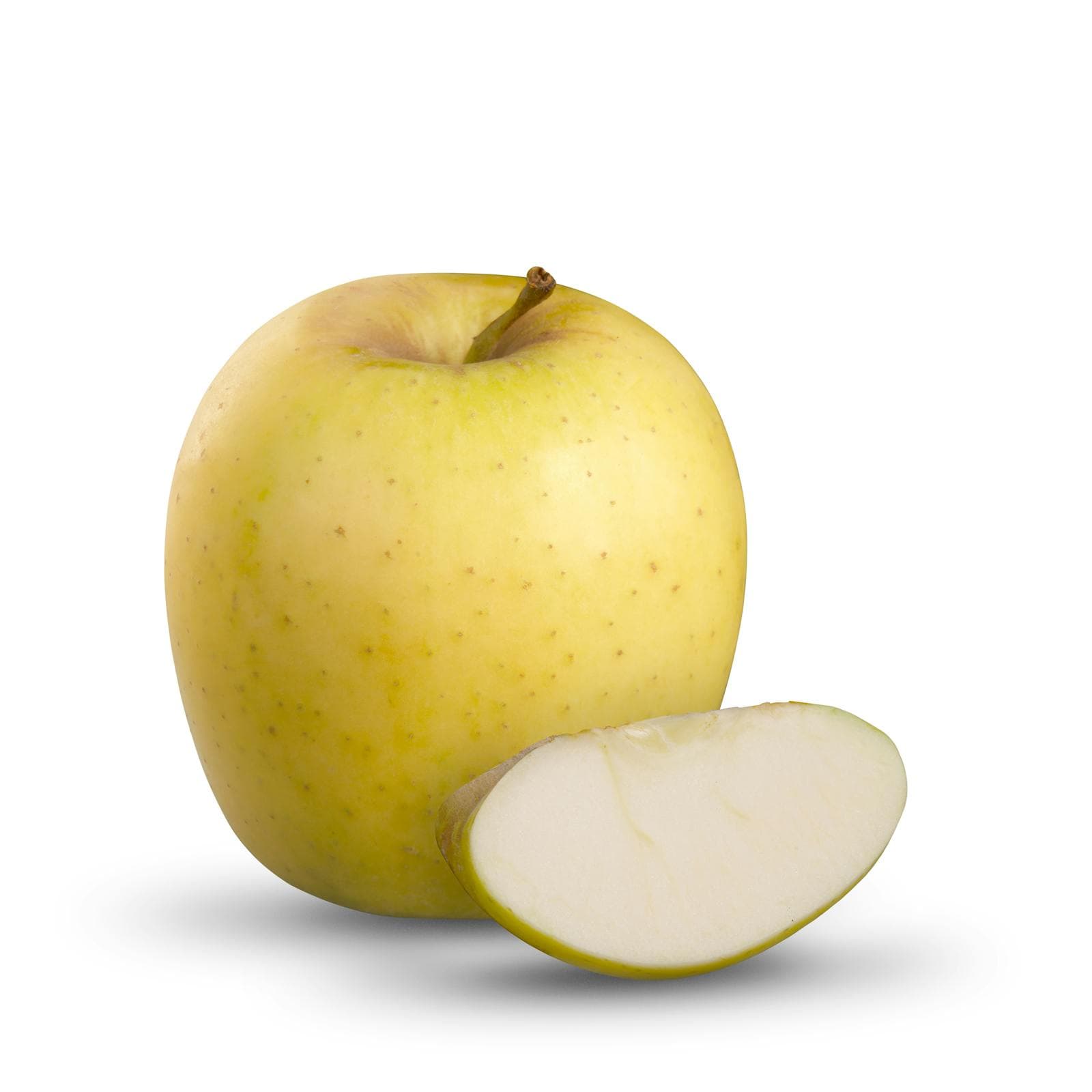 €0.44
€0.44Golden Apple
200 g · Mercadona
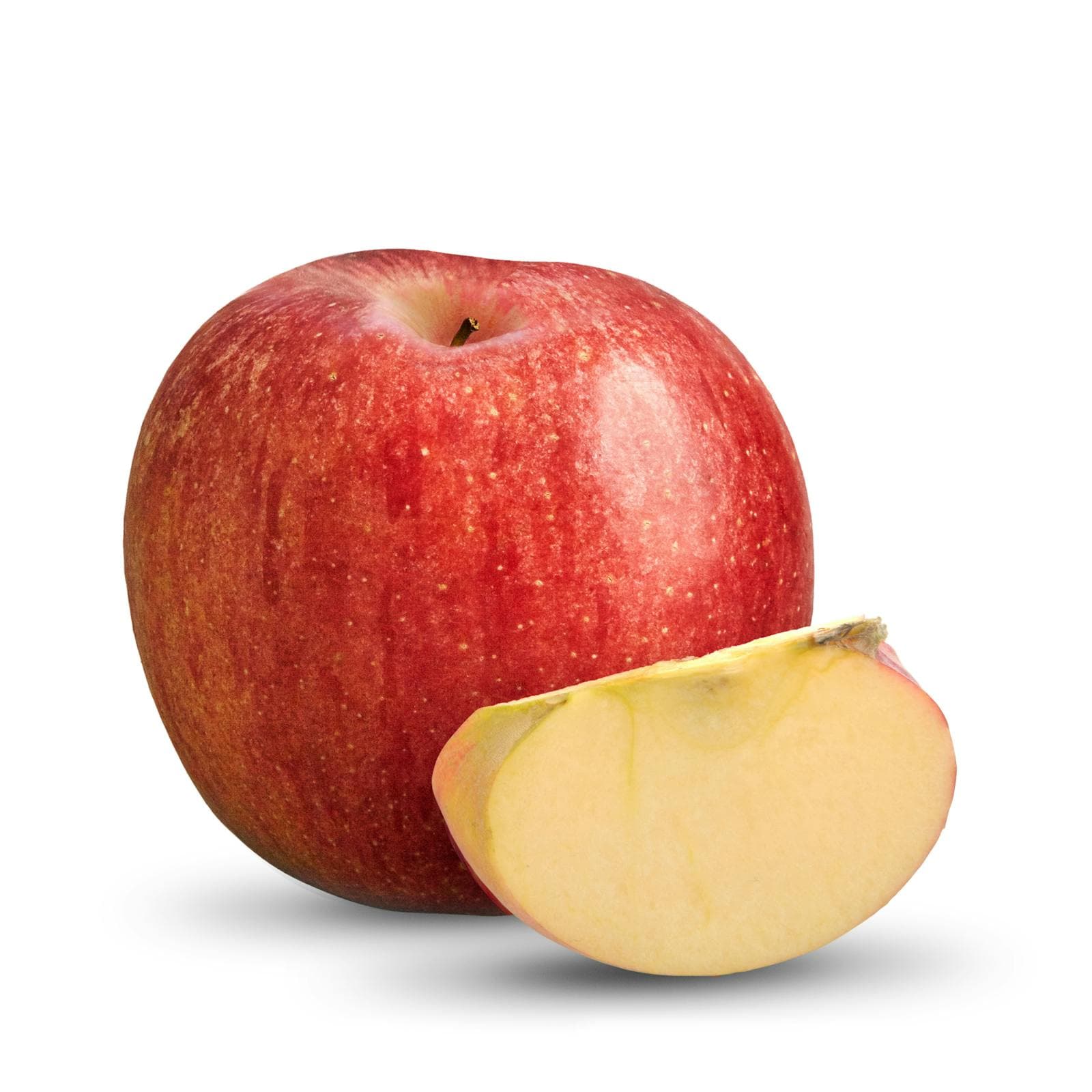 €0.62
€0.62Red Sweet Apple
230 g · Mercadona
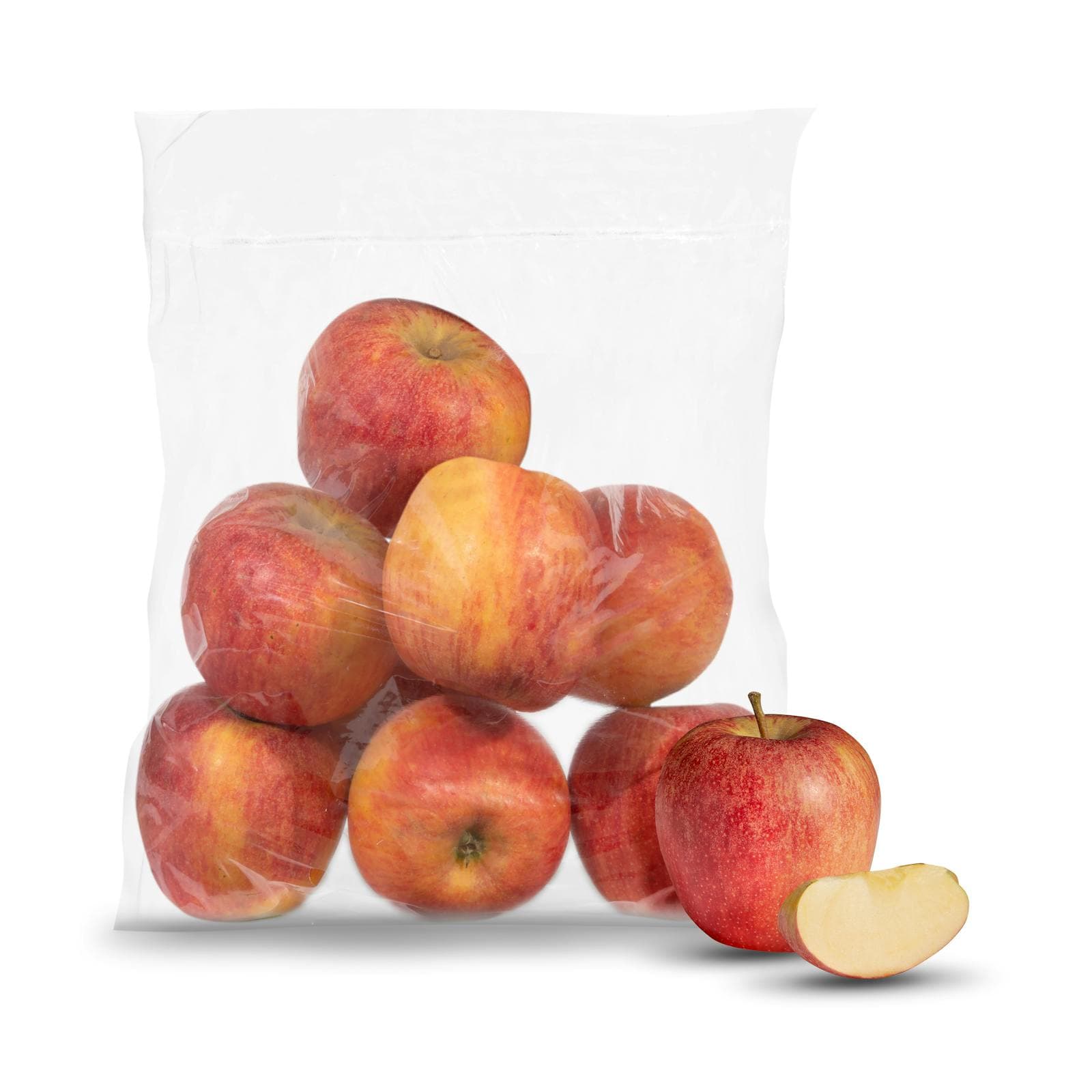 €3.77
€3.77Sweet Red Apples
1.57 kg · Mercadona
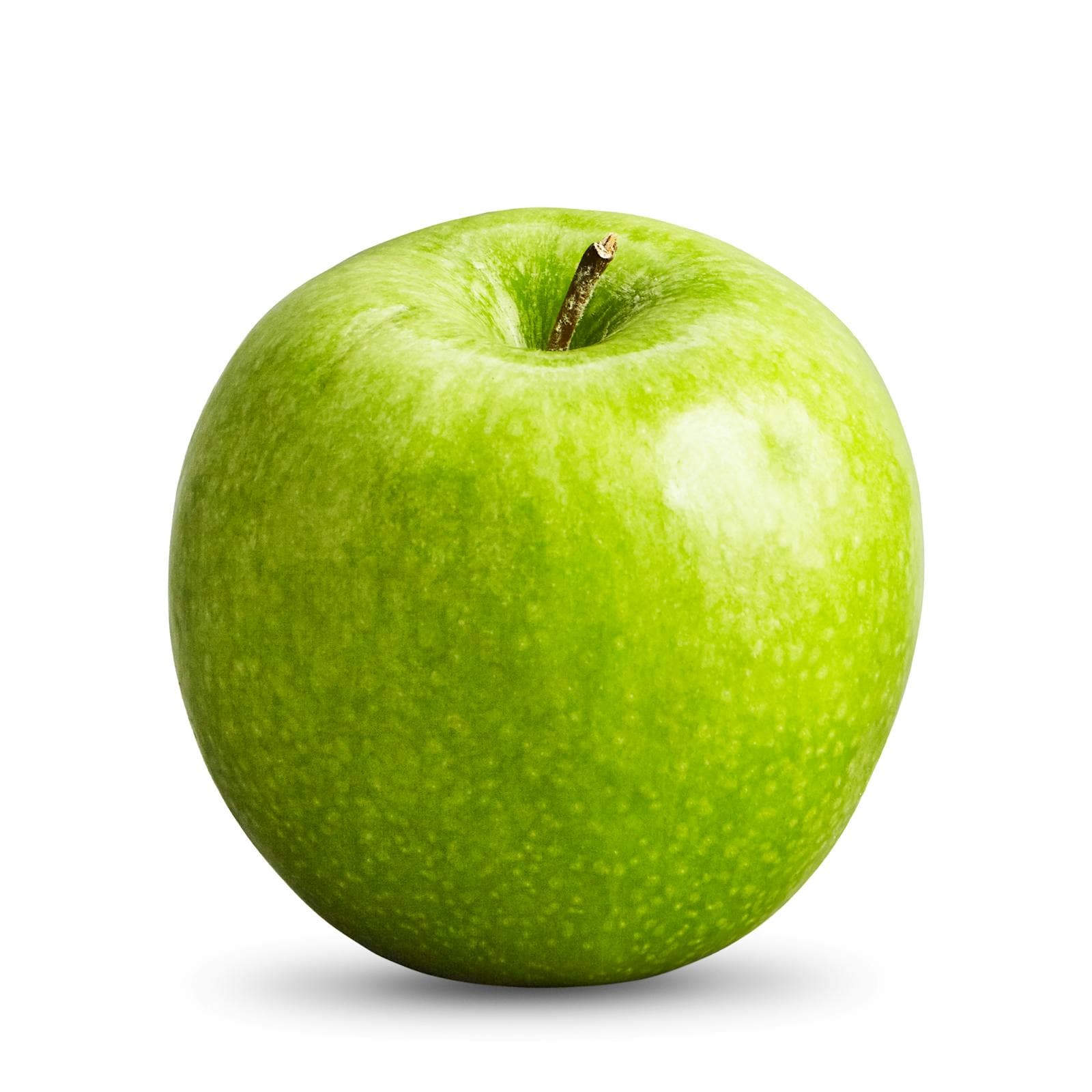 €0.43
€0.43Granny Smith Apple
180 g · Mercadona
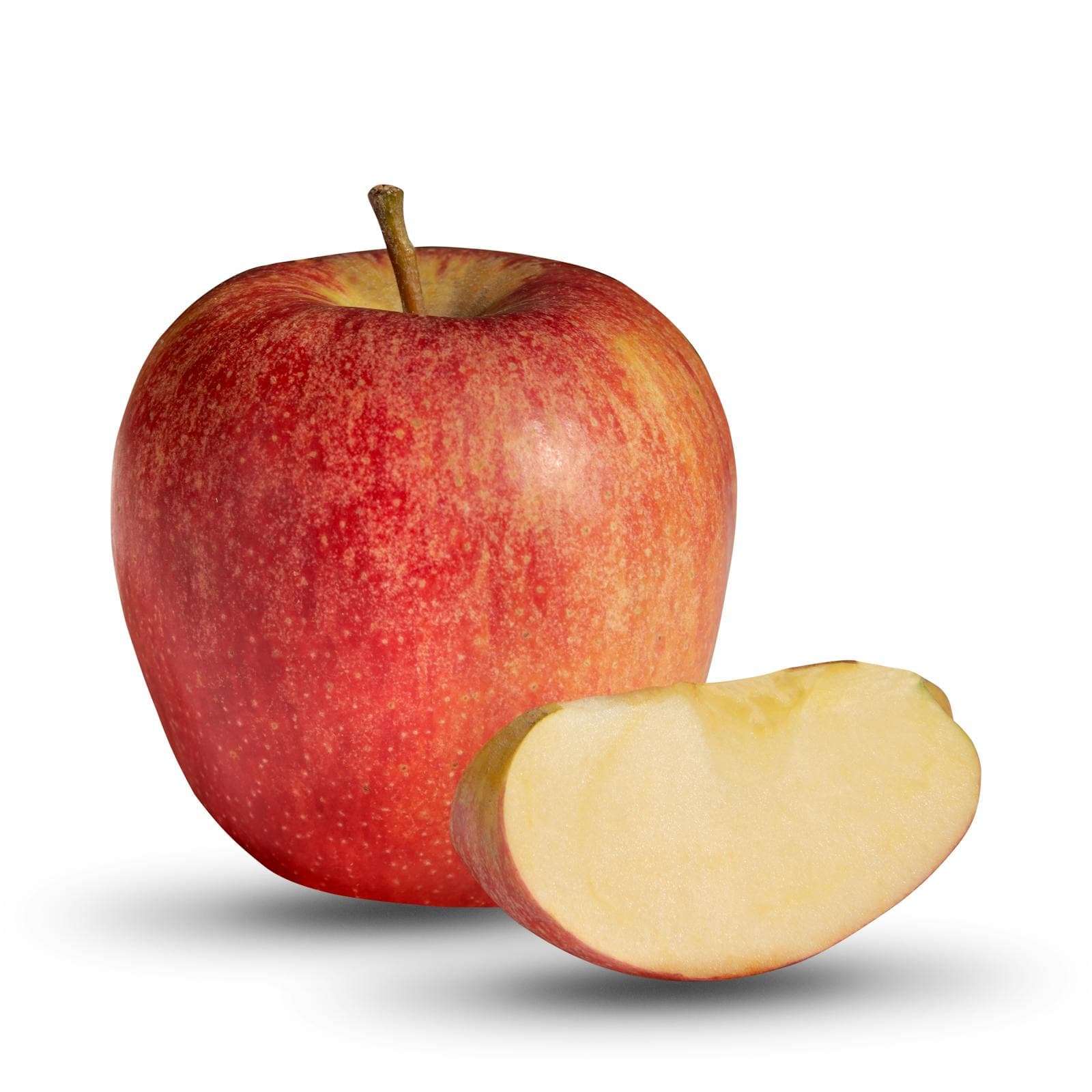 €0.59
€0.59Semi-Sweet Red Apple
220 g · Mercadona
Good to know
- Scientific name
- Spondias dulcis
- Family
- Anacardiaceae (same family as mango and cashew)
- Origin
- Native to South Pacific (Melanesia and Polynesia)
- Season
- Year-round in tropical climates; peak mid-summer through early fall in Caribbean and Southeast Asian markets
- Shape
- Oval to round, 5–8 cm long
- Unripe appearance
- Bright green skin, pale green to white flesh; very firm and crisp
- Ripe appearance
- Golden yellow skin, yellow-orange flesh; tender, juicy, slightly fibrous
- Seed
- Large, woody, covered in coarse spines; inedible
- Storage (unripe)
- Room temperature 3–5 days until desired ripeness
- Storage (ripe)
- Refrigerate and use within 2–3 days; flesh discolors quickly when exposed to air
- Edible yield
- Approximately 70–75% flesh by weight
Substitutes
- Green mango — Best direct substitute for green applications; similar tartness, firm texture, and flavor profile; use in same proportions
- Tamarind paste — Use 1 tablespoon tamarind paste per medium golden apple when seeking acidity in soups, sauces, or braises; does not replicate texture
- Unripe papaya — Acceptable in salads and fresh preparations; less tart and more watery; reduce quantity by one-third
- Sour sop (graviola) — Provides tropical acidity but very different texture and flavor; best for beverages rather than savory dishes
- Kaffir lime — Use juice or zest for intense citrusy sourness in cooked applications; does not replicate the tropical fruit character
Pairs with
Also called
Pommecythere · June Plum · Otaheite Apple · Ambarella
Related
Tomato
Juicy, sun-sweet fruit for sauces, salads, and slow-cooked depth
Yellow Onion
The aromatic backbone of soups, sofritos, and braises
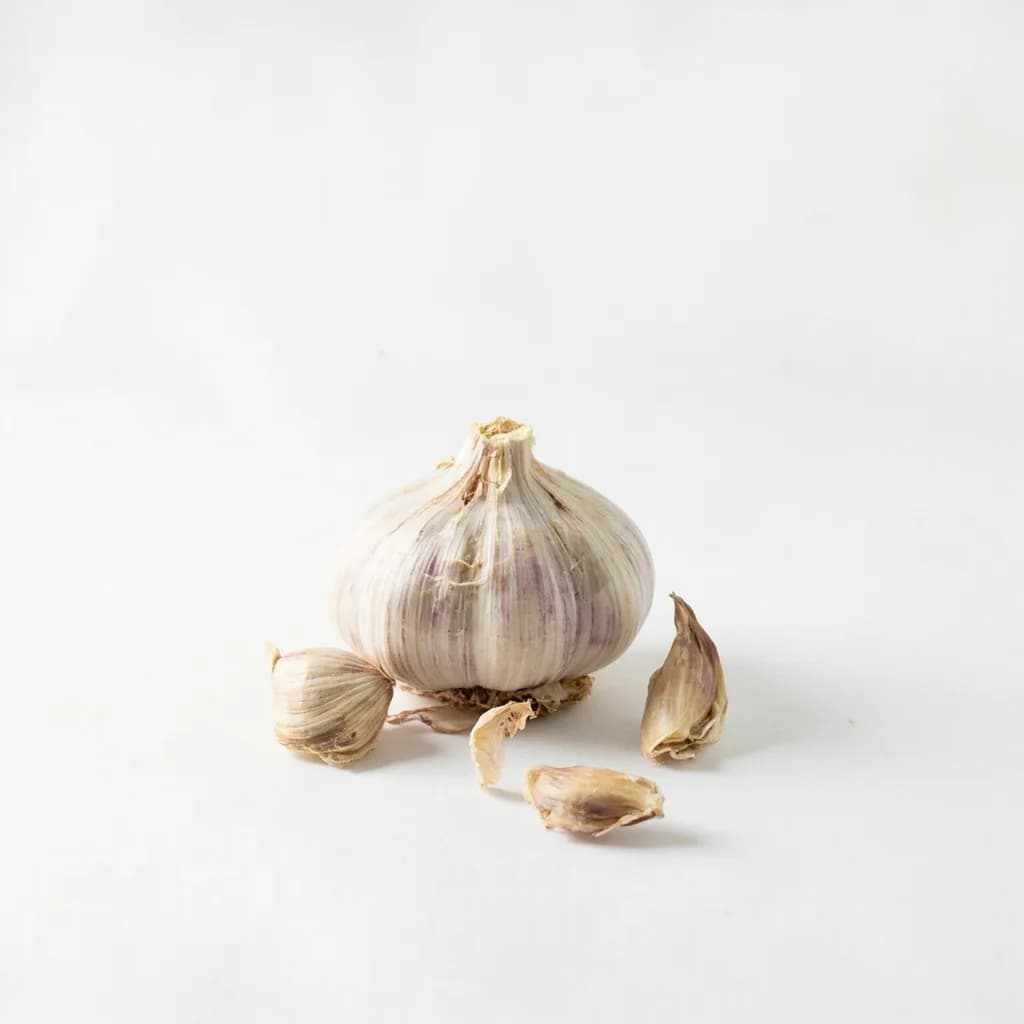
Garlic
Pungent cloves that perfume nearly every savory dish
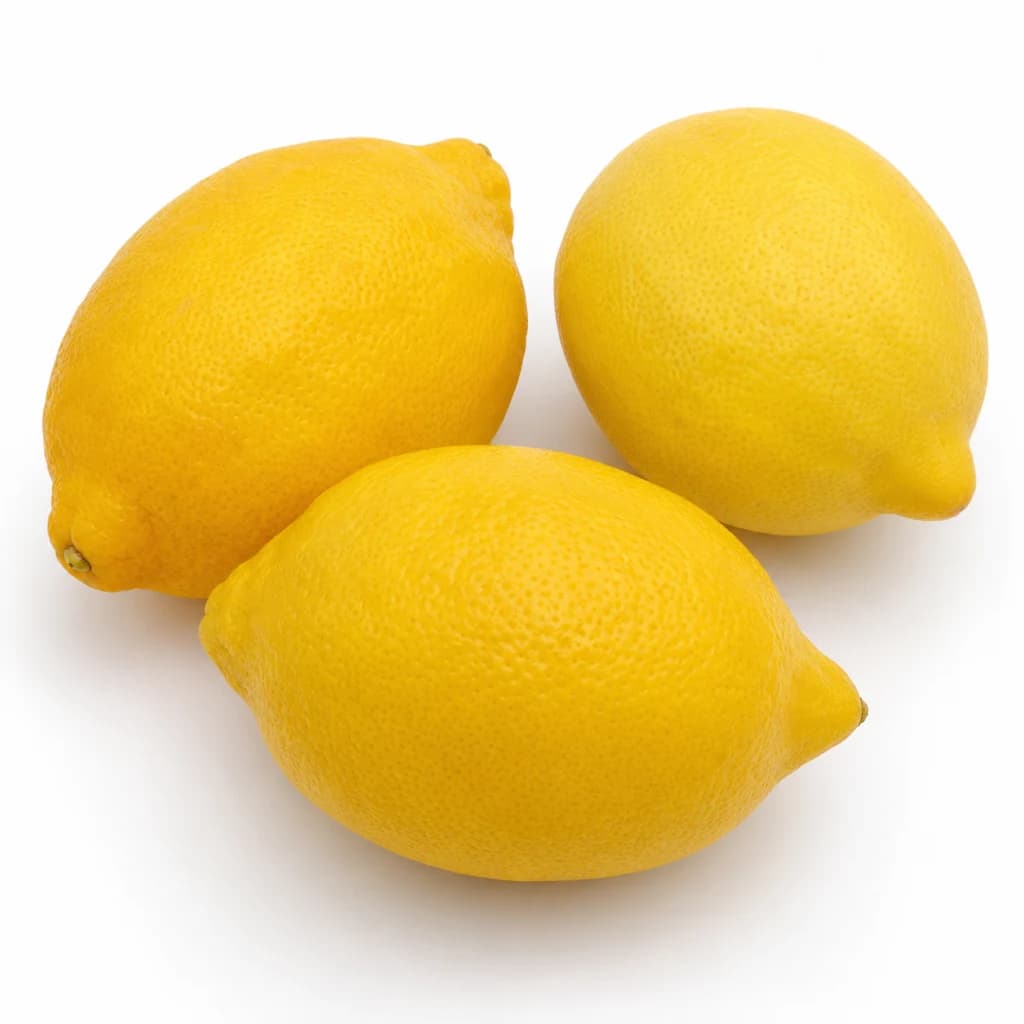
Lemon
Bright, acidic citrus that wakes up almost any dish
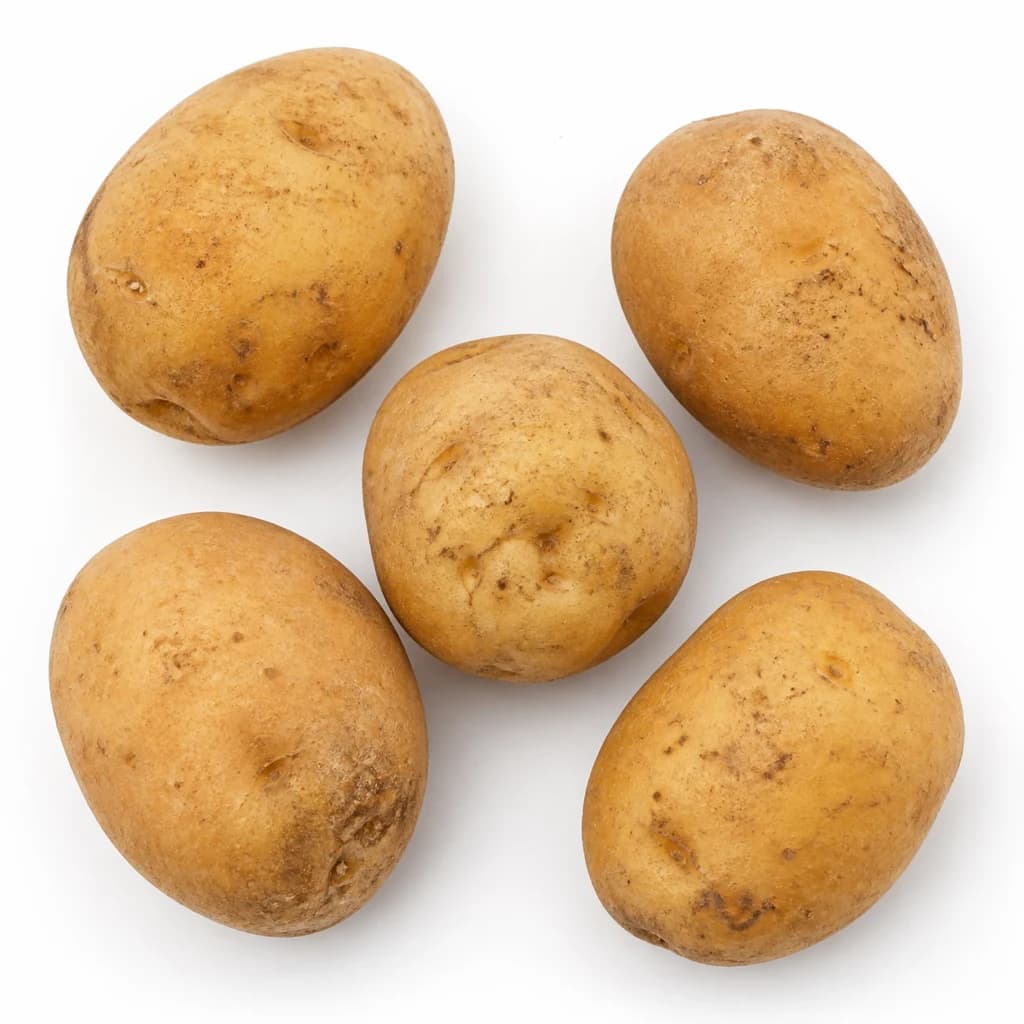
Potato
Humble, hearty staple — roast, mash, fry, or boil
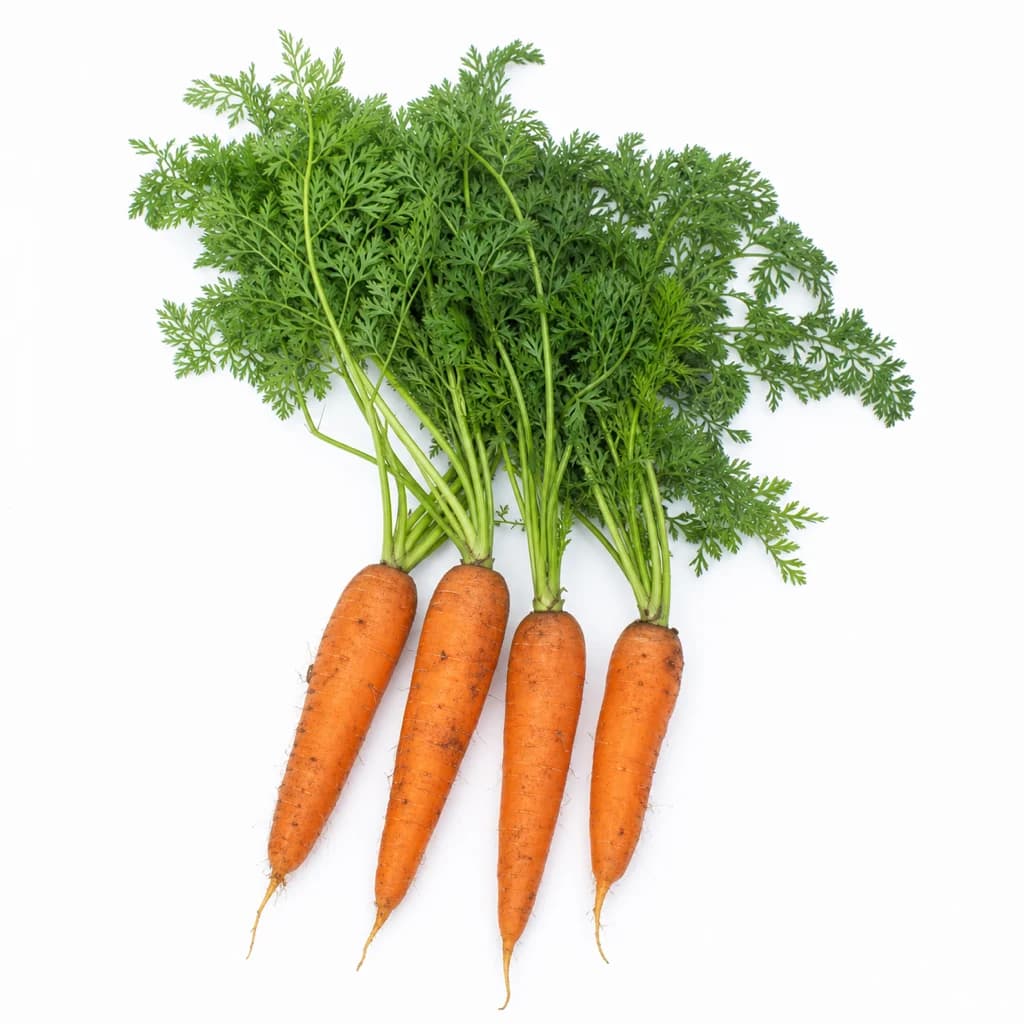
Carrot
Sweet, crunchy root — raw, roasted, or the base of a sofrito
Cucumber
Cool, crisp, and watery — for salads, pickles, and tzatziki

Lettuce
Crisp leaves for salads, wraps, and a fresh crunch