Produce
Green Cabbage
Dense, pale-green leafy head used raw in slaws or cooked in soups, stir-fries and braises.
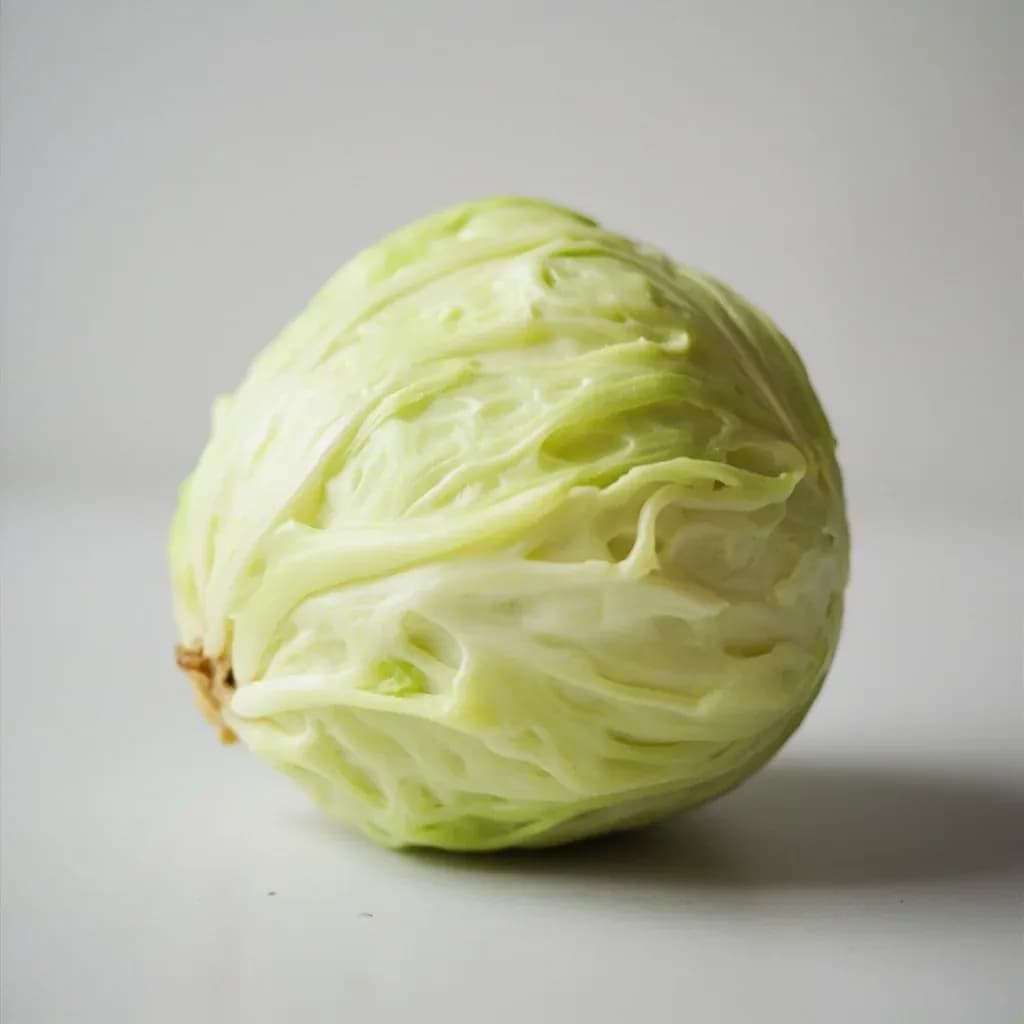
Green cabbage is a dense, round head of tightly packed pale-green leaves with a crisp texture and mild, peppery flavor. It is shredded raw for coleslaw and salads, and cooked into soups, stir-fries, stuffed rolls, and sauerkraut. Inexpensive and long-keeping, it sweetens noticeably when sautéed or braised.
Green cabbage is one of the foundational vegetables of Western cooking—a dense, tightly packed head with pale-green outer leaves and creamy-white inner leaves. It belongs to the Brassica oleracea species alongside broccoli, Brussels sprouts, and kale, but cabbage's tight head formation creates a distinct texture: crisp and structural when raw, silky and yielding when properly cooked. The vegetable has been cultivated since antiquity in the Mediterranean and remains indispensable today for its versatility, low cost, and exceptional storage qualities. Its high water content (about 92%) means it cooks down significantly and readily absorbs neighboring flavors, making it a vehicle for fats, aromatics, and seasonings rather than a vegetable that demands center stage.
Raw cabbage offers mild, slightly sweet, faintly peppery flavor with a satisfying crunch. When cooked, the sugars develop and the texture transforms into something nutty and mellow—but this transformation has a narrow window. Extended cooking beyond tender releases trimethylamine and other sulfur compounds, producing the strong, unpleasant odor often associated with overcooked cabbage. The fix is straightforward: cook in generous fat over moderate heat rather than boiling in water, and pull the cabbage from the heat while it still has some resistance. The same compounds responsible for overcooking's drawbacks are what make cabbage nutritious; these sulfur compounds support the vegetable's defense mechanisms and have been studied for their health benefits.
- Measured in
- g
- Storage
- Fridge
Types & varieties
Most common variety; tight, round head with broadly oval leaves. Versatile for all applications.
Elongated, conical shape; slightly sweeter and more tender than round varieties. Popular in Central and Eastern Europe.
Very dense, round heads; excellent storage quality. Firm texture holds up well to long cooking.
Small, pointed early-season variety. Compact and tender; tends to be softer than storage cabbages.
Varieties bred specifically for winter keeping—thicker leaves, higher dry matter. Danish Ballhead is a well-known storage type.
Same species but with anthocyanin pigments. Much firmer texture; requires longer cooking or acid to soften. Not interchangeable in all applications.
Common uses
Tips & pitfalls
- Remove and discard 1–2 outer leaves and any wilted portions before prep—these are tough and bitter.
- Always core the head before shredding or stuffing. Cut a shallow cone around the core at the base to release the leaves easily.
- For raw applications, shred or slice very thin (2–3mm). A mandoline or food processor with slicing blade produces consistent results.
- For cooked dishes, cut thicker (1cm or more) so the cabbage holds some structure through cooking.
- Do not overcook. Cook just until tender-crisp for stir-fries; cook through but not mushy for braises. Extended cooking beyond tender releases trimethylamine and creates the sulfurous odor.
- If a recipe calls for reducing moisture (as in some stuffed cabbage preparations), salt the shredded cabbage, let it sit 20–30 minutes, then squeeze out excess liquid before using.
- For sauerkraut, use 2% salt by weight of cabbage. Too much salt inhibits fermentation; too little allows spoilage.
- Green cabbage can be interchanged with savoy in most recipes, but savoy's tender leaves cook faster and are more delicate raw.
Nutrition
Energy
105 kJ · per 100 g
Where the calories come from
Protein
1.3g
3% DV
Carbs
5.8g
2% DV
Fat
0.1g
0% DV
Fiber
2.5g
9% DV
Sugars
3.2g
of which
Sodium
18mg
1% DV
Source · USDA FoodData Central · Cabbage, raw
View on FDC →In the shops
Matched grocery products
 €1.72
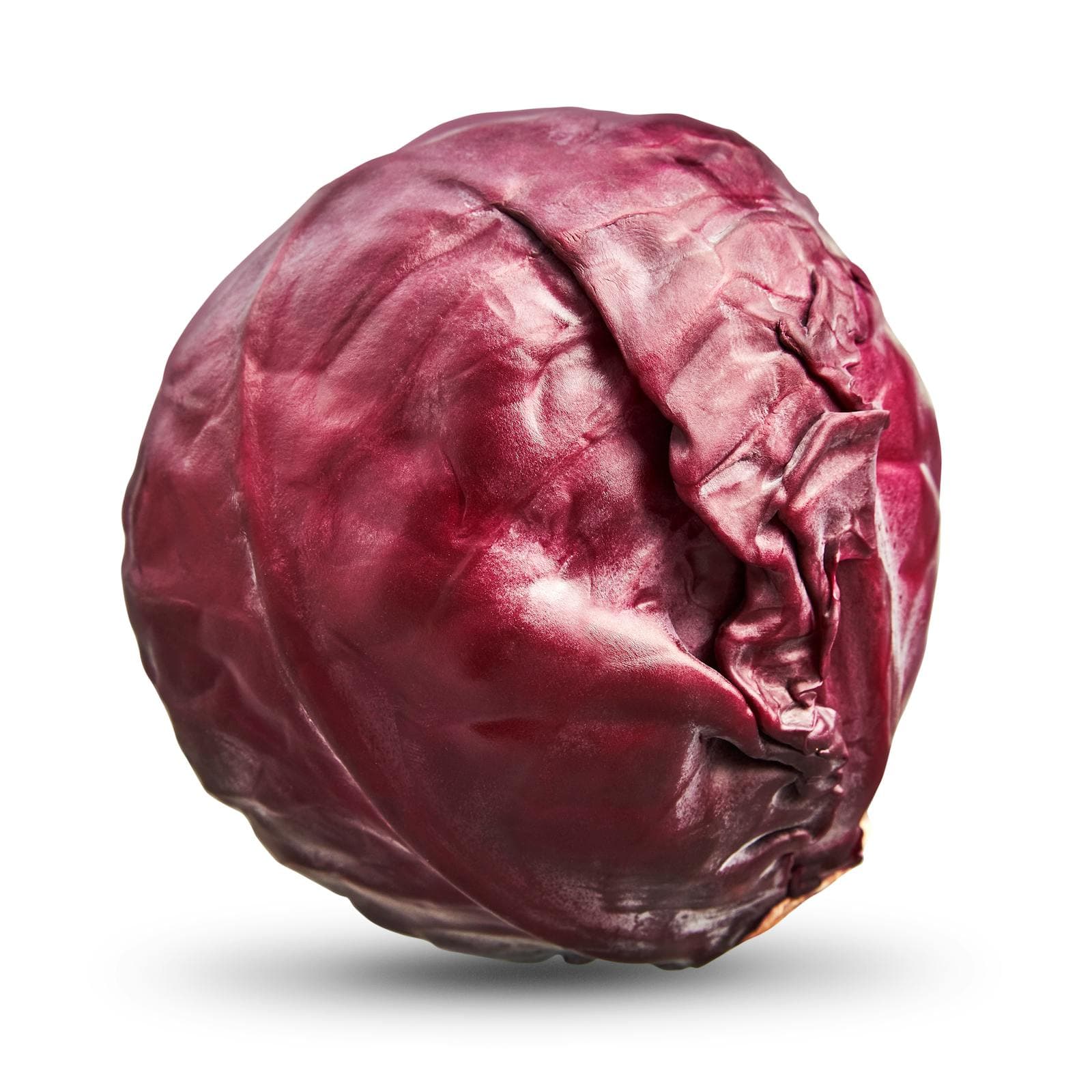
€1.72Red Cabbage
860 g · Mercadona
 €1.60
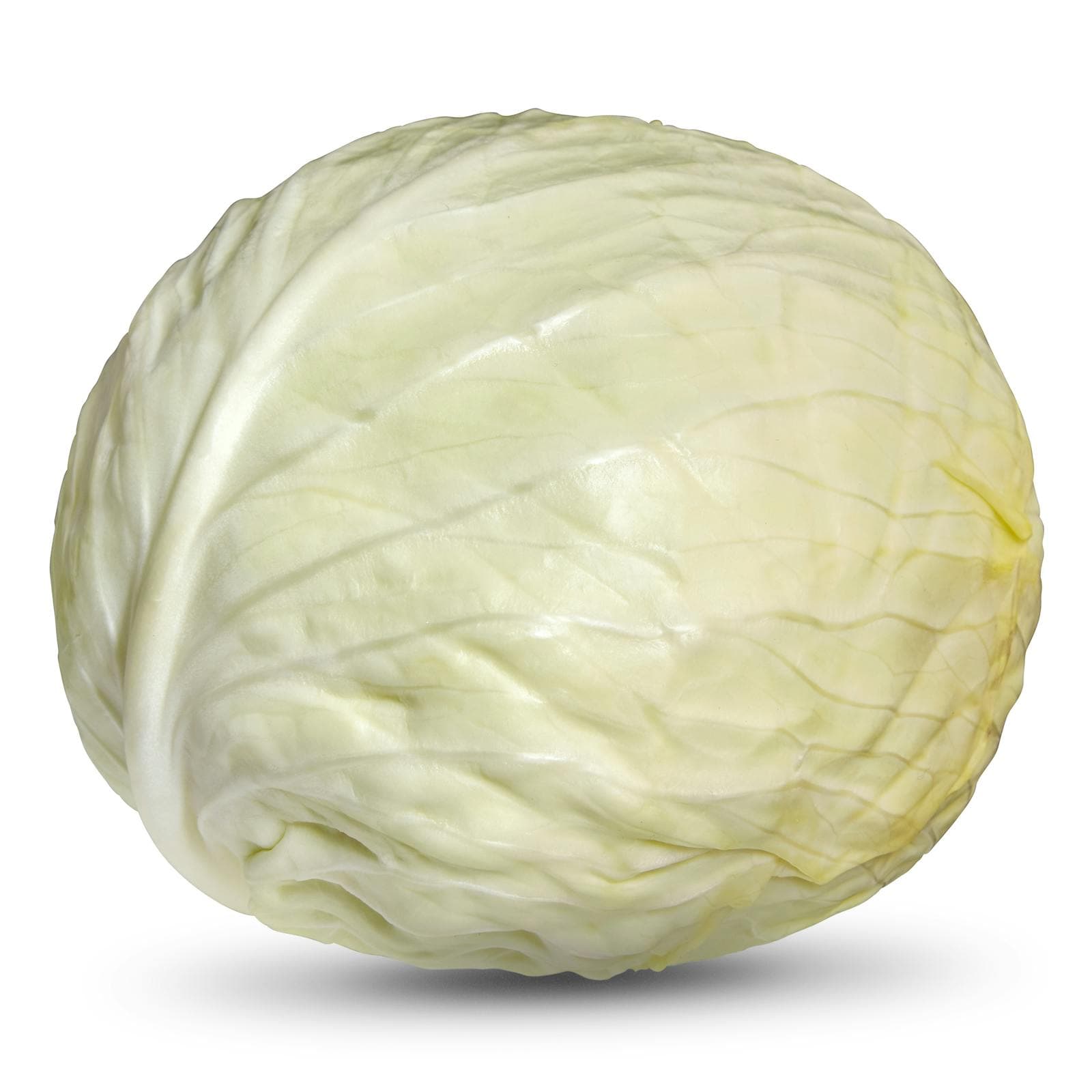
€1.60Smooth Cabbage
890 g · Mercadona
 €1.70
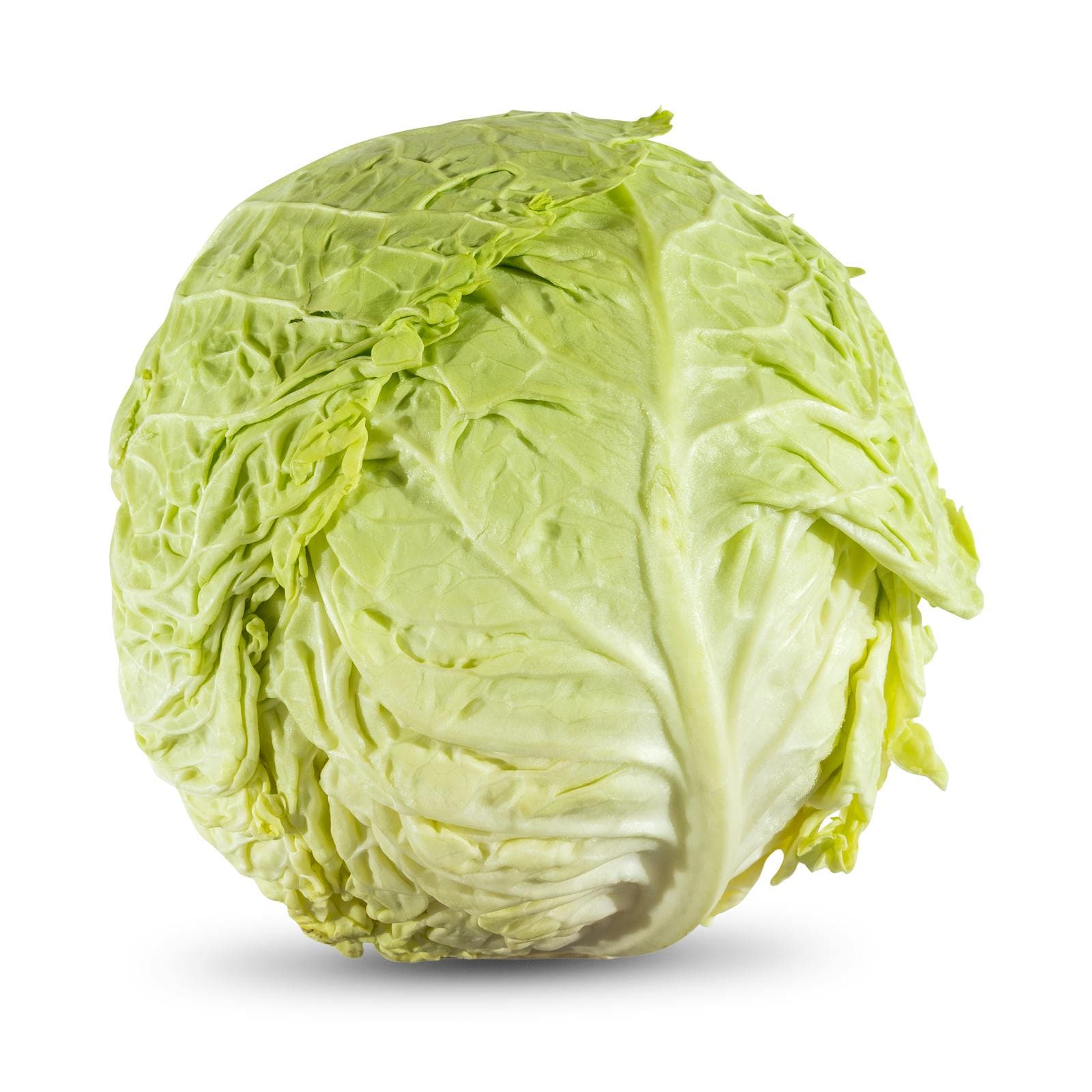
€1.70Curly Cabbage
920 g · Mercadona
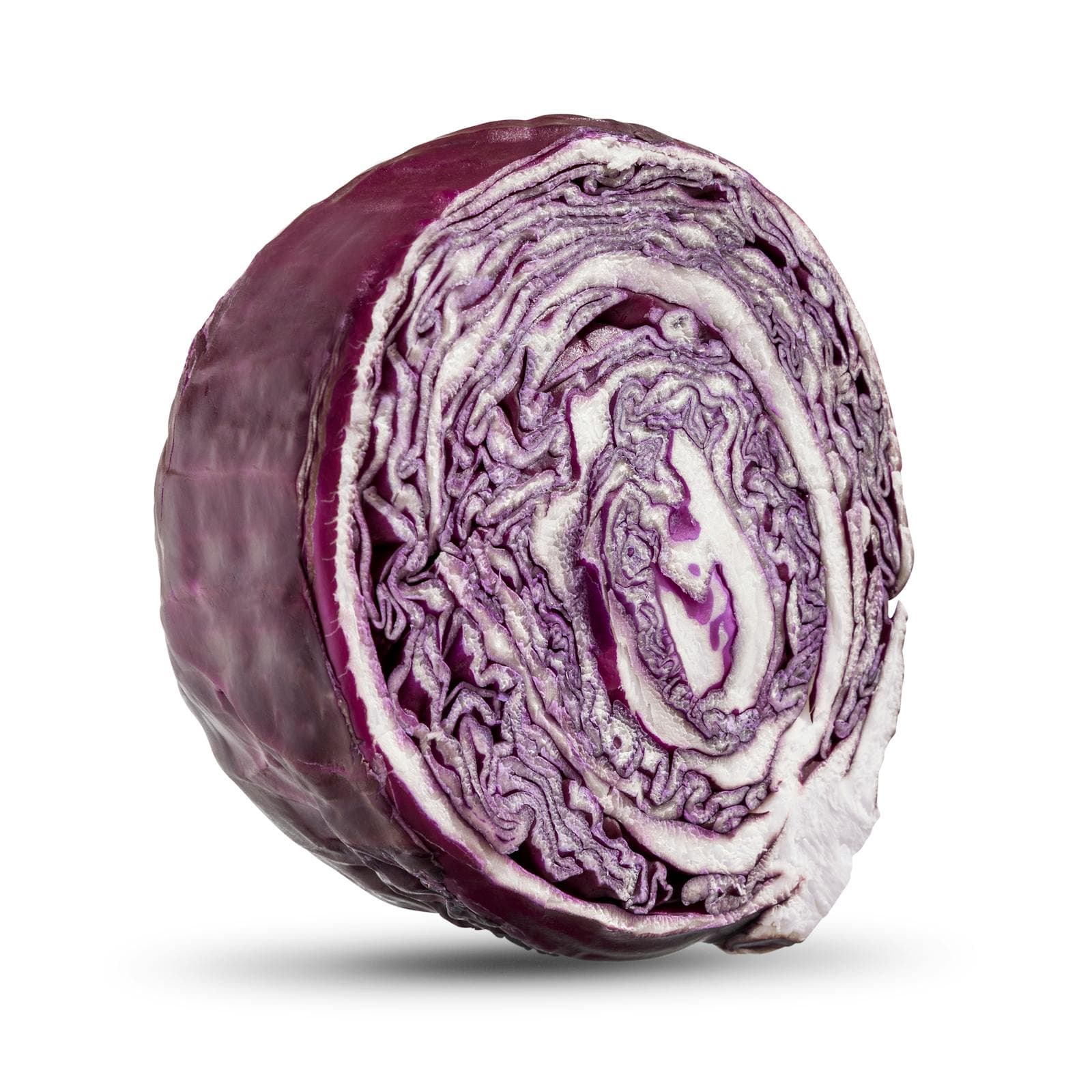 €0.95
€0.95Half Red Cabbage
450 g · Mercadona
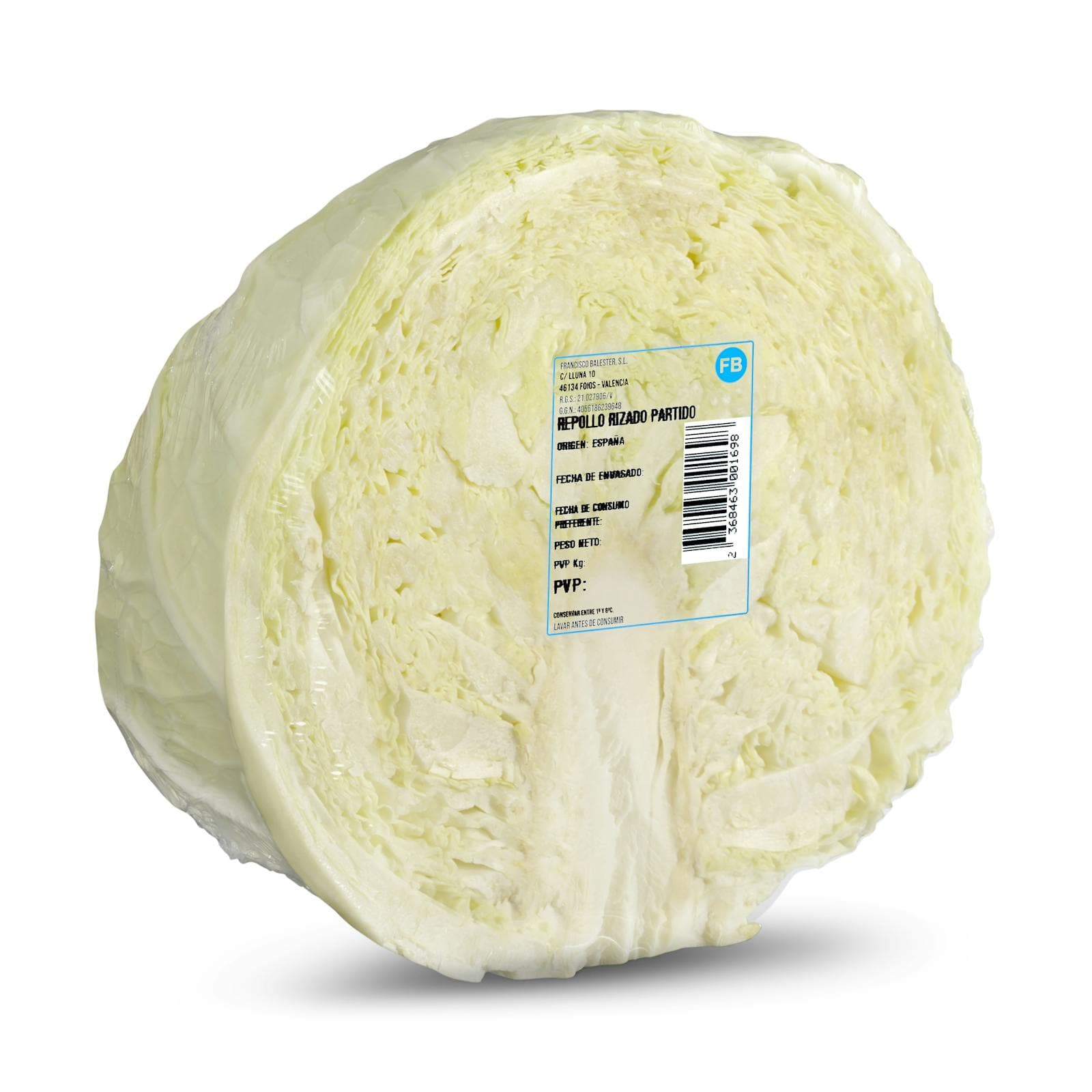 €1.75
€1.75Half Curly Cabbage
796 g · Mercadona
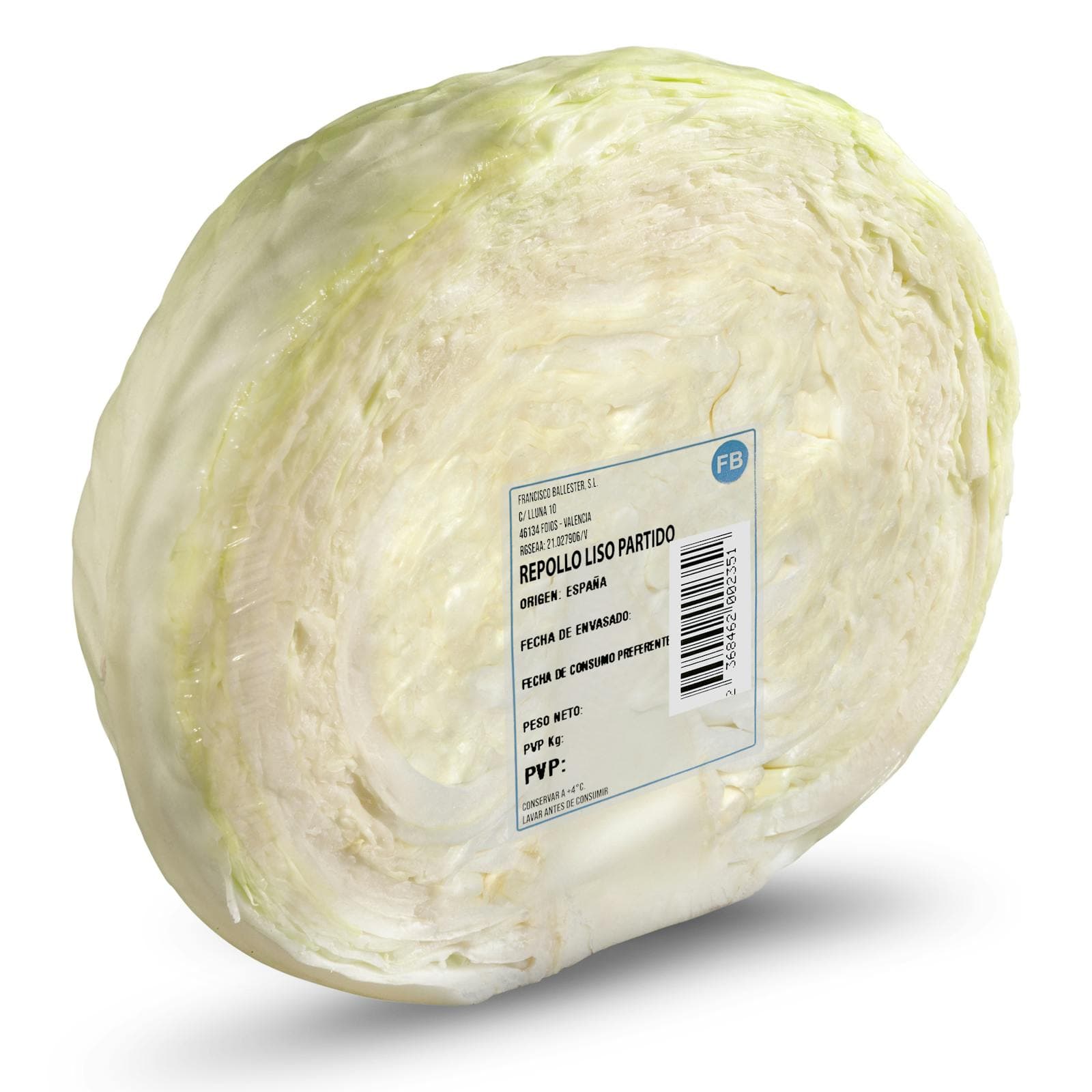 €1.94
€1.94Half Smooth Cabbage
900 g · Mercadona
Good to know
- Botanical name
- Brassica oleracea var. capitata
- Family
- Brassicaceae (crucifer/mustard family)
- Origin
- Mediterranean region; cultivated since antiquity by Greeks and Romans
- Peak season
- Fall through early spring; stores well into winter months
- Flavor (raw)
- Mild, slightly sweet, faintly peppery
- Flavor (cooked)
- Sweeter, nutty, and mellow; overcooking releases sulfur compounds
- Typical weight
- 1–4 pounds (0.5–2 kg) per head
- Color
- Pale to medium green outer leaves; creamy-white inner leaves
- Texture
- Crisp and dense when raw; silky when properly cooked
- Yield
- Approximately 75% usable after removing core and outer leaves
- Primary nutrients
- Vitamin C, vitamin K, folate, fiber, potassium; antioxidants (anthocyanins in some varieties)
- Shelf life
- 2–4 weeks refrigerated when stored whole; degrades faster once cut
Substitutes
- Savoy Cabbage — More tender leaves; works in all applications but is especially better raw. Cut cooking time by 1–3 minutes.
- Napa Cabbage — More delicate texture and milder flavor. Use for fresh applications or quick cooking; not suited for braising or long-cooking.
- Brussels Sprouts — Similar mild, sweet brassica flavor. Cut in half and treat as small cabbage heads for roasting or braising.
- Kale (curly or lacinato) — Tougher texture requires longer cooking. Remove ribs and massage raw for salads; cook until tender for hot dishes.
Pairs with
Also called
Cabbage · White Cabbage
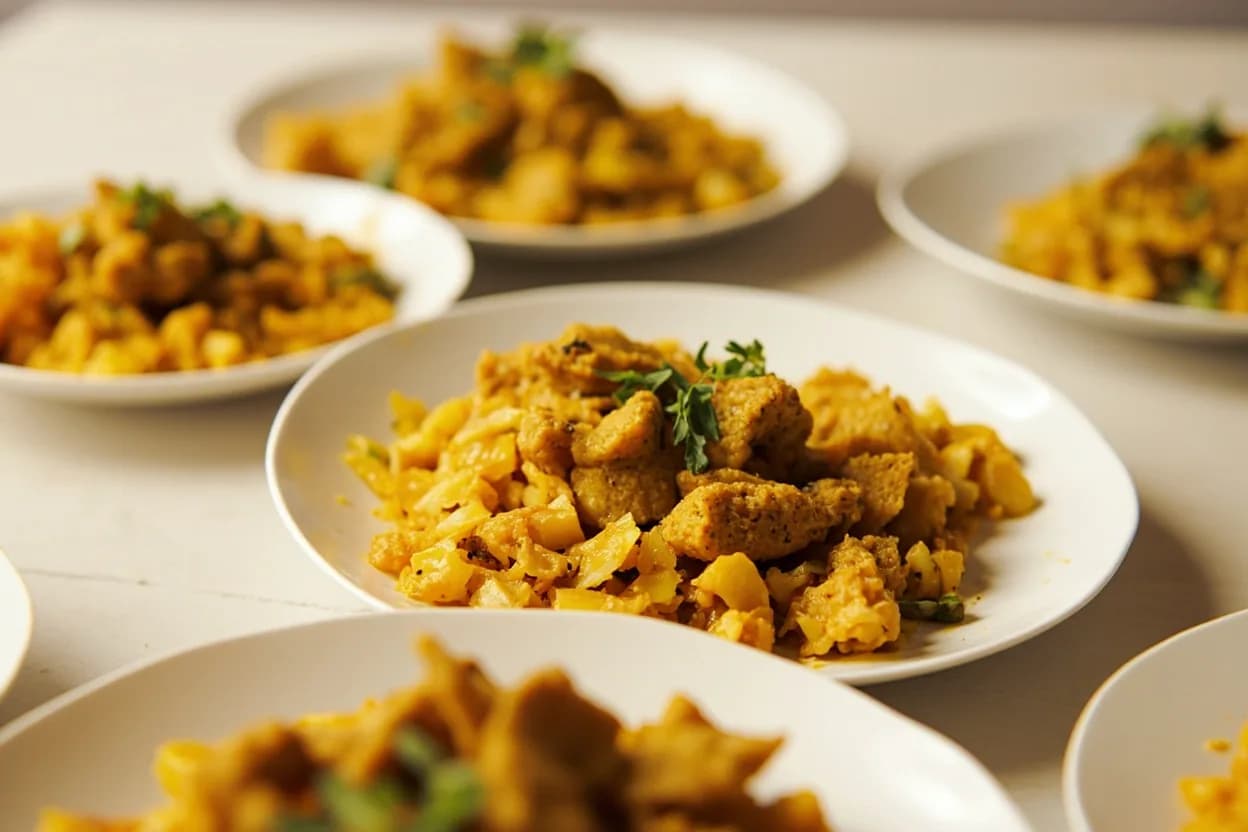
Appears in these dishes
Related
Tomato
Juicy, sun-sweet fruit for sauces, salads, and slow-cooked depth
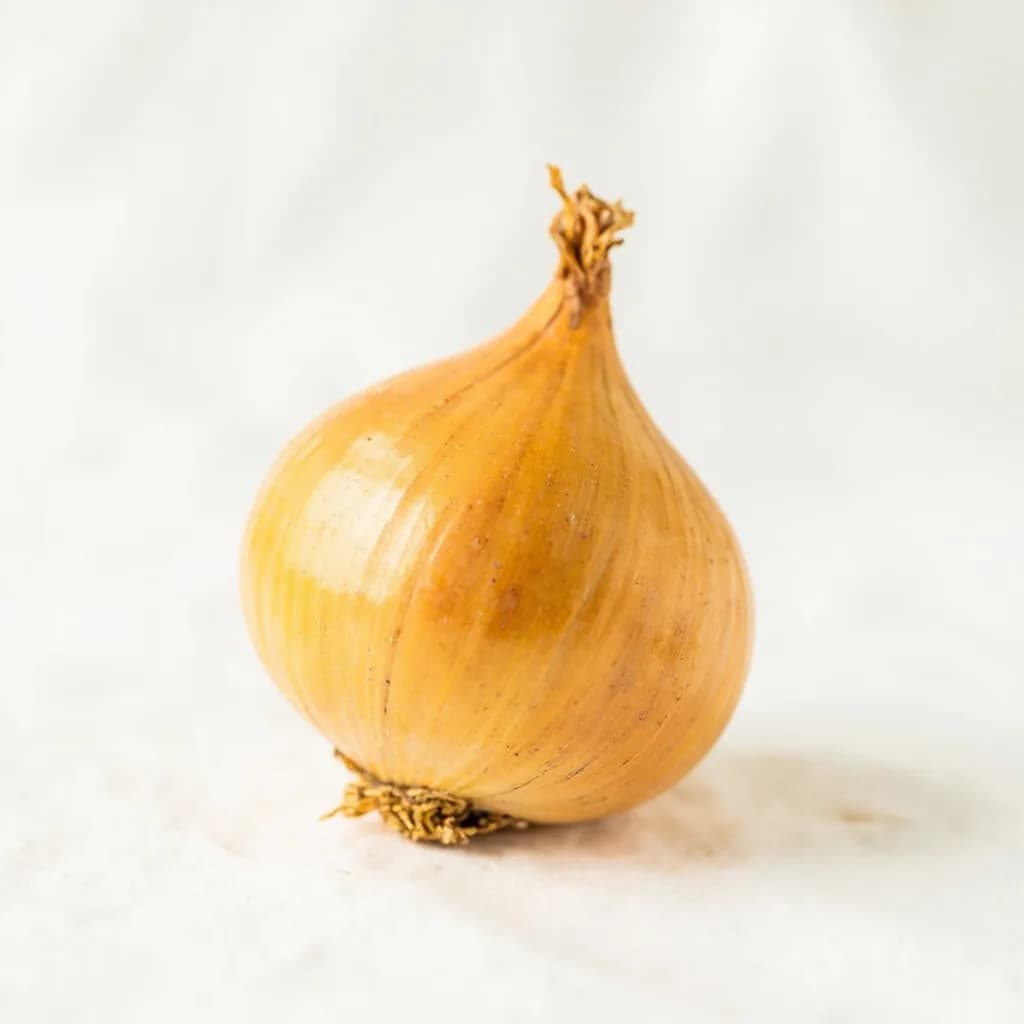
Yellow Onion
The aromatic backbone of soups, sofritos, and braises
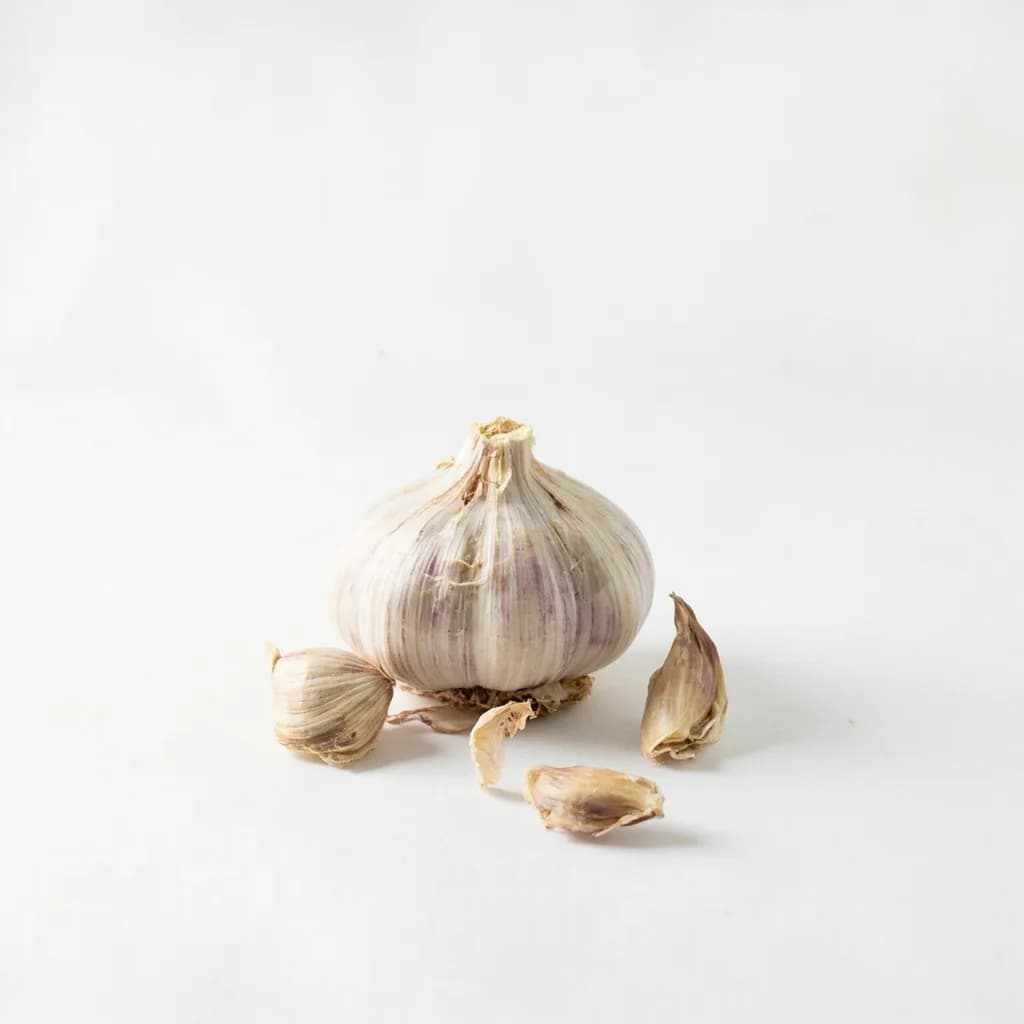
Garlic
Pungent cloves that perfume nearly every savory dish
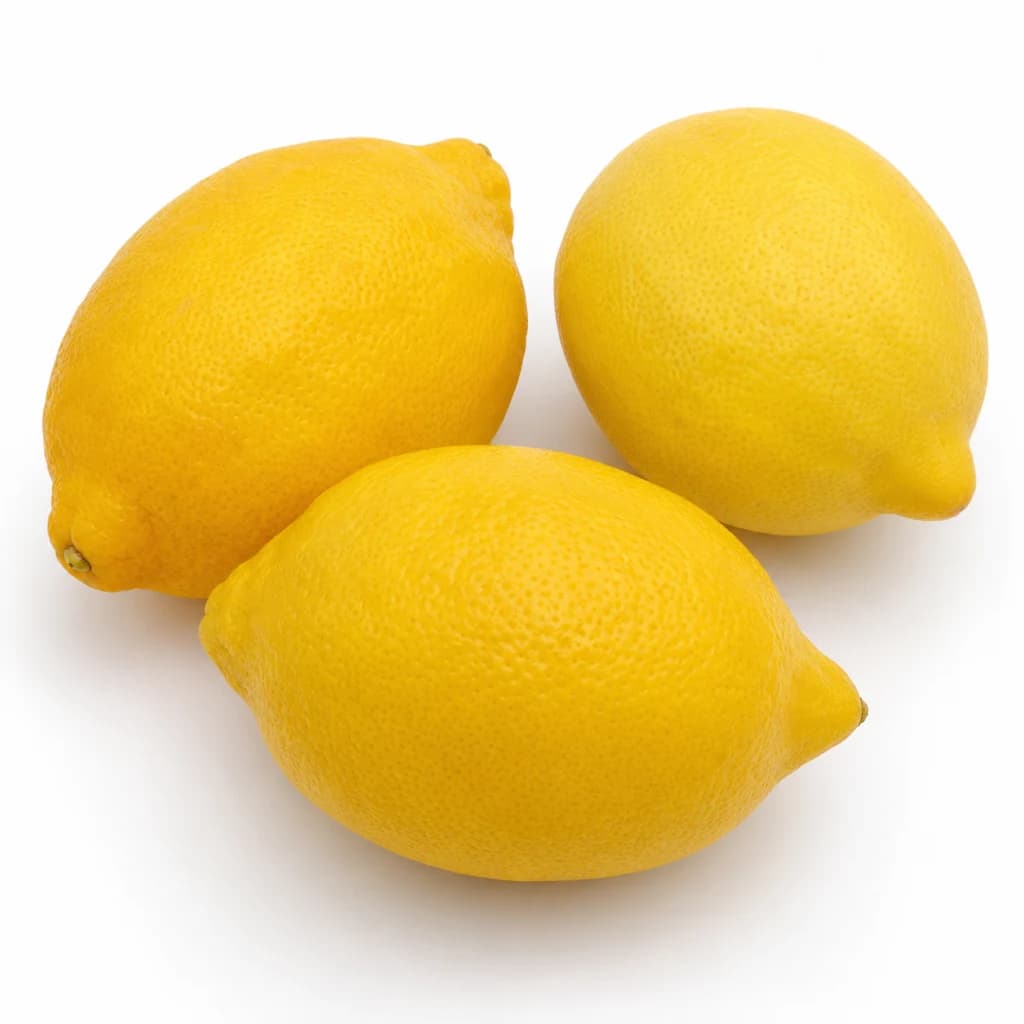
Lemon
Bright, acidic citrus that wakes up almost any dish
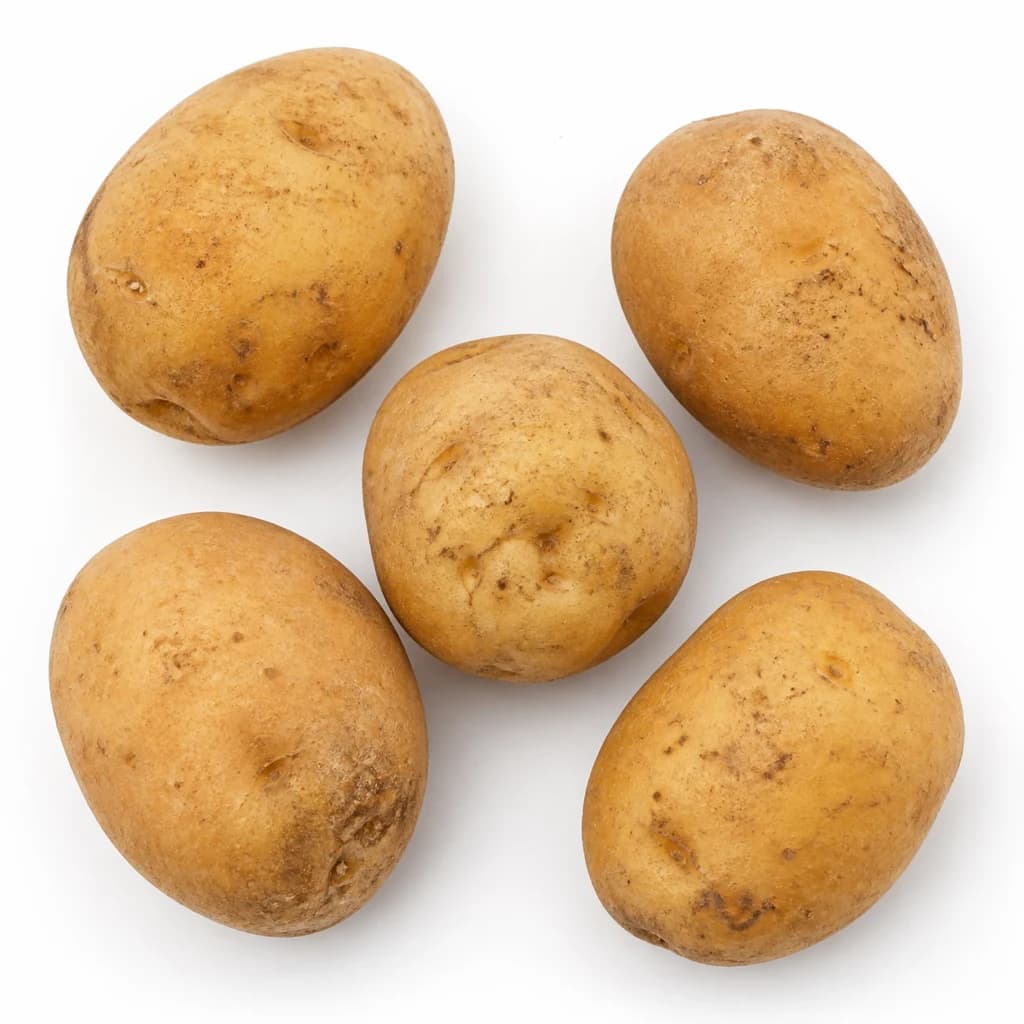
Potato
Humble, hearty staple — roast, mash, fry, or boil
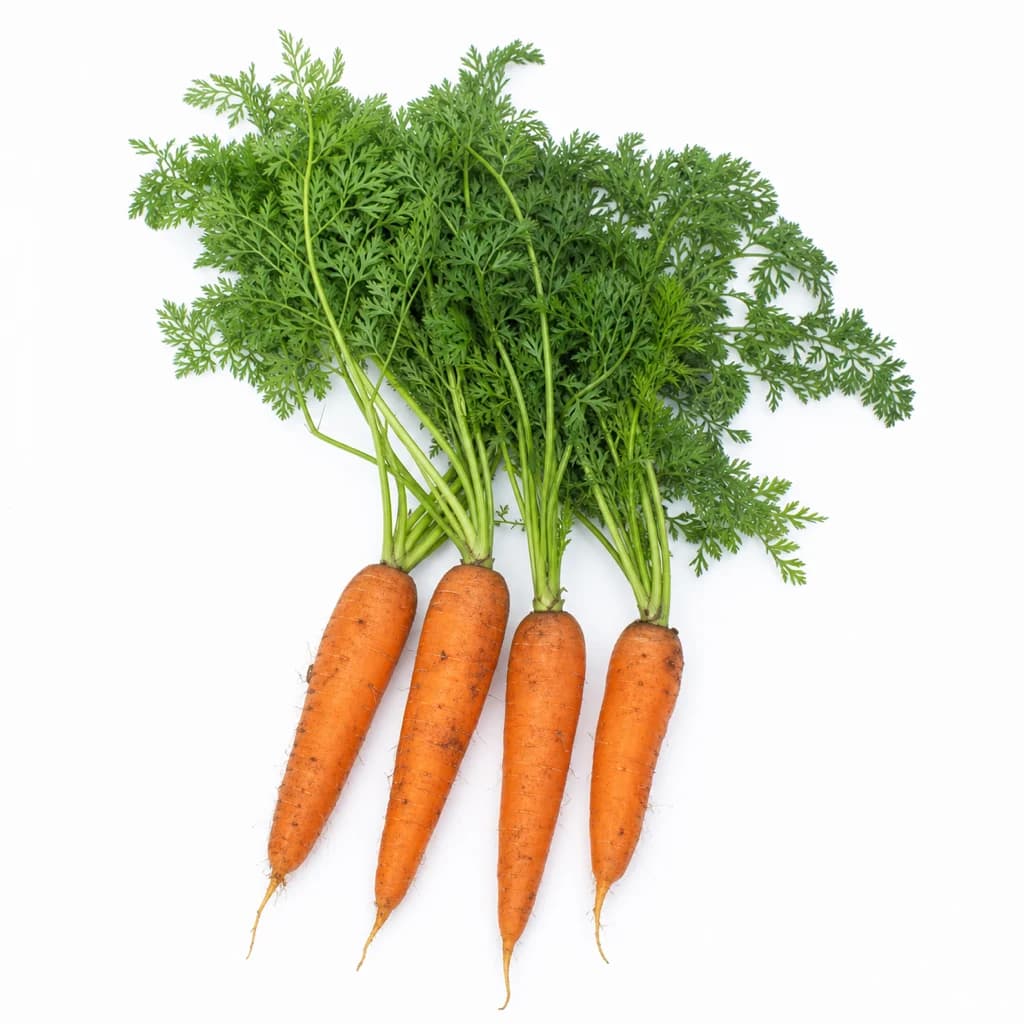
Carrot
Sweet, crunchy root — raw, roasted, or the base of a sofrito
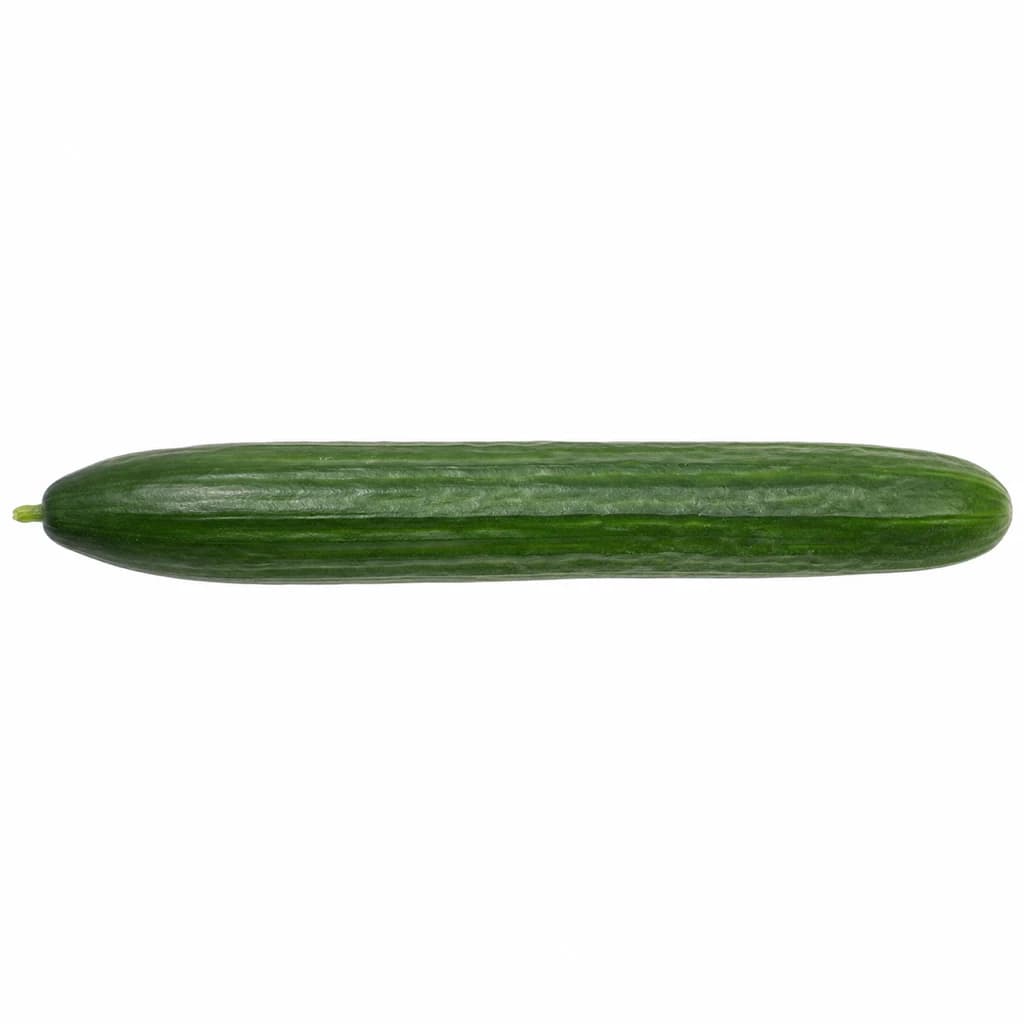
Cucumber
Cool, crisp, and watery — for salads, pickles, and tzatziki

Lettuce
Crisp leaves for salads, wraps, and a fresh crunch