Produce
Habanero Pepper
Intensely hot, fruity orange chili used to fire up sauces, salsas and marinades.
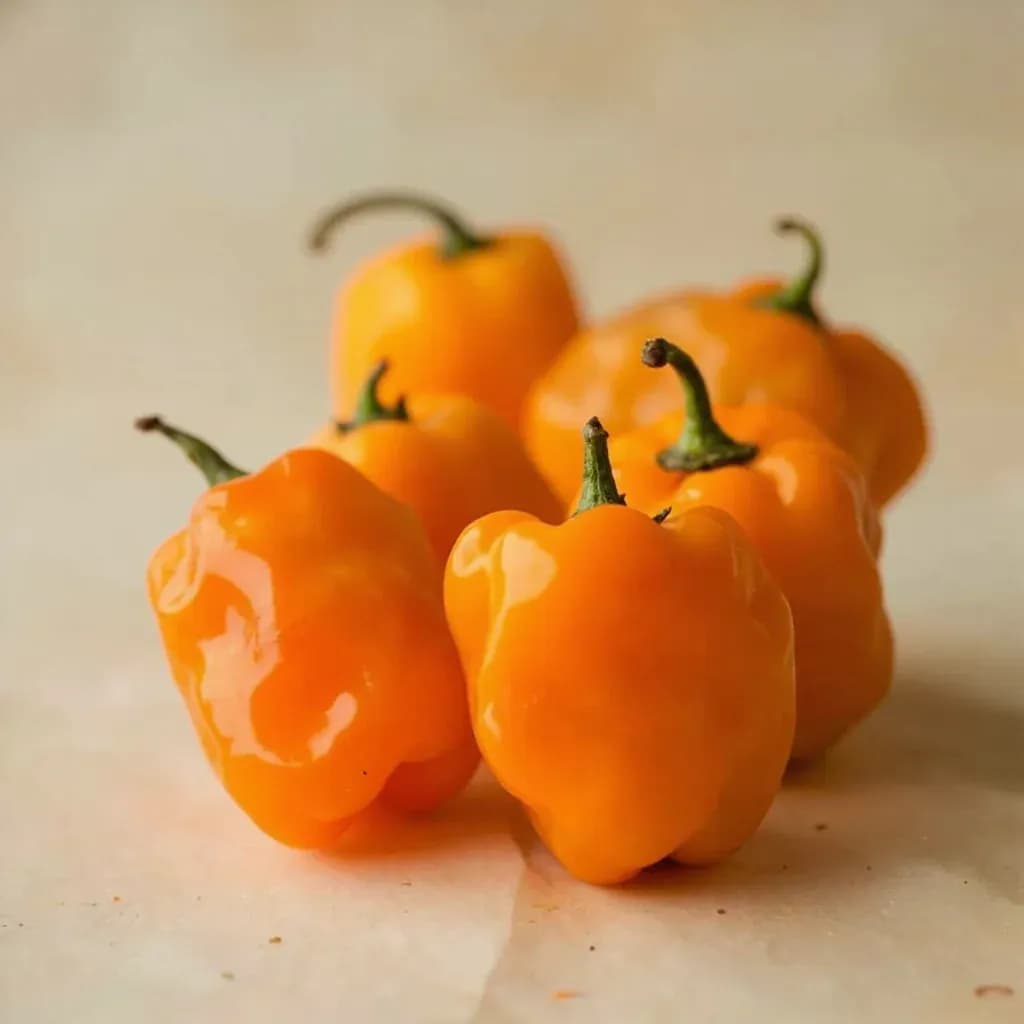
The habanero pepper is a small, wrinkled, lantern-shaped chili prized for pairing extreme heat with a bright, fruity flavor. Common in Mexican and Caribbean kitchens, it powers hot sauces, jerk marinades, and fresh salsas. Handling it calls for care because its capsaicin is potent enough to irritate skin and eyes.
The habanero (ah-bah-NEHR-oh) is a Capsicum chinense cultivar descended from wild peppers of the Amazon basin, now commercially centered on Mexico's Yucatán Peninsula, Jamaica, and Belize. Despite its fierce reputation, the habanero rewards careful handling with a complex flavor that no other chili matches: a distinctive apricot-peach fruity sweetness layered with floral notes, underpinning the searing capsaicin heat. Named for Havana, Cuba—though it never grew there commercially—this lantern-shaped pepper (2–6 cm long) with its characteristically wrinkled skin has become indispensable across Caribbean, Latin American, and increasingly global cooking.
Heat is the habanero's defining trait (100,000–350,000 Scoville Heat Units), but it behaves differently from other chilies in cooking. Capsaicin is fat-soluble, meaning it binds to oils and fats rather than water, distributing evenly throughout rich sauces, coconut curries, and fatty meats. The heat compounds are remarkably stable during cooking, while the fruity aromatics concentrate and meld into the dish. This dual nature—aggressive when raw, complex when cooked—makes the habanero uniquely versatile, but it demands respect: a single medium pepper (7–10 g) seasons a large pot of soup or a batch of salsa, so restraint is essential.
The pepper runs through virtually every hot sauce tradition: Louisiana-style vinegary sauces, Caribbean fermented craft versions, Trinidadian pepper sauces, and Mexican salsa macha. It anchors Jamaican jerk marinades, Yucatecan cochinita pibil, and Central American curries. The common thread is pairing habanero's fruity heat with fat, acid, and sweetness—lime juice, coconut milk, mango, brown sugar—components that both temper the burn and amplify the pepper's natural character. Treated with precision, the habanero transforms a dish; misused, it overwhelms everything else.
- Measured in
- piece
- Storage
- Fridge
Types & varieties
Standard commercial variety; bright orange, wrinkled, 100,000–350,000 SHU, strong apricot-peach aroma
Fully ripe form of orange; slightly sweeter, may run slightly hotter; common in Caribbean cooking
Mahogany to dark brown skin; 300,000–450,000 SHU; richer, earthier fruit flavor with smoky undertones; slower to mature
Creamy white to pale yellow; smaller plant; claims of higher sweetness unverified; niche variety
Bright red, slightly longer pod; common in Jamaican markets; similar heat to orange variety
Deep red, slightly larger than standard; 400,000+ SHU; popular for jerk preparations
Understanding Heat Variability
A common mistake is treating all habaneros as interchangeable. The 100,000–350,000 SHU range reflects real variation: growing conditions, ripeness at harvest, and variety all shift the heat substantially. A pepper from the same plant can differ dramatically from one week to the next. The color and size of a habanero do not reliably predict its Scoville rating. Before seasoning a dish, taste a tiny piece of the specific pepper you're using—this calibration step takes five seconds and prevents blown-out heat.
- Cut a small piece from the pepper's shoulder, not the tip (placenta tissue concentrates capsaicin)
- If the burn is intense and lingers 30+ seconds, the pepper runs hot—use less or de-seed aggressively
- For consistent results in recipes, use weight (grams) rather than count as your measurement standard
De-seeding and De-ribbing
Most of a habanero's capsaicin lives in the pale placenta membrane (the white ribs attached to the seeds), not the flesh. Removing this membrane reduces heat by 80–90% while preserving the fruity flavor. This technique lets you use habaneros in applications where raw heat would be overwhelming—a mild salsa verde, a cream sauce, a finishing garnish. Cut the pepper in half lengthwise, then scrape out the ribs and seeds with a small knife or spoon. Wear gloves throughout.
- Reserve the seeds and ribs if you want to add controlled heat back to a dish
- For the most refined texture in sauces, strain the cooked pepper through a fine mesh sieve
- A thin slice of de-seeded habanero dissolved in warm butter makes a simple finishing compound
Common uses
Tips & pitfalls
- De-seed and de-rib the pepper to reduce heat by 80–90% while retaining the fruity flavor; the capsaicin concentrates in the pale placenta membrane, not the flesh
- Toast whole habaneros in a dry skillet over medium heat 1–2 minutes per side to deepen fruit flavor before using in cooked sauces; this caramelizes natural sugars and adds complexity
- For maximum heat retention in long-cooked dishes, add habaneros early; for more fruit flavor and less heat, add them in the last 15–20 minutes
- Balance aggressive heat with fat (oil, cream, coconut milk) and acid (lime juice, vinegar)—capsaicin is fat-soluble, and acids help provide contrast that balances the heat
- Common mistake: assuming all habaneros are equal heat; color and size do not reliably predict SHU—taste a tiny piece to calibrate before seasoning a dish
- When making hot sauce, cook a small amount of carrot or mango with the peppers to round harsh heat and add body
- Do not cook habaneros uncovered in a kitchen without ventilation; capsaicin aerosolizes and will affect eyes and airways for 30+ minutes
- A single medium habanero (7–10 g) is sufficient to season a large pot of soup, stew, or a batch of salsa—start with less and build
Nutrition
Energy
121 kJ · per 100 g
Where the calories come from
Protein
0.9g
2% DV
Carbs
6.5g
2% DV
Fat
0.4g
0% DV
Fiber
2.8g
10% DV
Sugars
4.1g
of which
Sodium
3mg
0% DV
Source · USDA FoodData Central · approx. Peppers, jalapeno, raw
View on FDC →In the shops
Matched grocery products
 €1.04
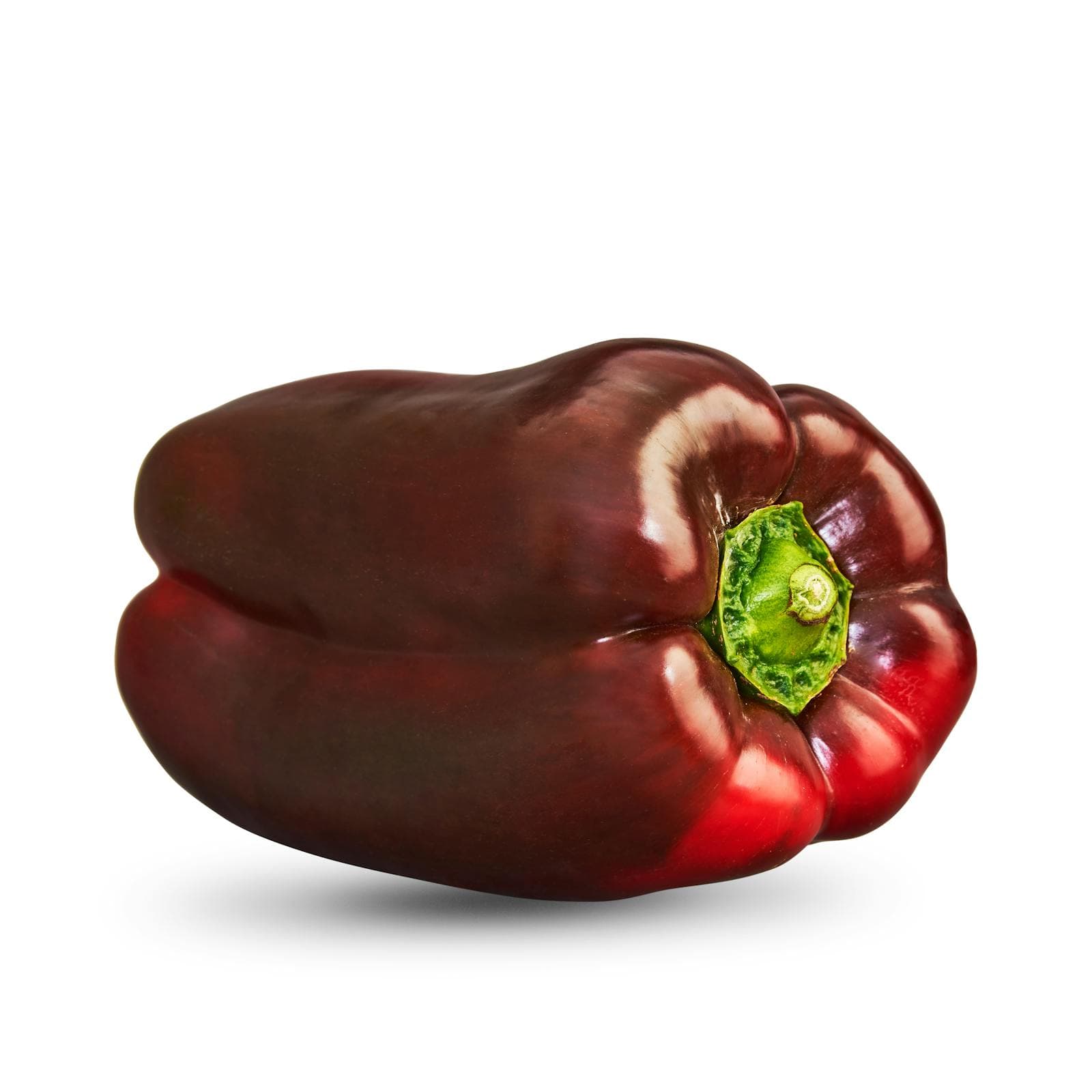
€1.04Red Pepper
360 g · Mercadona
 €2.20
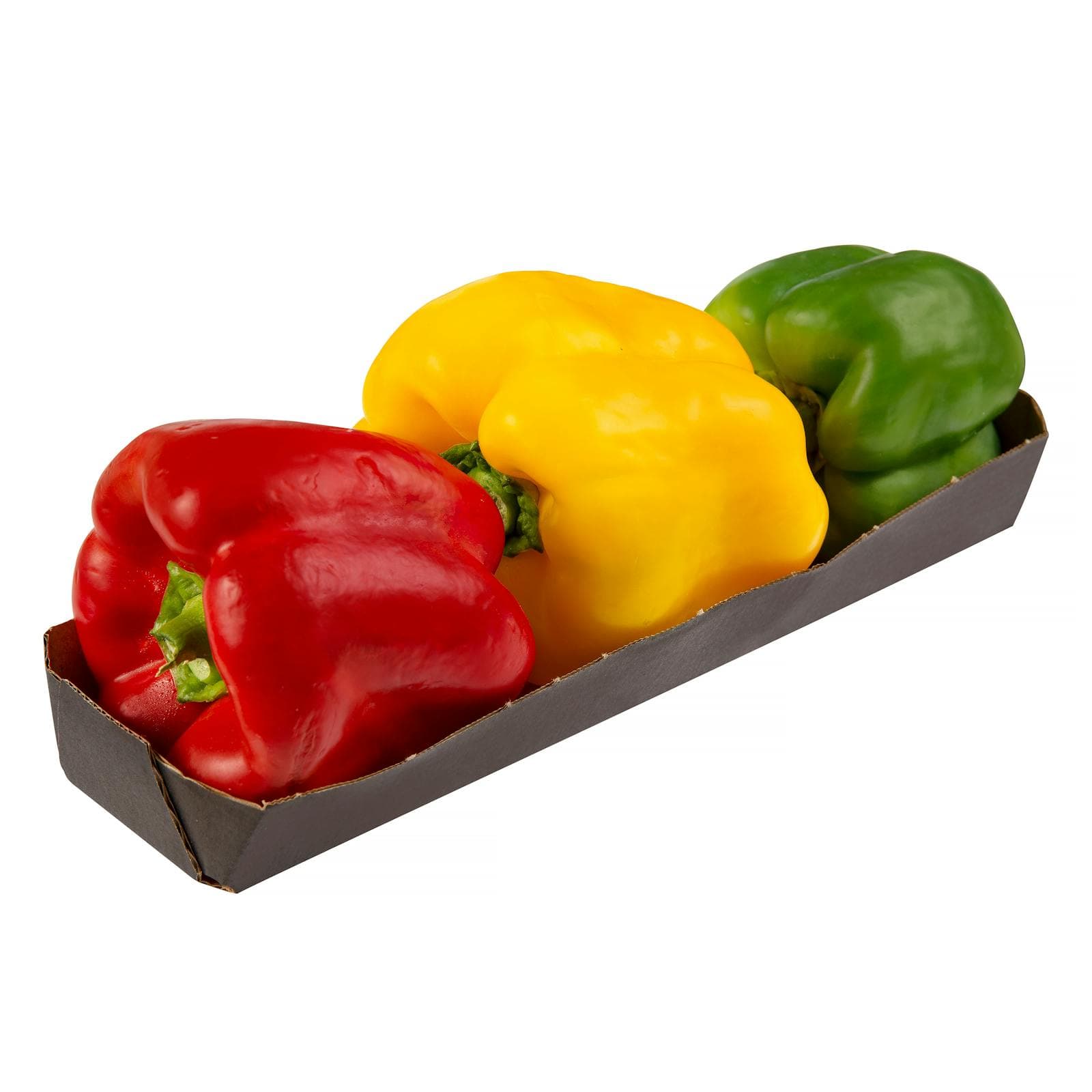
€2.20Tricolor Peppers
710 g · Mercadona
 €0.23
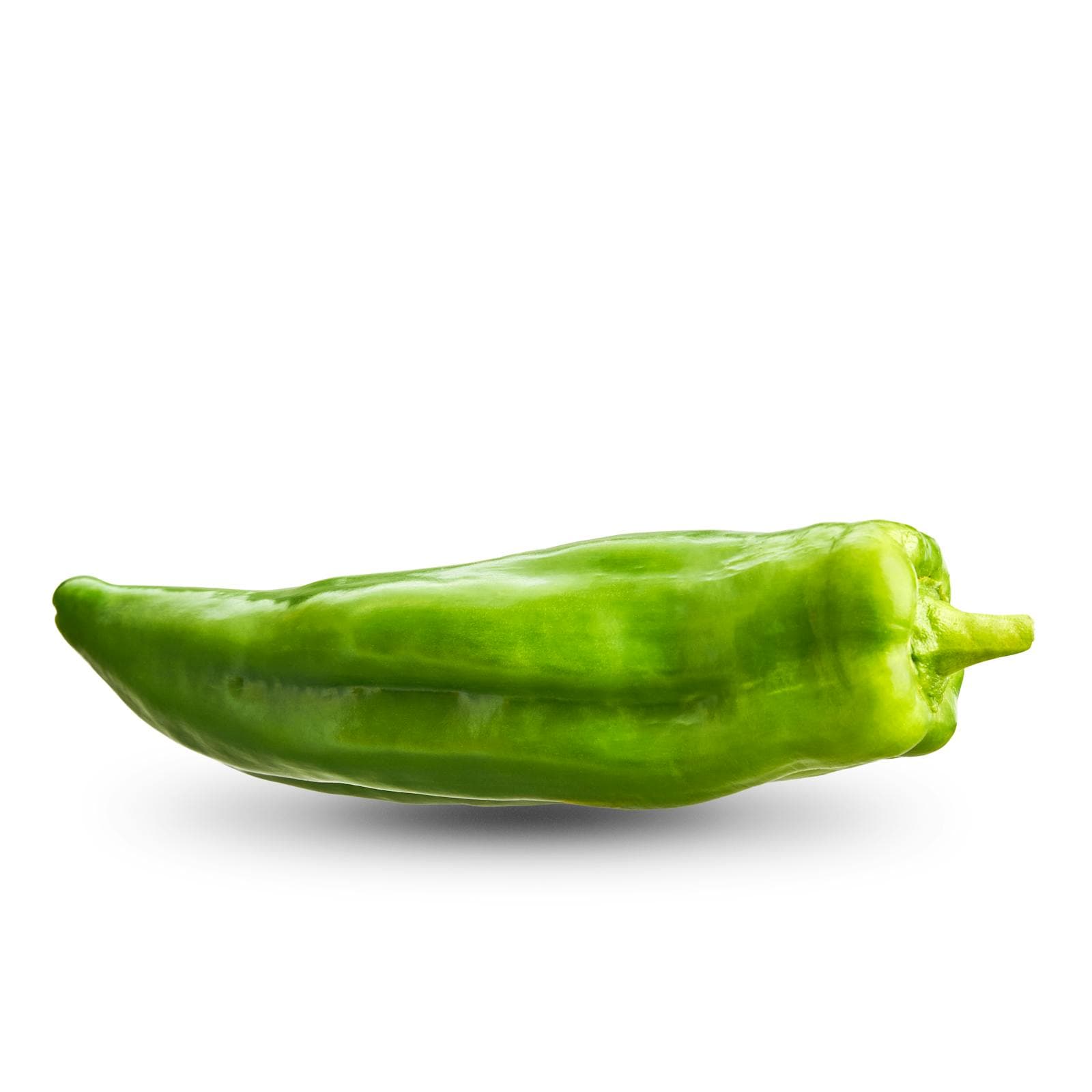
€0.23Green Frying Pepper
90 g · Mercadona
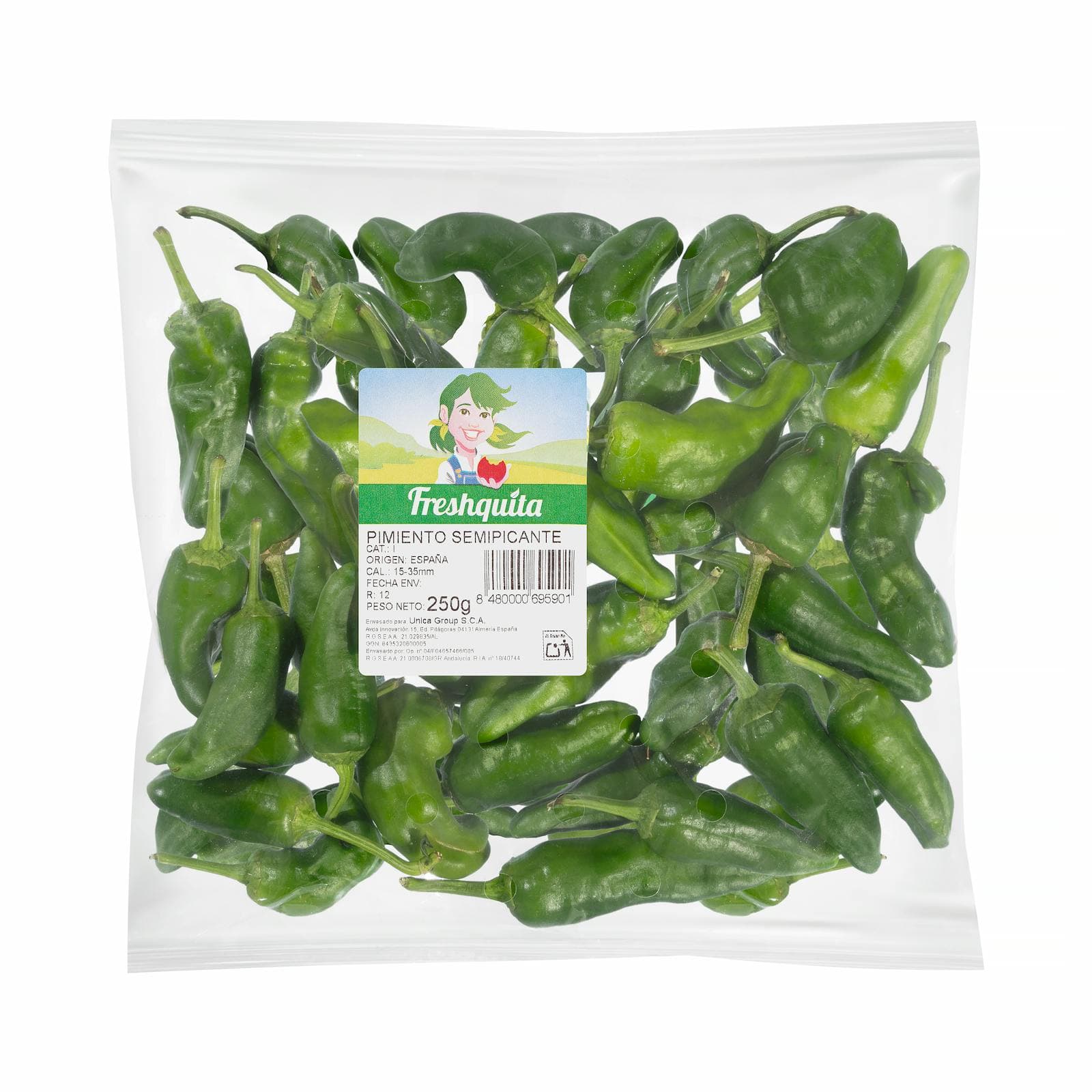 €1.35
€1.35Semi-Spicy Peppers
250 g · Mercadona
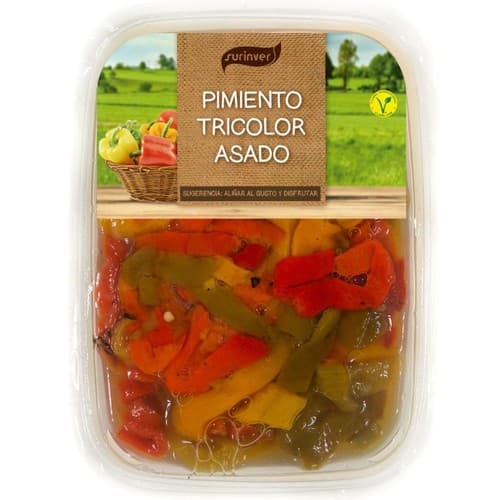 €2.49
€2.49Roasted Bell Peppers Three Colors
SURINVER · kg · Bonpreu
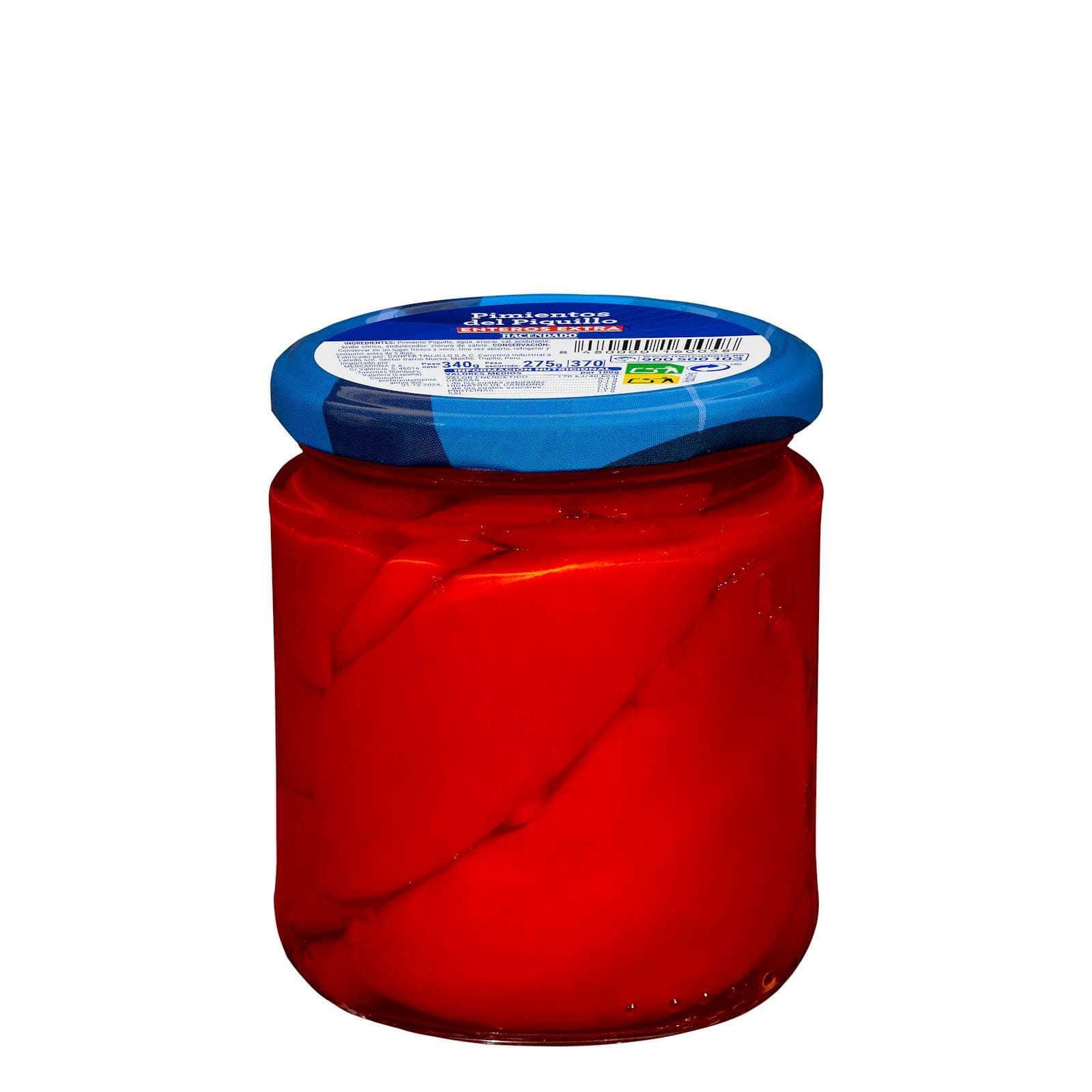 €1.45
€1.45Extra Whole Piquillo Peppers
Hacendado · 340 g · Mercadona
Good to know
- Heat Level
- 100,000–350,000 Scoville Heat Units (SHU), among the hottest common culinary peppers
- Origin
- Amazon basin; major commercial production in Mexico's Yucatán Peninsula, Jamaica, and Belize
- Color at Maturity
- Most commonly orange; also red, chocolate-brown, yellow, and white varieties
- Shape & Size
- Lantern-shaped, 2–6 cm long, with characteristically wrinkled skin
- Primary Flavor Compounds
- Capsaicin (heat); fruity, floral notes from specific capsinoid profile
- Storage (Fresh)
- Refrigerate unwashed in a paper bag up to 2 weeks; store stem-side down
- Storage (Frozen)
- Freeze whole on sheet pan, then transfer to airtight bags; usable for months
- Handling Safety
- Wear nitrile gloves; avoid eyes and skin during prep; wash all surfaces thoroughly with soap after contact
Substitutes
- Scotch Bonnet — Closest substitute; similar shape, heat range (100,000–350,000 SHU), and fruity Caribbean flavor; use 1:1; best direct swap for Jamaican and Caribbean dishes
- Datil Pepper — St. Augustine, Florida variety; 100,000–300,000 SHU; very similar fruity heat; ideal for Caribbean and Florida-style cooking
- Caribbean Red Pepper — Often sold as a hotter red habanero type; comparable heat and flavor; swap 1:1
- Fresno Chili — Much milder (2,500–10,000 SHU); similar red color and smoky tomato note; use 3–4x the volume for comparable heat; not suitable for authentic Caribbean applications
- Piri Piri (African Bird's Eye) — Smaller, more grassy, 50,000–100,000 SHU; Portuguese/Mozambique style; different flavor profile but adequate heat replacement in sauces
Pairs with
Also called
Habanero · Chile Habanero
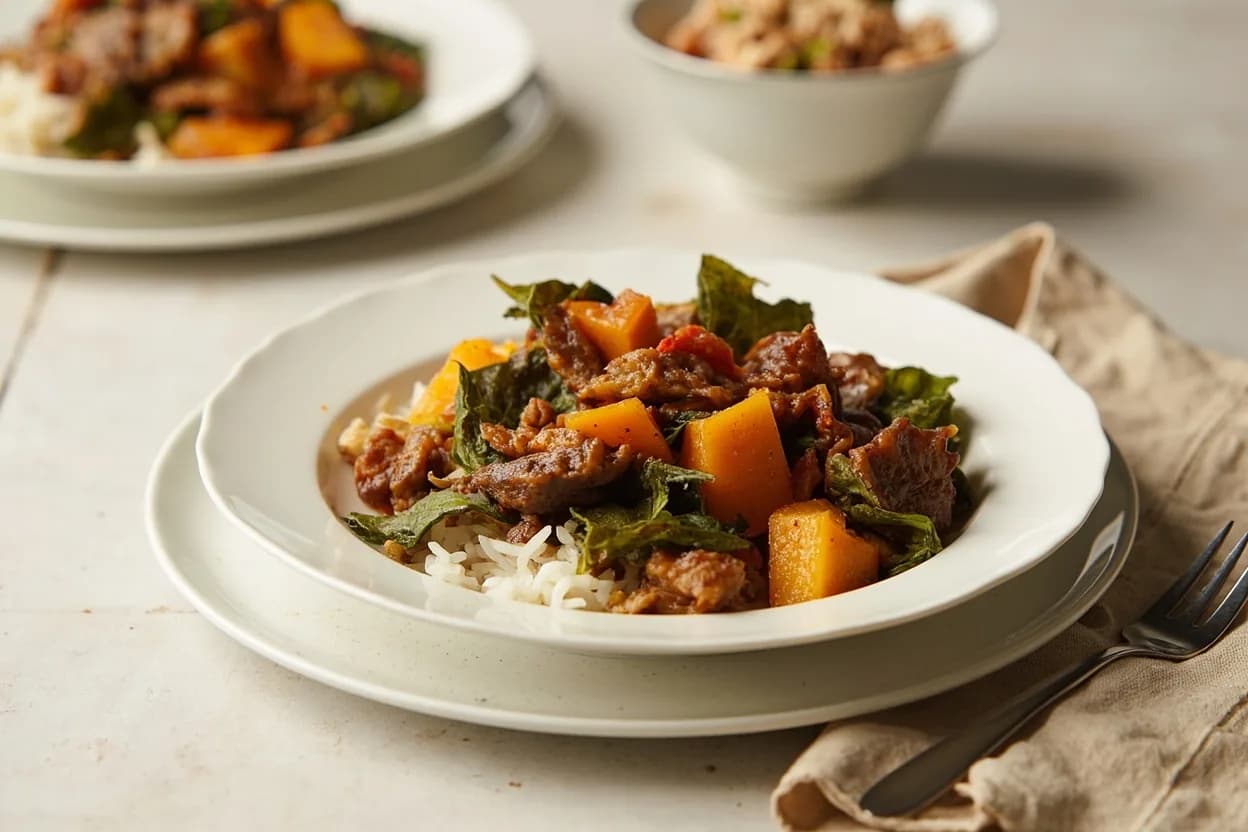
Appears in these dishes
Related
Tomato
Juicy, sun-sweet fruit for sauces, salads, and slow-cooked depth
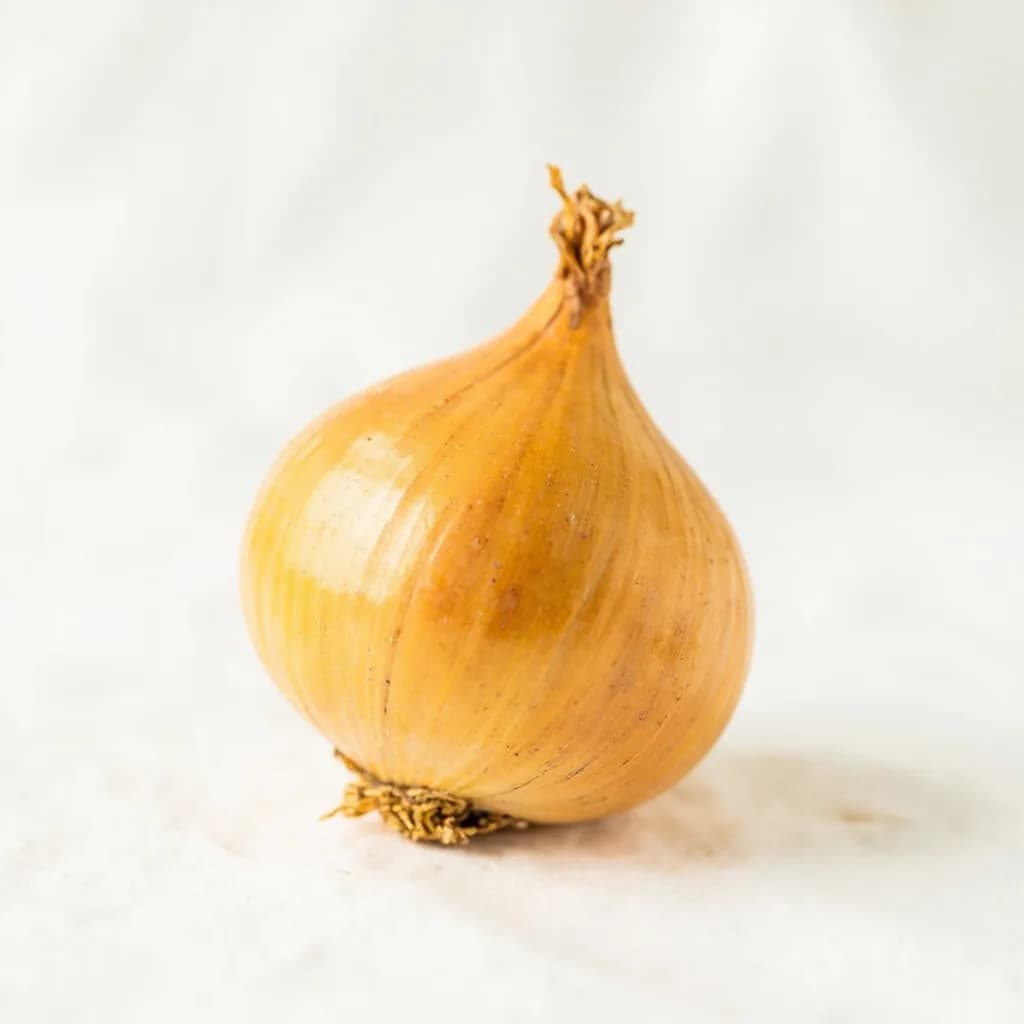
Yellow Onion
The aromatic backbone of soups, sofritos, and braises
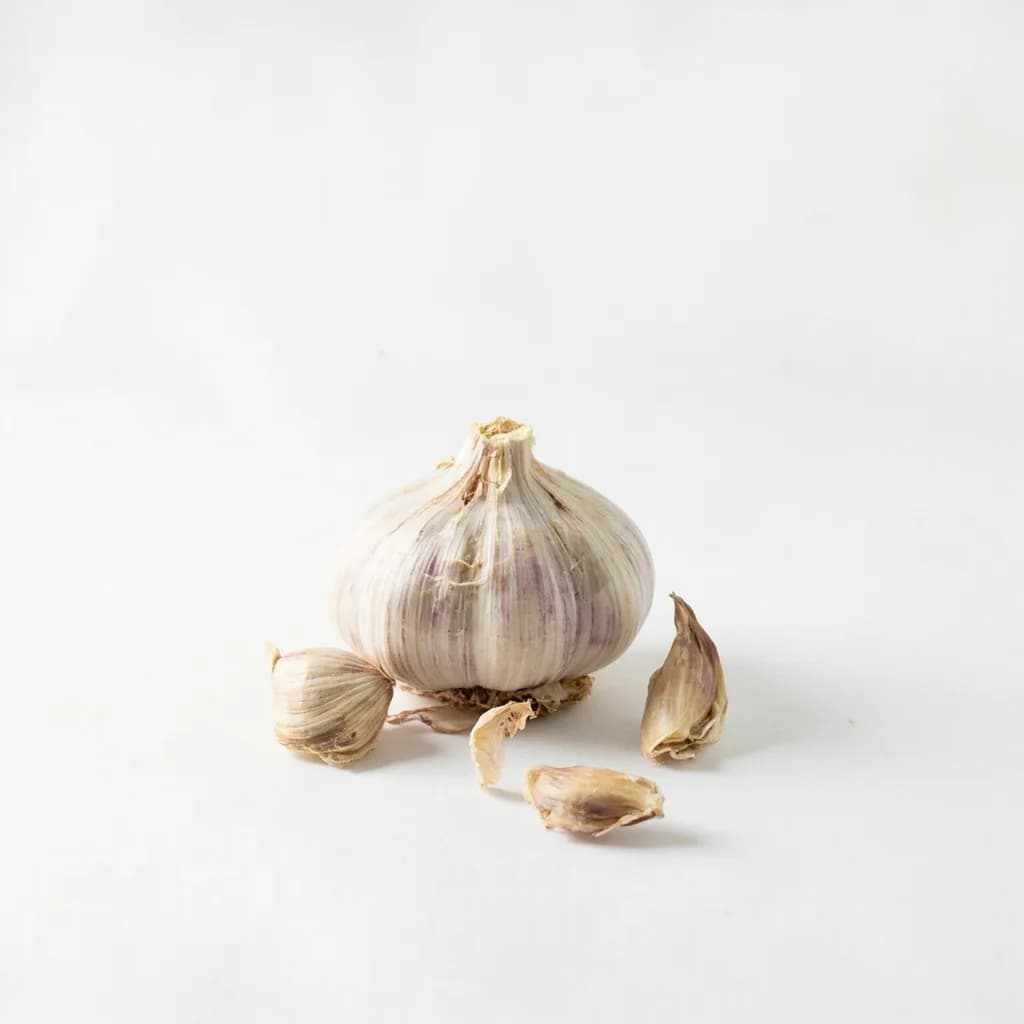
Garlic
Pungent cloves that perfume nearly every savory dish
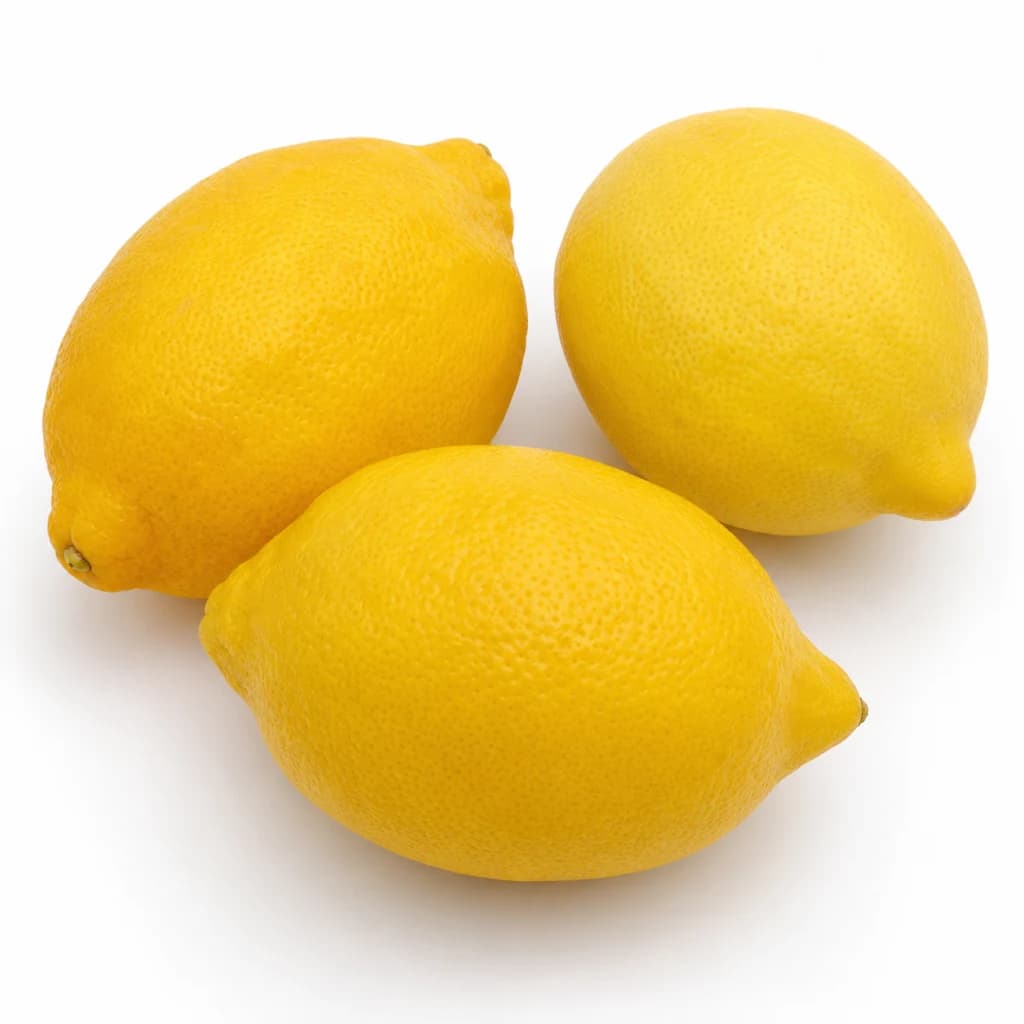
Lemon
Bright, acidic citrus that wakes up almost any dish
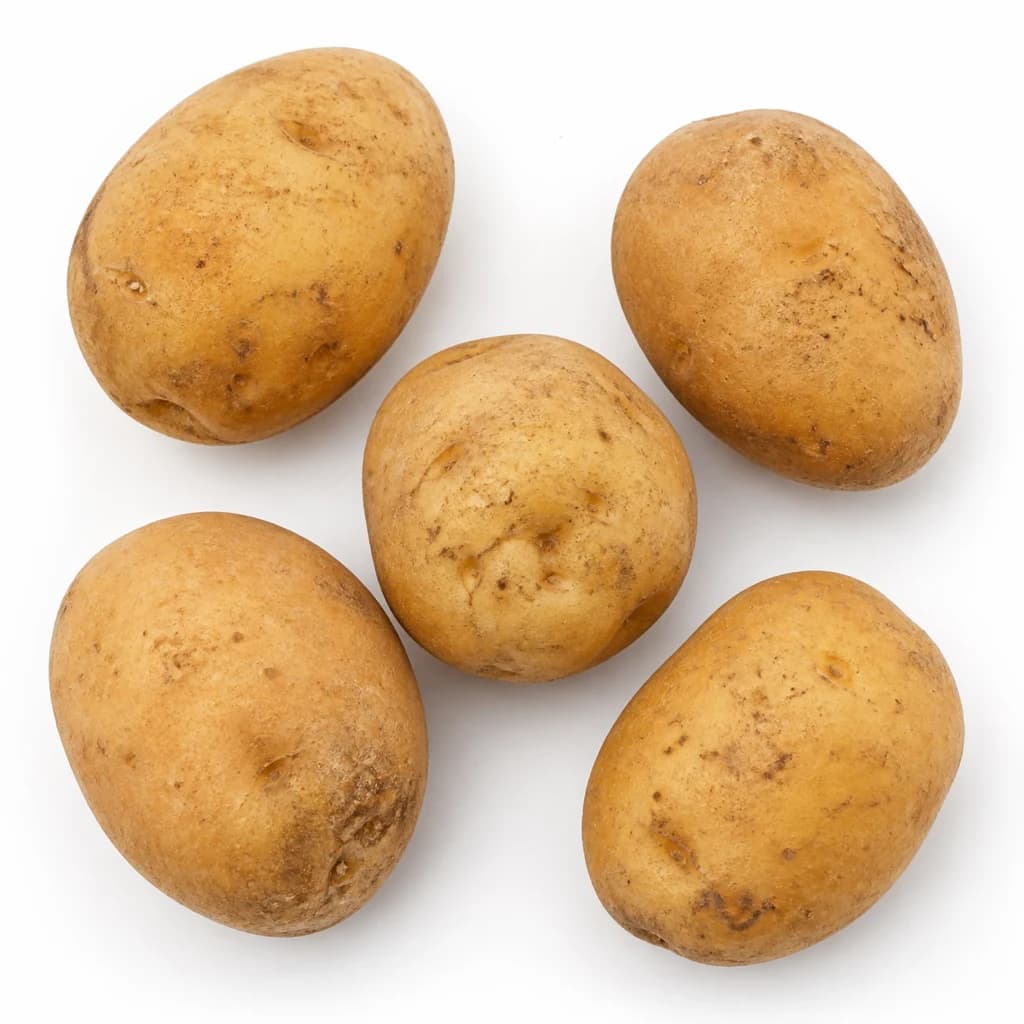
Potato
Humble, hearty staple — roast, mash, fry, or boil
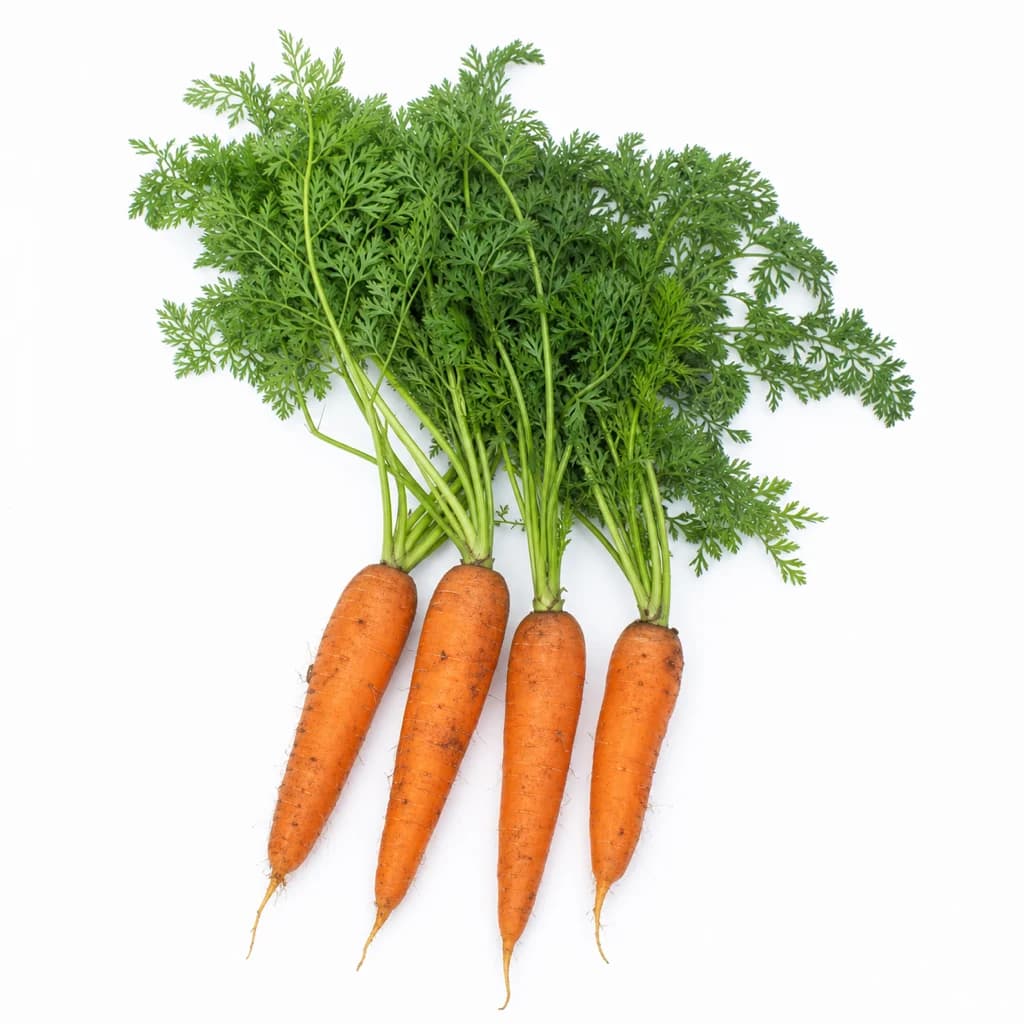
Carrot
Sweet, crunchy root — raw, roasted, or the base of a sofrito
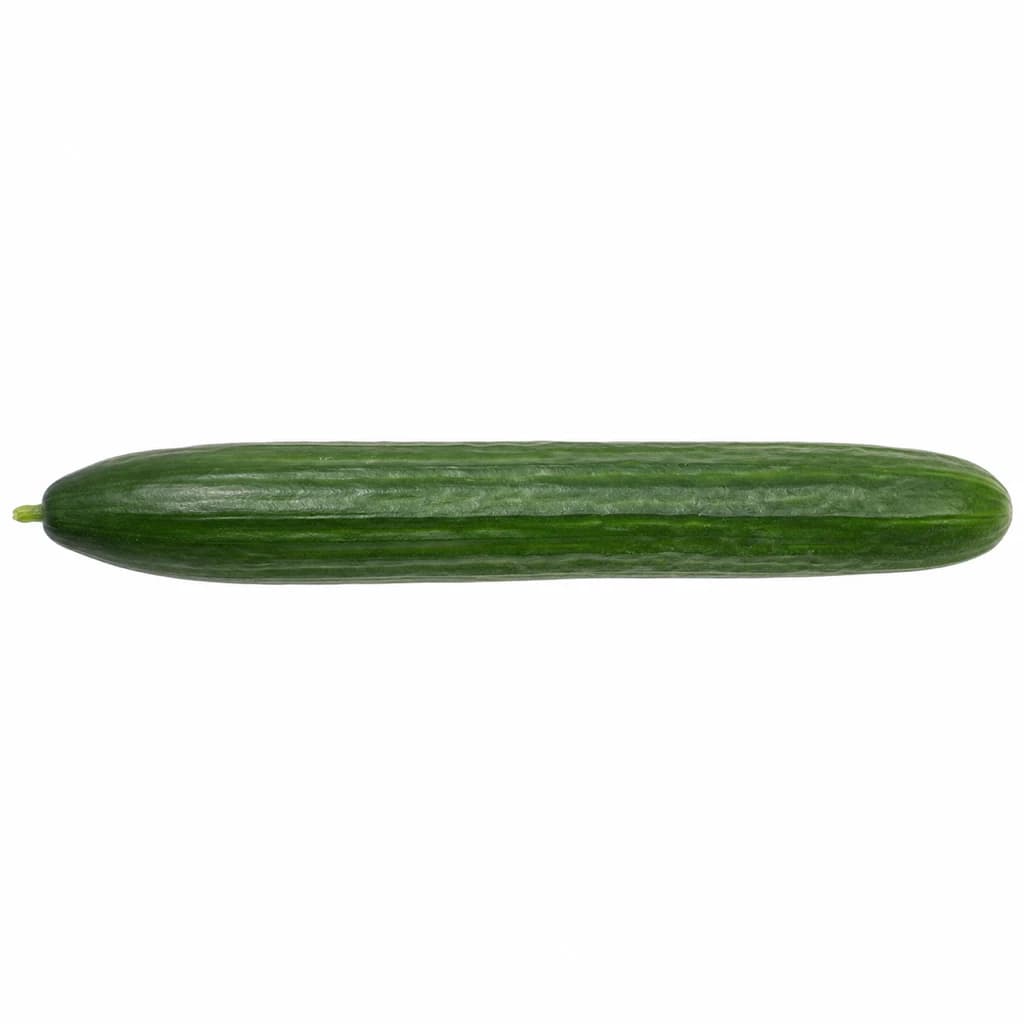
Cucumber
Cool, crisp, and watery — for salads, pickles, and tzatziki

Lettuce
Crisp leaves for salads, wraps, and a fresh crunch