Produce
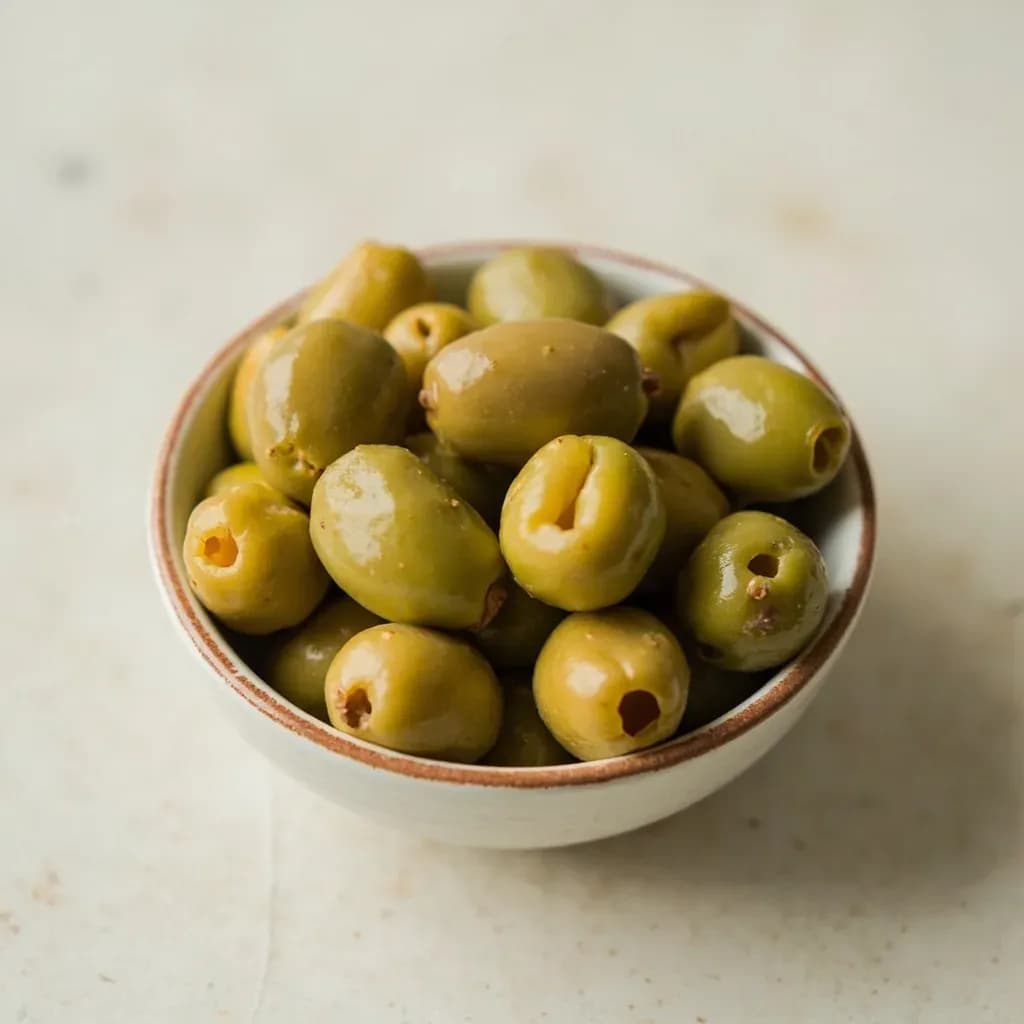
Hojiblanca Olive
Spanish dual-purpose olive eaten as a table olive and pressed for oil.
Hojiblanca is a Spanish olive variety from Andalusia, valued both as a table olive and for pressing into oil. As a table olive it is firm and mild with a pleasantly bitter finish, while its oil is fruity with a slightly peppery, almond note. Its name, meaning white leaf, comes from the pale underside of the tree's leaves.
Hojiblanca is one of Spain's four major olive cultivars and the only one prized equally for both table olives and oil production. Native to the chalky limestone soils of Andalusia's Subbética mountain region—particularly the provinces of Córdoba, Málaga, and Sevilla—this cultivar earns its name from the distinctive silvery-white underside of its leaves. Spanish-style green table olives made from Hojiblanca are medium to large, averaging 3–4 grams, with a remarkably high flesh-to-pit ratio of 80–85%, making them exceptionally meaty and easier to pit than many varieties without tearing. Their firm, crunchy flesh and balanced bitterness translate into a table olive that holds up beautifully to curing, whether in brine or dry salt.
As an oil olive, Hojiblanca produces a distinct extra-virgin oil with a fruity, slightly bitter character and a notable peppery finish—characteristics that come from its polyphenol content. The oil sits in the middle range of Spanish cultivars: more structured and bitter than buttery Arbequina, but fruitier and less grassy than Picual. In the Subbética's limestone terroir, the olives develop a mineral complexity that distinguishes Hojiblanca oil from other Spanish varieties. When purchasing fresh table olives, choose those that feel heavy for their size and spring back when pressed gently; avoid any that appear shriveled or have deeply wrinkled skin, as this signals age or improper storage.
- Measured in
- g
- Storage
- Fridge
Types & varieties
No recognized sub-varieties exist; it is the cultivar itself. Regional synonyms include Casta de Priego and Ojiblanco, but no distinct subtypes have been identified.
Common uses
Tips & pitfalls
- For table olives, harvest green in late summer or early fall for firmness and lower oil content; allow partial ripening for a more complex, less bitter flavor
- When curing at home, avoid oversoaking in water—this leaches too much bitterness along with the oleuropein and leaves mushy olives; a 7–10 day water change schedule is standard
- For brined olives, ensure the brine fully submerges the fruit and seal the container or cover with cheesecloth secured by a rubber band to prevent fruit flies
- Hojiblanca has firmer flesh than Manzanilla, making it less likely to tear when pitted—plan for slightly longer curing times to compensate for the density
- Store cured olives submerged in their brine in the refrigerator at 40°F (4°C) or below; they will keep 6–12 months this way
- When tasting Hojiblanca oil, expect a fruity nose with distinct bitterness and pepper on the finish—this is characteristic of the cultivar, not a defect
- Do not substitute Hojiblanca oil for more delicate oils like Arbequina when high-heat cooking is intended; while its flavor holds up well, the higher polyphenols degrade similarly to other high-quality oils
- Common mistake: buying unprocessed Hojiblanca olives thinking they are ready to eat—raw olives contain oleuropein and are intensely bitter; they must be cured before consumption
Nutrition
Energy
983 kJ · per 100 g
Where the calories come from
Protein
11.8g
24% DV
Carbs
9.2g
3% DV
Fat
16.5g
21% DV
Fiber
0g
0% DV
Sugars
0g
of which
Sodium
964mg
42% DV
Source · USDA FoodData Central · approx. Olive loaf, pork
View on FDC →In the shops
Matched grocery products
No matched grocery products for Hojiblanca Olive yet.
Good to know
- Origin
- Andalusia, Spain (provinces of Córdoba, Málaga, Sevilla)
- Growing Region
- Native to the Subbética region of Córdoba; major production in Cabra, Luque, and Zuheros
- Harvest Season
- October to January
- Color (Ripe)
- Deep green to purplish-black
- Size
- Medium to large (3–4 grams average)
- Flesh-to-Pit Ratio
- Approximately 80–85% flesh
- Oil Content
- 18–22% by weight
- Shelf Life (Oil)
- 12–18 months in dark glass or tin; up to 2 years if stored properly
- Name Meaning
- "White leaf" — the underside of leaves is distinctly silvery-white
- Production Share
- Approximately 10–12% of Spain's total olive production
Substitutes
- Manzanilla olive — Similar size and firmness; slightly less bitter, better for martinis and mild applications; Hojiblanca is more robust in flavor and texture
- Gordal olive — Larger and meatier; excellent as a table olive; less bitter than Hojiblanca but similar satisfying crunch
- Picual olive (for oil) — Most common Spanish oil cultivar; higher polyphenols and more bitter; Hojiblanca oil is fruitier and less grassy
- Arbequina olive (for oil) — Milder, buttery oil; better for delicate dishes; Hojiblanca oil has more structure, bitterness, and pepper
- Cerignola olive — Italian large green olive; similar firmness and meatiness; different terroir and flavor profile but comparable texture
Pairs with
Related
Tomato
Juicy, sun-sweet fruit for sauces, salads, and slow-cooked depth
Yellow Onion
The aromatic backbone of soups, sofritos, and braises
Garlic
Pungent cloves that perfume nearly every savory dish
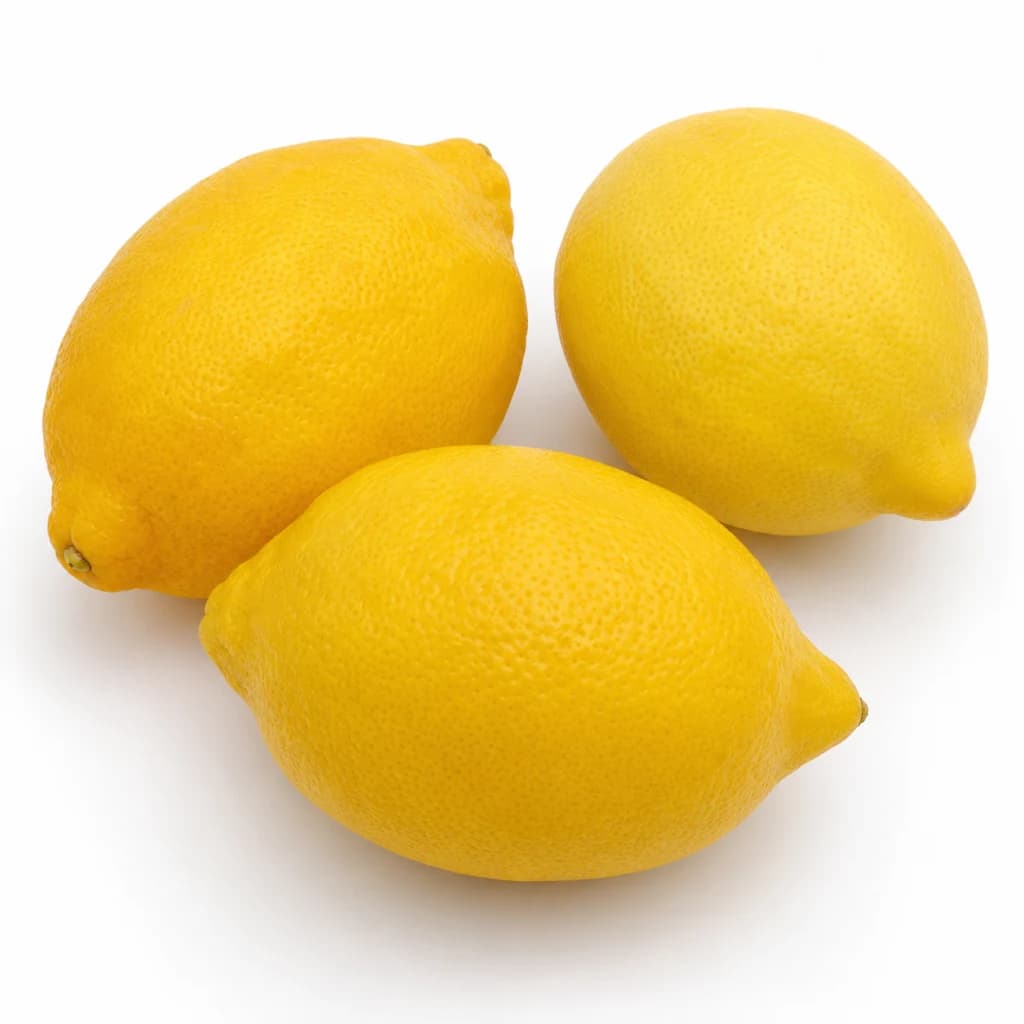
Lemon
Bright, acidic citrus that wakes up almost any dish
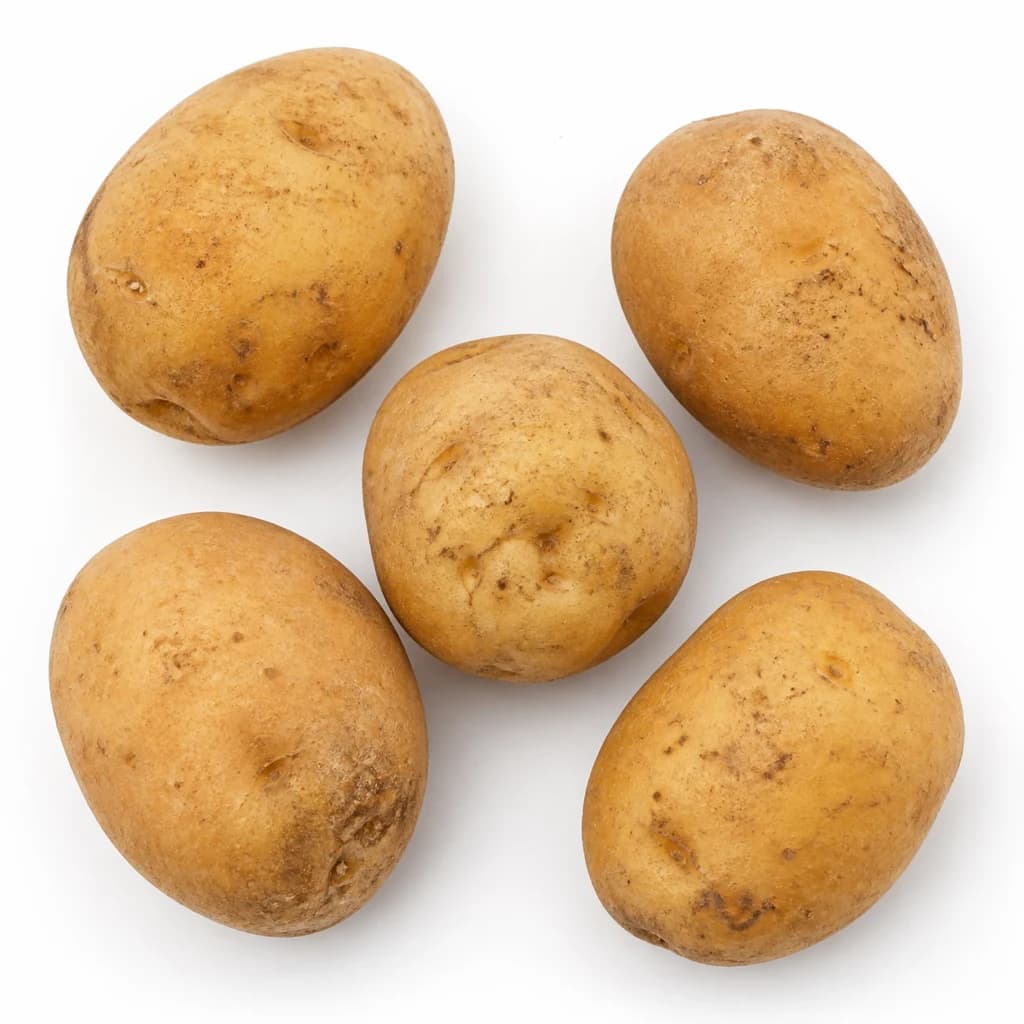
Potato
Humble, hearty staple — roast, mash, fry, or boil
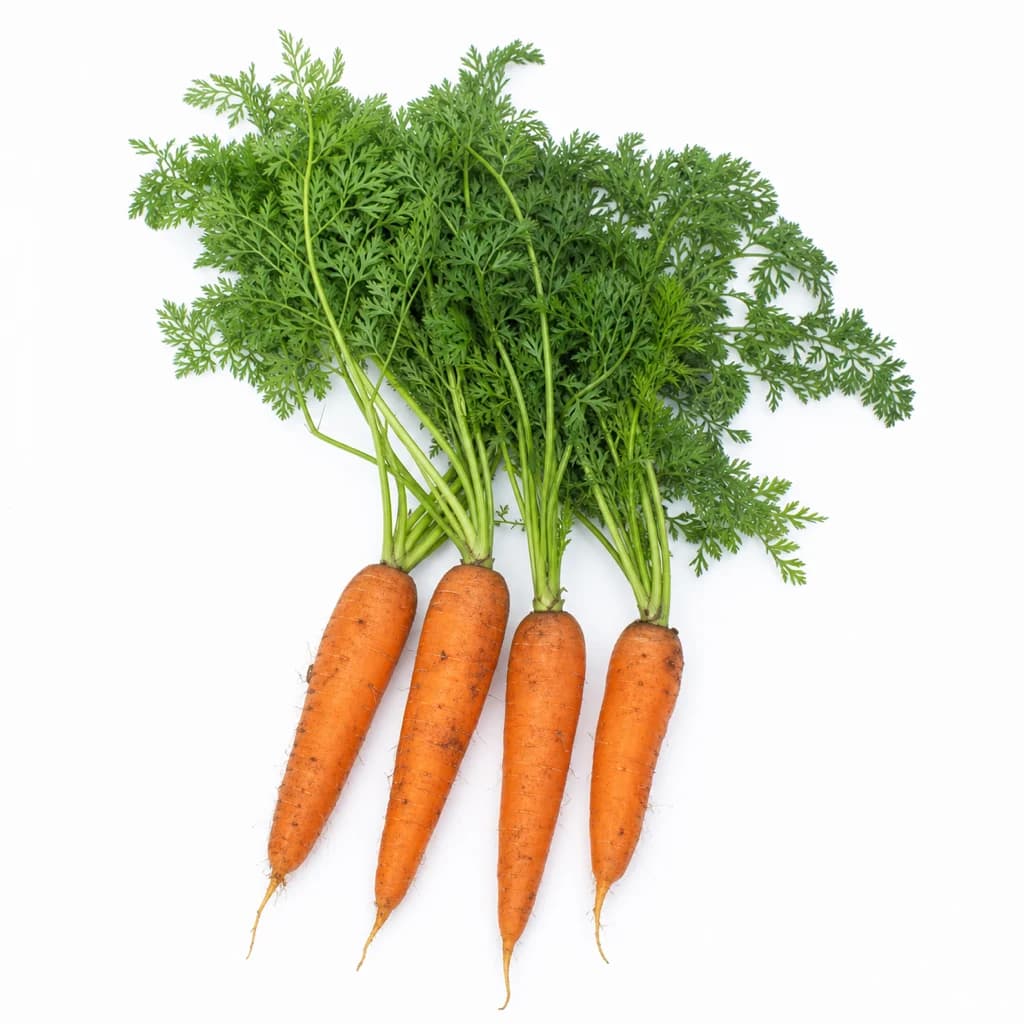
Carrot
Sweet, crunchy root — raw, roasted, or the base of a sofrito
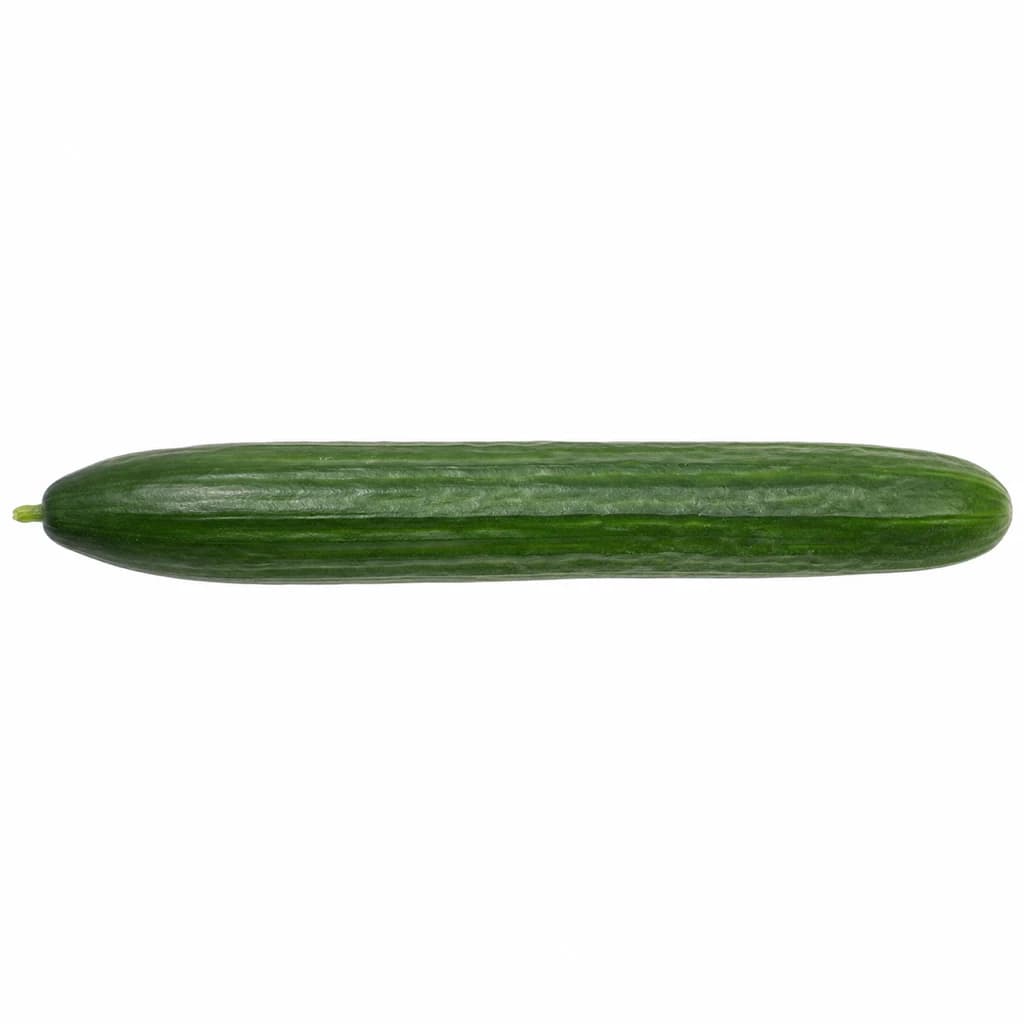
Cucumber
Cool, crisp, and watery — for salads, pickles, and tzatziki

Lettuce
Crisp leaves for salads, wraps, and a fresh crunch