
Natural form
Fresh pimento peppers showing their distinctive small heart shape and deep red color.
Establishes the pepper's unique heart shape, compact size, and vivid red skin so readers can identify it at a market.
Produce
Pimento Pepper
Sweet, mild red pepper used for cheese spreads, stuffing olives, and seasoning.
The pimento is a small, sweet, heart-shaped red pepper with thin flesh and mild flavor. It is roasted and jarred to stuff green olives, blended into pimento cheese, and ground into paprika. In Caribbean cooking, aromatic 'seasoning peppers' of this type flavor stews and sofrito without adding heat.
Pimento (also spelled pimiento) is a cultivar of Capsicum annuum valued for its negligible heat, concentrated sweetness, and vivid red color. The peppers are characteristically heart-shaped or rounded, 2–3 inches long, with thick, meaty flesh that becomes pleasantly tender when roasted. Native to Central and South America, commercial production now centers on Spain's Extremadura region and California. Unlike many peppers that are harvested green, pimentos are almost always picked fully ripe—their deep red color signals peak sugar development, and the flavor difference between red and green pimentos is substantial. Their mildness and sweetness make them uniquely suited to applications where a gentle pepper presence is desired without any heat competition. In Spanish cuisine, pimentos find their highest expression roasted whole with olive oil; in American Southern cooking, they anchor the iconic pimento cheese spread. Their natural affinity for dairy, bread, and eggs has made them a pantry staple across multiple culinary traditions.
- Measured in
- piece
- Storage
- Fridge
Types & varieties
Smaller, nearly spherical; identical flavor; often used interchangeably in recipes
Large, lobed pimento type; excellent for roasting and stuffing due to its size
Distinct Spanish variety; small and elongated, served blistered with sea salt; not interchangeable with standard pimento
Small Brazilian pepper; mild with slight citrus note, often pickled; not a true pimento but used similarly
Fresh vs. Jarred: When to Use Which
Both fresh and jarred pimentos have legitimate kitchen roles, but they are not interchangeable in every context. Fresh pimentos offer superior texture and brighter flavor when roasted and peeled. Jarred roasted pimentos are a reliable shortcut—drain and pat dry thoroughly before using to prevent excess moisture from diluting sauces, spreads, or pizza toppings. Canned pimento pulp (often labeled simply "pimento") is a different product entirely: very wet with a fine, almost puréed texture. Check labels carefully when a recipe specifies diced or strips, as the pulp product will not provide the same textural contribution.
- Fresh: superior for roasting, peeling, and slicing into strips
- Jarred roasted: reliable pantry staple, pat dry before using
- Canned pulp: do not substitute for fresh or jarred roasted when texture matters
The Pimento Cheese Essential
Pimento cheese is a Southern classic that rewards attention to a few details. The dish is straightforward—sharp cheddar, mayonnaise, roasted pimento, and a touch of garlic powder—but the quality of each component determines the result. Use the sharpest cheddar you enjoy; the bold cheese balances the pepper's sweetness. Roast and peel your own pimentos when possible, as jarred versions can introduce excess liquid. Let the mixture rest refrigerated for at least an hour before serving to allow flavors to meld. The spread should be thick enough to hold its shape on a cracker but loose enough to spread easily.
- Grate cheddar from a block for better texture than pre-shredded
- Roast fresh pimentos for the brightest flavor and correct moisture level
- Rest the finished spread at least 1 hour before serving
Common uses
Tips & pitfalls
- Char fresh pimentos directly over a gas flame, in a dry cast-iron skillet, or under a broiler until the skin blisters completely, then seal in a paper bag for 10 minutes to steam—the skins slide off effortlessly
- Choose firm, heavy peppers with smooth, taut skin and an even deep red color; avoid any with soft spots, blemishes, or dried stems
- When substituting pimento for bell peppers in recipes, remember pimentos are sweeter and more aromatic with thinner flesh; reduce cooking times accordingly
- A single roasted pimento per serving is sufficient as a side dish—the peppers shrink considerably when peeled
- Jarred roasted pimentos are a reliable pantry shortcut—drain and pat dry thoroughly before using to avoid excess moisture in spreads and sauces
- Common mistake: using canned pimento pulp when a recipe calls for diced or sliced roasted pimento—the pulp is wet and fine-textured, not a direct substitute
- The term "pimento" derives from Spanish "pimiento," itself likely a phonetic shift from "pimienta" (black pepper); do not confuse it with the much hotter piri piri (peri-peri) pepper used in Portuguese cuisine
- Pimentos are almost always red because they must ripen fully to develop their characteristic sweetness; green pimentos are immature and significantly less sweet
Nutrition
Energy
121 kJ · per 100 g
Where the calories come from
Protein
0.9g
2% DV
Carbs
6.5g
2% DV
Fat
0.4g
0% DV
Fiber
2.8g
10% DV
Sugars
4.1g
of which
Sodium
3mg
0% DV
Source · USDA FoodData Central · approx. Peppers, jalapeno, raw
View on FDC →In the shops
Matched grocery products
No matched grocery products for Pimento Pepper yet.
Good to know
- Scientific name
- Capsicum annuum
- Origin
- Native to Central and South America; primary commercial production now in Spain (Extremadura region) and California
- Scoville heat units
- 0–500 (essentially negligible; one of the mildest peppers)
- Shape
- Heart-shaped or rounded, 2–3 in. long, thick-fleshed
- Color when ripe
- Deep red (always pick fully ripe)
- Peak season
- Late summer through early fall; available year-round jarred
- Storage (fresh)
- Refrigerate in a plastic bag up to 2 weeks
- Storage (pickled)
- Jarred pickled pimentos keep up to 1 year unopened; refrigerate after opening
- Perishability
- Moderate; avoid peppers with soft spots, wrinkles, or dull color
- Yield
- One medium pepper yields approximately 2–3 tbsp diced or 4–5 strips
Substitutes
- Roasted red bell pepper — Direct substitute in most applications; slightly less sweet but nearly identical texture and flavor profile
- Cherry pepper — Mild cherry peppers are comparable in size and shape; may be slightly firmer with more bite
- Sweet paprika — Only substitutes for color and mild pepper flavor in spreads or sauces; provides no texture
- Piri piri (malagueta) — Significantly hotter than pimento; only a viable substitute when the dish calls for noticeable heat, not for mild sweetness
Pairs with
Also called
Seasoning Pepper · Pimiento · Roasted Red Pimiento · Cherry Pepper
Appears in these dishes
Related
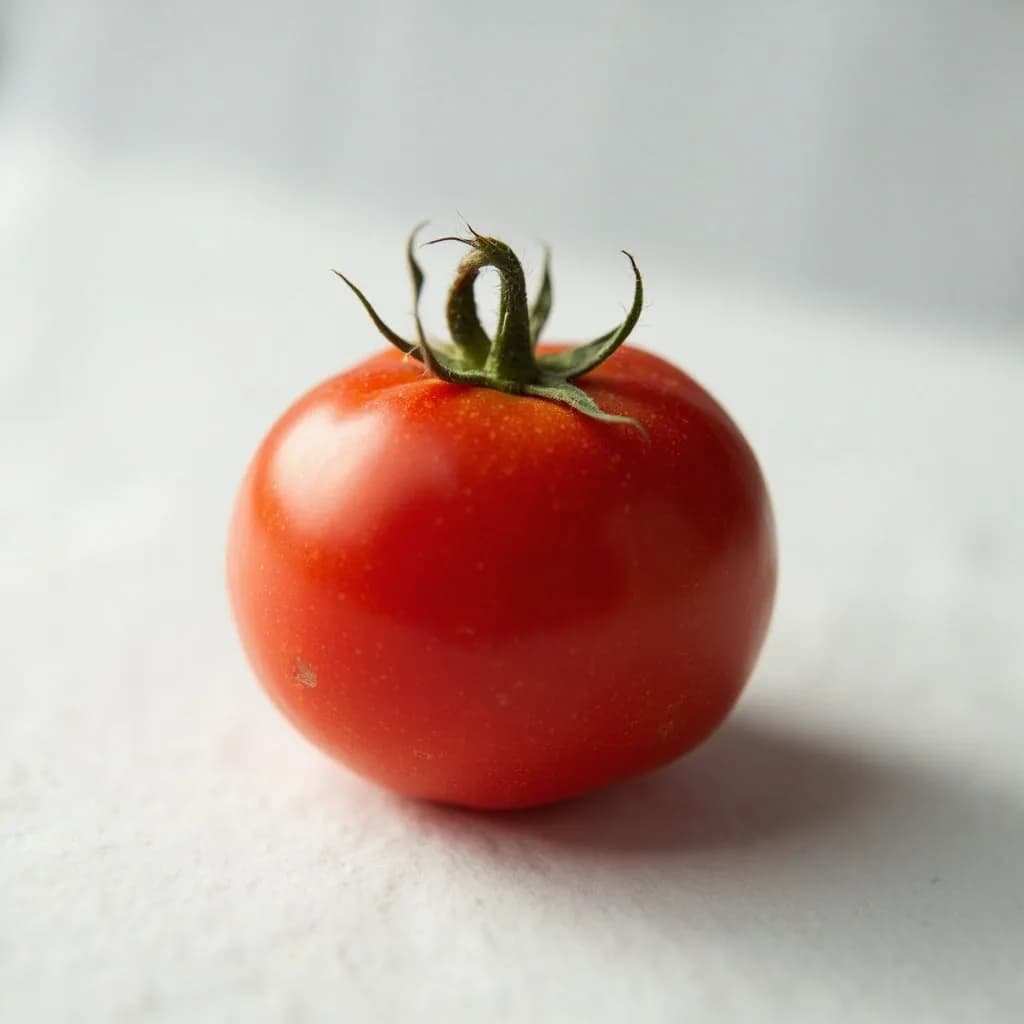
Tomato
Juicy, sun-sweet fruit for sauces, salads, and slow-cooked depth
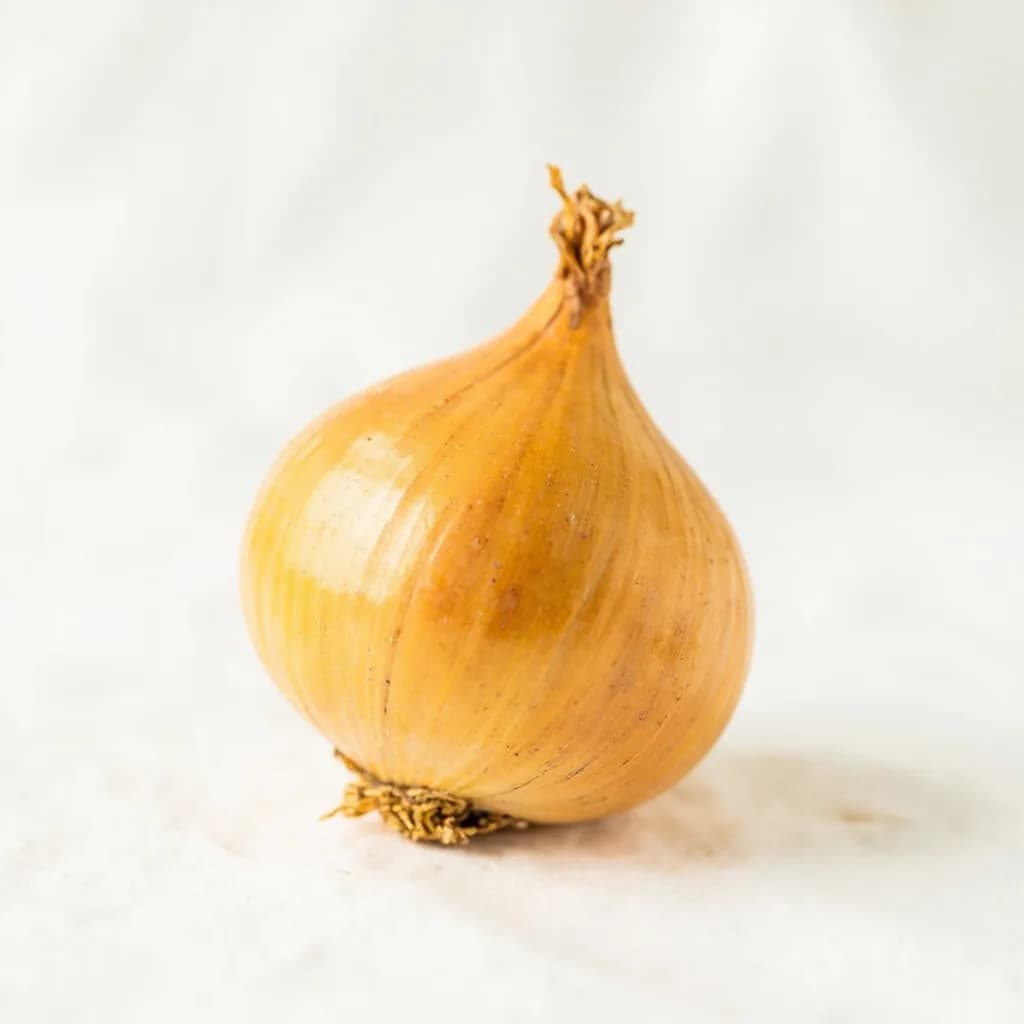
Yellow Onion
The aromatic backbone of soups, sofritos, and braises
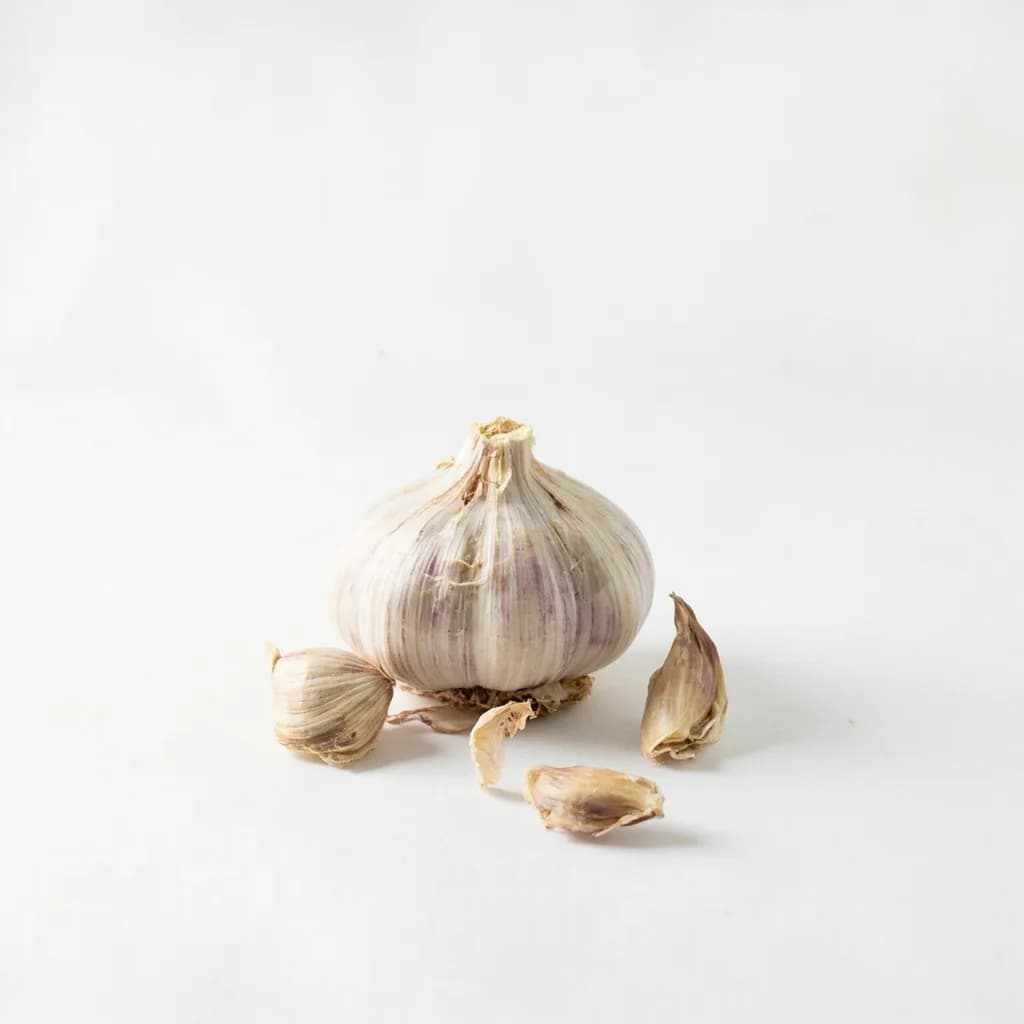
Garlic
Pungent cloves that perfume nearly every savory dish
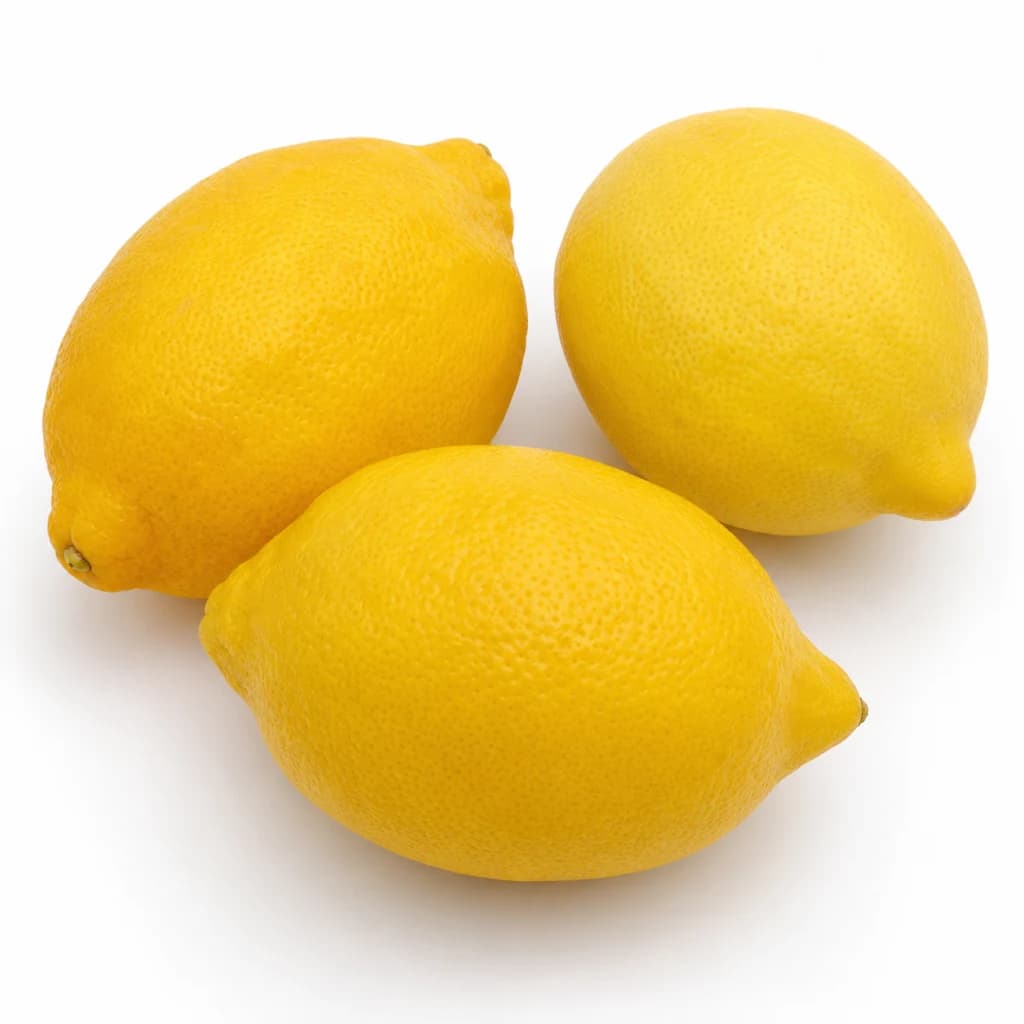
Lemon
Bright, acidic citrus that wakes up almost any dish
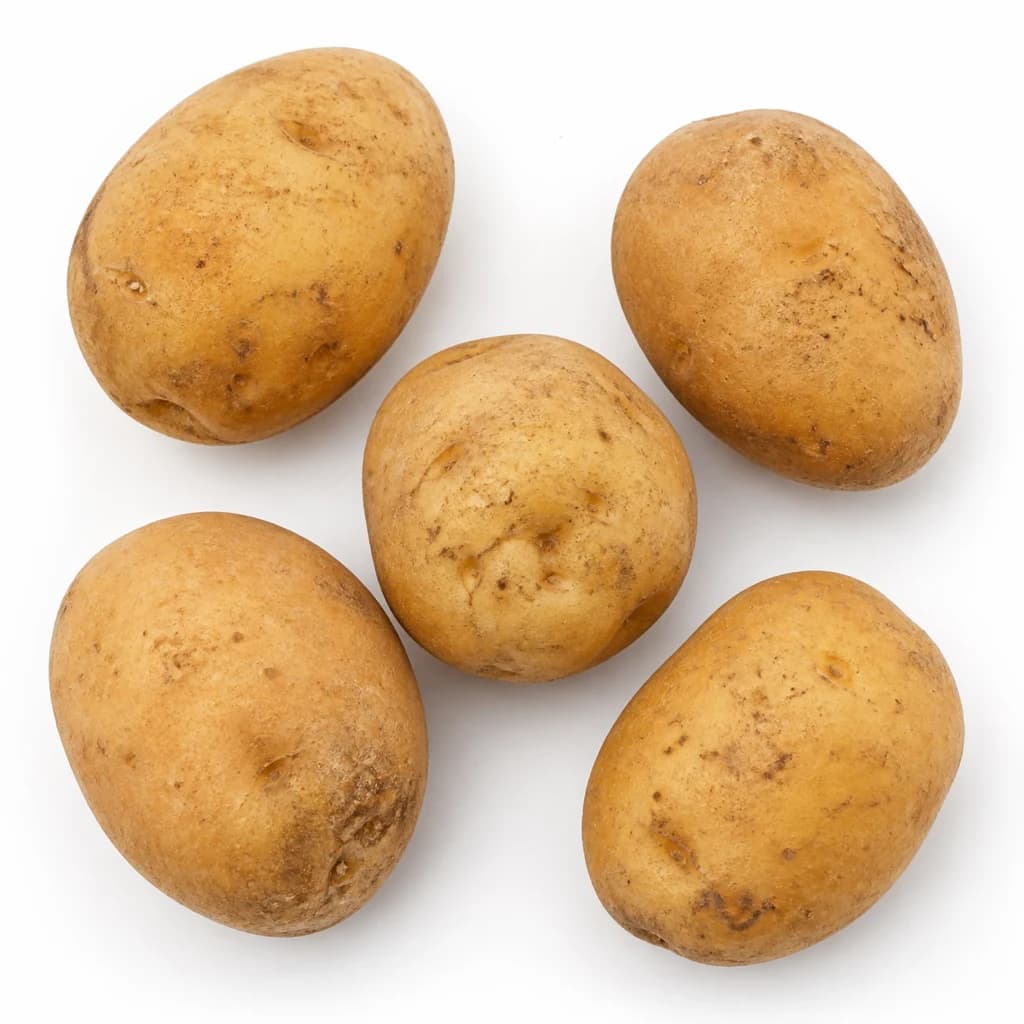
Potato
Humble, hearty staple — roast, mash, fry, or boil
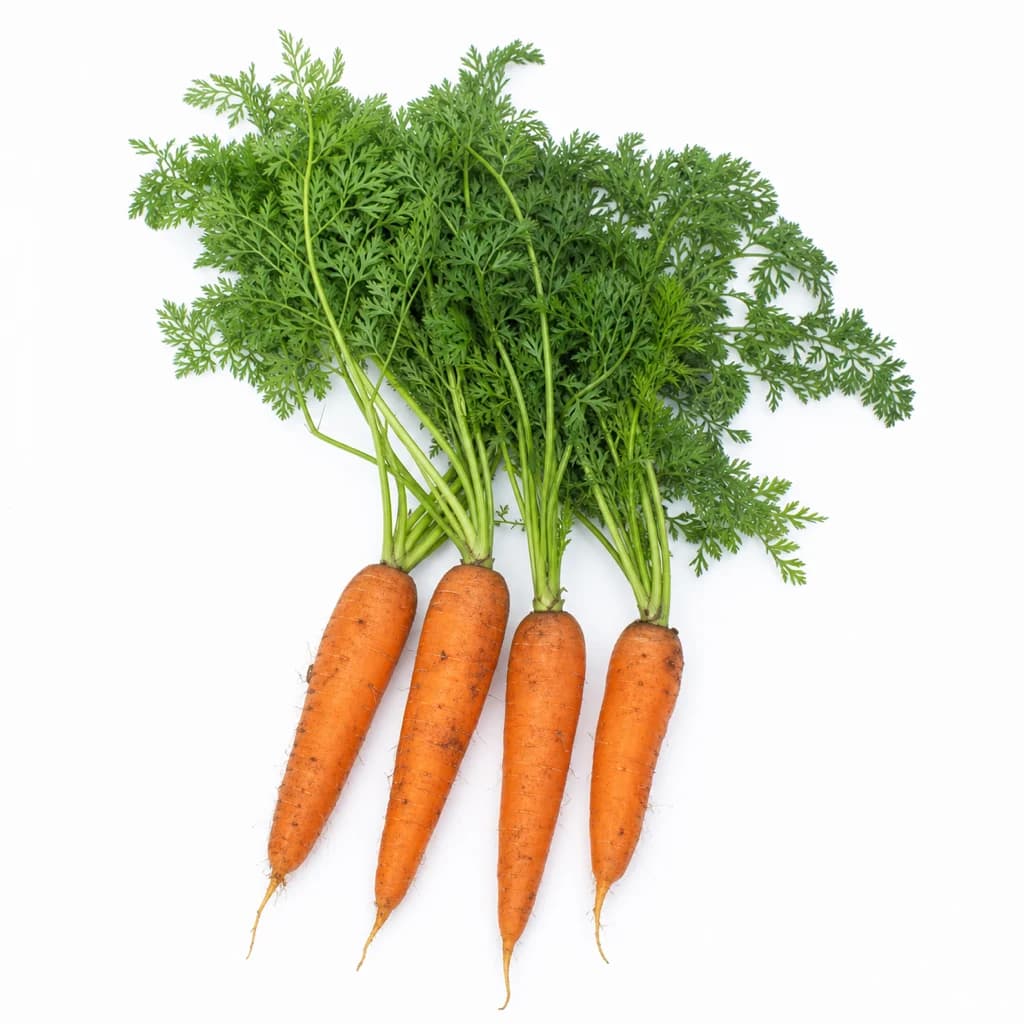
Carrot
Sweet, crunchy root — raw, roasted, or the base of a sofrito
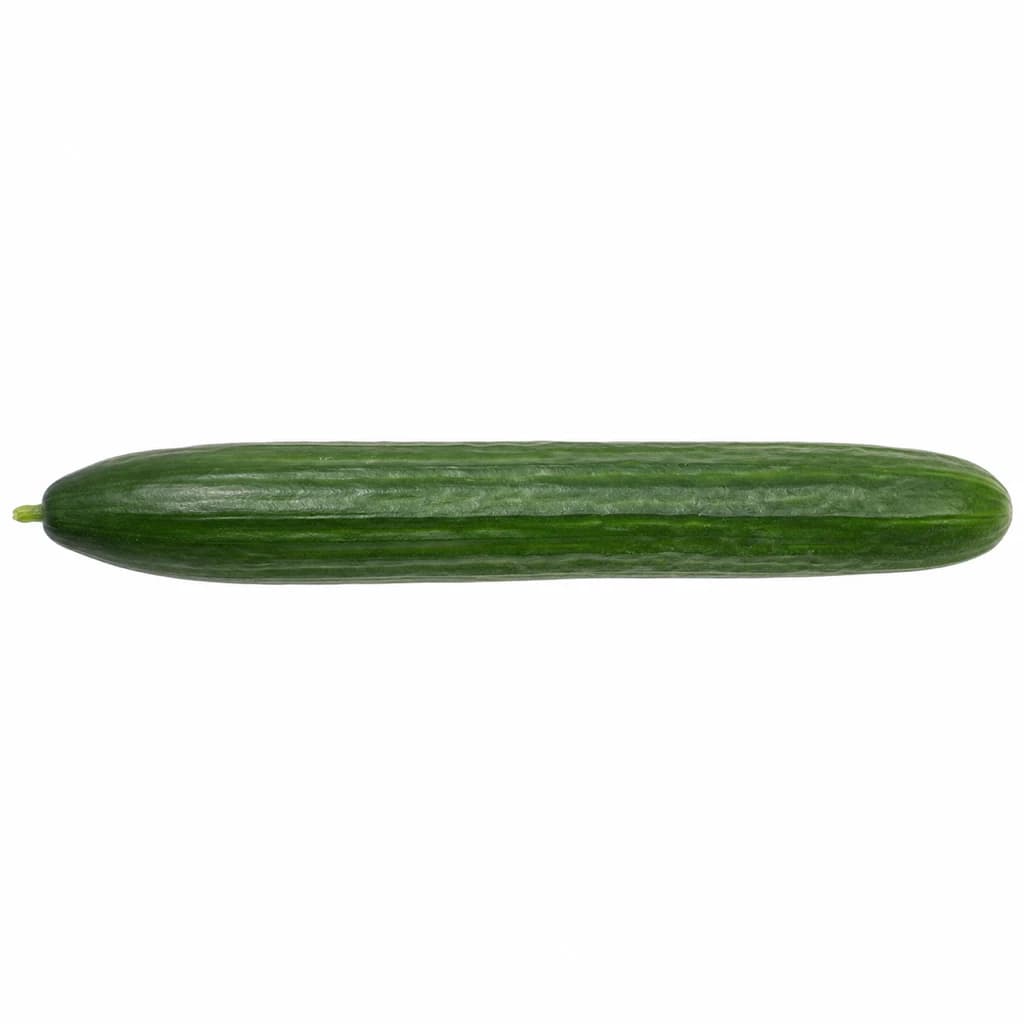
Cucumber
Cool, crisp, and watery — for salads, pickles, and tzatziki

Lettuce
Crisp leaves for salads, wraps, and a fresh crunch