Proteins
Hoki
Mild, flaky New Zealand white fish widely used for fish and chips and fillets.
Hoki is a deep-water fish from the waters around New Zealand and Australia with soft, mild, white flesh. It is a popular choice for battered fish and chips, fillets and processed fish products. Its delicate texture suits gentle cooking like baking, steaming or frying.
Hoki (Macruronus novaezelandiae) is a deep-water white fish native to the cold, productive waters of the Southern Ocean surrounding New Zealand and southern Australia. It has become one of the world's most important commercial fisheries precisely because of its qualities in the kitchen: a mild, clean flavor with subtle sweetness, a fine-grained but firm texture that flakes evenly when cooked, and a neutral profile that accepts bold seasonings and batters without resistance. The fish is lean—lower in oil than cod or halibut—which makes it vulnerable to overcooking but also particularly well suited to fried preparations where the crust provides moisture and the flesh stays tender within.
The commercial hoki fishery is notable for its investment in sustainable practices, earning Marine Stewardship Council certification since 2001 under New Zealand's strict Quota Management System. Most hoki is frozen at sea within hours of capture using individually quick-freeze (IQF) technology, meaning the product reaching kitchens months later is often genuinely fresher than so-called fresh fish that has endured extended chilled transit. This supply chain reliability has made hoki a staple in industrial food service and retail, but the fish deserves recognition in home kitchens as well—it is affordable, consistently sized, and endlessly adaptable, from classic beer-battered fish and chips to sophisticated preparations with brown butter and capers.
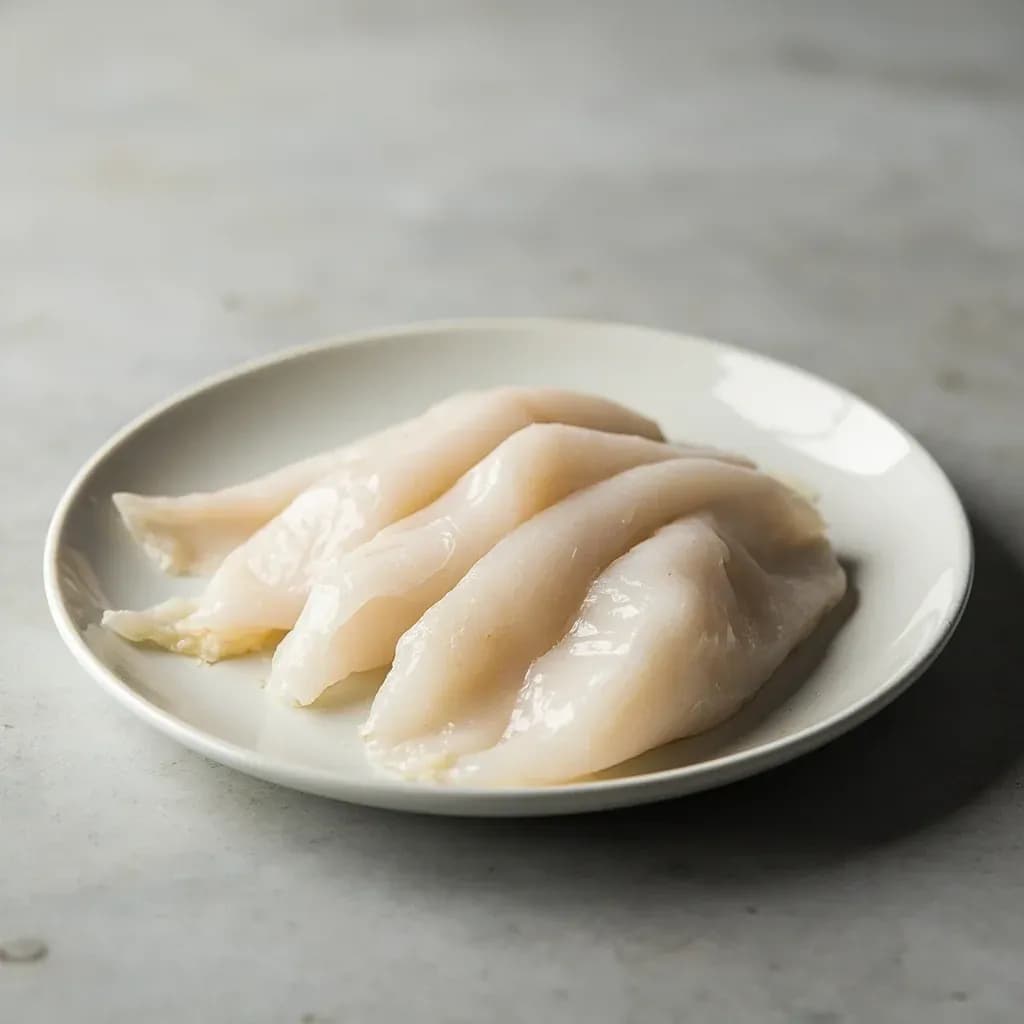
In raw form, hoki displays a characteristic translucent, bluish-grey skin with pale off-white flesh that turns opaque and large-flaked when cooked. The yield from whole fish to fillet is approximately 40–45%, and the fish takes well to all standard cooking methods: frying, grilling, baking, braising, or being flaked into cakes and pies. Its mildness is both its greatest asset—approachable even for those who find stronger fish unpalatable—and its limitation: without seasoning or sauce support, hoki can taste characterless on its own. Understanding this, and respecting its lean texture, unlocks the fish's full potential.
- Measured in
- g
- Storage
- Fridge
Allergens
Types & varieties
Available primarily in New Zealand; sold as whole fish, fillets, or steak cuts; highly perishable—use within 1–2 days
Most common commercial form; individually quick frozen (IQF) at sea to preserve freshness; available skinless or skin-on
Cross-section cuts, typically 2–3 cm thick; ideal for grilling, pan-searing, and braising
Valued byproduct; bright orange-red in color; used in Japanese cuisine and traditional preparations
Common uses
Tips & pitfalls
- Do not overcook — hoki is lean and dries out quickly; remove from heat when internal temperature reaches 52–55°C and the flesh turns opaque but still looks slightly translucent at the very center
- Salt the fish 10–15 minutes before cooking to firm the flesh and improve texture; this is especially useful before frying or grilling
- If using frozen fillets, thaw slowly in the refrigerator overnight; rapid thawing at room temperature causes moisture loss and a mushy texture
- For fish and chips, keep the batter cold and ensure frying oil is at 180–190°C; too cool an oil results in a greasy, heavy crust that steams the fish
- Pat fillets completely dry before any coating—batter, crumbs, or flour—to help the crust adhere and achieve even browning
- Hoki absorbs seasonings easily — use this as an asset with bold flavors like malt vinegar, curry sauce, remoulade, or caper brown butter
- When buying fresh, look for clear eyes (if whole), bright red or pink gills, and a mild ocean smell; any ammonia or sour odor indicates spoilage
- Frozen-at-sea hoki is often genuinely fresher than so-called fresh fish that has spent days in transit — do not dismiss frozen as inferior
- Avoid reheating cooked hoki multiple times; the lean flesh dries out rapidly and the texture becomes tough and unappealing
Nutrition
Nutrition
No USDA FoodData Central match for Hoki yet. We surface a per-100 g profile once a generic whole-food entry is matched and verified.
In the shops
Matched grocery products
No matched grocery products for Hoki yet.
Good to know
- Scientific Name
- Macruronus novaezelandiae
- Also Known As
- Blue hoki, New Zealand hoki, blue grenadier, winkling (UK)
- Origin
- Southern Ocean waters around New Zealand and southern Australia
- Habitat
- Deep waters, typically 200–800 meters depth
- Peak Season
- Year-round; major commercial fishery operates March–August
- Flavor Profile
- Mild, clean, slightly sweet; neutral enough to take on batters and sauces
- Texture
- Fine-grained, medium-firm; flakes when cooked; low oil content
- Color (Raw)
- Translucent, bluish-grey skin; pale off-white flesh
- Color (Cooked)
- Opaque white with large, tender flakes
- Yield
- Approximately 40–45% fillet recovery from whole fish
- Storage (Fresh)
- 1–2 days refrigerated at 0–2°C
- Storage (Frozen)
- 6–9 months at –18°C or below; most commercial product is frozen at sea
- Sustainability
- MSC-certified sustainable since 2001; managed under New Zealand Quota Management System
Substitutes
- Haddock — Similar mild flavor and flaky texture; excellent choice for battered and fried preparations; slightly more expensive but readily available
- Alaska Pollock — Comparable price point and neutral flavor; widely used in the same industrial applications; can be substituted 1:1 in any recipe
- Blue Grenadier (Australian) — Same species or closely related Merlucciidae family member; interchangeable in most recipes with identical cooking properties
- Cod — Firm, white, mild — excellent 1:1 substitute with slightly more oil content for better moisture retention; typically more expensive than hoki
- Coley (Saithe) — Leaner and slightly stronger flavor than hoki; good budget alternative for battered fish where cost is a priority
Pairs with
Also called
Blue Grenadier · Whiptail
Related

Egg
The kitchen's everything ingredient — bind, leaven, enrich, or fry

Chicken Breast
Lean, quick-cooking white meat for everyday dinners

Ground Beef
Versatile minced beef for burgers, ragù, tacos, and meatballs

Pork Loin
Lean, tender roasting cut that stays juicy with care

Salmon
Rich, rosy fish that roasts, grills, or cures beautifully

Egg White
Pure protein that whips to airy peaks for meringue and more

Egg Yolk
Rich, golden yolk for custards, mayonnaise, and pasta

Quail Egg
Tiny, speckled eggs for garnishing and elegant bites