Produce
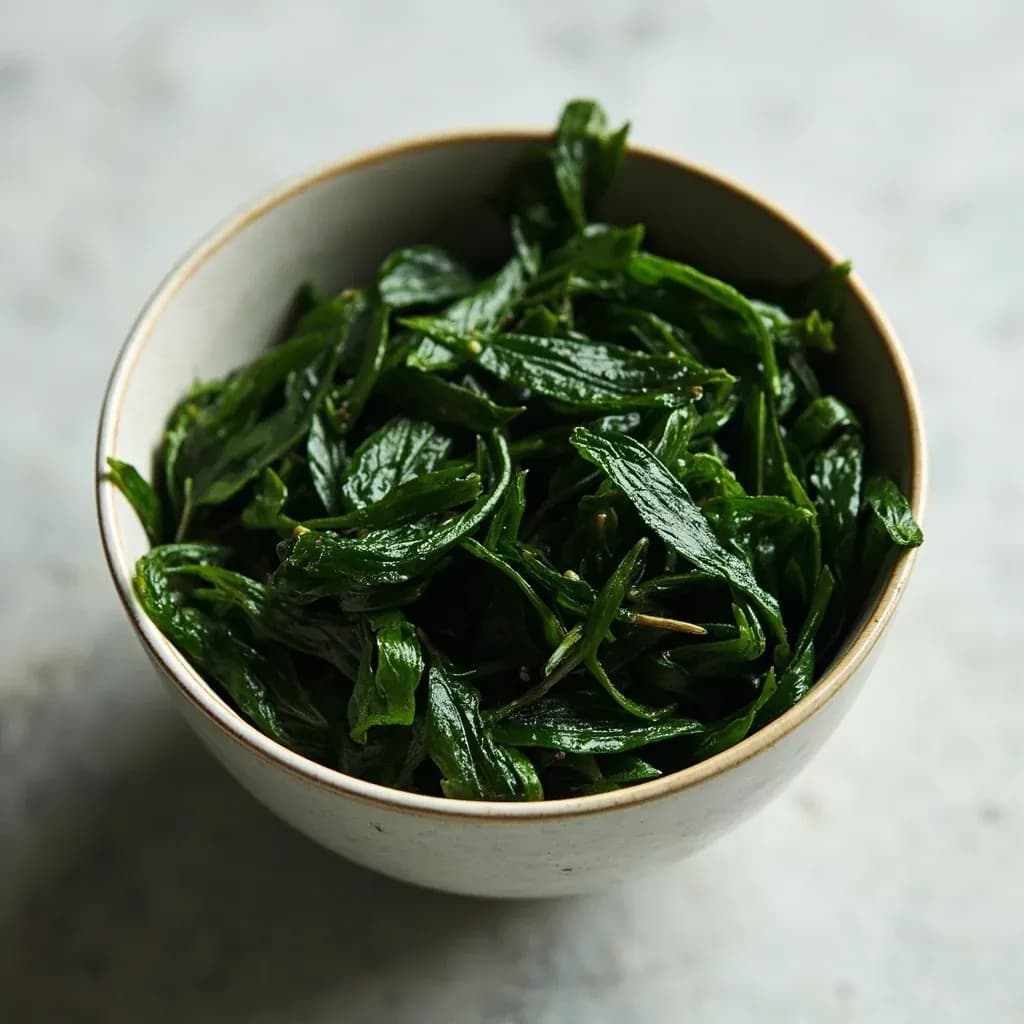
Huckleberry Leaf (Njama Njama)
Bitter African leafy green (njama njama) cooked with oil and tomatoes.
Huckleberry leaves, known as njama njama in Cameroon, come from the African nightshade and are a popular cooked leafy green. They have a mildly bitter flavor that mellows when simmered with palm or vegetable oil, onions, and tomatoes. The leaves are a staple side dish in Central and West African home cooking and are always eaten cooked.
Huckleberry Leaf (Solanum scabrum), known as njama njama throughout Cameroon and ngwo in Nigeria, is a cooked leafy green from the nightshade family—not to be confused with the small American huckleberry berries of the Vaccinium genus. It is the plant's tender leaves and young stems that are harvested and eaten, prepared in much the same way as spinach or kale, though with a distinctly bitter, earthy character that sets it apart. The green holds cultural importance across West and Central Africa, particularly in Cameroon, Nigeria, and Ghana, where it appears regularly in daily home cooking and celebratory meals alike.
The key to working with njama njama lies in understanding its bitterness. When raw, the leaves release a milky, somewhat astringent sap that many find too harsh to eat directly. However, this bitterness is not a flaw—it is the defining flavor note that West and Central African cooks have prized for generations, and it mellows considerably with proper preparation. The traditional two-step process of blanching followed by a final sauté or stew transforms the green into something complex and satisfying, with the bitter edge softened into something more nuanced and the texture becoming tender without becoming mushy.
In the market, seek bright green, supple leaves and avoid any bunches that are yellowing, wilted, or smell musty. Younger leaves cook faster and have a more delicate texture; older, tougher leaves will have more pronounced midribs that benefit from removal. If foraging wild plants, positive botanical identification is essential—many nightshade-family plants resemble one another but vary in edibility.
- Measured in
- g
- Storage
- Fridge
Types & varieties
The most common variety; gathered from wild Solanum scabrum plants. Intensely bitter and requires thorough blanching to tame the astringency.
Grown in home gardens and small farms. Slightly less bitter with more consistent leaf size; still benefits from the same blanch-and-rinse treatment.
Botanically distinct but functionally similar. Used alongside or as a substitute for njama njama in Cameroon; the two are sometimes combined in the same dish.
A different plant entirely, but a common cooked-green companion to njama njama in Nigerian and Cameroonian stews. Milder and less bitter; often used alongside njama njama for textural contrast.
Understanding Bitterness in Njama Njama
The bitterness in njama njama comes from alkaloids and saponins present in the leaves, a natural defense mechanism of the nightshade family. This is not a flaw to eliminate entirely but a flavor to manage and appreciate. The milky sap that exudes when the leaves are torn or crushed is what carries most of this bitterness. Blanching in plain water draws this sap out into the cooking liquid, which is then discarded. A second cold-water rinse after blanching removes any residual bitter compounds clinging to the leaf surface. The result is a green that retains a pleasant, subdued earthiness and faint herbal bitterness without the harsh astringency of the raw leaf. Experienced cooks learn to gauge how many blanch-and-rinse cycles their njama njama needs based on the age of the plant and their own tolerance for bitterness.
- Young, tender leaves need only one blanch cycle; older, more fibrous leaves benefit from two.
Buying and Storing Fresh Njama Njama
Fresh njama njama is highly perishable. Purchase from a market where turnover is fast—you want leaves that were harvested recently. Once home, do not wash the leaves until you are ready to cook them, as excess moisture accelerates spoilage. Wrap loosely in a paper towel and store in an open or loosely closed plastic bag in the refrigerator's crisper drawer. Use within a day or two for best quality. To extend the season, blanch the leaves in batches, squeeze out excess water, and freeze in portioned freezer bags. Frozen njama njama works well in stews and soups where perfectly bright green color is not critical.
- Look for vivid green leaves with no yellowing, brown spots, or wilting.
Njama Njama and Ndole
In Cameroon, njama njama is sometimes confused with the primary green in Ndole, a celebrated Cameroonian dish. True Ndole uses bitter leaf (Vernonia amygdalina) as its primary green, cooked in a rich peanut-based sauce with tomatoes and aromatics. Njama njama may be added to the same pot or used as a substitute when bitter leaf is unavailable, but the reverse substitution—in which bitter leaf is replaced entirely by njama njama in other preparations—is more common. The two greens share an affinity for bold, fatty sauces and smoky protein, making them interchangeable in spirit if not in letter.
- If making Ndole, the traditional recipe calls for bitter leaf as the primary green; njama njama functions as an accent green.
Common uses
Tips & pitfalls
- Always blanch njama njama in plain water for 3–5 minutes before the final cooking—this draws out the bitter milky sap and reduces harshness significantly.
- Do not skip the second rinse after blanching. Run cold water through the leaves and squeeze gently to expel as much bitter liquid as possible.
- Use palm oil or a blend of palm and vegetable oil for the most authentic flavor; it adds color, smoky depth, and complements the earthiness of the green.
- Add njama njama toward the end of long-cooking stews—about the last 10–15 minutes—to preserve its color and prevent it from turning dull gray.
- If the leaves are old and fibrous, strip out the midribs and use only the tender leaf blades for a better texture.
- In the final sauté or stew, do not overcook the greens after blanching; 5–8 minutes in the pan is sufficient to warm through and meld flavors.
- When adjusting bitterness, remember that some bitter character is desirable—njama njama should taste slightly bitter, not like mild spinach.
Nutrition
Nutrition
No USDA FoodData Central match for Huckleberry Leaf (Njama Njama) yet. We surface a per-100 g profile once a generic whole-food entry is matched and verified.
In the shops
Matched grocery products
No matched grocery products for Huckleberry Leaf (Njama Njama) yet.
Good to know
- Origin
- West and Central Africa (Cameroon, Nigeria, Ghana)
- Family
- Solanaceae (nightshade family)
- Plant Part Used
- Leaves and young tender stems
- Flavor
- Distinctly bitter and earthy when raw; mellows significantly when cooked
- Peak Season
- Rainy season (year-round in tropical regions)
- Primary Cooking Method
- Blanched, then stewed or sautéed with tomatoes, onions, and palm oil
- Typical Prep
- Washed, blanched briefly to reduce bitterness, rinsed, then finished in aromatics and fat
- Storage
- Refrigerate in a breathable bag and use within 1–2 days; blanch and freeze for up to 3 months
Substitutes
- Bitter Leaf (Vernonia amygdalina) — The closest substitute; more intensely bitter. Use a smaller quantity and reduce blanching time slightly.
- Collard Greens — Not traditional but widely available. Blanch twice to approximate the texture and mellow the flavor toward something comparable.
- Dandelion Greens — A fair substitute in terms of bitterness and earthiness. Cook using the same blanch-and-rinse method.
- Swiss Chard — Mild as a substitute; add a small squeeze of lemon or a pinch of vinegar to mimic the slight bitterness njama njama brings.
Pairs with
Also called
Njama Njama · African Nightshade · Black Nightshade Leaf
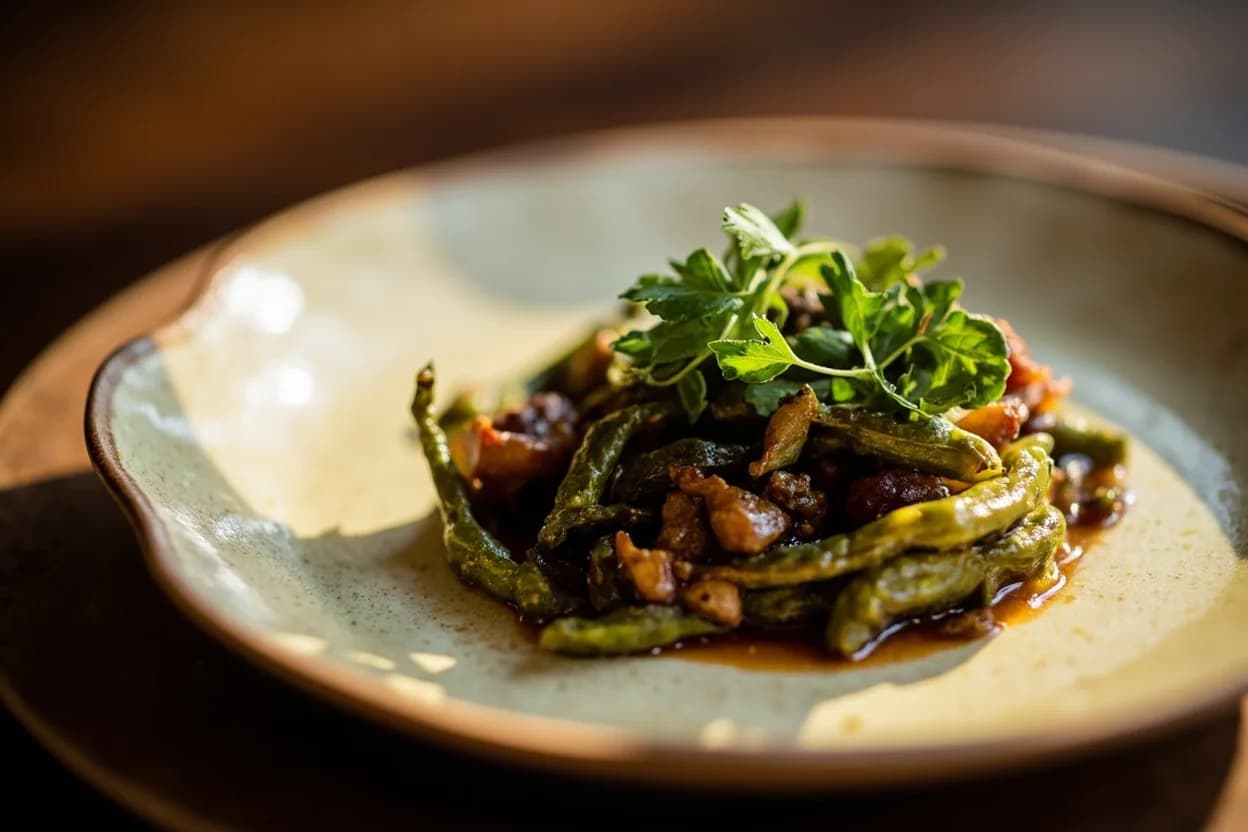
Appears in these dishes
Related
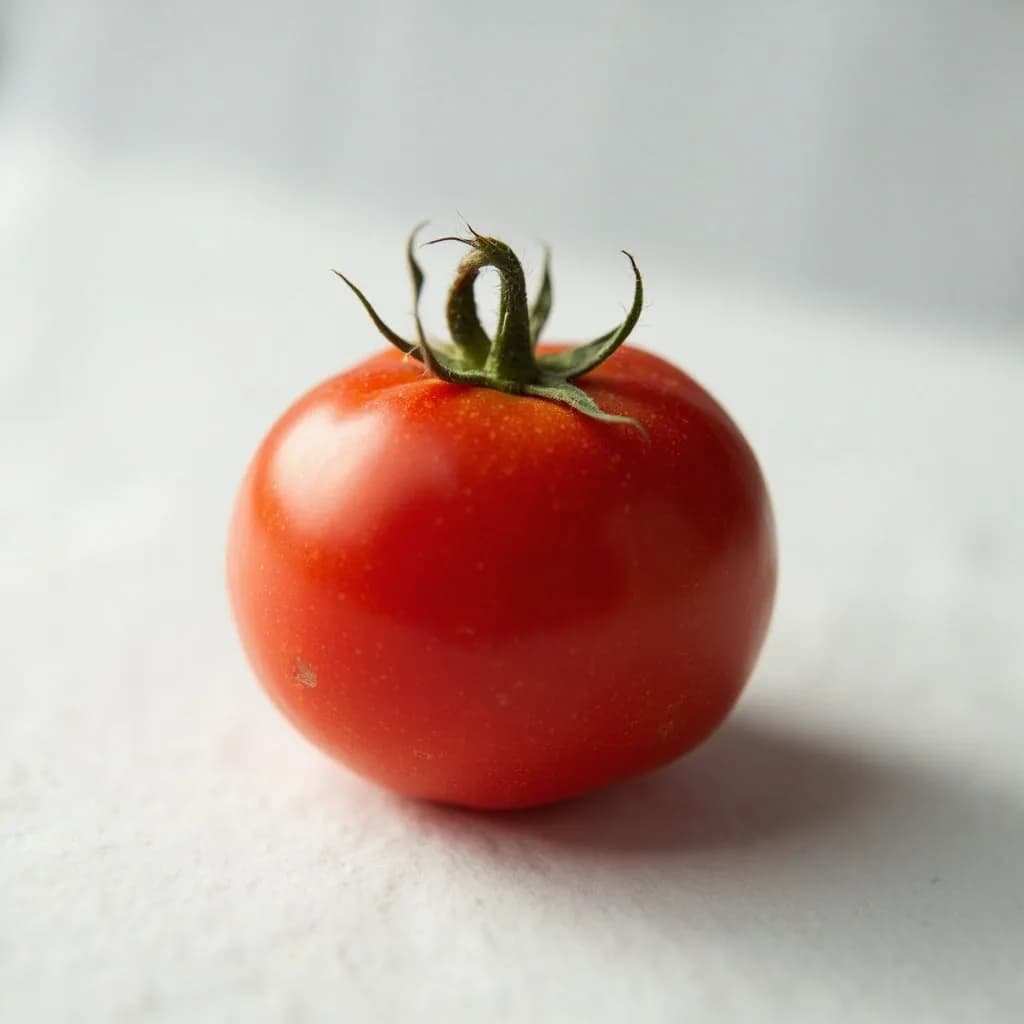
Tomato
Juicy, sun-sweet fruit for sauces, salads, and slow-cooked depth
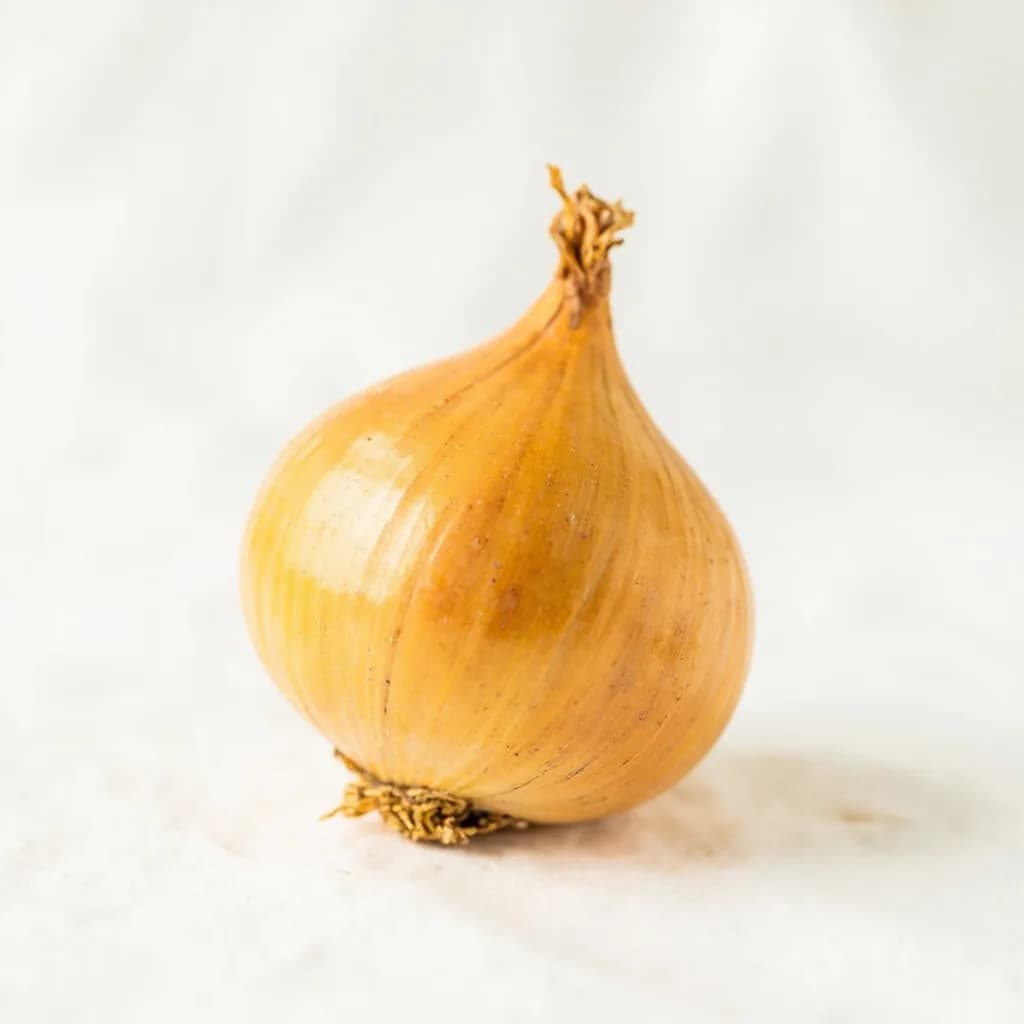
Yellow Onion
The aromatic backbone of soups, sofritos, and braises
Garlic
Pungent cloves that perfume nearly every savory dish
Lemon
Bright, acidic citrus that wakes up almost any dish
Potato
Humble, hearty staple — roast, mash, fry, or boil
Carrot
Sweet, crunchy root — raw, roasted, or the base of a sofrito
Cucumber
Cool, crisp, and watery — for salads, pickles, and tzatziki

Lettuce
Crisp leaves for salads, wraps, and a fresh crunch