Proteins
Hungarian Sausage (Kolbász)
Paprika-spiced smoked Hungarian pork sausage, often hot and garlicky.
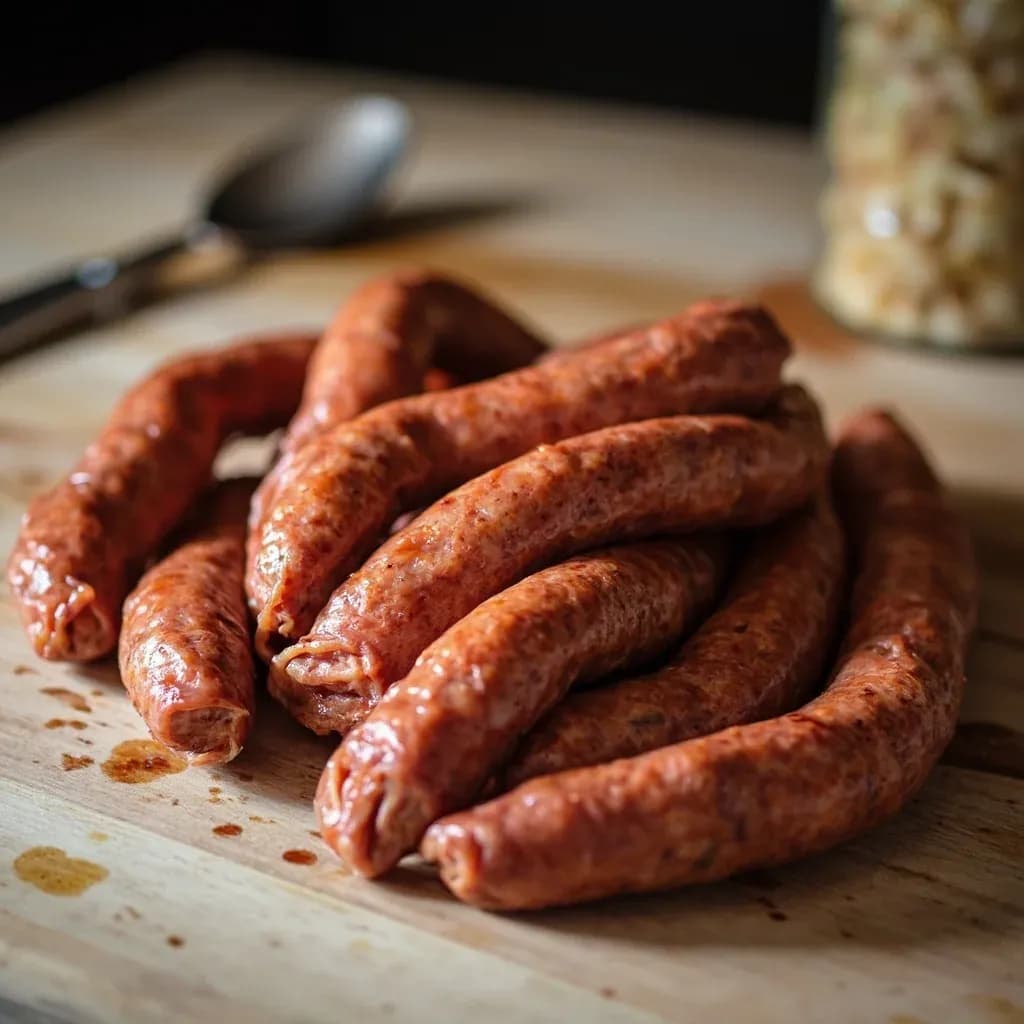
Kolbász is a smoked Hungarian pork sausage generously seasoned with paprika, garlic, and often caraway, ranging from mild to fiery. It is grilled, fried, or simmered into stews and bean dishes, with the famous Debreceni variety being a paired, spicy version. The paprika gives it a deep red color and characteristically warm, smoky flavor.
Hungarian kolbász is a smoked, cured pork sausage seasoned with generous amounts of Hungarian paprika and garlic, representing one of Hungary's most significant culinary exports. The sausage traces documented production to at least the 16th century, though it almost certainly predates written records in the peasant traditions of the Great Hungarian Plain. What distinguishes authentic kolbász from other smoked sausages is the vivid red-orange color imparted by the paprika—not merely added for flavor but for the characteristic hue that signals proper preparation—and the beechwood smoking process that develops the deep, earthy smokiness integral to its character. The sausage is typically made with pork shoulder and belly in a 65:35 lean-to-fat ratio, ground medium-coarse and stuffed into natural pork casings. The result is a sausage that is fully cooked through the curing and smoking process; it requires only reheating to serving temperature, though many preparations—grilling, pan-frying—develop the browned, slightly crispy exterior that adds textural contrast. Kolbász performs differently than fresh sausages: because it is already cooked, the goal is gentle warming and browning, never prolonged cooking that breaks down the fat and turns the interior mushy. The fat content, typically 25–35%, renders readily when heated and carries the paprika and smoke flavors, so managing heat is essential to preserve both texture and flavor.
- Measured in
- g
- Storage
- Fridge
Types & varieties
Named for Békéscsaba; Hungary's most famous and widely exported variety. Heavily smoked over beechwood with pork shoulder and fatback, seasoned with Hungarian II. grade paprika for deep color and robust flavor.
Named for Gyula; holds protected geographical indication (PGI). Made with leaner pork, garlic, black pepper, and caraway. Lightly smoked and drier than Csabai, with a firmer texture.
Named for Debrecen, Hungary's 'Calvinist Rome.' Spicier than Csabai with higher paprika content and more pronounced heat; often contains more fat.
Spicy variety using hot Hungarian paprika as the primary seasoning; delivers noticeable heat alongside smoke and garlic.
General term for smoked Hungarian sausage; flavor profile varies by producer from mild to hot. The default kolbász in most markets.
Bavarian-style; milder and less paprika-forward than traditional Hungarian varieties. Spice profile closer to German sausage traditions.
On Paprika and Quality
The paprika grade matters profoundly in kolbász. Producers of authentic Csabai and Gyulai use specific Hungarian paprika grades for sweet varieties and ERŐS (hot) paprika for spicy versions. These grades refer to the color intensity and pungency level—higher grades mean more color per volume, so the sausage achieves its characteristic deep red-orange without excessive paprika dominating the balance. In North American markets, products labeled 'Hungarian sausage' vary widely in quality. Seek brands listing pork as the first ingredient and specifying Hungarian paprika rather than generic 'paprika' or 'spices.' Avoid products with excessive fillers, binders, or mechanically separated meat in the ingredient list. The difference between a quality kolbász and a poor substitute is immediately apparent in the color vibrancy, the texture of the casing, and the depth of the paprika-smoke balance.
- Natural pork casings should snap when bent; plastic or collagen casings indicate industrial production
- Deep, even red-orange color throughout the cross-section signals proper paprika grade
- Soft, mushy texture indicates excessive filler or poor lean-to-fat balance
Cooking vs. Cold Service
Kolbász is cured and smoked, which means it is technically ready to eat. The distinction between fresh Hungarian sausage (friss kolbász) and smoked kolbász is critical: fresh versions must be cooked thoroughly to safe internal temperature, while smoked kolbász requires only warming through. However, most preparations involve some cooking to develop the caramelized exterior and render the fat that carries flavor. When adding to soups and stews, the timing differs sharply from fresh sausage: smoked kolbász goes in during the last 15–20 minutes of cooking. Extended simmering causes the casing to soften excessively, the fat to render completely into the broth, and the sausage to lose its structural integrity, turning it into a flavoring agent rather than a distinct element in the dish. For cold-service applications—charcuterie boards, sliced with bread—the casing should be taut and the interior glossy from rendered fat.
- Prick the casing with a fork in 2–3 places before any dry-heat cooking to prevent splitting
- Medium heat only: kolbász is already cooked, you are warming and browning, not cooking through
- For soups: slice into rounds and add 15–20 minutes before serving; do not simmer for hours
Common uses
Tips & pitfalls
- Bring to room temperature for 20–30 minutes before cooking to ensure even heating throughout the sausage.
- Prick the casing with a fork in 2–3 places before frying or grilling to prevent the casing from splitting under pressure.
- Cook over medium heat, never high heat. Kolbász is already cooked and cured; you only need to warm it through and brown the exterior. High heat causes the fat to render too quickly and the casing to burst.
- For grilling: place on the medium-low side of the grill and turn frequently, 8–12 minutes total. A split casing is a sign of excessive heat.
- In soups and stews, add the sausage in the last 15–20 minutes of cooking. Extended simmering breaks it down into mush.
- When slicing for cold service, use a slightly serrated knife or a sharp deli slicer to avoid crushing the casing.
- Quality matters: authentic Hungarian kolbász is made with real pork, natural casing, and smoked. Check the ingredient list—avoid brands with excessive fillers, binders, or mechanically separated meat.
- Do not confuse fresh kolbász (friss kolbász) with smoked kolbász—fresh must be cooked thoroughly; smoked requires only reheating.
Nutrition
Energy
649 kJ · per 100 g
Where the calories come from
Protein
18.8g
38% DV
Carbs
0.5g
0% DV
Fat
8.1g
10% DV
Fiber
0g
0% DV
Sugars
0g
of which
Sodium
593mg
26% DV
Source · USDA FoodData Central · approx. Sausage, turkey, fresh, raw
View on FDC →In the shops
Matched grocery products
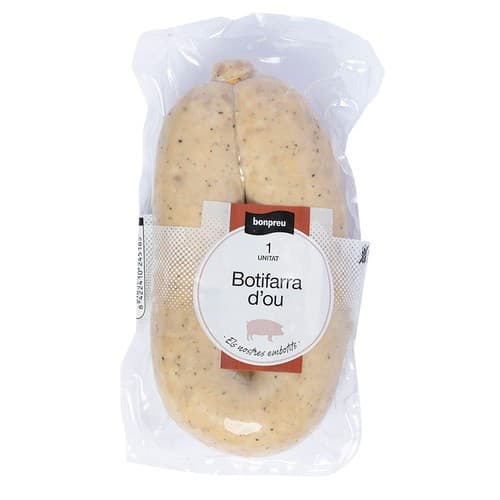 €3.79
€3.79Egg Sausage
BONPREU · kg · Bonpreu
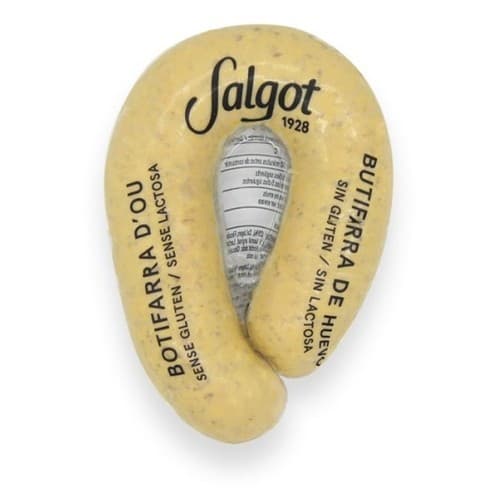 €4.99
€4.99Egg Sausage
SALGOT · kg · Bonpreu
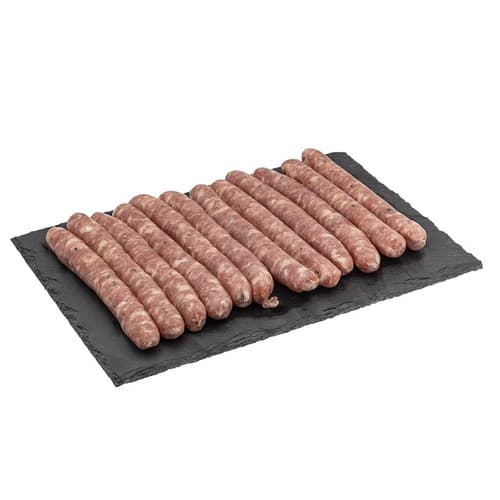 €5.99
€5.99Pork Sausage
BONPREU DE L'ERA · kg · Bonpreu
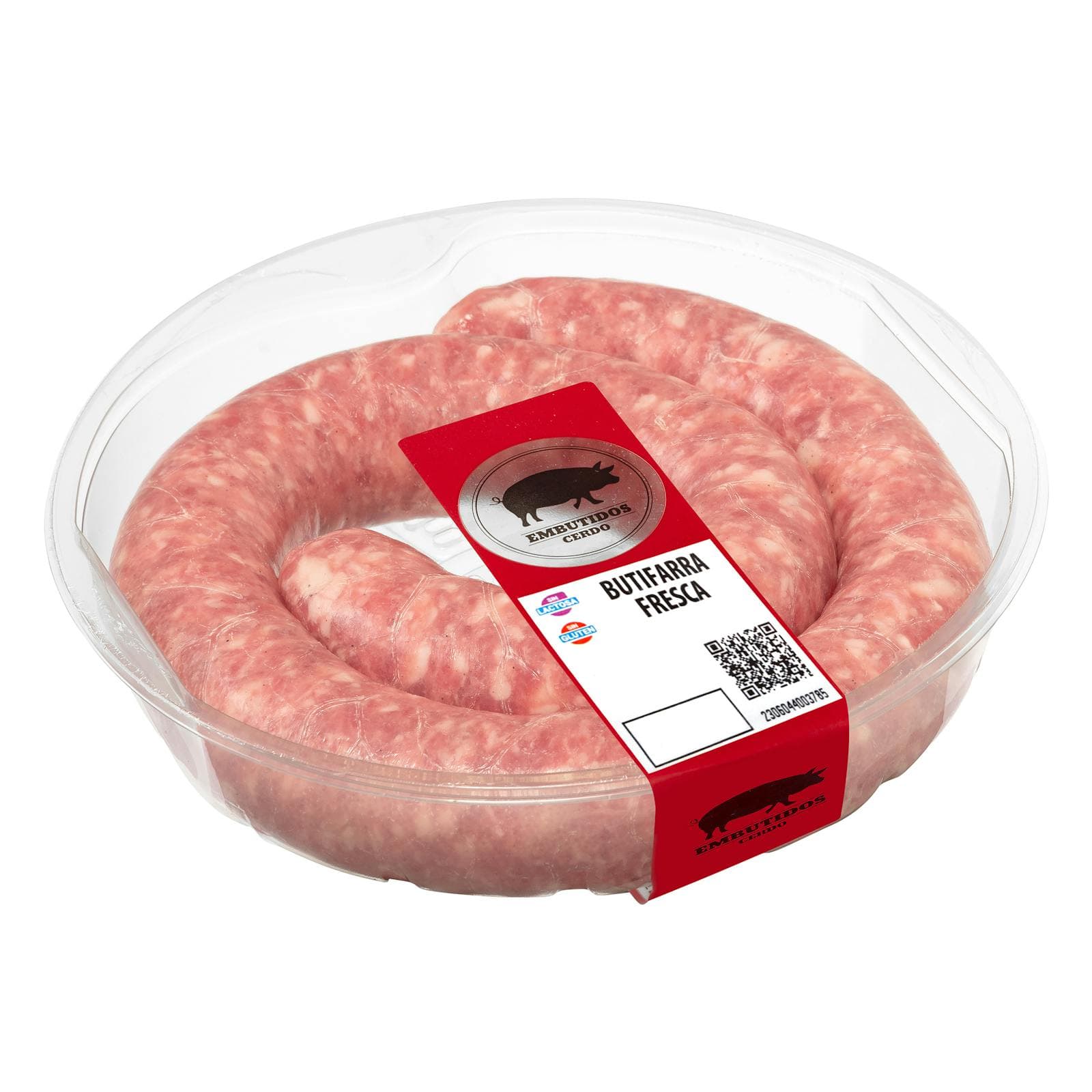 €3.62
€3.62Fresh Sausage
640 g · Mercadona
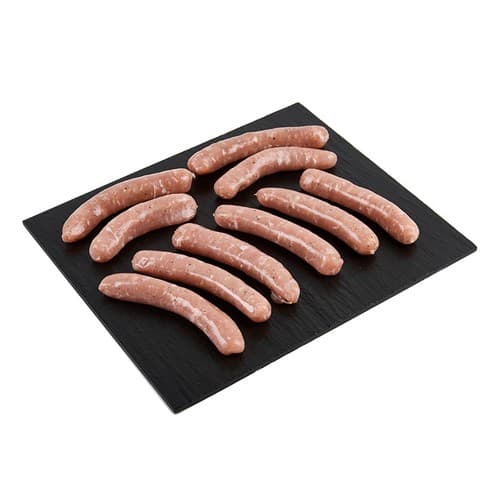 €6.75
€6.75Rabbit Sausage
BONPREU · kg · Bonpreu
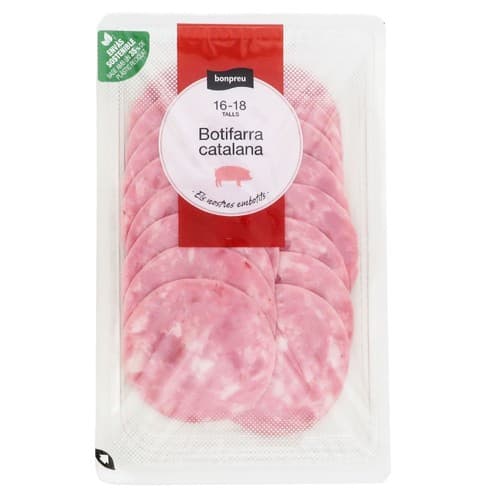 €1.89
€1.89Catalan Sausage
BONPREU · kg · Bonpreu
Good to know
- Origin
- Hungary, with documented production dating to at least the 16th century
- Primary meat
- Pork (typically shoulder and belly, with a fat content of 25–35%)
- Key seasonings
- Hungarian sweet or hot paprika, garlic, black pepper, salt; some varieties include caraway and marjoram
- Processing
- Ground pork stuffed into natural casings, smoked over beechwood, then cured
- Appearance
- Deep red-orange from paprika; medium links, 20–30 cm long, 25–35 mm diameter
- Flavor profile
- Smoky, garlicky, paprika-forward; sweet varieties are mild; hot varieties deliver significant heat
- Form
- Ready-to-eat (cured and smoked); requires only reheating unless producer specifies otherwise
- Storage (unopened)
- Refrigerated 2–4°C for up to 6 weeks; check use-by date
- Storage (opened)
- Refrigerated in airtight wrap 1–2 weeks; freeze up to 3 months
Substitutes
- Polish kielbasa — Smoked pork sausage; milder paprika presence but similar texture and smoke profile. Widely available in US supermarkets.
- Spanish chorizo (cured, not fresh) — Cured Spanish pork sausage spiced with smoked paprika. Similar color and smokiness but typically harder texture and more pronounced cured flavor.
- Italian soppressata — Dry-cured pork salami; similar garlicky, peppery profile but no smoke and much drier, harder texture. Best as cold-cut substitute.
- German fleischwurst / bockwurst — Smoked pork sausage; milder seasoning profile, acceptable textural substitute for cooked applications.
Pairs with
Also called
Debrecen Sausage · Debreceni Kolbász · Kolbász
Appears in these dishes
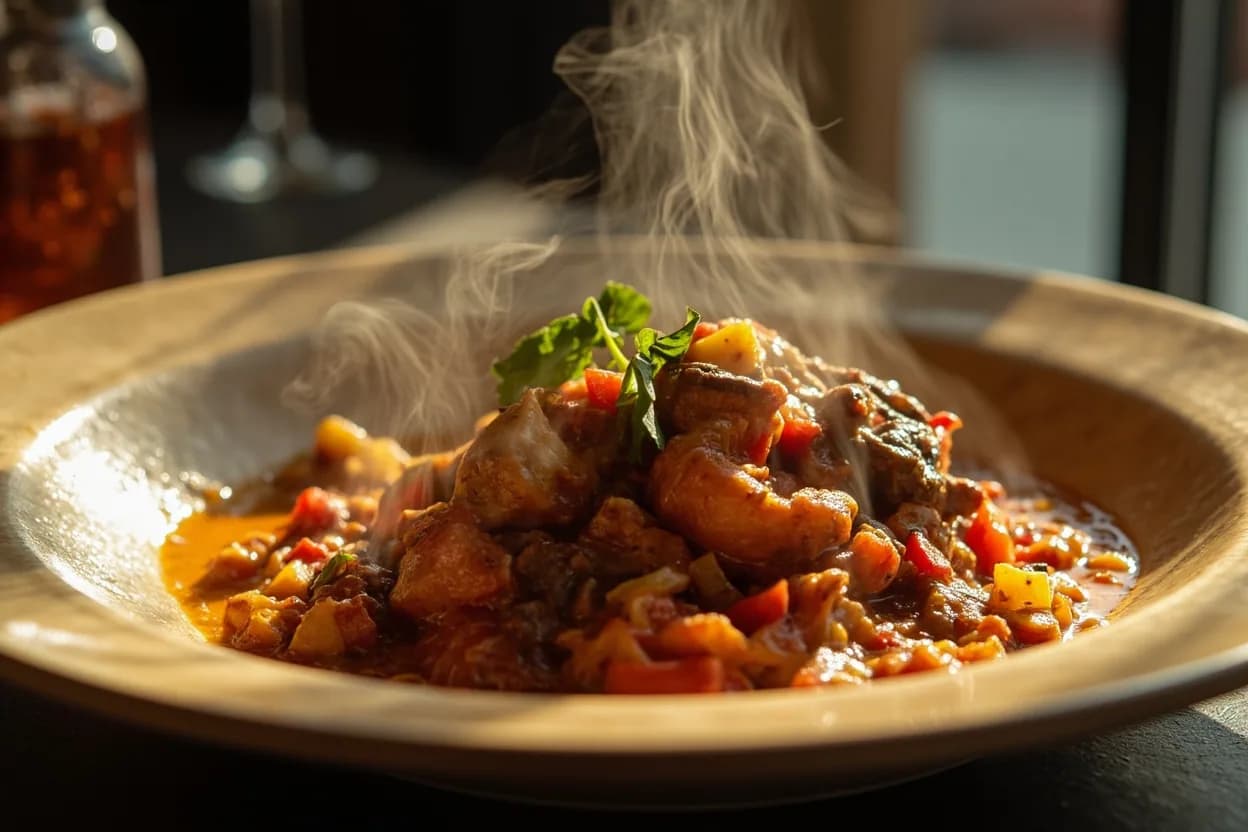
Related

Egg
The kitchen's everything ingredient — bind, leaven, enrich, or fry

Chicken Breast
Lean, quick-cooking white meat for everyday dinners

Ground Beef
Versatile minced beef for burgers, ragù, tacos, and meatballs

Pork Loin
Lean, tender roasting cut that stays juicy with care

Salmon
Rich, rosy fish that roasts, grills, or cures beautifully

Egg White
Pure protein that whips to airy peaks for meringue and more

Egg Yolk
Rich, golden yolk for custards, mayonnaise, and pasta

Quail Egg
Tiny, speckled eggs for garnishing and elegant bites