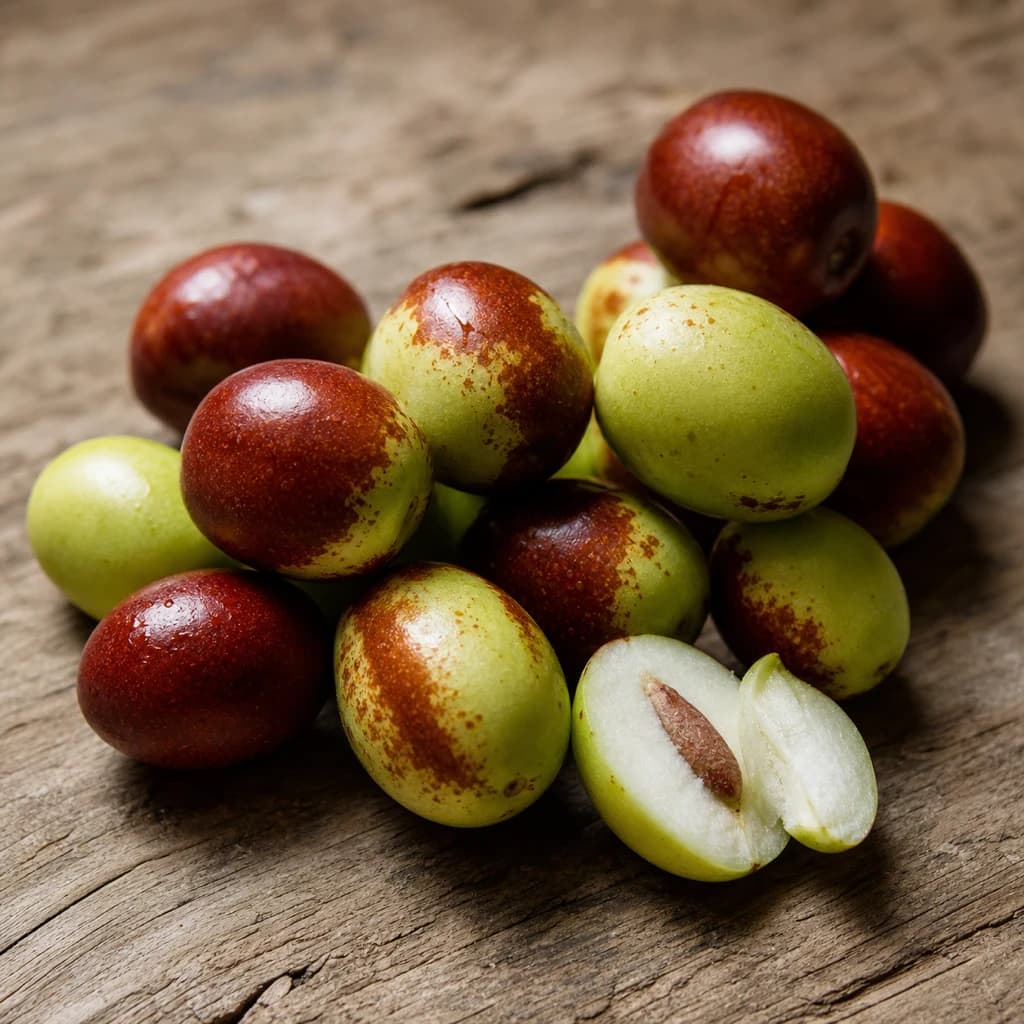
Natural form
Fresh jujubes are small, round to oval fruits with smooth green-to-red skin.
Shows the reader the fruit's natural appearance, color range, and scale before any preparation.
Produce
Jujube
Sweet date-like fruit eaten fresh and crisp or dried and chewy.
Jujube is a small round fruit that is crisp and apple-like when fresh and turns chewy, sweet and date-like when dried. It is used across China, the Middle East and South Asia as a snack, in soups, teas, tonics and rice dishes. The dried red form is especially common in Chinese cooking and herbal preparations.
Jujube (Ziziphus jujuba), often called Chinese date or red date, is a small stone fruit with a history stretching back over 4,000 years of cultivation in China. The fresh fruit ripens from green through yellow to a mahogany red, offering a crisp, apple-like bite with floral sweetness and gentle tartness—think of it as a more complex, honeyed apple. When dried, the fruit transforms into a wrinkled, chewy delight with intensely concentrated sweetness, caramel-honey depth, and subtle spice undertones that evoke真正的红枣 (zhēn zhèng de hóng zǎo) in Chinese cooking. Its dual personality—refreshingly crisp when fresh, deeply rich when dried—makes it a versatile ingredient across sweet and savory applications, from restorative soups to simple afternoon teas. Fresh jujubes are highly perishable and rarely travel well, which is why most home cooks outside growing regions encounter them exclusively in dried form. The dried jujubes sold in Asian markets—typically the deep reddish-brown to near-black varieties—bear no resemblance to the brightly colored gelatin candies also called "jujubes" in Western confectionery; the latter are sugar-based confections entirely unrelated to this fruit.
- Measured in
- g
- Storage
- Pantry
Types & varieties
Large, round, bright red; prized for exceptional sweetness and crisp, apple-like texture when fresh; most common commercial variety in the US
Medium-sized, oval with tapered ends; slightly drier and more wrinkled when dried; excellent for long-term storage; popular in traditional Chinese medicine
Distinctive curved, pointed shape; sweet with a slightly nutty flavor; primarily grown in California; good fresh or dried
Small to medium; exceptionally sweet with honeyed, caramel notes; popular for snacking fresh; compact growth habit
Premium variety from Shanxi Province, China; large, round, intensely sweet; historically reserved for imperial use; excellent fresh and dried
Harvested late season, larger and slower to ripen; prized for storing through winter; complex, very sweet flavor
Dried jujube variety that darkens significantly during drying; intensely flavored; common in Korean and Chinese cooking
Dried jujube in classic reddish-brown color; standard variety for medicinal and culinary use in Chinese cuisine
Fresh vs. Dried: Understanding the Difference
The distinction between fresh and dried jujubes is not merely cosmetic—it fundamentally changes how the fruit behaves in cooking. Fresh jujubes have high water content and a crisp texture similar to a firm apple; they are eaten within days of harvest and rarely exported beyond growing regions. Dried jujubes, by contrast, have had their moisture removed through sun-drying or dehydration, concentrating sugars dramatically and creating that characteristic leathery, wrinkled appearance. In Chinese cooking philosophy, fresh and dried jujubes are often considered different ingredients with different functions: fresh jujubes (qing zao) appear in some seasonal dishes and preserves, while dried jujubes (hong zao) are the workhorse of congees, braises, and herbal preparations. Recipes that call for one form are generally not interchangeable with the other without adjustment.
- Fresh jujubes are crisp and refreshing; dried jujubes are chewy and intensely sweet
- Dried jujubes are the standard form in most international markets
- Fresh jujubes deteriorate within 2–3 weeks even refrigerated; dried jujubes keep for months to a year
- The flavor concentration differs significantly: dried jujubes taste noticeably sweeter and more complex than fresh
Prepping Jujubes for the Kitchen
Proper preparation unlocks the jujube's potential and prevents unwelcome surprises at the table. Fresh jujubes require only a thorough rinse and rub to remove any residual fuzz from the skin—they can be eaten whole, halved, or sliced depending on the application. Always remove the hard central pit before cooking; cut the fruit in half lengthwise and extract it with your fingers or the tip of a small knife. Dried jujubes are more forgiving: for snacking, a brief soak in warm water for 20–30 minutes plumps them to a comfortable chewiness. When adding dried jujubes to long-cooking dishes like congee or braises, simply rinse and add them directly—the extended cooking time rehydrates them naturally while their sweetness melds into the dish.
- Wash fresh jujubes under cool running water, rubbing gently to clean the skin
- Halve fresh jujubes lengthwise to pit them; the stone is hard and should not be bitten into
- For dried jujubes in long-simmering dishes, add them early so they rehydrate during cooking
- Snick or soak dried jujubes for 20–30 minutes in warm water when you want them softer for snacking or stuffing
Common uses
Tips & pitfalls
- Select fresh jujubes that are firm and unblemished with no soft spots or cracks—slight wrinkles on fresh jujubes indicate age and reduced crispness
- Refrigerate fresh jujubes immediately after purchase; they deteriorate rapidly at room temperature and can turn mealy within days
- Always pit fresh jujubes before eating or cooking—cut in half lengthwise and extract the hard stone cleanly to avoid dental damage
- For dried jujubes that are too hard to eat comfortably, soak in warm water for 20–30 minutes until plump and pliable, then drain before using
- When cooking dried jujubes in long-simmering dishes, add them early so they rehydrate and their sweetness melds into the broth
- Do not over-sweeten dishes with dried jujubes—they have concentrated sugar content and can make a dish cloying; a little goes a long way
- Avoid adding jujubes to highly acidic dishes like heavy tomato-based sauces or ceviche—the sweetness clashes and the texture becomes unpleasant
- Common mistake: using fresh jujubes when a recipe specifically calls for dried, or vice versa—the flavor concentration and texture differ significantly
Nutrition
Energy
331 kJ · per 100 g
Where the calories come from
Protein
1.2g
2% DV
Carbs
20.2g
7% DV
Fat
0.2g
0% DV
Sodium
3mg
0% DV
Source · USDA FoodData Central · Jujube, raw
View on FDC →In the shops
Matched grocery products
No matched grocery products for Jujube yet.
Good to know
- Origin
- Native to China; cultivated over 4,000 years, now grown worldwide in warm temperate regions including the Middle East, Japan, Korea, Australia, and the US (California, Texas, Florida)
- Season
- Fresh fruit harvested September–November; dried jujubes available year-round
- Fresh flavor
- Sweet, slightly tart, with apple-like crispness and floral notes
- Dried flavor
- Intensely sweet, caramel-honey, date-like with subtle spice undertones
- Fresh texture
- Crisp and firm, similar to an apple's bite; single hard pit in center
- Dried texture
- Chewy and dense with pliable interior; skin becomes wrinkled
- Storage (fresh)
- Refrigerate in perforated bag for 2–3 weeks; do not freeze
- Storage (dried)
- Airtight container in cool, dark pantry up to 12 months; refrigerate for extended freshness
Substitutes
- Medjool Dates — Best all-purpose substitute for dried jujubes; similar chewy texture, concentrated sweetness, and caramel notes; reduce quantity by 20–25% as dates are sweeter
- Fresh Dates — Use when fresh jujubes are unavailable; texture is softer and sweeter than fresh jujubes; not a direct match for crisp jujube applications
- Dried Apricots — Acceptable substitute in cooked dishes where jujube's sweetness is desired; texture differs (more leathery than chewy) and flavor is less honeyed
- Golden Raisins — Add in similar quantity for sweetness in cooked applications; lacks jujube's distinctive honeyed depth but works in a pinch
Pairs with
Also called
红枣 · Dried Jujube · Masau · Wild Jujube · Chinese Date
Appears in these dishes
Related
Tomato
Juicy, sun-sweet fruit for sauces, salads, and slow-cooked depth
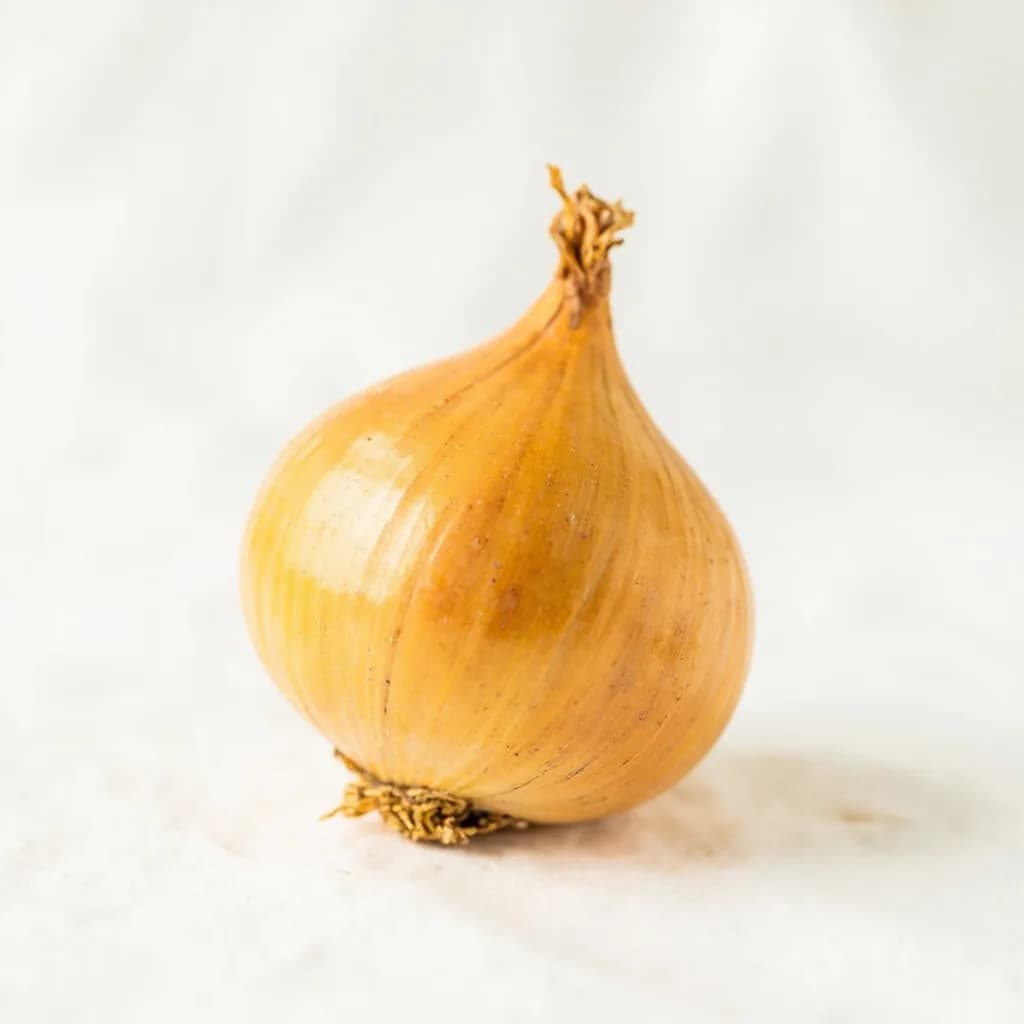
Yellow Onion
The aromatic backbone of soups, sofritos, and braises
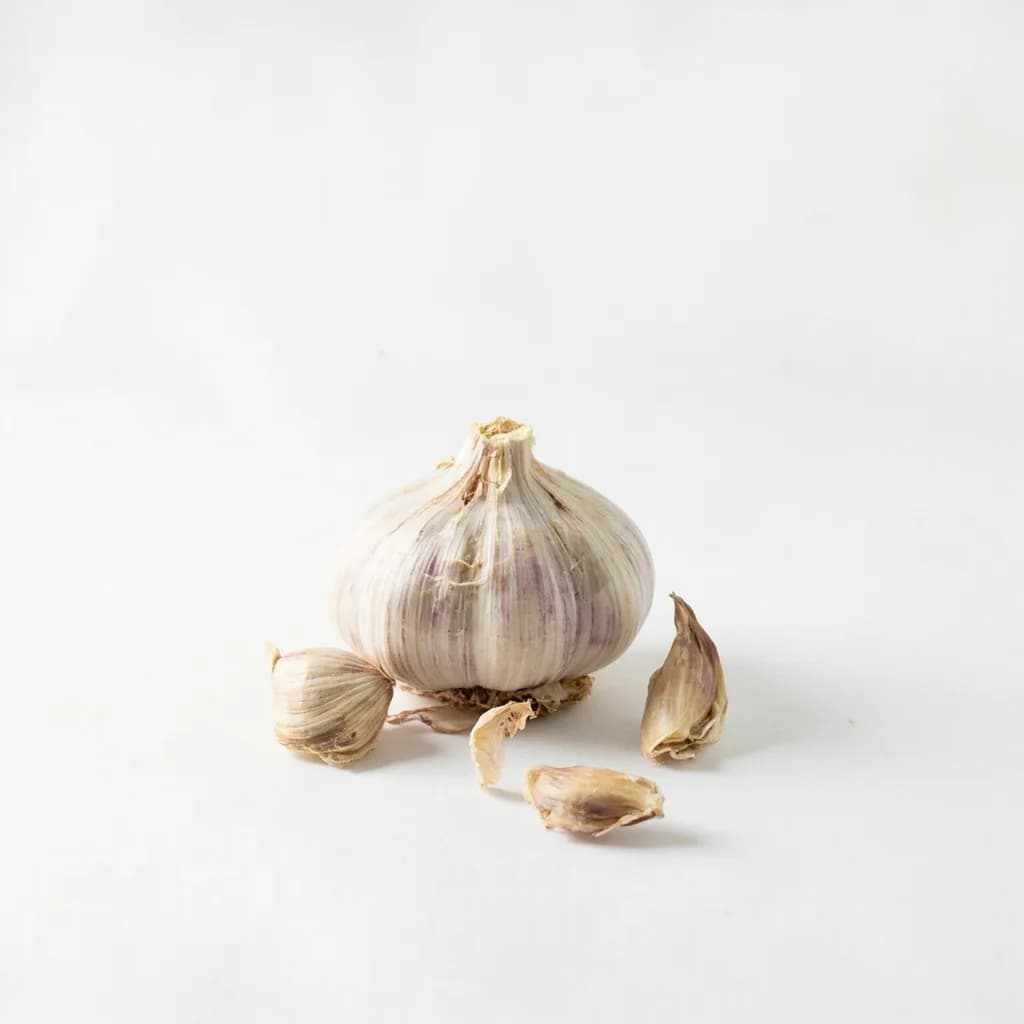
Garlic
Pungent cloves that perfume nearly every savory dish
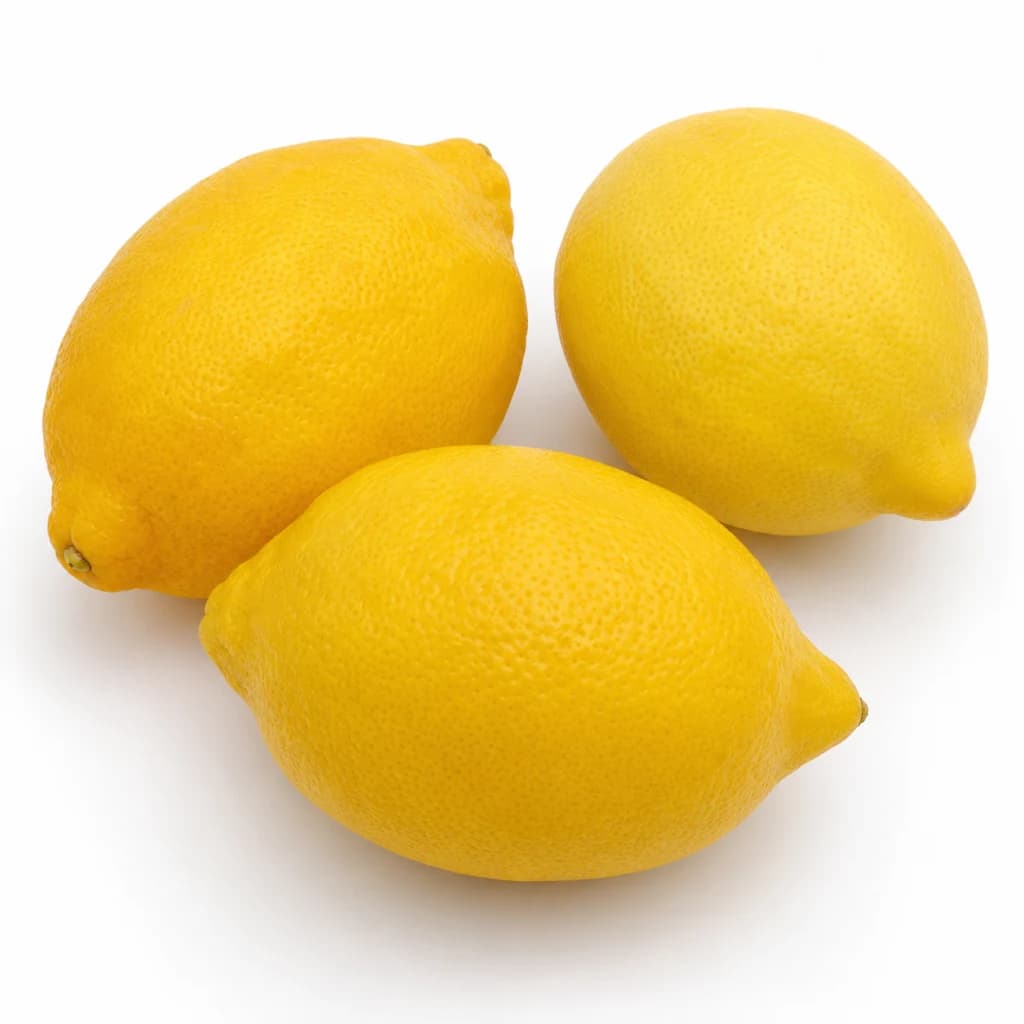
Lemon
Bright, acidic citrus that wakes up almost any dish
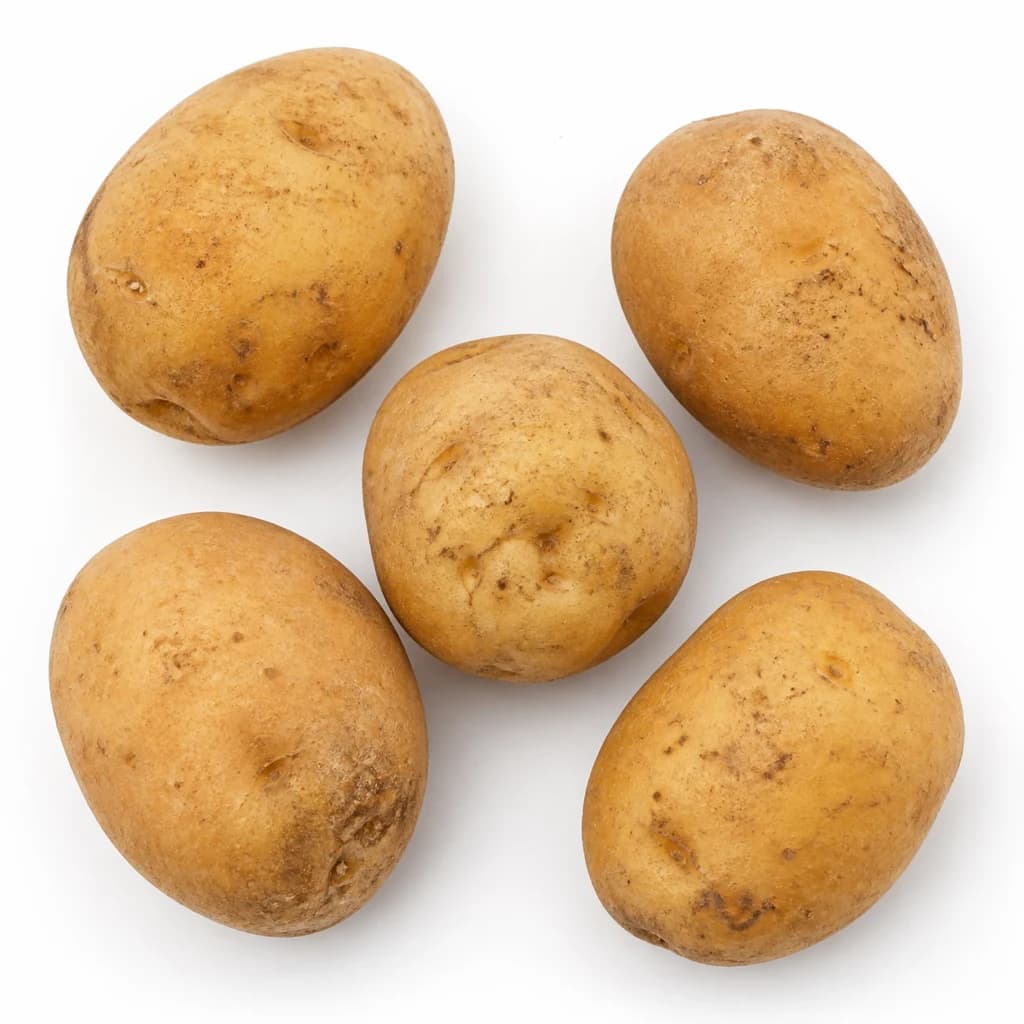
Potato
Humble, hearty staple — roast, mash, fry, or boil
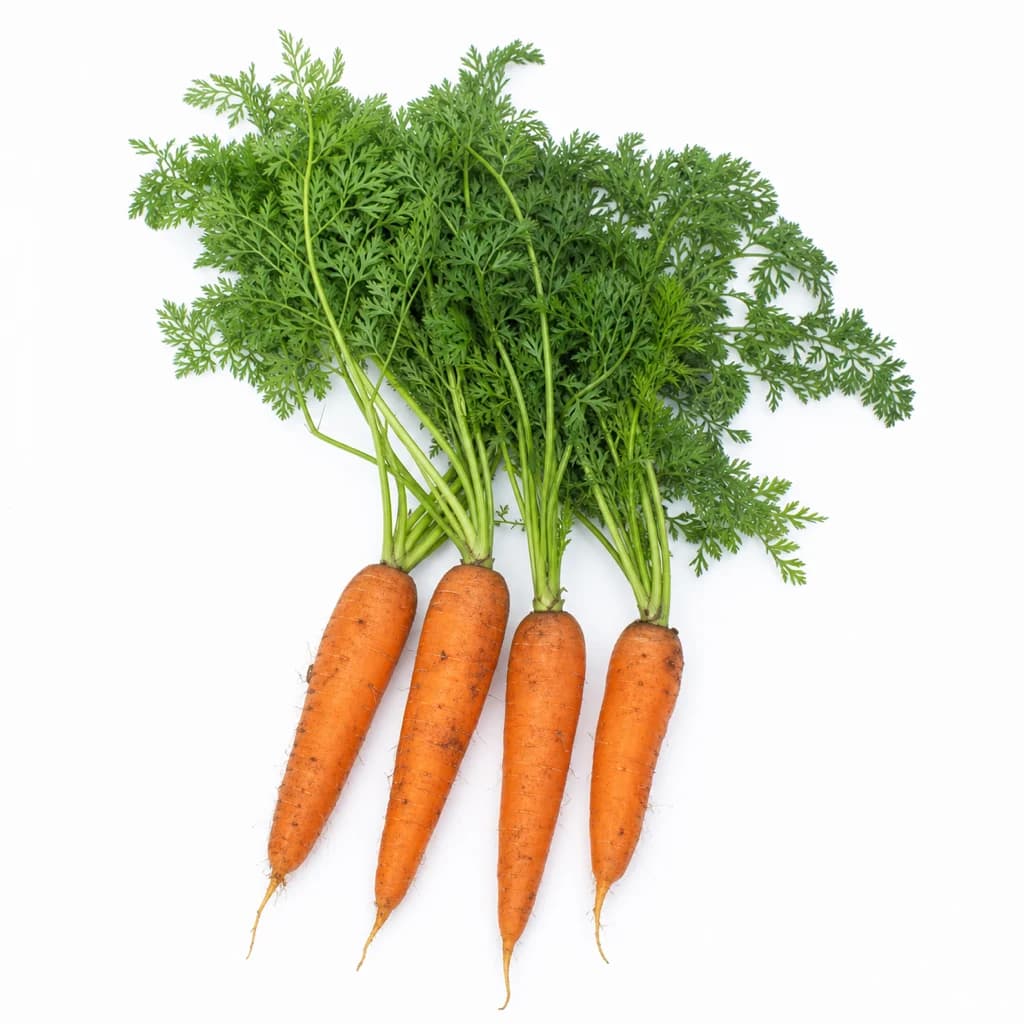
Carrot
Sweet, crunchy root — raw, roasted, or the base of a sofrito
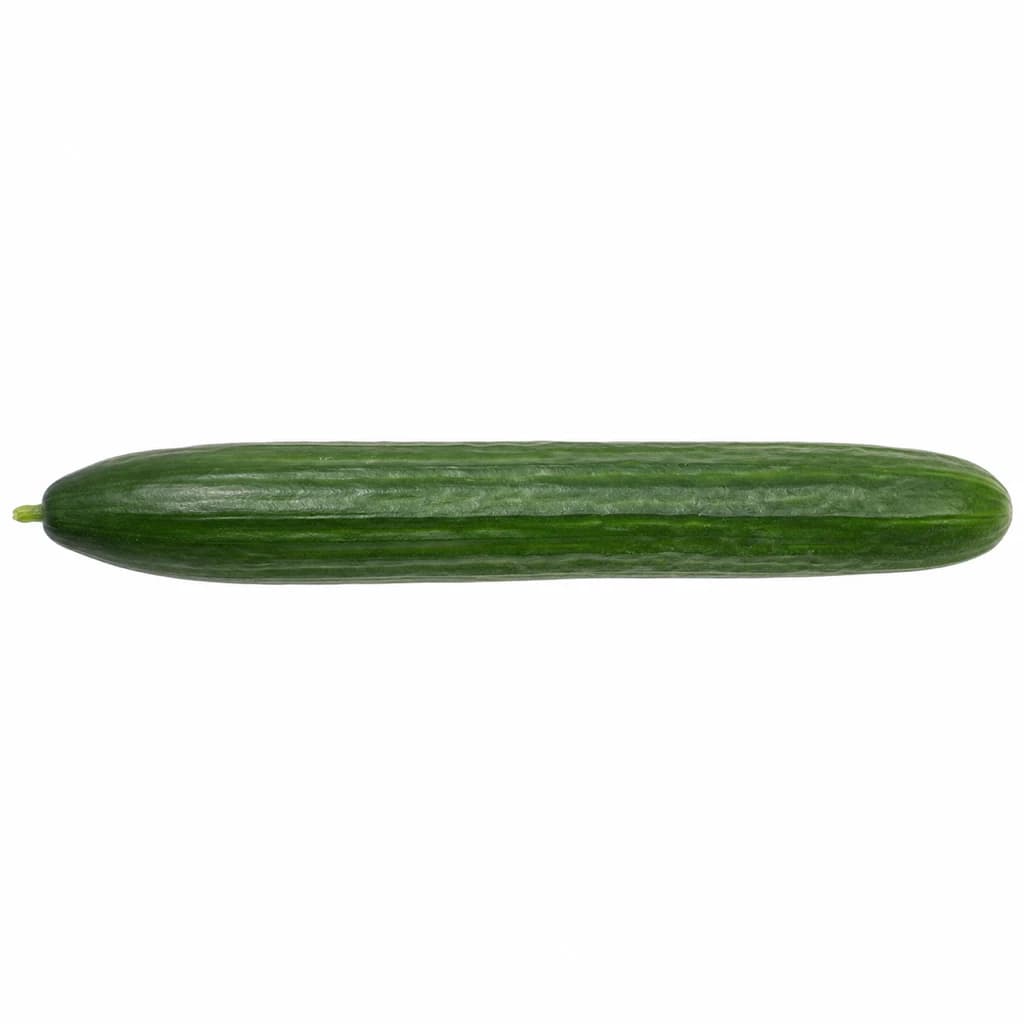
Cucumber
Cool, crisp, and watery — for salads, pickles, and tzatziki

Lettuce
Crisp leaves for salads, wraps, and a fresh crunch