Grains & Rice
Kama (Roasted Grain Flour)
Estonian toasted multigrain flour blend stirred into buttermilk or milk as a meal.
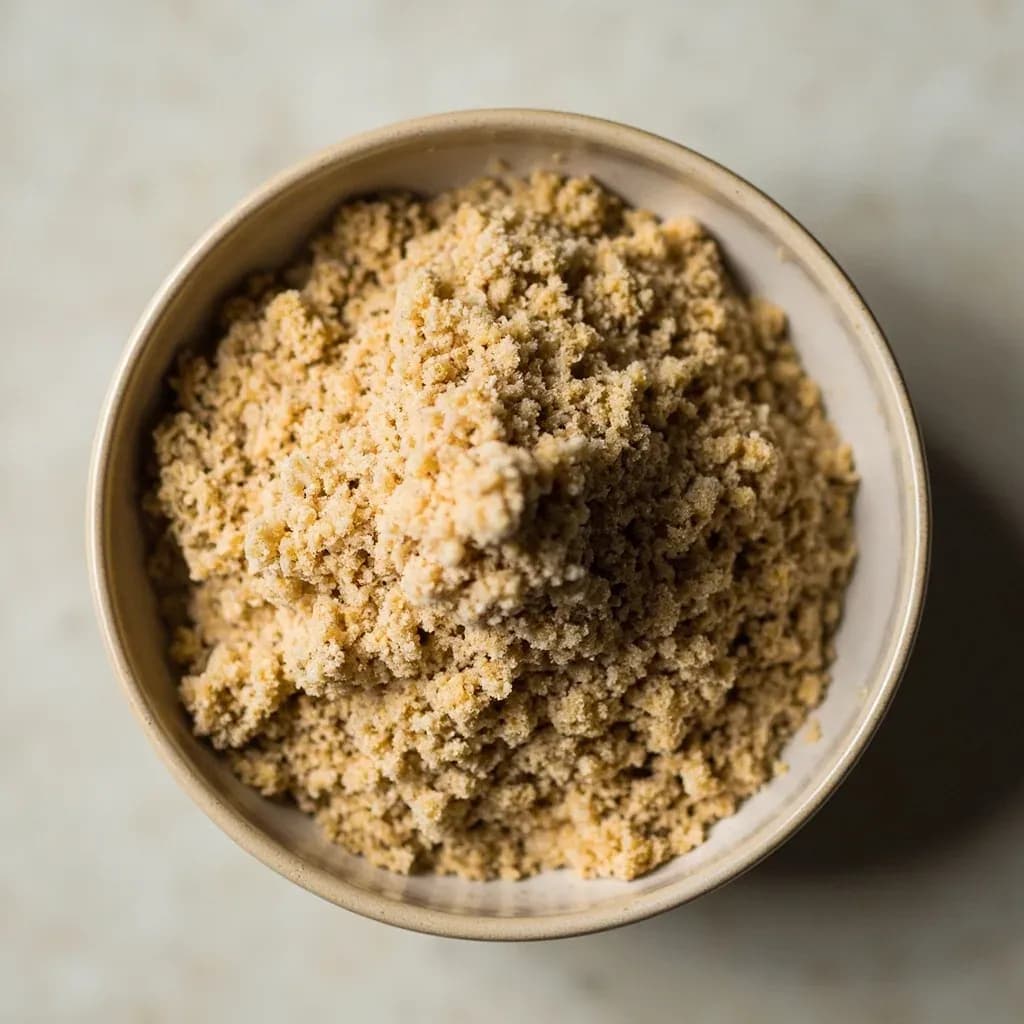
Kama is a traditional Estonian (and Finnish talkkuna) flour made from a roasted mix of grains such as barley, rye, oats, and peas, finely milled. The toasting gives it a deep, nutty, slightly smoky flavor, and it is eaten raw, stirred into buttermilk, kefir, or milk, often sweetened. It is also used in desserts and baking.
Kama is an Estonian staple made from whole grains—typically rye, wheat, barley, and sometimes buckwheat—that are roasted before milling. This sequence is the defining difference between kama and other grain flours: the grains go into the roaster first, then the grinder. Roasting caramelizes the grains' natural sugars, yielding the characteristic medium-to-dark brown color and the toasted, nutty, faintly sweet flavor with caramel undertones that sets kama apart from raw grain flours. The texture is fine but slightly gritty, a quality it retains even when hydrated.
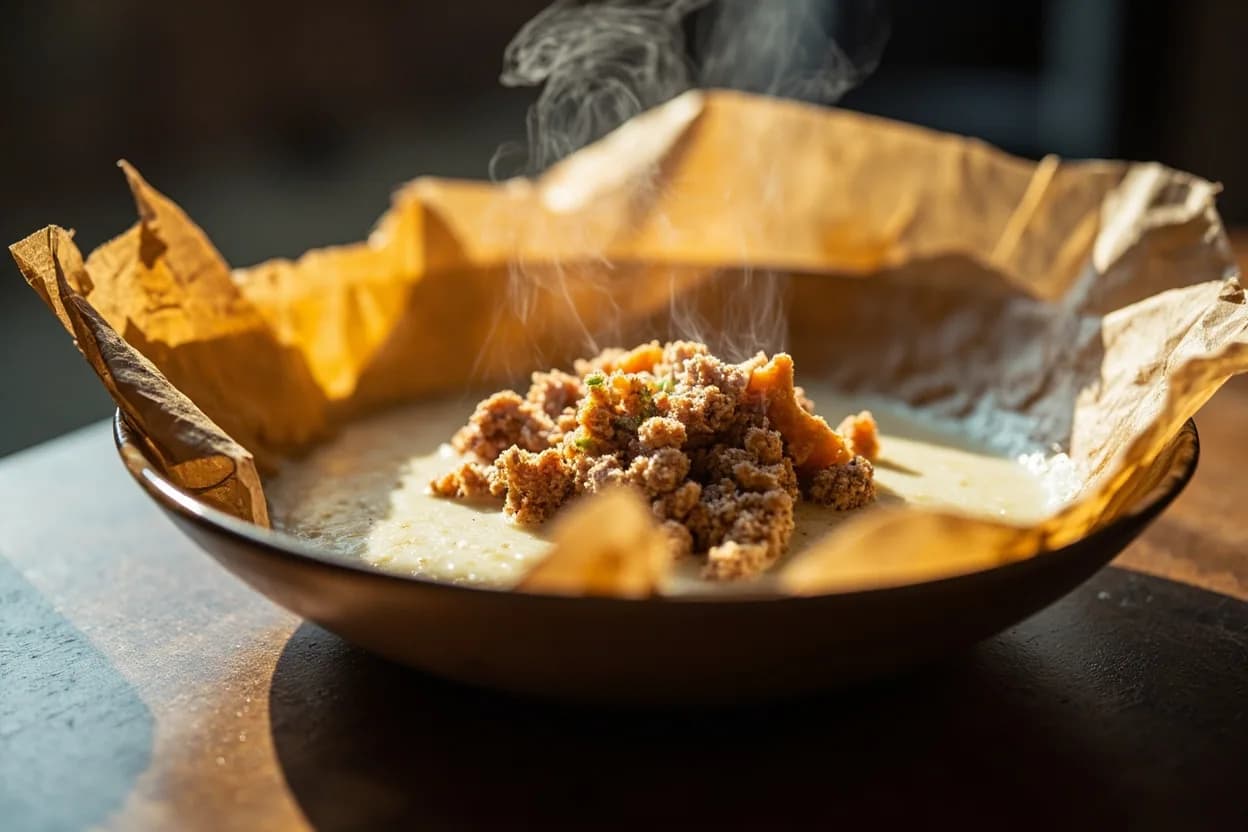
Kama's primary claim to fame in Estonian kitchens is kamajook, a traditional drink made by stirring the flour into cold or room-temperature buttermilk or milk, where it swells and thickens into a porridge-like consistency within minutes. But kama is more versatile than its drink reputation suggests. The flour absorbs liquid readily and continues thickening over time, making it useful as a thickener, a bread addition, and even a coating for fried foods. In Estonia, kamajook is considered a comfort food and a hangover remedy. The roasted grain oils mean kama spoils faster than raw flour, so storage matters more than with ordinary grain products.
- Measured in
- g
- Storage
- Pantry
Allergens
Types & varieties
Higher proportion of roasted rye; earthier, more pronounced grain flavor
Balanced blend of rye, wheat, barley; the most common variety found in stores
Contains roasted buckwheat; earthier with a slightly more bitter edge
Pre-mixed with sugar and sometimes vanilla for quick kamajook preparation
Common uses
Tips & pitfalls
- Always use cold or room-temperature liquid when making kamajook—hot liquid causes lumps that refuse to break up, no matter how much you stir
- Add kama gradually, stirring as you go, then let it rest 5–10 minutes; it thickens considerably during this time
- Store kama in the freezer if keeping more than a few weeks; the roasted grain oils turn rancid faster than those in raw flour
- Standard ratio for kamajook: 3–4 tablespoons kama to 200–250ml liquid; start with less and add more to reach your preferred thickness
- Do not substitute raw grain flours—they lack the caramelized character and will not thicken kamajook the same way
- In baking, combine kama with a portion of regular flour (about 1 part kama to 3 parts flour) for better rise and more familiar crumb texture
- Consume kamajook relatively soon after preparation; the flour continues absorbing liquid and will become very thick if left standing
Nutrition
Nutrition
No USDA FoodData Central match for Kama (Roasted Grain Flour) yet. We surface a per-100 g profile once a generic whole-food entry is matched and verified.
In the shops
Matched grocery products
No matched grocery products for Kama (Roasted Grain Flour) yet.
Good to know
- Origin
- Estonia, Baltic States
- Type
- Roasted grain flour blend
- Typical Grains
- Rye, wheat, barley, buckwheat (proportions vary by producer)
- Processing
- Grains roasted before milling, caramelizing natural sugars
- Flavor
- Toasted, nutty, slightly sweet with caramel undertones
- Texture
- Fine flour, slightly gritty
- Shelf Life
- 3–6 months in airtight container at cool temperature; freezing extends to 12 months
- Primary Use
- Stirred into buttermilk or milk to make kamajook
Substitutes
- Equal parts roasted rye flour and roasted wheat flour — Closest approximation of multigrain kama; toast raw flours in a dry pan over medium heat, stirring frequently, until fragrant and deepened in color, about 3–5 minutes
- Roasted rye flour alone — Adequate substitute for rye-dominant kama; simpler single-grain flavor but correct toasted character
- Graham flour (coarse wholegrain wheat) — Not roasted; will lack the characteristic toasted notes but works in baked goods where kama plays a minor role
Also called
Roasted Grain Flour · Talkkuna
Appears in these dishes
Related

White Rice
Fluffy long-grain rice — the neutral base for almost any meal

White Bread
Soft sandwich loaf for toast, sandwiches, and crumbs
Brown Rice
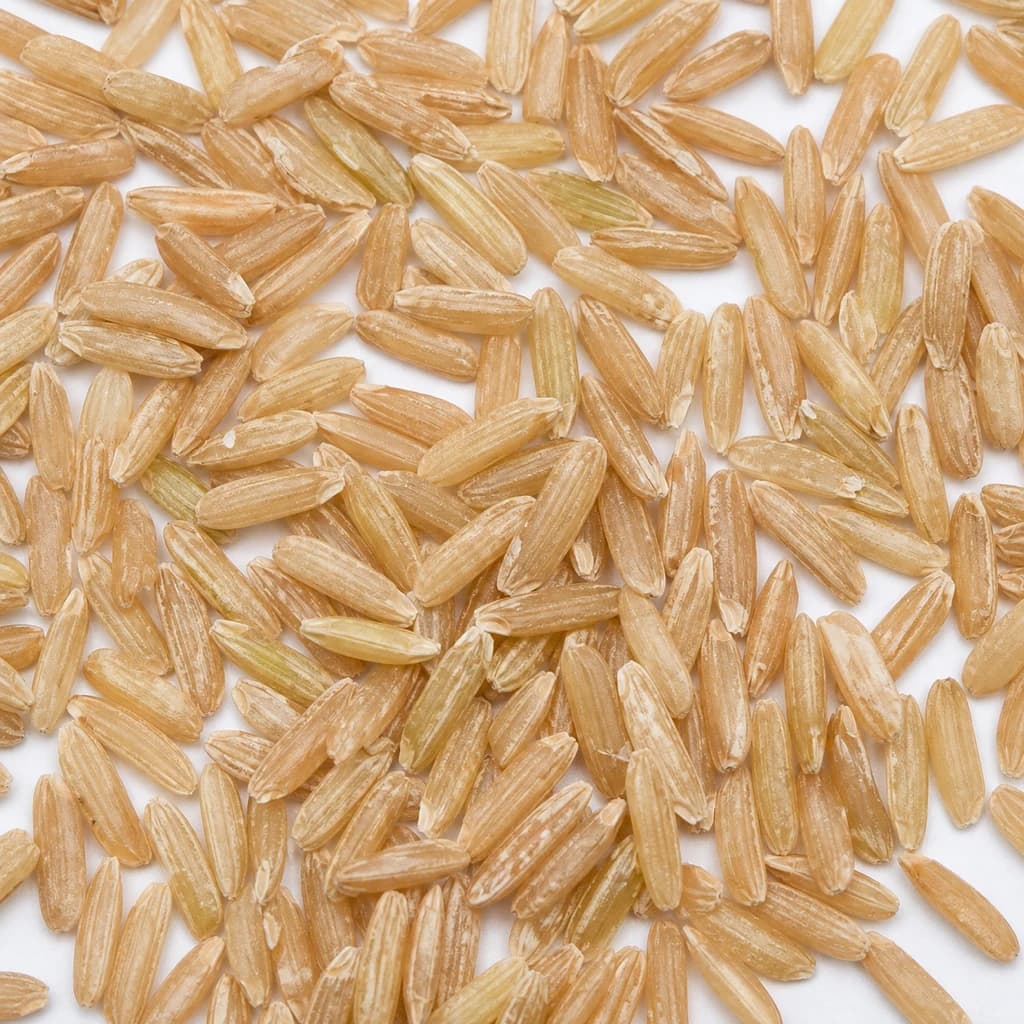
Nutty, whole-grain rice with chew and extra fiber

Basmati Rice
Fragrant, long-grain rice that cooks up light and separate
Jasmine Rice
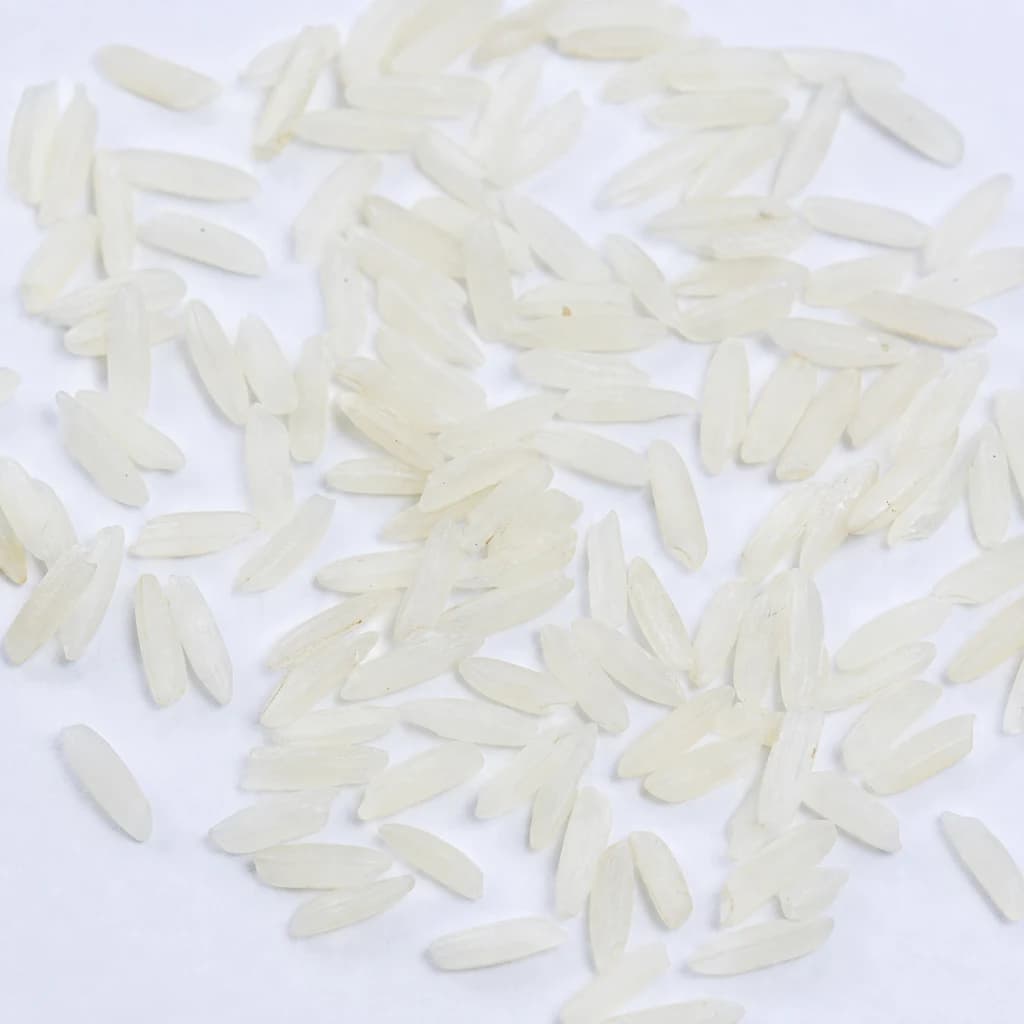
Soft, floral-scented rice that's the pillar of Thai meals
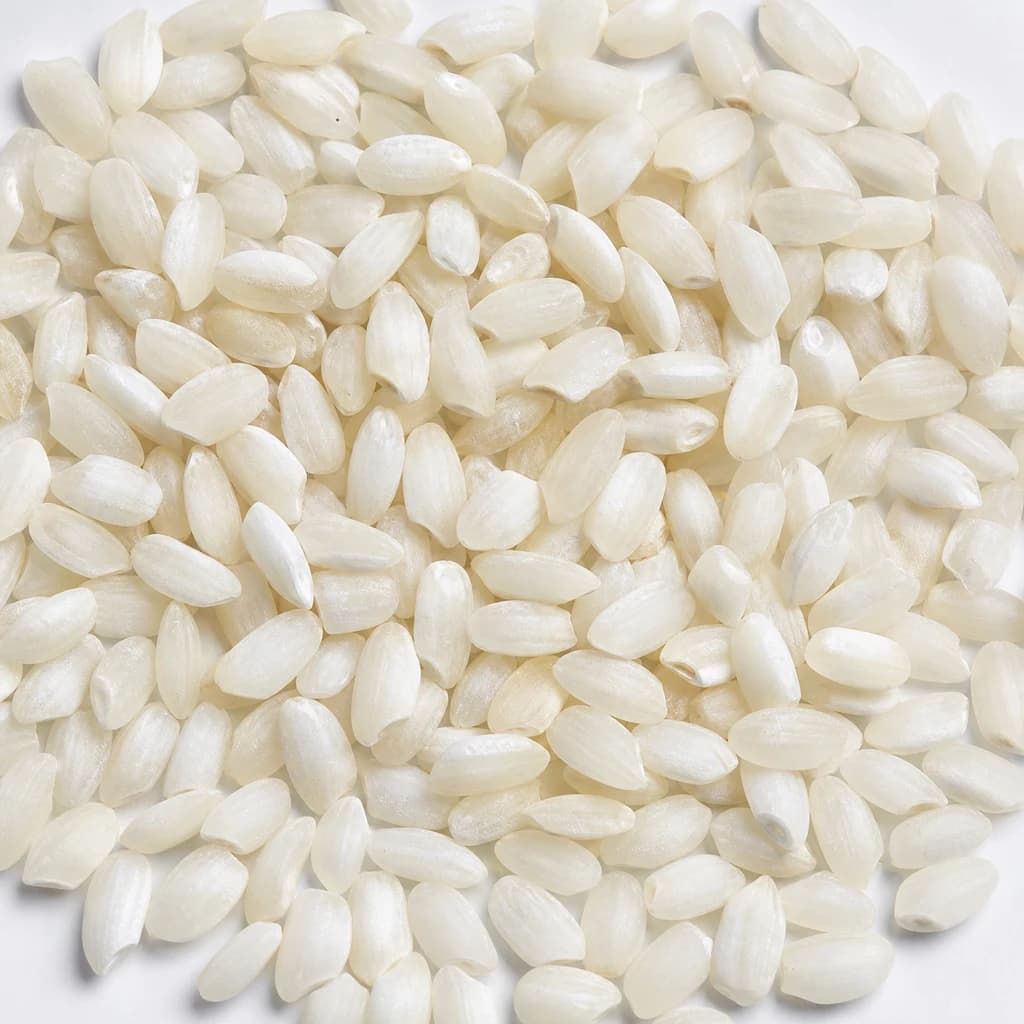
Arborio Rice
Plump, starchy rice that makes risotto creamy
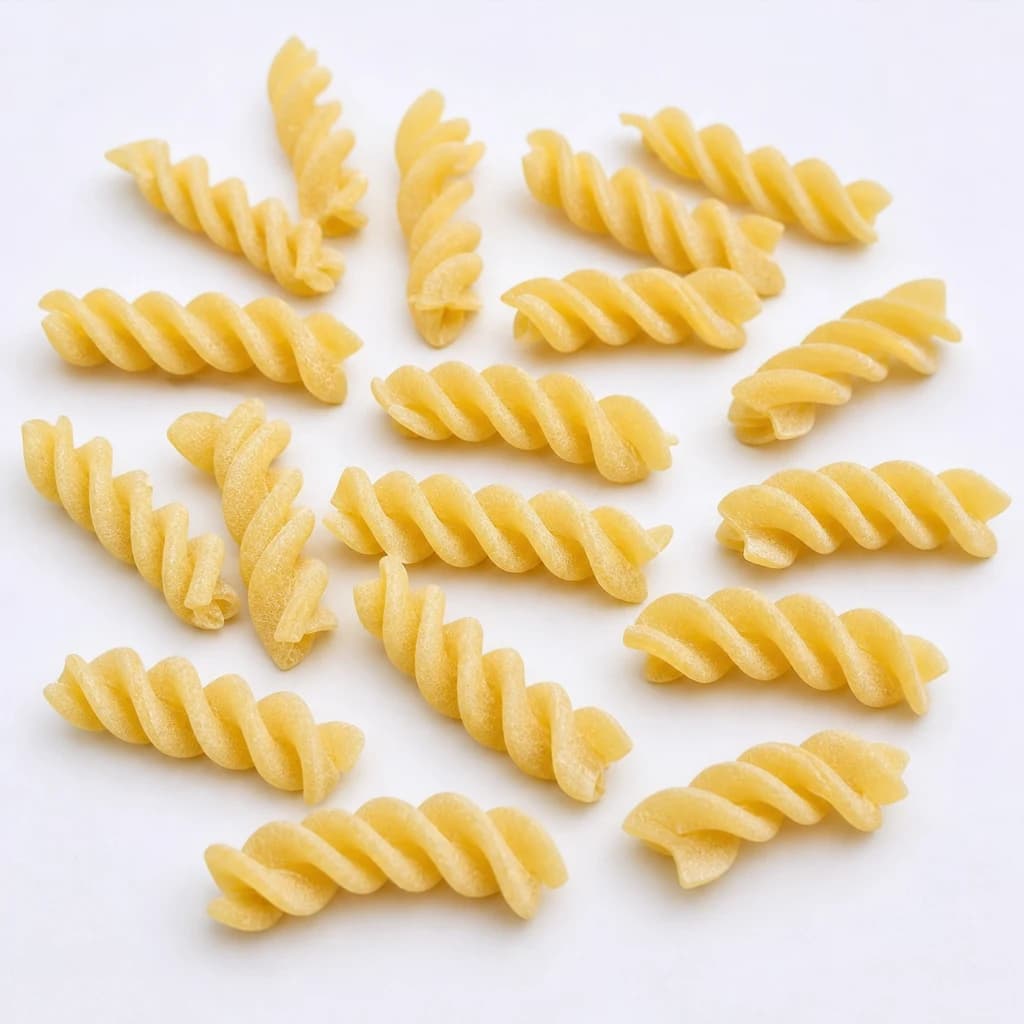
Fusilli
Spiraled pasta that twirls up sauce and dresses cold salads
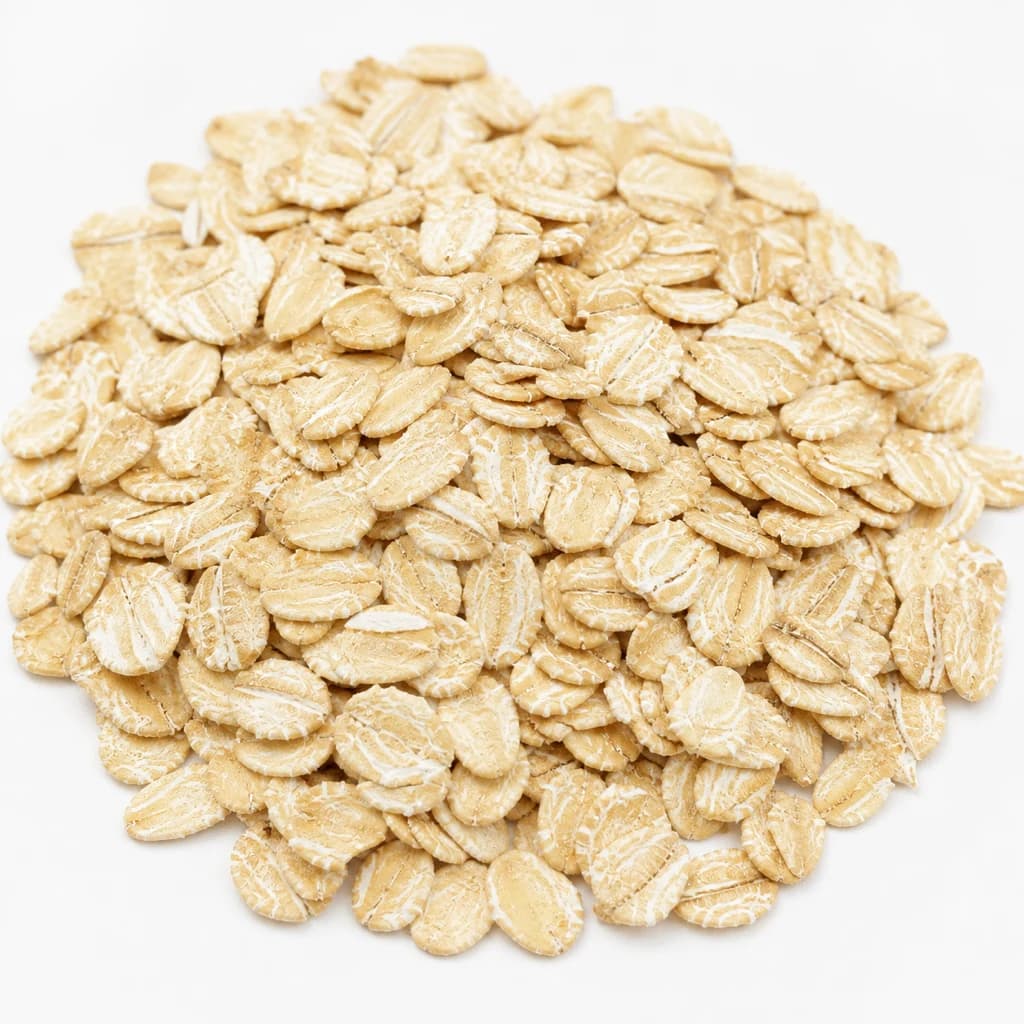
Rolled Oats
Hearty flakes for porridge, granola, and chewy cookies