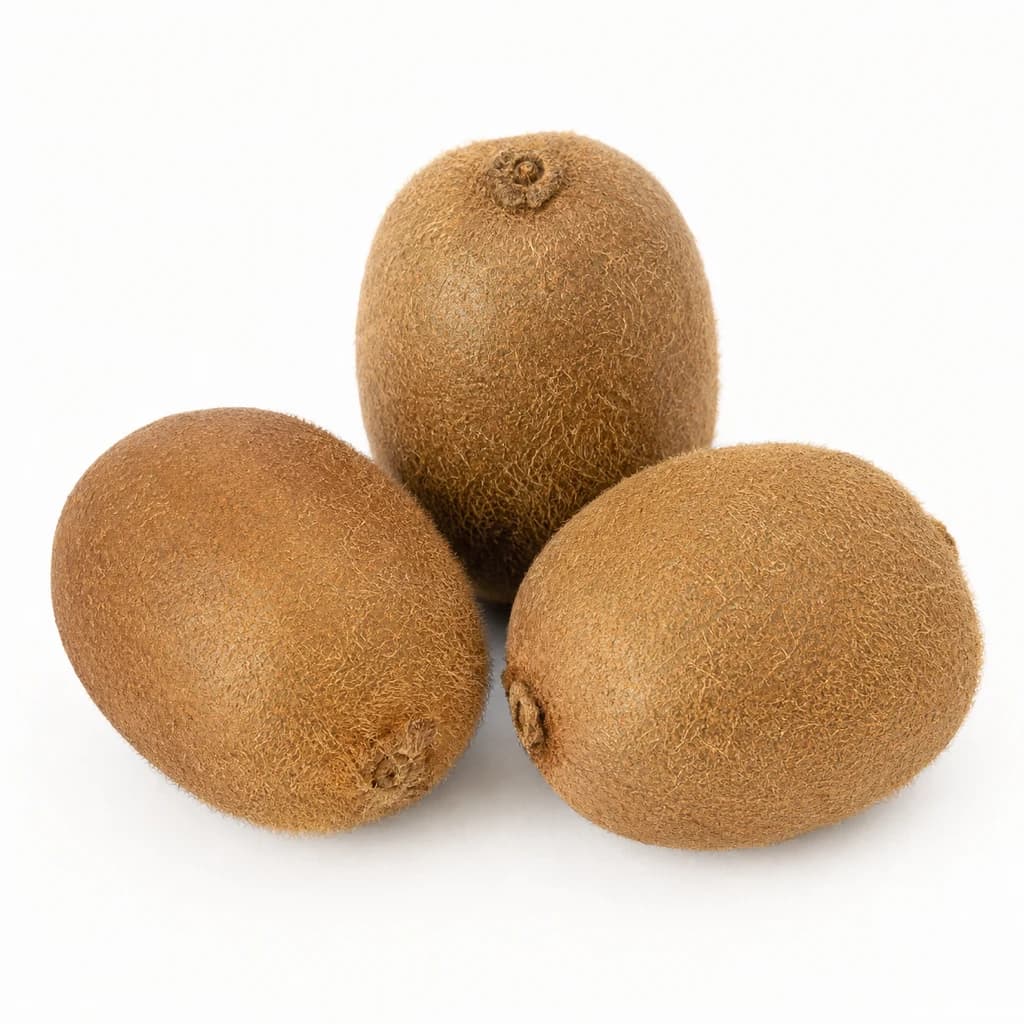
Natural form
Whole kiwi fruit with characteristic fuzzy brown skin, oval shape, and small nub ends.
Shows the reader how to identify a kiwi at a market by its distinctive exterior appearance.
Produce
Kiwi
Tangy, emerald fruit for breakfast, salads, and pavlova
Bright green and flecked with tiny seeds, kiwi has a sweet-tart zing that wakes up a fruit salad or tops a pavlova. Let it soften to ripe, then keep it cold.
Kiwi (kiwifruit) is a small fuzzy-skinned fruit hiding vivid emerald flesh flecked with edible black seeds and crowned with a bright, sweet-tart, almost tropical tang. It wakes up a fruit salad, jewels a pavlova, slices over yogurt and tarts, and blends into refreshing drinks. Packed with more vitamin C than an orange, it ripens off the vine and softens to the perfect tender give — and yes, the fuzzy skin is edible if you don't mind the texture.
- Measured in
- piece
- Storage
- Refrigerate
- Shelf life
- 14 days
Find it in
Types & varieties
The common fuzzy brown-skinned, emerald-fleshed kiwi; tangy
Smooth bronze skin, yellow flesh; sweeter, less tart, tropical
Grape-sized, smooth edible skin; eaten whole
How to choose and ripen
Want plump, unblemished fruit free of soft mushy spots, bruises, or wrinkles. Ripeness is about give, not color: a ripe kiwi yields to gentle pressure like a ripe pear. Rock-hard kiwis are unripe and sour but will ripen at room temperature over a few days — speed it up in a paper bag with an apple or banana. Smell can turn fragrant when fully ripe.
- Gentle give = ripe and sweet
- Firm ones ripen on the counter
- Paper bag with an apple speeds it up
How to store
Keep firm kiwis at room temperature to ripen, then move ripe ones to the fridge, where they hold for a week or more. Store them away from other ethylene-sensitive produce while ripening (kiwis are sensitive to ethylene and will over-ripen near apples and bananas — handy when you want them ripe, less so otherwise). Cut kiwi keeps a couple of days, sealed.
How to prep and an enzyme note
The two easy ways in: halve and scoop the flesh with a spoon, or peel the fuzzy skin with a peeler or knife and slice. The skin is edible and fiber-rich if you rub off the fuzz, especially on smooth gold varieties. Note: like pineapple, kiwi contains a protein-digesting enzyme (actinidin) that stops gelatin setting and can make dairy bitter or your mouth tingle, so add fresh kiwi to set desserts and jellies only at the last minute.
- Halve and scoop, or peel and slice
- The skin is edible (rub off the fuzz)
- Its enzyme stops gelatin setting — add late
Common uses
Tips & pitfalls
- Ripen on the counter; a paper bag with an apple speeds it along
- Scoop it with a spoon for the fastest way to eat one
- Don't put fresh kiwi in gelatin desserts — its enzyme keeps them from setting
- Add to a meat marinade for natural tenderizing
- Rub the fuzz off and eat the skin for extra fiber and vitamin C
Nutrition
Nutrition
No USDA FoodData Central match for Kiwi yet. We surface a per-100 g profile once a generic whole-food entry is matched and verified.
In the shops
Matched grocery products
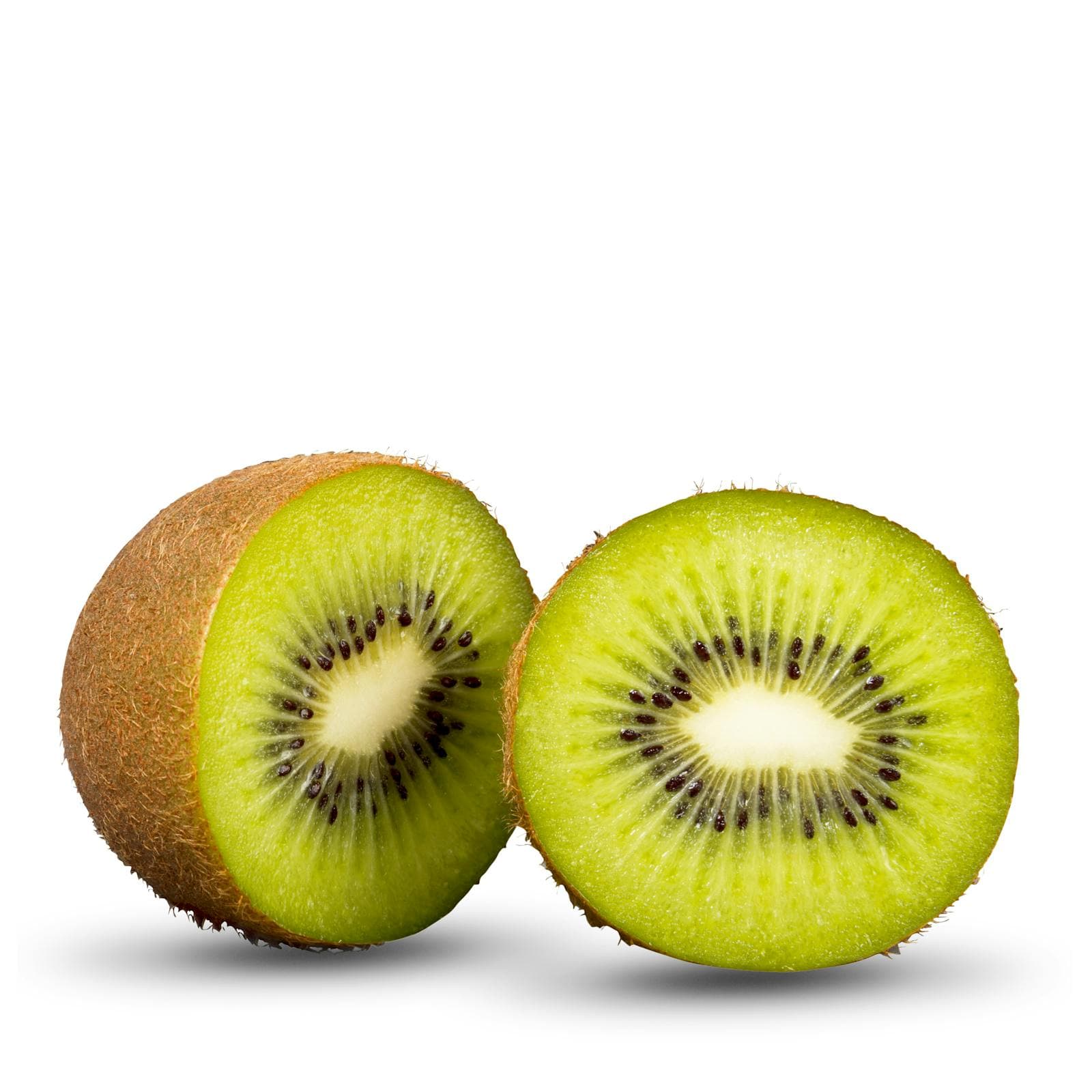 €0.33
€0.33Green Kiwi
100 g · Mercadona
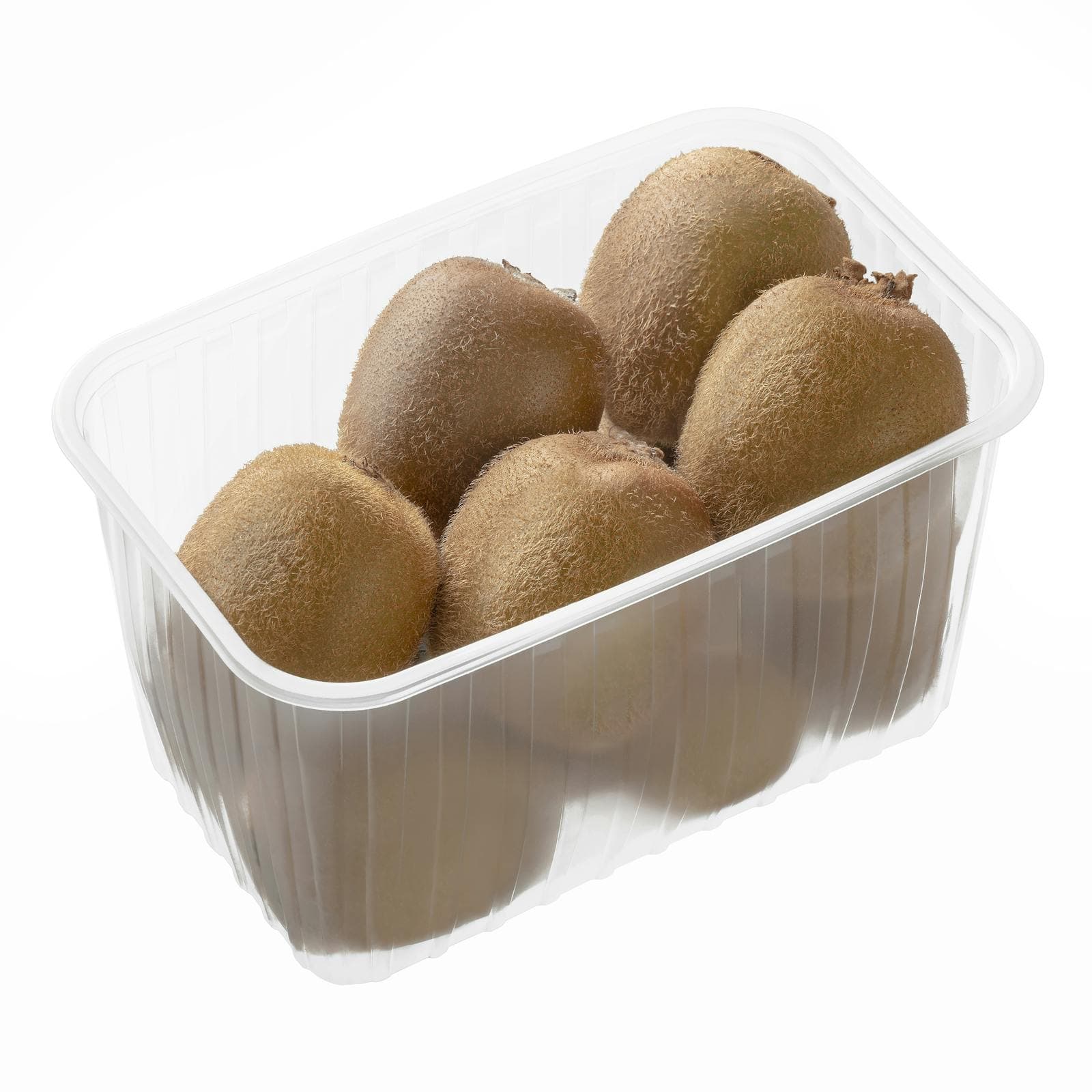 €3.37
€3.37Green Kiwis
1.07 kg · Mercadona
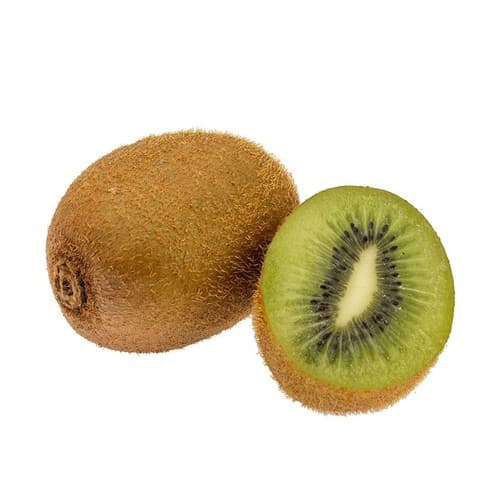 €0.99
€0.99Green Kiwi 1 unit
Bonpreu
 €0.89
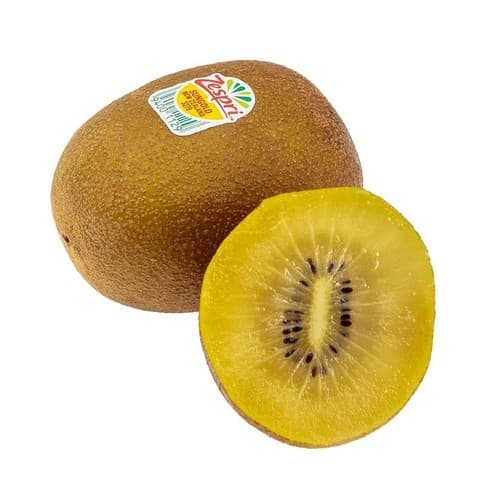
€0.89ZESPRI Yellow Kiwi 1 unit
ZESPRI · Bonpreu
 €0.92
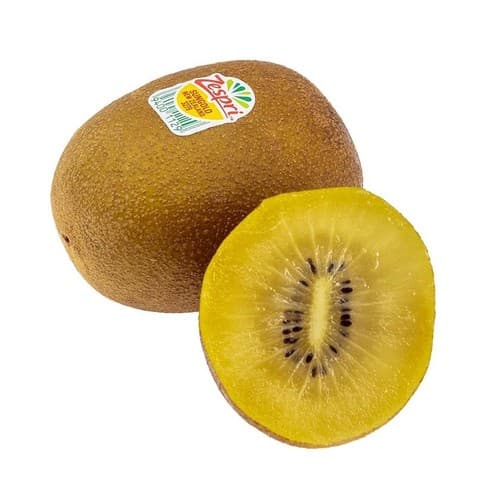
€0.92ZESPRI Yellow Kiwi 1 unit
ZESPRI · ud · Bonpreu
 €3.49
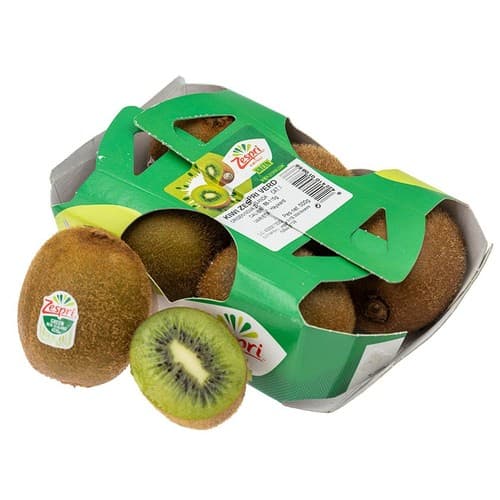
€3.49ZESPRI Green Kiwi 500g Tray
ZESPRI · kg · Bonpreu
Good to know
- Peak season
- Late fall through spring (Northern Hemisphere); year-round with imports
- Flavor
- Sweet-tart, bright, tropical-tangy; soft and juicy when ripe
- Origin
- Native to China (the míhóutáo, or "Chinese gooseberry"); commercialized and renamed "kiwifruit" by New Zealand growers in the mid-20th century
- Nutrition
- ~61 kcal/100g; more vitamin C than an orange; vitamin K, fiber
- How to buy
- Plump, unblemished, fragrant; gentle give when ripe (firm ones ripen at home)
Substitutes
- Strawberry — For a sweet-tart pop and color in fruit salads and pavlova
- Pineapple — For tropical tang (and the same gelatin caveat)
- Green grape — For mild sweet juiciness in fruit salad
Also called
kiwi
Appears in these dishes
Related
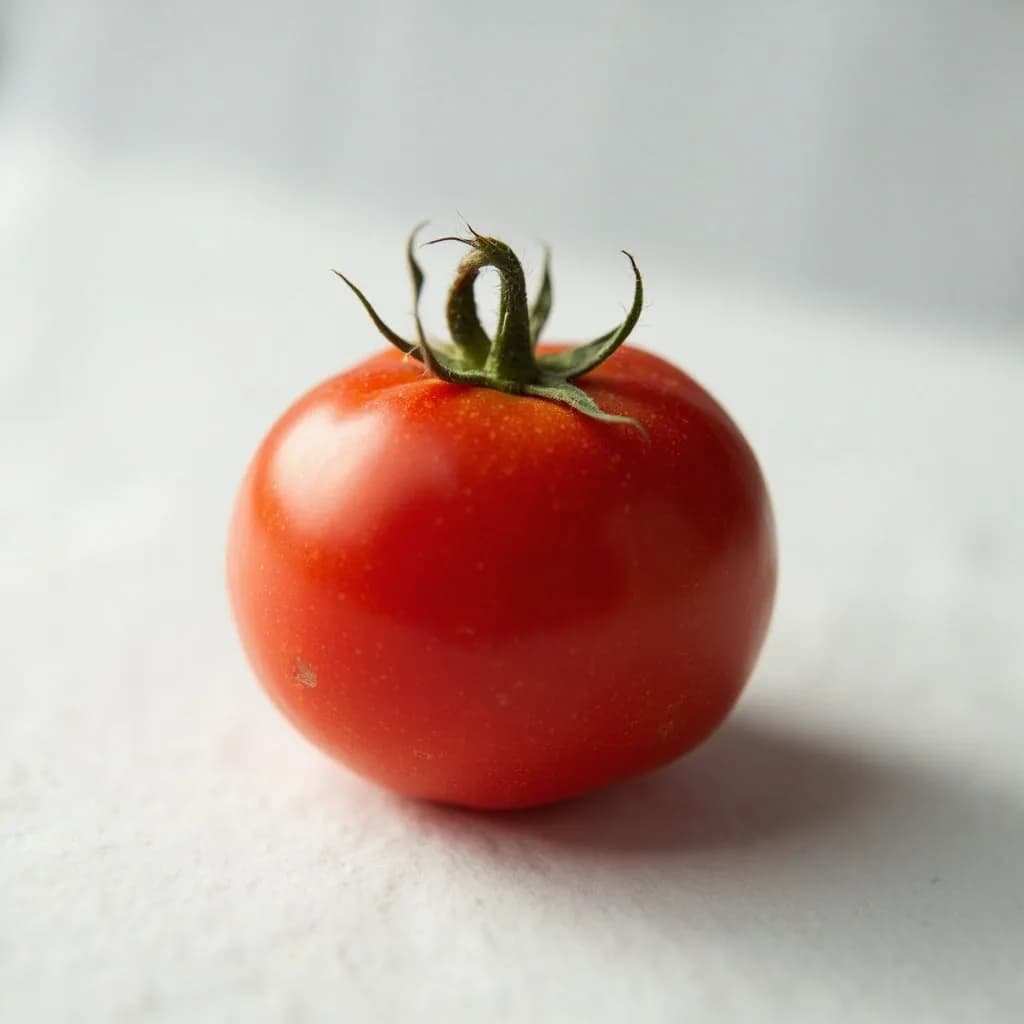
Tomato
Juicy, sun-sweet fruit for sauces, salads, and slow-cooked depth
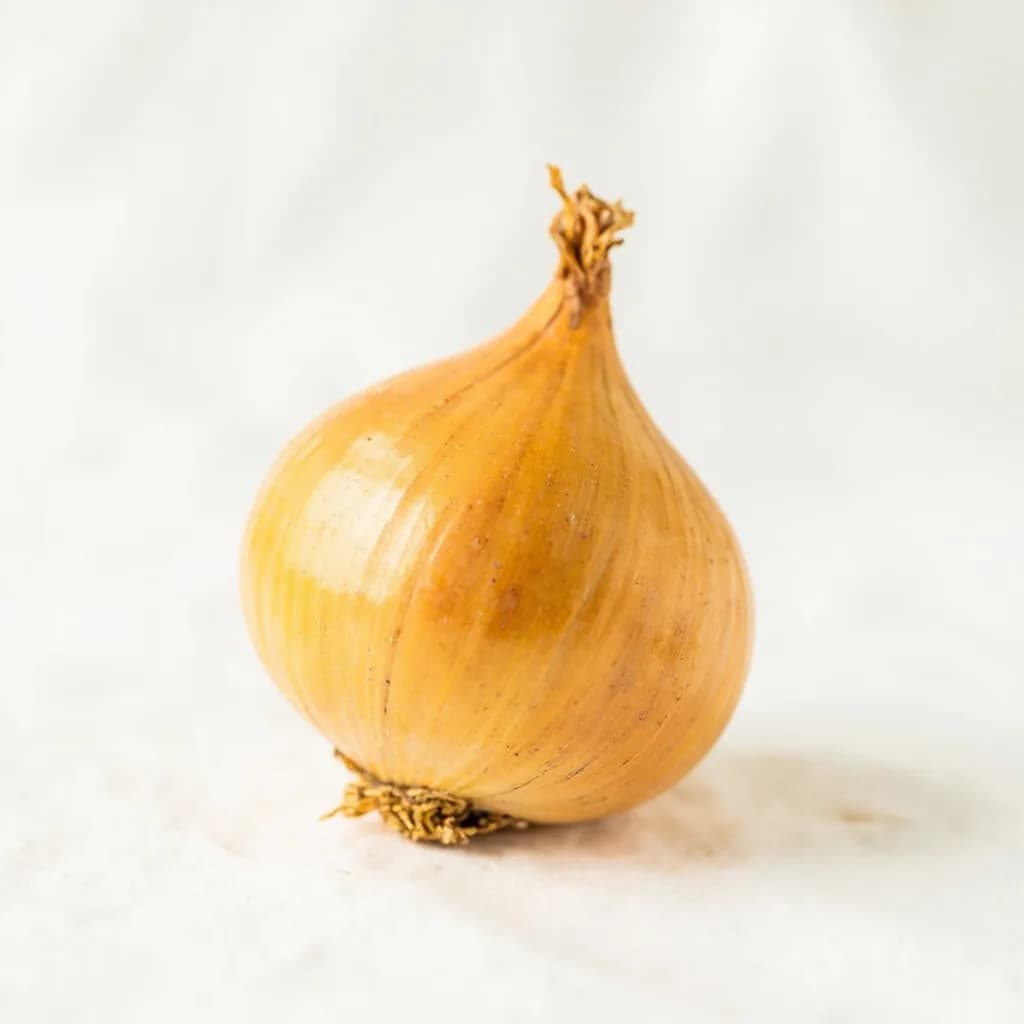
Yellow Onion
The aromatic backbone of soups, sofritos, and braises
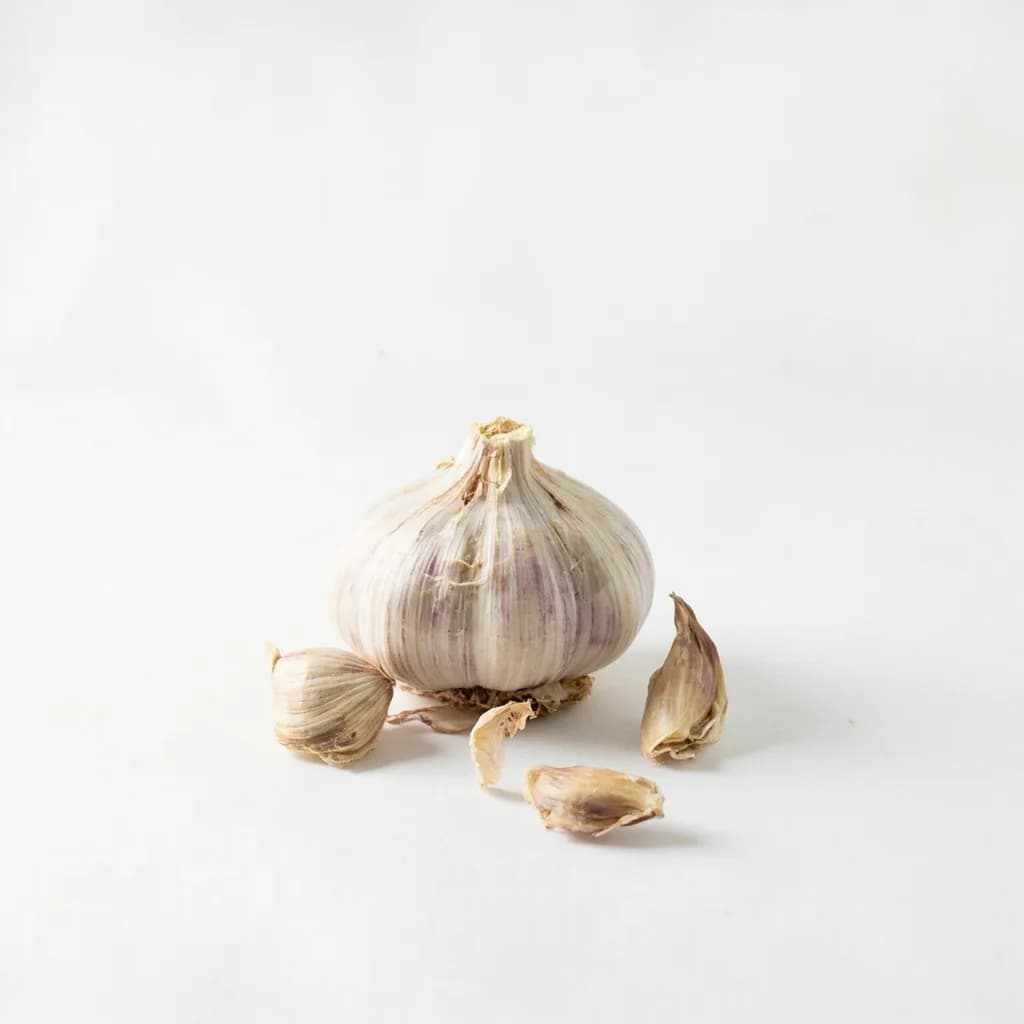
Garlic
Pungent cloves that perfume nearly every savory dish
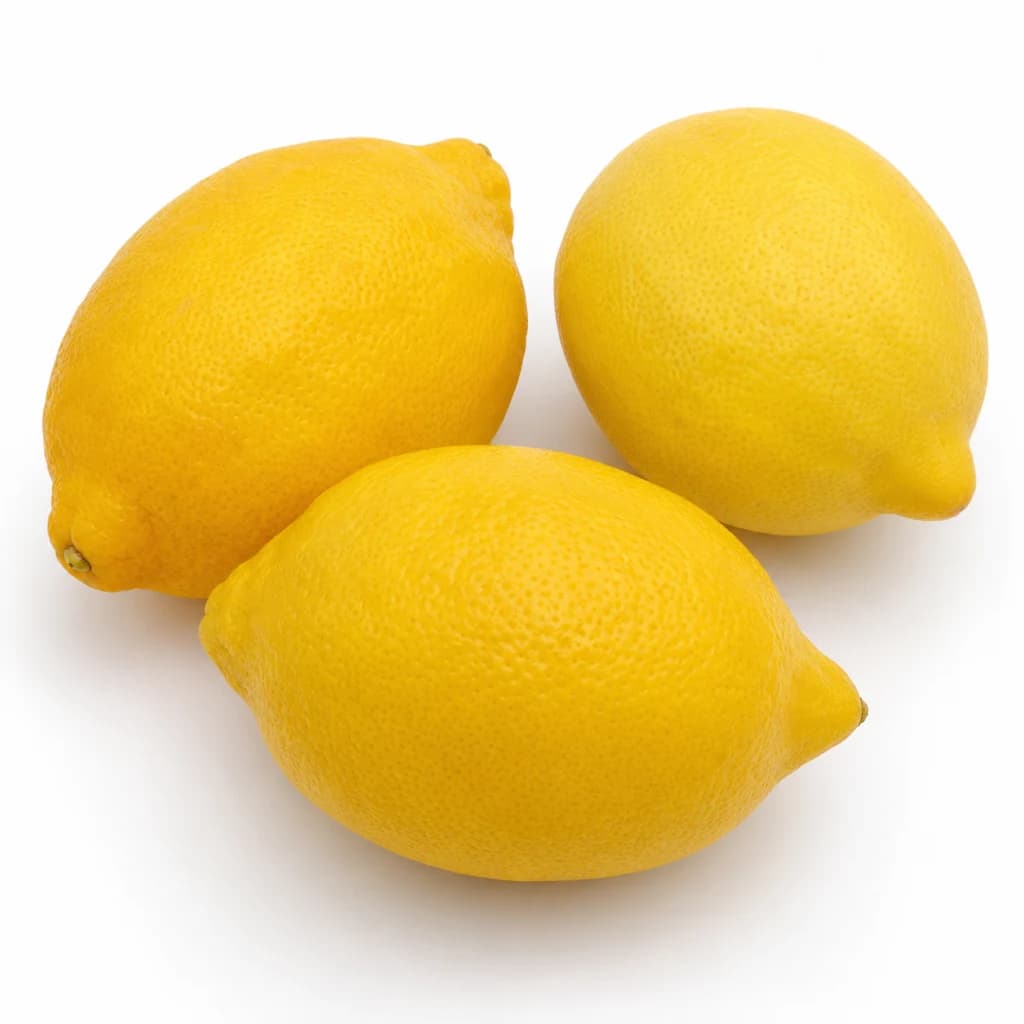
Lemon
Bright, acidic citrus that wakes up almost any dish
Potato
Humble, hearty staple — roast, mash, fry, or boil
Carrot
Sweet, crunchy root — raw, roasted, or the base of a sofrito
Cucumber
Cool, crisp, and watery — for salads, pickles, and tzatziki

Lettuce
Crisp leaves for salads, wraps, and a fresh crunch