Produce
Korean Zucchini (Aehobak)
Pale, tender Korean summer squash for soups, stir-fries, and jeon pancakes.
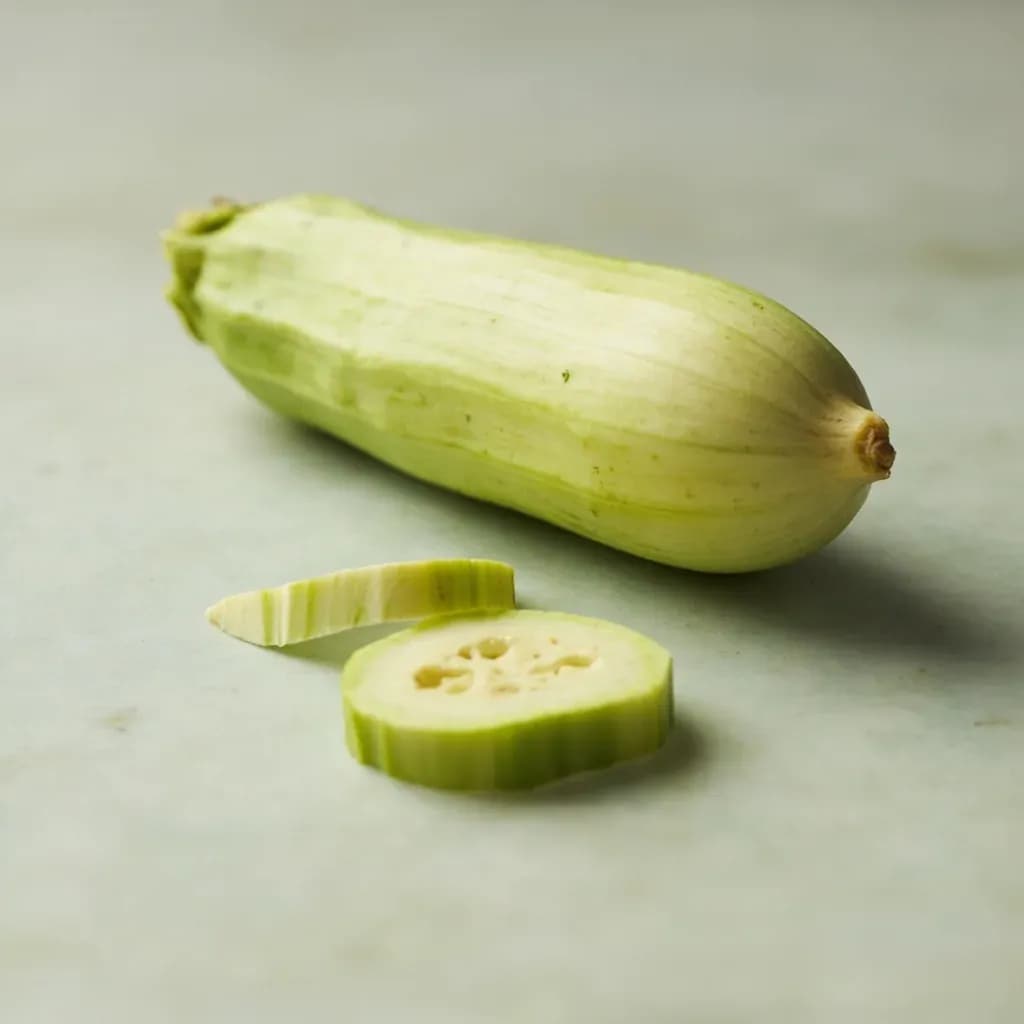
Korean zucchini, or aehobak, is a short, pale-green summer squash that is more tender and slightly sweeter than common zucchini. It is sliced into stews like doenjang-jjigae, stir-fried as a banchan, and battered into hobak-jeon pancakes. Its thin skin and soft seeds mean it cooks quickly and needs little preparation.
Korean Zucchini (Aehobak, 애호박) is a summer squash variety belonging to Cucurbita pepo that forms the backbone of Korean warm-weather cooking. Unlike its darker Western cousin, aehobak has a distinctive pale green-to-yellow-green skin and cream-colored flesh that is noticeably more delicate in both texture and flavor. The squash has a mild, faintly sweet taste with a subtle vegetal quality that absorbs seasonings beautifully while holding its shape — a quality that makes it indispensable in Korean kitchens. Its thin, tender skin is meant to be eaten, contributing both texture and color to finished dishes. Because of its delicate constitution, aehobak requires gentler handling than standard zucchini: it degrades quickly when overcooked, turning soft and losing its characteristic pale color. This is not a vegetable that benefits from aggressive techniques; instead, it rewards quick, restrained cooking that respects its fragility.
- Measured in
- piece
- Storage
- Fridge
Types & varieties
Most common variety; pale green exterior with cream-colored flesh, identical in use to the standard type.
Golden-yellow skin with the same pale flesh; same mild flavor and tender texture, fully interchangeable with green.
Common uses
Tips & pitfalls
- Do not peel the squash — the skin is thin and tender, and peeling removes the best texture, leaving you with mushy results. Wash well and leave the skin on.
- Salt before cooking only when you intend to squeeze out moisture for crispy jeon or namul. Skip salting entirely when cooking soups where you want the pieces to remain intact and give body to the broth.
- Add to soups in the last 3–4 minutes of cooking. Overcooked aehobak turns soft and dull, losing both its color and the pleasant yielding texture that makes it appealing.
- For stir-fries, ensure your pan is genuinely hot before adding the squash — it should sear briefly and char slightly at the edges, not steam in its own moisture.
- When selecting, choose firm, unblemished fruits with glossy skin and no soft spots. Avoid any with yellowing at the ends, which indicates age or improper storage.
- Substituting standard Western zucchini requires adjusting cook time downward by 1–2 minutes. Its denser flesh cooks differently and can turn mushy if not monitored.
Nutrition
Nutrition
No USDA FoodData Central match for Korean Zucchini (Aehobak) yet. We surface a per-100 g profile once a generic whole-food entry is matched and verified.
In the shops
Matched grocery products
 €0.48
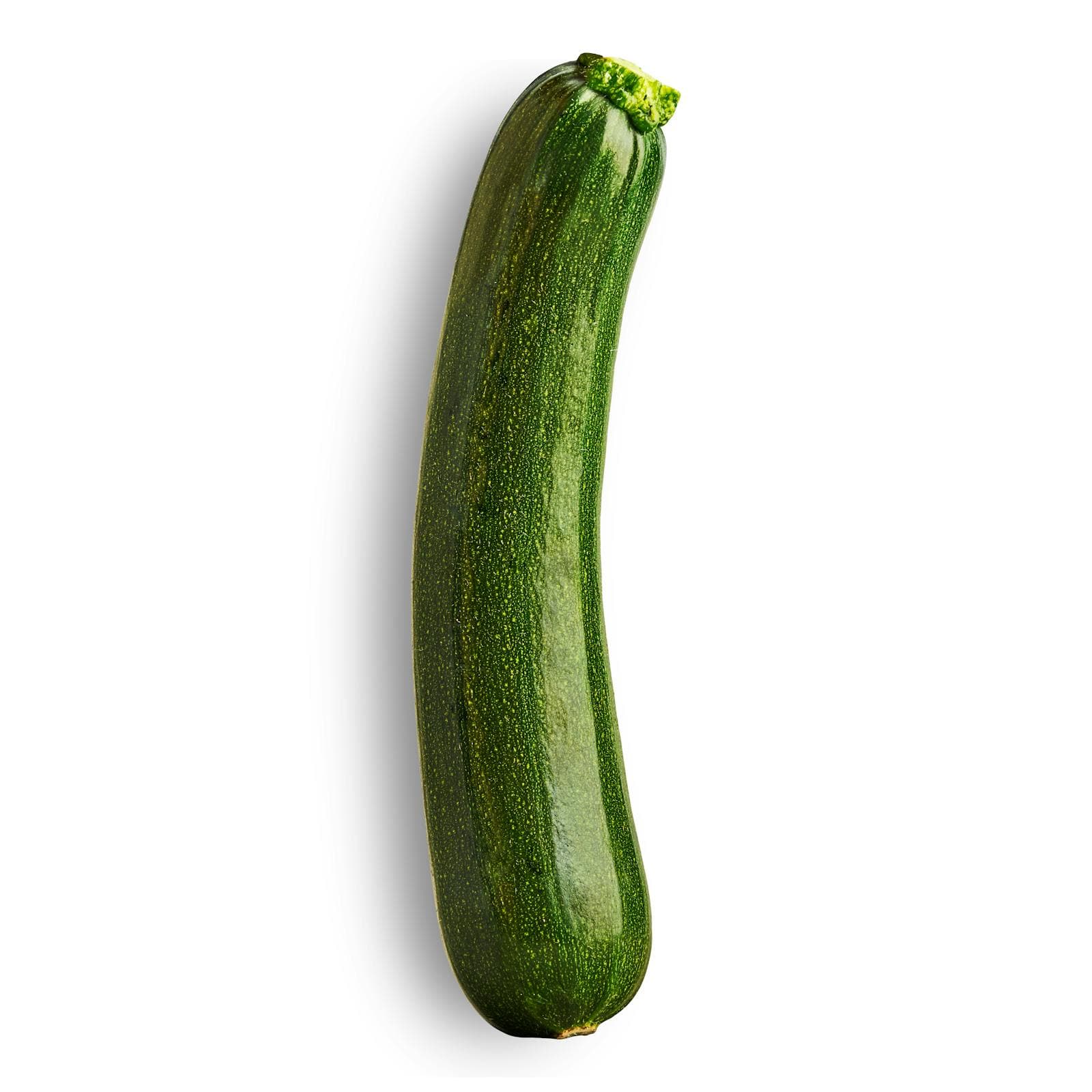
€0.48Green Zucchini
370 g · Mercadona
 €0.74
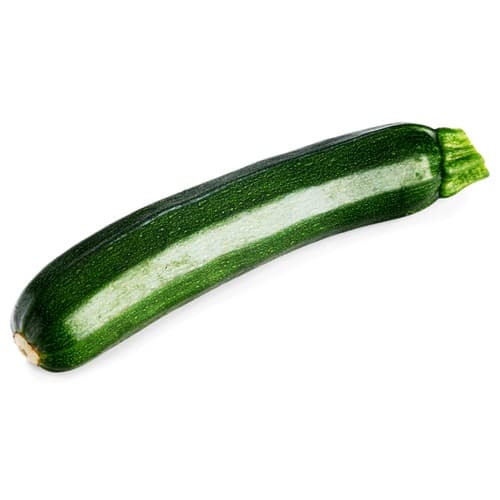
€0.74Zucchini 1 unit
ud · Bonpreu
 €0.79
€0.79Zucchini 1 unit
Bonpreu
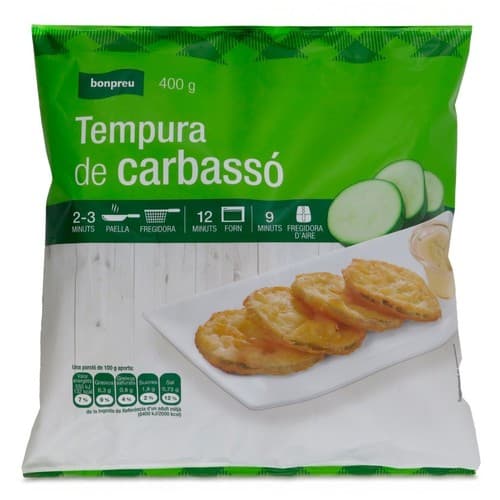 €2.39
€2.39Zucchini Tempura
BONPREU · kg · Bonpreu
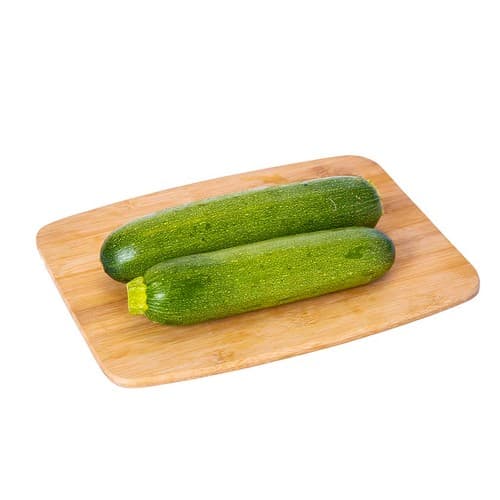 €2.49
€2.49Organic Zucchini
kg · Bonpreu
Good to know
- Korean Name
- 애호박 (Aehobak)
- Scientific Name
- Cucurbita pepo
- Color
- Pale green to yellow-green, distinctly lighter than Western zucchini
- Skin
- Thin, tender; eaten unpeeled
- Flavor
- Mild, faintly sweet, slightly vegetal
- Peak Season
- Summer months (June–September)
- Typical Size
- 15–25 cm long, 5–8 cm diameter when harvested young
- Texture
- Firm but yielding; flesh holds shape well in liquid
- Seed State
- Small, tender seeds when young; larger seeds in mature fruits
- Storage
- Refrigerate unwashed in a plastic bag; use within 5–7 days
- Edible Yield
- Approximately 90% — thin skin is eaten along with flesh
Substitutes
- Regular Green Zucchini — The closest substitute; slightly darker skin and denser flesh, so reduce cooking time by 1–2 minutes to avoid mushiness.
- Yellow Summer Squash — Very similar tender texture and mild flavor; interchangeable in most preparations with minimal adjustment needed.
- Chayote — Comparable mild flavor and crisp-tender texture, though slightly sweeter; works well in soups and stir-fries as a substitute.
Pairs with
Also called
Aehobak · 애호박
Related
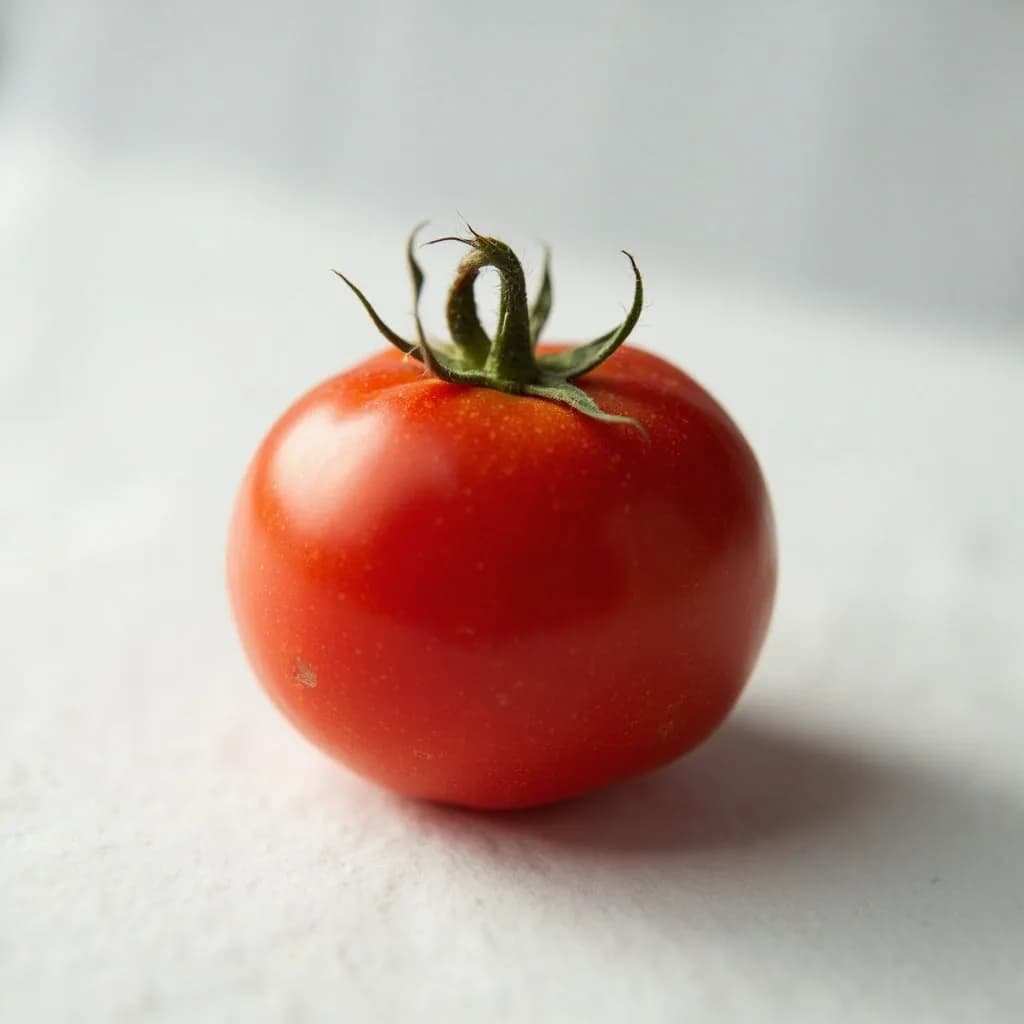
Tomato
Juicy, sun-sweet fruit for sauces, salads, and slow-cooked depth
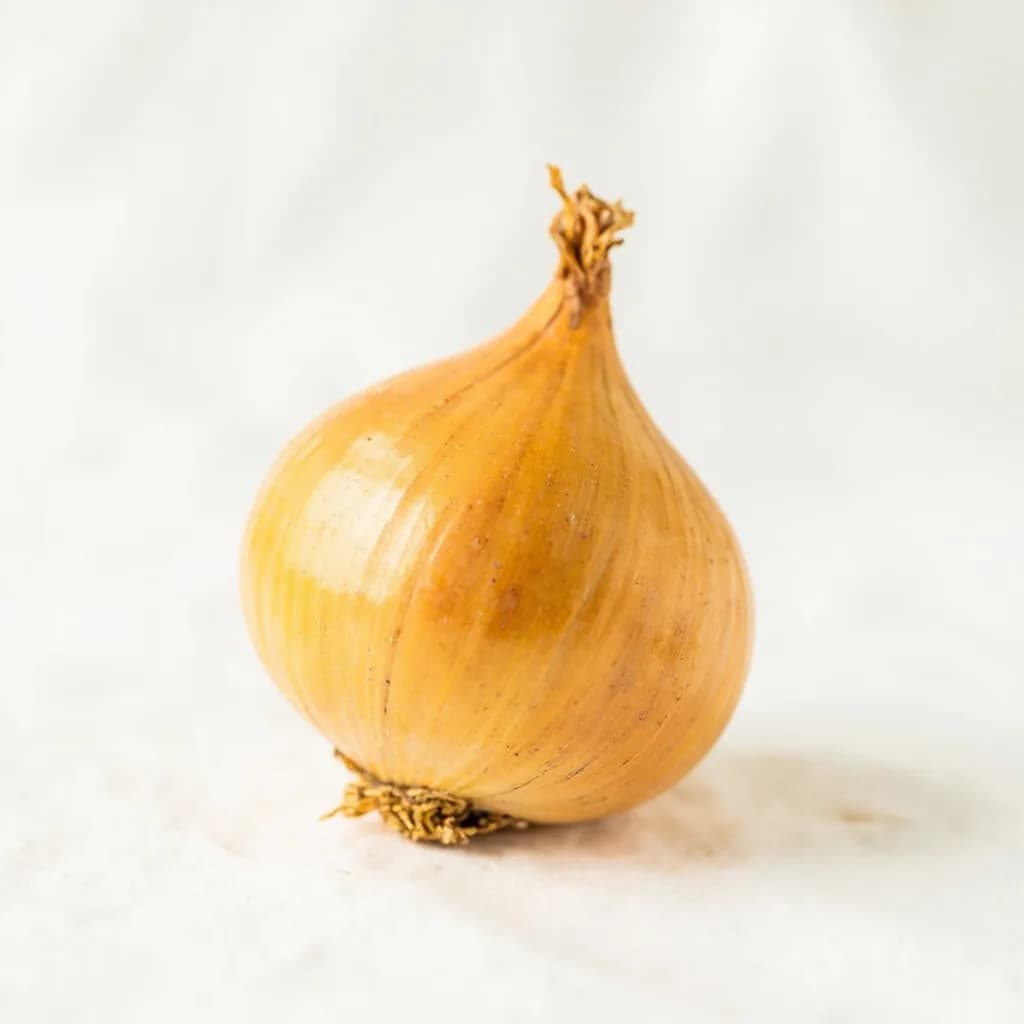
Yellow Onion
The aromatic backbone of soups, sofritos, and braises
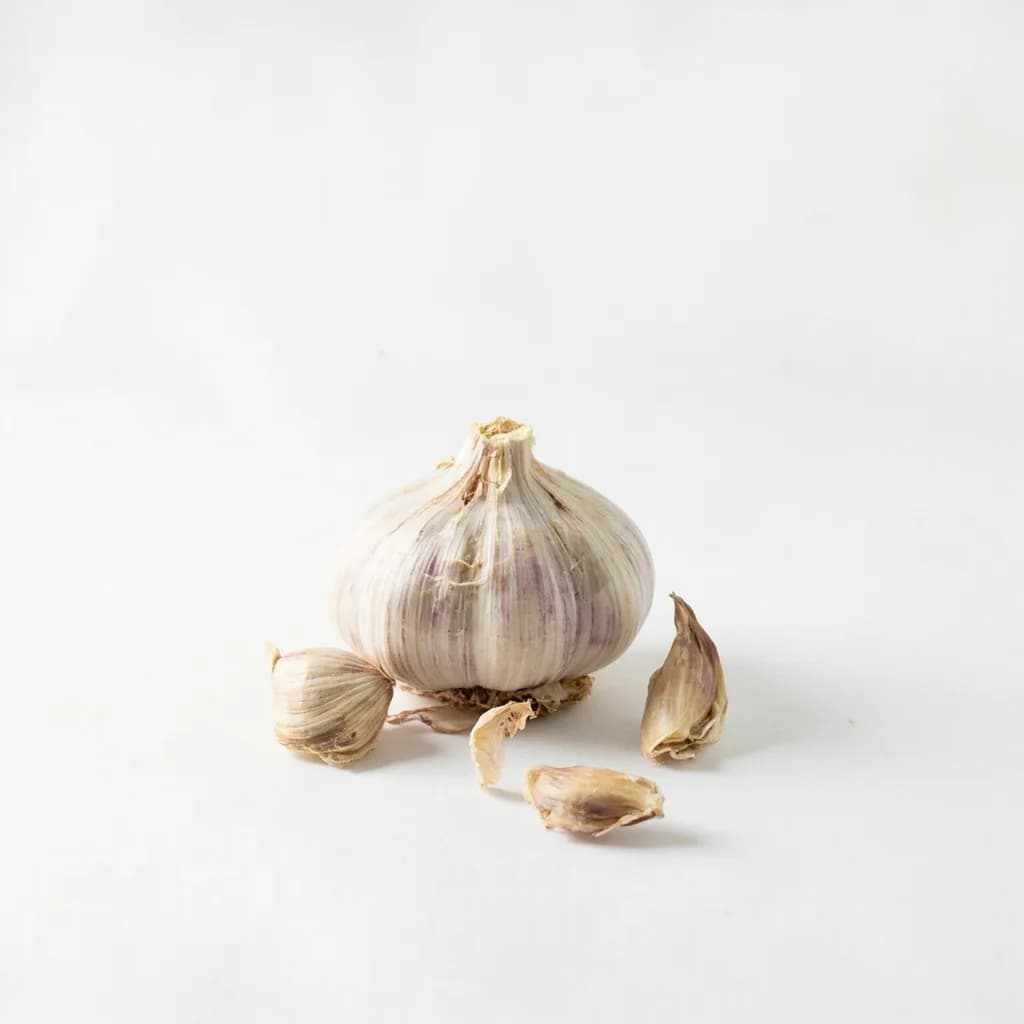
Garlic
Pungent cloves that perfume nearly every savory dish
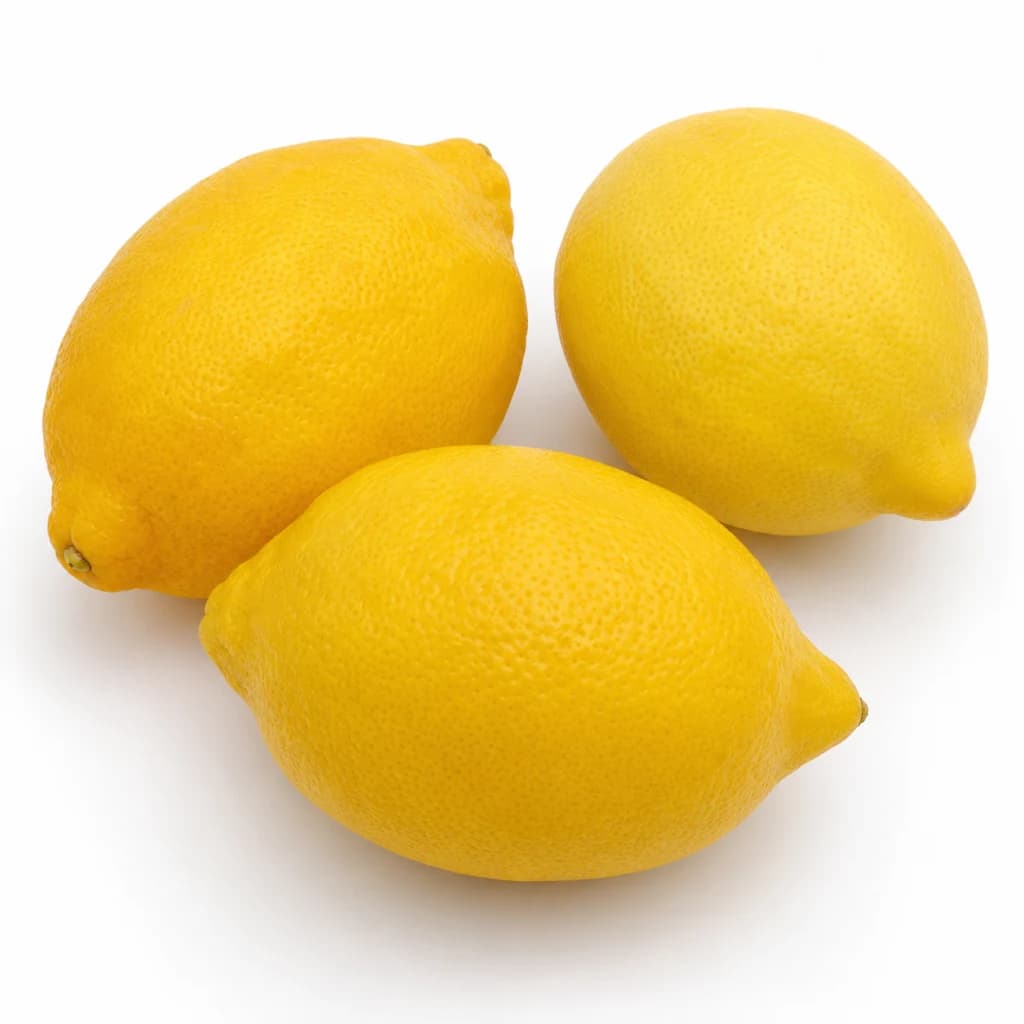
Lemon
Bright, acidic citrus that wakes up almost any dish
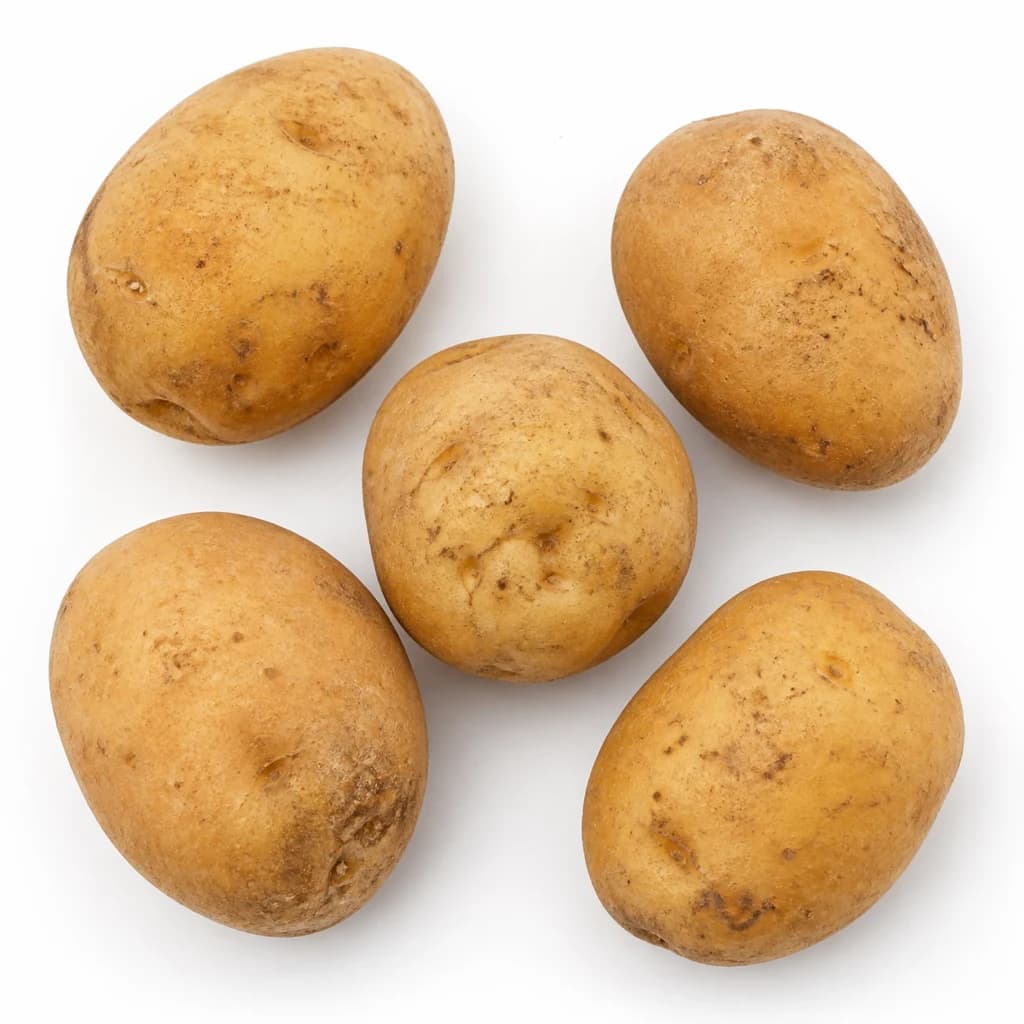
Potato
Humble, hearty staple — roast, mash, fry, or boil
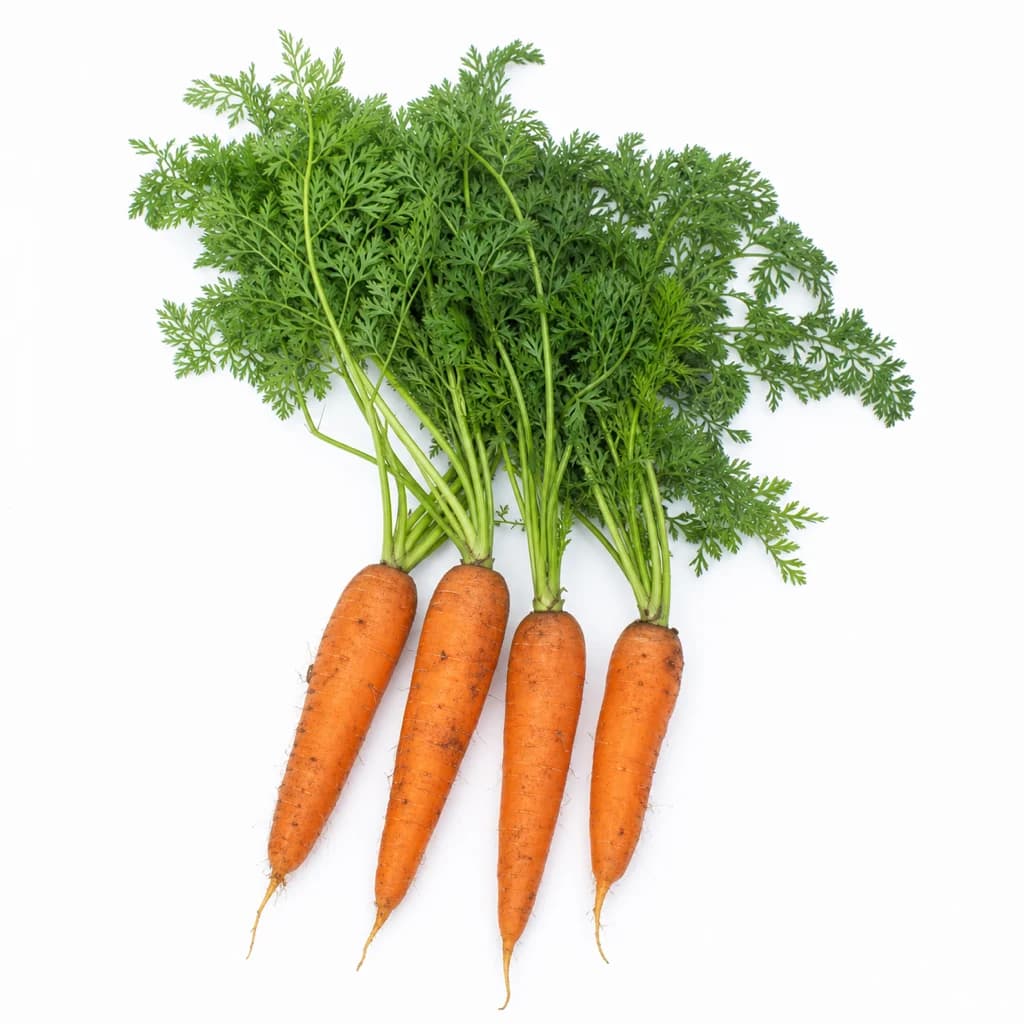
Carrot
Sweet, crunchy root — raw, roasted, or the base of a sofrito
Cucumber
Cool, crisp, and watery — for salads, pickles, and tzatziki

Lettuce
Crisp leaves for salads, wraps, and a fresh crunch