Proteins
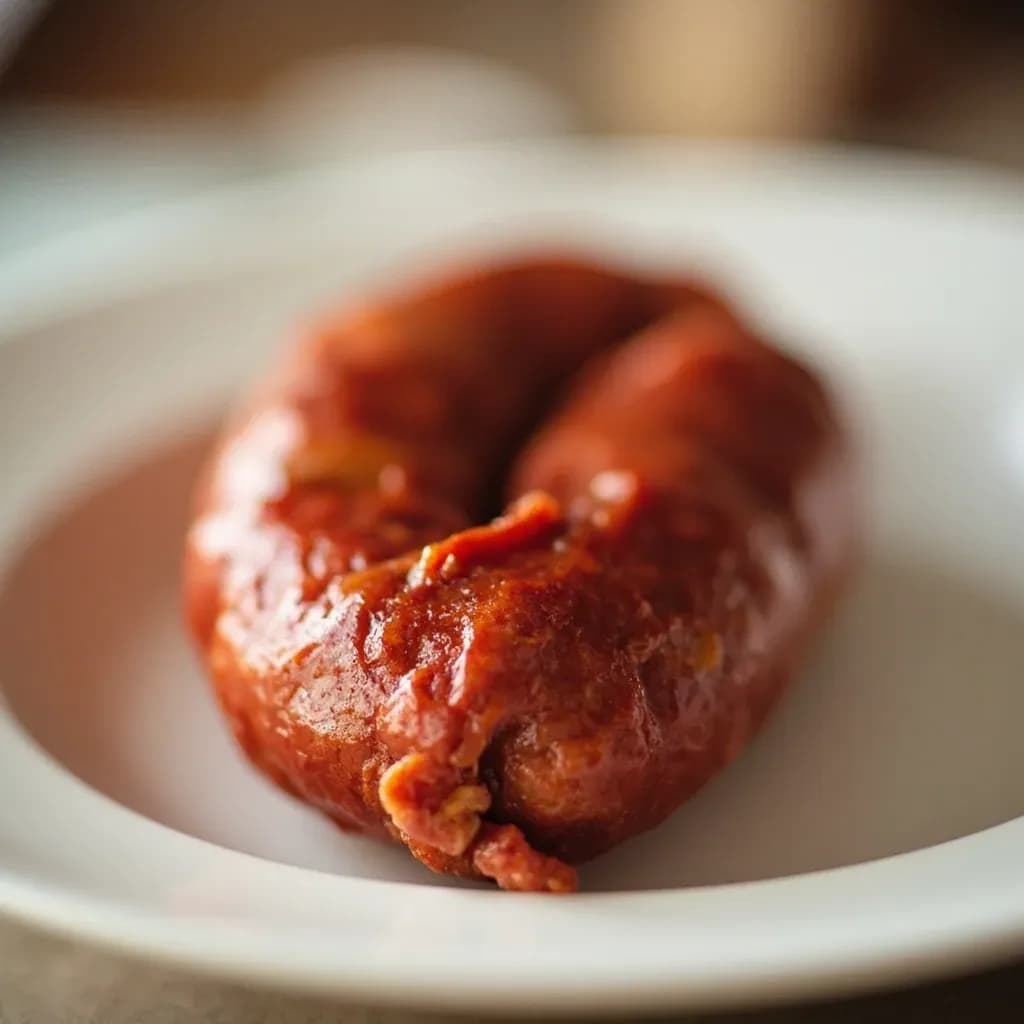
Blood Sausage (Morcela)
Portuguese blood sausage seasoned with spices, grilled or simmered into hearty stews.
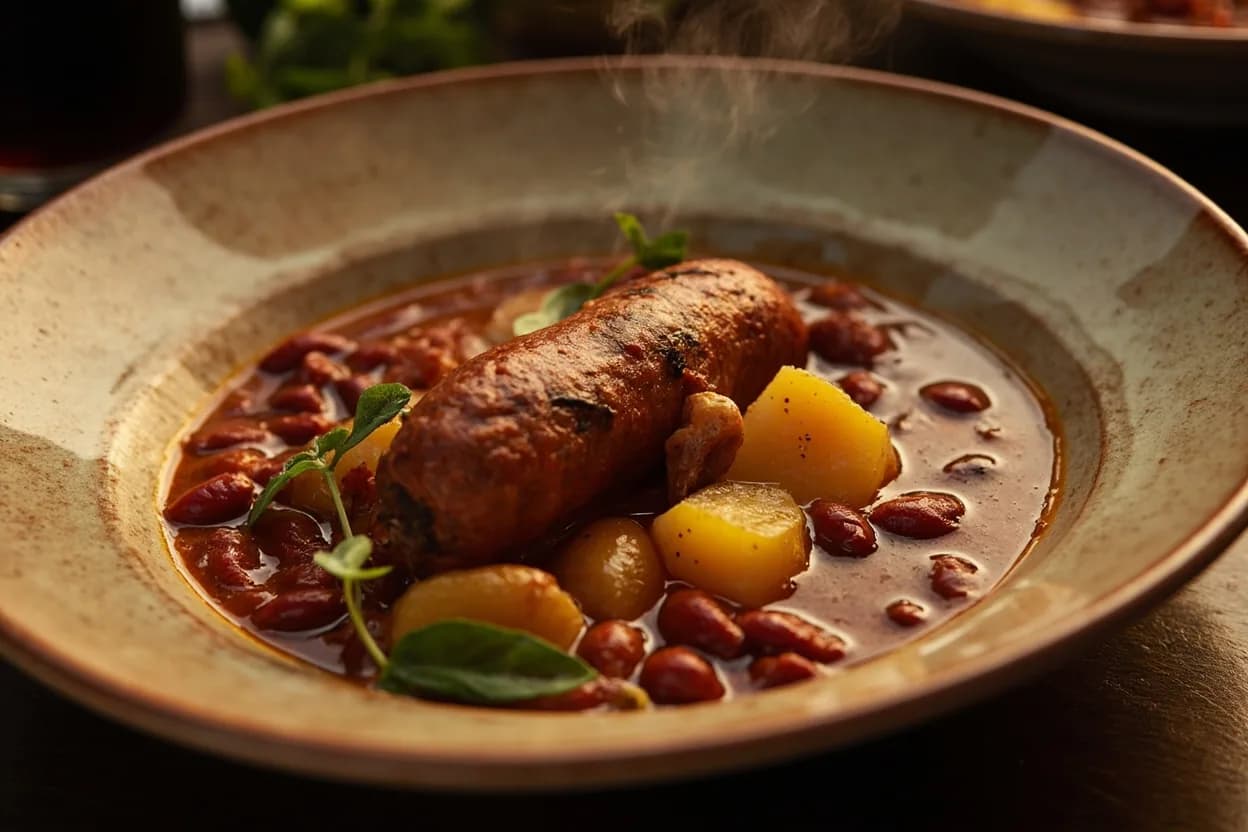
Morcela is a Portuguese blood sausage made from pork blood, fat, and warm spices stuffed into a casing. It is grilled, fried, or added to stews and feijoada for deep, savory richness. Regional versions vary, with some sweetened or studded with rice, and it is a traditional part of Portuguese cured-meat platters.
Morcela is a Portuguese blood sausage made from pork blood and pork fat, stuffed into natural pork intestine casings. Originating from northern Portugal, particularly the Minho and Trás-os-Montes regions, it is distinguished by a spice profile that prominently features cinnamon and cloves—a faintly sweet warmth that sets it apart from the more savory Spanish morcilla. The sausage functions as both a protein and a flavoring agent in Portuguese cooking: its rendered fat enriches stews and bean dishes while its deep color imparts an appetizing darkness to braises. Two principal styles exist: morcela de arroz, the most common commercial variety, uses rice as a starch filler for a slightly lighter interior; morcela de sangue, the traditional rice-free version, produces a denser, more intensely bloody sausage. Fresh morcela should feel firm with a clean, earthy smell—the blood registers as rich and mineral rather than unpleasant. In traditional home cooking, morcela rarely stands alone as the sole protein; instead, it seasons and deepens other dishes, making it an economical yet flavor-forward component of Portuguese pantry cooking.
- Measured in
- g
- Storage
- Fridge
Types & varieties
Most common variety; rice filler yields a slightly lighter texture and more open interior
Traditional rice-free style; denser, more concentrated blood flavor and firmer bite
Homestyle version, typically larger in diameter and looser in seasoning; often made for Sunday family meals
Common uses
Tips & pitfalls
- Prick the casing 2–3 times with a fork before grilling to prevent bursting under heat
- Grill over medium coals, not high heat—aim for 8–10 minutes per side, turning once
- When adding to stews, introduce morcela in the last 20–30 minutes to keep the casing intact
- Account for the significant fat released during cooking; reduce added oil or butter in the dish accordingly
- Taste a small raw piece before cooking—if the spice level feels aggressive, balance the finished dish with lemon, tomato, or acidic condiments
- Overcooking is the most common mistake: it splits the casing and makes the interior mealy and dry
- If buying fresh from a butcher, use within 2–3 days for optimal flavor; vacuum-sealed commercial versions have a longer shelf life
- The sausage smells earthy and mineral when fresh; discard any with a sour or off odor indicating spoilage
Nutrition
Energy
1586 kJ · per 100 g
Where the calories come from
Protein
14.6g
29% DV
Carbs
1.3g
0% DV
Fat
34.5g
44% DV
Fiber
0g
0% DV
Sugars
1.3g
of which
Sodium
680mg
30% DV
Source · USDA FoodData Central · Blood sausage
View on FDC →In the shops
Matched grocery products
No matched grocery products for Blood Sausage (Morcela) yet.
Good to know
- Primary ingredients
- Pork blood and pork fat
- Casing
- Natural pork intestine
- Key seasonings
- Cinnamon, cloves, black pepper; nutmeg sometimes added
- Origin
- Northern Portugal (Minho and Trás-os-Montes)
- Raw color
- Dark brown to black
- Cooked color
- Deep mahogany
- Texture (grilled)
- Dense and firm; crisp exterior
- Texture (simmered)
- Softer, creamier interior
Substitutes
- Morcilla (Spanish blood sausage) — Closest substitute; typically seasoned with onion and paprika rather than cinnamon, but similar in texture and culinary use
- Black pudding (British/Irish) — Sturdier, denser texture; lacks the sweet spice warmth of morcela but acceptable in stews and fried preparations
- Boudin noir (French blood sausage) — Often contains cream or breadcrumbs for a lighter texture; milder blood flavor and different spice profile
Pairs with
Also called
Morcela · Portuguese Blood Sausage
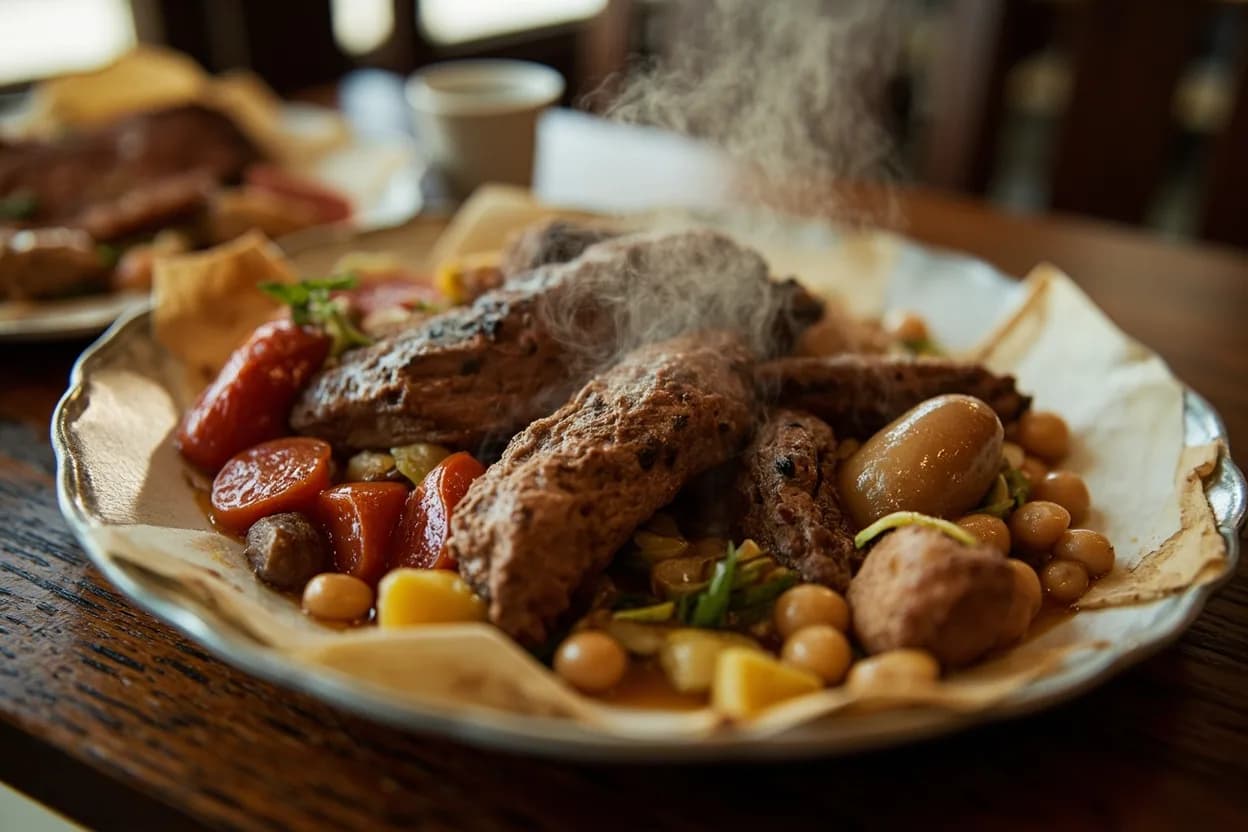
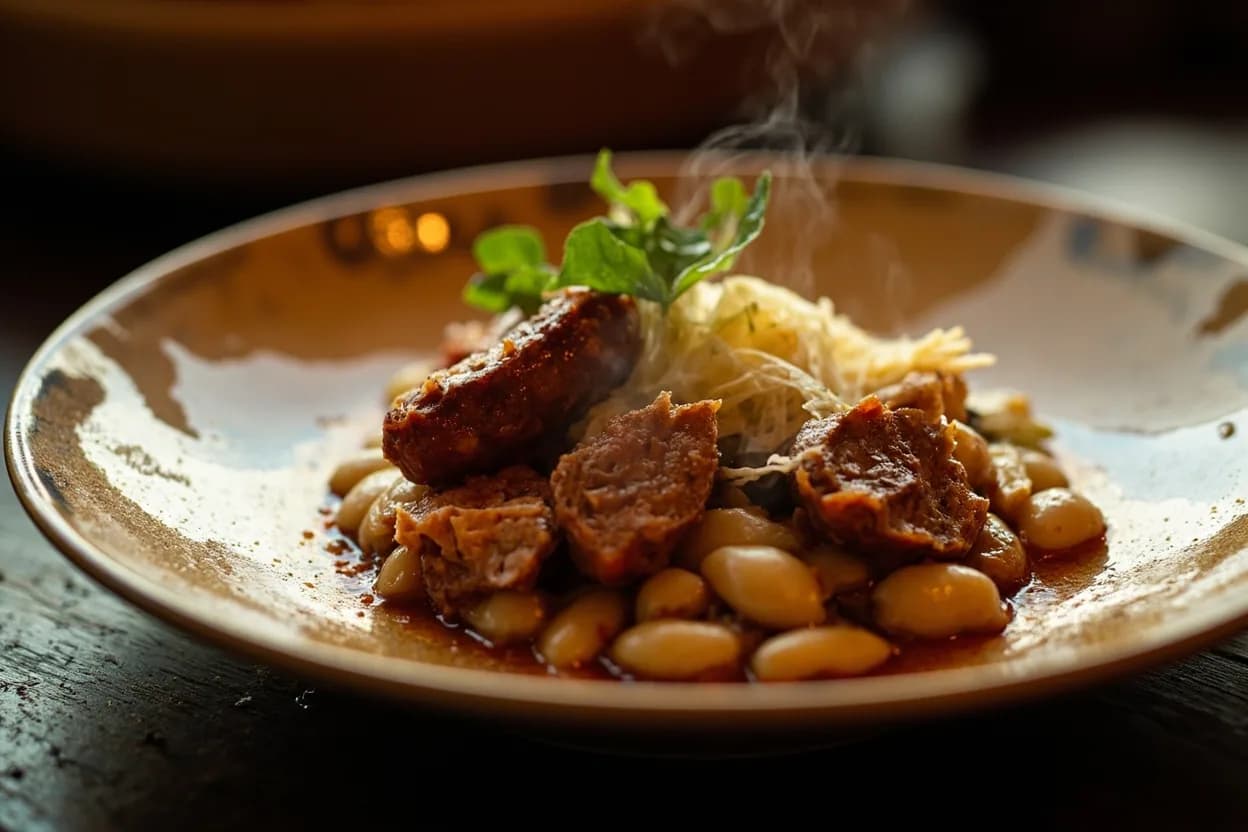
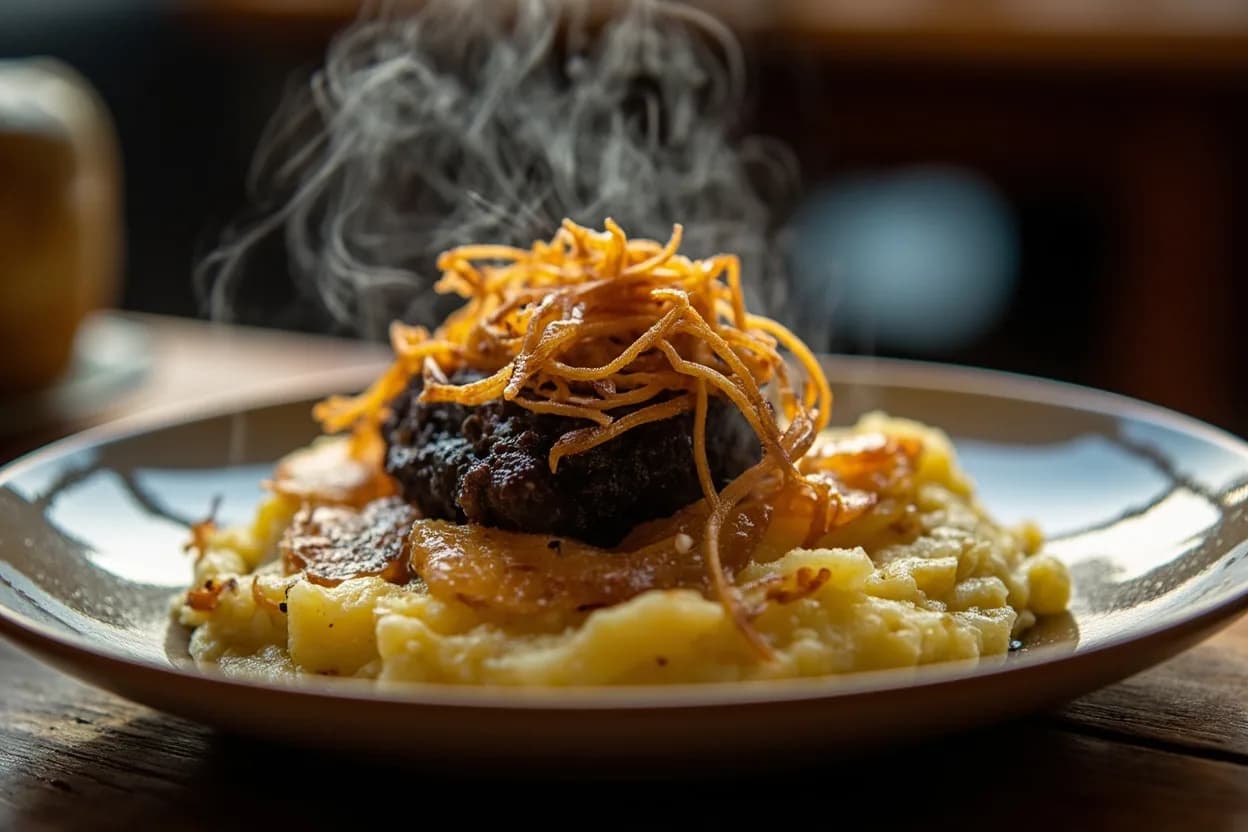
Appears in these dishes
Related

Egg
The kitchen's everything ingredient — bind, leaven, enrich, or fry

Chicken Breast
Lean, quick-cooking white meat for everyday dinners

Ground Beef
Versatile minced beef for burgers, ragù, tacos, and meatballs

Pork Loin
Lean, tender roasting cut that stays juicy with care

Salmon
Rich, rosy fish that roasts, grills, or cures beautifully

Egg White
Pure protein that whips to airy peaks for meringue and more

Egg Yolk
Rich, golden yolk for custards, mayonnaise, and pasta

Quail Egg
Tiny, speckled eggs for garnishing and elegant bites