Natural form
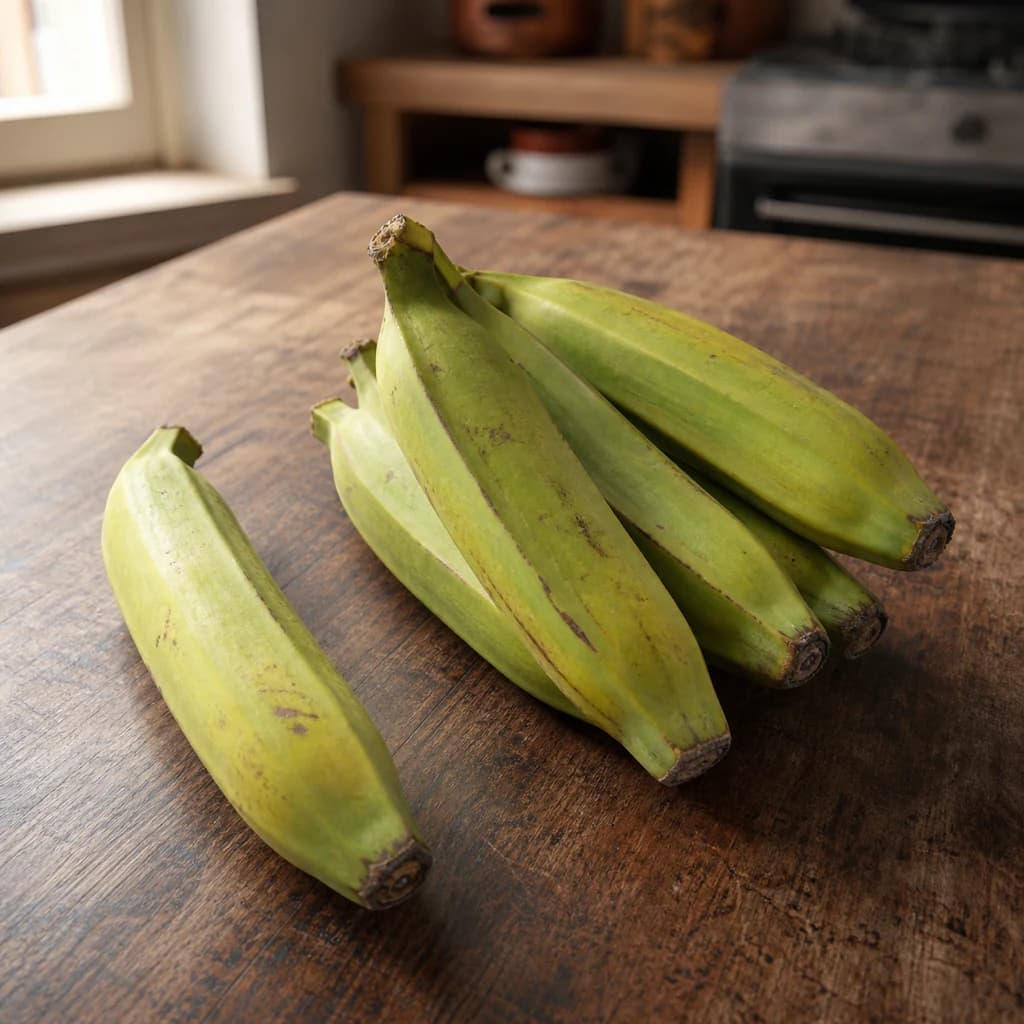
Unripe Nendran bananas: long, angular, and thick-skinned on a wooden surface.
Shows the distinctive size, angular ridges, and green-yellow skin that identify Nendran from other banana varieties.
Produce
Nendran Banana
Large Kerala plantain used for chips, steamed snacks, and the sweet fry pazham pori.
Nendran is a large plantain variety central to the cuisine of Kerala, India. The firm, starchy fruit is fried into golden banana chips, steamed and mashed for breakfast, or dipped in batter and fried as the sweet snack pazham pori when ripe. It holds its shape well when cooked and is starchy rather than sugary unless fully ripe.
Nendran is Kerala's premier cooking banana, a distinct cultivar of Musa × paradisiaca valued for its ability to hold firm during frying, steaming, and prolonged cooking—a quality that separates it entirely from the sweet dessert bananas sold in Western produce sections. The fruit is substantially larger than common bananas, typically 15–25 cm long, with a notably thick green skin that turns dull yellow with black spots as it ripens. Its pale cream-colored flesh is dense and starchy when unripe, becoming soft and creamy at peak ripeness. What makes Nendran indispensable in South Indian kitchens is its unusually high resistant starch content, which allows it to withstand deep-frying into crisp chips without falling apart and simmer in coconut milk curries without dissolving into a gluey mass. The variety is cultivated predominantly in Kerala's central districts, particularly around North Paravur in Ernakulam district—its namesake town—and is considered non-negotiable for Onam and Vishu celebrations; no sadya (traditional feast) is complete without Nendran chips as a crunchy side and pazham nirachathu as a dessert. Outside Kerala, true Nendran is found at South Asian grocery stores; when unavailable, Caribbean green plantains offer the closest practical substitute, though they lack the subtle, almost nutty sweetness that distinguishes the native variety.
- Measured in
- piece
- Storage
- Pantry
Types & varieties
Preferred for banana chips; slightly smaller with denser flesh that crisps evenly
Longer variety suited for curries and thoran; larger with more fibrous texture that holds shape in liquid
Common uses
Tips & pitfalls
- Always use coconut oil for authentic flavor when frying Nendran chips or pori; refined oil produces noticeably inferior results and a different aromatic profile
- For chips, slice unripe banana as thin as possible (2–3 mm) using a mandoline; uneven thickness causes some slices to burn while others remain soft
- Nendran must be cooked unripe for savory dishes—ripe fruit becomes too soft and disintegrates in curries
- Test ripeness by pressing gently: unripe yields no give; ripe gives slightly and skin shows black spots
- Store unripe Nendran at room temperature away from sunlight; refrigeration halts ripening and can cause discoloration
- The batter for pazham pori should coat the banana but not be so wet it slides off; a 1:1 rice flour to all-purpose flour ratio with turmeric works reliably
- Never overmix grated banana for thoran—squeeze out excess moisture before cooking or the dish becomes mushy
- For kootu curry, parboil the banana pieces in salted water first to remove excess starch and prevent a gluey texture
- The peel is very thick—score it lengthwise before slicing to avoid injury and ensure even cuts
- Use immediately once sliced; oxidized flesh darkens rapidly and affects appearance in light-colored dishes
Nutrition
Energy
372 kJ · per 100 g
Where the calories come from
Protein
1.1g
2% DV
Carbs
22.8g
8% DV
Fat
0.3g
0% DV
Fiber
2.6g
9% DV
Sugars
12.2g
of which
Sodium
1mg
0% DV
Source · USDA FoodData Central · Bananas, raw
View on FDC →In the shops
Matched grocery products
 €0.26
€0.26Banana
170 g · Mercadona
 €0.22
€0.22Banana 1 unit
ud · Bonpreu
 €0.81
€0.81Plantain
280 g · Mercadona
 €0.41
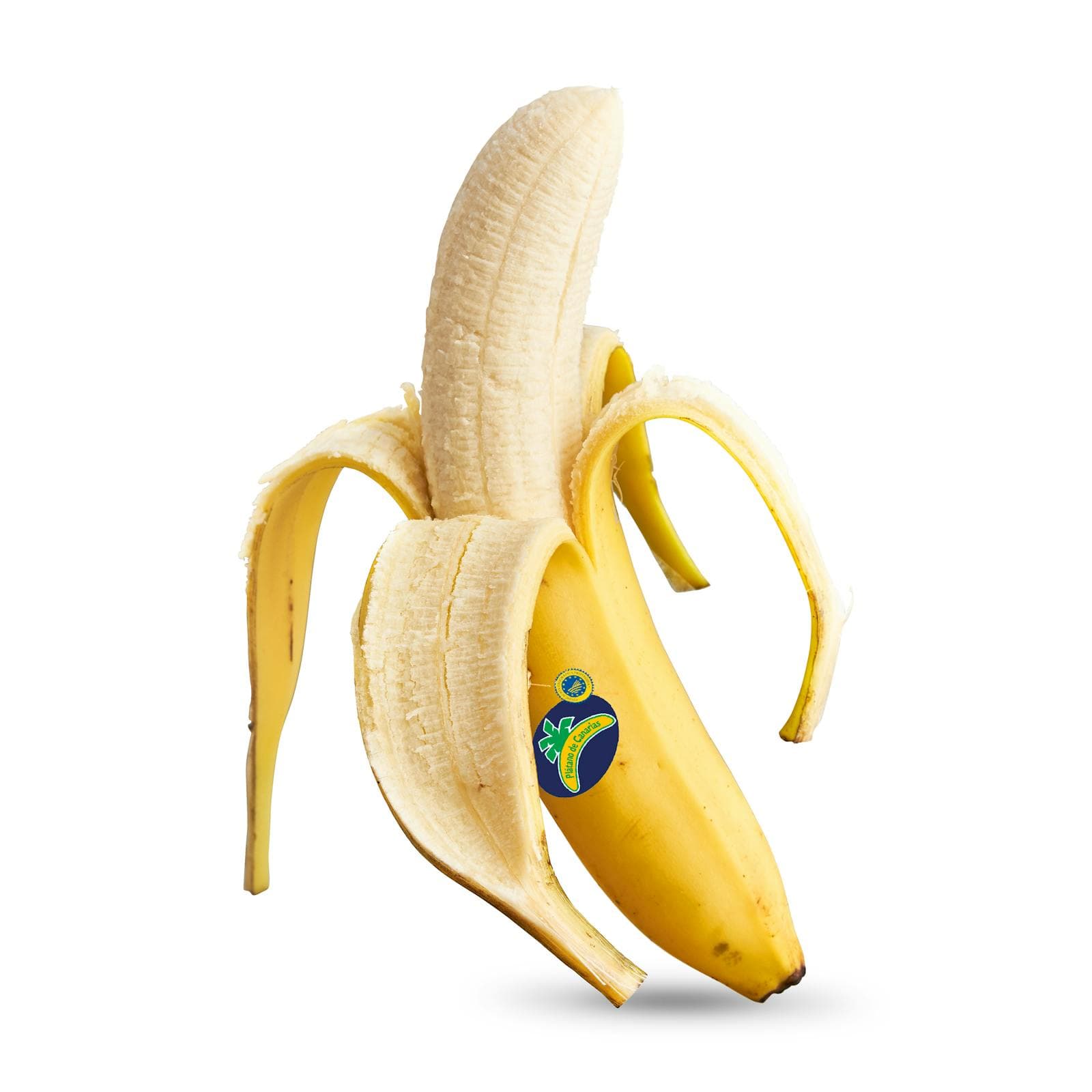
€0.41Canary Islands Banana IGP
150 g · Mercadona
 €1.49
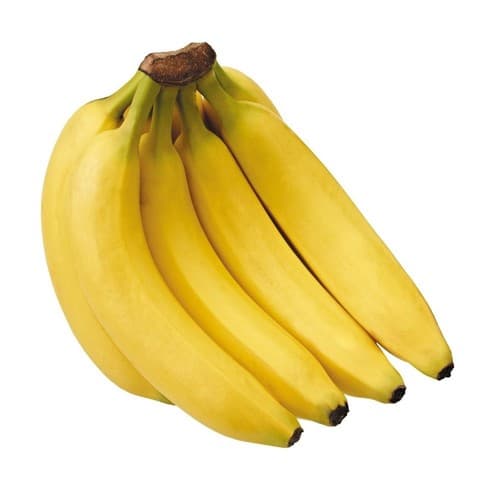
€1.49Banana Cluster 800 g
kg · Bonpreu
 €0.68
€0.68Canary Islands IGP Banana
LA COLLITA · ud · Bonpreu
Good to know
- Scientific Name
- Musa × paradisiaca
- Origin
- Kerala, India; named after the town of North Paravur in Ernakulam district
- Alternate Names
- Nendran Vazha, Kerala Plantain, Kerala Banana, Ethan
- Physical Description
- Large, elongated fruit 15–25 cm long; thick green skin when unripe, dull yellow with black spots when ripe; pale cream-colored flesh
- Texture
- Firm, dense, and starchy when unripe; soft and creamy when fully ripe
- Peak Season
- October to March in Kerala; available year-round in markets
- Shelf Life
- 2–3 days at room temperature when ripe; up to 1 week unripe; can be frozen when sliced
- Starch Content
- High resistant starch when unripe; low glycemic impact; starch converts to sugars as fruit ripens
Substitutes
- Rasthali Banana — Available throughout South India; similar starchy texture and cooking properties, slightly smaller in size
- Monthan Plantain — White pith variety common in Karnataka and Tamil Nadu; holds shape well in curries
- Blachaki — Kerala wild banana; more fibrous but acceptable for chips and fritters
- Green Cooking Plantain — West African/Caribbean variety; comparable starch content and cooking behavior; flavor is slightly more pronounced
Pairs with
Also called
Nendran · Kerala Plantain · Nendra Banana
Related
Tomato
Juicy, sun-sweet fruit for sauces, salads, and slow-cooked depth
Yellow Onion
The aromatic backbone of soups, sofritos, and braises
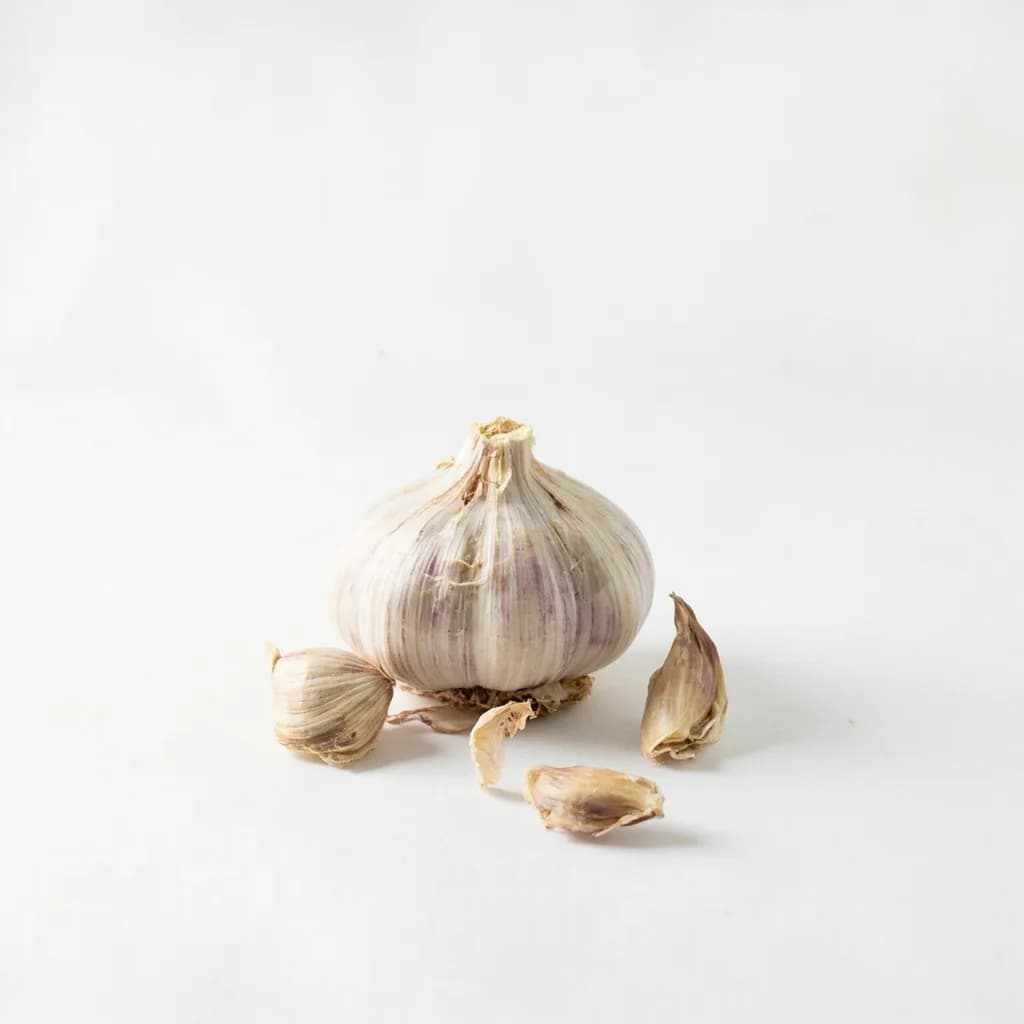
Garlic
Pungent cloves that perfume nearly every savory dish
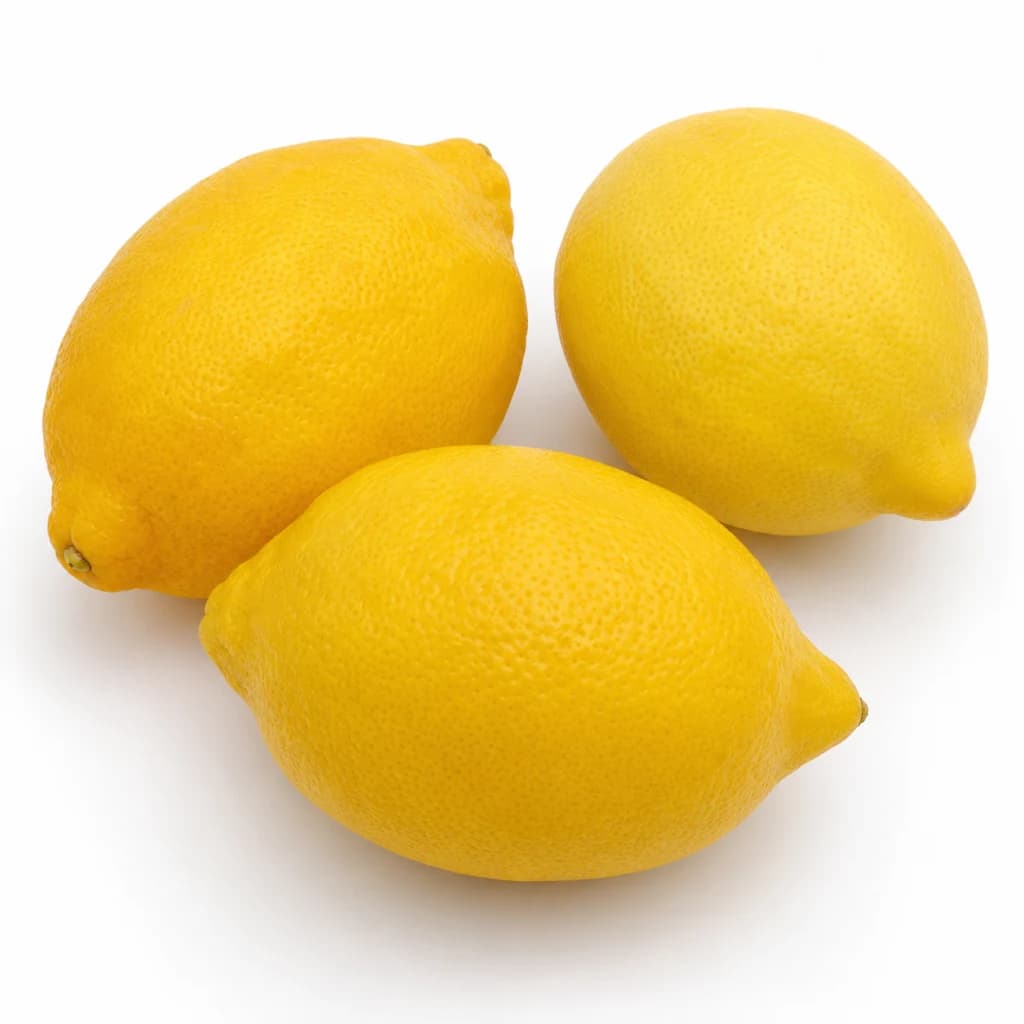
Lemon
Bright, acidic citrus that wakes up almost any dish
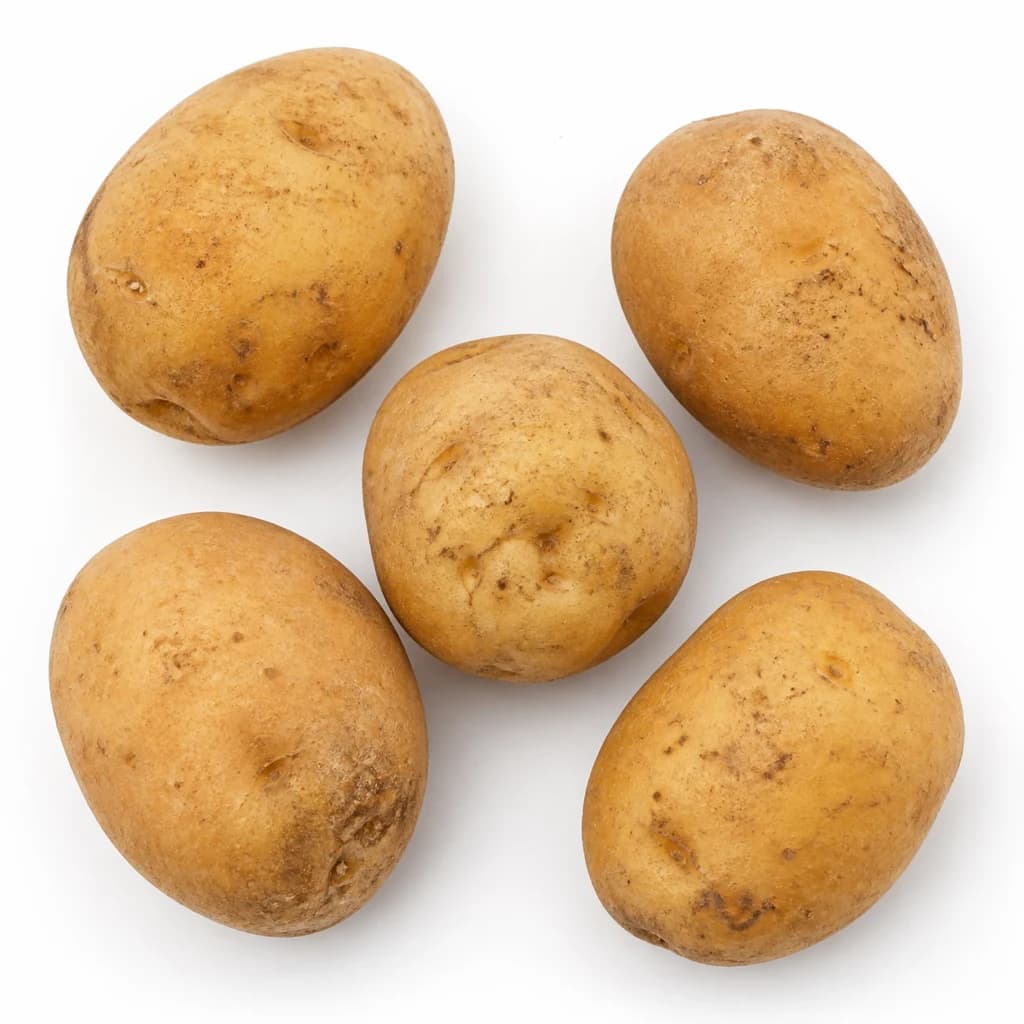
Potato
Humble, hearty staple — roast, mash, fry, or boil
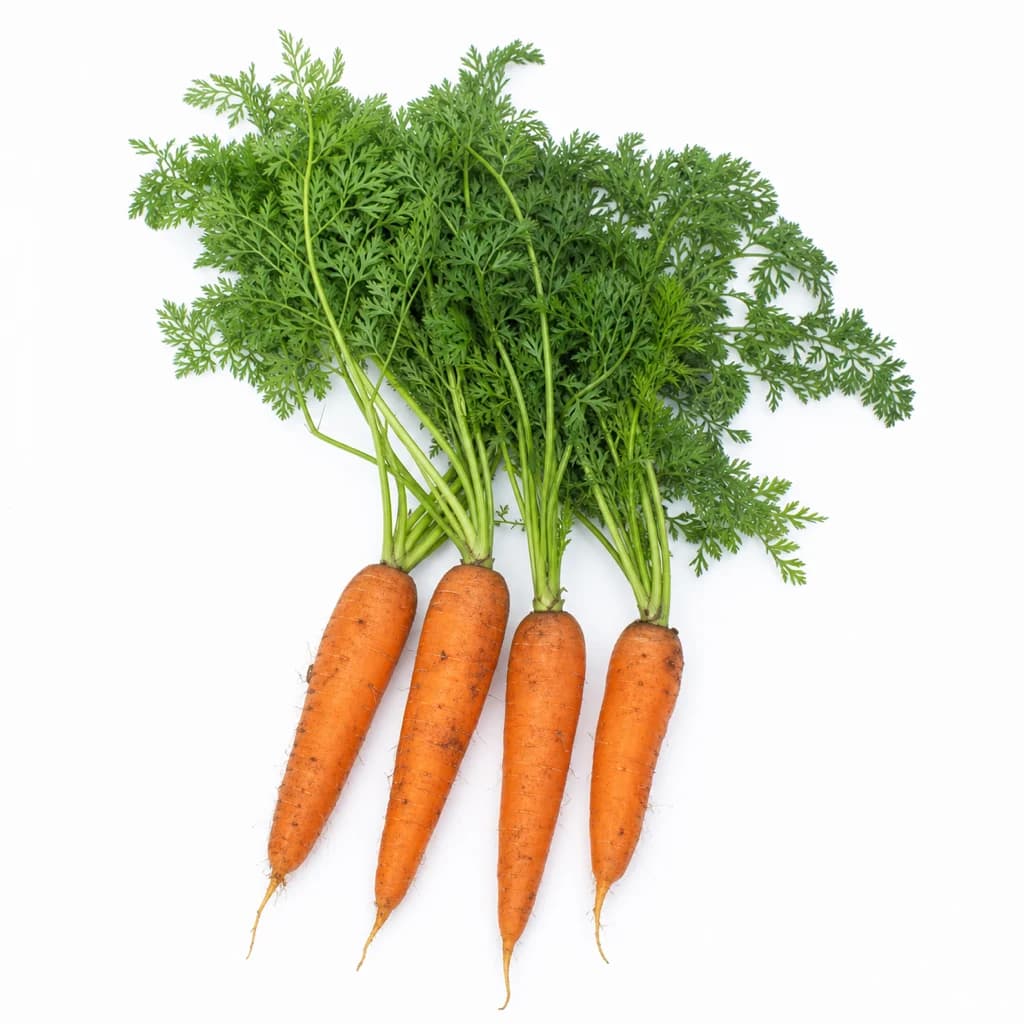
Carrot
Sweet, crunchy root — raw, roasted, or the base of a sofrito
Cucumber
Cool, crisp, and watery — for salads, pickles, and tzatziki

Lettuce
Crisp leaves for salads, wraps, and a fresh crunch