
Natural form
Raw perch fillets showing their small size, pale translucent flesh, and fine texture.
Establishes the ingredient's raw appearance — the thin, translucent white flesh and small fillet size that define perch.
Proteins
Perch Fillet (Egli)
Delicate freshwater perch fillets, floured and pan-fried in Alpine lake cooking.
Perch fillets, called egli or filets de perche in Switzerland, come from a freshwater lake fish with sweet, flaky white flesh. The small fillets are lightly floured and pan-fried in butter, served with lemon and parsley, a classic of Lake Geneva. The flavor is clean and delicate.
Egli—Swiss for European perch (Perca fluviatilis)—is the crown jewel of Alpine freshwater fish, prized for its firm, snow-white flesh with a delicate sweetness and clean taste that has anchored Swiss cuisine for generations. Caught primarily in the clear, cold lakes of Switzerland—Zurichsee, Bodensee, Lac de Neuchâtel—these fish develop a superior texture and flavor that the Swiss hold in higher regard than river-caught specimens (Flussbarsch). The fillets are characteristically thin, 5–10mm, which means they cook in 2–3 minutes per side over high heat and demand attentive timing: overcooked perch loses its prized yielding texture and turns dry. Their relatively low fat content makes them delicate, yet a proper sear in clarified butter develops a golden crust without the flesh turning heavy. The thin fillets also mean pin bones are concentrated in a distinct row along the lateral line and must be removed with tweezers before cooking—a non-negotiable step that distinguishes a competent cook from a careless one. Source Egli from fishmongers with verified cold chains; any fishy odor indicates poor freshness, and the mild flavor of perch offers no camouflage for inferior product.
- Measured in
- g
- Storage
- Fridge
Allergens
Types & varieties
From Alpine lakes (Zurichsee, Bodensee, Neuchâtel); typically 150–400g whole; prized for firm texture and clean flavor.
Available in some markets; generally larger fillets; milder flavor due to controlled diet.
Sourcing and Freshness
True Egli fillets should smell of nothing—or rather, of clean water and cold. Any pronounced fishy, ammonia-like, or sour note signals the fish has been mishandled or is past its prime. The flesh should be translucent and glistening, not dull or slimy. When pressed gently, it should spring back immediately. Because perch has such a mild flavor, freshness is everything: there is nowhere for quality issues to hide. Buy from fishmongers who can confirm the cold chain and, if possible, source specifically from Swiss or Austrian lakes rather than farm-raised alternatives.
- Ask your fishmonger for fillets pinned-boned if available; this saves prep time and ensures consistency
- If buying whole, look for clear, bright eyes and bright red or pink gills
- Request the fillets be cut to even thickness for uniform cooking
The Pan-Fry: Getting It Right
Pan-frying is the classic Egli preparation and the test of a cook's judgment. The key variables are heat, fat, and timing. Clarified butter or a blend of half butter and half neutral oil gives you the nutty flavor of butter with a higher smoke point, preventing the crust from burning before the fish is cooked through. The pan must be genuinely hot before the fillets go in—a drop of water should skitter and evaporate immediately. Do not crowd the pan; each fillet needs space around it or the moisture released will steam the fish rather than sear it. Cook 2–3 minutes per side, watching for the flesh to turn opaque from the edges inward and flake slightly at the thickest point. Rest on a wire rack, never on paper towels, which trap steam and sog the crust.
- Season the flour generously—salt and pepper in the dredge is your only chance to season the fish itself
- Pat fillets bone-dry before flouring; moisture is the enemy of a crisp crust
- For extra crunch on thin fillets, try a double-dredge: flour, beaten egg, flour again
- Add a splash of lemon juice or white wine to the pan after flipping for brightness
Common uses
Tips & pitfalls
- Remove pin bones with tweezers before cooking—perch has a distinct row along the lateral line that will ruin the bite if missed
- Pat fillets completely dry with paper towels before flouring; moisture is the enemy of a crisp crust
- Season the flour generously with salt and pepper; this is your only chance to season the fish itself
- Use high heat and clarified butter or a butter-oil blend to prevent burning at the Maillard temperature
- Do not crowd the pan—cook in a single layer with space between fillets; otherwise, fillets steam rather than fry
- Rest cooked fillets on a wire rack, never on paper towels, to preserve crispness
- Add a splash of lemon juice or white wine to the pan after flipping for brightness
- If fillets are very thin, consider a double-dredge (flour, beaten egg, flour) for extra crunch
- Watch the edges: the thin fillets cook from the edges inward; peek to check opacity, not just color
Nutrition
Nutrition
No USDA FoodData Central match for Perch Fillet (Egli) yet. We surface a per-100 g profile once a generic whole-food entry is matched and verified.
In the shops
Matched grocery products
No matched grocery products for Perch Fillet (Egli) yet.
Good to know
- Scientific name
- Perca fluviatilis (European perch)
- German name
- Egli (Swiss); Flussbarsch, Barsch (Germany/Austria)
- Origin
- Freshwater systems across Europe and northern Asia, from the British Isles to Siberia; introduced to Australia, New Zealand, South Africa
- Peak season
- Autumn through early winter; fish are at their firmest and most flavorful
- Flavor profile
- Mild, delicate; subtle sweetness; clean freshwater taste; white, fine-grained flesh
- Texture
- Firm but tender; flakes easily; thin fillets (5–10mm) with a distinct row of pin bones
- Yield
- 35–45% fillet from whole fish; cook time is 2–3 minutes per side at high heat
- Shelf life
- Fresh: 1–2 days on ice; Frozen: up to 3 months at −18°C or below
Substitutes
- Pike perch (Zander) — Closest texture and mild flavor; slightly firmer; excellent pan-fried and nearly interchangeable in Alpine preparations
- Walleye — Similar flaky texture with sweet flavor; readily available in North American markets; use in same preparations
- Sea bass (Wolfsbarsch) — Mild and delicate with slightly firmer flesh; acceptable substitute in a pinch, especially for baking or poaching
- Cod fillet — Milder flavor; better suited to baking or poaching than pan-frying due to lower fat content
- Sole or flounder — Comparable delicate texture; much thinner fillets require gentler cooking and shorter time
Also called
Egli · Filets de Perche
Related
Egg
The kitchen's everything ingredient — bind, leaven, enrich, or fry
Chicken Breast
Lean, quick-cooking white meat for everyday dinners

Ground Beef
Versatile minced beef for burgers, ragù, tacos, and meatballs
Pork Loin
Lean, tender roasting cut that stays juicy with care
Salmon
Rich, rosy fish that roasts, grills, or cures beautifully

Egg White
Pure protein that whips to airy peaks for meringue and more
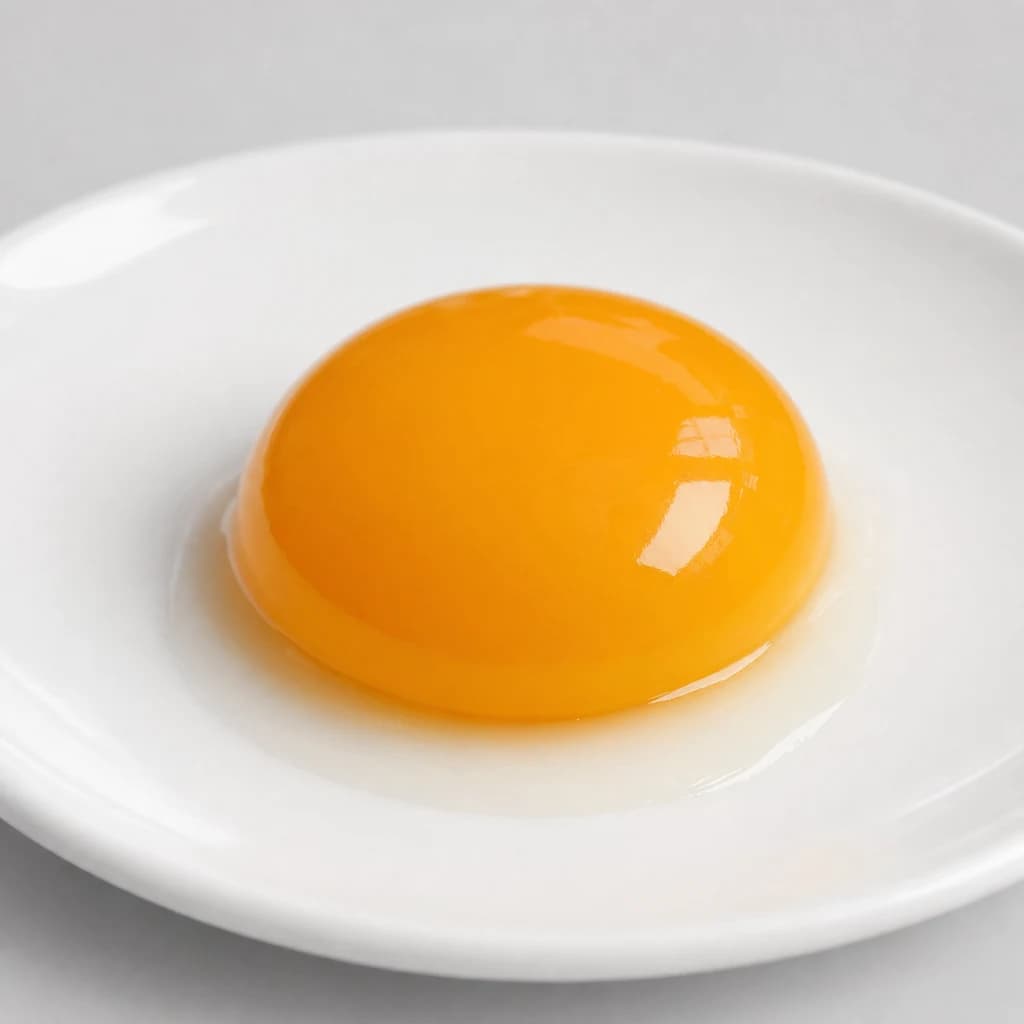
Egg Yolk
Rich, golden yolk for custards, mayonnaise, and pasta

Quail Egg
Tiny, speckled eggs for garnishing and elegant bites