
Natural form
Whole Portuguese sausage links showing their firm, dark red casing and tied ends.
Shows the sausage in its purchased form so readers recognize it on sight at the store.
Proteins
Portuguese Sausage
Smoky, paprika-spiced pork sausage sliced for Hawaiian breakfasts and stews.
Portuguese sausage is a smoked, garlicky pork sausage seasoned with paprika and pepper, brought to Hawaii by Portuguese immigrants. It is sliced and pan-fried for the classic Hawaiian breakfast plate with eggs and rice, and added to soups like caldo verde. It has a firm bite and smoky, mildly spicy flavor.
Portuguese sausage, known locally in Hawaii as linguiça, is a fully cooked, smoked pork link distinguished by its deep reddish-orange color from paprika and its bold, savory character. The sausage traces its roots to Azorean and Madeiran immigrants who arrived in Hawaii in the 1880s to work on sugarcane plantations, particularly on Maui, where the tradition took firm hold. Today it appears in virtually every Hawaiian grocery store and has become a defining ingredient in the island's beloved plate lunch tradition, bridging Portuguese heritage and Hawaiian fusion cuisine.
Unlike fresh sausages that require thorough cooking, Portuguese sausage is already smoked and fully cooked during processing; it is sold raw-looking but needs only reheating to serving temperature. The casing shrinks faster than the interior during cooking, which causes bursting if not properly handled. The sausage renders generous fat during cooking, which serves as its own cooking medium and imparts richness to accompanying ingredients like rice and eggs.
The flavor profile is smoky, garlicky, and mildly spiced with paprika, creating a savory depth that holds up well against bold accompaniments like pineapple, Sriracha, and rich brown gravy. This versatility explains why the sausage has transcended its immigrant origins to become a fixture of Hawaiian breakfast plates, fried rice, stews, and casual grilling.
- Measured in
- g
- Storage
- Fridge
Types & varieties
The standard island variety; moderately smoked with prominent garlic and paprika; sold coiled in grocery stores across Hawaii and on the mainland
Lower paprika heat; suited for those sensitive to spice
Hot paprika or cayenne added for noticeable heat
Similar to Hawaiian Portuguese sausage but often more coarsely ground and heavily smoked; used in Portuguese soups and stews
Common uses
Tips & pitfalls
- Always pierce the casing before cooking — the casing shrinks faster than the interior and will burst if not punctured; a fork works well for this
- Pan-fry over medium heat in its own rendered fat for 8–10 minutes, turning occasionally, until casing is crisp and interior is heated through
- For deep browning and crisp texture, avoid crowding the pan — use a large skillet or cook in batches
- Do not add oil — Portuguese sausage renders enough fat on its own
- If grilling, use medium-low indirect heat and cook slowly to render the fat without burning the casing
- When adding to stews or soups, add near the end of cooking to prevent the casing from becoming mushy
- If links are frozen, thaw in refrigerator overnight; do not thaw at room temperature
- Remove casing before crumbling into fried rice or pasta dishes if a smooth texture is preferred
Nutrition
Energy
649 kJ · per 100 g
Where the calories come from
Protein
18.8g
38% DV
Carbs
0.5g
0% DV
Fat
8.1g
10% DV
Fiber
0g
0% DV
Sugars
0g
of which
Sodium
593mg
26% DV
Source · USDA FoodData Central · approx. Sausage, turkey, fresh, raw
View on FDC →In the shops
Matched grocery products
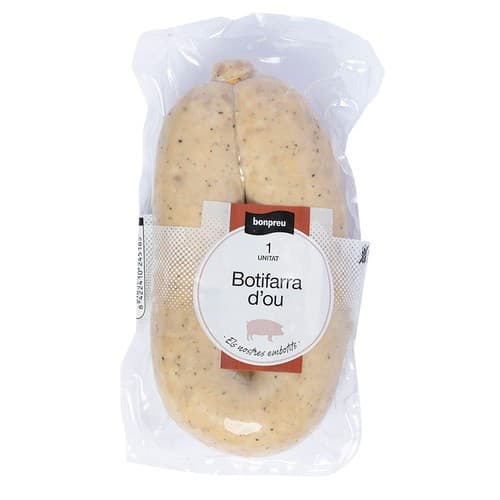 €3.79
€3.79Egg Sausage
BONPREU · kg · Bonpreu
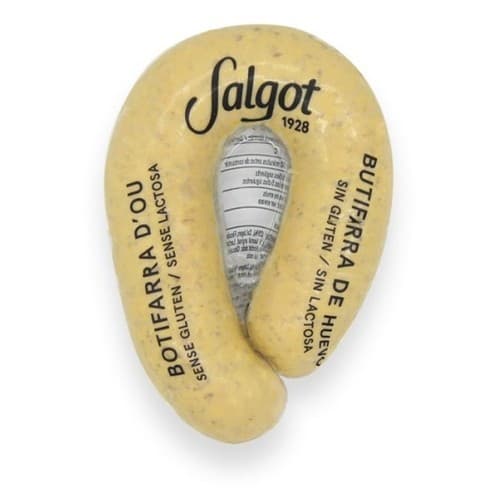 €4.99
€4.99Egg Sausage
SALGOT · kg · Bonpreu
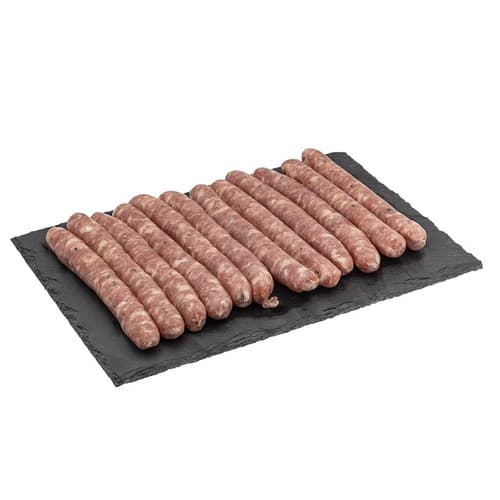 €5.99
€5.99Pork Sausage
BONPREU DE L'ERA · kg · Bonpreu
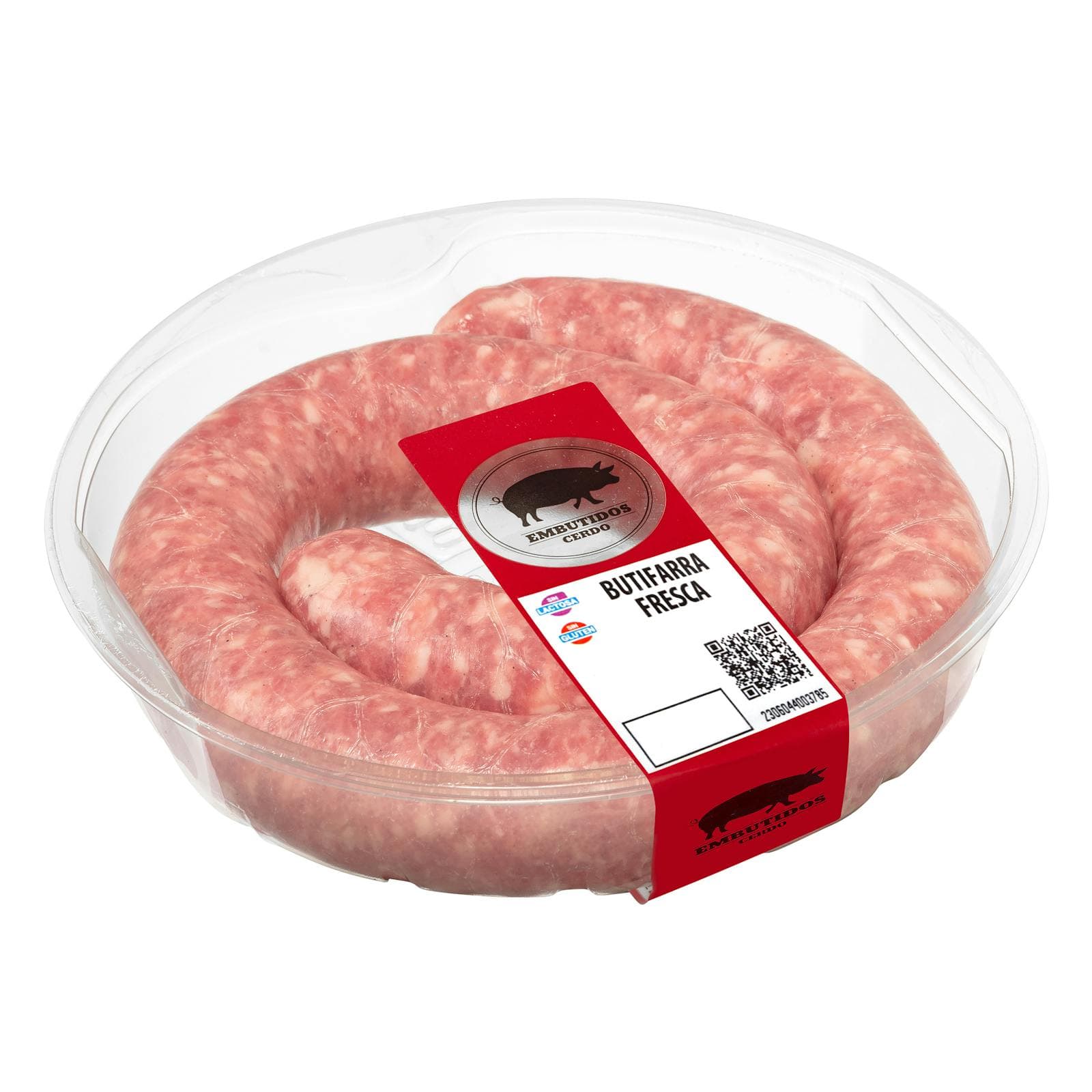 €3.62
€3.62Fresh Sausage
640 g · Mercadona
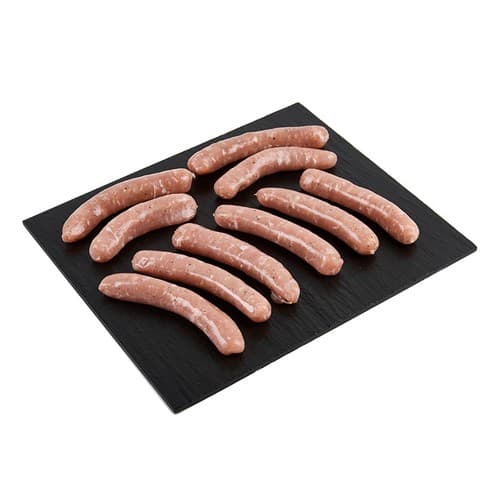 €6.75
€6.75Rabbit Sausage
BONPREU · kg · Bonpreu
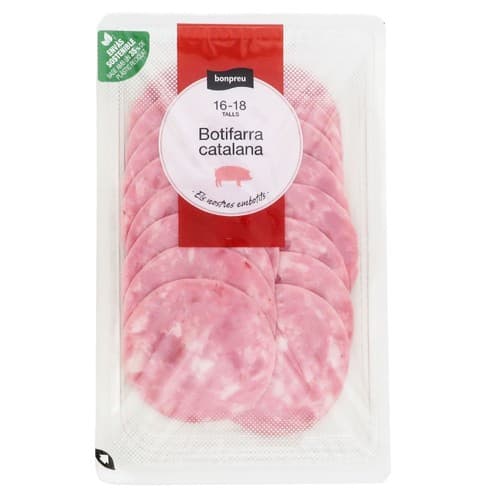 €1.89
€1.89Catalan Sausage
BONPREU · kg · Bonpreu
Good to know
- Origin
- Portuguese immigrant communities in Hawaii, late 1800s, particularly on Maui
- Primary Meat
- Pork (pork shoulder or butt)
- Key Seasonings
- Paprika (for color and mild heat), garlic, salt, black pepper
- Processing
- Fully cooked and smoked; sold raw-looking but ready to reheat
- Typical Form
- Cured pork link, often coiled or in a horseshoe shape
- Color
- Deep reddish-orange from paprika and smoked paprika
- Shelf Life (unopened)
- Refrigerated 2–3 weeks; check use-by date
- Shelf Life (opened)
- Refrigerated 5–7 days in airtight container
- Freezer Life
- Up to 2 months in freezer-safe packaging
- Flavor Profile
- Smoky, garlicky, mildly spiced, savory
Substitutes
- Portuguese Linguiça (mainland U.S.) — Nearly identical product; same flavor profile and cooking method
- Chouriço (Spanish or Portuguese) — Good substitute; often more heavily smoked and slightly spicier; casing is tougher and may need to be removed
- Andouille (smoked Cajun sausage) — Acceptable substitute with smoky and garlic notes; less paprika-forward; works in stews and fried rice
- Mexican Chorizo (fresh, not dried) — Works in crumbled applications; much higher fat content; must be cooked thoroughly before eating
- Polish Kielbasa — Mild garlic sausage; not smoked the same way; acceptable in a pinch for stews and sandwiches
Pairs with
Also called
Linguiça · Portuguese Linguica
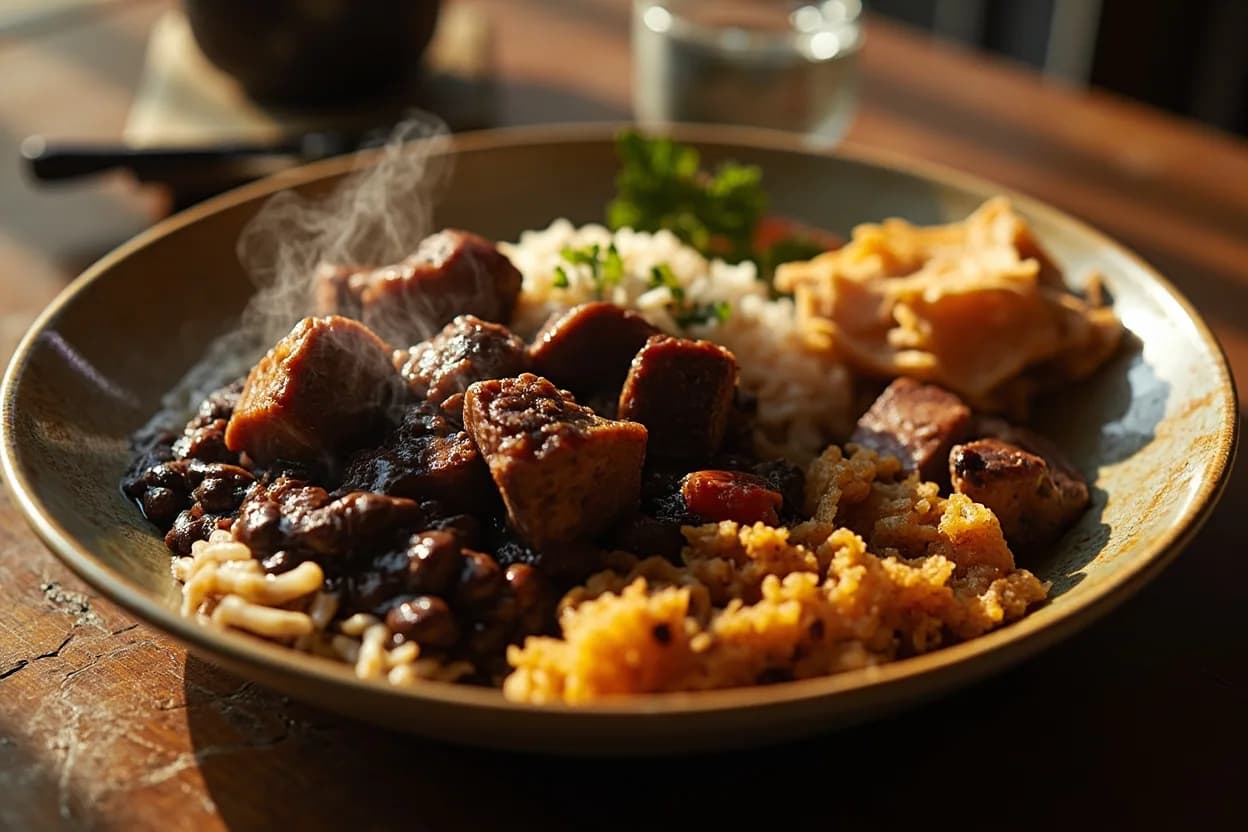
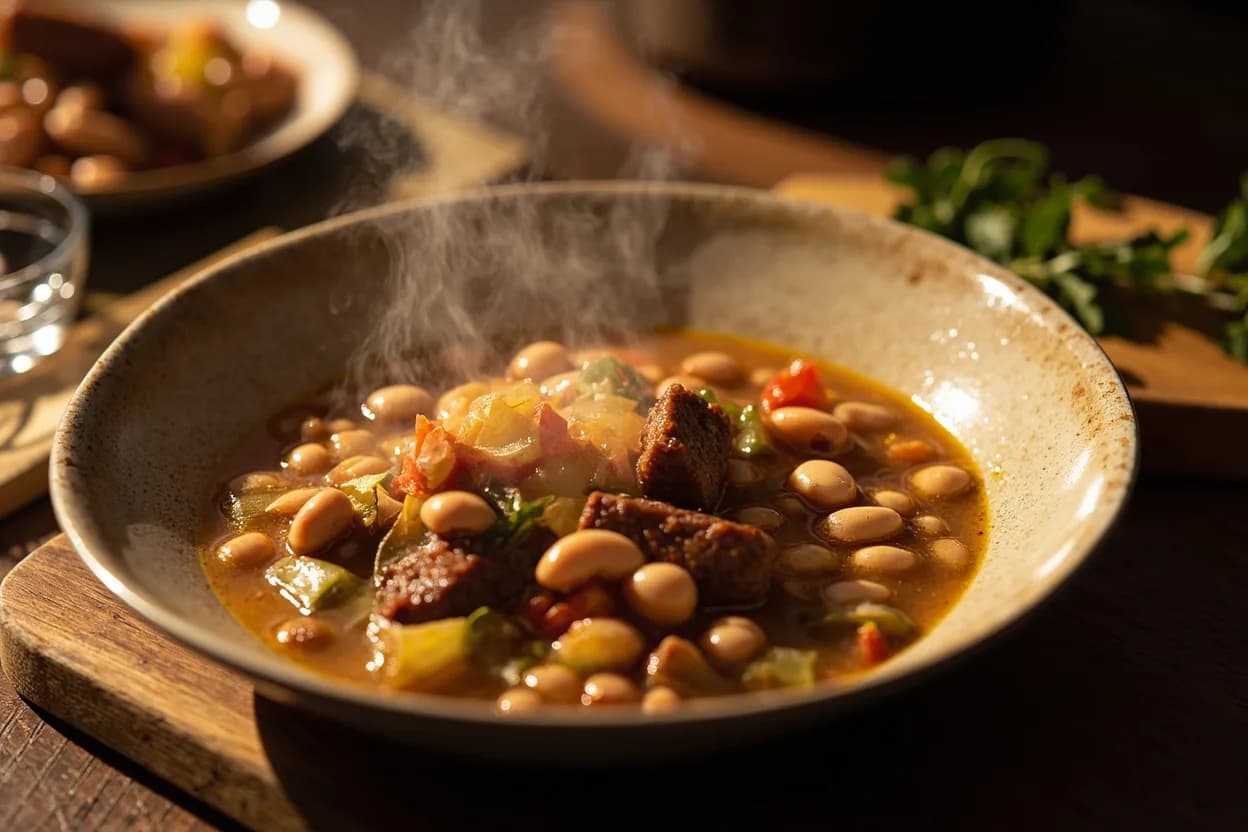
Appears in these dishes
Related
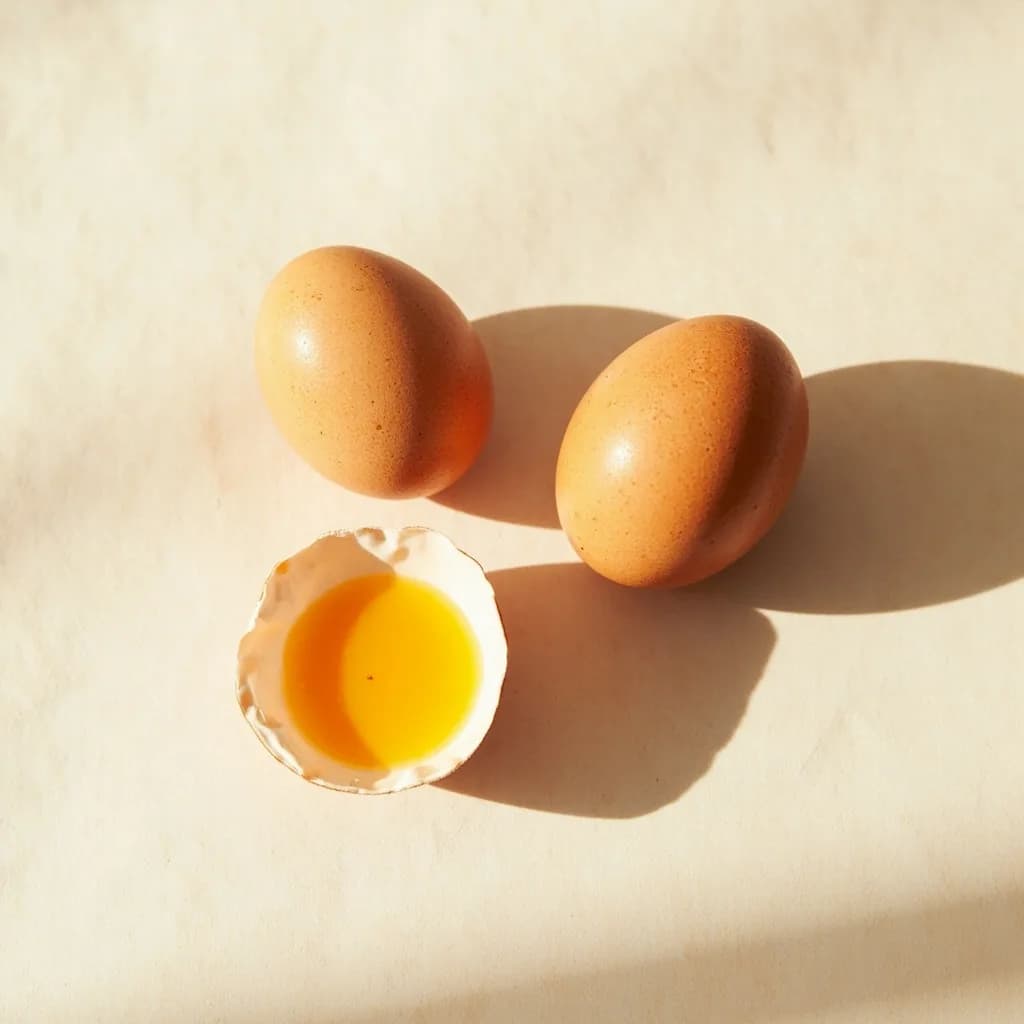
Egg
The kitchen's everything ingredient — bind, leaven, enrich, or fry
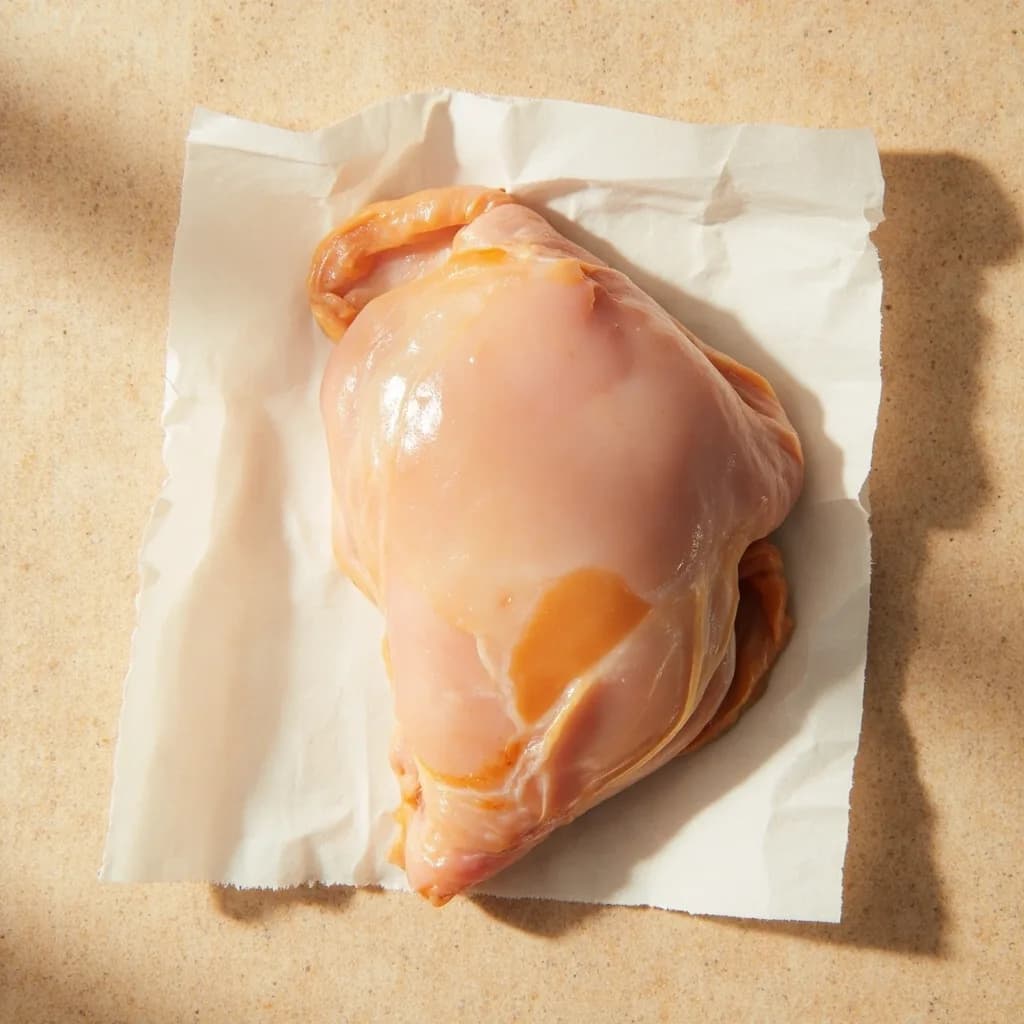
Chicken Breast
Lean, quick-cooking white meat for everyday dinners

Ground Beef
Versatile minced beef for burgers, ragù, tacos, and meatballs
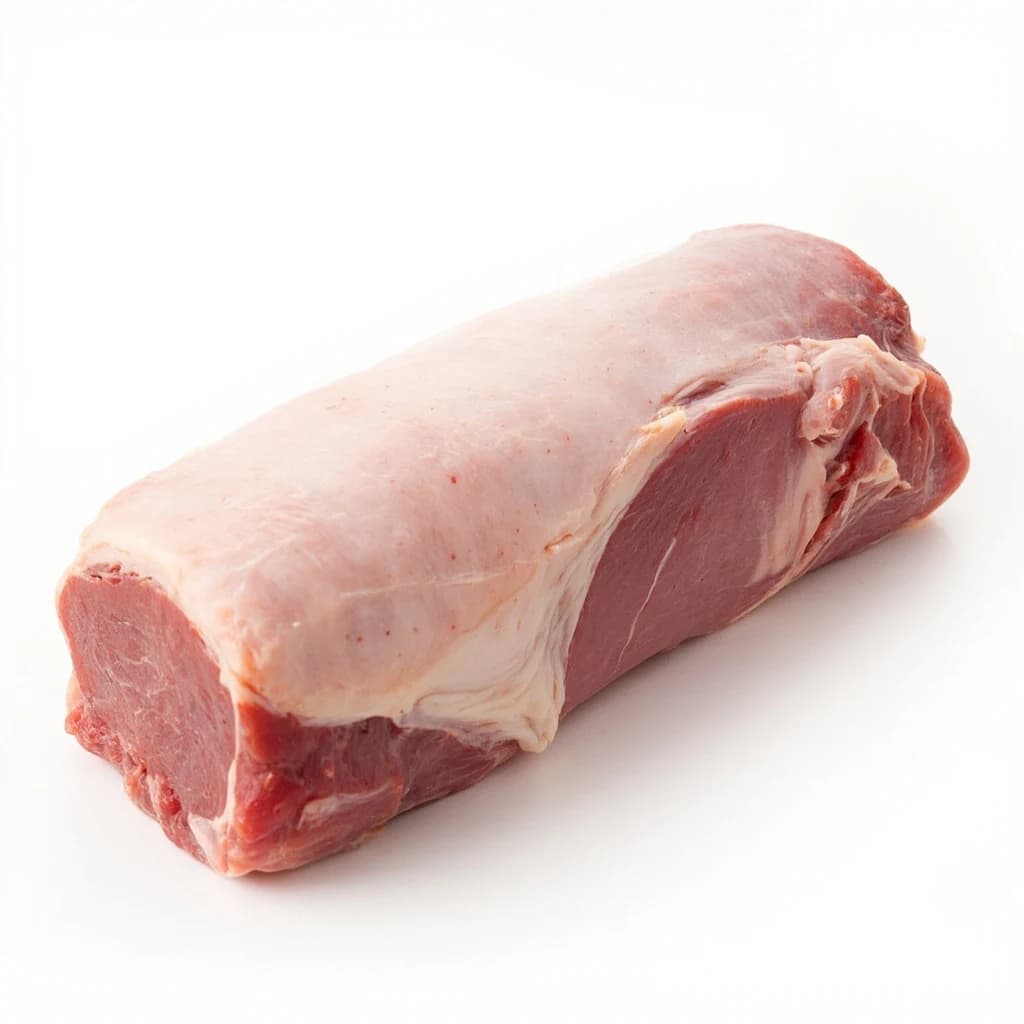
Pork Loin
Lean, tender roasting cut that stays juicy with care
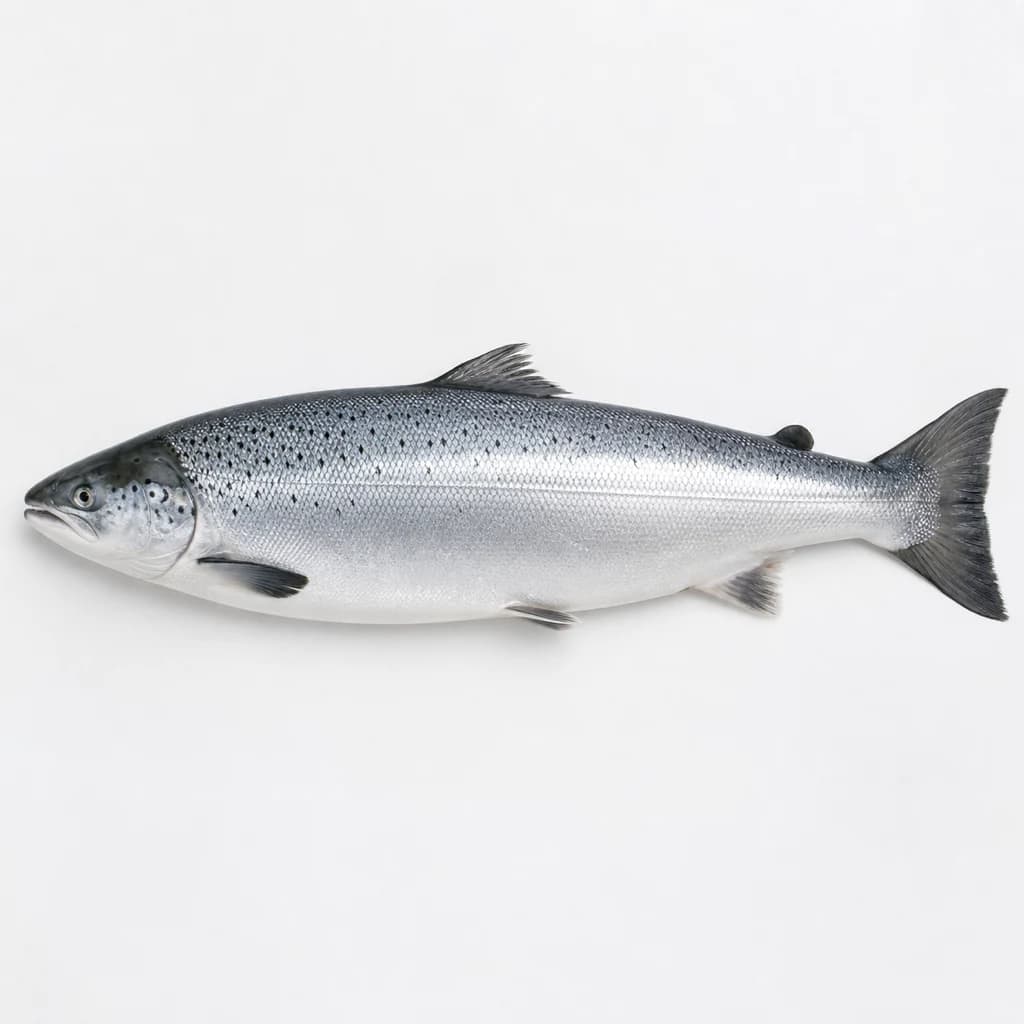
Salmon
Rich, rosy fish that roasts, grills, or cures beautifully

Egg White
Pure protein that whips to airy peaks for meringue and more

Egg Yolk
Rich, golden yolk for custards, mayonnaise, and pasta

Quail Egg
Tiny, speckled eggs for garnishing and elegant bites