
Natural form
Fresh pumpkin vine tips with young leaves and curling tendrils, harvested for cooking.
Shows the plant's true identity — large lobed leaves, hairy stems, and distinctive tendrils that distinguish pumpkin leaves from other greens.
Produce
Pumpkin Leaves
Tender vines and leaves of the pumpkin plant, a popular cooked African green.
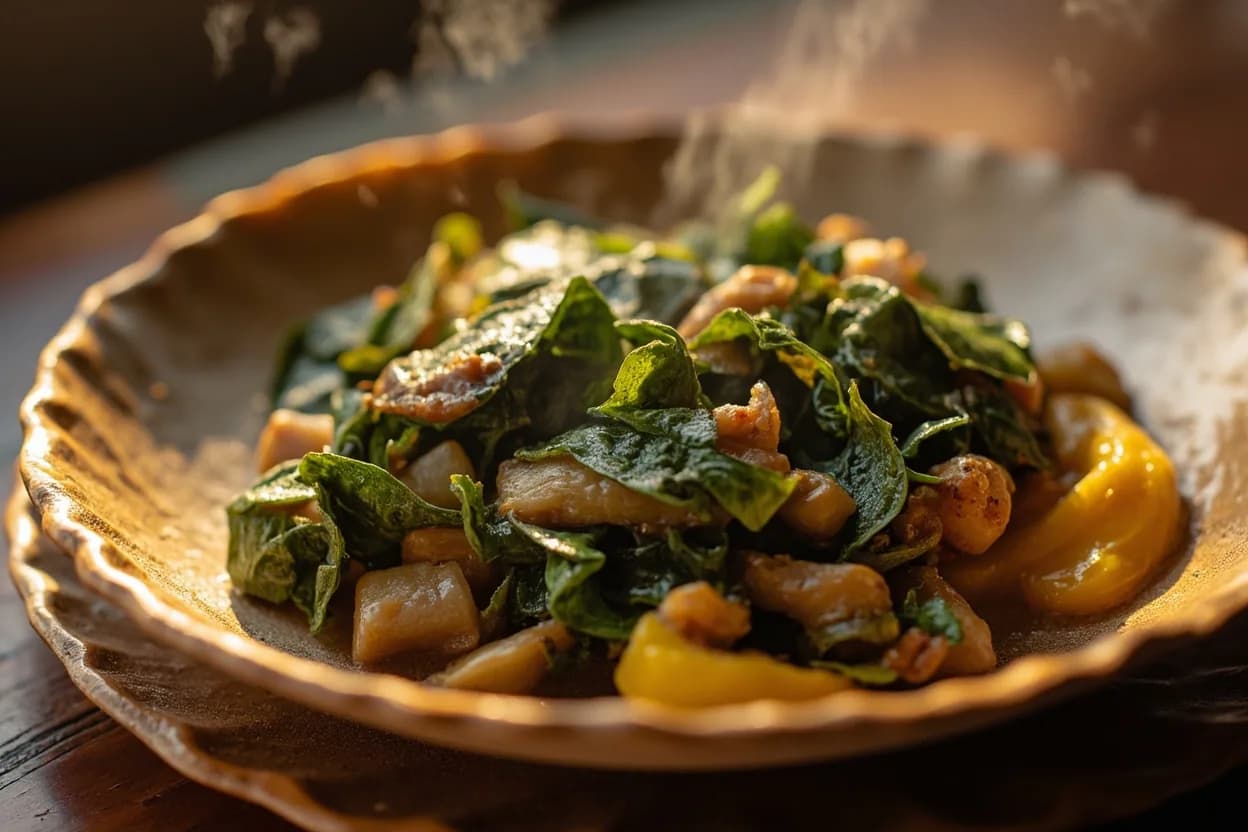
Pumpkin leaves are the young leaves, tips and tendrils of the pumpkin or squash plant, eaten as a cooked leafy green across Africa and the Pacific. The stringy outer fibers are peeled, then the leaves are simmered in stews or with groundnut and coconut, giving a soft texture and mild flavor. They are a nutritious everyday vegetable in many regions.
Pumpkin leaves are the tender young leaves and vines of the pumpkin plant, most notably Telfairia occidentalis—the fluted pumpkin—a staple vegetable across West Africa, particularly Nigeria, Ghana, and Sierra Leone. Known as Ugu in Nigeria, these deep green leaves are virtually never eaten raw; they require cooking, which softens their fibrous texture and mellows their assertive, slightly bitter flavor. The leaves cook down dramatically, losing volume and releasing a characteristic viscous quality that gives traditional soups like draw soup their body and ability to cling to starchy accompaniments such as fufu or pounded yam. The young vines (stems) are also edible and cooked alongside the leaves, adding pleasant texture contrast. In West African kitchens, pumpkin leaves are considered more than a side dish—they are a nutritional cornerstone, prized for their iron and calcium content, often compared favorably to spinach, and incorporated into daily meals both for their health benefits and their savory depth.
- Measured in
- g
- Storage
- Fridge
Types & varieties
The dominant West African variety; larger leaves with a more pronounced bitter edge than common pumpkin. Both leaves and vines are cooked.
Common pumpkin or summer squash leaves; milder flavor, more tender texture. Used when fluted pumpkin is unavailable.
Hubbard or winter squash leaves; slightly broader, hold up well in heavy sauces and long-simmered stews.
Common uses
Tips & pitfalls
- Pick or buy young, bright green leaves for the best tenderness; avoid any with yellowing, dark spots, or wilted, limp texture.
- Blanch in salted boiling water for 30–60 seconds before cooking—this traditional step reduces bitterness significantly and sets the bright green color.
- Do not overcook; once the leaves have wilted and softened in the pot (usually 3–5 minutes of gentle cooking), they are done. Extended cooking produces a slimy, muted result with faded color.
- Wash thoroughly and multiple times—sand and grit cling tenaciously to the textured leaf surface.
- Use palm oil generously; this is the traditional cooking fat that balances the leaves' bitterness and adds the characteristic depth to Nigerian preparations.
- To freeze: blanch first, squeeze out all excess water, then store flat in airtight freezer bags to prevent clumping.
Nutrition
Energy
79 kJ · per 100 g
Where the calories come from
Protein
3.2g
6% DV
Carbs
2.3g
1% DV
Fat
0.4g
1% DV
Sodium
11mg
0% DV
Source · USDA FoodData Central · Pumpkin leaves, raw
View on FDC →In the shops
Matched grocery products
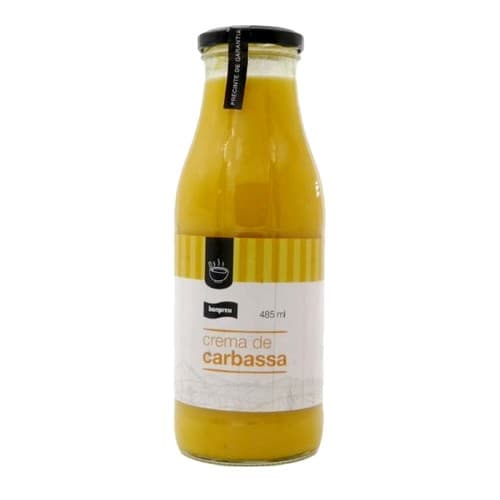 €1.99
€1.99Pumpkin Cream
BONPREU · l · Bonpreu
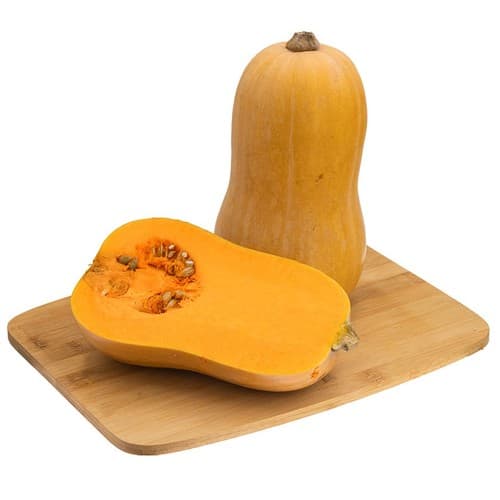 €2.70
€2.70Km0 Pumpkin, 1 unit
ud · Bonpreu
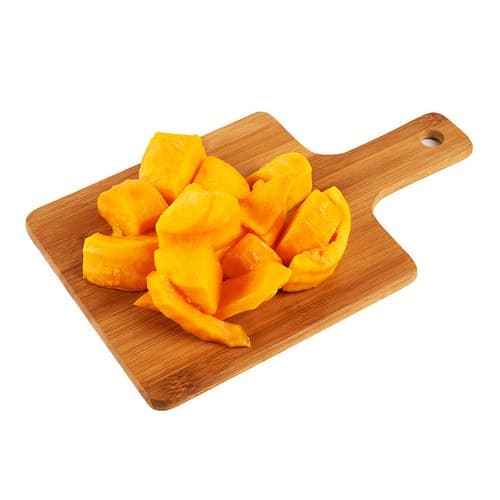 €1.99
€1.99La Collita Pre-cut Pumpkin
LA COLLITA · kg · Bonpreu
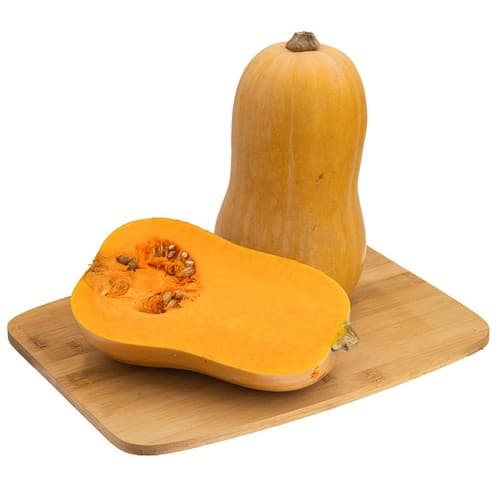 €2.49
€2.49LA COLLITA Pumpkin Km0 1 unit
LA COLLITA · Bonpreu
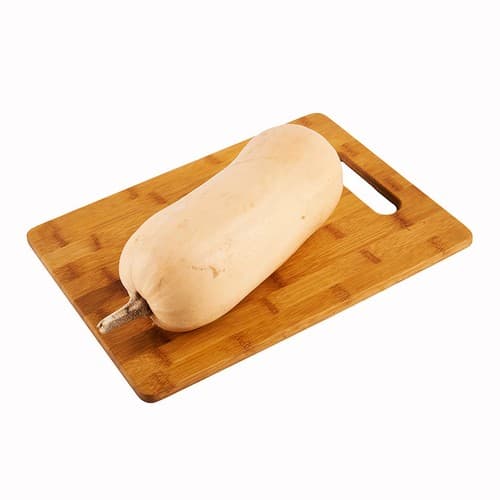 €2.19
€2.19Ecological Pumpkin Local 0km 1 unit
Bonpreu
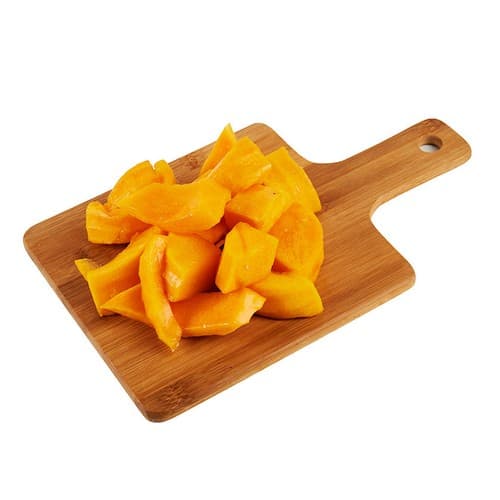 €2.19
€2.19LA COLLITA Organic Cut Pumpkin Zero Km in 400g Bag
LA COLLITA · kg · Bonpreu
Good to know
- Common Names
- Ugu (Nigeria), Fluted Pumpkin, Ayewa (Yoruba)
- Scientific Name
- Telfairia occidentalis (fluted pumpkin); also Cucurbita spp.
- Origin
- West Africa (Nigeria, Sierra Leone, Ghana)
- Part Used
- Tender leaves and young vines (stems)
- Flavor
- Slightly bitter, mineral-rich, with a mild nuttiness; more assertive than common spinach
- Texture
- Tender when young; becomes fibrous as leaves mature; cooked leaves become silky and slightly viscous
- Storage
- Refrigerate unwashed, wrapped in paper towels, up to 2 days; blanch and freeze for up to 3 months
- Typical Yield
- 1 lb fresh leaves yields about 2–3 cups cooked
Substitutes
- Waterleaf (Talinum triangulare) — More watery texture; reduce cooking time accordingly; readily available in West African markets.
- Soko/Celosia (Celosia argentea) — Slightly sweeter flavor; holds its structure well in long-simmered soups and stews.
- Ugwu (Fluted Pumpkin Stems) — Use young stems only; cook slightly longer than leaves; interchangeable in the same dishes.
- Spinach — Widely available substitute; blanch first to approximate the texture; significantly less bitter.
- Collard Greens — Sturdier texture; requires longer cooking time; works well in heavy stews and soups.
Pairs with
Also called
Bbuga · Pumpkin Tips · Pumpkin Kumu · Rape Leaves · Rape
Appears in these dishes
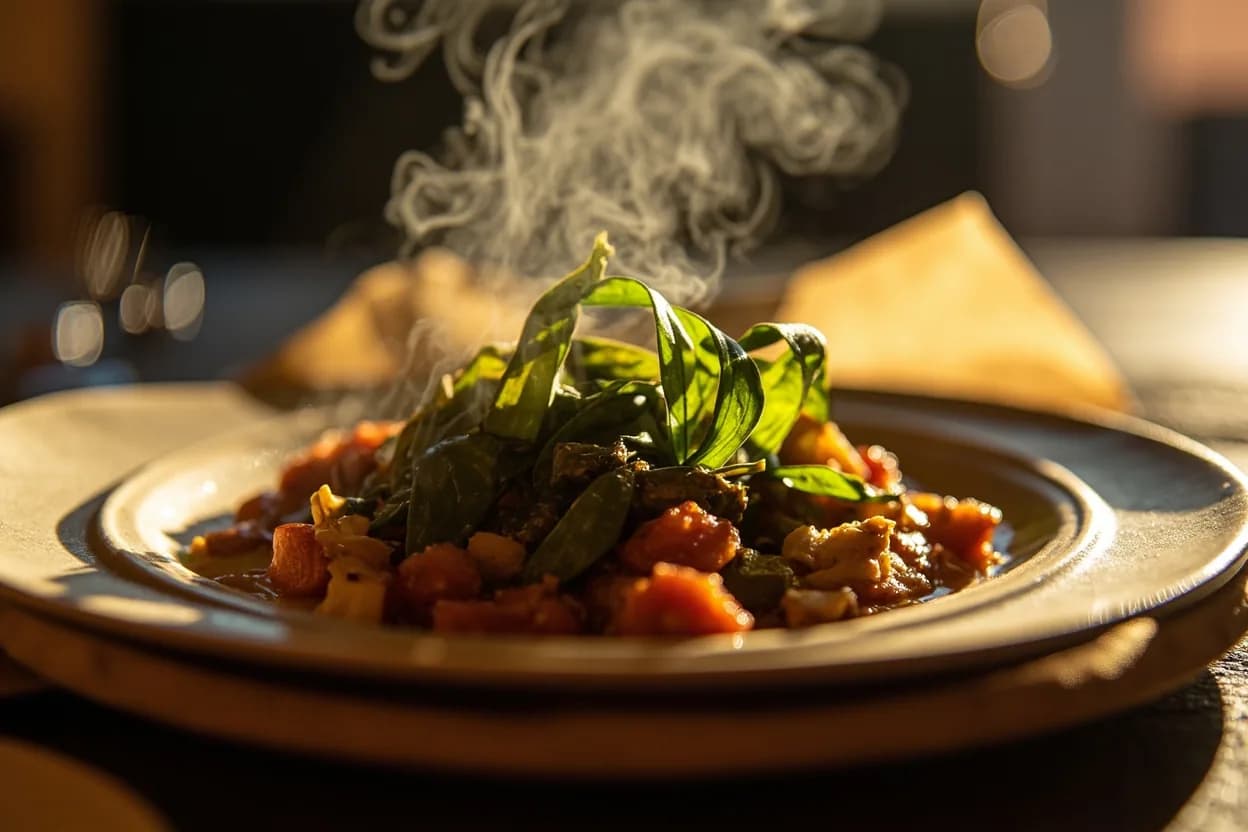
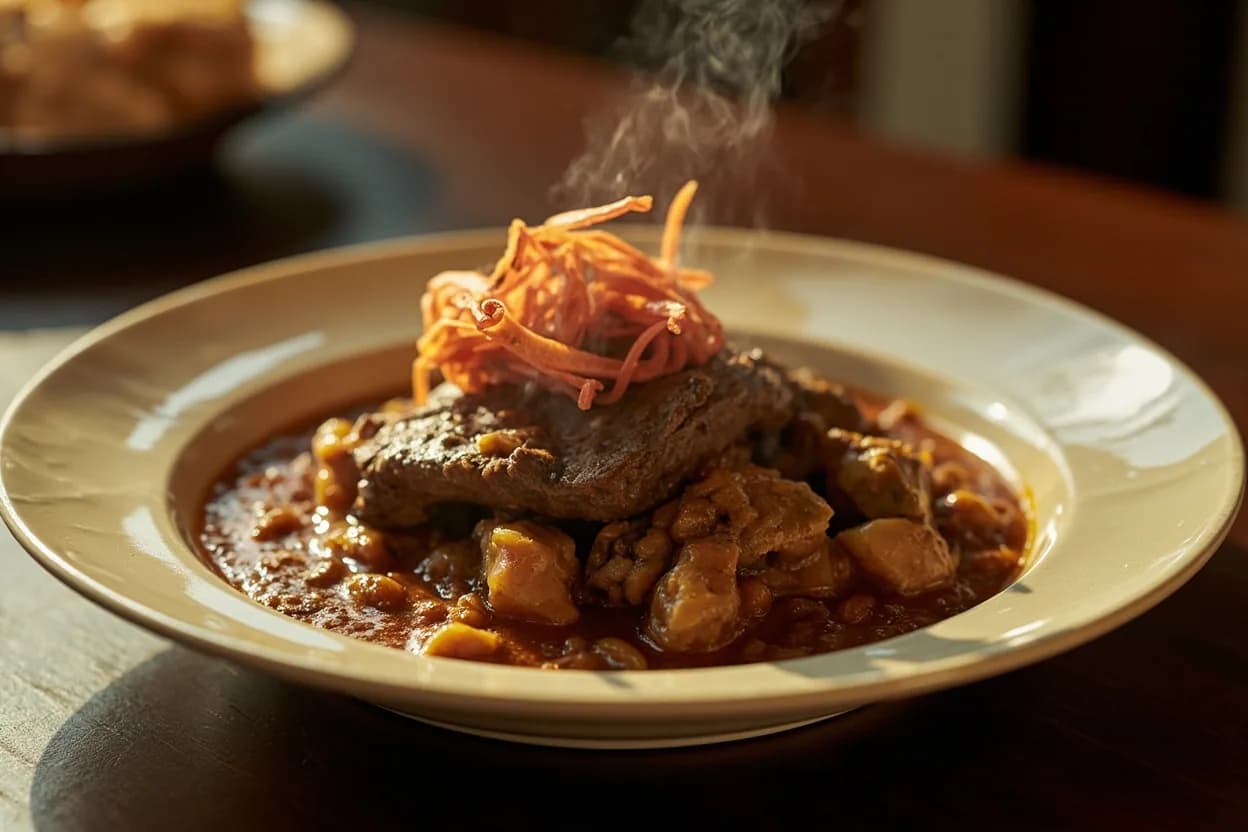
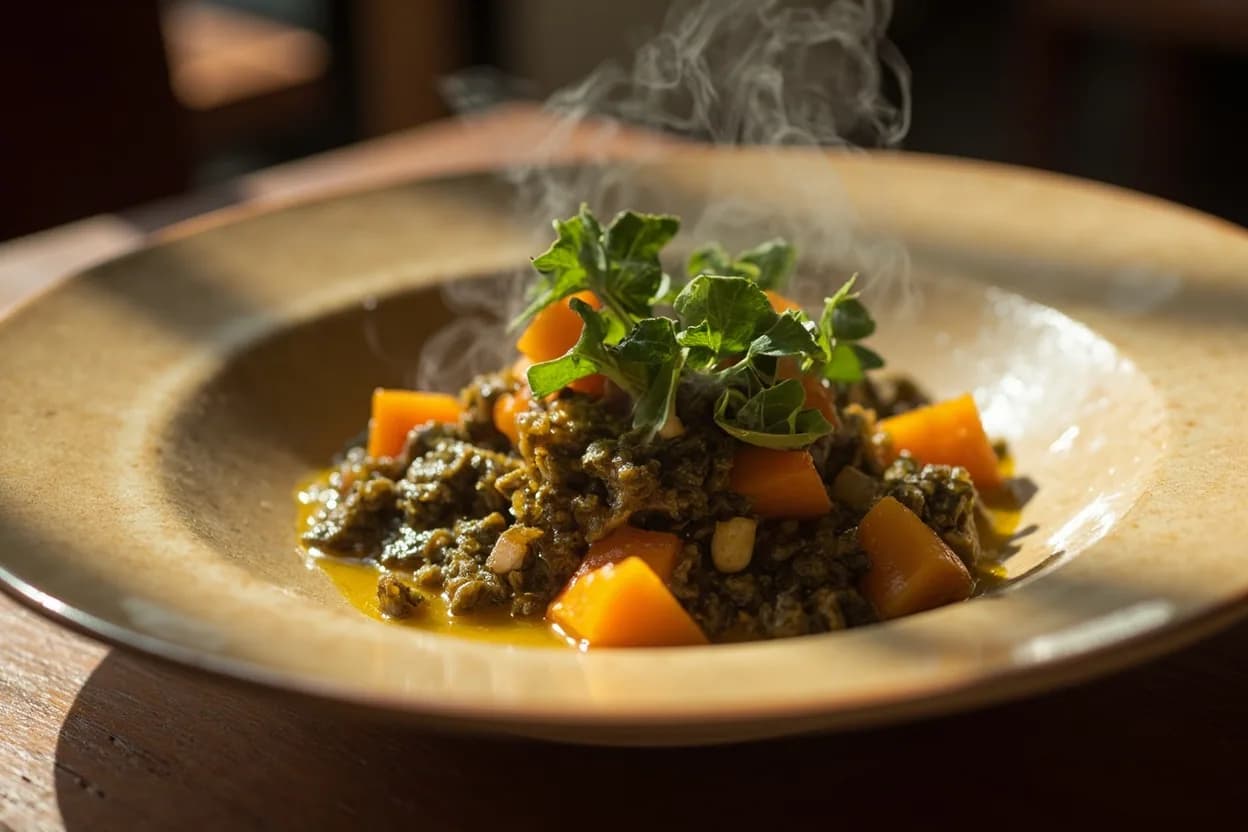
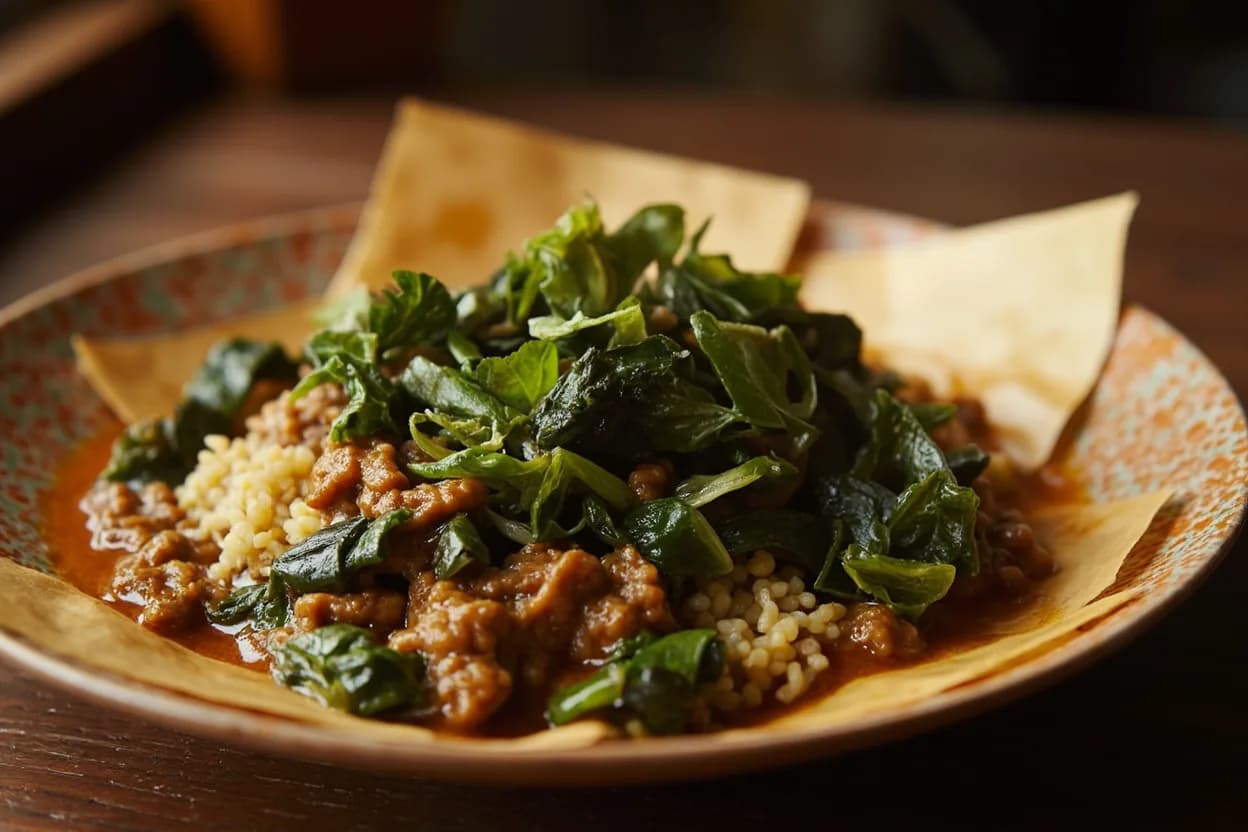
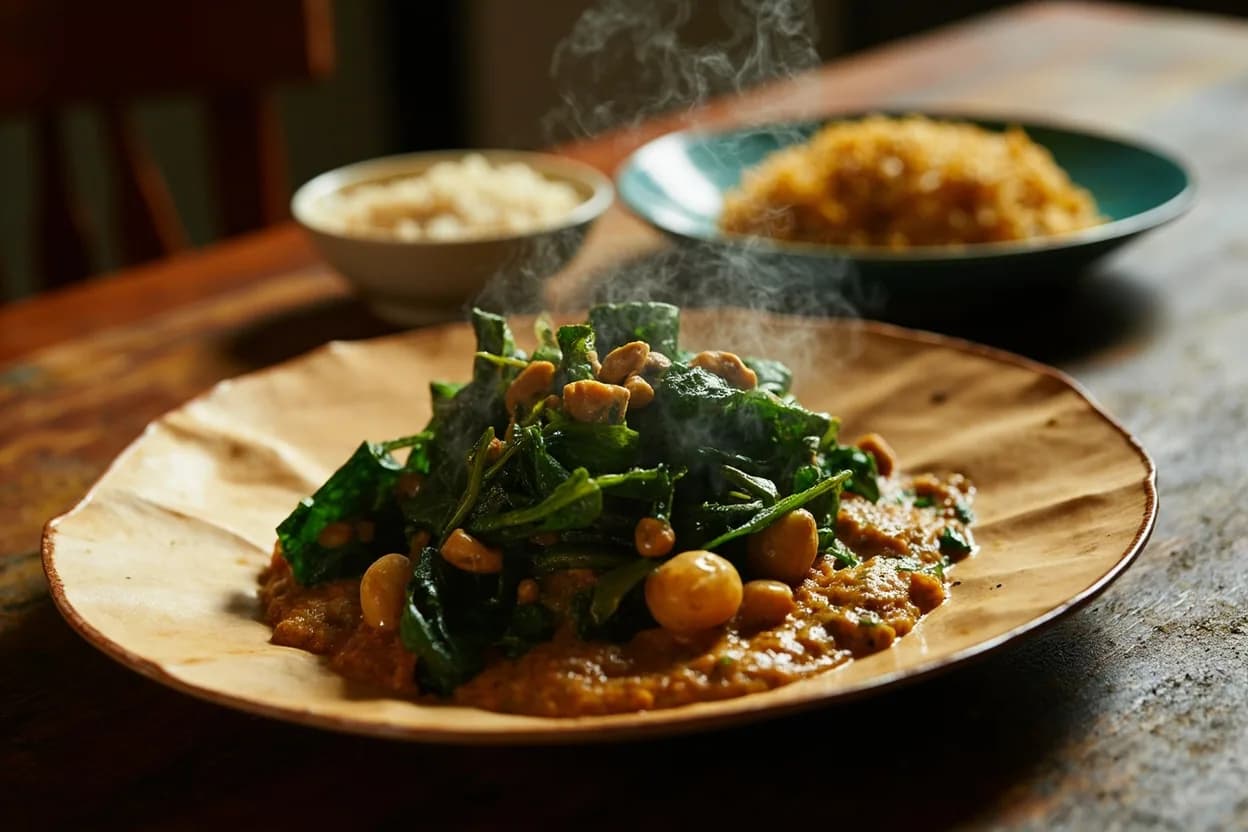
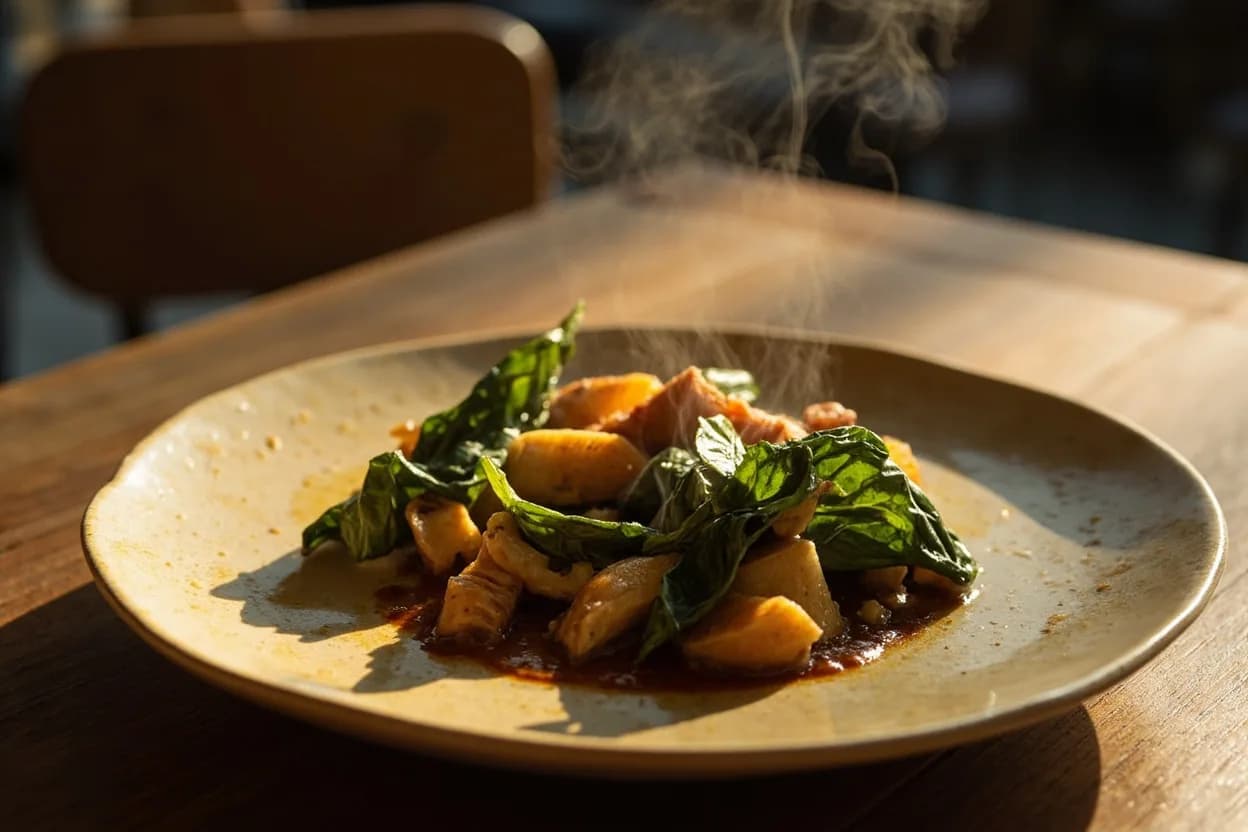

Related

Tomato
Juicy, sun-sweet fruit for sauces, salads, and slow-cooked depth

Yellow Onion
The aromatic backbone of soups, sofritos, and braises

Garlic
Pungent cloves that perfume nearly every savory dish

Lemon
Bright, acidic citrus that wakes up almost any dish

Potato
Humble, hearty staple — roast, mash, fry, or boil

Carrot
Sweet, crunchy root — raw, roasted, or the base of a sofrito

Cucumber
Cool, crisp, and watery — for salads, pickles, and tzatziki

Lettuce
Crisp leaves for salads, wraps, and a fresh crunch