Natural form
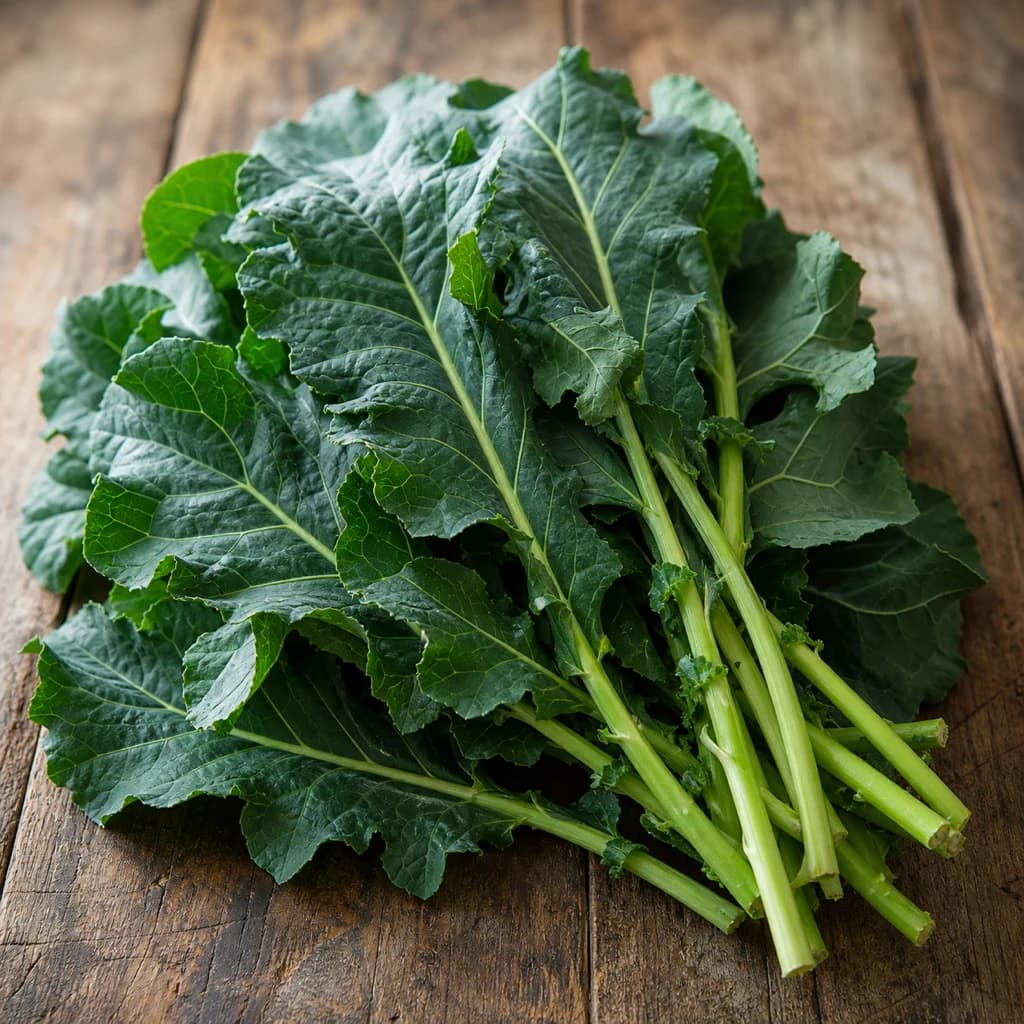
Fresh rape greens: large, lobed dark green leaves with pale central ribs.
Shows the reader exactly what raw rape plant leaves look like before any preparation.
Produce
Rape Greens
Leafy greens of the rape plant, cooked as a tender, mildly mustardy vegetable.
Rape greens are the leaves of the rapeseed/oilseed rape plant, eaten as a cooked leafy green especially across southern Africa where they are a staple. They have a mild, slightly mustardy flavor and are sautéed or simmered with tomato, onion and groundnut. The young leaves are the most tender for cooking.
Rape greens are the tender, edible leaves and flower stalks of Brassica napus—the same species that gives us rapeseed and canola oil. Unlike its industrial cousins grown for seed, vegetable rape is cultivated specifically for its delicate greens, which behave quite differently from its oilseed relatives. The plant bolts quickly in heat, so the harvest window is narrow: young leaves and tender stems before flowering deliver the best texture and flavor, while older plants become unpleasantly bitter and fibrous.
In the kitchen, rape greens occupy a sweet spot between spinach and broccoli rabe. Raw leaves carry a mild mustardy bite that dissolves into a surprisingly sweet, tender character when cooked briefly. The entire plant—stem and leaf—is edible and cooks at the same rate when cut to similar lengths, making prep straightforward. In Chinese markets, the flowering stalks are especially prized and sold as càitái, commanding premium prices. The American South sometimes uses "rape greens" as a loose term for any cooked brassica greens, which obscures how much milder and more delicate true rape greens actually are compared to collards or turnip greens.
The plant's close relationship with turnip greens (B. rapa) and broccoli rabe means these vegetables share similar cooking methods and flavor profiles, but they are distinct. Knowing what you have matters: broccoli rabe requires blanching before sautéing, while rape greens go straight into the pan for a quick finish.
- Measured in
- g
- Storage
- Fridge
Types & varieties
Bred specifically for tender leaves and flower stalks; the preferred type for cooking
Harvested from rapeseed crops before seed set; more bitter than vegetable-bred varieties
Bred for edible greens with reduced pungency; labeled as 'spring greens' in UK markets
Technically B. rapa subsp. sylvestris; a distinct subspecies with more pronounced bitterness; not true rape greens
Harvesting at the right stage
The difference between excellent and disappointing rape greens comes down to timing. Once the plant begins to flower, leaves toughen and develop a sharp, unpleasant bitterness that cooking cannot fix. Look for plants with vibrant green leaves, no yellowing, and no visible flower buds—or, if you want the stalks, pick them the moment buds appear. In the garden, check daily during warm spells; a spring planting can go from perfect to bolted in under a week.
- Harvest in the morning for the crispest leaves
- Pick from the top down—take whole stems at the base, not individual leaves
- If flowers have opened, discard or use only the very youngest, tenderest tips
The confusion with related greens
Rape greens are frequently conflated with turnip greens and broccoli rabe because all three belong to the Brassica family and look similar at the market. The distinction matters for cooking. Broccoli rabe (B. rapa subsp. rapa) has noticeably more bitterness and requires blanching before sautéing—adding it raw to a hot pan makes it acrid. Turnip greens (also B. rapa) are the closest substitute in flavor and texture, but they come from the turnip root plant, not B. napus. When a recipe specifies 'rape greens' from an Asian or Southern American source, it almost always means true B. napus vegetable rape, and the cooking method should reflect its delicate nature.
- True rape greens = B. napus var. napus (vegetable rape)
- Broccoli rabe = B. rapa subsp. rapa (different species, more bitter)
- Turnip greens = B. rapa (different subspecies, similar cooking method)
Common uses
Tips & pitfalls
- Harvest leaves and tender stems before the plant blooms, or the greens become bitter and tough
- Don't overcrowd the pan—over-steaming produces dull, olive-colored greens instead of bright, vivid ones
- Add a pinch of salt early in cooking to help retain color and structure without making the greens mushy
- Add acid at the end: a squeeze of lemon or splash of rice vinegar brightens the flavor and stops the cooking
- Save the stems—they cook in the same time as the leaves if cut to similar lengths
- Common mistake: boiling rape greens. This leaches flavor and nutrients into the water. Quick dry-heat cooking preserves both.
- If using flowering stalks (càitái), cook them briefly—just 2–3 minutes—before adding leaves, as the stalks need a head start to finish together
- When buying from farmers markets, ask if the greens are from bolted plants; they should snap, not bend, when you test them
Nutrition
Energy
255 kJ · per 100 g
Where the calories come from
Protein
1.1g
2% DV
Carbs
14.7g
5% DV
Fat
0.5g
1% DV
Fiber
3g
11% DV
Sugars
9g
of which
Sodium
3mg
0% DV
Source · USDA FoodData Central · approx. Kiwifruit, green, raw
View on FDC →In the shops
Matched grocery products
No matched grocery products for Rape Greens yet.
Good to know
- Species
- Brassica napus (same plant as rapeseed/canola)
- Family
- Brassicaceae (mustard family)
- Season
- Cool weather; best in spring and fall; bolts quickly in heat
- Flavor
- Mildly mustardy when raw; becomes sweet and tender when cooked
- Peak harvest
- Young leaves and tender stems before the plant blooms
- Storage
- Refrigerate unwashed in a damp paper towel, up to 3–4 days
- Yield
- Nearly 100% edible; stems and leaves cook together
- Cook time
- 5–8 minutes; do not overcook
Substitutes
- Turnip greens — Very similar texture and mild mustard flavor; cook identically, though slightly more fibrous
- Collard greens — Sturdier; cook 3–5 minutes longer; remove thick center stems before cooking
- Kale (lacinato/dinosaur) — Slightly earthier; cook 2–3 minutes longer; stems need to be removed and discarded
- Mustard greens — More pungent; reduce cooking time slightly and use less quantity to avoid overpowering
- Broccoli rabe — Bitterer and more assertive; blanch briefly before sautéing to tame the bitterness
Pairs with
Also called
Rape · Rape Leaves · Tsunga
Appears in these dishes

Related
Tomato
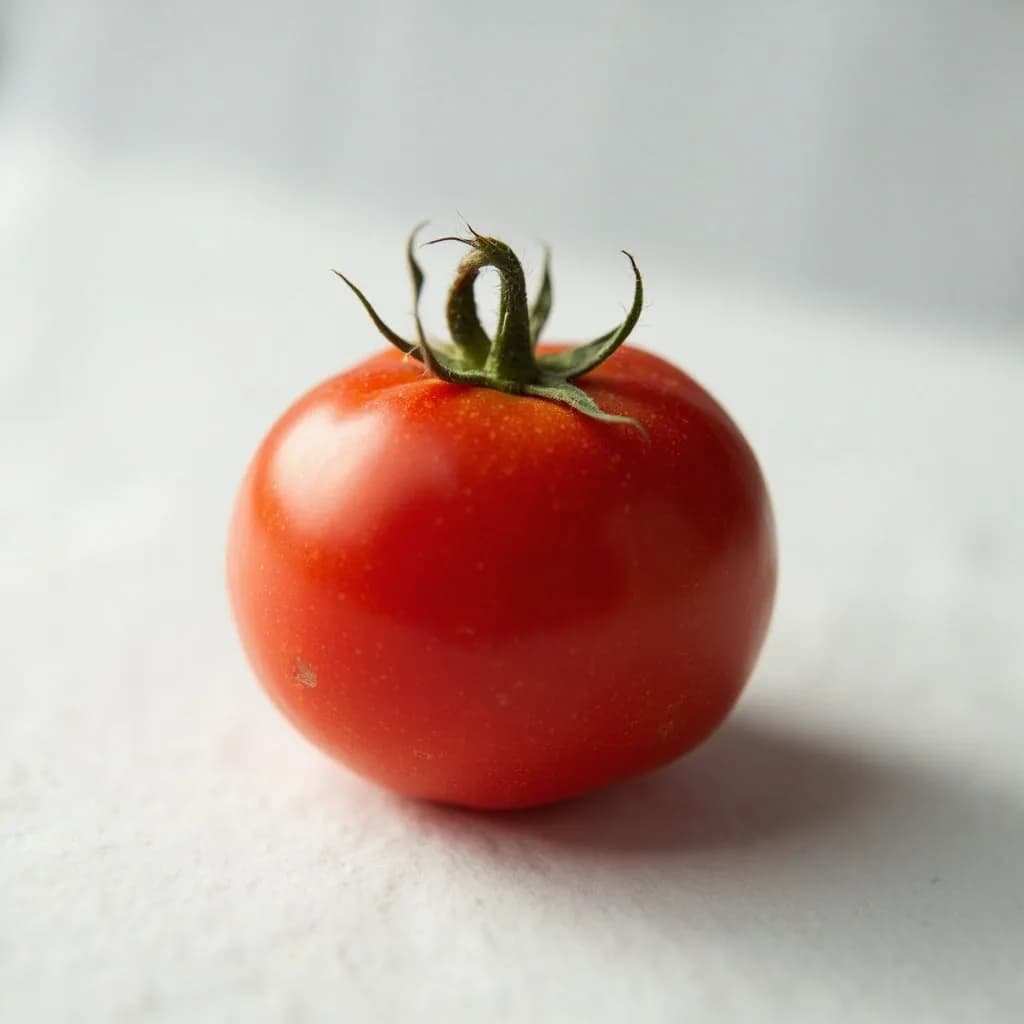
Juicy, sun-sweet fruit for sauces, salads, and slow-cooked depth
Yellow Onion
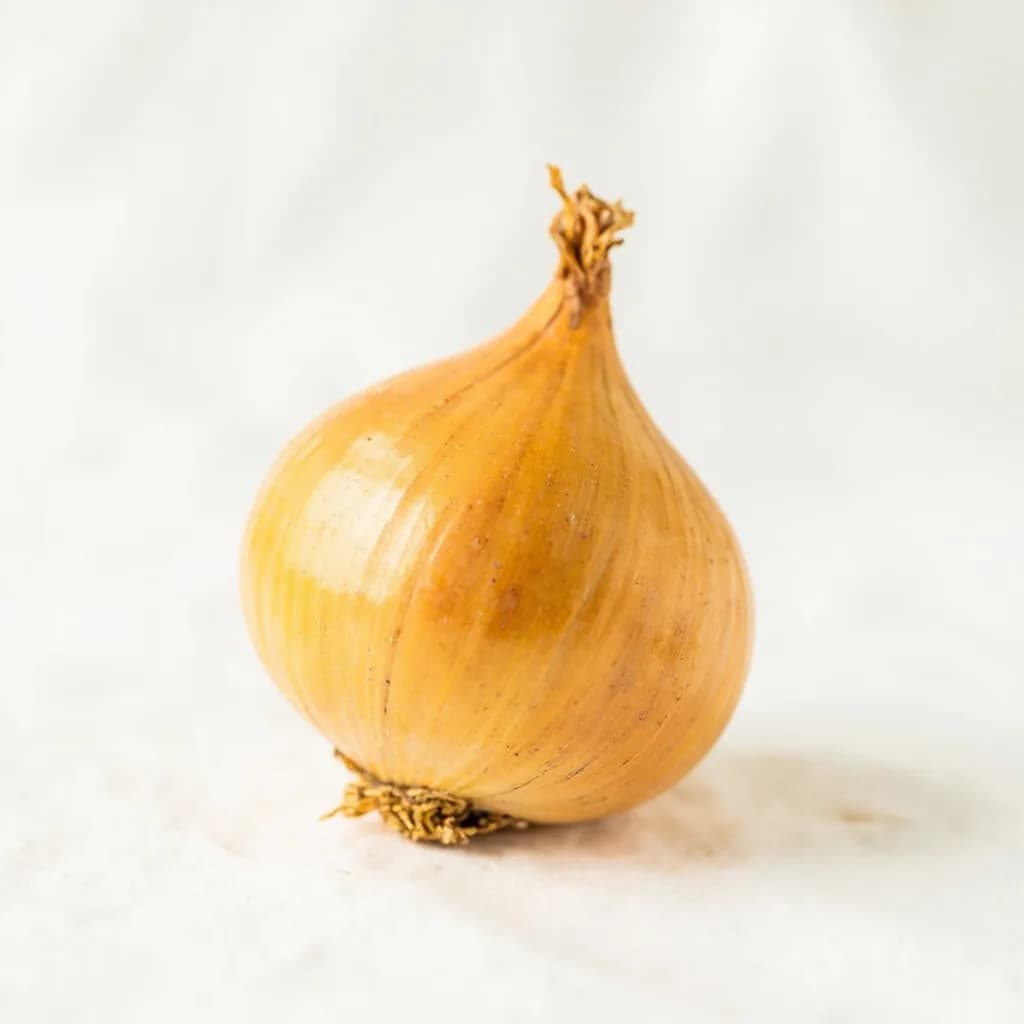
The aromatic backbone of soups, sofritos, and braises
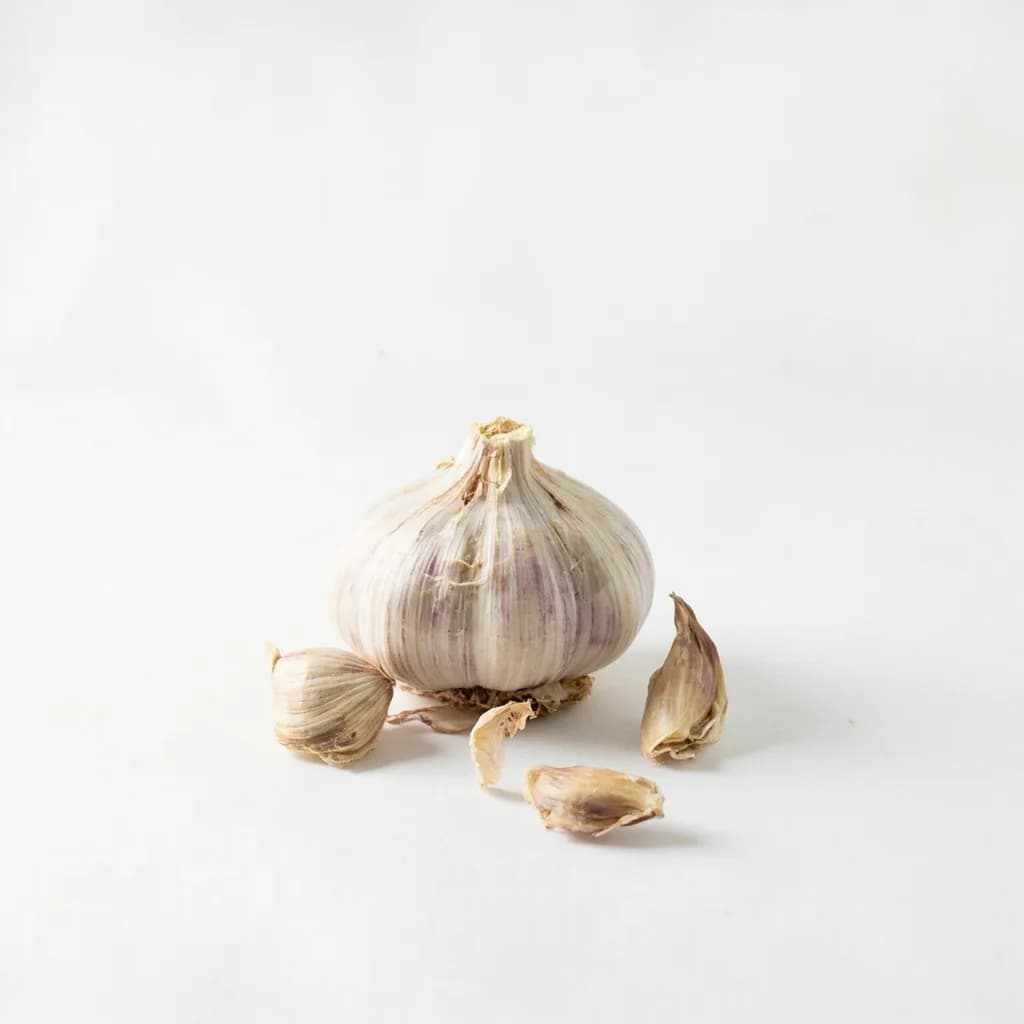
Garlic
Pungent cloves that perfume nearly every savory dish
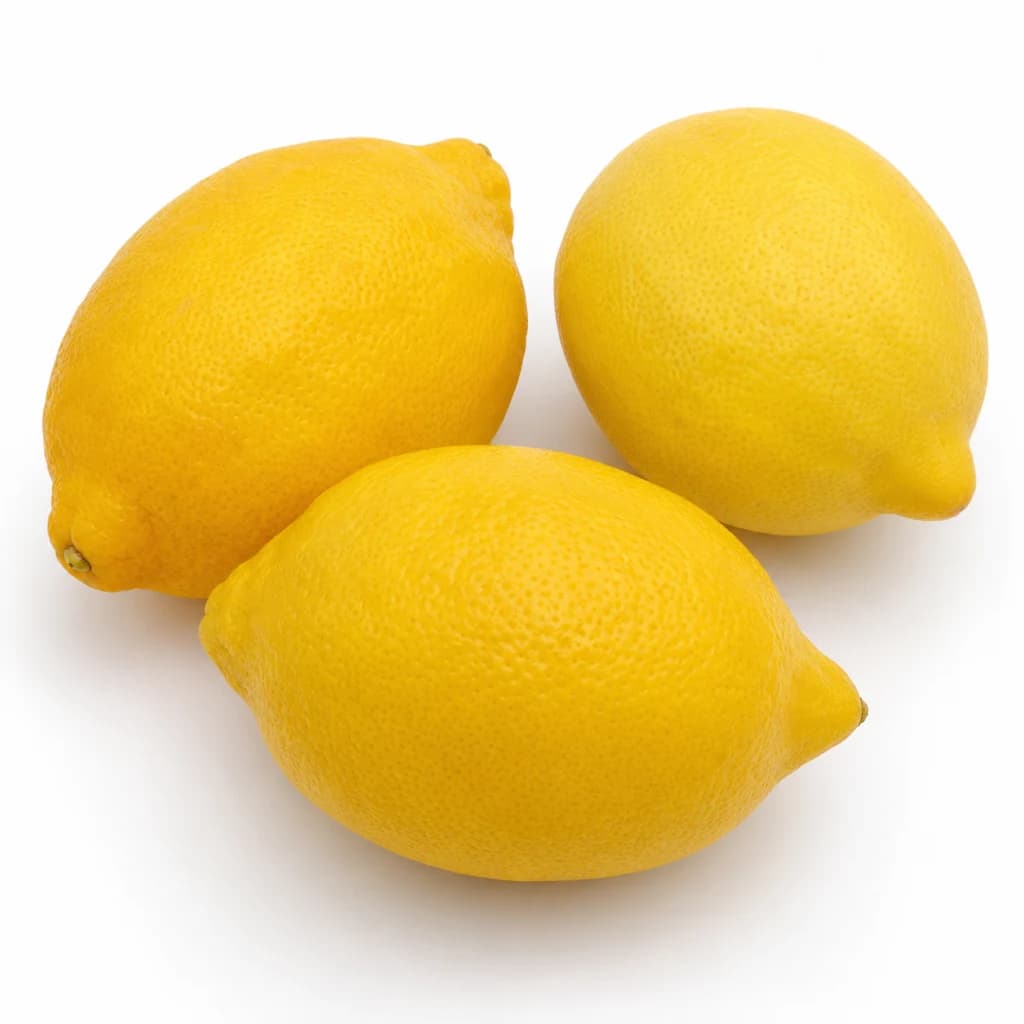
Lemon
Bright, acidic citrus that wakes up almost any dish
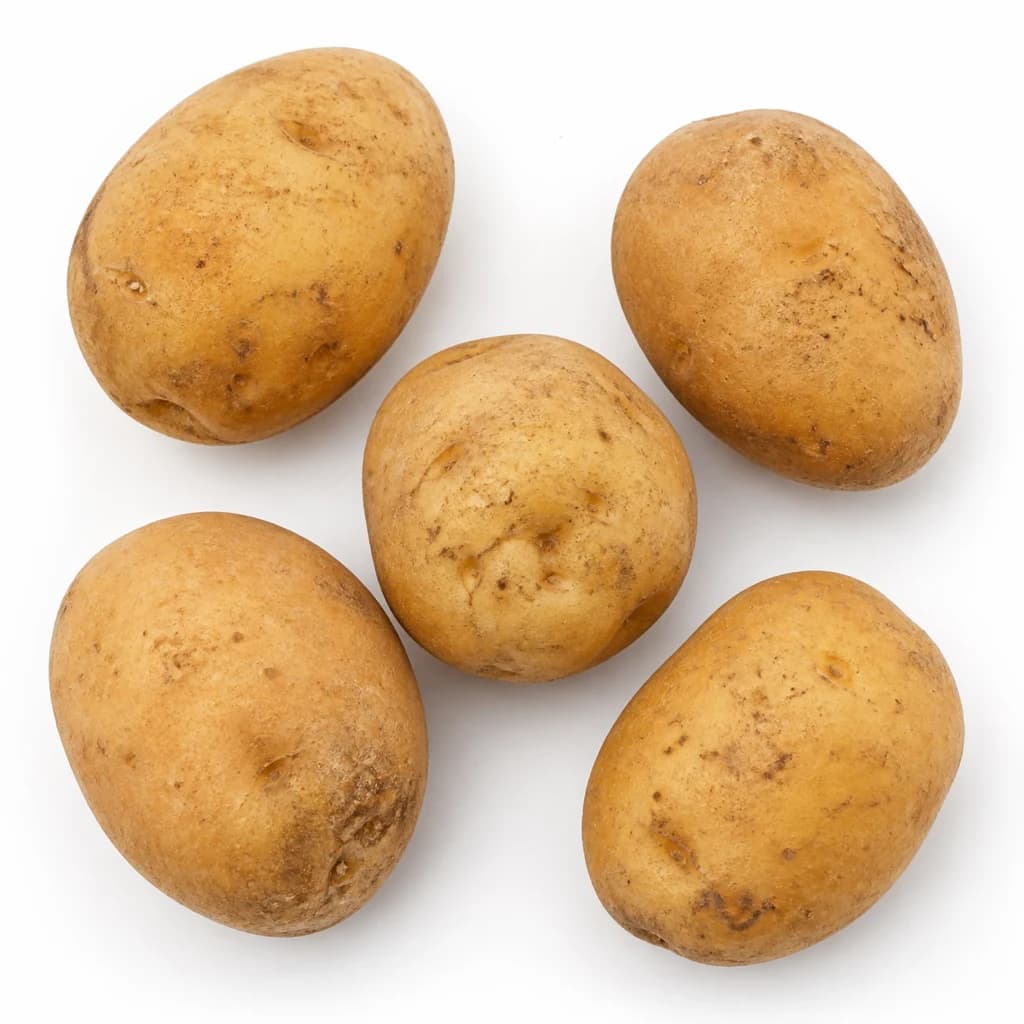
Potato
Humble, hearty staple — roast, mash, fry, or boil
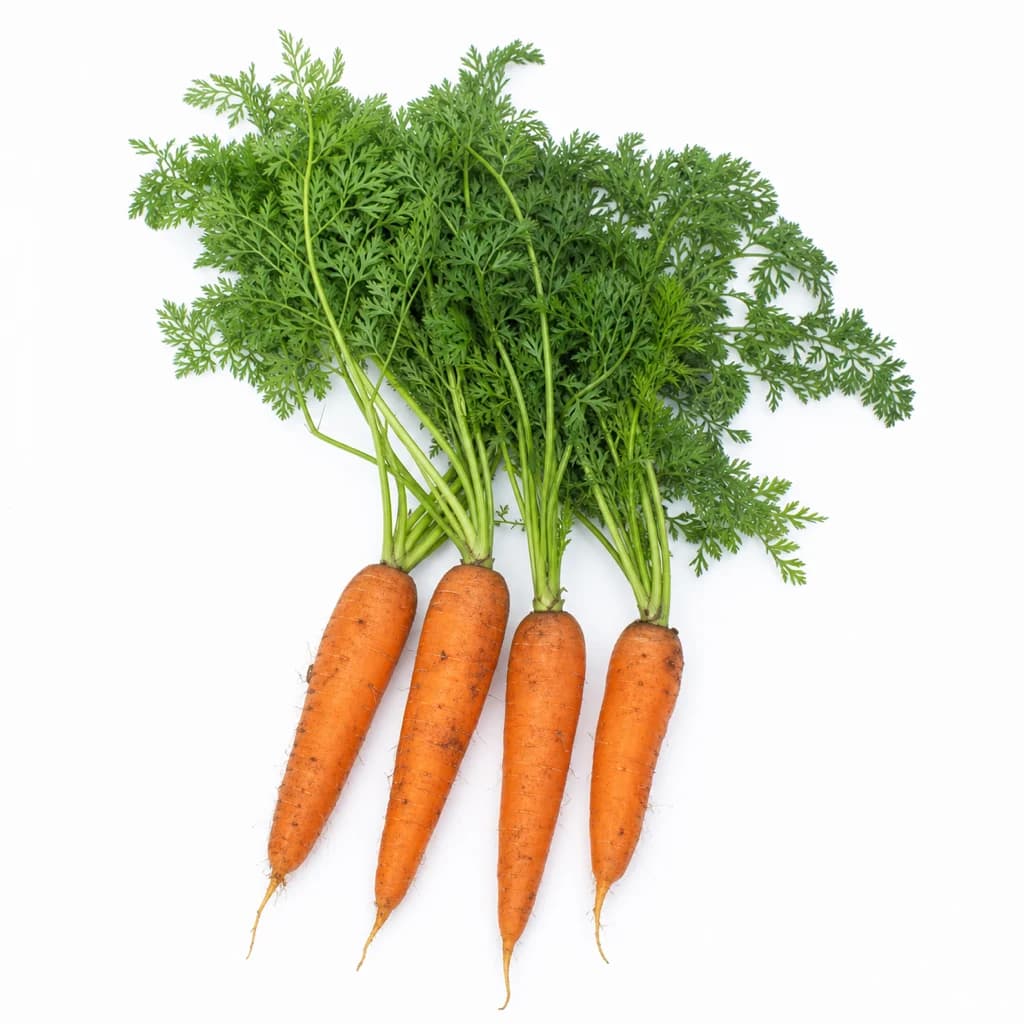
Carrot
Sweet, crunchy root — raw, roasted, or the base of a sofrito
Cucumber
Cool, crisp, and watery — for salads, pickles, and tzatziki

Lettuce
Crisp leaves for salads, wraps, and a fresh crunch