
Natural form
Whole mustard green leaves showing their characteristic ruffled, deeply lobed edges and vivid green color.
Shows the raw leaf's distinctive shape, color, and texture so readers can identify it at a market or in the garden.
Produce
Mustard Greens
Peppery, pungent leafy greens cooked in Southern, Indian, and East Asian dishes.
Mustard greens are the leaves of the mustard plant, with a sharp, peppery, pungent bite that mellows with cooking. They are braised in Southern US cooking, stir-fried in Chinese cuisine, and pickled or made into saag in South Asia. Young leaves can also be used raw in salads for a spicy kick.
Mustard greens (Brassica juncea) are among the most assertive of the cooking greens, prized for their bold, peppery bite and slightly bitter edge that sets them apart from milder relatives like collards and kale. Native to the Himalayan region and cultivated for at least 3,000 years in India, these greens belong to the Brassicaceae family alongside cabbage, broccoli, and turnip greens. The leaves range from smooth and flat to deeply serrated or frilled, depending on variety. The peppery sensation comes from glucosinolates—particularly sinigrin—which are released when cell walls are damaged by cutting or chewing. Brief cooking deactivates some of the enzymes responsible for generating these compounds but does not eliminate the characteristic bite entirely, which is precisely why mustard greens remain one of the most flavorful cooking greens in any tradition that uses them. Their flavor profile intensifies as leaves mature, shifting from tender and mildly spicy when young to tough, fibrous, and notably more bitter in larger specimens. They cook down dramatically—often losing 50–70% of their raw volume—making them a surprisingly economical vegetable when purchased in quantity.
Across culinary traditions, mustard greens occupy a distinct niche: they bring a heat and complexity that milder greens cannot match. In the Southern United States, they are the definitive braising green, cooked low and slow with smoked pork until silky and deeply savory. In Indian cuisine, they are wilted with garlic, onion, and cumin just as spinach would be, appearing in saag paneer and Punjabi-style preparations with tomatoes and warm spices. East Asian cuisines—from Chinese stir-fries with garlic and sesame oil to Japanese nabe (hot pot) and Korean kimchi—embrace the greens' resilience and pungency. The leaves also reward raw application when young and tender, adding a peppery punch to salads that no other green quite replicates. This dual identity—as a robust cooked green and a lively raw accent—makes mustard greens unusually versatile.
Nutritionally, mustard greens are a powerhouse: exceptionally high in vitamins A, C, and K, and a good source of calcium, folate, manganese, and dietary fiber. They are also slightly acidic to neutral (pH 6.0–7.0), which affects how they interact with acidic ingredients during cooking. One practical note: the cooking liquid, known as potlikker in Southern tradition, is highly nutritious and flavorful—traditionally served with cornbread for dipping—and should never be discarded carelessly.
- Measured in
- g
- Storage
- Fridge
Types & varieties
Standard curly-leaf variety grown in the U.S.; vigorous grower with frilled, bright green leaves and a strong mustard bite
Large, rounded leaves with deep reddish-purple veining and a bold, spicy flavor; often used both as a cooking green and an ornamental
Large, broad, smooth leaves with a mild heat compared to other varieties; a common commercial variety
Smooth-leaf variety with a more mild, almost spinach-like flavor; resists bolting well
Japanese variety with deeply serrated, feathery leaves and a much milder, slightly sweet peppery flavor
Cold-hardy Chinese variety; very sharp, spicy flavor that intensifies in cold weather
Japanese heirloom with purplish-red leaves and a strong, distinctive bite
Selecting and Storing
Choose smaller, bright green leaves for a milder, more tender result—larger mature leaves have stronger, sometimes bitter flavor and tougher texture. Avoid yellowing or wilted leaves. Always wash mustard greens thoroughly; dirt and sand lodge in crinkled leaves, especially in curly varieties. Store unwashed in a loosely closed plastic bag in the refrigerator for 3–5 days. For longer storage, blanch for 1–2 minutes and freeze.
Bolted (flowering) mustard greens become extremely bitter and tough—harvest before the plant sends up flower stalks for the best eating quality.
- Select smaller, bright green leaves for milder flavor and better texture
- Wash thoroughly—sand and dirt lodge in crinkled leaves, especially curly varieties
- Store unwashed in a loosely closed plastic bag, 3–5 days refrigerator life
- Blanch before freezing (1–2 minutes) for best texture retention
- Avoid bolted greens—extremely bitter and fibrous
Cooking Fundamentals
Mustard greens shrink dramatically when cooked, losing 50–70% of volume—plan ¼ to ½ pound raw per serving as a side dish. Add salt early in cooking to help tenderize the fibers, not just at the end. Acidic ingredients like vinegar or tomato break down cell walls and can reduce cooking time while mellowing harsh notes. Blanching mature leaves for 1–2 minutes before sautéing or braising can reduce bitterness and improve texture uniformity. Do not overcook to a mushy, olive-drab color—the greens should retain some vibrancy and body, typically 5–15 minutes depending on method and leaf maturity.
- Plan ¼–½ lb raw greens per serving (they shrink 50–70%)
- Salt early to tenderize fibers; do not season only at the end
- Vinegar or tomato added early shortens cooking time and mellows bite
- Blanch mature leaves 1–2 minutes before braising to reduce bitterness
- Cook until vibrant green with some body remaining—avoid mushy, olive-drab color
Common uses
Tips & pitfalls
- Select smaller, bright green leaves for a milder, more tender result; larger mature leaves have stronger, sometimes bitter flavor and tougher texture.
- Always wash mustard greens thoroughly—dirt and sand lodge in the crinkled leaves, especially in curly varieties.
- Mustard greens shrink dramatically when cooked, often losing 50–70% of volume; plan ¼ to ½ pound raw per serving as a side dish.
- For raw applications, use only the youngest, most tender leaves; massage with salt and acid to tame the bite.
- Do not overcook to a mushy, olive-drab color—the greens should retain some vibrancy and body, typically 5–15 minutes depending on method and leaf maturity.
- A common mistake is discarding the cooking liquid too quickly; the potlikker from braised greens is highly nutritious and flavorful, traditionally served with cornbread or used as a soup base.
- When seasoning, add salt early in cooking to help tenderize the fibers, not just at the end.
- Acidic ingredients like vinegar or tomato break down the cell walls and can reduce cooking time while mellowing harsh notes.
- Blanching mature leaves for 1–2 minutes before sautéing or braising can reduce bitterness and improve texture uniformity.
- Bolted (flowering) mustard greens become extremely bitter and tough; harvest before the plant sends up flower stalks for the best eating quality.
Nutrition
Energy
113 kJ · per 100 g
Where the calories come from
Protein
2.9g
6% DV
Carbs
4.7g
2% DV
Fat
0.4g
1% DV
Fiber
3.2g
11% DV
Sugars
1.3g
of which
Sodium
20mg
1% DV
Source · USDA FoodData Central · Mustard greens, raw
View on FDC →In the shops
Matched grocery products
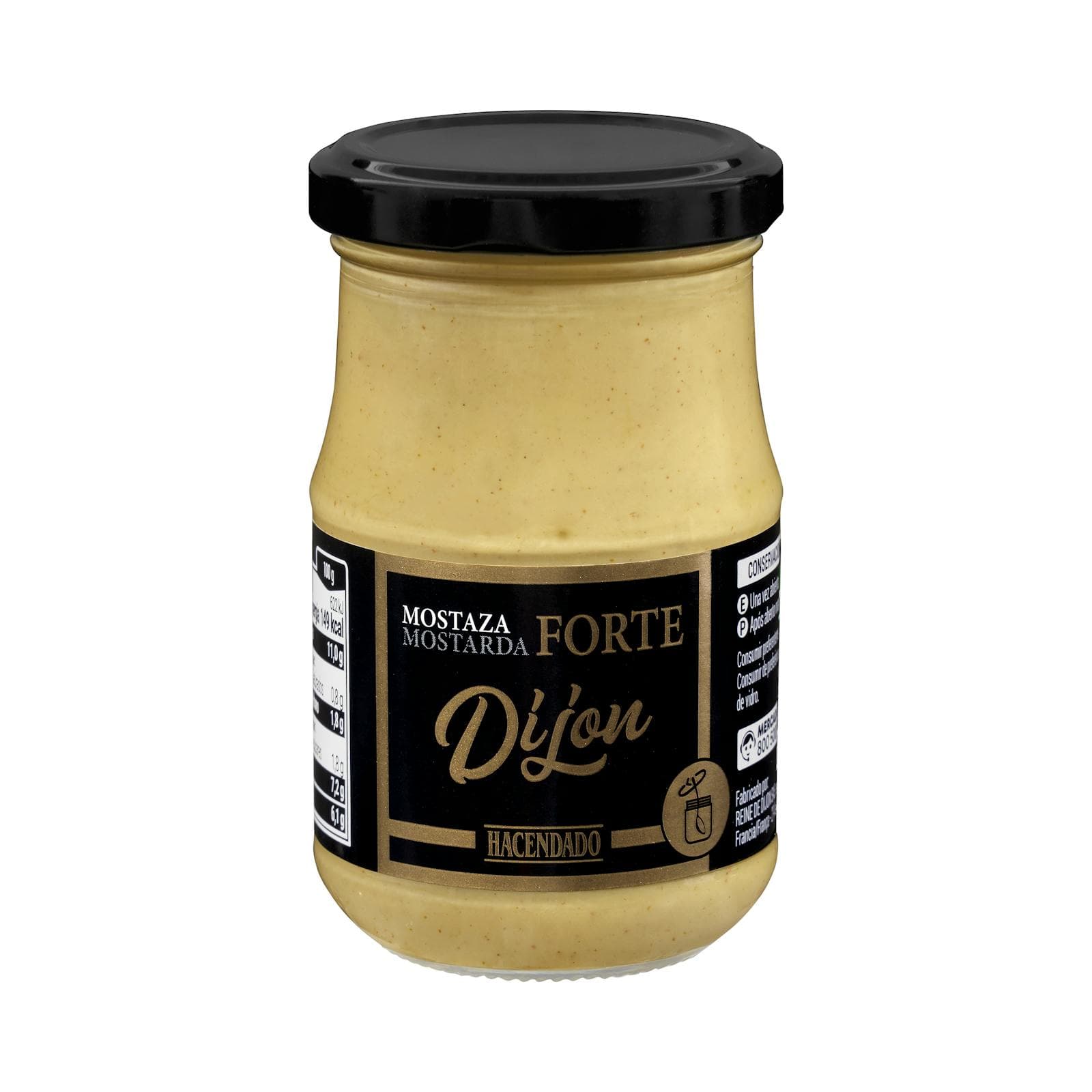 €1.25
€1.25Dijon Mustard
Hacendado · 200 g · Mercadona
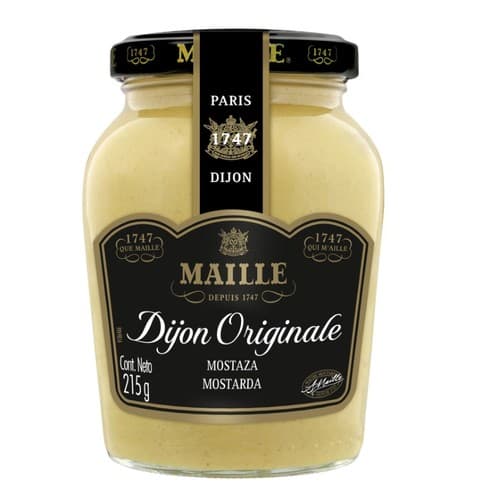 €3.65
€3.65Dijon Mustard
MAILLE · kg · Bonpreu
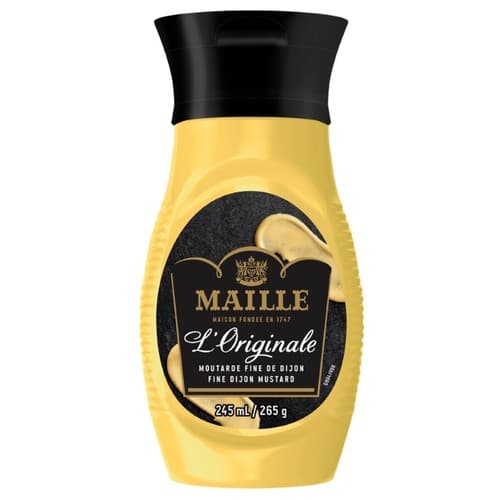 €3.99
€3.99Maille Dijon Mustard
MAILLE · kg · Bonpreu
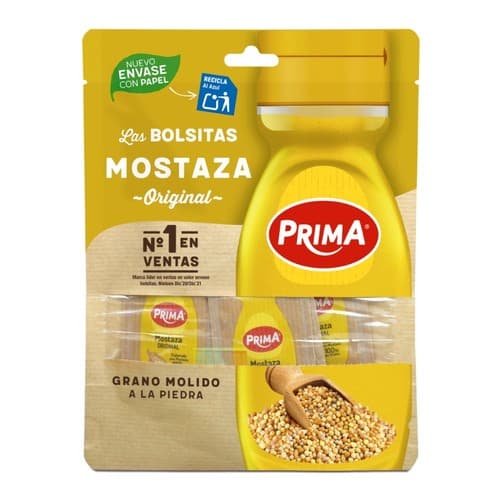 €2.29
€2.29PRIMA Mustard
PRIMA · ud · Bonpreu
 €3.99
€3.99Honey Mustard
MAILLE · kg · Bonpreu
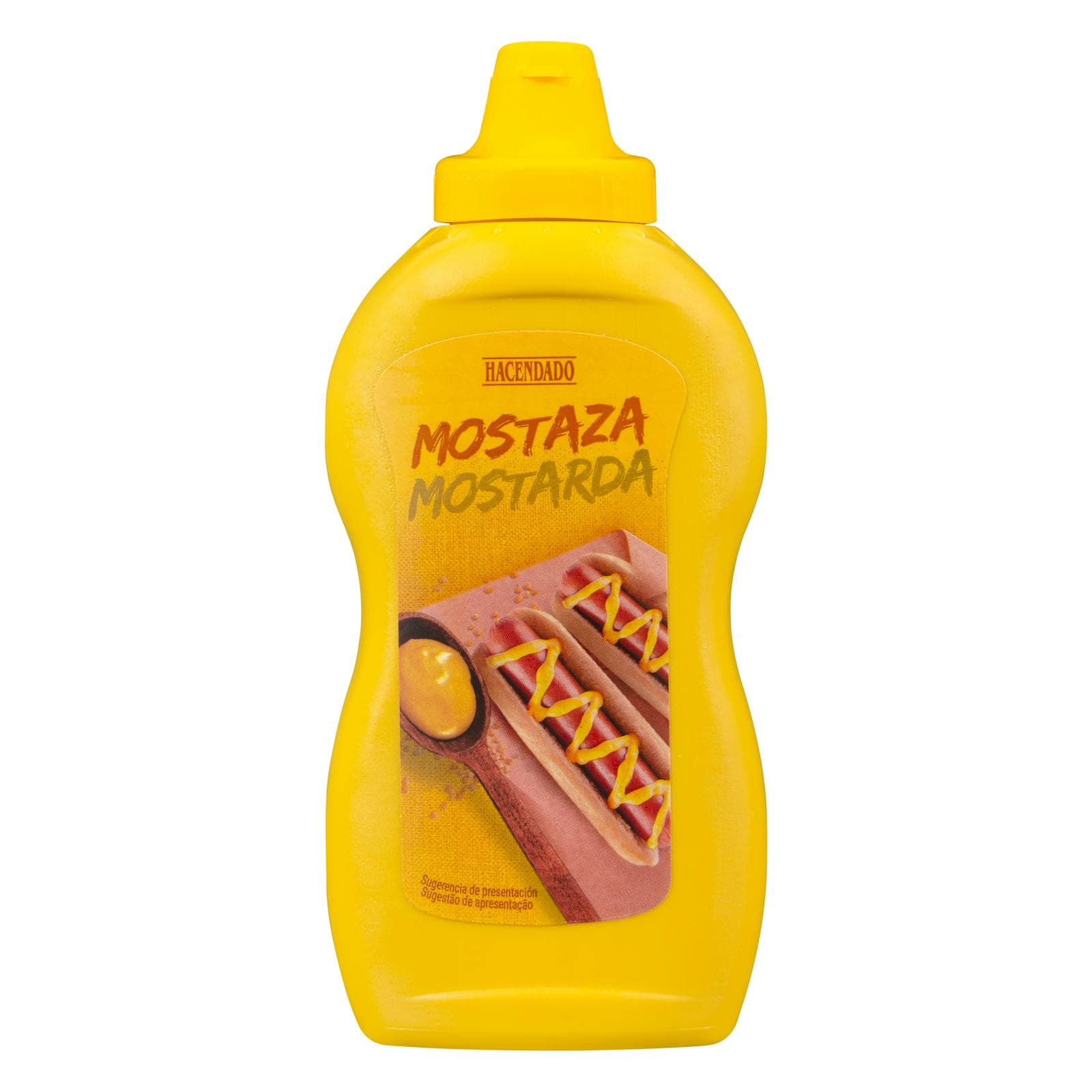 €1.35
€1.35Classic Mustard
Hacendado · 388 g · Mercadona
Good to know
- Scientific name
- Brassica juncea
- Family
- Brassicaceae (mustard family)
- Primary season
- Cool weather; peak fall through early spring in temperate climates
- Flavor profile
- Peppery, pungent, mildly spicy; becomes more bitter and intense as leaves mature
- Texture when raw
- Tender and delicate when young; can become tough and fibrous when mature
- Refrigerator shelf life
- 3–5 days stored unwashed in a loosely closed plastic bag
- Freezer suitability
- Blanch before freezing for best texture retention
- Key compounds
- Glucosinolates (especially sinigrin), which create the peppery flavor and are partially deactivated by cooking
- Nutrition highlight
- Exceptionally high in vitamins A, C, and K; also a good source of calcium, folate, manganese, and dietary fiber
Substitutes
- Turnip greens — Very similar in flavor and texture; often cooked identically in Southern tradition and are the closest substitute
- Collard greens — Much milder flavor; collards lack the peppery bite but have a similar toothsome texture when cooked
- Kale — Hardier texture and earthier flavor; lacinato (dinosaur) kale is closest in toothsome quality, though it lacks mustard greens' characteristic heat
- Swiss chard — Comparable toothsome quality when cooked; lacks mustard greens' peppery heat entirely
- Bok choy — Mild, succulent texture; works in Asian-style preparations when a gentler green is acceptable
- Arugula — Shares the peppery flavor profile; more delicate texture; best used raw or barely wilted
Pairs with
Also called
Indian Mustard · Brown Mustard Greens · Gai Choy · Tsunga · Mustard Leaf
Appears in these dishes
Related
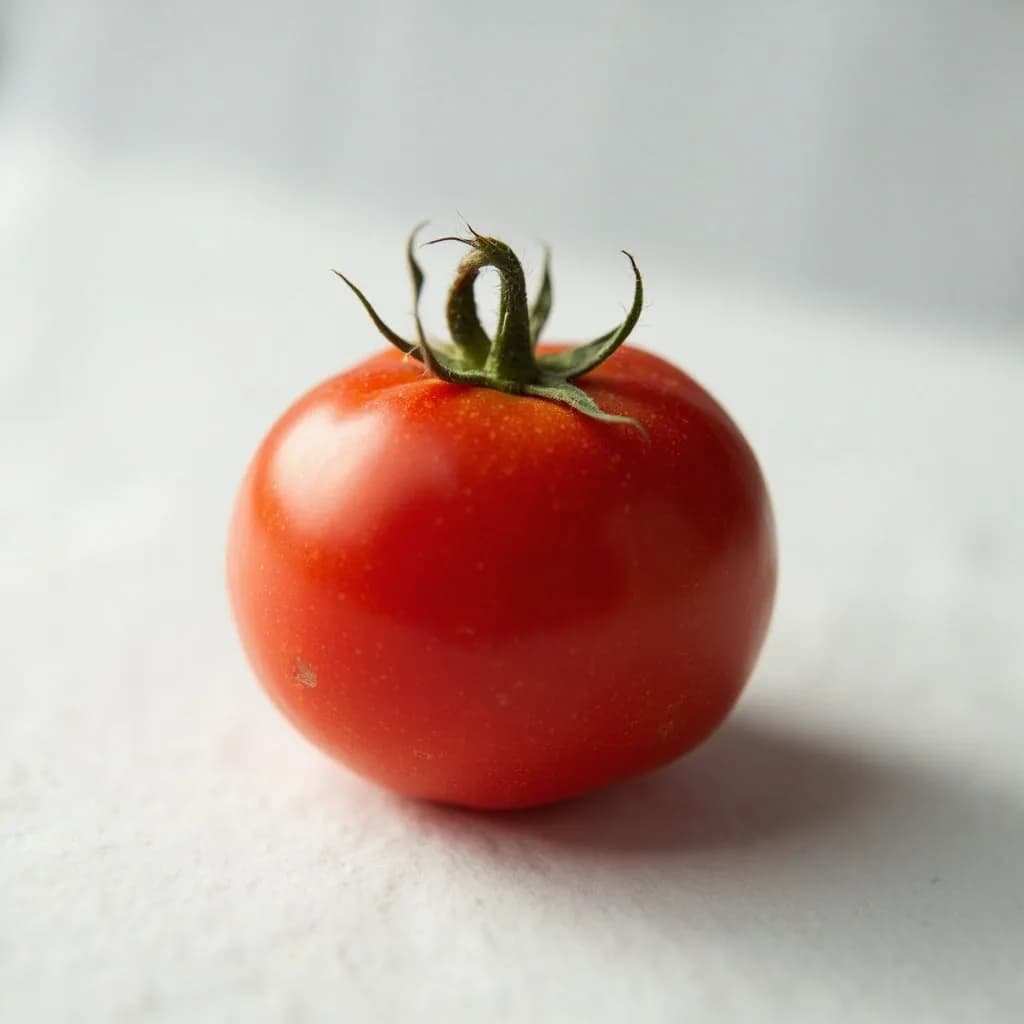
Tomato
Juicy, sun-sweet fruit for sauces, salads, and slow-cooked depth
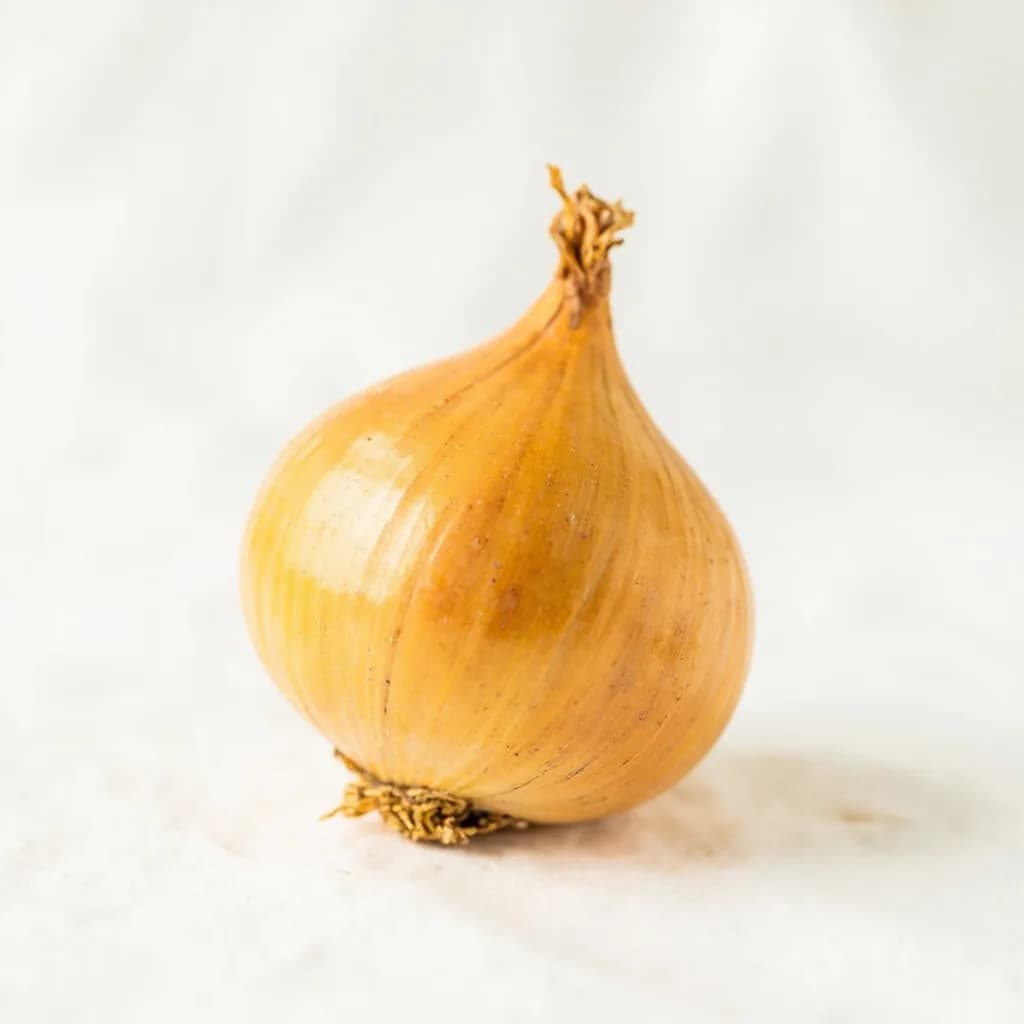
Yellow Onion
The aromatic backbone of soups, sofritos, and braises
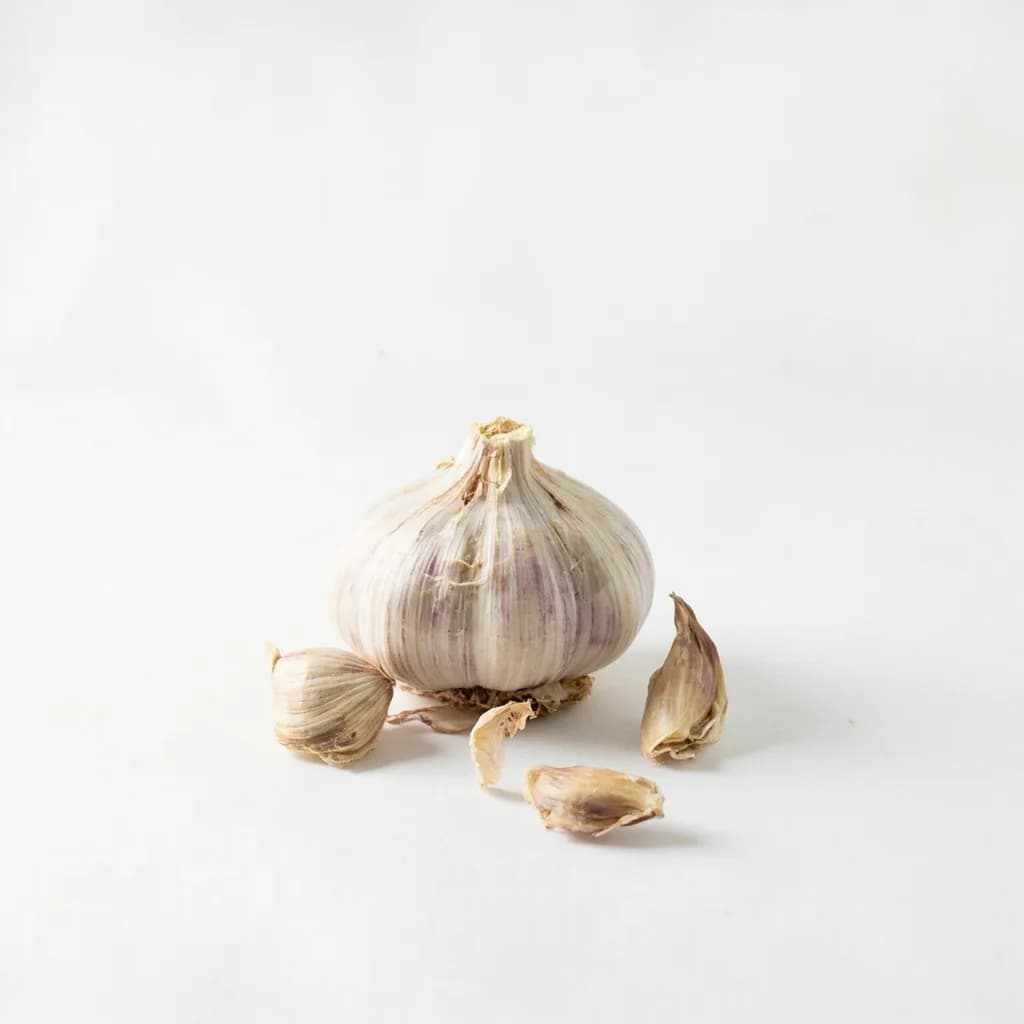
Garlic
Pungent cloves that perfume nearly every savory dish
Lemon
Bright, acidic citrus that wakes up almost any dish
Potato
Humble, hearty staple — roast, mash, fry, or boil
Carrot
Sweet, crunchy root — raw, roasted, or the base of a sofrito
Cucumber
Cool, crisp, and watery — for salads, pickles, and tzatziki

Lettuce
Crisp leaves for salads, wraps, and a fresh crunch