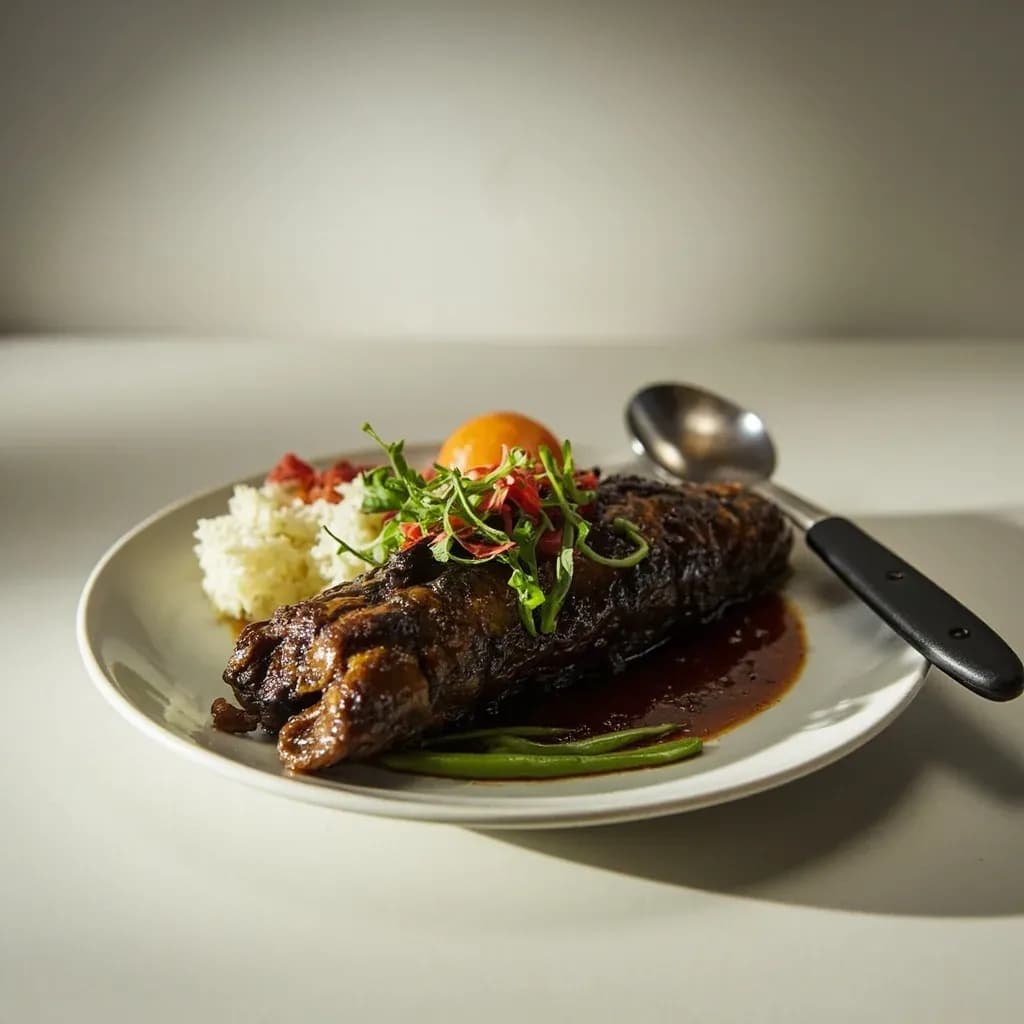
Proteins
Sea Cucumber
Gelatinous marine echinoderm braised in Chinese banquet dishes for its silky texture.
Sea cucumber is a soft-bodied marine animal valued in Chinese and other Asian cuisines for its springy, gelatinous texture rather than strong flavor. It is usually sold dried, then laboriously rehydrated and braised in rich savory sauces for banquet dishes. It readily absorbs the flavors of the broth it is cooked in.
Sea cucumber is the culinary name for any of several species of Holothuroidea — soft-bodied marine echinoderms related to sea stars and sea urchins, not to shellfish or fish. In the kitchen it is prized for one reason above all: texture. A properly prepared specimen yields a crisp, slightly resistant skin that gives way to a soft, almost custardy interior, gliding across the palate with a clean, gelatinous snap. The flavor is subtle — faintly sweet and marine — which is why sea cucumber is almost always braised in seasoned liquids rather than served on its own. It behaves like a flavor sponge: it absorbs whatever it is cooked in, then contributes back a silky body and gloss to the sauce around it.
Most cooks will never handle a live sea cucumber. The vast majority of what reaches a kitchen — in Asia or abroad — arrives dried, stiff, and gray-brown, often looking more like a piece of bark than food. Rehydration takes days, and the process is unforgiving: under-soaked specimens stay chalky at the core, over-soaked ones turn to mush. When done right, the dried weight multiplies six to ten times, and what emerges is the sleek, plump centerpiece of Chinese banquet cooking and one of the 'three treasures of the sea' alongside abalone and shark fin. It is also a Lunar New Year symbol of longevity (海参, literally 'sea ginseng') and features in restorative cooking traditions across East Asia.
A note on sustainability: the category is uneven. Some stocks, particularly farmed and well-managed Apostichopus japonicus from China and Japan, are considered responsible; others, especially some tropical species, are over-harvested. Buy from sellers who can name the species and origin, and treat price as a rough proxy for traceability — bargain dried sea cucumber is bargain for a reason.
- Measured in
- g
- Storage
- Pantry
Types & varieties
Spiked, premium grade; prized in Chinese banquets and Japanese cuisine; known as '刺参' (cì shēn).
Large, thick-walled, mild; a workhorse dried variety widely exported from Ecuador and Mexico.
Thinner wall, slightly stronger ocean flavor; common in lower-priced dried products.
Generic trade name for darker-skinned dried specimens; grade depends on size and spine density, not color.
Pale, smooth-skinned species such as Holothuria fuscogilva ('teatfish'); dense, gelatinous texture and the most expensive tier.
Smaller and thinner-bodied; eaten fresh in Atlantic Canada and Scandinavia, often pickled or stewed.
Pre-cleaned, pre-cooked, and frozen; a convenient shortcut in Asian markets, though the texture is softer than home-prepared dried.
Buying and grading dried sea cucumber
What you pay for is largely wall thickness, spine density, and species. Pick up the dried piece: it should feel dense for its size, not hollow, and the surface spines should be crisp rather than powdery. A lighter, almost cream-colored underside (versus dark, mottled gray) usually indicates a slower-grown, better-fed animal. Avoid pieces with white salt bloom, splits in the body wall, or any sign of insect frass — these are storage problems you cannot cook out. The very large, smooth-skinned 'white' or 'sand' sea cucumbers are the luxury tier; medium spiked Japanese-style specimens are the everyday banquet workhorse and the best balance of quality and price.
- Look for traceable species name and country of origin on the label.
- Reject pieces that smell strongly briny, musty, or ammoniated.
- Darker color is not a flaw, but softness, cracks, or salt bloom are.
- Plan on roughly 30–50 g of dried product per person as a main component.
Rehydration, step by step
Think of rehydration as a slow, gentle coaxing rather than a soak. Rushing it with hot water softens the outside while leaving a hard chalky core that no amount of later cooking will fix. The following schedule works for medium (15–25 g dried) spiked specimens; large ones may need an extra day.
- Day 1: rinse under cold water, then submerge in plenty of cold water in a non-reactive (stainless or glass) container; refrigerate.
- Change the water every 8–12 hours; keep the container cold to discourage bacterial souring.
- Day 2: once pliable, slit the belly lengthwise with kitchen shears and scrub out all sand, viscera, and the five white calcified tendons using a stiff brush.
- Bring a pot of unsalted water to a boil, drop the sea cucumber in, simmer 20–30 minutes, then turn off the heat and let it cool in the liquid.
- Repeat the boil-and-cool cycle once or twice more, adding a tablespoon of salt to the water on later cycles to firm the texture.
- Test by bending a piece against the edge of the pot: it should flex like a thick rubber band with no hard core. If the center resists, simmer again.
- When fully rehydrated, keep submerged in clean cold water in the fridge and use within 2–3 days.
Texture and doneness cues
The defining payoff of a properly prepared sea cucumber is the contrast between the springy outer skin and the soft, almost custardy interior. Overcook it and the wall collapses into a slippery paste; undercook it and the core is chalky. Braise gently in barely simmering liquid — never a rolling boil — and check by pressing a chopstick into the thickest part. It should yield with light resistance, the way a ripe avocado does. Lift a piece and shake it: a ready sea cucumber will wobble like firm jelly.
Common uses
Tips & pitfalls
- Soak dried sea cucumber in cold, refrigerated water and change the water every 8–12 hours to prevent souring — warmth breeds off-flavors fast.
- Slit the belly lengthwise and scrub out all sand, viscera, and the five calcified tendons with a stiff brush; miss any and the dish will be gritty or chalky.
- Test doneness by bending a piece — it should flex like a thick rubber band with no hard core in the center.
- Avoid a rolling boil during braising; a bare simmer keeps the wall intact, while aggressive boiling causes the body to disintegrate.
- Salt the water in the later soak stages to firm the texture and season the wall through to the core.
- Do not over-soak. Mushy, waterlogged sea cucumber cannot be rescued; if in doubt, stop early and finish during the braise.
- Reserve the soaking liquid after letting it settle, and use it in stocks — it carries real flavor and gelatin.
- Rehydrate and cook in a non-reactive pot (stainless or clay) to avoid metallic off-flavors that aluminum and iron can impart.
- Score the underside in a fine crosshatch before braising so the sauce penetrates and the body curls attractively on the plate.
- For a glossy, restaurant-style finish, glaze the cooked sea cucumber in reduced abalone sauce with a touch of cornstarch slurry just before serving.
Nutrition
Energy
63 kJ · per 100 g
Where the calories come from
Protein
0.7g
1% DV
Carbs
3.6g
1% DV
Fat
0.1g
0% DV
Fiber
0.5g
2% DV
Sugars
1.7g
of which
Sodium
2mg
0% DV
Source · USDA FoodData Central · approx. Cucumber, with peel, raw
View on FDC →In the shops
Matched grocery products
 €0.40
€0.40Cucumber
210 g · Mercadona
 €1.13
€1.13Dutch Cucumber
425 g · Mercadona
 €0.59
€0.59Cucumber 1 unit
Bonpreu
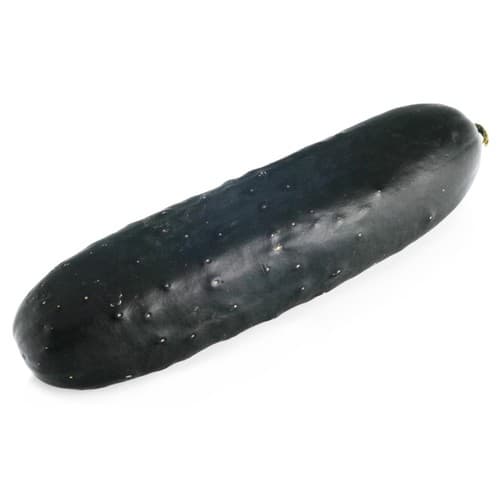 €0.66
€0.66Cucumber 1 unit
ud · Bonpreu
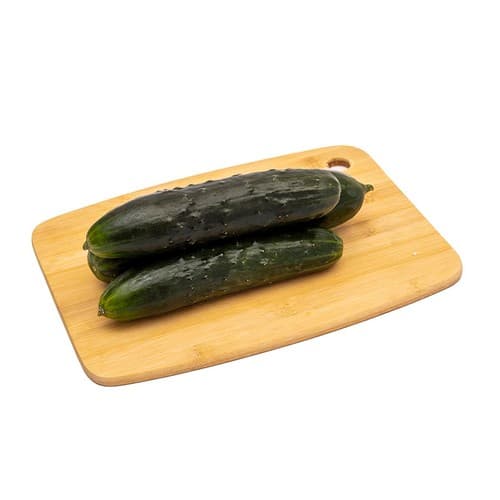 €3.39
€3.39La Collita Organic Cucumber Tray 600 g
LA COLLITA · kg · Bonpreu
Good to know
- Scientific class
- Holothuroidea (a marine echinoderm, unrelated to mollusks or fish)
- Primary culinary form
- Dried, then rehydrated; fresh is perishable and rare outside coastal Asia
- Texture when cooked
- Silky and gelatinous with a light, springy chew; the wall gives way cleanly rather than crumbling
- Flavor
- Mild, faintly sweet, and marine; a near-blank canvas that takes on the braising liquid
- Rehydration
- 3–5 days for medium dried specimens, with multiple boil-and-soak cycles
- Dried-to-cooked yield
- Roughly 6–10× weight gain after full rehydration, depending on grade and size
- Shelf life
- Years dried if kept cool, dry, and sealed; only 1–2 days chilled when fresh
- Essential prep task
- Removing the five longitudinal calcified strips ('five white tendons,' 五条筋) before cooking
- Grade indicators
- Larger size, thicker body wall, denser spines, and a lighter underside signal higher quality
- Difficulty
- Advanced — extensive prep, and easy to ruin with over- or under-soaking
Substitutes
- Fish maw (dried swim bladder) — Closest textural stand-in — gelatinous, rich, and a natural partner for the same braising sauces.
- Shark fin (cartilage strands) — Silky mouthfeel and visual role are similar; increasingly avoided for sustainability reasons.
- Konjac (konnyaku) — Vegetarian option with a comparable bounce; lacks marine sweetness, so boost the broth with dried scallops or kombu.
- Tofu skin sticks (fu zhu) — Budget-friendly; absorbs braising liquid well, though softer and less springy.
- Fresh oyster mushrooms, slow-braised — An improvised vegetarian stand-in that contributes umami but cannot mimic the signature gelatinous snap.
Pairs with
Also called
海參 · Trepang · Bêche-de-mer
Related
Egg
The kitchen's everything ingredient — bind, leaven, enrich, or fry
Chicken Breast
Lean, quick-cooking white meat for everyday dinners

Ground Beef
Versatile minced beef for burgers, ragù, tacos, and meatballs
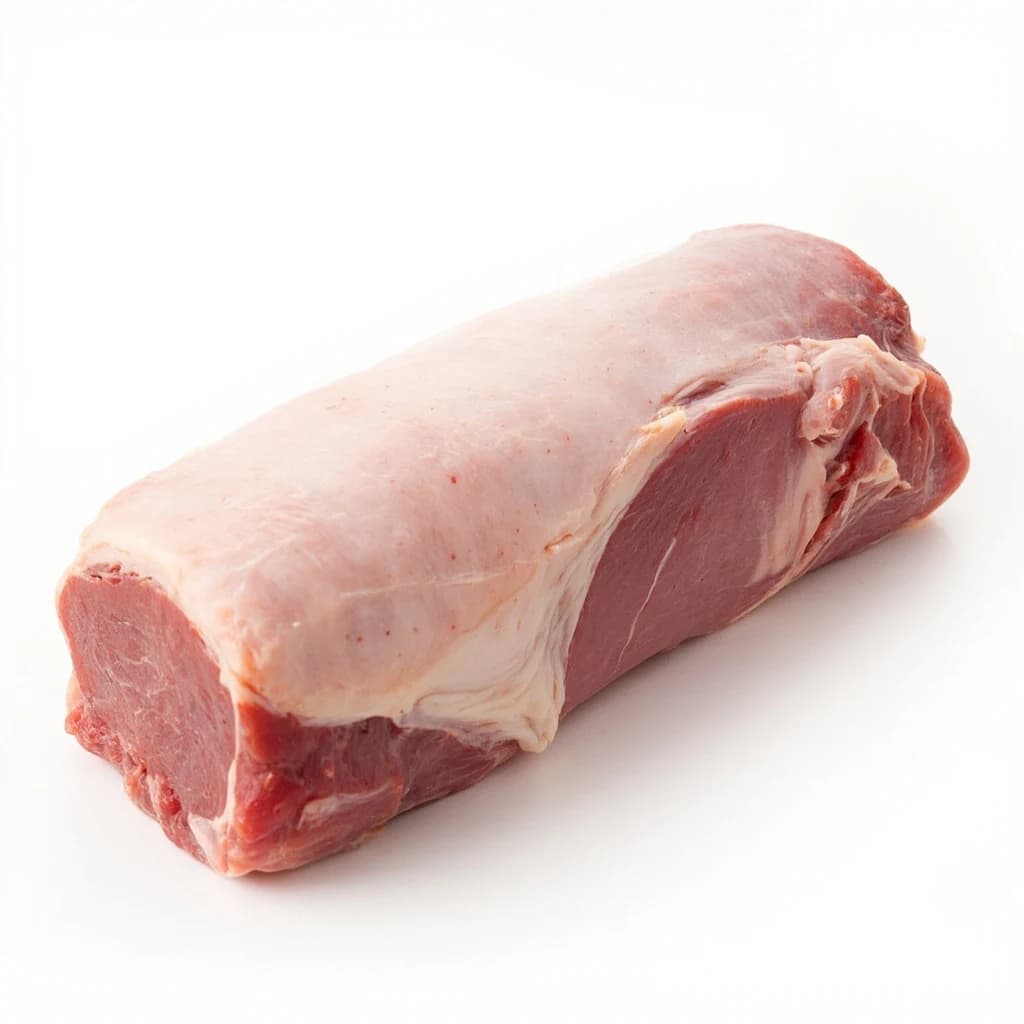
Pork Loin
Lean, tender roasting cut that stays juicy with care
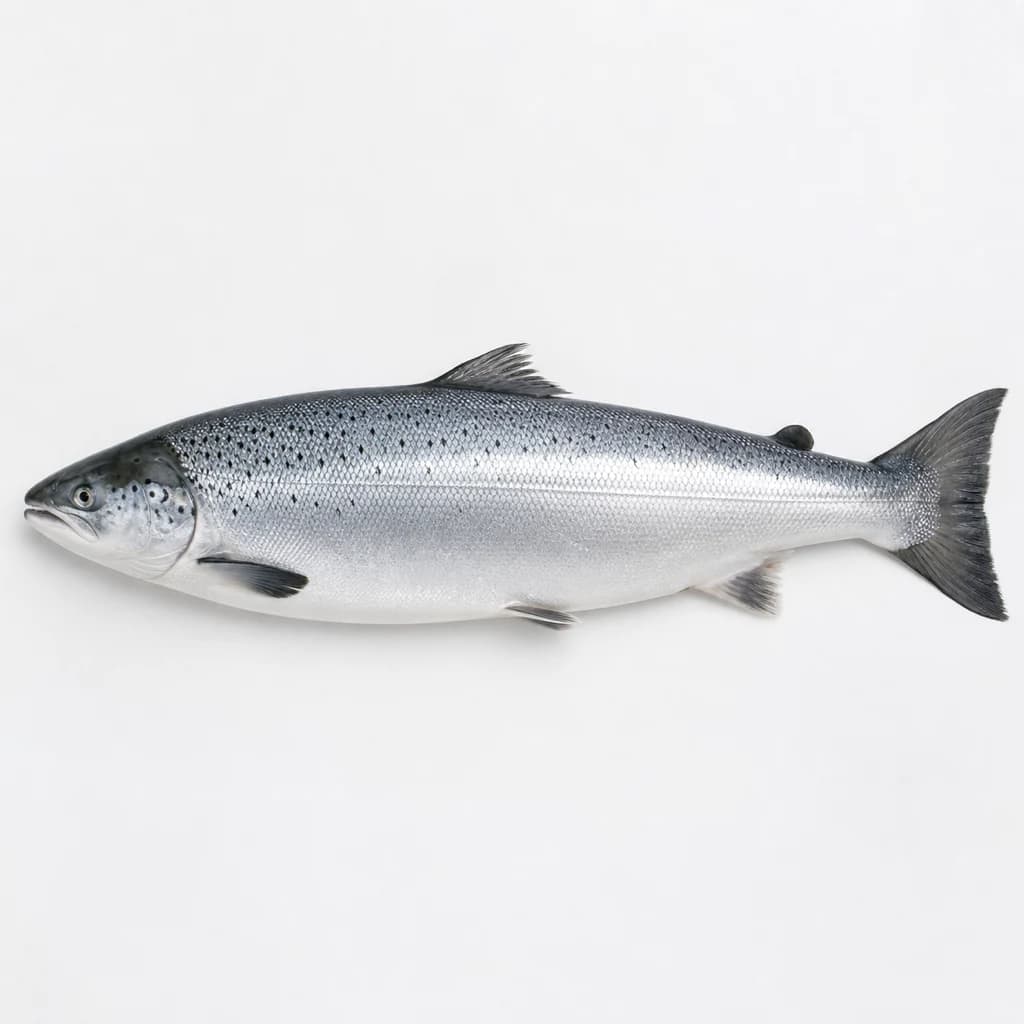
Salmon
Rich, rosy fish that roasts, grills, or cures beautifully

Egg White
Pure protein that whips to airy peaks for meringue and more
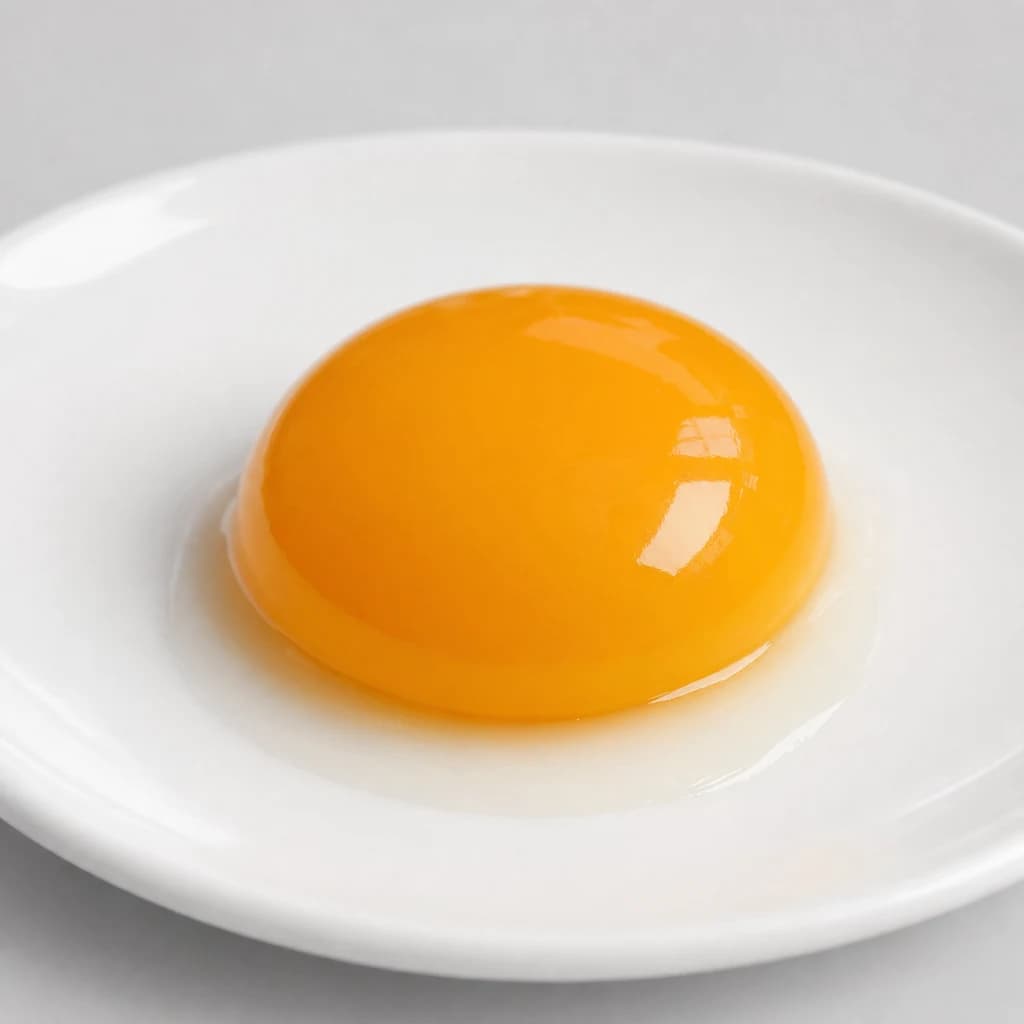
Egg Yolk
Rich, golden yolk for custards, mayonnaise, and pasta

Quail Egg
Tiny, speckled eggs for garnishing and elegant bites