
Natural form
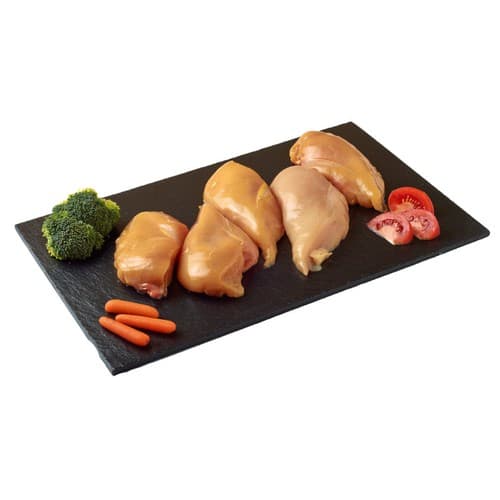
Raw skinless chicken breast showing natural shape, pale pink color, and smooth surface.
Shows the reader exactly what to expect when buying this cut: its size, color, and form before any preparation.
Proteins
Skinless Chicken Breast
Lean white-meat chicken cut, versatile for grilling, sautéing, or poaching.
Skinless chicken breast is a lean, mild white-meat cut from the bird's pectoral muscle. It is one of the most versatile proteins, used grilled, pan-seared, poached, baked, or sliced for stir-fries and salads. Because it is low in fat it can dry out, so it benefits from marinades, brining, or careful timing.
Skinless chicken breast is the defining lean protein in modern American and Western cooking—a neutral canvas that absorbs nearly any flavor profile but demands respect for its proneness to dryness. The absence of skin eliminates a natural basting layer and most of the subcutaneous fat, placing all moisture responsibility on cooking technique and timing. The breast accounts for roughly 35% of a chicken's weight but over 40% of its protein, and yields approximately 75% when cooked, meaning a 4-ounce raw piece yields about 3 ounces cooked. Historically a byproduct of whole-bird butchery, the boneless, skinless breast became a separate primal cut in the mid-20th century as consumer demand for convenience and leanness grew. The meat itself—pale ivory to white, fine-grained, and virtually fat-free—cooks quickly and evenly when kept at even thickness, but the margin between perfectly cooked and dried-out is narrow. The most common professional mistake is cooking too hot for too long; medium-high heat with attentive timing is far superior to high-heat rushing. Frozen chicken breast is perfectly acceptable for most preparations; thaw refrigerated overnight or in cold water for 30–45 minutes. Never refreeze raw poultry once thawed.
- Measured in
- g
- Storage
- Fridge
Types & varieties
One side of the whole breast, boneless or bone-in; the standard cut sold in most markets
Breast meat sliced thin (¼–½ inch); cooks quickly but is especially prone to drying if overcooked
Small strip of white meat from the underside of the breast (Pectoralis minor); more tender than the breast itself but harder to find as a whole piece
Chilled by air rather than water immersion; yields a better skinless product with less absorbed moisture to deal with
The most common commercial chilling method; chicken may absorb up to 8% added moisture, which dilutes flavor and interferes with searing
Must meet USDA organic standards; the bird's diet affects flavor subtly, often producing a more pronounced chicken taste
Salted and inspected according to Jewish dietary law; slightly firmer texture and mildly pre-salted, which reduces the need for additional seasoning
Understanding Moisture and the Carryover Problem
Skinless chicken breast's greatest vulnerability is its lack of internal fat. Unlike darker cuts, it has no lubricating pocket of fat within the muscle to compensate for overcooking. The solution lies in understanding carryover heat: an instant-read thermometer reading of 155°F (68°C) at pull, followed by a 5-minute rest, will reach the USDA-safe 165°F (74°C) through residual heating alone. Cooking to 165°F directly on the heat almost always results in 170–175°F at the center by the time it reaches the plate—dry, rubbery, and past the point of no return. Brining in a 3% salt solution by weight for 30–60 minutes before cooking genuinely improves moisture retention by up to 15%, but even a simple dry brine (salt on the surface for 30 minutes) helps denature proteins in a way that retains more juices.
- The gap between 155°F and 165°F is where you lose the breast; reach 155°F and pull immediately.
- Water-chilled chicken holds trapped moisture that steams during searing—pat it thoroughly dry before any high-heat cooking.
Pounding and Thickness: The Foundation of Success
An even ½-inch thickness is the single most impactful preparation step for skinless breast. Uneven thickness means dry edges by the time the center reaches temperature. Use a meat mallet or rolling pin wrapped in plastic wrap, working from the center outward in gentle strokes. Before pounding, score the underside with shallow cuts or slash the thickest part of the tenderloin nearly through so the breast can lie flat without springing back. A pounded breast cooks in roughly 4–5 minutes per side over medium-high heat, making it predictable and repeatable. An unpounded 8-ounce breast can take 12–15 minutes with an overcooked exterior before the center is safe.
- Pound to ½ inch uniform thickness for consistent results every time.
- Score the underside before pounding to prevent the meat from tearing and curling.
Common uses
Tips & pitfalls
- Pound to even ½-inch thickness with a mallet wrapped in plastic; ensures uniform cooking and prevents dry edges.
- Brine in a 3% salt solution (by weight) for 30–60 minutes before cooking to improve moisture retention by up to 15%.
- Always use an instant-read thermometer—pull at 155°F (68°C) and rest; carryover heat reaches 165°F.
- Pat thoroughly dry before searing; surface moisture creates steam and prevents browning.
- Let rest 5 minutes after cooking before slicing; allows juices to redistribute.
- Slice against the grain for shorter muscle fibers and a more tender bite.
- Score the underside lightly before pounding to prevent tearing and promote even thickness.
- Poach gently at 160–165°F—not boiling—to maintain a silky texture rather than a rubbery one.
Nutrition
Energy
502 kJ · per 100 g
Where the calories come from
Protein
22.5g
45% DV
Carbs
0g
0% DV
Fat
2.6g
3% DV
Fiber
0g
0% DV
Sugars
0g
of which
Sodium
45mg
2% DV
Source · USDA FoodData Central · approx. Chicken, broiler or fryers, breast, skinless, boneless, meat only, raw
View on FDC →In the shops
Matched grocery products
 €1.88
€1.88Chicken Breast
BONPREU DE L'ERA · ud · Bonpreu
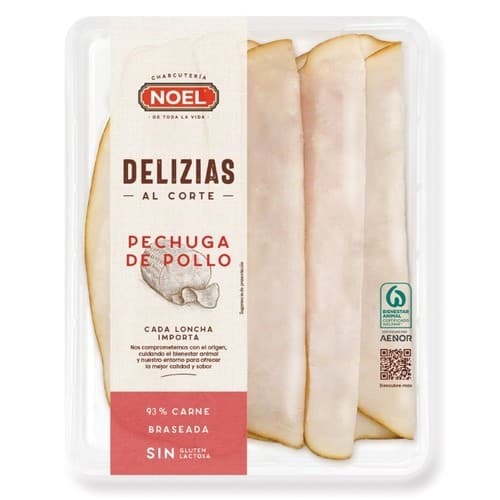 €2.69
€2.69Chicken Breast
NOEL DELIZIAS · kg · Bonpreu
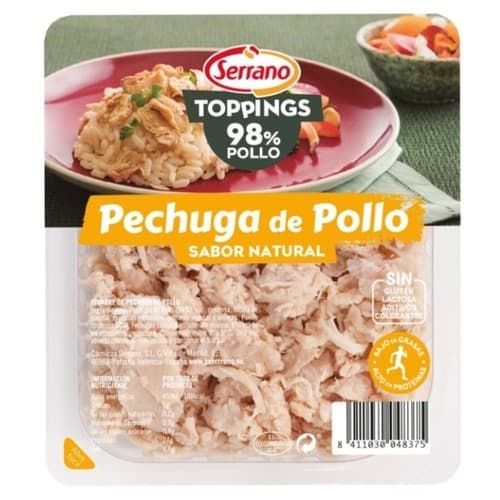 €2.29
€2.29Chicken Breast Slices
SERRANO · kg · Bonpreu
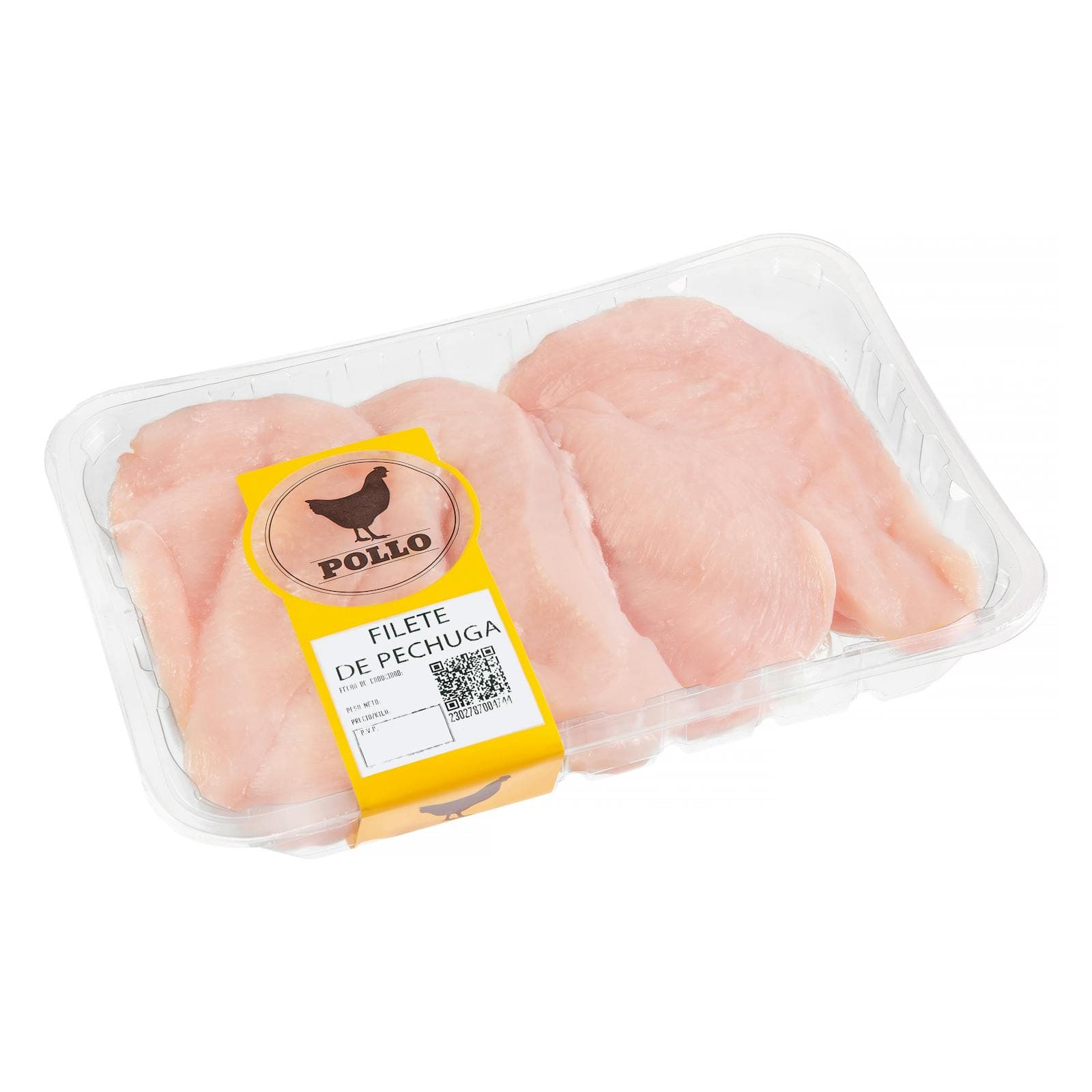 €3.87
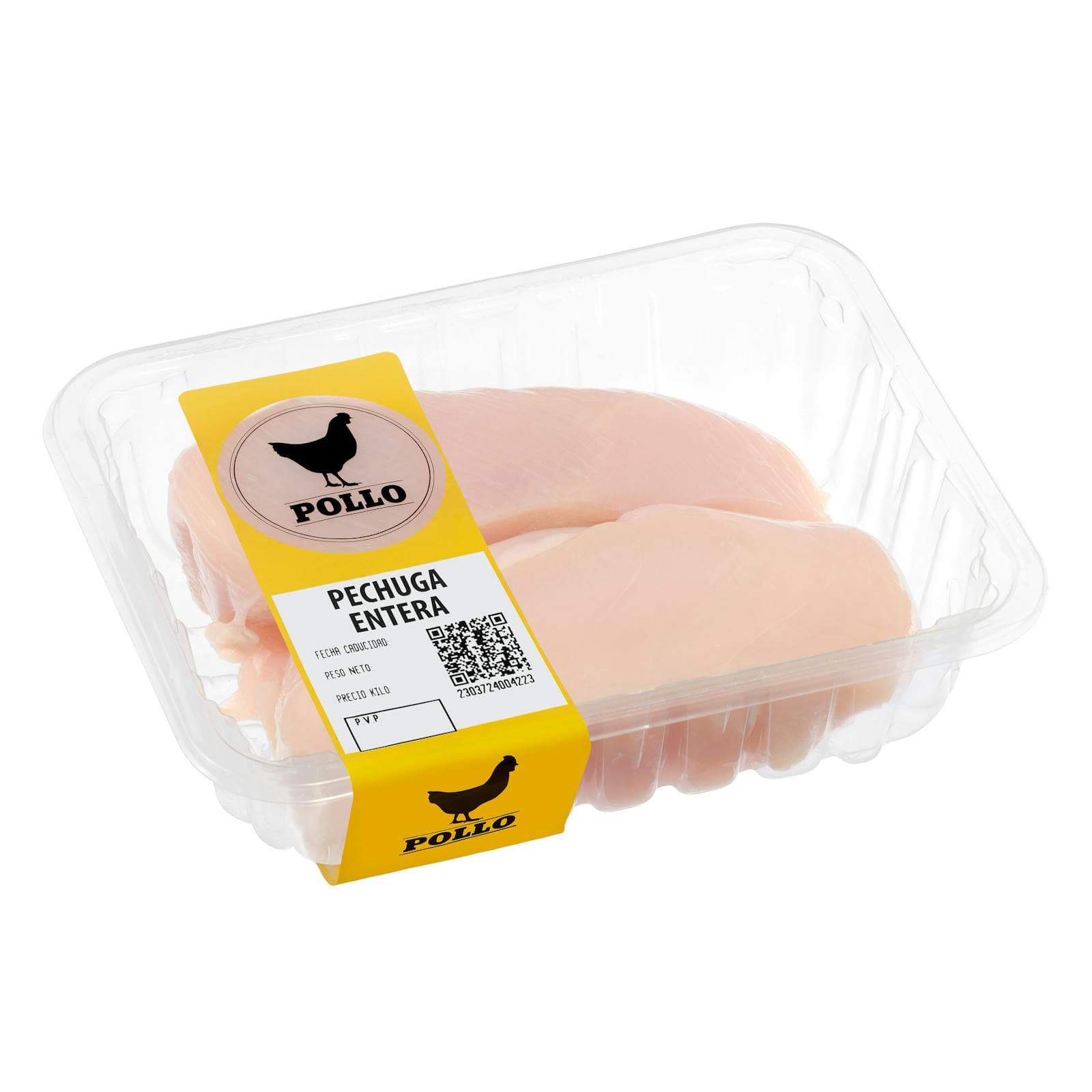
€3.87Chicken Breast Fillets
530 g · Mercadona
 €4.06
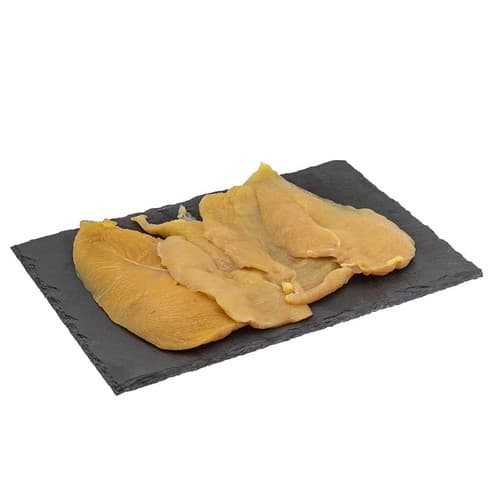
€4.06Whole Chicken Breasts
610 g · Mercadona
 €5.88
€5.88Sliced Chicken Breast
BONPREU DE L'ERA · ud · Bonpreu
Good to know
- Type
- Poultry (Gallus gallus domesticus)
- Primary Muscle
- Pectoralis major
- Color
- Pale ivory to white
- Protein (per 100g raw)
- 23g
- Fat (per 100g raw)
- 1.2g
- Calories (per 100g cooked)
- 165 kcal
- Texture
- Fine-grained, lean; prone to dryness when overcooked
- Safe Internal Temperature
- 165°F (74°C)
- Refrigerator Storage
- 1–2 days
- Freezer Storage
- Up to 9 months
- Yield (cooked to raw)
- Approximately 75%
Substitutes
- Skinless Turkey Breast — Nearly identical cooking time and method; slightly leaner with a marginally stronger flavor
- Pork Tenderloin — Similar lean protein; requires 5–8 additional minutes per pound and its slight fat content adds welcome moisture
- Cod or Halibut — Appropriate for sautéing and baking; much shorter cooking time and a flaky texture; not a true protein-equivalent substitute
- Extra-Firm Tofu — Press and freeze for a meatier texture; completely different profile but workable for plant-based applications
Pairs with
Also called
Boneless Skinless Chicken Breast · Chicken Fillet
Related
Egg
The kitchen's everything ingredient — bind, leaven, enrich, or fry
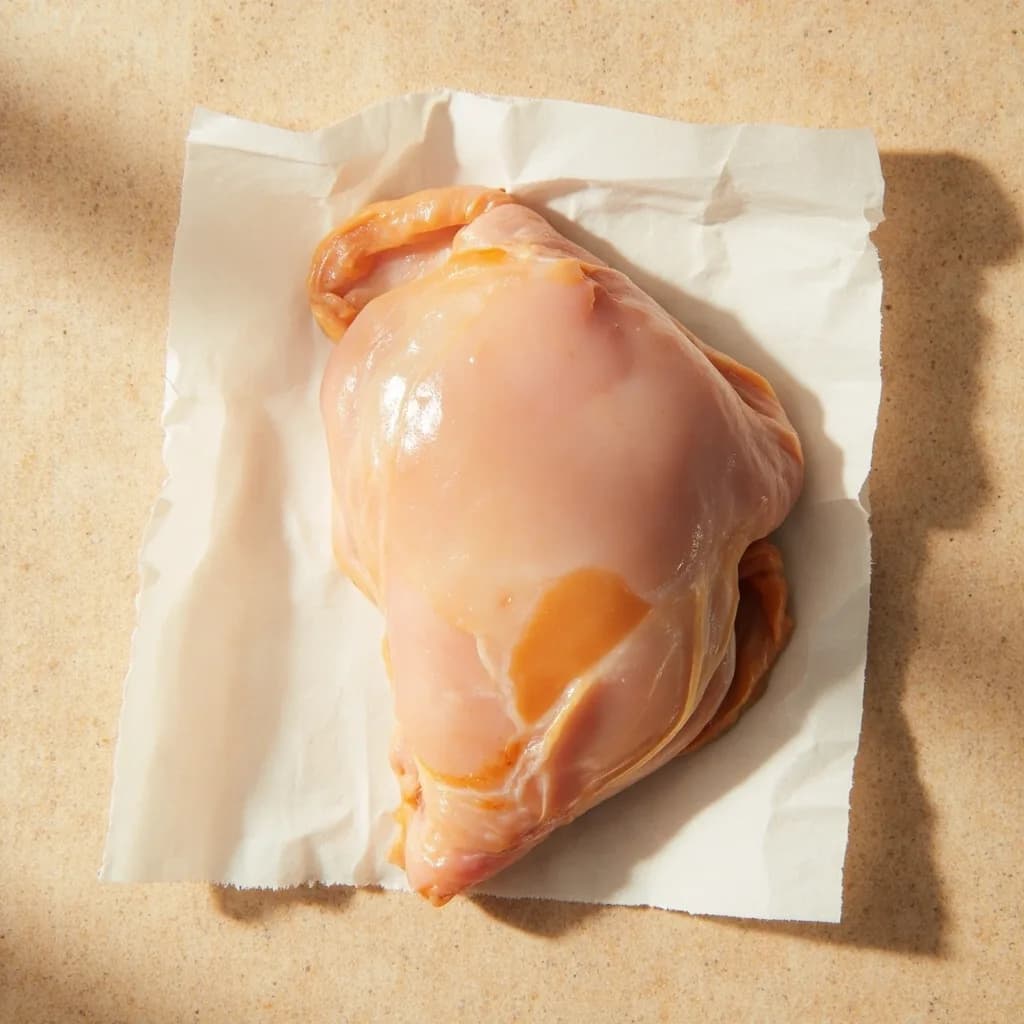
Chicken Breast
Lean, quick-cooking white meat for everyday dinners

Ground Beef
Versatile minced beef for burgers, ragù, tacos, and meatballs
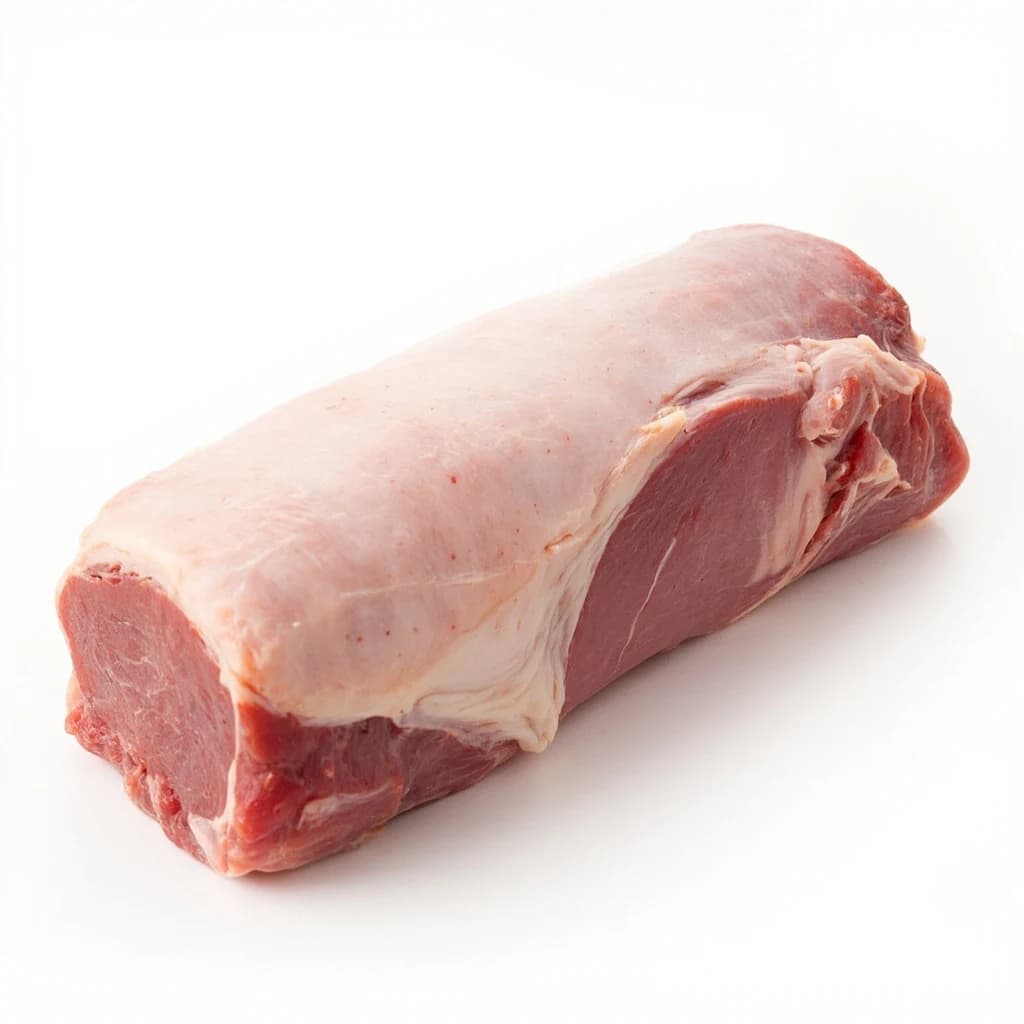
Pork Loin
Lean, tender roasting cut that stays juicy with care
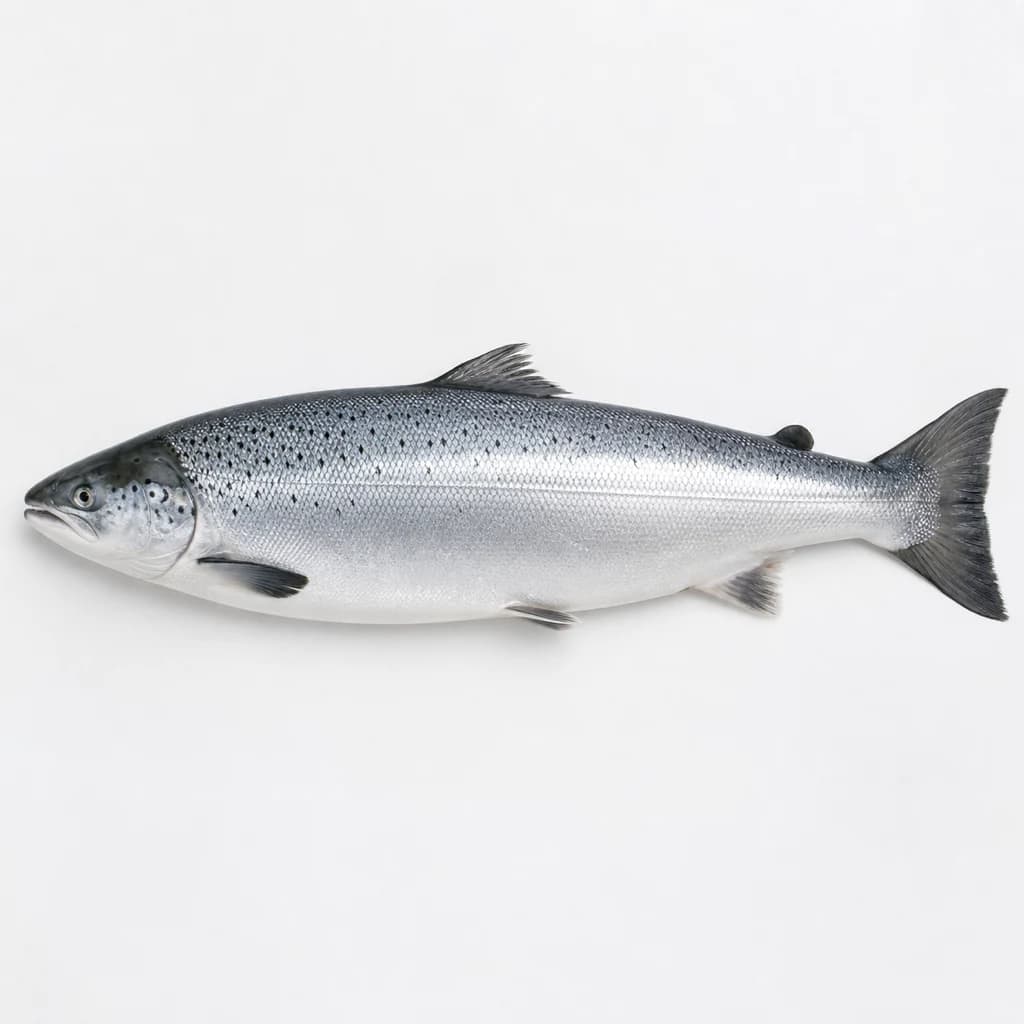
Salmon
Rich, rosy fish that roasts, grills, or cures beautifully

Egg White
Pure protein that whips to airy peaks for meringue and more
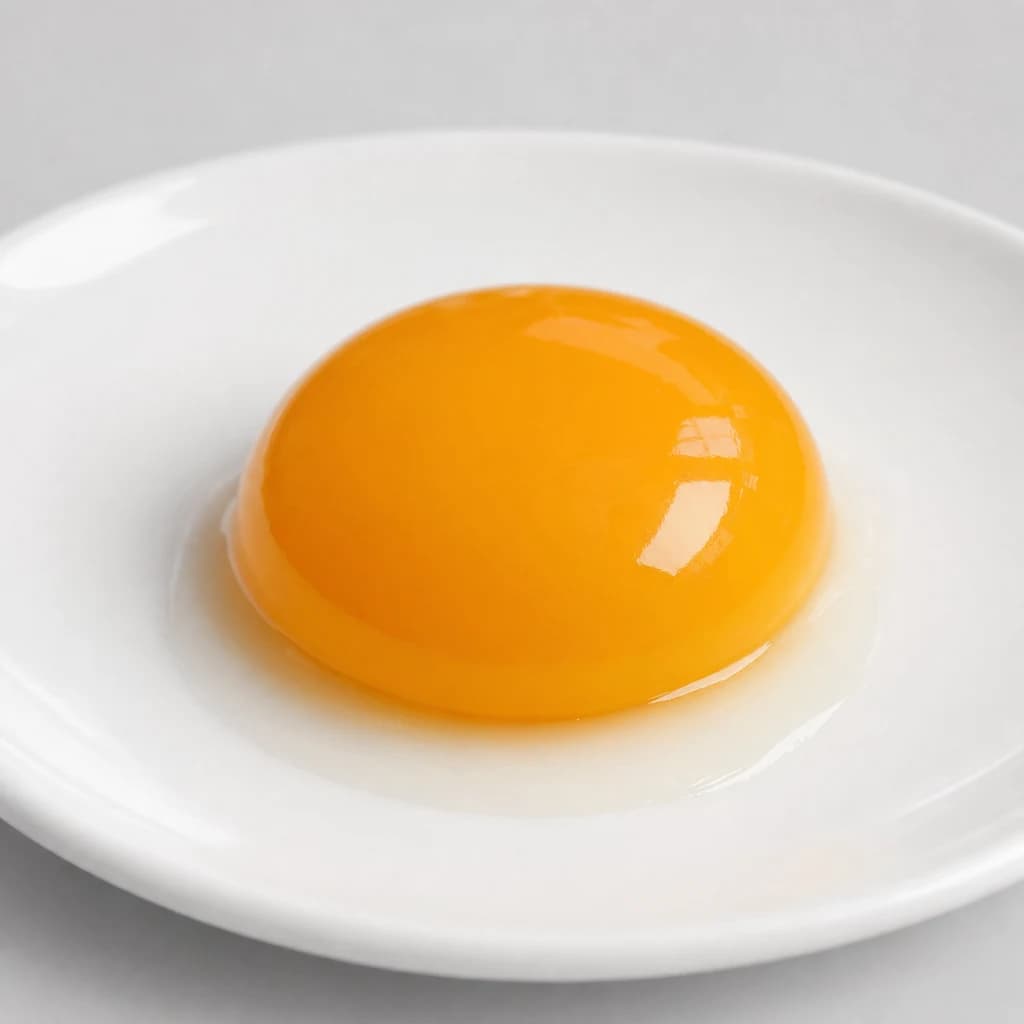
Egg Yolk
Rich, golden yolk for custards, mayonnaise, and pasta

Quail Egg
Tiny, speckled eggs for garnishing and elegant bites