Baking
Sourdough Bread
Naturally-leavened bread with a tangy flavor and chewy crumb.
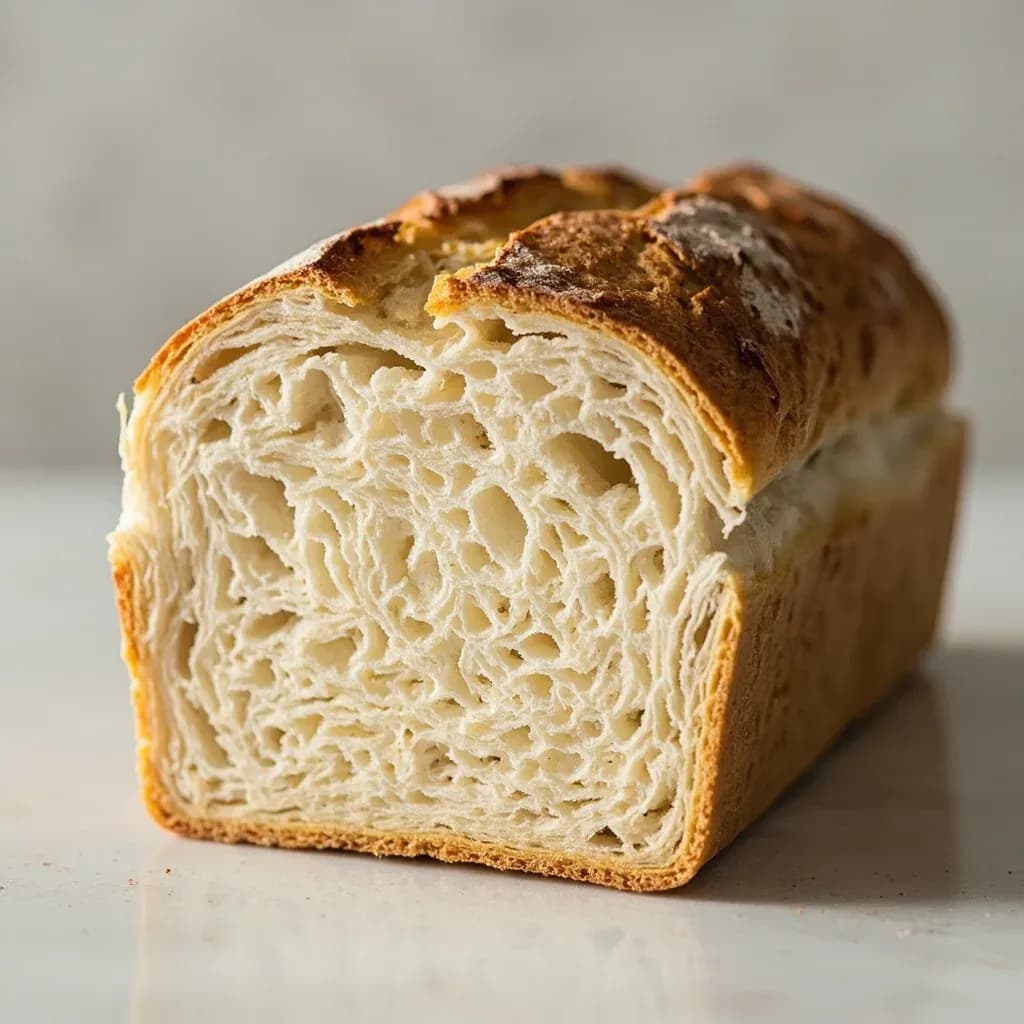
Sourdough bread is leavened by a fermented starter of wild yeast and lactobacilli rather than commercial yeast, producing a characteristic mild sour tang. The slow fermentation develops a chewy interior and crisp crust while improving keeping quality and digestibility. It is sliced for toast and sandwiches or used in dishes like French toast and croutons.
Sourdough is naturally-leavened bread raised by a fermented culture of wild yeasts and lactic acid bacteria rather than commercial yeast. The culture—called a starter—transforms flour and water into a living ecosystem that produces carbon dioxide for rise and organic acids for flavor. This fermentation proceeds slowly, typically 4–24 hours depending on temperature and starter strength, during which time bacteria vastly outnumber yeasts. The result is bread with characteristic tang, complex aromatics, and a crumb structure impossible to replicate with instant yeast. A healthy starter contains billions of microorganisms per gram and adapts to its local environment, which is why sourdough from San Francisco tastes different from sourdough made in New York or London. Beyond flavor, the long fermentation breaks down gluten and phytic acid, making the bread more digestible for many people. The crust—achieved by trapping steam in the first minutes of baking—cracks cleanly and shatters under tooth pressure, a texture contrast that defines the sourdough eating experience.
- Measured in
- g
- Storage
- Pantry
Allergens
Types & varieties
Round freeform loaf; the most common artisan sourdough shape
Oval-shaped loaf; easier to slice than a boule
Elongated sourdough with fewer scoring lines; requires slightly firmer dough
Distinctively sour tang from the Bay Area's climate; often made with high-protein wheat flour and longer fermentation
Made partially or wholly with rye flour; denser, more pungent tang due to rye's pentosan content
Uses whole grain flour; hydration must increase; longer fermentation softens phytic acid
Ancient grain variety; lower gluten protein; produces a tender, slightly nutty crumb
Flat, dimpled sourdough baked with olive oil; shorter fermentation possible
Understanding Your Starter
A sourdough starter is a stable community of wild yeasts and bacteria that has been continuously fed flour and water, often for years. The bacteria—primarily Lactobacillus species—produce lactic and acetic acids, which give sourdough its tang and create the acidic environment that inhibits harmful pathogens. The wild yeasts, including strains of Saccharomyces cerevisiae, generate the CO2 that leavens the dough. A healthy starter smells pleasantly sour with faint fruity or tangy notes; it should double or triple in volume within 4–8 hours of feeding when at room temperature. If it smells like acetone or alcohol, it is over-fermented and needs feeding. Discarding and feeding maintains the balance—do not let the starter exhaust its food supply.
- Use starter at peak activity: doubled in volume, dome-topped, faintly sour, no harsh alcohol smell
- Feed with consistent flour type initially; switching flours temporarily weakens fermentation until the culture adapts
- A floating test works: drop a spoonful in water—if it floats, the starter is active and gas-filled
The Role of Hydration
Hydration—the ratio of water to flour by weight—is the single largest variable affecting sourdough texture. Standard loaves use 70–80% hydration (grams water per 100g flour); artisan loaves push to 80–100% or higher. Higher hydration produces an open, irregular crumb with large, uneven holes—the hallmark of rustic sourdough—but the dough is stickier and harder to handle. Lower hydration yields a tighter, more uniform crumb with a denser bite. Adjusting hydration is the primary lever for controlling texture, and even a 5% change noticeably affects the dough's behavior. Whole grain flours absorb more water than refined flours, so increase hydration when adding whole wheat or rye.
- Weigh ingredients for accuracy; volume measurements introduce 10–20% error in flour weight alone
- High-hydration doughs (80%+) require confident handling; avoid over-flouring the work surface
- If dough feels unworkable at target hydration, build up gradually over several bakes
Common uses
Tips & pitfalls
- Autolyse: mix flour and water, rest 30–60 minutes before adding starter and salt; improves gluten network and extensibility
- Starter readiness: use starter at its peak (doubles or triples in volume, dome-topped, faintly sour, no alcohol smell) 4–8 hours after feeding
- Stretch and fold: perform 4 sets every 30 minutes during bulk fermentation; builds dough strength without degassing
- Cold retard: overnight refrigeration (35–40°F/2–4°C) after shaping intensifies flavor and simplifies scheduling
- Score depth: cut 1/4–1/2 inch deep at a 45° angle; too shallow prevents proper ear formation, too deep causes collapse
- Dutch oven method: bake covered 20 minutes to trap steam, then uncover for remaining time; produces bakery-quality crust at home
- Rest before slicing: wait at least 1 hour after baking; cutting early releases steam and yields gummy crumb
- Discard use: feed starter regularly; excess discard makes pancakes, crackers, and flatbreads cheaply
Nutrition
Energy
1113 kJ · per 100 g
Where the calories come from
Protein
12.5g
25% DV
Carbs
47.1g
17% DV
Fat
3.1g
4% DV
Fiber
6.3g
23% DV
Sugars
9.4g
of which
Sodium
375mg
16% DV
Source · USDA FoodData Central · approx. Bread, potato
View on FDC →In the shops
Matched grocery products
No matched grocery products for Sourdough Bread yet.
Good to know
- Origin
- Ancient Mesopotamia and Egypt, circa 3000 BCE; predates commercial yeast by millennia
- Leavening Agent
- Wild yeasts (Saccharomyces cerevisiae and others) and lactic acid bacteria from a fermented flour-water starter
- Primary Acids
- Lactic acid and acetic acid produced by Lactobacillus bacteria; acetic acid creates the characteristic tang
- Typical Hydration
- 70–85% hydration for standard loaves; artisan loaves often 80–100% or higher
- Bulk Fermentation
- 4–24 hours depending on starter activity, flour protein content, and ambient temperature (70–78°F/21–26°C ideal)
- Baking Temperature
- 450–500°F (230–260°C); Dutch oven method at 475°F (245°C) is standard for home bakers
- Crust Development
- Steam during first 20–30 minutes promotes oven spring and crisp, glossy crust; reduce to 425°F (220°C) after initial burst
- Shelf Life
- 3–5 days at room temperature in a paper bag; freeze slices or whole loaves for up to 3 months
- Starter Maintenance
- Feed at equal weights flour and water (1:1:1 ratio) every 12–24 hours at room temperature, or weekly if refrigerated
- Flour Protein
- Bread flour (12–14% protein) or high-protein all-purpose (10–12%) recommended for best gluten structure
Substitutes
- Poolish — Equal parts flour and water fermented 12–16 hours with commercial yeast; mimics sour flavor partially; bread lacks the depth and bacterial complexity of true sourdough
- Biga — Stiffer pre-ferment (60% hydration) with less sourness than poolish; Italian method used for focaccia and ciabatta
- Commercial Yeast Bread with Citric or Acetic Acid — Adding 0.5–1% white vinegar or citric acid mimics tang but cannot replicate the flavor complexity or the bacteria-derived compounds
Pairs with
Also called
Levain Bread
Related

All-Purpose Flour
The do-anything flour for bread, cakes, sauces, and dredging

Bread Flour
High-protein flour for chewy, well-risen breads
Whole Wheat Flour
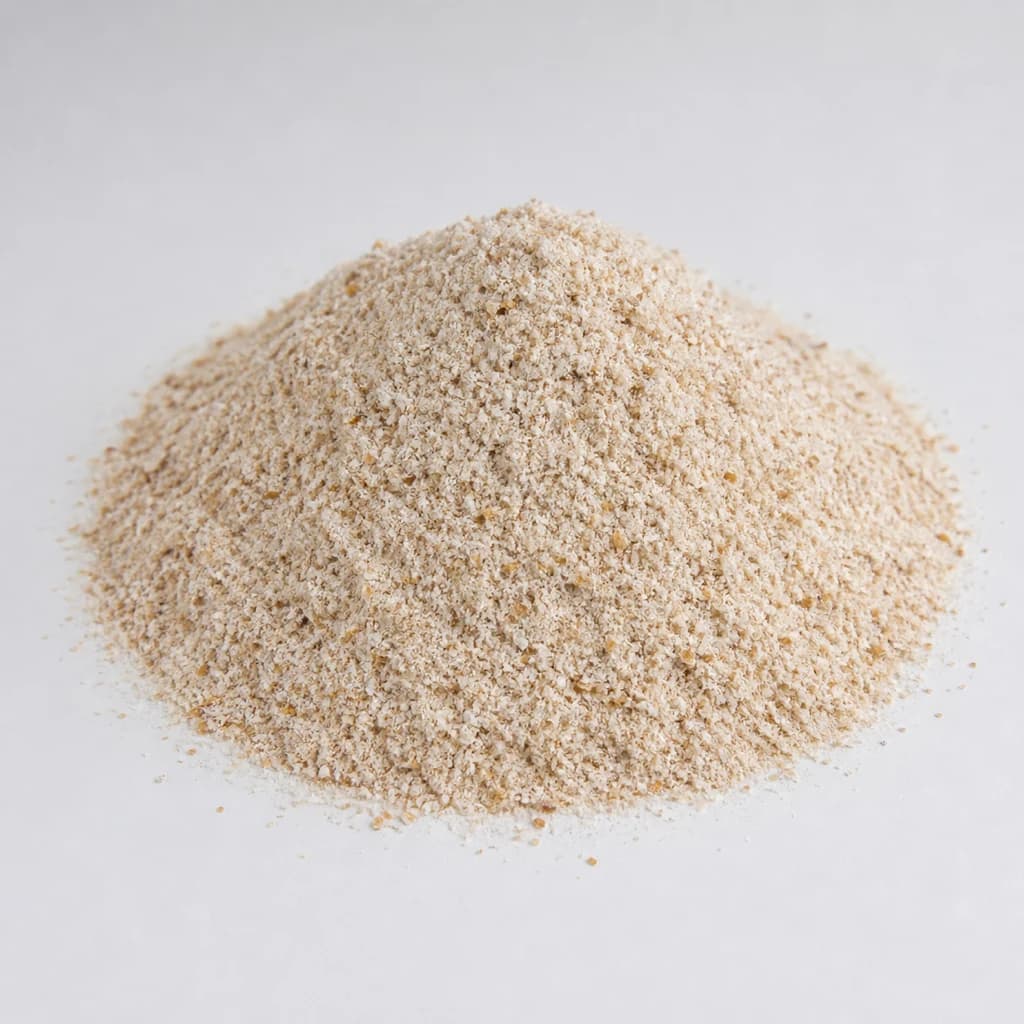
Nutty, whole-grain flour for hearty breads and bakes
Cake Flour
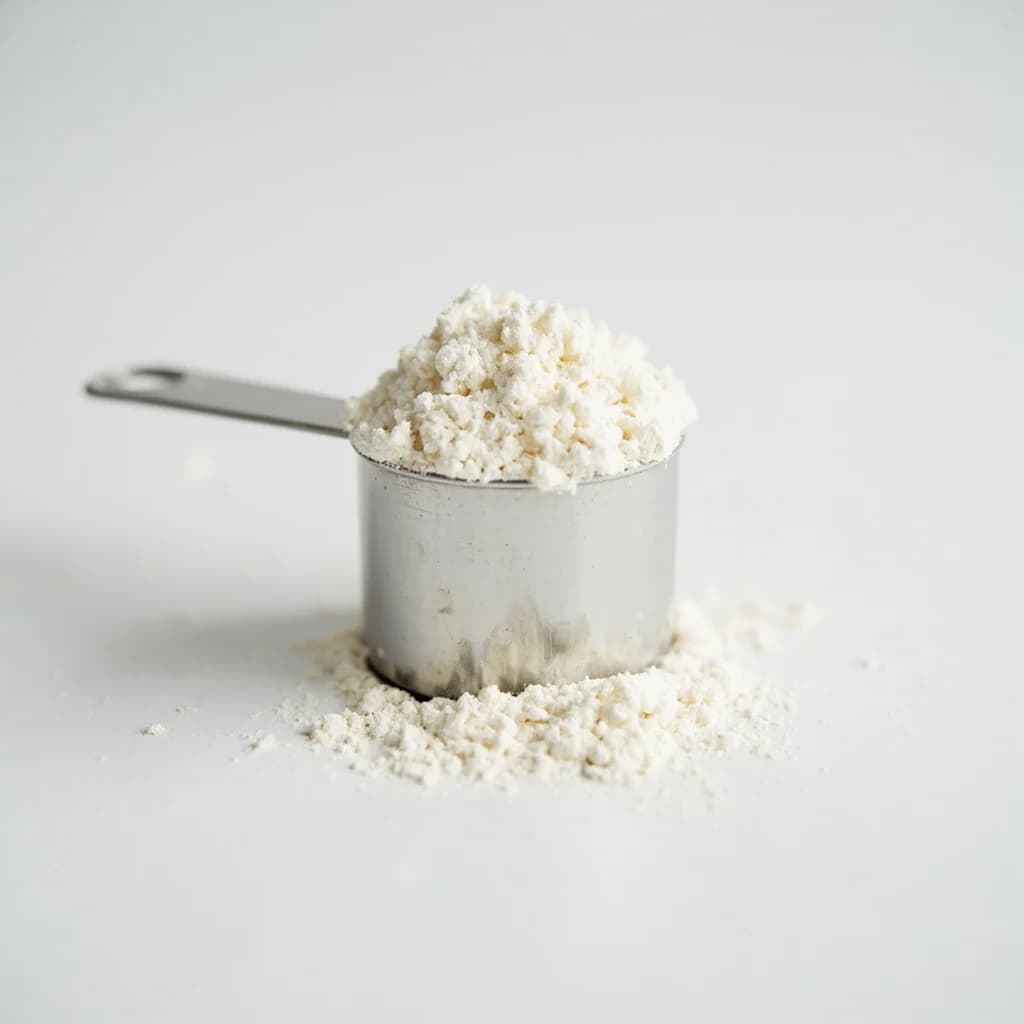
Fine, low-protein flour for tender, delicate cakes
Almond Flour
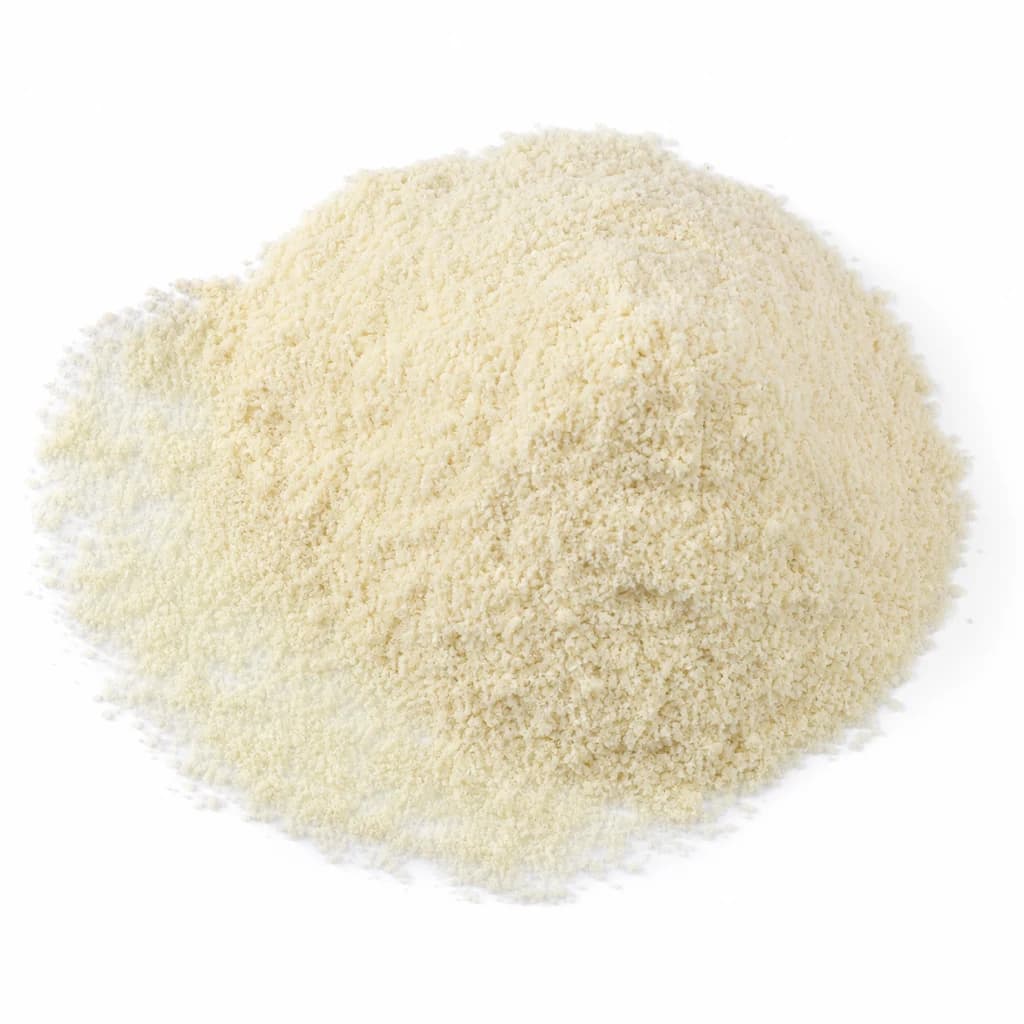
Nutty, gluten-free flour for macarons and tender bakes

Baking Powder
All-in-one leavener for fluffy cakes, pancakes, and biscuits

Baking Soda
Pure leavener that needs acid to lift — and tenderize
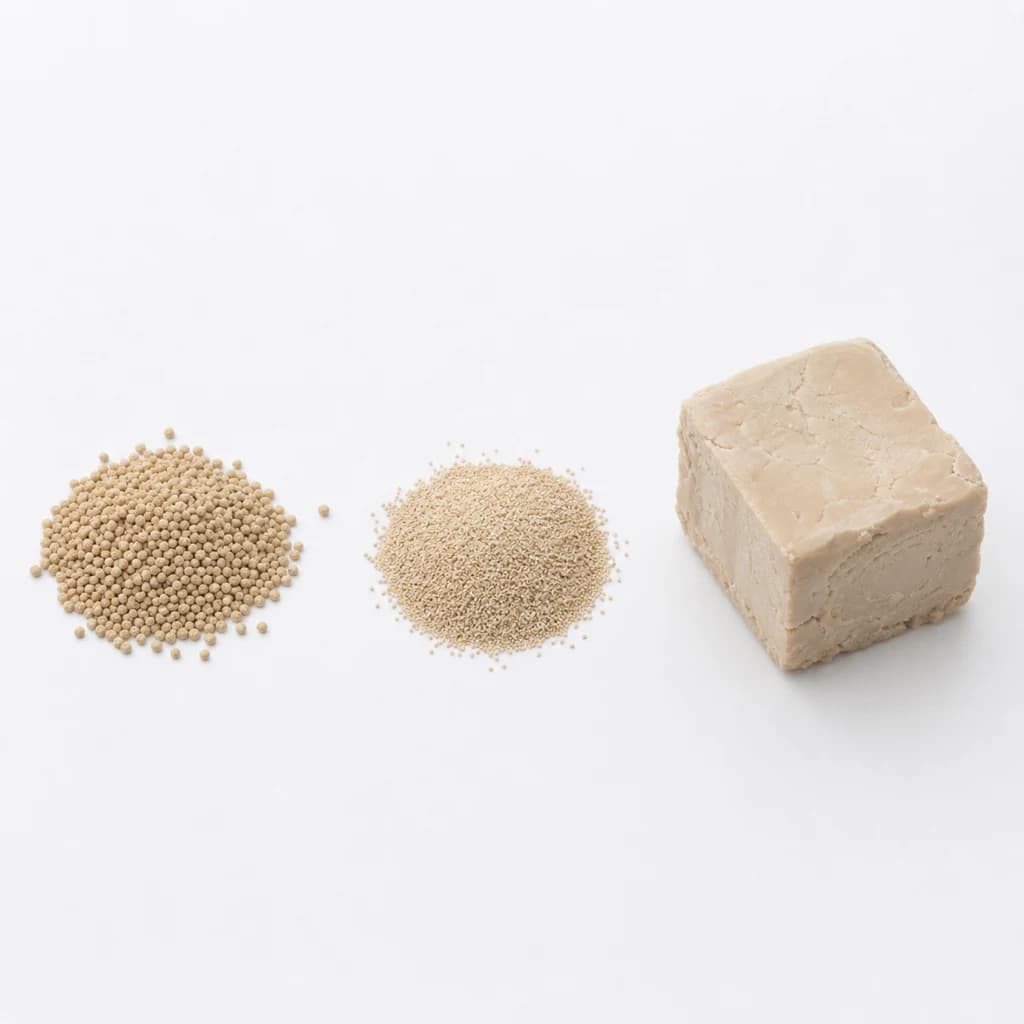
Yeast
Living leaven that makes bread rise and dough come alive