
Stored
Dried soy curls: pale tan, irregularly curled strips sold as a shelf-stable product.
Shows the product exactly as purchased, establishing baseline recognition of color, shape, and texture.
Proteins
Soy Curls
Dried whole-soybean strips that rehydrate into a chewy, meat-like plant protein.
Soy curls are a minimally processed meat substitute made from whole soybeans, sold dried in chewy strips. They are rehydrated in water or broth and then sautéed, fried, or braised, soaking up marinades to mimic shredded chicken or beef. Popular in vegan cooking, they have a hearty, fibrous texture.
Soy Curls are dried strips of whole soybeans, cut from the bean itself rather than extruded or formed from protein isolates. Produced primarily by Butler Foods in the United States, they represent one of the more minimally processed soy meat alternatives available. Unlike TVP or textured vegetable protein, which are defatted soybean meal, Soy Curls retain the whole-bean structure, giving them a more substantial, fibrous chew that genuinely mimics pulled or shredded meat when properly prepared.
To use them, you soak the dried strips in warm liquid for 10–15 minutes until they plump and become pliable. The rehydrated pieces can then be squeezed dry and cooked in a hot pan with oil, where they brown and crisp at the edges while staying chewy in the center. Their flavor is mild and neutral—essentially a blank canvas that absorbs marinades, sauces, and seasonings with enthusiasm. This versatility is their defining strength: they slide seamlessly into Mexican, Asian, Southern, and Mediterranean preparations without asserting a strong soy identity of their own.
Because Soy Curls are made from whole, non-GMO soybeans with no additives, they offer approximately 14 grams of protein per quarter-cup dry serving and are naturally gluten-free. Their shelf life exceeds twelve months in dried form, and they freeze beautifully. The texture is the key to their success in meat-forward dishes: when rehydrated and cooked with care, they genuinely satisfy the textural expectations of chicken, pulled pork, or steak without any preprocessing or special equipment beyond a bowl and a hot pan.
- Measured in
- g
- Storage
- Pantry
Allergens
Types & varieties
Plain dried strips; most versatile for any application
Pre-seasoned version with poultry-style seasoning blend
Seasoned specifically for grilled applications
Rehydration Methods
The rehydration step is not optional and cannot be rushed. Dry Soy Curls will scorch in a hot pan while remaining raw and chalky at the center. Submerge the strips completely in warm broth, water, or seasoned liquid for 10–15 minutes until fully pliable. For deeper flavor, use vegetable broth, miso dissolved in warm water, or a prepared marinade as your soaking liquid—the curls will absorb that liquid and carry that flavor through the rest of cooking.
- Warm liquid rehydrates faster than cold; hot liquid can begin to cook the exterior before the center absorbs moisture
- Squeeze out excess liquid after soaking for better browning and crisping
- Do not discard soaking liquid if seasoned—it can be used as a cooking liquid or base for sauce
Achieving the Best Texture
The difference between a convincing meat substitute and a disappointing bowl of mush often comes down to post-rehydration technique. After squeezing out liquid, toss the pieces in a lightly oiled, screaming-hot pan without stirring for 2–3 minutes. Let them develop a golden crust before flipping. For extra crispness, dust lightly with cornstarch or nutritional yeast before pan-frying. Thigh-sized pieces rehydrate more convincingly than thin strips when mimicking chicken cutlets or steaks.
- Slice thinner strips with kitchen shears for applications mimicking bacon or jerky
- Toast dry Soy Curls briefly in a dry pan before rehydrating to deepen their flavor, then add liquid after toasting
- Freeze dried Soy Curls in airtight containers for extended storage without quality loss
Common uses
Tips & pitfalls
- Always rehydrate before cooking—dry Soy Curls will burn and remain chewy inside
- Squeeze out excess liquid after soaking for better browning and crisp edges
- Marinate while rehydrating by soaking in broth, sauce, or seasoned liquid
- Season generously—plain Soy Curls are mild and benefit from bold flavors
- Toss rehydrated pieces in a hot, lightly oiled pan to develop crispy edges before adding sauce
- Freeze dried Soy Curls in airtight containers for extended storage without quality loss
- Slice thinner strips with kitchen shears for crispier applications like bacon
- Toast dry Soy Curls briefly in a dry pan before rehydrating to deepen flavor (add liquid after toasting)
Nutrition
Nutrition
No USDA FoodData Central match for Soy Curls yet. We surface a per-100 g profile once a generic whole-food entry is matched and verified.
In the shops
Matched grocery products
No matched grocery products for Soy Curls yet.
Good to know
- Product Type
- Dried whole-soybean strips (whole-bean, not isolate)
- Manufacturer
- Butler Foods (US); originally produced by Arrowhead Mills
- Base Ingredient
- Non-GMO whole soybeans only (no additives)
- Protein Content
- Approximately 14g protein per 1/4 cup dry serving
- Rehydration Time
- 10–15 minutes in warm liquid; longer in cold liquid
- Texture
- Chewy and meat-like when rehydrated; crisps well in a hot pan
- Flavor
- Mild, neutral bean taste; takes on marinades and seasonings easily
- Gluten Status
- Gluten-free (unlike seitan)
- Shelf Life
- 12+ months dried; freeze-dried versions extend shelf life significantly
Substitutes
- Textured Vegetable Protein (TVP) — More processed; granular texture rather than strip form; requires similar rehydration but behaves differently in dishes
- Seitan — Wheat gluten based; much chewier texture; not gluten-free; asserts a stronger meat-like bite that can overwhelm subtle preparations
- Tempeh — Fermented soy; crumbly texture rather than chewy strips; stronger soy flavor; requires different preparation methods like slicing, steaming, or marinating
- Jackfruit — Different texture (pulled rather than chewy strips); more neutral flavor profile; requires different cooking techniques and timing
- Oyster or King Trumpet Mushrooms — Similar chewy, meat-like texture; more perishable; adds earthy mushroom flavor rather than functioning as a neutral canvas
Pairs with
Also called
Soy Strips
Related
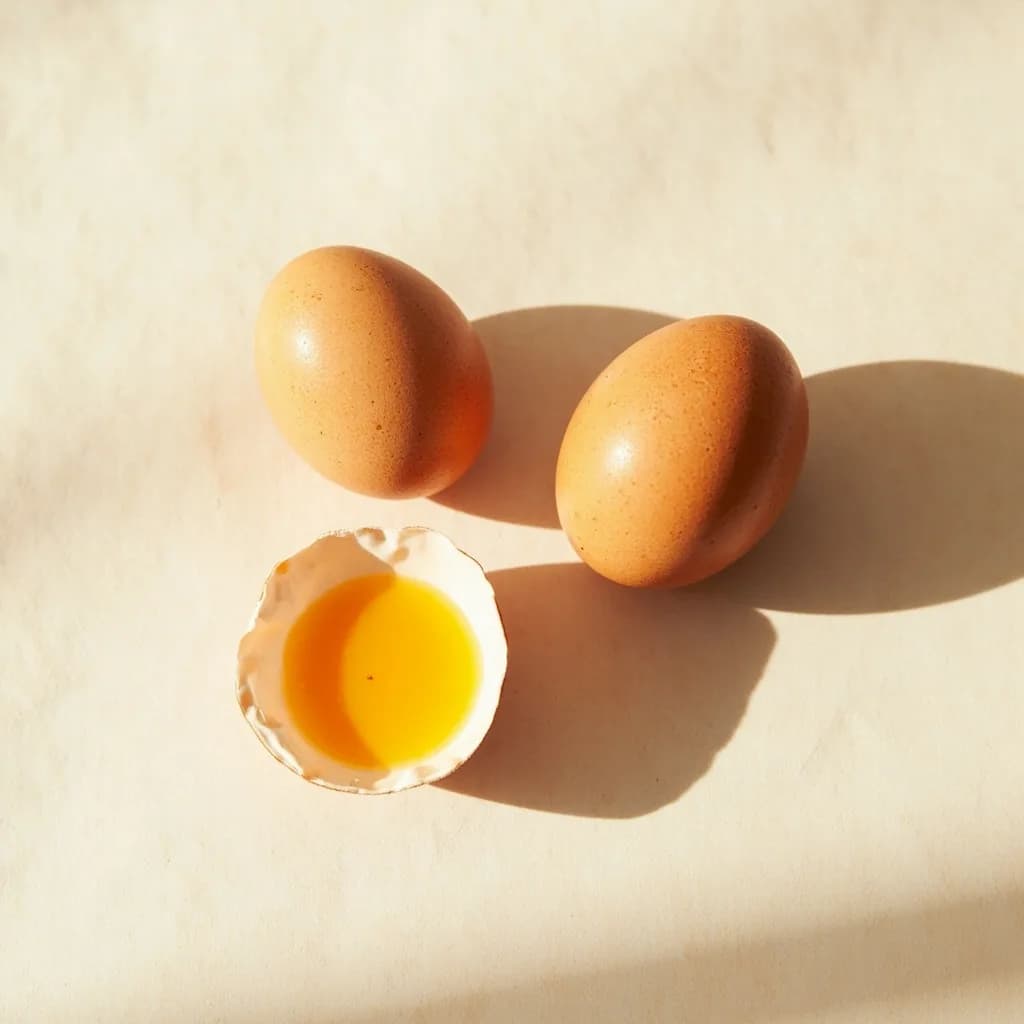
Egg
The kitchen's everything ingredient — bind, leaven, enrich, or fry
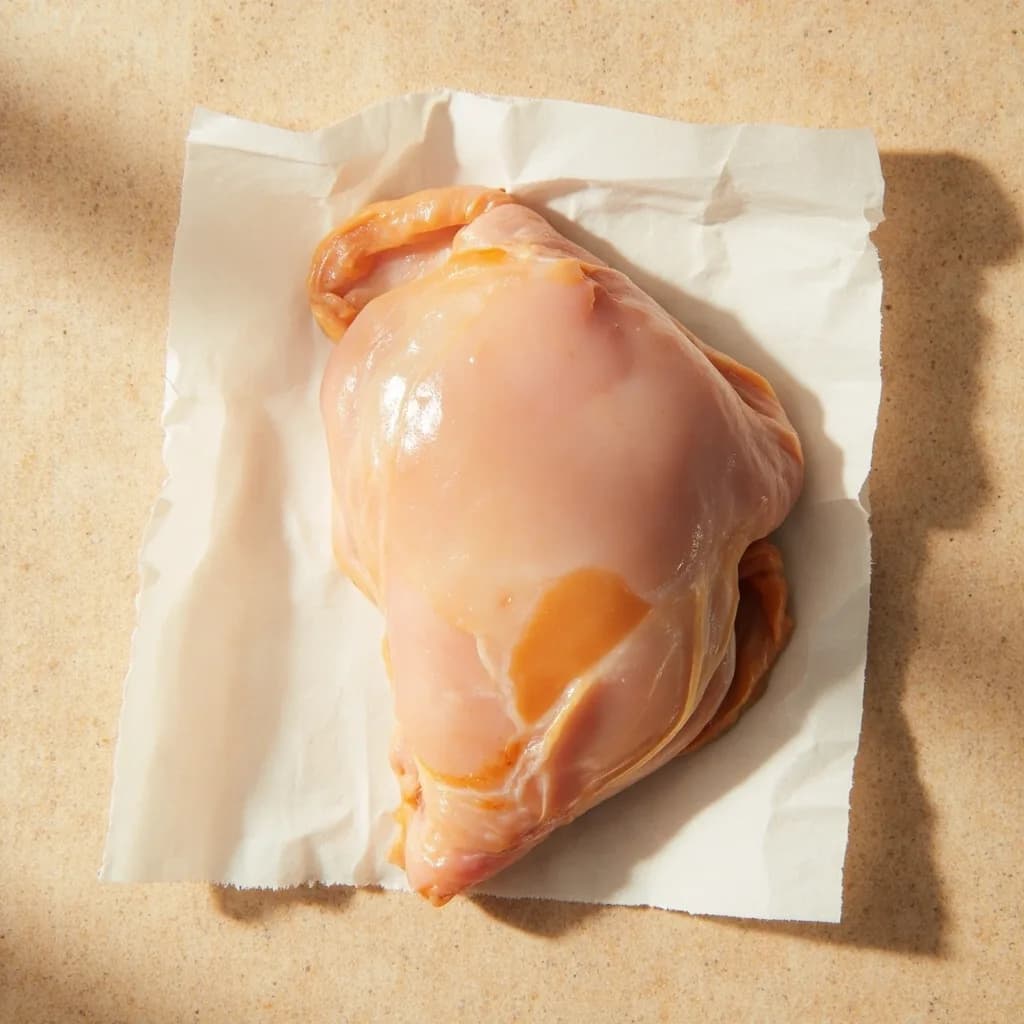
Chicken Breast
Lean, quick-cooking white meat for everyday dinners

Ground Beef
Versatile minced beef for burgers, ragù, tacos, and meatballs
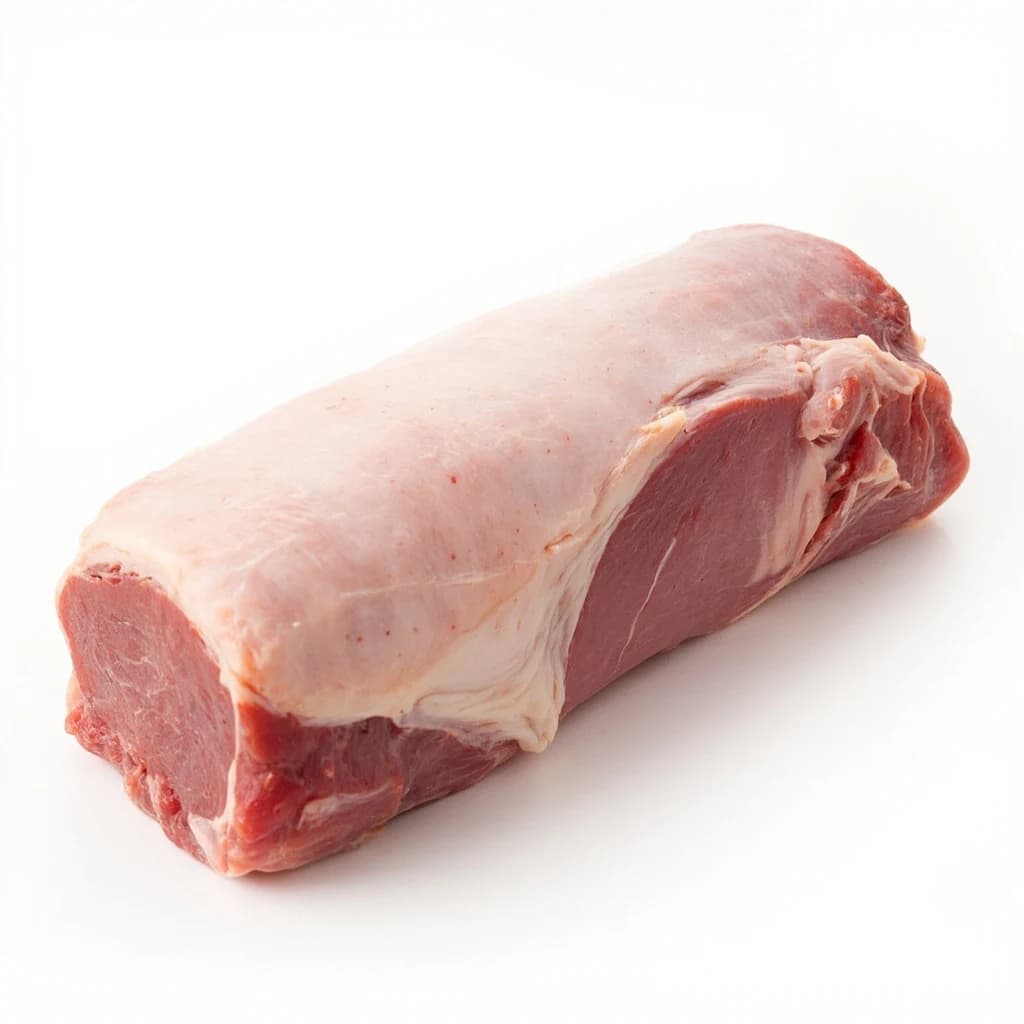
Pork Loin
Lean, tender roasting cut that stays juicy with care
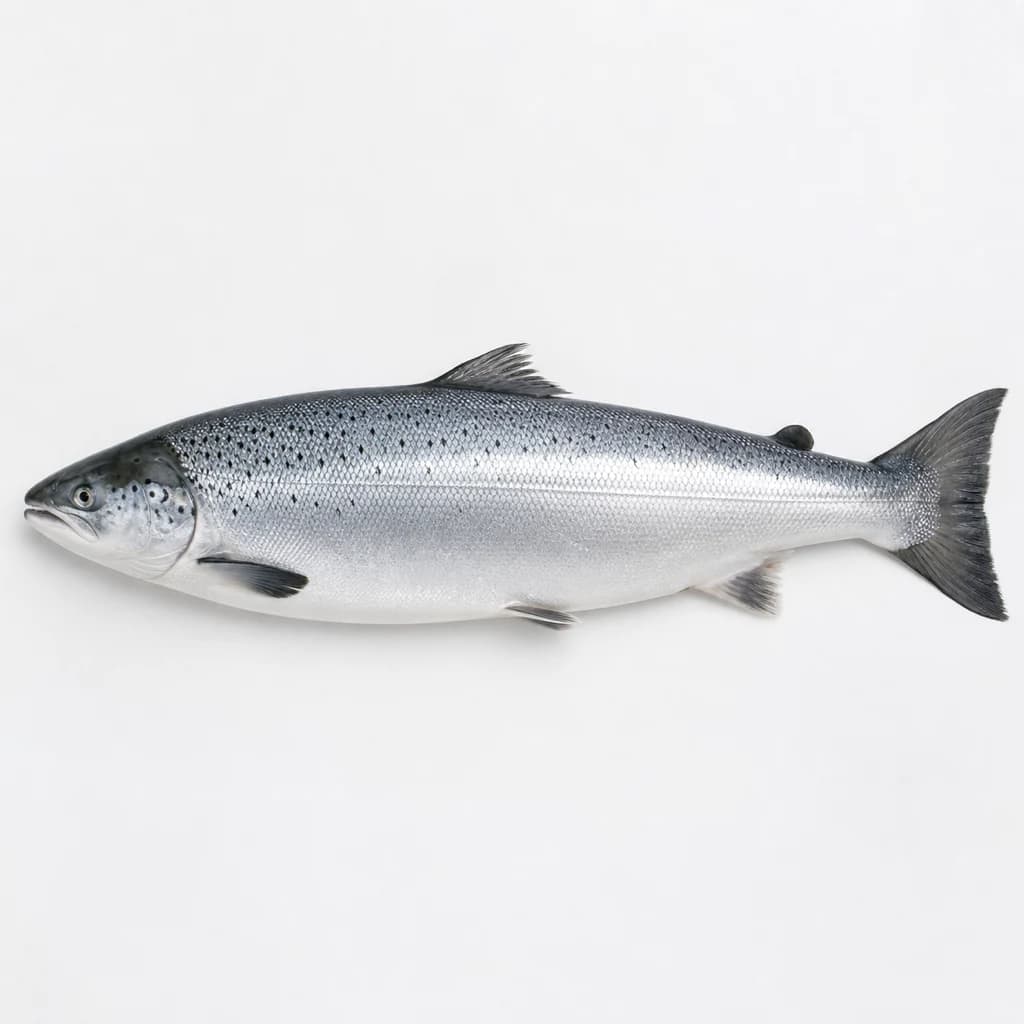
Salmon
Rich, rosy fish that roasts, grills, or cures beautifully

Egg White
Pure protein that whips to airy peaks for meringue and more
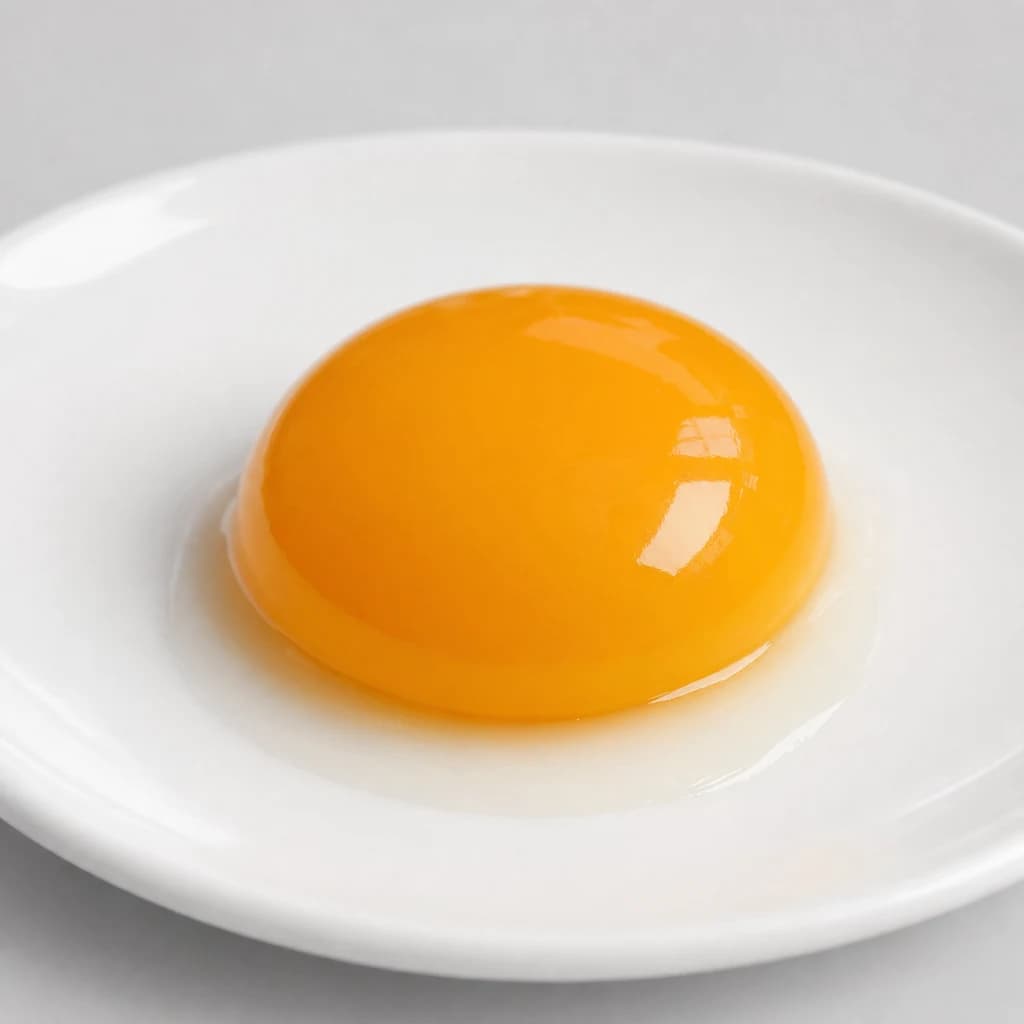
Egg Yolk
Rich, golden yolk for custards, mayonnaise, and pasta

Quail Egg
Tiny, speckled eggs for garnishing and elegant bites