Legumes & Beans
Sugar Bean
Speckled red-and-white Southern African bean for hearty stews and samp dishes.
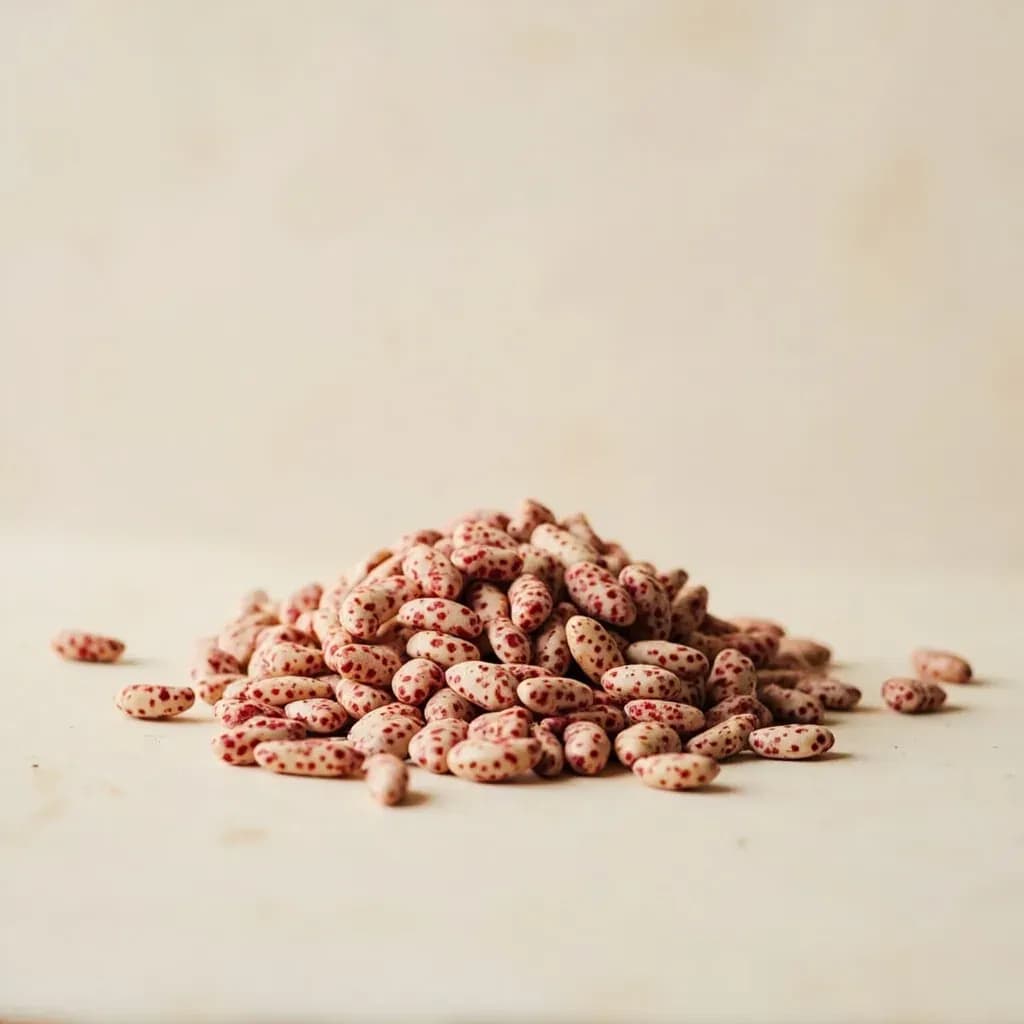
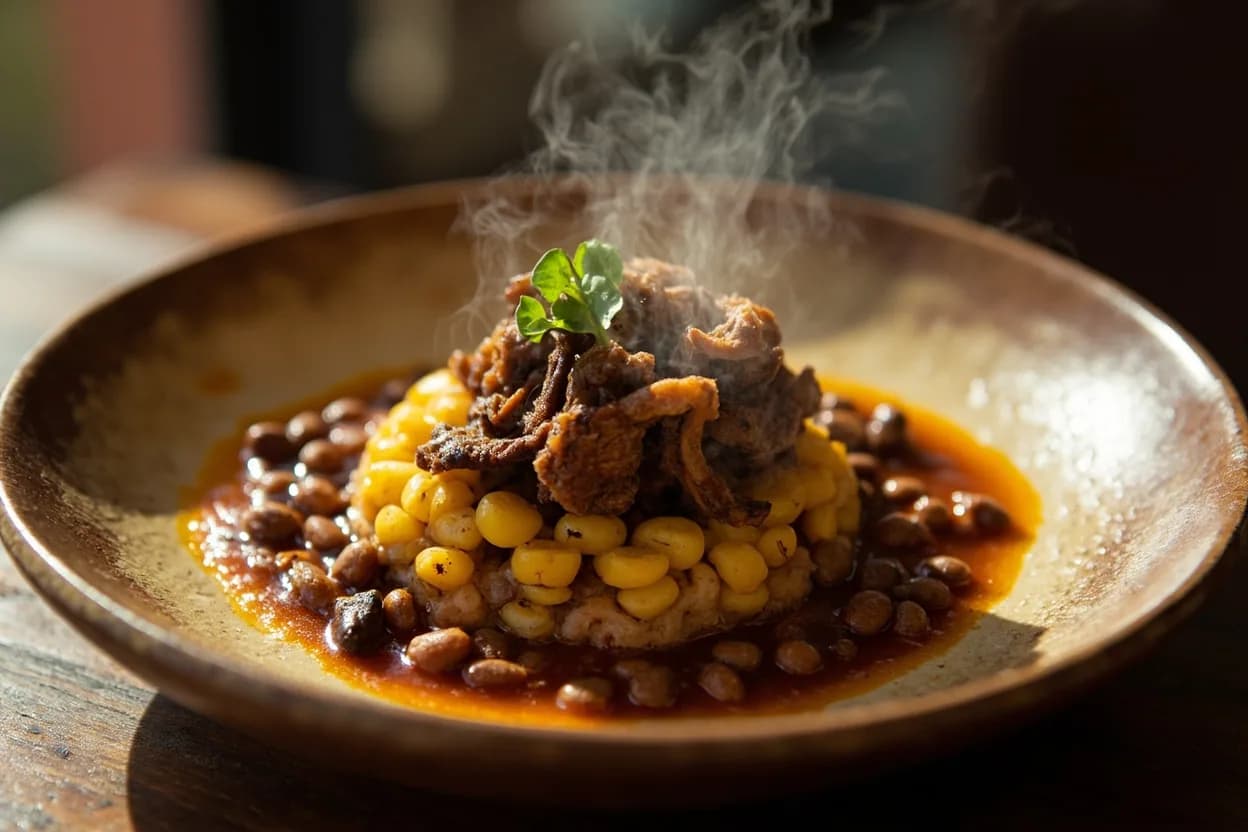
Sugar beans are medium, speckled red-and-white beans popular across Southern Africa, where they are simmered into thick, savory stews and paired with samp (cracked maize). They have a mild, slightly sweet flavor and a soft, creamy texture once cooked. Soaking before cooking shortens their long simmer time.
Sugar beans are a dried legume (Phaseolus vulgaris variety) distinguished by their striking red-and-white speckled skin, which fades to a muted pinkish-brown when cooked. Native to Southern Africa, particularly South Africa, they are a cornerstone of traditional cooking across the region—from Cape Malay kitchens to rural South African homesteads. The beans are prized for their firm yet creamy interior that holds its shape well in long-simmered dishes, and their mild, slightly nutty flavor that readily absorbs the aromatics and spices around it. Unlike fresh green beans, sugar beans are traded and cooked dried, requiring hydration through soaking before they can be simmered to tenderness.
The name "sugar" refers to their mild, faintly sweet flavor profile relative to more bitter bean varieties—not to any actual sugar content. This subtlety makes them extraordinarily versatile: they carry bold South African seasonings without assertiveness, yet hold their own as a substantial side dish alongside grilled meats. In traditional cookery, sugar beans are almost always cooked low and slow in a generous amount of liquid, allowing the starchy cooking broth to become an integral part of stews and samp dishes rather than something to drain away.
Sugar beans are distinct from sugar snap peas or young green beans—despite sharing the word "sugar," this is a completely different product. In Southern African markets they are sold dried in bulk bins, in cellophane bags, and sometimes pre-cooked in cans. When sourcing outside of Africa, look for them in African specialty grocers or international food suppliers; generic "red speckled beans" from other suppliers are acceptable substitutes, though the flavor and texture may vary slightly from the authentic South African varieties.
- Measured in
- g
- Storage
- Pantry
Types & varieties
Classic red-and-white mottled bean; most widely available variety in South African markets and the standard for traditional dishes.
Darker red spotting against a lighter background; nearly identical cooking behavior and flavor to the standard speckled variety.
Regional Cape Malay name for the same speckled bean type; used interchangeably in traditional recipes from the Cape region.
Common uses
Tips & pitfalls
- Sort dried beans thoroughly before soaking — pick through the entire batch to remove small stones, debris, and any discolored or shriveled beans that could affect texture or safety.
- Use the quick-soak method when short on time: cover beans with cold water, bring to a full boil, remove from heat, cover, and let stand exactly 1 hour before draining and rinsing.
- Always add soaked, drained beans to already boiling liquid — this ensures rapid heating that destroys harmful lectins and prevents textural problems. Adding cold beans to cool water softens them unevenly.
- Add salt only at the end of cooking, after beans are fully tender — salt added early draws moisture from the beans and makes them tough and slow to soften.
- Save the cooking liquid — it is starchy, flavorful, and ideal for soups, stews, or cooking grains. Reduce it by half for an intensely flavored bean broth.
- Do not pressure-cook sugar beans without adequate liquid — they foam aggressively and can clog pressure-release valves. If pressure cooking, use at least 2 cups liquid per cup of dried beans and never fill the pot more than half full.
- Test doneness by pressing a cooked bean between your fingers — it should feel creamy inside with no firm resistance at the center. Undercooked beans are hard and will cause digestive discomfort.
- Never eat beans raw or from the soaking water — soaking alone does not destroy lectins. Proper boiling is essential; undercooked beans can cause serious digestive distress.
Nutrition
Energy
130 kJ · per 100 g
Where the calories come from
Protein
1.8g
4% DV
Carbs
7.1g
3% DV
Fat
0.1g
0% DV
Fiber
3.4g
12% DV
Sugars
3.3g
of which
Sodium
6mg
0% DV
Source · USDA FoodData Central · approx. Beans, snap, yellow, raw
View on FDC →In the shops
Matched grocery products
No matched grocery products for Sugar Bean yet.
Good to know
- Origin
- Southern Africa, particularly South Africa
- Type
- Dried legume (Phaseolus vulgaris)
- Color (dried)
- Red and white speckled; fades to muted pinkish-brown when cooked
- Flavor
- Mild, slightly nutty; absorbs surrounding flavors readily
- Texture (cooked)
- Firm exterior, creamy interior; holds shape in long-simmered dishes
- Soaking time
- 6–8 hours (or 1-hour quick-soak method)
- Cooking time
- 1–2 hours after soaking until tender
- Yield
- Dried beans roughly double in volume when cooked
- Storage (dried)
- Cool, dry place in sealed container; 1–2 years
- Storage (cooked)
- Refrigerate up to 5 days; freeze up to 3 months
- Toxicity
- Must be cooked at boiling point; never eat raw or undercooked—always discard soaking liquid
Substitutes
- Red kidney beans — Similar size and firm texture; mild flavor that stands up well in long-simmered stews and soups.
- Pinto beans — Comparable creaminess when cooked through; widely available and behave nearly identically in recipes.
- Cranberry beans — Similar speckled appearance when raw; mild, slightly sweet flavor and excellent hold-through-cooking.
- Borlotti beans — Italian variety with similar texture profile; holds shape well in soups and stews, though flavor is slightly more assertively bean-forward.
Pairs with
Also called
Dinawa · Sugar Beans
Appears in these dishes
Related
Black Beans
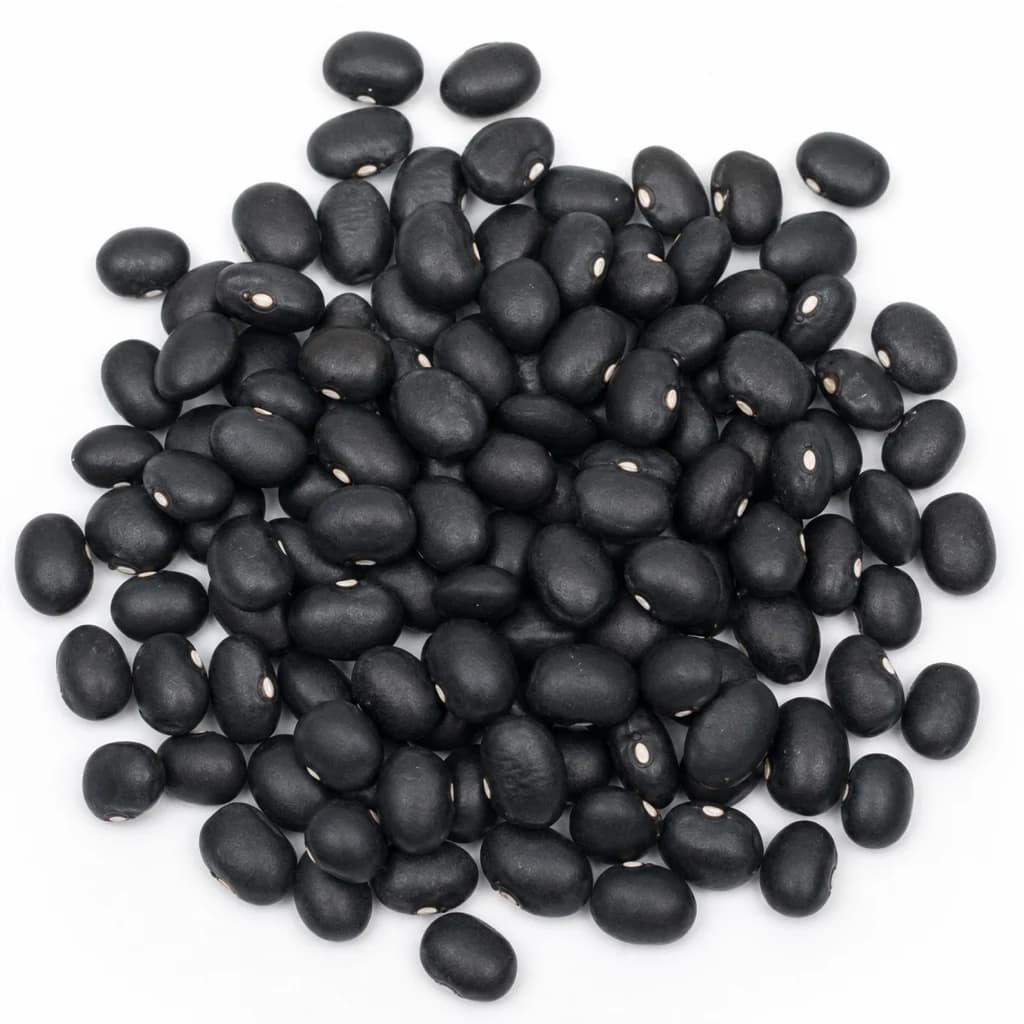
Earthy, creamy beans for bowls, soups, and tacos
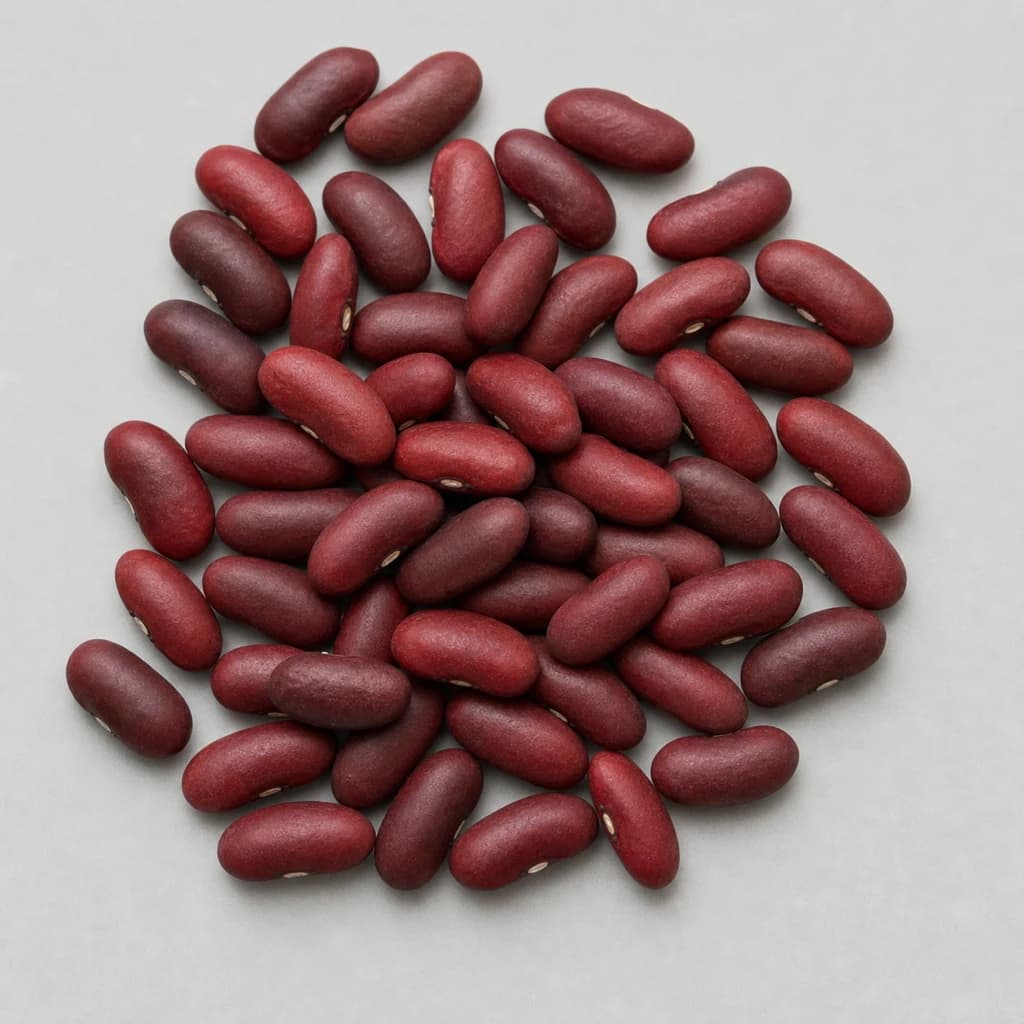
Kidney Beans
Hearty red beans that hold their shape in chili and stews
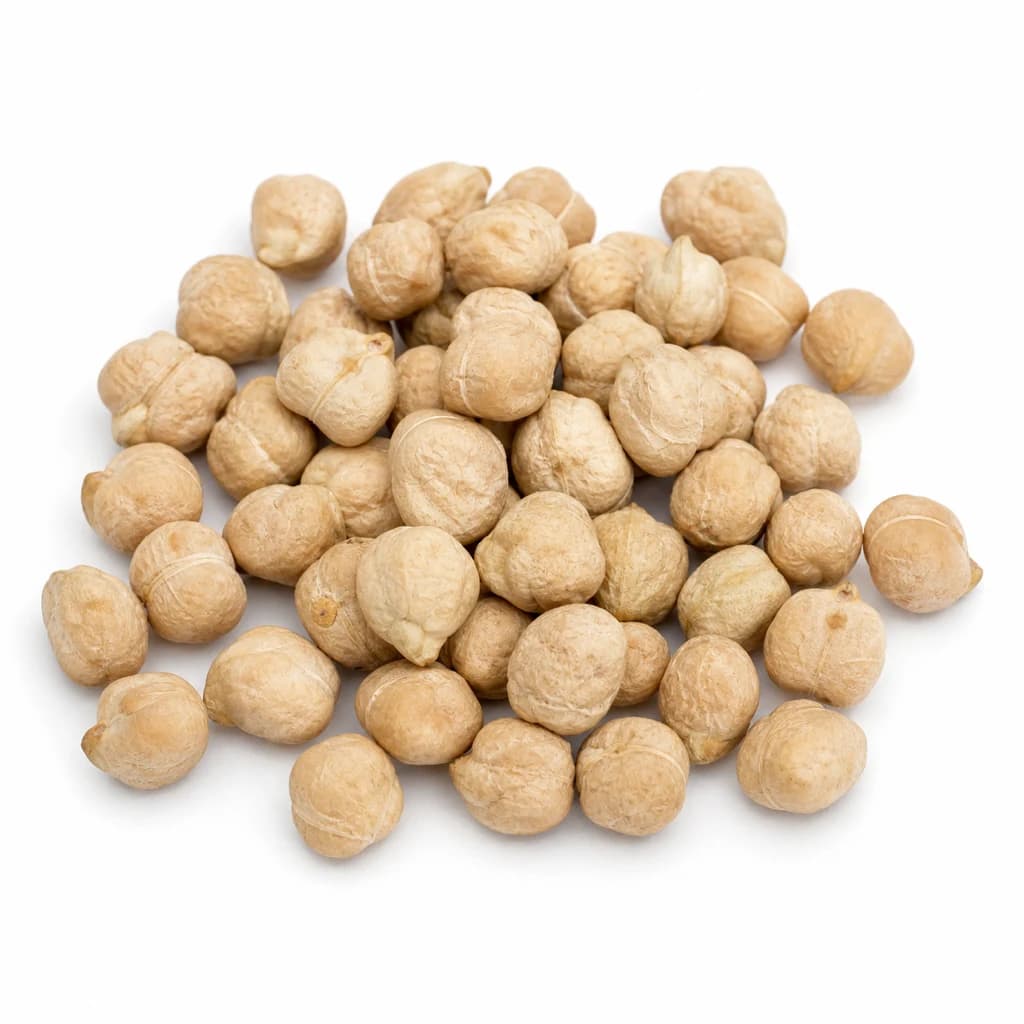
Chickpeas
Nutty, versatile beans for hummus, curries, and roasting
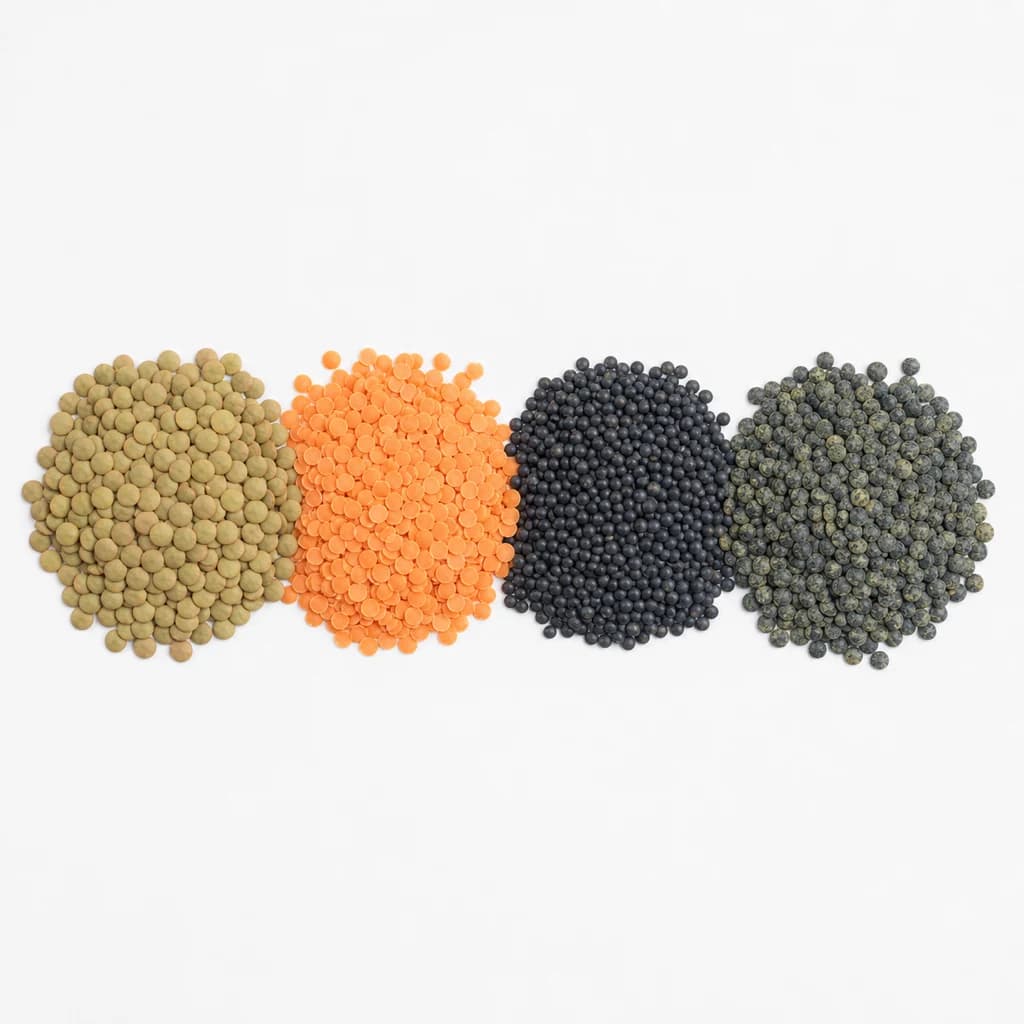
Lentils
Quick-cooking pulses for soups, dals, and hearty salads

White Beans
Creamy, mild beans for soups, stews, and silky purées
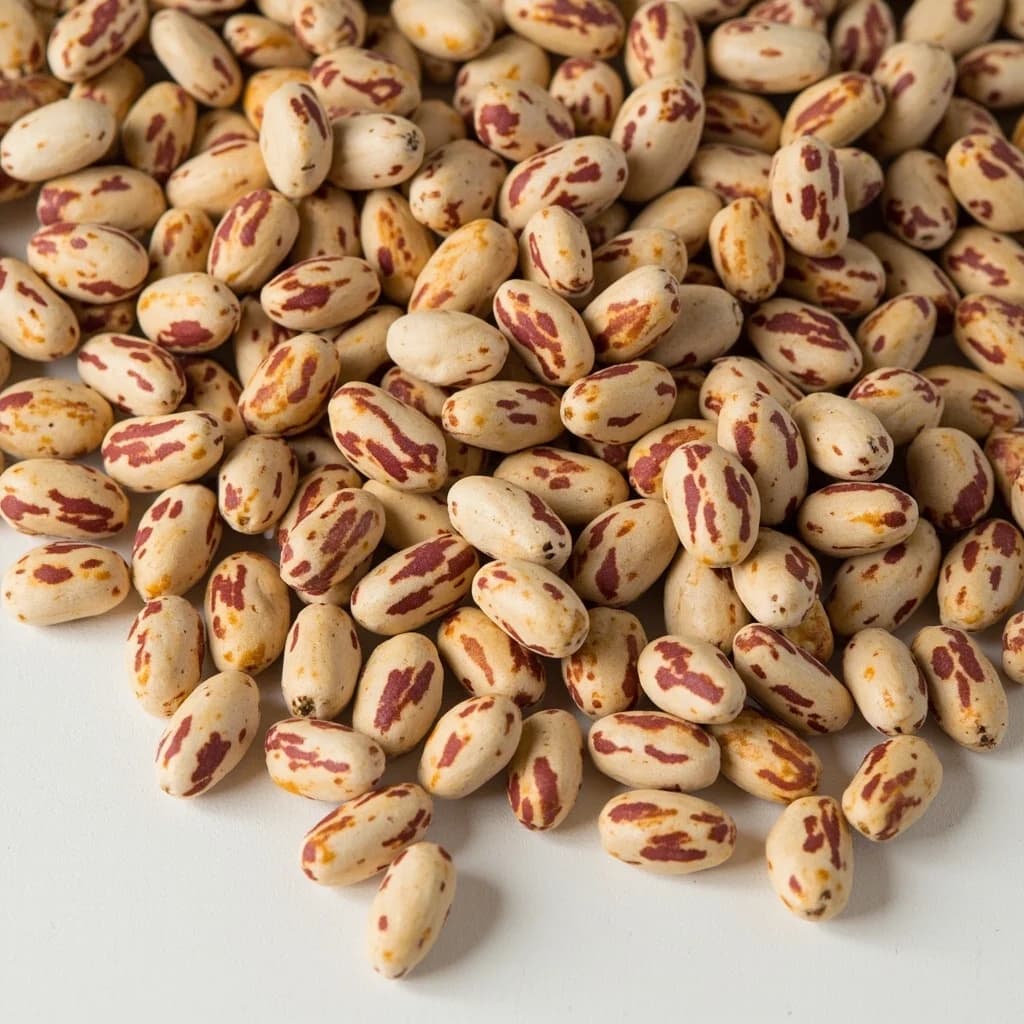
Pinto Beans
Creamy, speckled beans for refried beans and stews

Split Peas
Quick-cooking peas that melt into thick, comforting soups
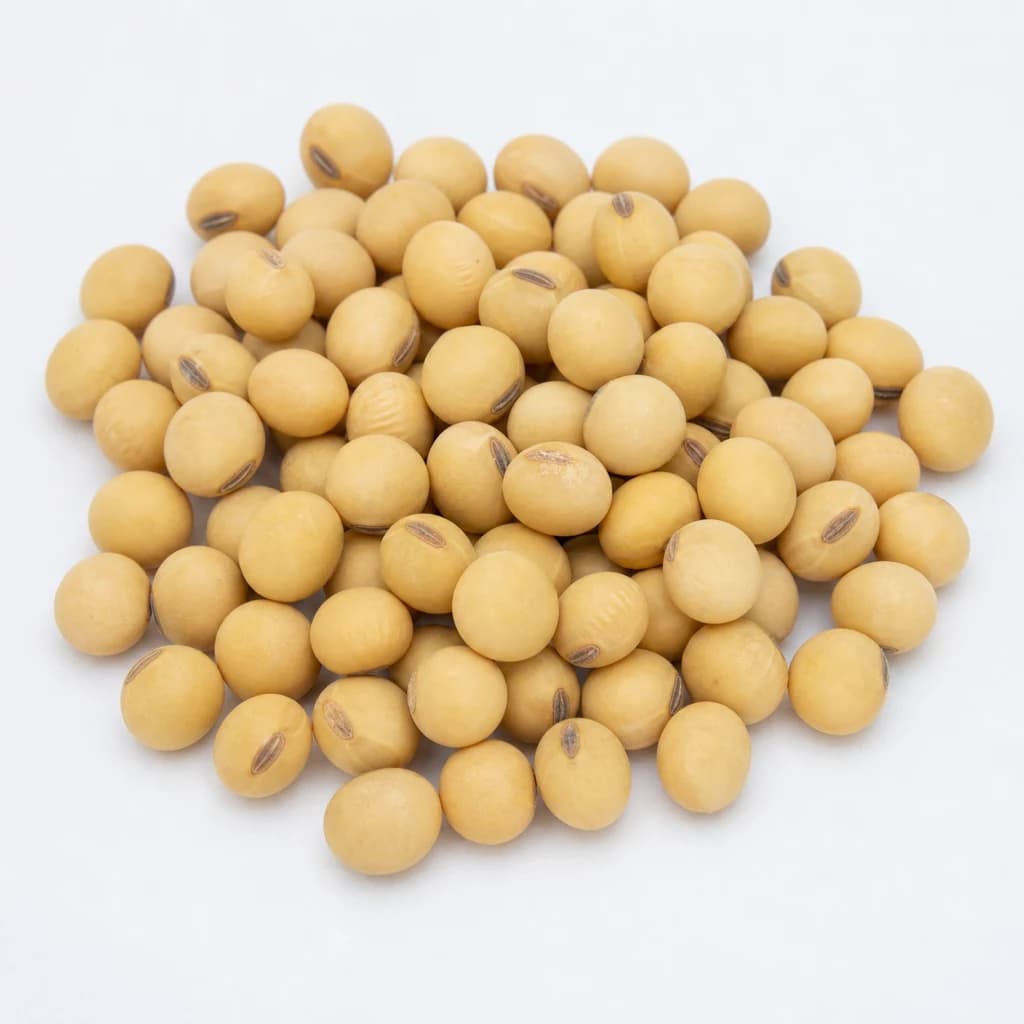
Soybeans
Protein-packed beans, the base for tofu and miso