
Natural form
Whole raw amaebi spot prawns showing translucent pinkish-grey shell and curved body.
Shows the reader exactly what amaebi looks like before preparation — shell color, size, and form.
Proteins
Sweet Shrimp (Amaebi)
Cold-water spot prawn eaten raw for its sweet, delicate flesh; a sushi delicacy.
Sweet shrimp, known as amaebi in Japan, are small cold-water spot prawns prized for their naturally sweet, almost creamy raw flesh. They are served as nigiri sushi and sashimi, often with the crispy deep-fried heads alongside. Their delicate sweetness intensifies when eaten raw rather than cooked.
Sweet shrimp (amaebi) refers to several cold-water species of spot prawns prized in Japanese cuisine, most notably Pandalus eous from Hokkaido and Pandalus platyceros from the Pacific Northwest and Alaska. What distinguishes amaebi from ordinary shrimp is not species alone but the remarkable development of its sweetness through enzymatic activity in the head post-harvest—rapid chilling preserves these enzymes, preventing natural sugars from converting to starches. The result is an intensely sweet, clean, briny flavor unlike any other crustacean. Commercially, amaebi is almost exclusively sold head-on for this reason: remove the head, and you lose the defining sweetness within hours. The flesh is firm yet tender with a slight snap, translucent and almost glassy in appearance when truly fresh—a visual quality indicator many consumers overlook in favor of pink coloration. As a sushi-grade ingredient, amaebi demands respect for the cold chain from sea to plate.
- Measured in
- piece
- Storage
- Fridge
Allergens
Types & varieties
Largest species, distinctive white spots on red shell; Pacific Northwest and Alaska
Hokkaido-sourced variety; the classic sushi-grade sweet shrimp prized for sashimi
Widely distributed northern species; commercial mainstay for sweet shrimp applications
Common uses
Tips & pitfalls
- Purchase head-on only; the head contains enzymes that maintain flesh sweetness post-harvest
- Ask your fishmonger to ice the shrimp immediately after dispatch—temperature chain is critical
- For raw service, consume within 24 hours of purchase for optimal quality
- When preparing sashimi, devein quickly with a bamboo skewer to minimize handling damage
- If cooking, remove from heat just as the tail begins to curl and flesh turns opaque—a reliable doneness indicator
- Never let the flesh come into prolonged contact with ice directly; use a barrier of plastic wrap or paper
- The coral (roe) inside the head is edible and considered a delicacy—do not discard
- Pry open the shell rather than peeling to preserve the delicate meat intact
- Bring a small cooler with ice to the fish market for transport home
Nutrition
Energy
356 kJ · per 100 g
Where the calories come from
Protein
20.1g
40% DV
Carbs
0g
0% DV
Fat
0.5g
1% DV
Sodium
119mg
5% DV
Source · USDA FoodData Central · approx. Crustaceans, shrimp, raw
View on FDC →In the shops
Matched grocery products
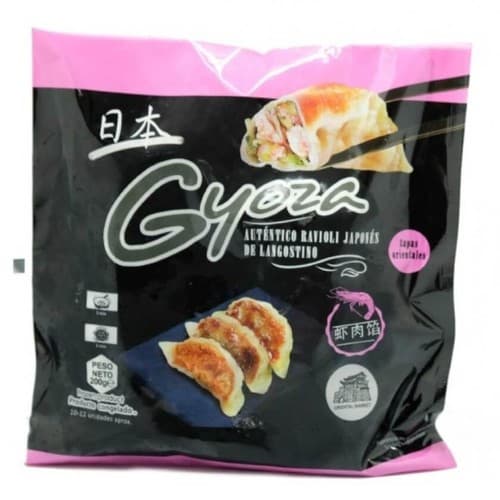 €3.95
€3.95Shrimp Gyoza
ORIENTAL MARKET · kg · Bonpreu
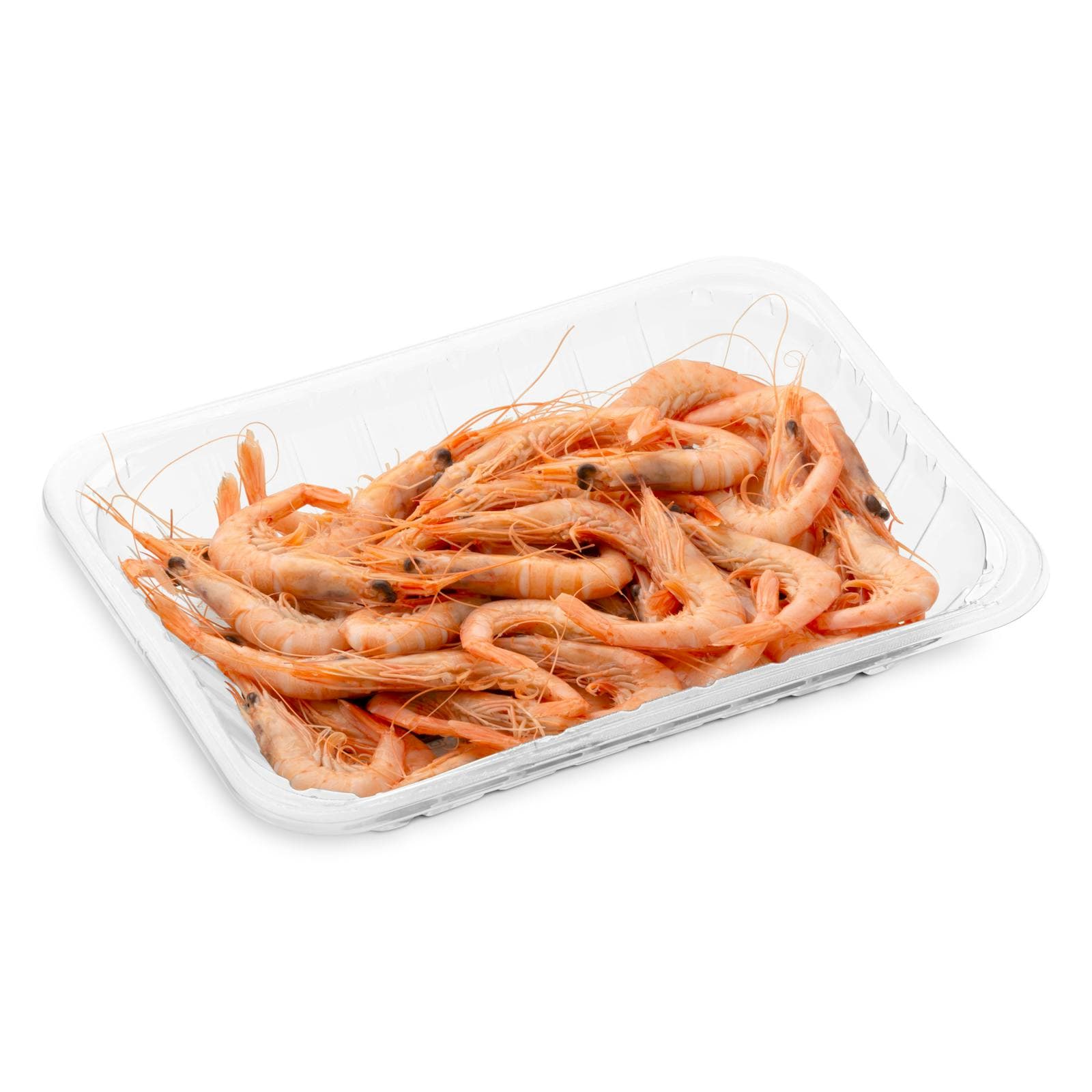 €6.95
€6.95Cooked Shrimp
300 g · Mercadona
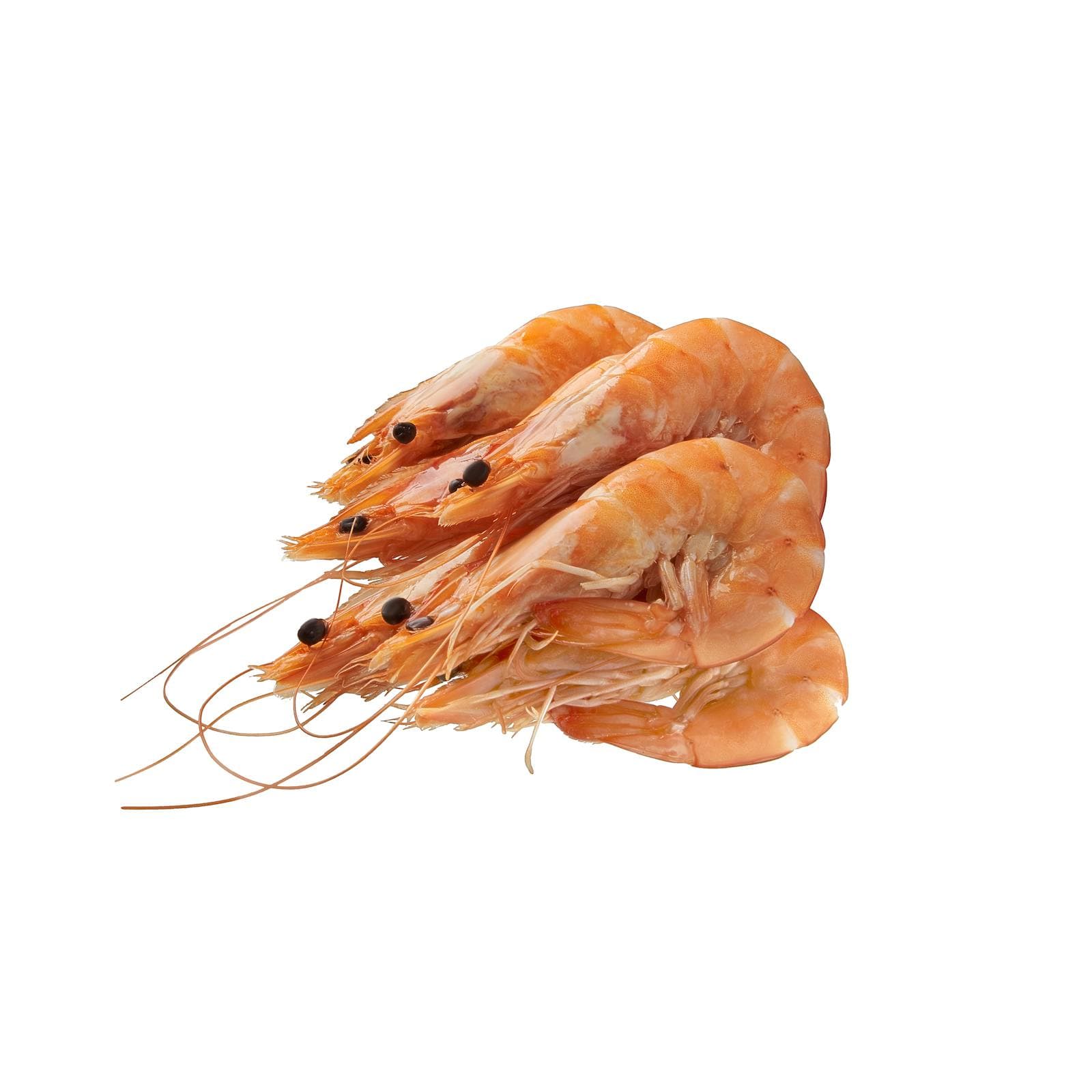 €1084.05
Cooked Shrimp
kg · Mercadona
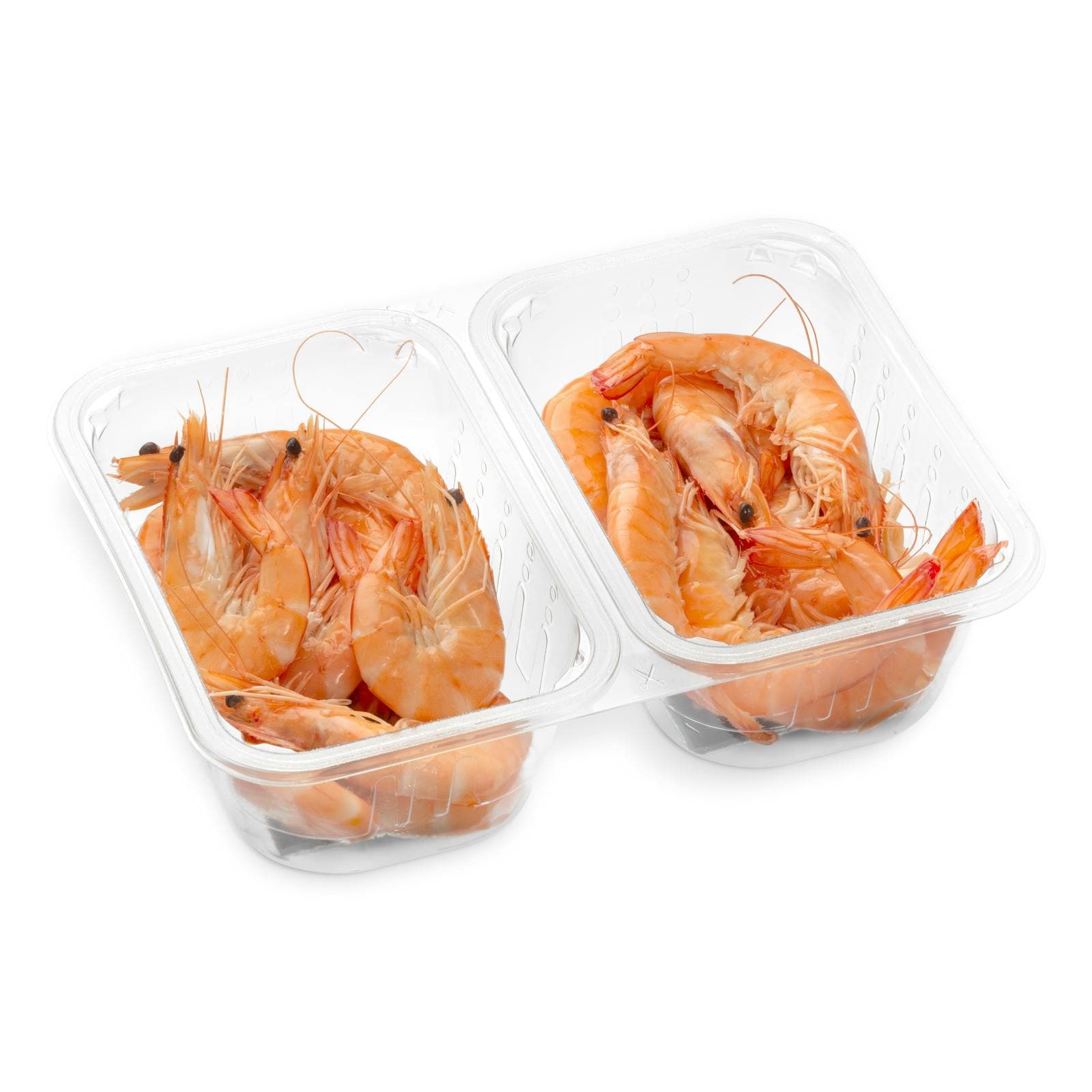 €6.30
€6.30Cooked Prawn
600 g · Mercadona
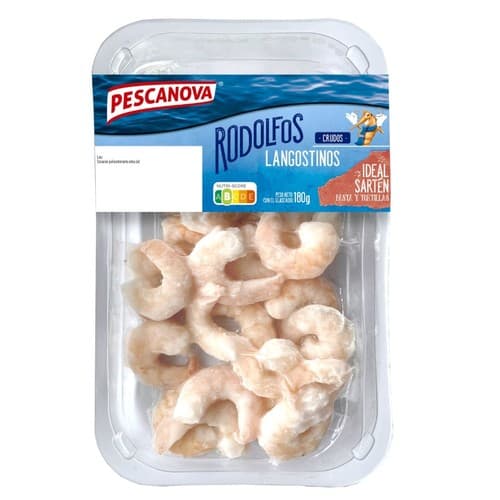 €4.89
€4.89Peeled Raw Shrimp
PESCANOVA · kg · Bonpreu
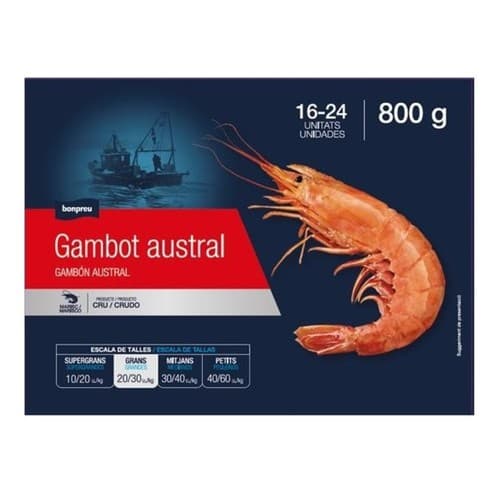 €10.95
Australian Prawn
BONPREU · kg · Bonpreu
Good to know
- Origin
- North Pacific, primarily Japan, Alaska, and Pacific Northwest coast
- Habitat
- Cold deep waters, 100–400 meters depth
- Peak Season
- Varies by region; Japan: winter–spring; Alaska: summer–fall
- Size
- 12–20 cm (5–8 inches) total length
- Color (raw)
- Pinkish-orange with translucent flesh
- Flavor
- Intensely sweet, clean, briny, delicate
- Texture
- Firm yet tender, slight snap when fresh
- Shelf Life
- 24–48 hours when kept on ice; degrades rapidly at room temperature
- Storage
- On ice, in coldest part of refrigerator; do not freeze for raw service
- Yield
- Approximately 60% edible meat after peeling and deveining
- Common Form
- Primarily sold whole, head-on for maximum freshness
- Cost
- Premium price; among the most expensive sushi shrimp
Substitutes
- Spot Prawn (same species, different regional name) — Direct substitute; confirm cold-chain handling same as amaebi
- Pink Shrimp (Northern) — Milder sweetness; acceptable for cooked applications only
- Bay Prawn — Too small and watery; not suitable for sashimi
- Mantis Shrimp (Tako ebi) — Different texture and flavor; acceptable for sushi presentation but not a true flavor substitute
Pairs with
Also called
Amaebi · Spot Prawn
Related
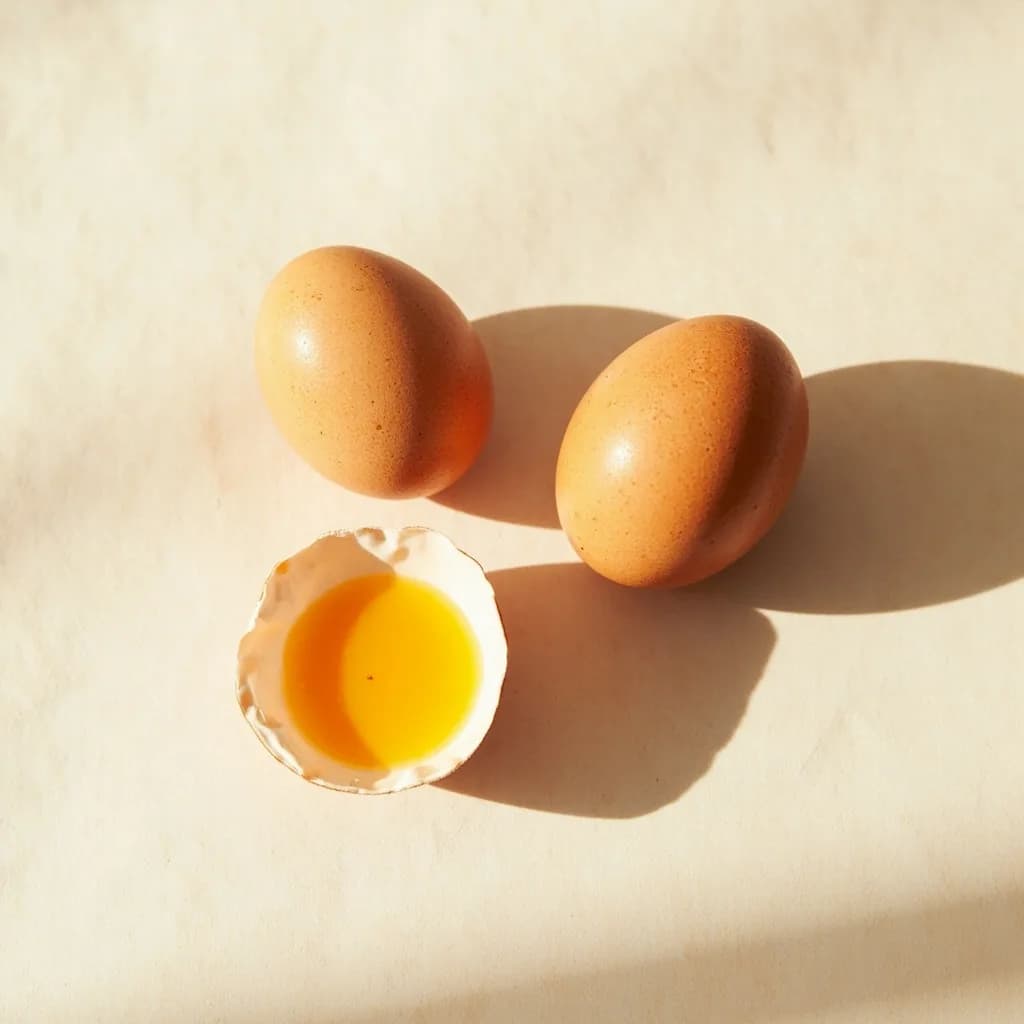
Egg
The kitchen's everything ingredient — bind, leaven, enrich, or fry
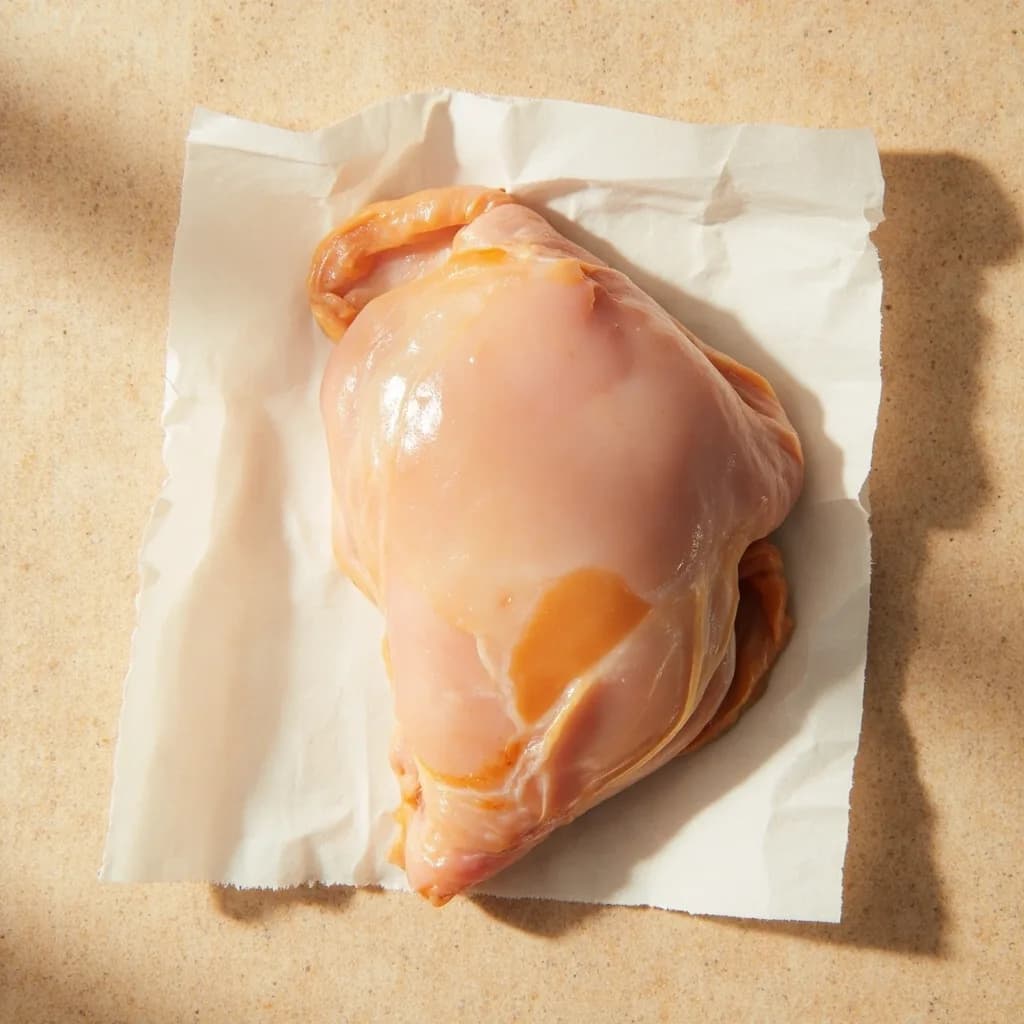
Chicken Breast
Lean, quick-cooking white meat for everyday dinners

Ground Beef
Versatile minced beef for burgers, ragù, tacos, and meatballs
Pork Loin
Lean, tender roasting cut that stays juicy with care
Salmon
Rich, rosy fish that roasts, grills, or cures beautifully

Egg White
Pure protein that whips to airy peaks for meringue and more
Egg Yolk
Rich, golden yolk for custards, mayonnaise, and pasta

Quail Egg
Tiny, speckled eggs for garnishing and elegant bites