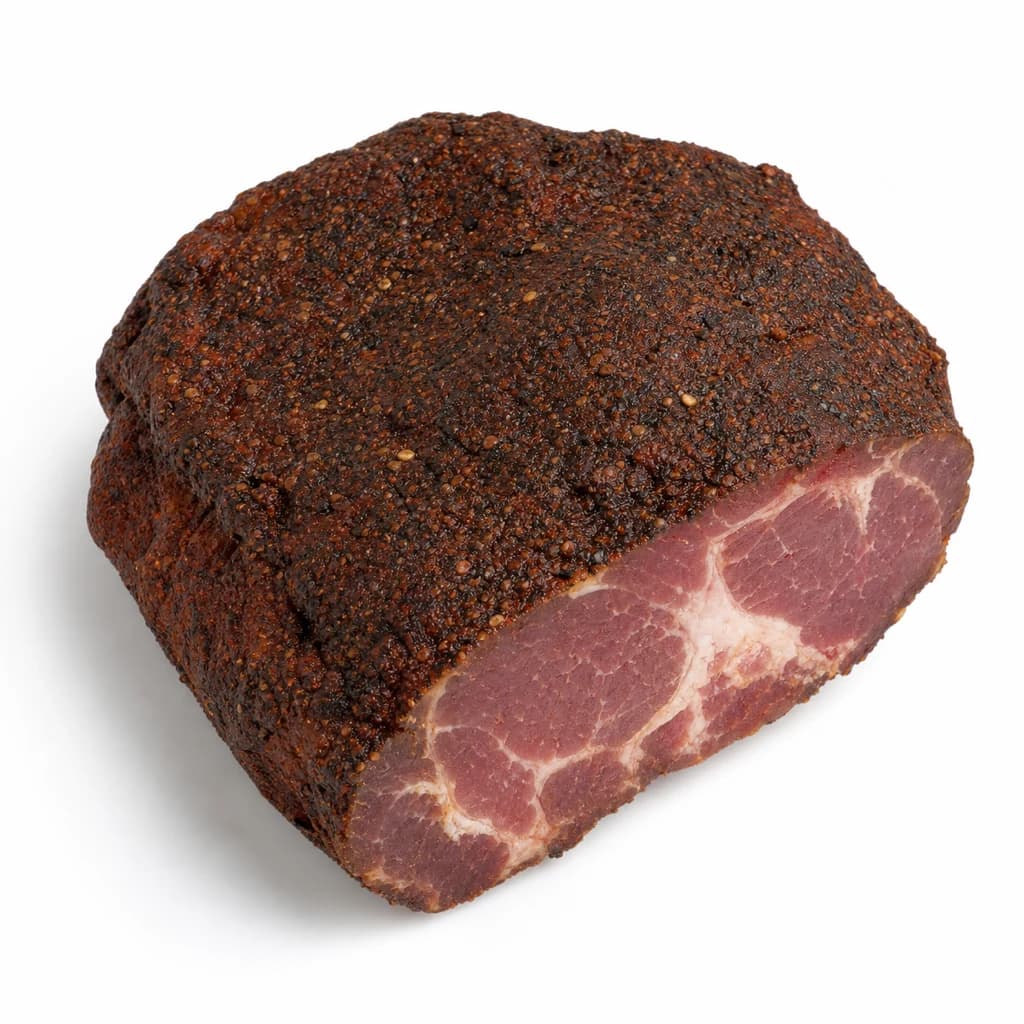
Natural form
A whole tasso ham piece: dark spice-crusted exterior, compact cured pork shoulder.
Shows the distinctive heavy spice rub crust and compact block shape that distinguishes tasso from other cured meats.
Proteins
Tasso Ham
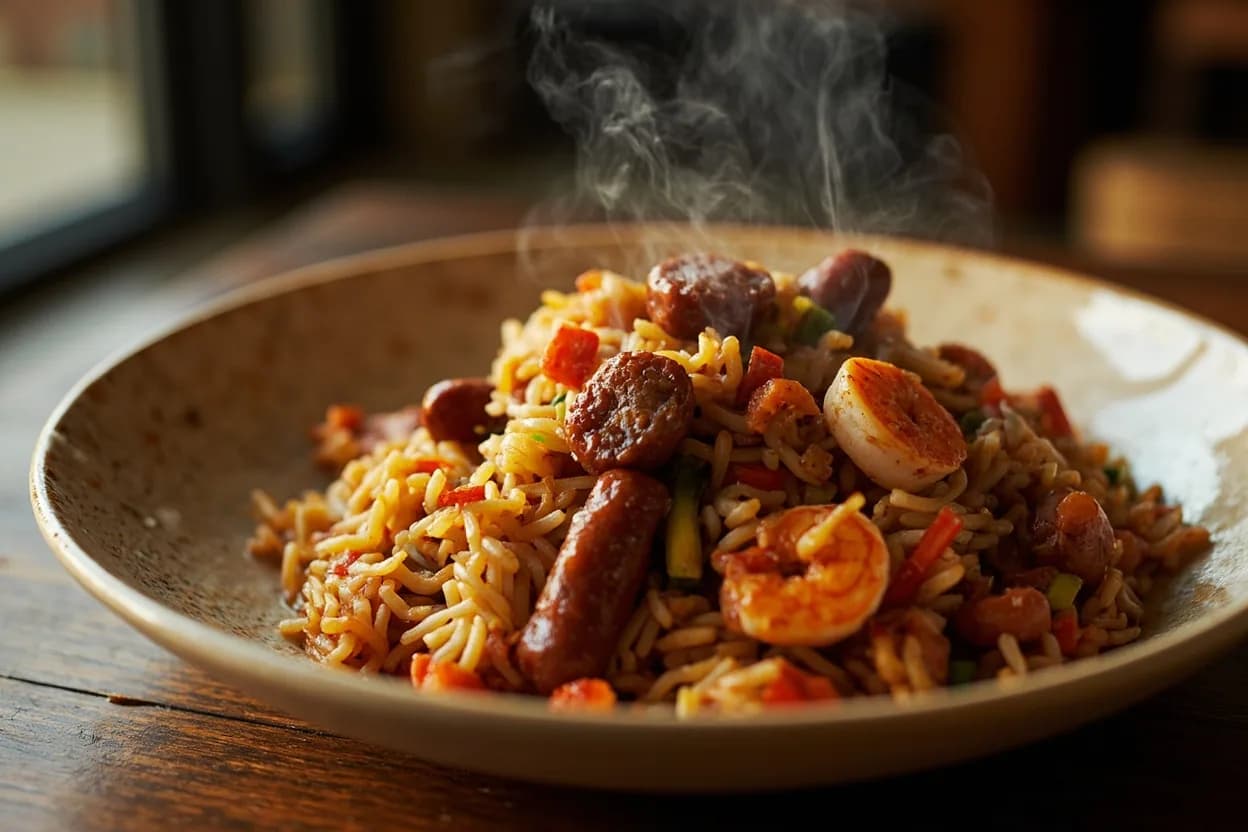
Spicy Cajun smoked pork seasoning meat, diced into gumbo, beans, and jambalaya.
Tasso ham is a Cajun specialty of pork shoulder cured, heavily rubbed with cayenne, garlic, and spices, and smoked. It is not a deli ham but a highly seasoned flavoring meat, diced and used to season gumbo, red beans, jambalaya, and greens. A little adds a smoky, peppery, savory punch to Louisiana dishes.
Tasso is a deeply seasoned, smoked pork product that functions as a flavor-building seasoning meat in Cajun and Creole cooking rather than serving as a main protein. Despite its name, it contains no true ham—it is made from pork shoulder or pork butt, which are rubbed with a bold blend of paprika, cayenne, garlic, onion powder, black pepper, and salt, then smoked over hardwood until fully cooked. The result is a dense, sliceable cylinder with a mahogany smoke color and visible spice throughout the cross-section.
In Louisiana kitchens, tasso plays a role similar to bacon lardons in French cuisine or pancetta in Italian cooking: it is diced and rendered at the start of a dish to create a flavor foundation. When you sauté tasso with the holy trinity of onion, celery, and bell pepper, its fat melts into the aromatics, infusing the entire pot with smoky, spicy, porky depth. This technique is fundamental to authentic gumbo, red beans and rice, and jambalaya.
The term tasso is likely derived from Louisiana French or Creole dialect, possibly referring to the mold or shape of the finished product rather than any ham content. Quality varies enormously between producers. Mass-market tasso tends toward milder seasoning and shorter smoking times, while Louisiana specialty producers create versions with concentrated spice and deep, long-smoked flavor. Seek out authentic sources when possible—the difference in finished dishes is immediately noticeable.
- Measured in
- g
- Storage
- Fridge
Types & varieties
Lower cayenne content; suitable for those sensitive to heat
Higher cayenne and chili content; traditional for those who prefer bold spice
Small-batch versions from specialty butchers; often more heavily spiced and smoked longer
Tasso vs. Andouille: Knowing the Difference
Tasso and andouille are both essential to Louisiana cooking, but they serve different purposes and behave differently in recipes. Andouille is a coarse-ground smoked sausage meant to be sliced and eaten as a main protein or thick slice in gumbo. Tasso is a seasoning meat, intended to be diced small and rendered at the start of cooking to build flavor. In a recipe that calls for both, add tasso early with the aromatics and add andouille later, often sliced into coins and cooked through before serving. If a recipe calls for one and you only have the other, adjust your timing: tasso needs browning time to develop its flavors, while andouille is already cooked and needs only heating through.
- Tasso: diced small, added early, builds flavor base
- Andouille: sliced thick, added later, serves as main protein
- Substituting one for the other requires timing adjustments
Common uses
Tips & pitfalls
- Add diced tasso at the beginning of cooking alongside the holy trinity (onion, celery, bell pepper) to render its fat and build a flavor foundation; do not add at the end like a garnish
- Because tasso is already smoked and seasoned, taste your dish before adding additional salt—over-salting is the most common mistake
- When substituting tasso for andouille, add tasso earlier since andouille may already be cooked and tasso benefits from browning and rendering its fat into the dish
- When dicing frozen tasso is difficult, slice thin first, then chop; slightly frozen tasso cuts cleaner than fully thawed
- Store-bought tasso varies widely in quality—seek out Louisiana producers when possible for proper spice levels and authentic smoking
- Authentic tasso should be sliceable yet slightly firm, with visible spice rub throughout the cross-section and a deep mahogany smoke color
Nutrition
Energy
1100 kJ · per 100 g
Where the calories come from
Protein
16.3g
33% DV
Carbs
1.8g
1% DV
Fat
20.7g
27% DV
Fiber
0g
0% DV
Sugars
0g
of which
Sodium
1245mg
54% DV
Source · USDA FoodData Central · approx. Ham, minced
View on FDC →In the shops
Matched grocery products
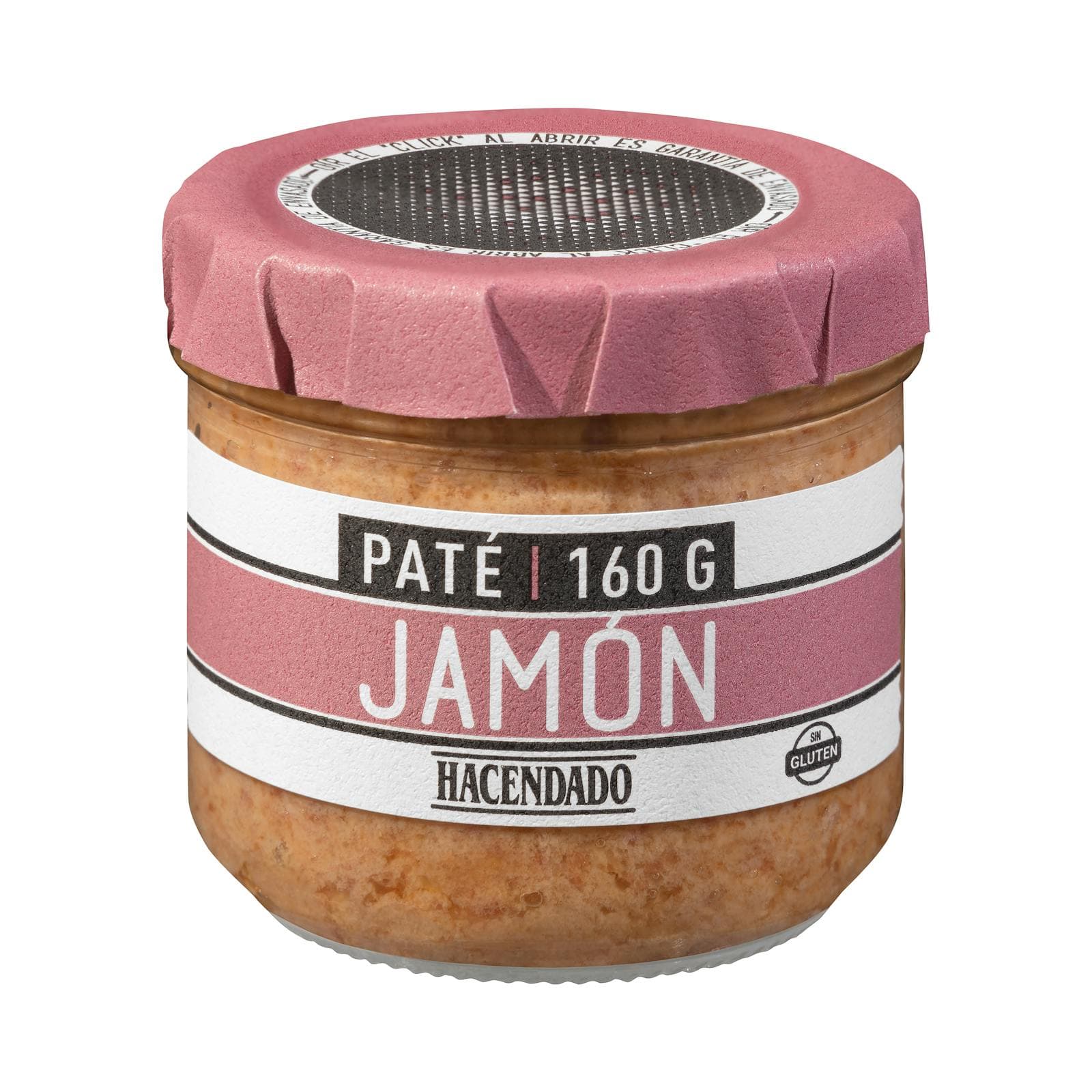 €1.10
€1.10Ham Pâté
Hacendado · 160 g · Mercadona
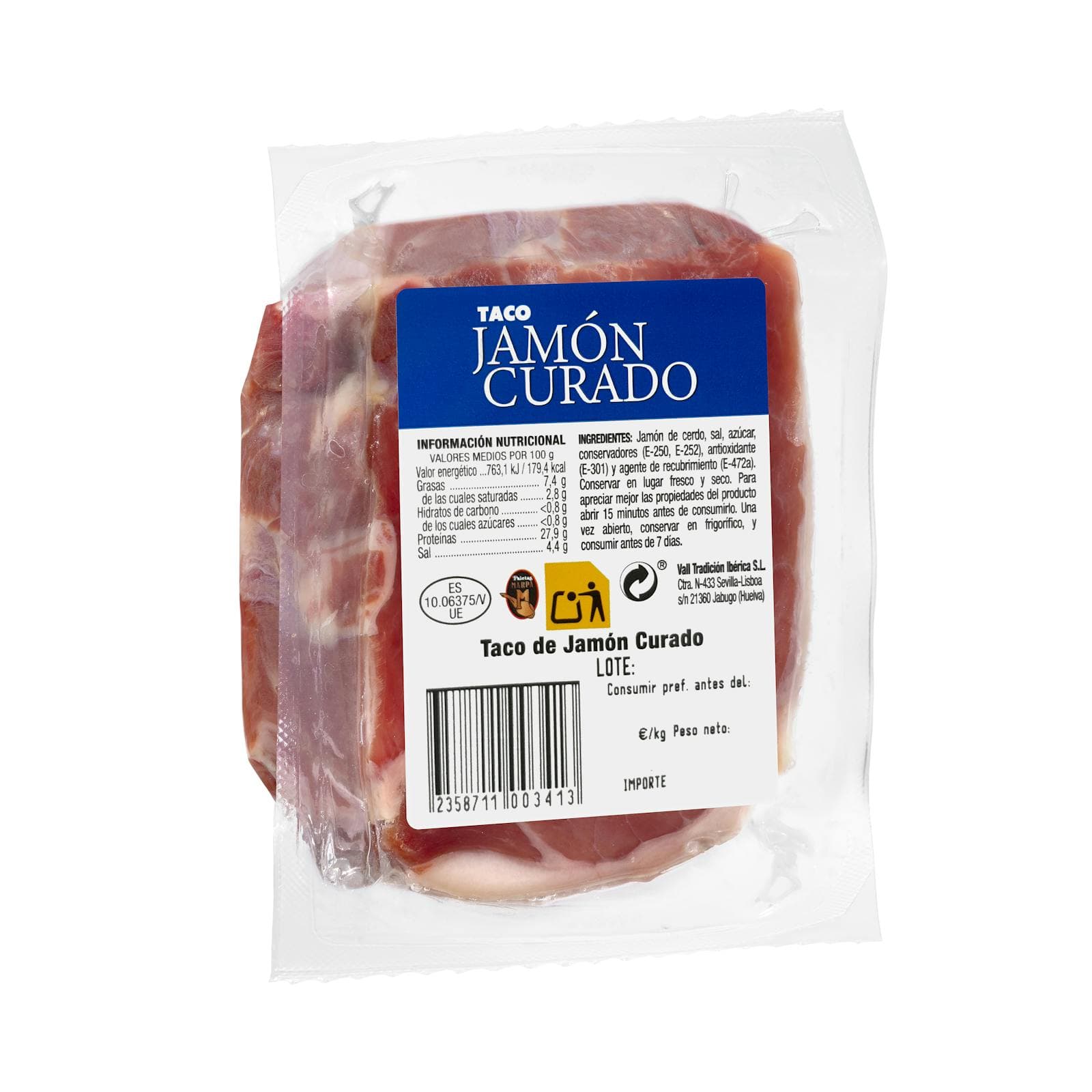 €3.85
€3.85Cured Ham Portion
220 g · Mercadona
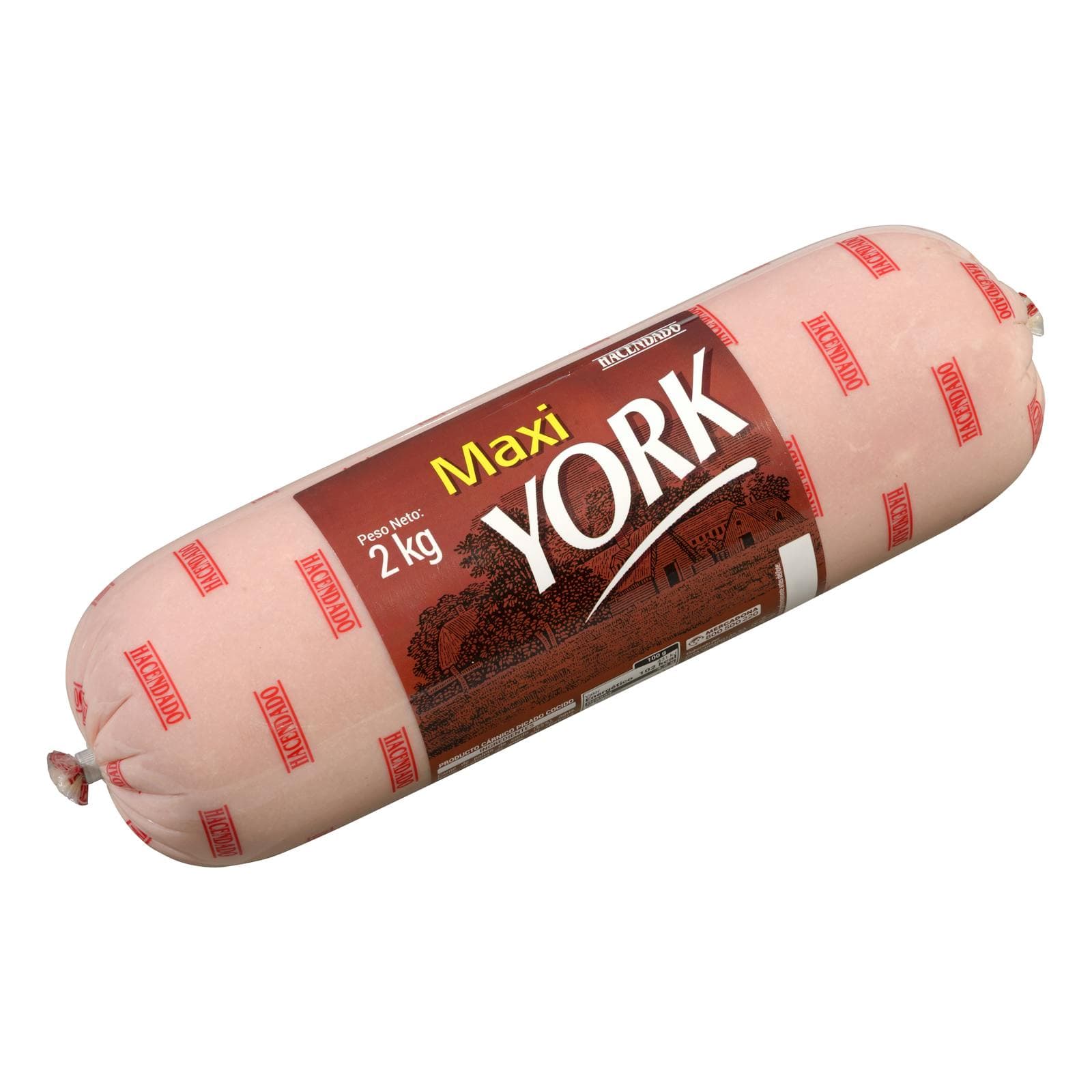 €5.95
€5.95Maxi York Ham
Hacendado · 2 kg · Mercadona
 €6.75
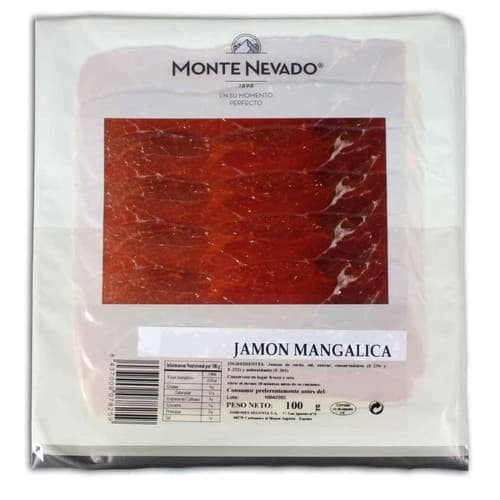
€6.75Mangalica Ham
MONTE NEVADO · kg · Bonpreu
 €65.00
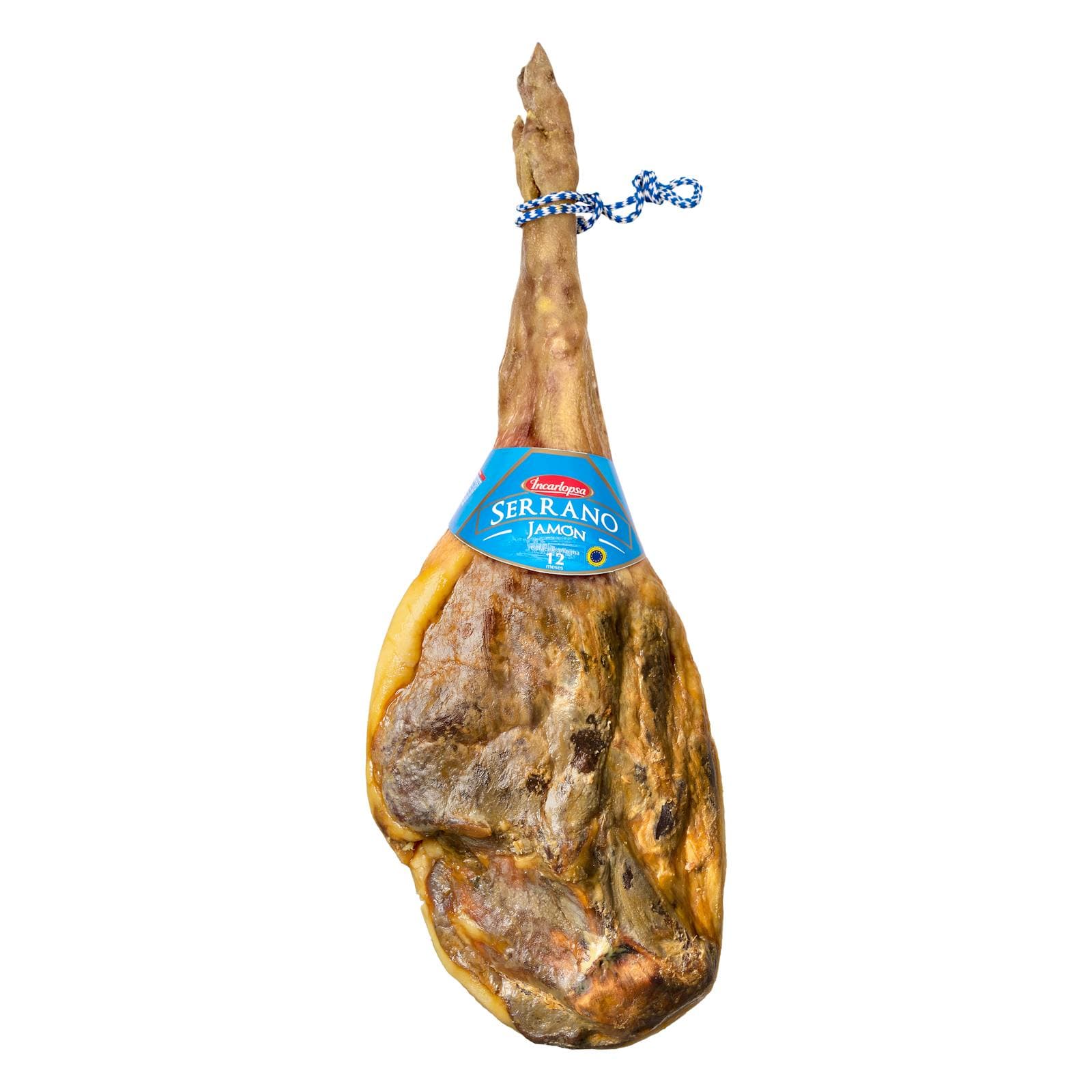
Serrano Ham Incarlopsa
Incarlopsa · 7.5 kg · Mercadona
 €3.85
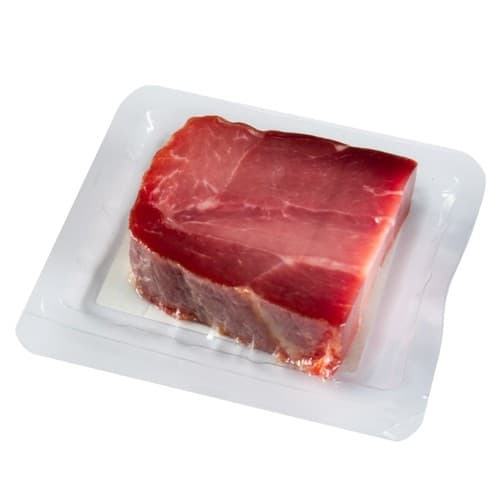
€3.85Cured Ham Block
ESPUÑA · kg · Bonpreu
Good to know
- Origin
- South Louisiana, Cajun cuisine
- Primary Protein
- Pork shoulder or pork butt (not true ham)
- Typical Seasonings
- Cajun spice blend: paprika, cayenne, garlic, onion powder, black pepper, salt
- Processing
- Seasoned, smoked over hardwood (often hickory), may be briefly cured or dried
- Form
- Typically sold in 6–10 inch cylindrical logs, fully cooked
- Flavor Profile
- Savory, smoky, spicy with porky richness; fat marbling contributes to texture
- Shelf Life
- 1–2 weeks refrigerated sealed; freeze up to 6 months
- Heat Level
- Mild to hot depending on producer; cayenne content varies significantly
Substitutes
- Andouille sausage — Most common substitute; slice and brown first, then use. Flavor is similar but more sausage-forward rather than pure seasoning meat.
- Smoked ham hock — Good for long-cooking dishes like beans and braised greens; needs more cooking time to impart flavor; remove bone before serving.
- Smoked bacon — Cut into small pieces and render until crispy; less seasoned than tasso but provides smokiness. Reduce additional salt in recipe.
- Country ham (diced small) — Saltier and more aged in flavor; rinse and soak briefly if very salty. Less smoky than tasso.
Pairs with
Also called
Cajun Tasso · Tasso
Appears in these dishes
Related
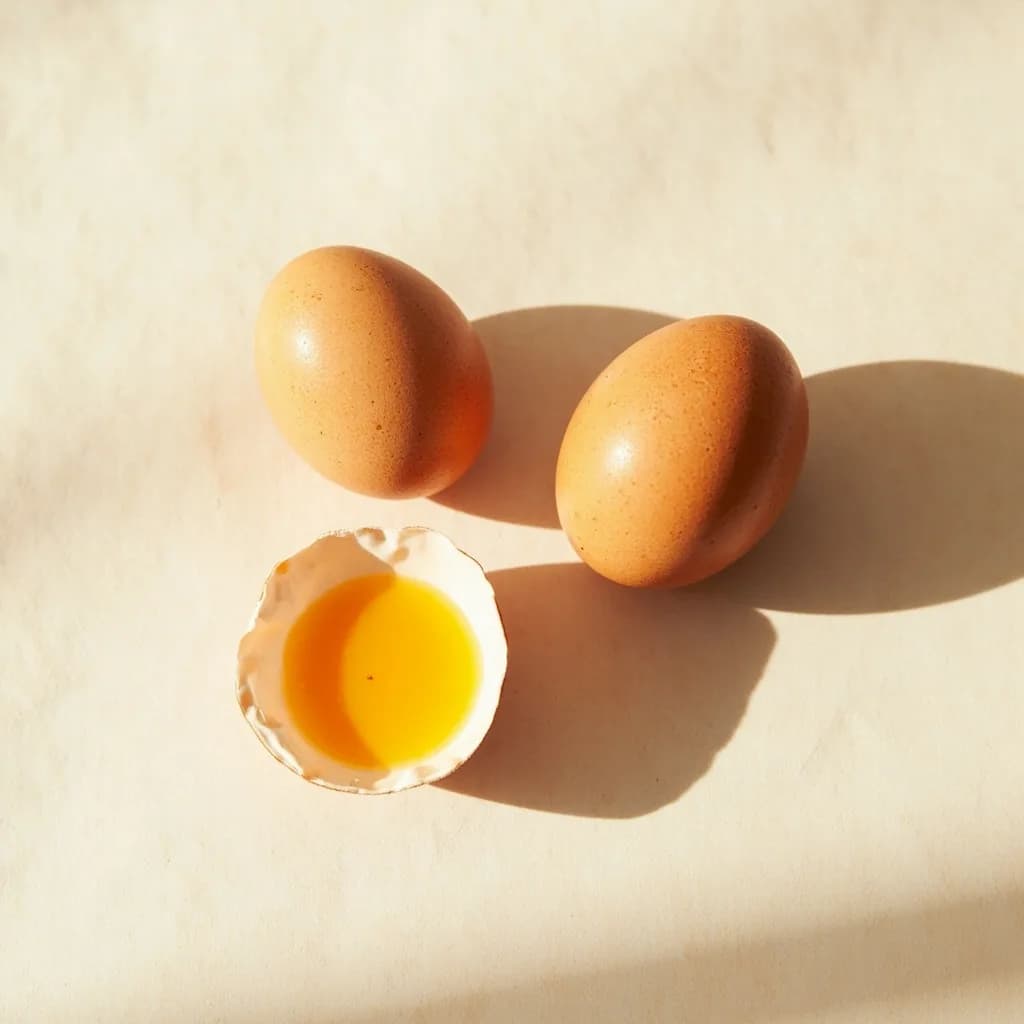
Egg
The kitchen's everything ingredient — bind, leaven, enrich, or fry
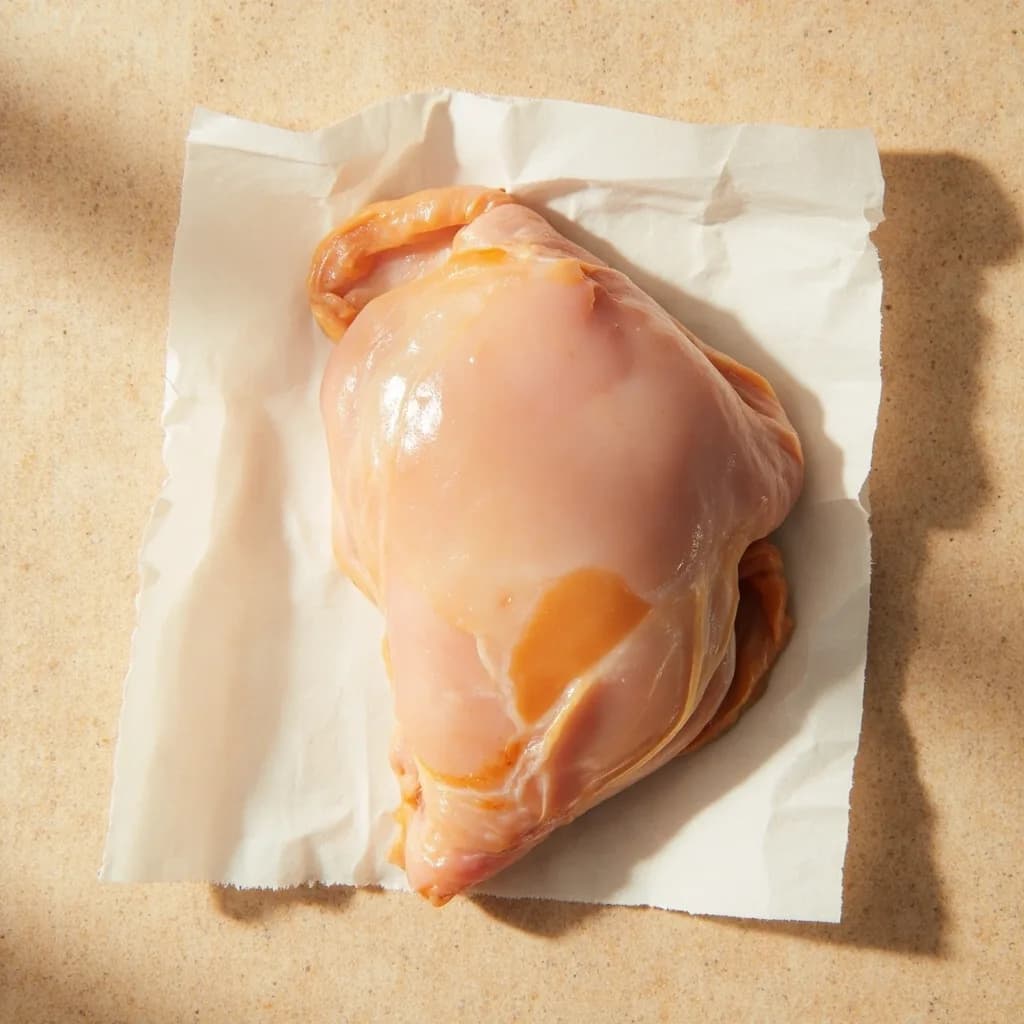
Chicken Breast
Lean, quick-cooking white meat for everyday dinners

Ground Beef
Versatile minced beef for burgers, ragù, tacos, and meatballs
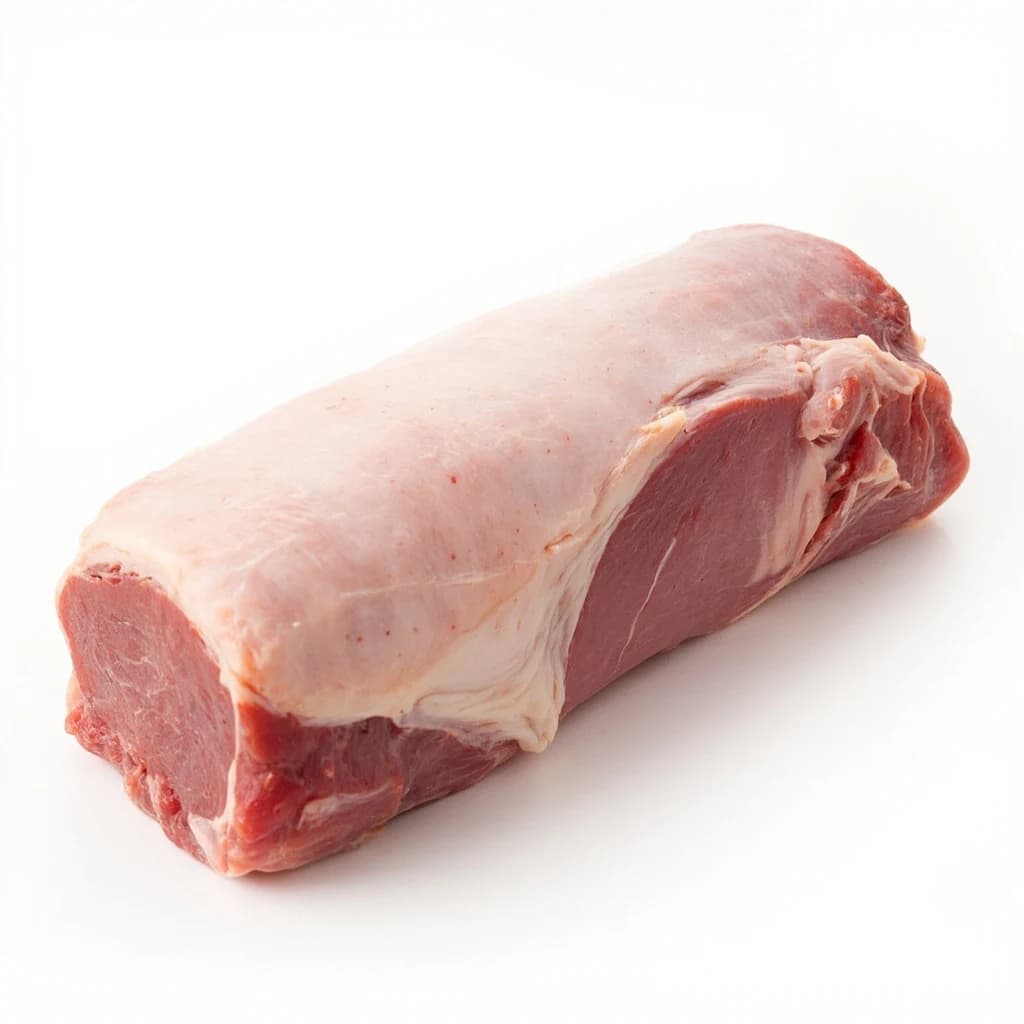
Pork Loin
Lean, tender roasting cut that stays juicy with care
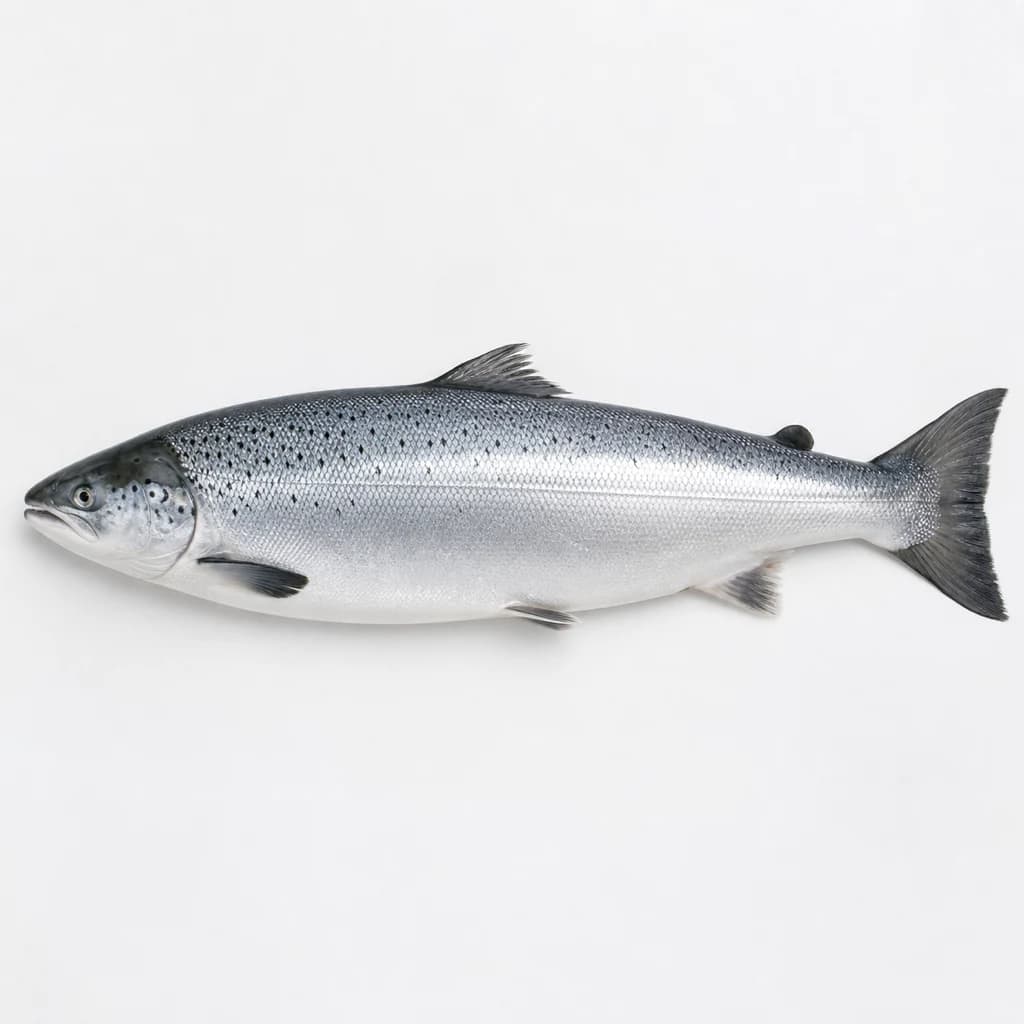
Salmon
Rich, rosy fish that roasts, grills, or cures beautifully

Egg White
Pure protein that whips to airy peaks for meringue and more

Egg Yolk
Rich, golden yolk for custards, mayonnaise, and pasta

Quail Egg
Tiny, speckled eggs for garnishing and elegant bites