Baking
Unsalted Tuscan Bread (Pane Toscano Sciocco)
Saltless Tuscan country bread made to pair with salty foods and soups.
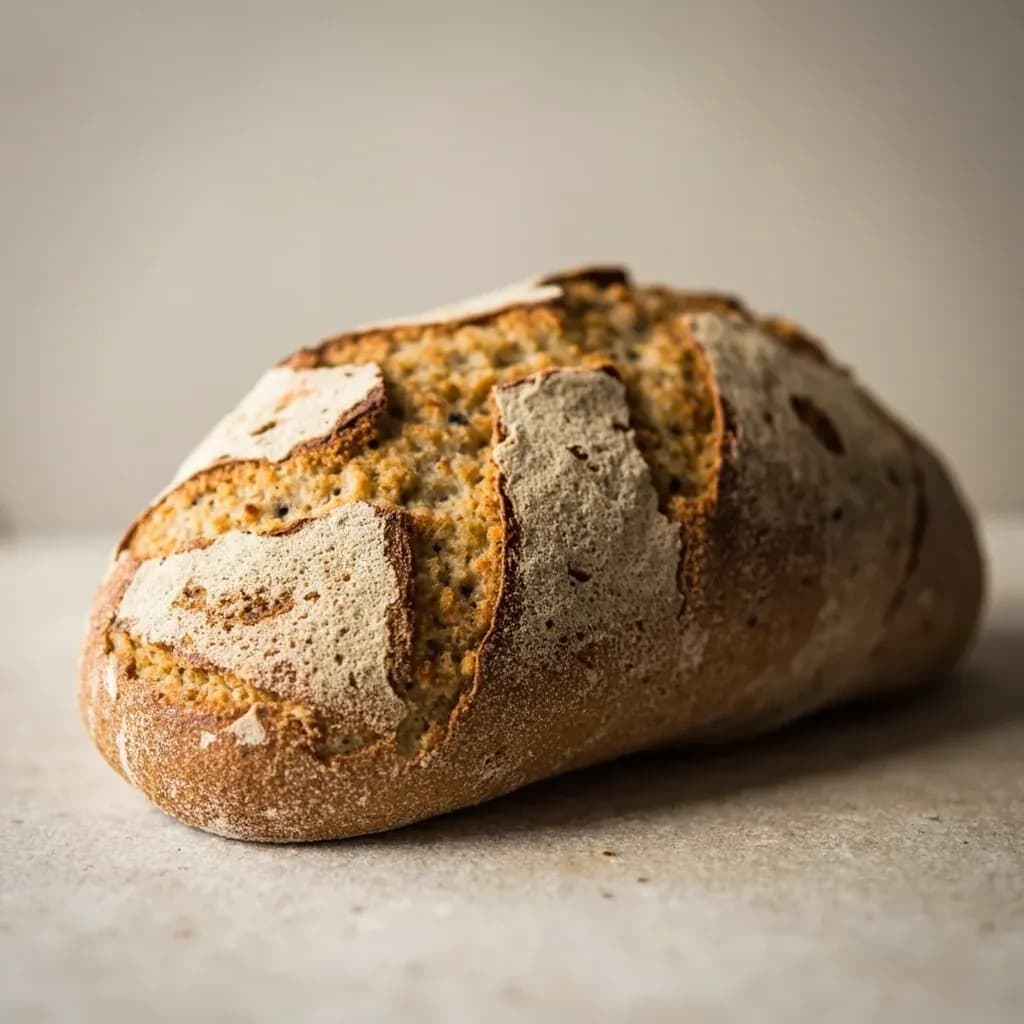
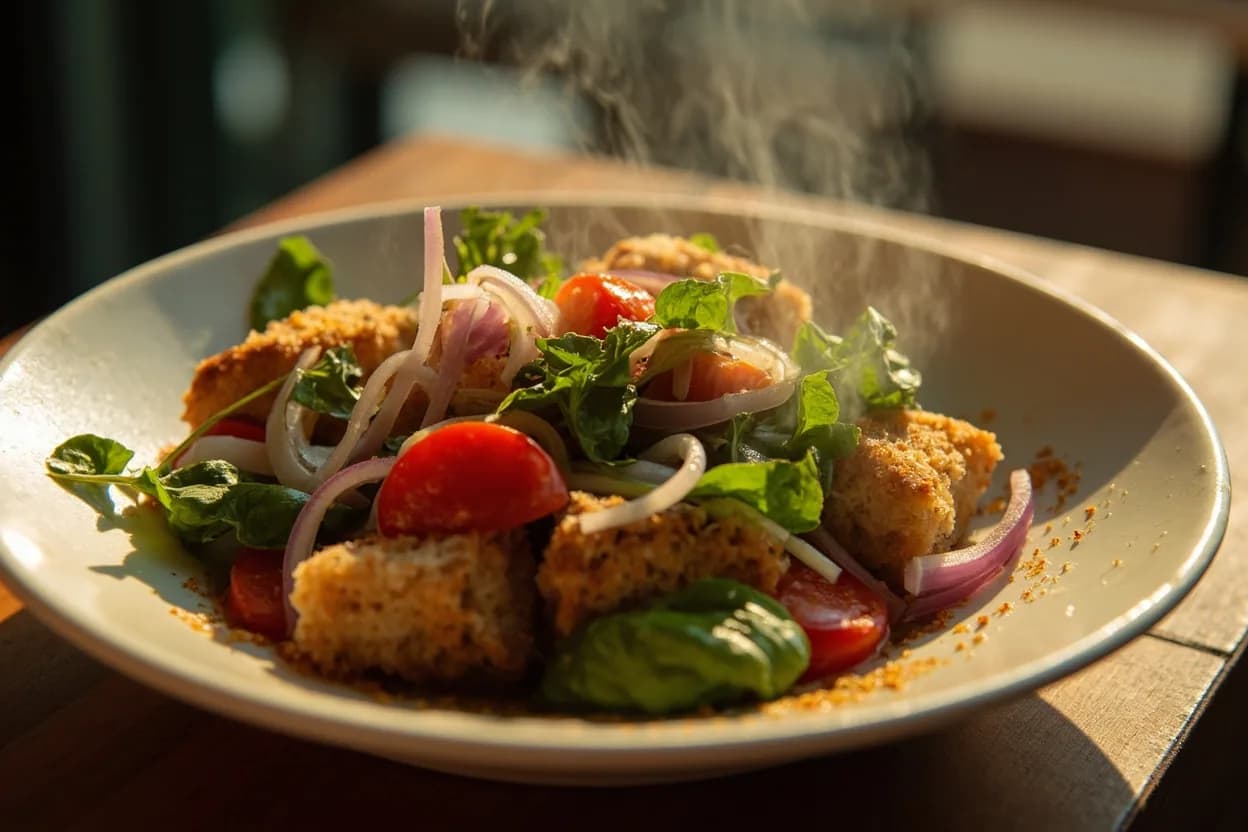
Pane Toscano is a traditional Tuscan loaf made deliberately without salt, giving it a bland crumb meant to balance the region's salty cured meats, cheeses, and rich soups. It has a thick crust and a dense, chewy interior that stales well, making it the base for ribollita and panzanella. Day-old slices are rubbed with garlic and oil for fettunta.
Pane Toscano Sciocco — the saltless bread of Tuscany — is a lean, rustic loaf defined by its deliberate omission of salt. Where most bread recipes treat salt as essential for flavor and gluten structure, Tuscan tradition turns that assumption upside down: the bread is built to be a counterpoint, a blank canvas that absorbs and balances the bold saltiness of the region's cured meats, aged cheeses, and hearty soups. Made from wheat flour, water, yeast, and little else, the dough is typically fermented for 12–24 hours using a natural levain, which develops a mild tang and complex malty flavor that compensates beautifully for the missing salt. The result is a thick-crusted, dense-but-chewy loaf with an open, irregular crumb — structurally robust enough to hold its shape in brothy soups like ribollita long after lesser breads have dissolved into porridge. The crust darkens to a deep golden brown during high-heat baking, scored in characteristic patterns that help control expansion. This is not a bread you eat on its own for snacking; it is an instrument of balance, and understanding that role is the key to appreciating and using it well.
- Measured in
- g
- Storage
- Pantry
Allergens
Types & varieties
Classic round loaf, thick-crusted, the most common form sold in Tuscan bakeries
Elongated rectangular loaf with the same dense crumb and unsalted character
Thinner, flatter elongated shape from certain Tuscan traditions
A smaller, round Tuscan bread from the Lari area; salt inclusion varies by local tradition
Why No Salt? The History Behind the Recipe
The deliberate omission of salt in Pane Toscano has two overlapping explanations, both credible. The first is fiscal: medieval Tuscan city-states levied heavy taxes on salt, making a saltless bread a practical necessity for ordinary households. The second is culinary: Tuscan cuisine is built on heavily salted and cured foods — lardo di Colonnata, finocchiona, prosciutto toscano — and a bread seasoned by those foods is more satisfying than a bread that competes with them. Over centuries, the practice became identity. Tuscan expats famously lament that salted bread abroad feels like a betrayal of the tradition, and the phrase 'bread without salt' is still used in Italy as a mild insult — a misreading of what is actually one of the most purposeful breads in the Italian repertoire.
- Salt taxes in medieval Tuscany made unsalted bread an economic necessity for the poor
- Salt was reserved for preserving meats and fish, not for daily bread
- The tradition outlasted the tax policy and became a marker of regional identity
What Proper Pane Toscano Should Taste Like
If the bread is well-made, it should not taste flat or uninteresting. A properly fermented Pane Toscano has a malty, wheaty base with a gentle acidity from the long levain fermentation — the same complexity you'd expect from any good country loaf. The thick crust contributes a toasted, slightly caramelized note. What it lacks is salt's sharpness, which means the other flavors — the bread's own grain, the crust's char, the food it accompanies — come through with unusual clarity. A bland or gummy crumb is a sign of under-proofing or rushed fermentation, not an inherent quality of the bread itself.
- Good bread: malty, wheaty, mildly tangy from long fermentation
- Poor bread: flat, gummy, dense — caused by insufficient fermentation or rushed processing
- The lack of salt is not a defect; it is a design feature
Common uses
Tips & pitfalls
- Seek out artisan bakeries that use natural levain and long cold fermentation (12–24 hours); this develops the complex, mildly tangy flavor that makes the bread satisfying without salt
- Allow sliced bread to come to room temperature before serving — cold temperatures mute the wheat flavor and chewy texture significantly
- Store first in a paper bag, then wrap in cloth for 2–3 days; plastic traps moisture and encourages mold in this dense crumb
- Stale bread is actually preferable for soups and ribollita — cube and toast until dry and crisp before adding to stews, where it will absorb broth without turning mushy
- If the crumb feels gummy or unnaturally dense, the dough was likely under-proofed or fermented too quickly; proper fermentation creates the open, irregular structure
- For home bakers: salt slows gluten development, so without it the dough tightens faster — reduce mixing time or use a lower-protein flour to avoid a tough, chewy crumb
- A tablespoon of olive oil per kilogram of flour is a legitimate modern variation that yields a slightly softer crumb and better shelf life — both oil-added and purely lean versions are authentic
- Do not expect sweetness or rich flavor on its own; the bread is intentionally restrained, designed to carry the flavors of what it accompanies
Nutrition
Energy
1113 kJ · per 100 g
Where the calories come from
Protein
12.5g
25% DV
Carbs
47.1g
17% DV
Fat
3.1g
4% DV
Fiber
6.3g
23% DV
Sugars
9.4g
of which
Sodium
375mg
16% DV
Source · USDA FoodData Central · approx. Bread, potato
View on FDC →In the shops
Matched grocery products
No matched grocery products for Unsalted Tuscan Bread (Pane Toscano Sciocco) yet.
Good to know
- Common Name
- Unsalted Tuscan Bread (Pane Toscano Sciocco)
- Italian Name
- Pane Toscano Sciocco or Pane Sciocco
- Region
- Tuscany, Italy
- Type
- Lean rustic country bread
- Base Ingredients
- Wheat flour, water, yeast, olive oil (optional); no salt
- Crust
- Thick, dark golden-brown, deeply scored
- Crumb
- Dense, chewy, open texture with irregular air holes
- Typical Shape
- Round loaf (pagnotta) or elongated filone
- Standard Weight
- 1–2 kg per loaf
- Shelf Life
- 3–5 days wrapped; improves with staling rather than molding
- Perishable Fat Content
- None to minimal (lean dough)
- Primary Leavening
- Natural levain (sourdough) or commercial yeast
- Fermentation
- Long cold fermentation (12–24 hours) typical for authentic versions
Substitutes
- Other Italian unsalted breads — Pane di Altamura or pugliese bread made without salt can approximate the rustic character, though the flavor profile differs
- Dense French campagne loaf (no salt) — The closest texture match among non-Italian breads; the crumb density and chew are similar, though flavor will vary
- Ciabatta made as a lean, salt-free dough — Approximates the density and crumb structure when made as a no-salt lean dough, though the shape and crust character differ
- Simple country white bread (omit salt from any recipe) — Not equivalent in flavor or texture but works as a functional emergency substitute when nothing else is available
Pairs with
Also called
Pane Toscano Sciocco · Saltless Tuscan Bread
Appears in these dishes
Related

All-Purpose Flour
The do-anything flour for bread, cakes, sauces, and dredging

Bread Flour
High-protein flour for chewy, well-risen breads
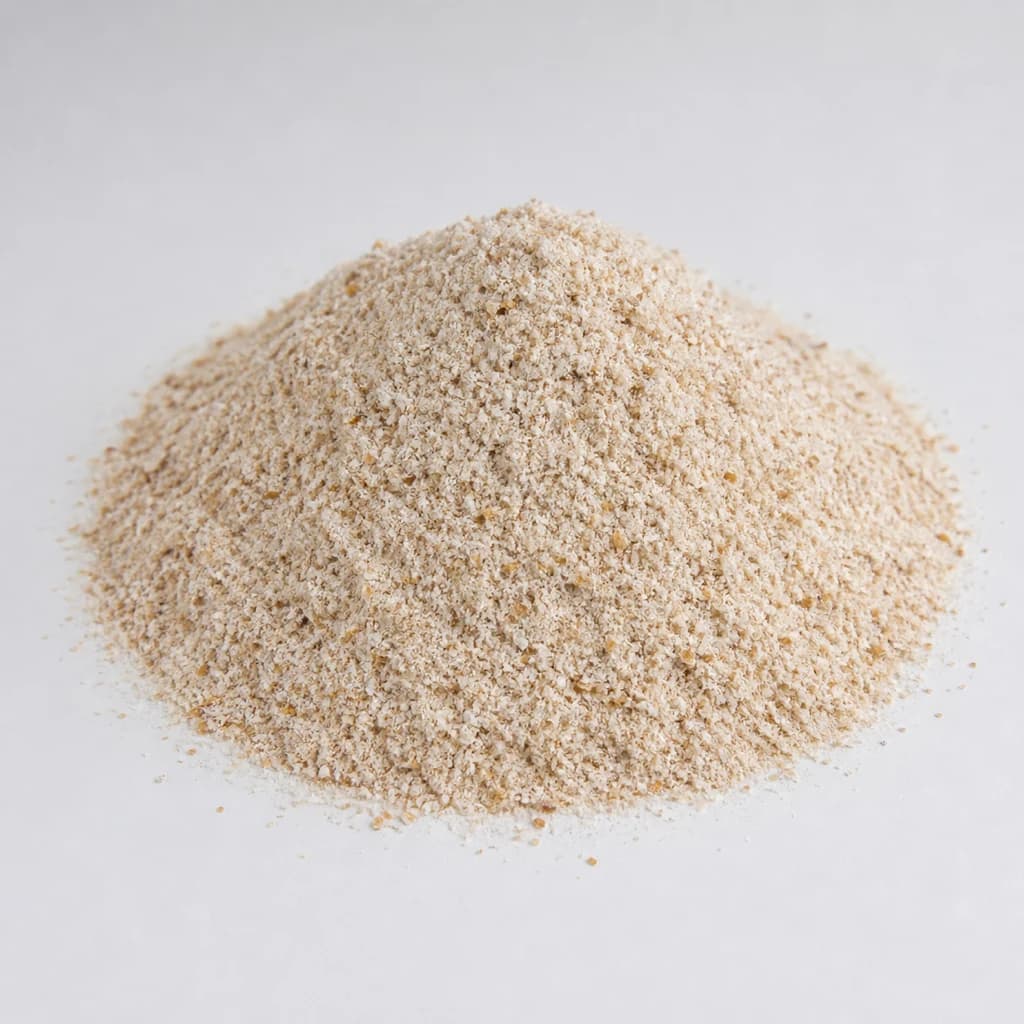
Whole Wheat Flour
Nutty, whole-grain flour for hearty breads and bakes
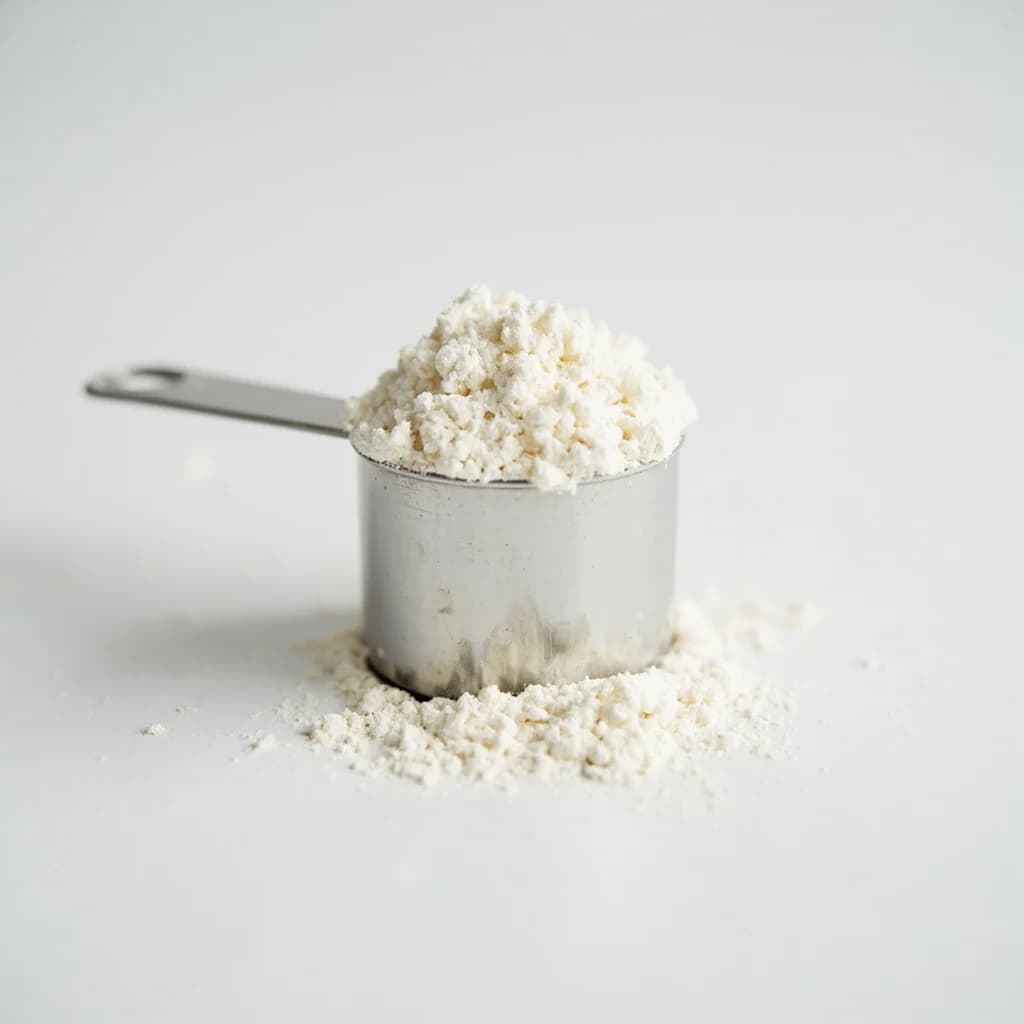
Cake Flour
Fine, low-protein flour for tender, delicate cakes
Almond Flour
Nutty, gluten-free flour for macarons and tender bakes

Baking Powder
All-in-one leavener for fluffy cakes, pancakes, and biscuits

Baking Soda
Pure leavener that needs acid to lift — and tenderize
Yeast
Living leaven that makes bread rise and dough come alive