
Natural form
A whole Prosciutto Toscano DOP leg showing the characteristic herb-and-pepper crust exterior.
Shows the reader the physical form, size, and distinguishing herb-coated rind before any processing.
Proteins
Prosciutto Toscano DOP
Tuscan dry-cured ham, salt-and-herb seasoned for a savory, slightly piney bite; sliced paper-thin.
Prosciutto Toscano DOP is a dry-cured raw ham from Tuscany, distinguished by a salt cure rubbed with pepper and herbs like juniper and rosemary. It is sliced very thin and eaten raw with bread, melon, or in antipasto boards. The herb seasoning gives it a more assertive, savory flavor than the sweeter Prosciutto di Parma.
Prosciutto Toscano DOP is a dry-cured ham from Tuscany, Italy, protected under EU Denominazione di Origine Protetta since 1996. Unlike its more famous cousin Prosciutto di Parma, this ham derives its character from the diet of the Suini pesanti (heavy pigs) — free-range animals fed on chestnuts, grains, and legumes that impart a deeper ruby-red color and a distinctive nutty-sweet undertone. The cure is equally defining: coarse sea salt, black pepper, and a mixture of juniper, rosemary, thyme, and bay leaf are pressed into the flesh, creating an herbal backbone that is legally specified in the production protocol. The result is a ham with assertive savoriness and a slight piney bite, making it far more assertive than the buttery mellows of Parma. It is leaner, with a compact, firm texture that melts gracefully when sliced translucent. The ham is produced across ten Tuscan provinces and traditionally slaughtered in autumn and winter, though it is available year-round. When purchasing, look for the yellow DOP seal on the rind — the unprotected 'prosciutto toscano' (without DOP) can be made anywhere and follows looser rules, often lacking the chestnut depth and herbal intensity that define the real thing.
- Measured in
- g
- Storage
- Fridge
Types & varieties
Fully cured, aged minimum 12 months; more intense flavor and firmer texture with visible herbs pressed into the surface
Extra-aged 18+ months; concentrated flavor and silky-when-thin texture; the pinnacle expression of the style
Common uses
Tips & pitfalls
- Bring to room temperature 20–30 minutes before serving — cold prosciutto sheds aroma and flavor, and the fat will not coat properly
- Slice against the grain with a sharp, long knife or a manual slicer; thickness must be translucent — you should see light through it
- Never cook prosciutto for extended periods — it turns rubbery and loses its silky texture; add to hot dishes in the final moments or use it raw
- Store whole pieces unwrapped in the refrigerator for 1–2 days to let the surface breathe slightly, then wrap tightly in butcher paper or plastic
- If the exterior fat turns yellow or rancid, trim it away — the interior meat should still be perfectly fine
- When wrapping vegetables, ensure they are completely dry — moisture makes the prosciutto steam rather than crisp into delicate wrappers
- The juniper and rosemary seasoning is character-defining; avoid products that taste only of salt and pepper, which signals shortcuts in production
- Do not overpower this ham with aggressive dressings or heavy sauces — its appeal lies in its assertive savoriness, so let it lead rather than blend in
Nutrition
Nutrition
No USDA FoodData Central match for Prosciutto Toscano DOP yet. We surface a per-100 g profile once a generic whole-food entry is matched and verified.
In the shops
Matched grocery products
No matched grocery products for Prosciutto Toscano DOP yet.
Good to know
- Origin
- Tuscany, Italy — Grosseto, Siena, Arezzo, Florence, Pistoia, Prato, Pisa, Livorno, Lucca, and Massa-Carrara provinces
- Designation
- DOP (Denominazione di Origine Protetta) — EU protected since 1996
- Pig Breed
- Suini pesanti (heavy pigs), minimum 120 kg live weight, from traditional free-range farming
- Pig Diet
- Chestnuts, grains, and legumes — the chestnut-enriched diet imparts the ham's signature darker color and nutty-sweet undertones
- Curing Time
- Minimum 12 months; Riserva grades cure 18+ months for greater intensity
- Seasoning
- Coarse sea salt, black pepper, and herbs (juniper, rosemary, thyme, bay leaf)
- Color
- Deep ruby red to dark rose — noticeably darker than Parma due to chestnut-fed pigs
- Fat
- Pure white, firm exterior fat cap; minimal interior marbling
- Texture
- Compact, firm but not overly dry; melts gracefully when sliced thin
- Flavor
- Intense savory depth with piney juniper and herbaceous notes; chestnut sweetness underneath
- Storage
- Refrigerate at 4–6°C, wrapped tightly; use within 2–3 weeks of slicing
- Season
- Available year-round; traditionally produced in cooler months with slaughter in autumn/winter
Substitutes
- Prosciutto di Parma DOP — Milder, sweeter, and less herbaceous; the closest substitute but lacks the piney juniper character and chestnut depth entirely
- Prosciutto San Daniele DOP — Slightly sweeter and softer; acceptable in a pinch but the herbal intensity and savory backbone are missing
- Speck Alto Adige PGI — Smoked and gamier; usable in cooked applications where the smoke character is welcome and intentional
- Jamón Serrano — Spanish air-cured ham with firmer texture and stronger salinity; works in most raw applications but has different fat structure
- Guanciale (in cooked dishes) — Not a raw substitute, but provides porkiness and salt in pasta, risotto, and braised dishes where the herbal notes are secondary
Pairs with
Also called
Tuscan Prosciutto · Prosciutto di Toscana
Related
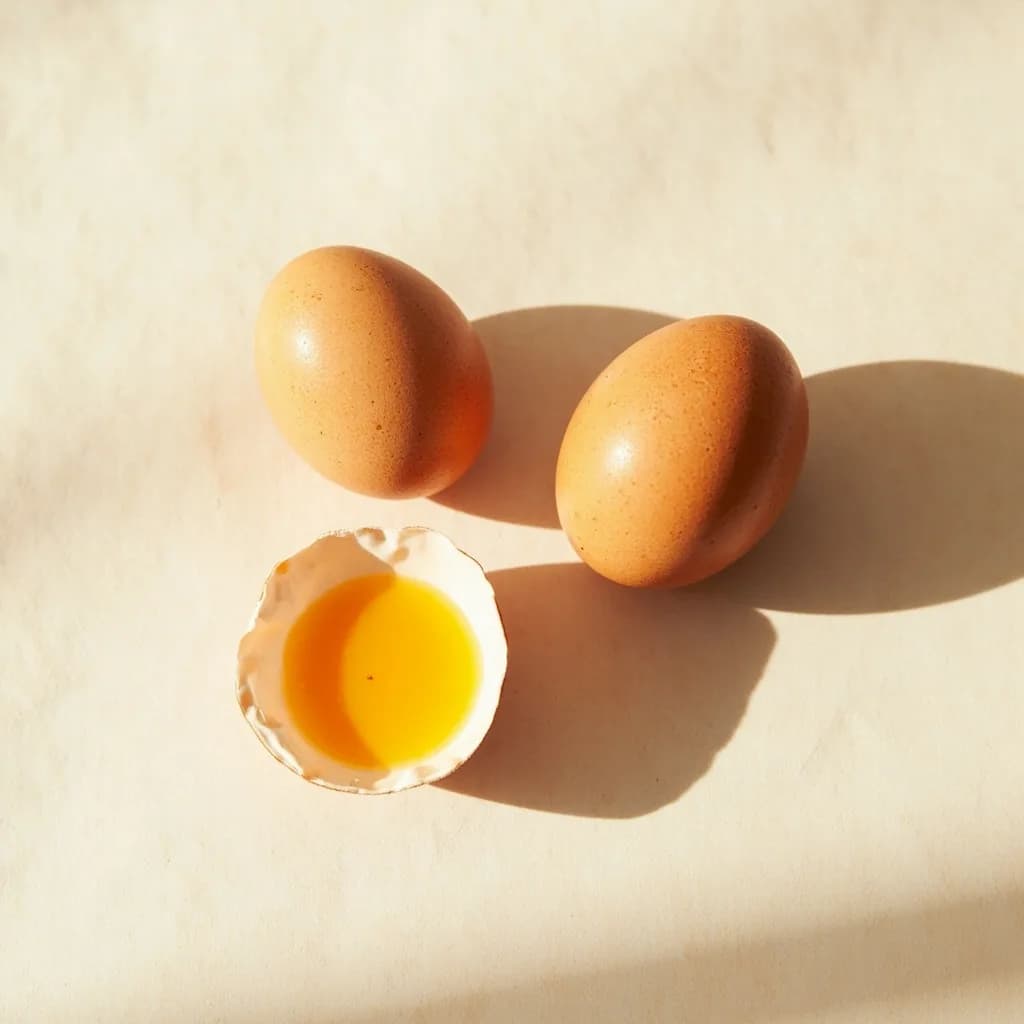
Egg
The kitchen's everything ingredient — bind, leaven, enrich, or fry
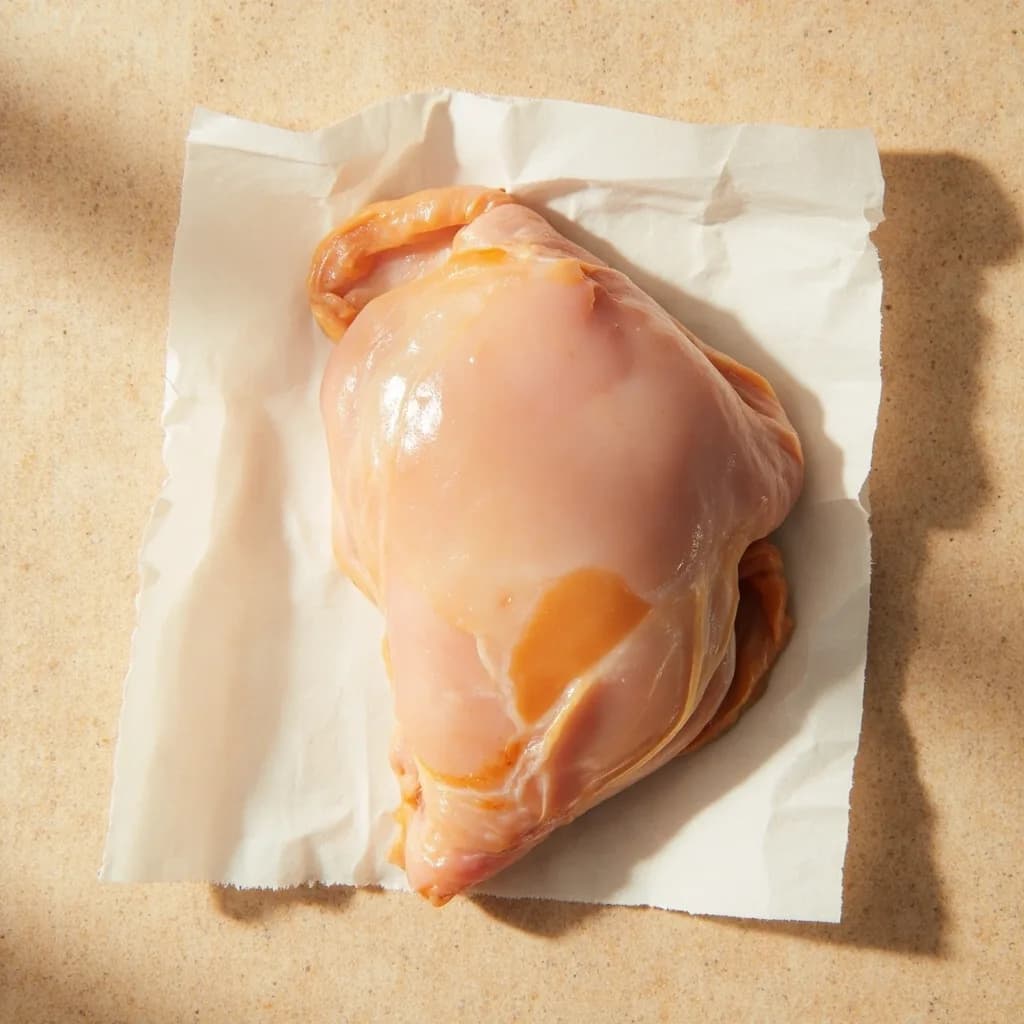
Chicken Breast
Lean, quick-cooking white meat for everyday dinners

Ground Beef
Versatile minced beef for burgers, ragù, tacos, and meatballs
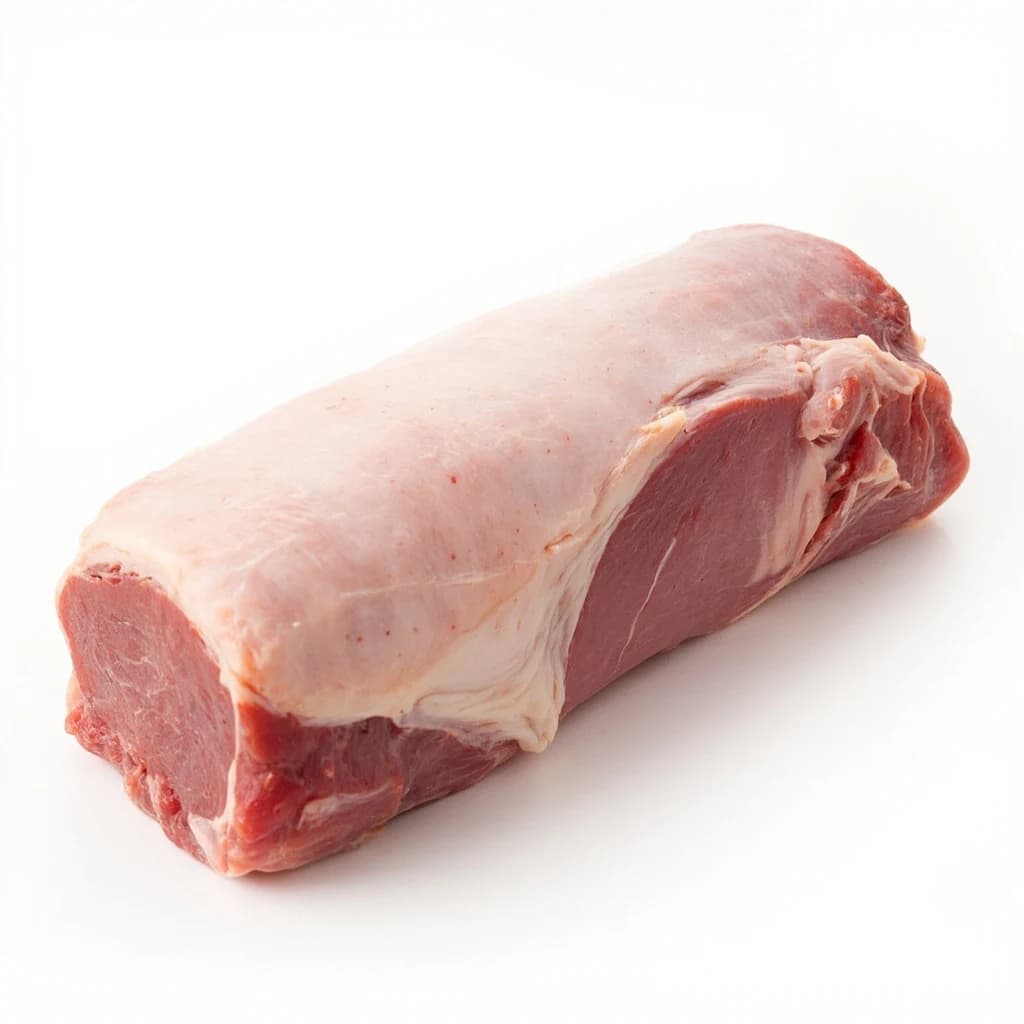
Pork Loin
Lean, tender roasting cut that stays juicy with care
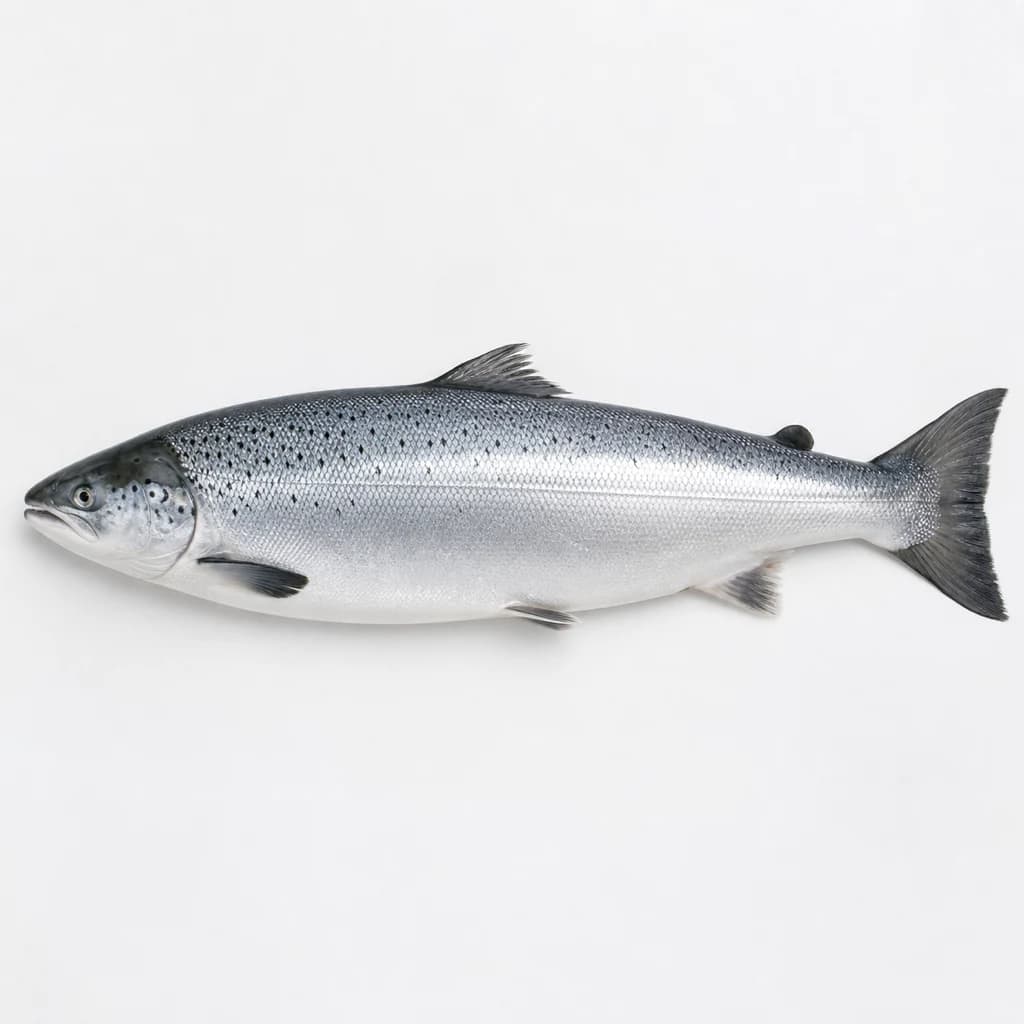
Salmon
Rich, rosy fish that roasts, grills, or cures beautifully

Egg White
Pure protein that whips to airy peaks for meringue and more
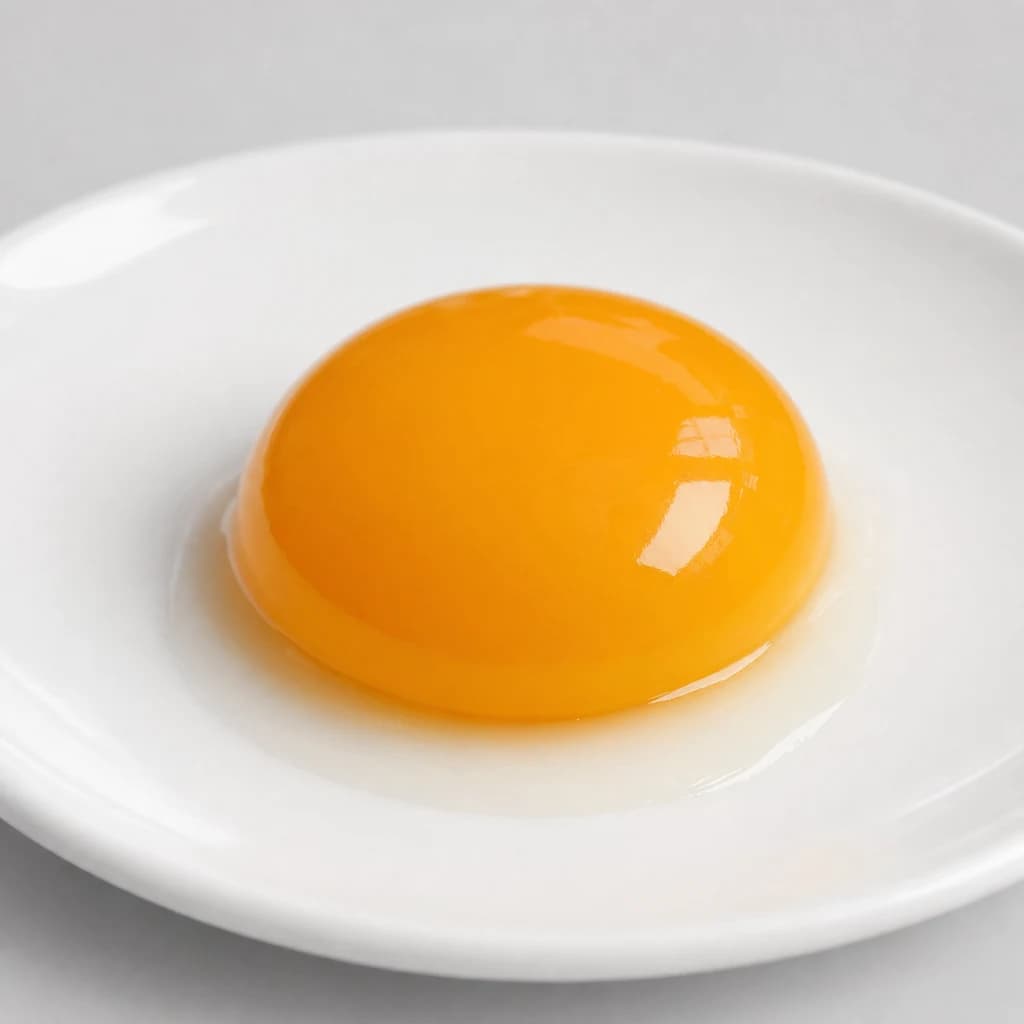
Egg Yolk
Rich, golden yolk for custards, mayonnaise, and pasta

Quail Egg
Tiny, speckled eggs for garnishing and elegant bites