Proteins
Lardo
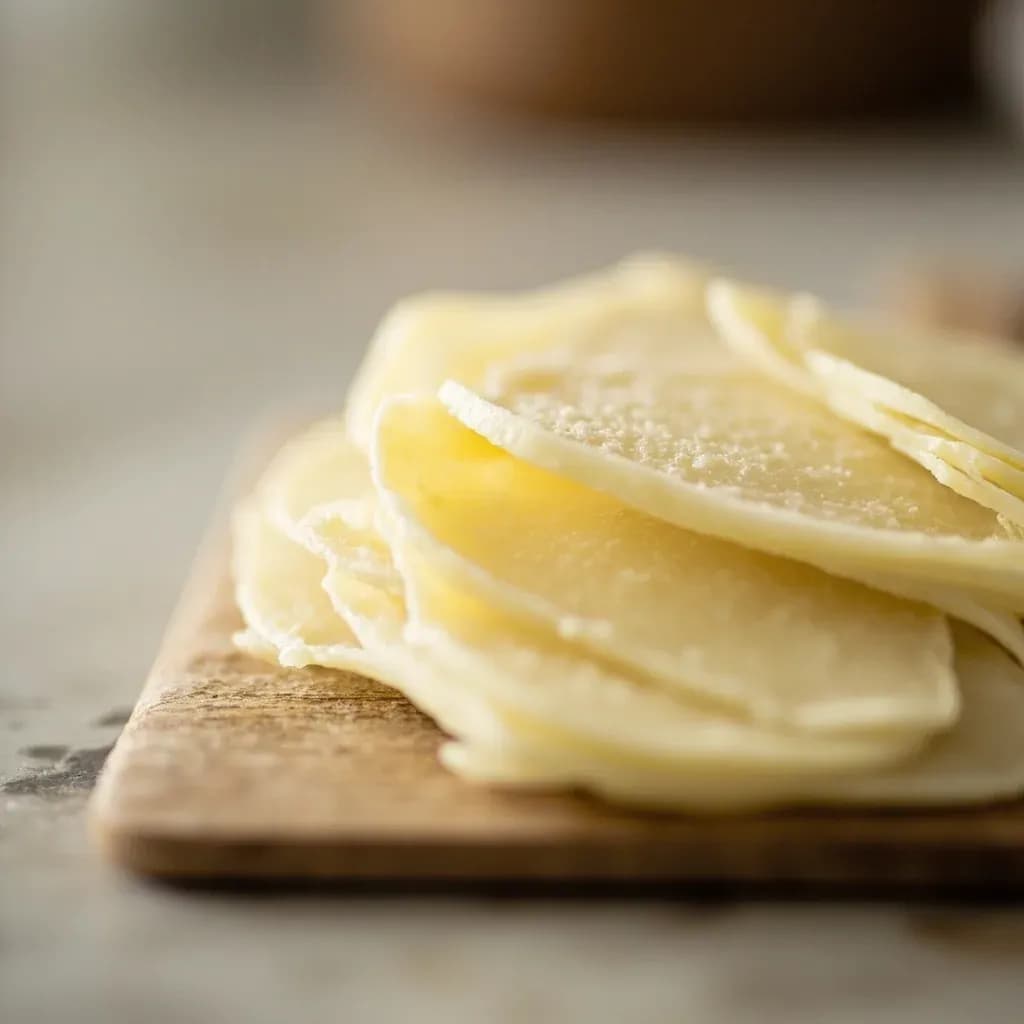
Cured pork back fat, sliced paper-thin to melt over warm bread or dishes with a silky, herbal richness.
Lardo is Italian cured pork back fat, salted and aged with rosemary, garlic, and spices, classically in marble basins as lardo di Colonnata. It is shaved into translucent slices that melt on contact with warmth, draped over crostini, pizza, or hot vegetables. The flavor is delicately herbal, salty, and lusciously fatty.
Lardo is cured pork back fat — not rendered lard, not bacon fat, but aged subcutaneous fat that has been transformed through months of dry-curing with salt and mountain herbs into something entirely different from its raw starting material. The transformation is remarkable: plain pork fat, which begins neutral and bland, develops an aromatic complexity that can include herbal, garlicky, piney, and even faintly floral notes depending on the variety. This is one of the oldest forms of Italian charcuterie, predating many cured meats we now consider traditional. The curing process, carried out in stone or marble vats over a minimum of several months, firms the fat into dense, waxy slabs that slice toward transparency. At room temperature the fat becomes silky, almost buttery in consistency, melting on contact with warm food. The paper-thin slicing that traditional service demands is not decorative — it is functionally necessary: a thick slice of pure fat coats the palate and overwhelms, while paper-thin shavings dissolve and distribute their flavor properly.
Two regional traditions define the style spectrum. The Alpine pole, centered in the Aosta Valley, favors long aging — eight months minimum for DOP-protected Lardo di Arnad — and prominent juniper berry alongside rosemary and sage, cured in stone vessels called conche. The Tuscan pole, represented by Lardo di Colonnata, emphasizes garlic and rosemary in a shorter marble-vat cure, traditionally wrapped in cloth and sometimes finished with a whisper of cinnamon. A third tradition from the Umbria-Lazio border incorporates wild fennel. Industrial lardo, commonly found in supermarkets, is often rubbery and aggressively oversalted — a product that misses the point entirely. Seek artisanal versions from specialty Italian grocers or direct-from-producer sources for the genuine experience, where the fat tastes clean and aromatic rather than merely porky or rancid.
- Measured in
- g
- Storage
- Fridge
Types & varieties
DOP-protected from Aosta Valley; cured in stone vats with salt, garlic, rosemary, sage, and juniper; minimum 8 months aging; clean, piney-herbal character
IGP-protected from the Apuan Alps area of Tuscany; cured in marble vats with garlic, rosemary, sage, pepper, and sometimes cinnamon; traditionally wrapped in cloth; shorter cure, prominent garlic-rosemary flavor
From the Umbria-Lazio border; cured with wild fennel, garlic, and pepper; typically smaller format; anise note distinguishes it from northern and central-Tuscan styles
Local specialty from the Gressan commune in Aosta Valley; small-production, similar style to Lardo di Arnad with juniper and mountain herbs
Two Stylistic Poles: Alpine and Tuscan
The Aosta Valley and Tuscany represent the two poles of Italian lardo tradition, and understanding this divide helps you choose the right product for a given use. Alpine lardo, typified by Lardo di Arnad, leans toward longer aging and a more restrained, herbal, slightly piney character from juniper. The stone vat cure produces a denser, more mineral quality. Tuscan lardo, led by Lardo di Colonnata, is more aggressive with garlic and rosemary, has a shorter cure, and develops a softer, more immediately aromatic fat. Both are excellent; they simply behave differently in the kitchen. Alpine versions hold their shape better as a slicing garnish, while Tuscan versions melt more readily and perfume dishes more assertively when used as a finishing fat.
- Alpine styles (Aosta Valley): longer aging, juniper-forward, stone vat, denser texture
- Tuscan styles (Colonnata): garlic-rosemary dominant, marble vat, shorter cure, softer fat
- Lardo di Venticanina represents a third way: wild fennel brings anise into the flavor equation
Why Paper-Thin Slicing Is Not Negotiable
Lardo is essentially pure fat, and fat used at thickness is cloying and overpowering. The tradition of slicing it as thin as possible — toward translucency — is functionally essential, not merely aesthetic. Thin shavings warm against hot bread or a warm plate and melt almost instantly, distributing their herbal-faty flavor across the palate without coating it. A deli slicer set to the thinnest possible setting gives the most consistent results. By hand, use the sharpest knife you own and hold it at a very low angle, working the slab while it is just slightly chilled (chilled lardo is easier to control) but planning to serve or use it immediately. If your slices are thick enough to see clearly as white fat rather than translucent, you have missed the point of the ingredient.
- Translucent, almost see-through slices melt on contact with warm food
- Thick slices coat the palate with pure fat and overwhelm
- A sharp deli slicer is the ideal tool; a very sharp knife at low angle works by hand
- Slice just before serving for best texture and appearance
Common uses
Tips & pitfalls
- Serve lardo at room temperature always — cold lardo is waxy, dense, and nearly flavorless; the silky, aromatic quality only emerges as it comes to room temperature
- Slice as thin as possible, ideally using a deli slicer; a sharp knife held at a very low angle works but requires practice
- Quality depends heavily on the pig — artisanal mountain-reared pork from heritage breeds produces lardo with a cleaner, more complex fat flavor than commodity pork
- If the fat tastes rancid, overly porky, or unclean rather than aromatic and herbal, the product is poorly made or past its prime — discard it
- Do not confuse lardo with rendered lard — lardo is raw cured fat that has not been cooked or rendered; the two are not interchangeable
- For cooking applications, render slowly over very low heat to collect the fat, then strain and discard the crispy herb-flecked bits
- Store in the refrigerator main body or on the door, not in the coldest back section; temperature that is too cold hardens the fat irreversibly and degrades texture
- Seek artisanal producers or specialty Italian grocers; industrial lardo is often rubbery and aggressively salted, bearing little resemblance to the genuine product
Nutrition
Energy
2423 kJ · per 100 g
Where the calories come from
Protein
5.7g
11% DV
Carbs
0.1g
0% DV
Fat
61.4g
79% DV
Fiber
0g
0% DV
Sugars
0g
of which
Sodium
505mg
22% DV
Source · USDA FoodData Central · approx. Pork, cured, separable fat (from ham and arm picnic), unheated
View on FDC →In the shops
Matched grocery products
No matched grocery products for Lardo yet.
Good to know
- Origin
- Italy, particularly Aosta Valley and Tuscany
- Primary Regions
- Aosta Valley (Lardo di Arnad DOP); Tuscany (Lardo di Colonnata IGP)
- Base Ingredient
- Pork back fat (lardo di schiena)
- Typical Cure Time
- Several months to over a year for artisanal varieties; DOP Lardo di Arnad requires minimum 8 months
- Traditional Containers
- Stone vats (conche) in Aosta Valley; marble vats in Tuscany
- Flavor Profile
- Mild pork fat with herbal, garlicky, sometimes piney or faintly sweet notes depending on variety
- Texture Cold
- Firm, dense, waxy; nearly flavorless
- Texture at Room Temperature
- Silky, spreadable, almost buttery; full flavor emerges
- Storage
- Months when properly cured; wrap tightly and store in refrigerator main body or cool pantry
Substitutes
- Fatback (ventrecina) — Uncured pork back fat; correct fat type but lacks the herbal complexity; cure briefly with salt, garlic, and rosemary for 24-48 hours in a pinch
- Guanciale fat — The fatty edge of cured jowl bacon; good richness but brings more pronounced porky-smoky flavor; works for cooking applications but not for delicate finishing
- Unsalted butter — Provides silky, spreadable texture and works as a finishing fat in the same applications, but shares none of the herbal or porky character
- Nduja — Spreadable cured pork from Calabrese with chili; offers similar spreadability but with aggressive spicing — completely different flavor profile, use only where chili is welcome
Pairs with
Also called
Cured Pork Fat · Lardo di Colonnata
Appears in these dishes

Related
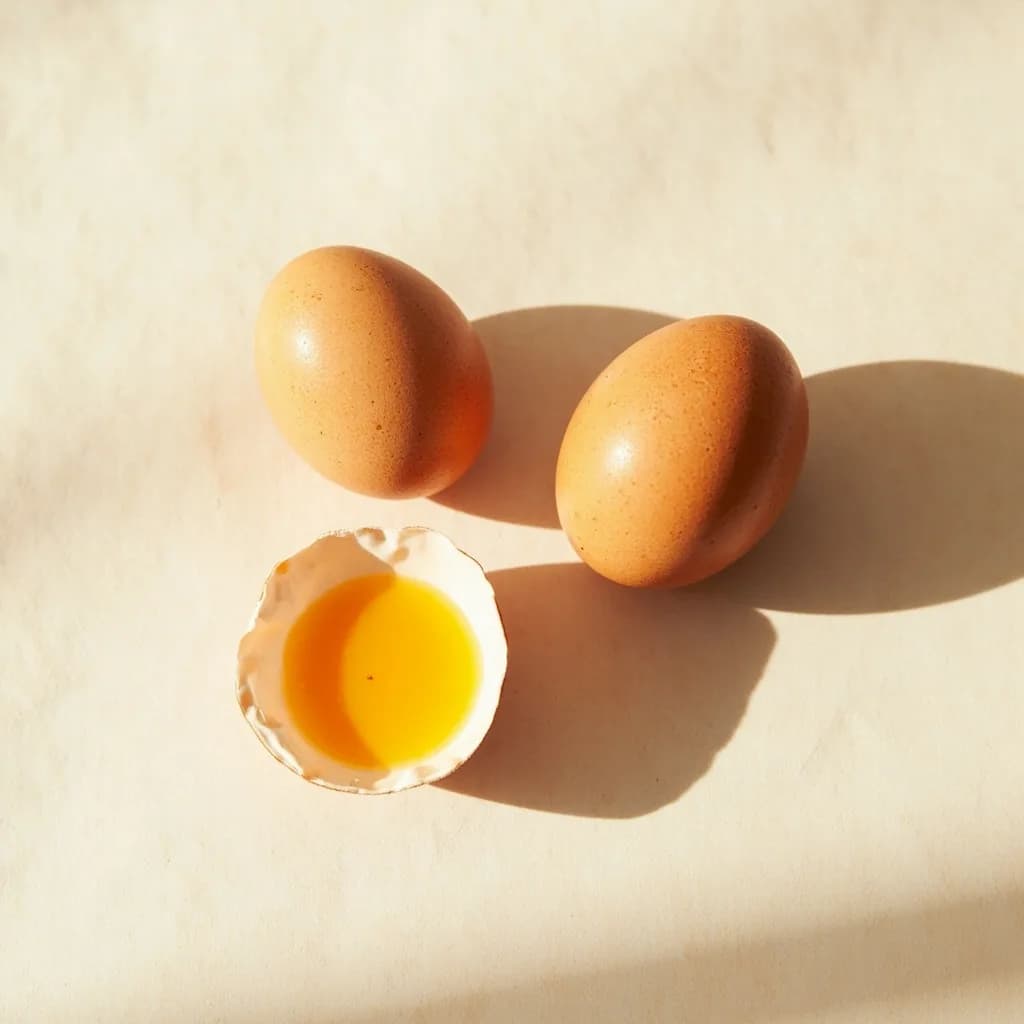
Egg
The kitchen's everything ingredient — bind, leaven, enrich, or fry
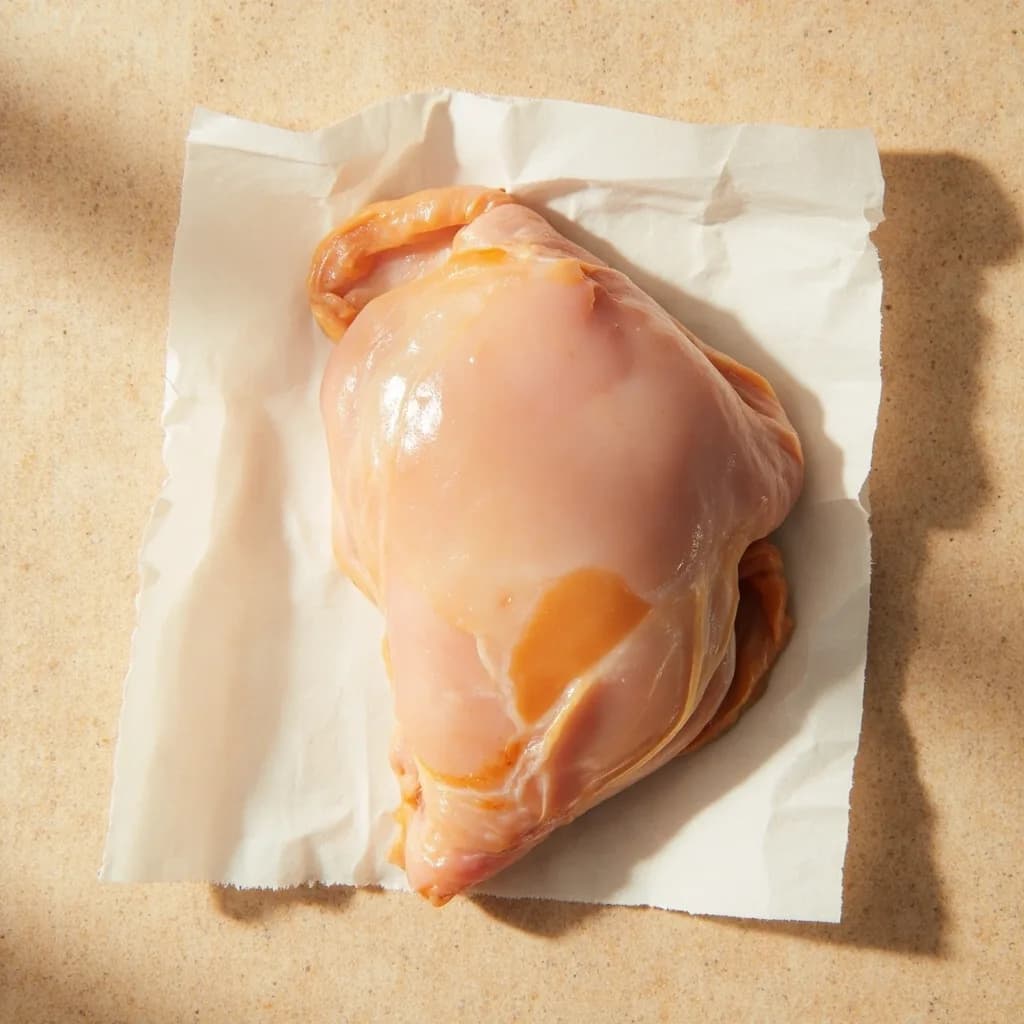
Chicken Breast
Lean, quick-cooking white meat for everyday dinners

Ground Beef
Versatile minced beef for burgers, ragù, tacos, and meatballs
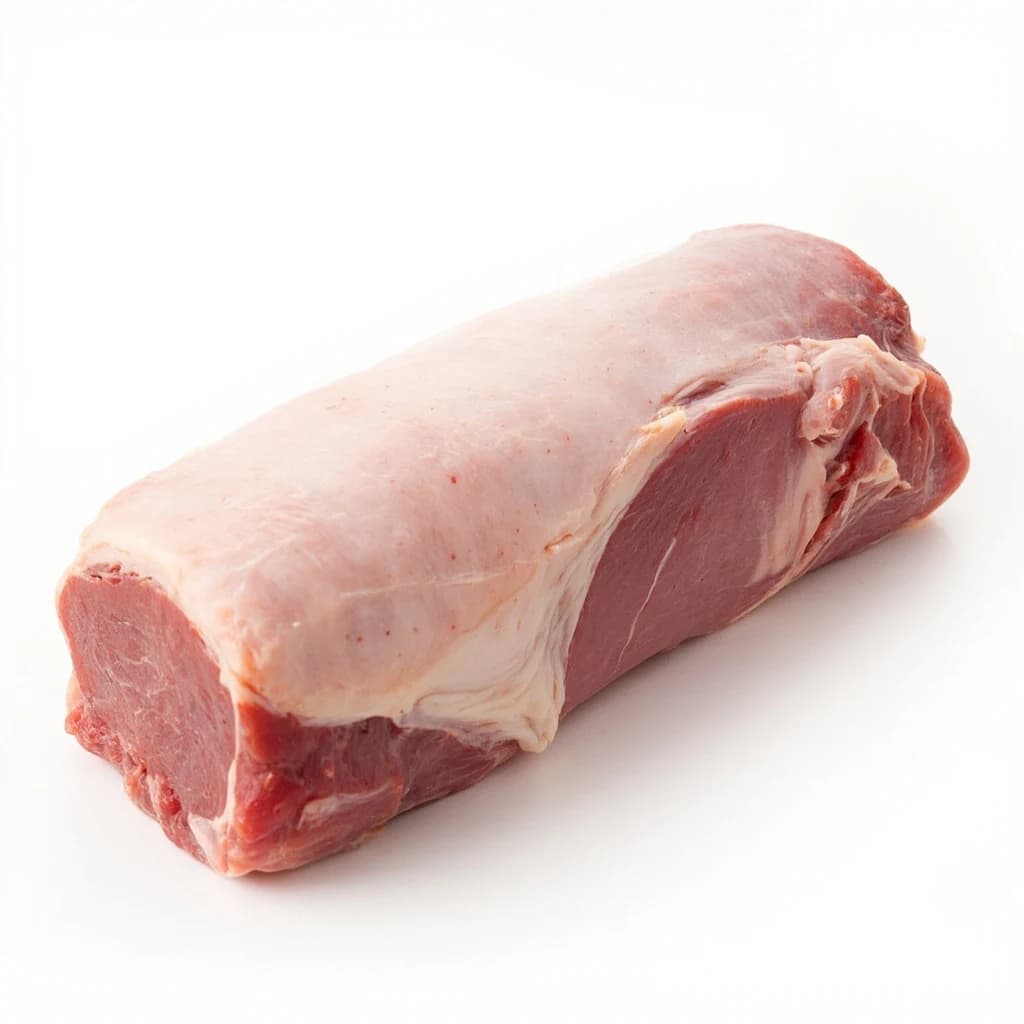
Pork Loin
Lean, tender roasting cut that stays juicy with care
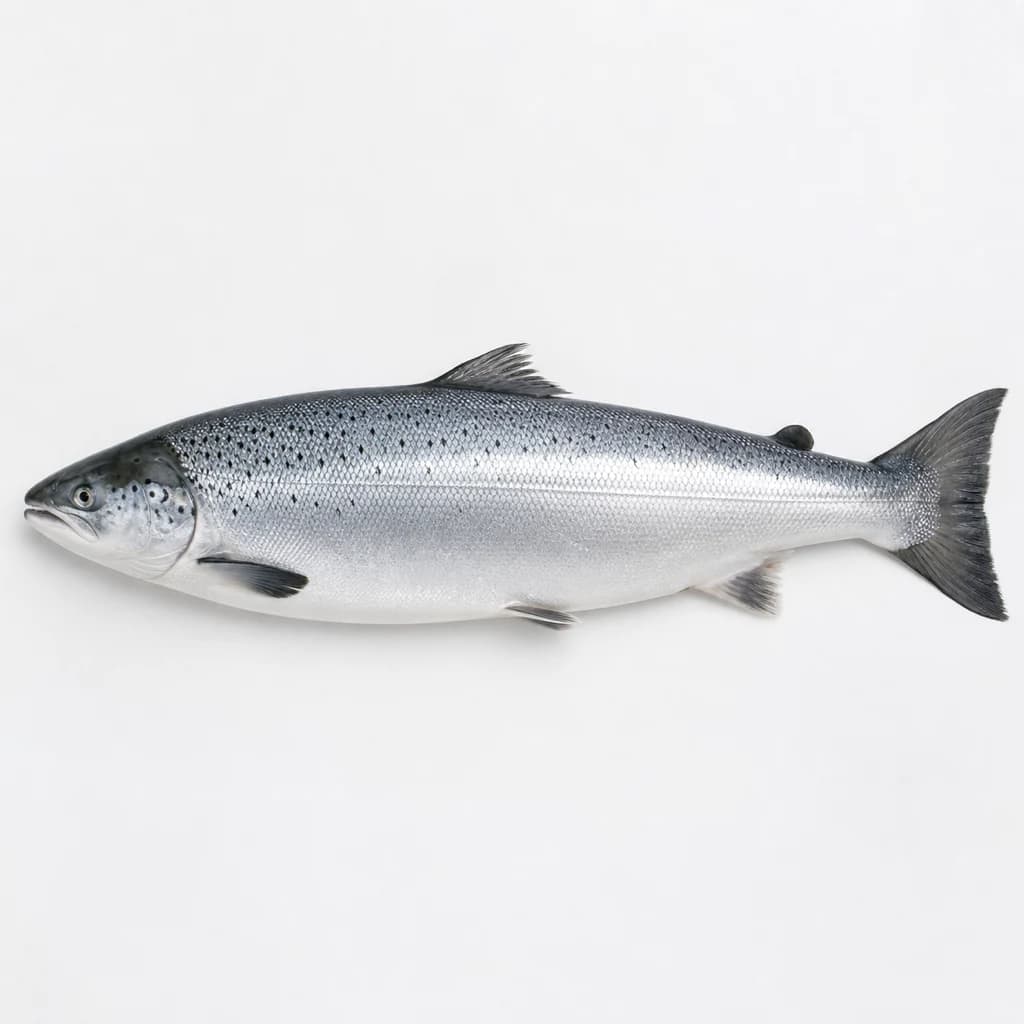
Salmon
Rich, rosy fish that roasts, grills, or cures beautifully

Egg White
Pure protein that whips to airy peaks for meringue and more

Egg Yolk
Rich, golden yolk for custards, mayonnaise, and pasta

Quail Egg
Tiny, speckled eggs for garnishing and elegant bites