
Stored
Fine pale yellow powder measured into a clear glass scoop, showing texture and color.
Shows exactly what the consumer sees and handles — the powder's color, fineness, and volume at point of use.
Proteins
Pea Protein Powder
Plant-based protein isolate from yellow peas, blended into shakes and baking.
Pea protein powder is a plant-based protein isolated from yellow split peas, popular as a vegan alternative to whey. It is stirred into smoothies, shakes and oatmeal, or added to baked goods and energy bars to boost protein. It has a neutral-to-earthy flavor and dissolves into liquids.
Pea protein powder is a functional plant-based protein isolate milled from yellow field peas (Pisum sativum), with major production in Canada, the United States, and France. It emerged as a mainstream supplement in the early 2000s to meet growing demand for dairy-free and soy-free protein sources. Unlike soy, it carries no common allergen designation for most populations, making it the preferred hypoallergenic choice in clinical nutrition and sports supplements alike.
The powder behaves differently from animal-based proteins in the kitchen. Its functional profile includes good emulsification and moderate water- and fat-binding capacity, though solubility is moderate—better in slightly acidic liquids below pH 6. The neutral to slightly acidic pH (6.0–7.5) makes it versatile for both sweet and savory applications. The most persistent challenge is texture: without proper hydration, pea protein produces a distinctly gritty mouthfeel that deters many home cooks. This grittiness dissolves noticeably when the powder rests in liquid for 2–3 minutes before use.
Nutritionally, pea protein offers a complete essential amino acid profile but falls short on methionine—the limiting amino acid in most plant-based protein combinations. For this reason, it pairs exceptionally well with rice protein, nuts, or seeds, which supply the methionine pea lacks. The flavor is mildly earthy with a faint beany note, considerably subtler than soy protein, and responds well to masking with acidic fruits, cocoa, vanilla, or warming spices.
- Measured in
- g
- Storage
- Pantry
Types & varieties
Most common form; highest concentration (85–90% protein); minimal carbs and fat; best for maximizing protein per serving
Lower protein (50–60%); retains more fiber and minerals; slightly earthier flavor; superior for baking over shakes
Generic umbrella term for both isolate and concentrate; no meaningful functional difference from standard pea protein
Rice protein's methionine complements pea protein's lysine, forming a complete amino acid profile; the most common commercial plant protein blend
Combines pea with hemp seeds; adds omega-3s and fiber; introduces a mildly nutty flavor
Understanding Pea Protein in Baking
When substituting pea protein for flour in baked goods, expect a denser texture and adjust liquid accordingly. Pea protein absorbs more moisture than wheat flour, so reduce liquid by 10–15% per replacement cup. Begin by replacing no more than 15–20% of the flour weight in a recipe—exceeding this threshold produces a crumbly, dry result that even skilled bakers struggle to salvage. Add pea protein at the end of dry ingredient mixing to minimize heat exposure, which can denature the protein and degrade both functional and nutritional properties.
- Start with 15–20% flour replacement; test and adjust from there
- Reduce liquid by 10–15% when adding significant amounts
- Add to dry ingredients last; minimize mixing time after incorporation
- Expect denser, more fragile crumb in bread and muffins
Common uses
Tips & pitfalls
- Hydrate before use: mix powder with liquid and let rest 2–3 minutes to reduce grittiness and improve mouthfeel before blending with other ingredients
- Combine with rice protein or another methionine-containing protein if using as a primary protein source; pea alone is not nutritionally complete for most diets
- Avoid direct addition to hot liquids; clumping is nearly certain—always start with room-temperature or cold liquid and hydrate first
- Use slightly acidic mixers (orange juice, lemon water, or a squeeze of citrus) to improve solubility and round out the mild beany flavor
- Whisk vigorously or use a shaker bottle rather than a spoon for lump-free shakes; lumps from improper mixing are a common complaint that proper technique prevents
- Store in an airtight container away from heat and sunlight; opened bags are prone to rancidity due to residual fat content in the powder
- When baking, add pea protein at the end of dry ingredient mixing to minimize denaturation from excessive heat exposure
- Commercial blends with added sunflower lecithin or xanthan gum disperse more smoothly than pure isolate—check the ingredient list if texture is a priority
- Expect denser texture when substituting for flour; do not exceed 20% replacement in quick breads or cakes without testing first
Nutrition
Nutrition
No USDA FoodData Central match for Pea Protein Powder yet. We surface a per-100 g profile once a generic whole-food entry is matched and verified.
In the shops
Matched grocery products
No matched grocery products for Pea Protein Powder yet.
Good to know
- Source
- Yellow field peas (Pisum sativum); primarily grown in Canada, the U.S., and France
- Protein Content
- 80–90% protein by weight (isolate); 50–60% (concentrate)
- Typical Serving
- 25–30 g protein per 30–33 g scoop
- Amino Acid Profile
- Complete essential profile; low in methionine—pair with rice, nuts, or seeds for completeness
- Flavor
- Mildly earthy, faintly beany; less pronounced than soy; easily masked
- Texture Challenge
- Gritty if unprepared; smooths with 2–3 minute hydration in liquid
- Allergen Status
- Free from gluten, dairy, eggs, soy, and nuts (verify brand for cross-contamination)
- Shelf Life
- 12–18 months sealed; 3–6 months after opening when stored cool and dry
Substitutes
- Soy Protein Isolate — Comparable protein content (90%) and functional properties; nut-free and typically lower cost; the best all-around functional match; unsuitable for soy-free diets
- Hemp Protein Powder — Lower protein (50%) but adds omega-3s and fiber; nuttier flavor; better for baking than shakes; mixes easily without the grittiness pea protein can exhibit
- Brown Rice Protein Isolate — Similar protein content (80–85%); grainy texture and mild flavor; complements pea protein well as a blend rather than serving as a 1:1 substitute
- Chickpea Protein (Besan/Gram Flour) — Lower protein per serving but excellent binding and mild flavor; better for savory applications; works as a 1:1 replacement in burger patties
- Sunflower Seed Protein — Good protein content (65–70%); slightly nutty flavor; works well in baking; can turn greenish when mixed with alkaline ingredients like baking soda
- Lentil Protein — Comparable amino acid profile to pea; similar functional properties; less widely available as isolated powder; harder to source
- Mixed Plant Protein Blend — Combines pea, rice, hemp, and sometimes sacha inchi; nearly complete amino acid profile; most versatile direct substitute for daily protein supplementation
Pairs with
Also called
Vegan Protein Powder
Related
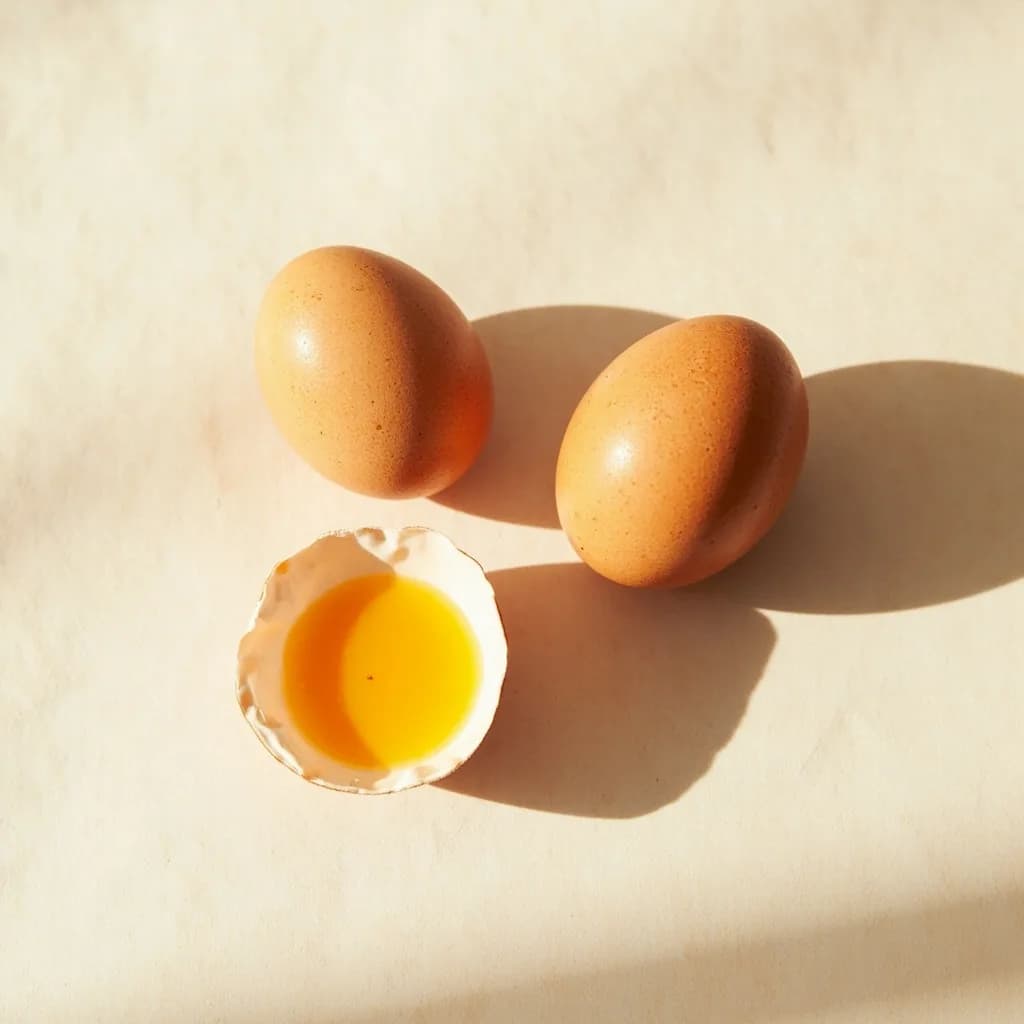
Egg
The kitchen's everything ingredient — bind, leaven, enrich, or fry
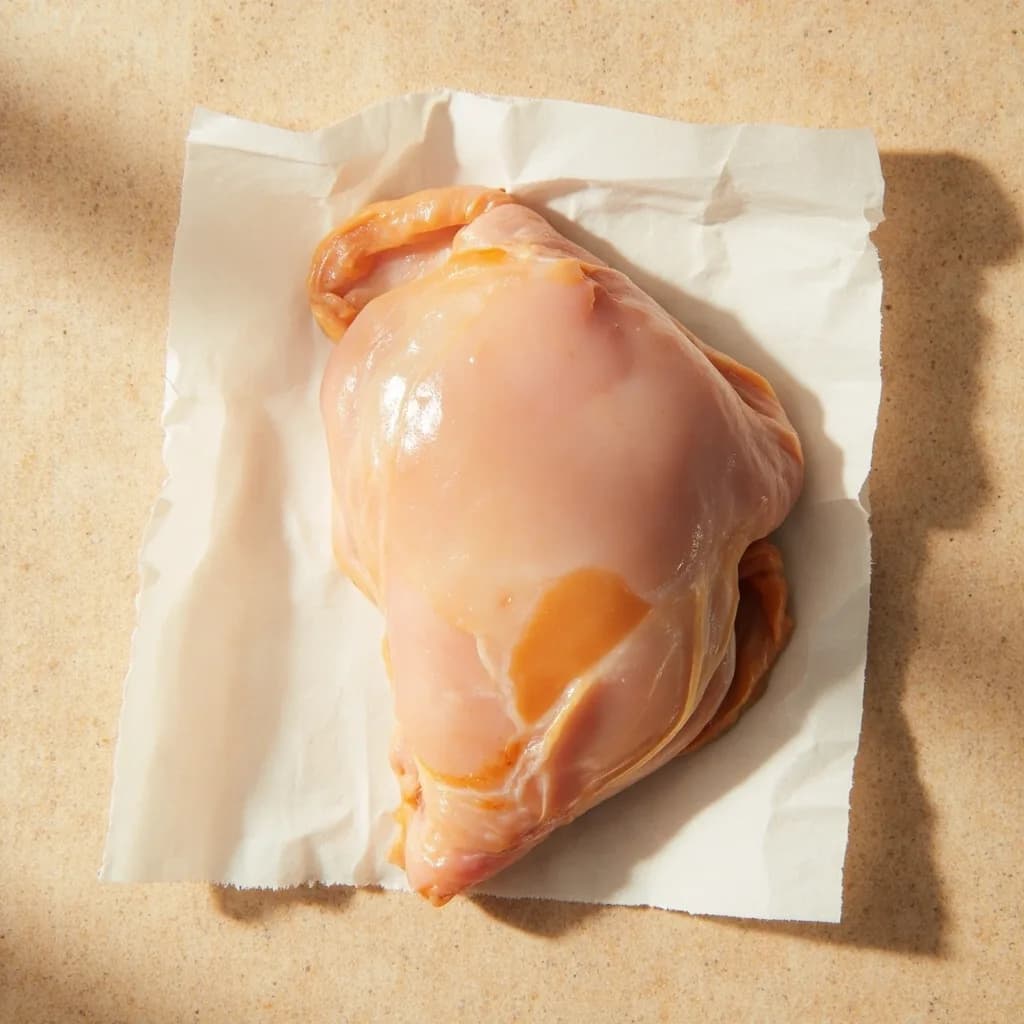
Chicken Breast
Lean, quick-cooking white meat for everyday dinners

Ground Beef
Versatile minced beef for burgers, ragù, tacos, and meatballs
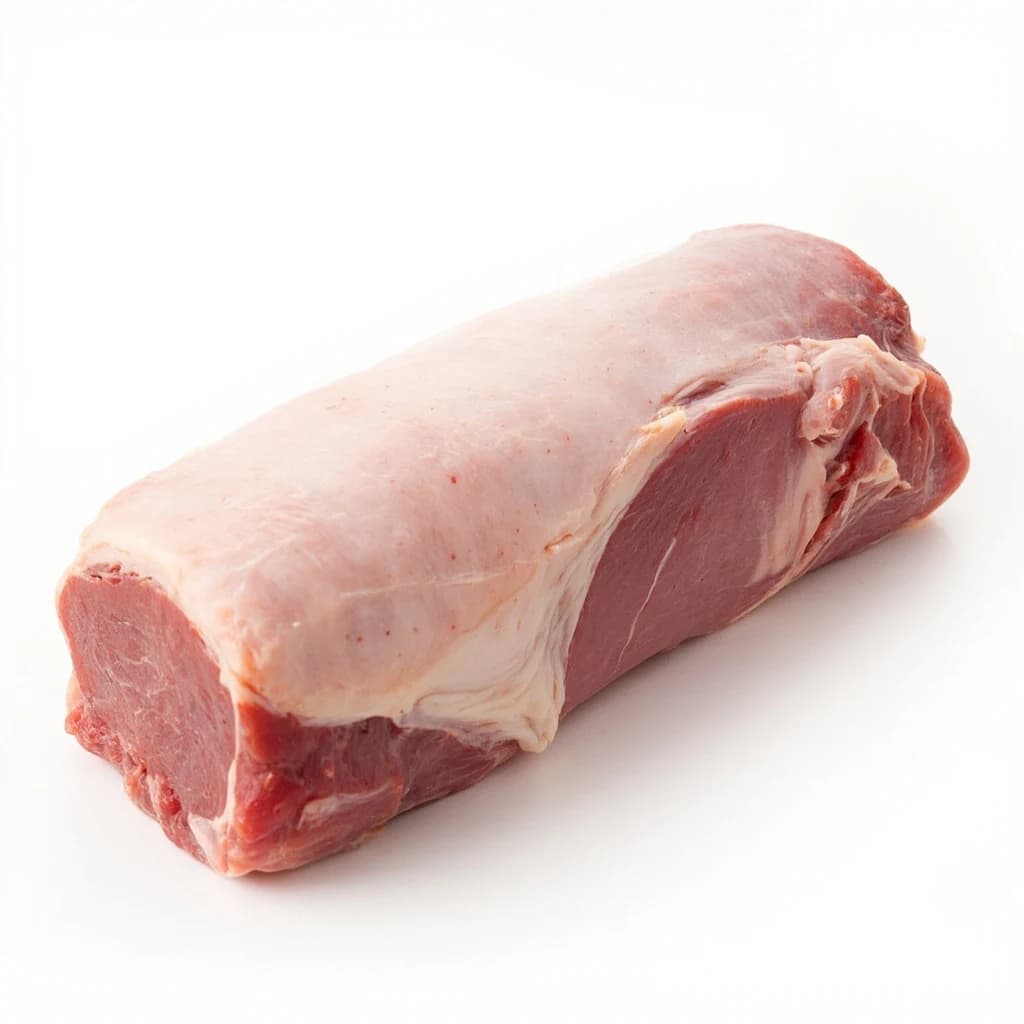
Pork Loin
Lean, tender roasting cut that stays juicy with care
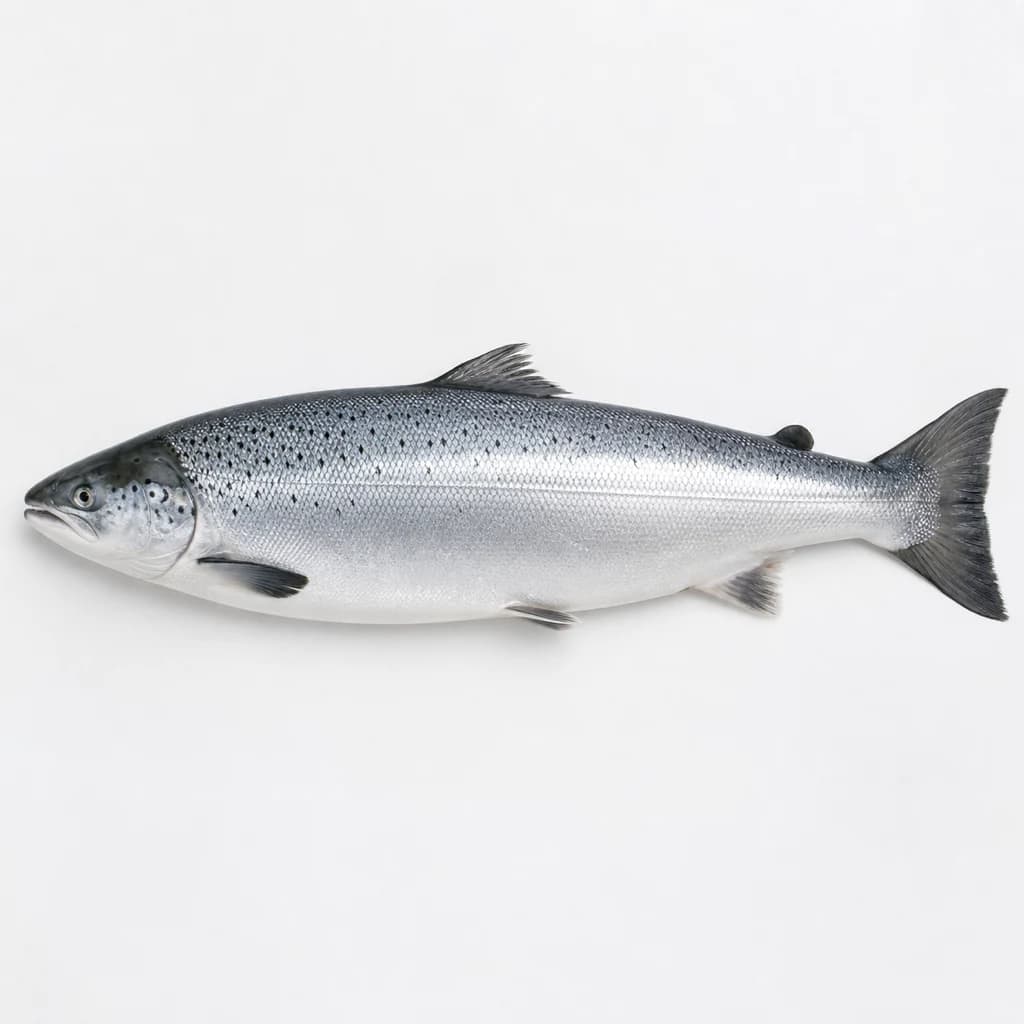
Salmon
Rich, rosy fish that roasts, grills, or cures beautifully

Egg White
Pure protein that whips to airy peaks for meringue and more
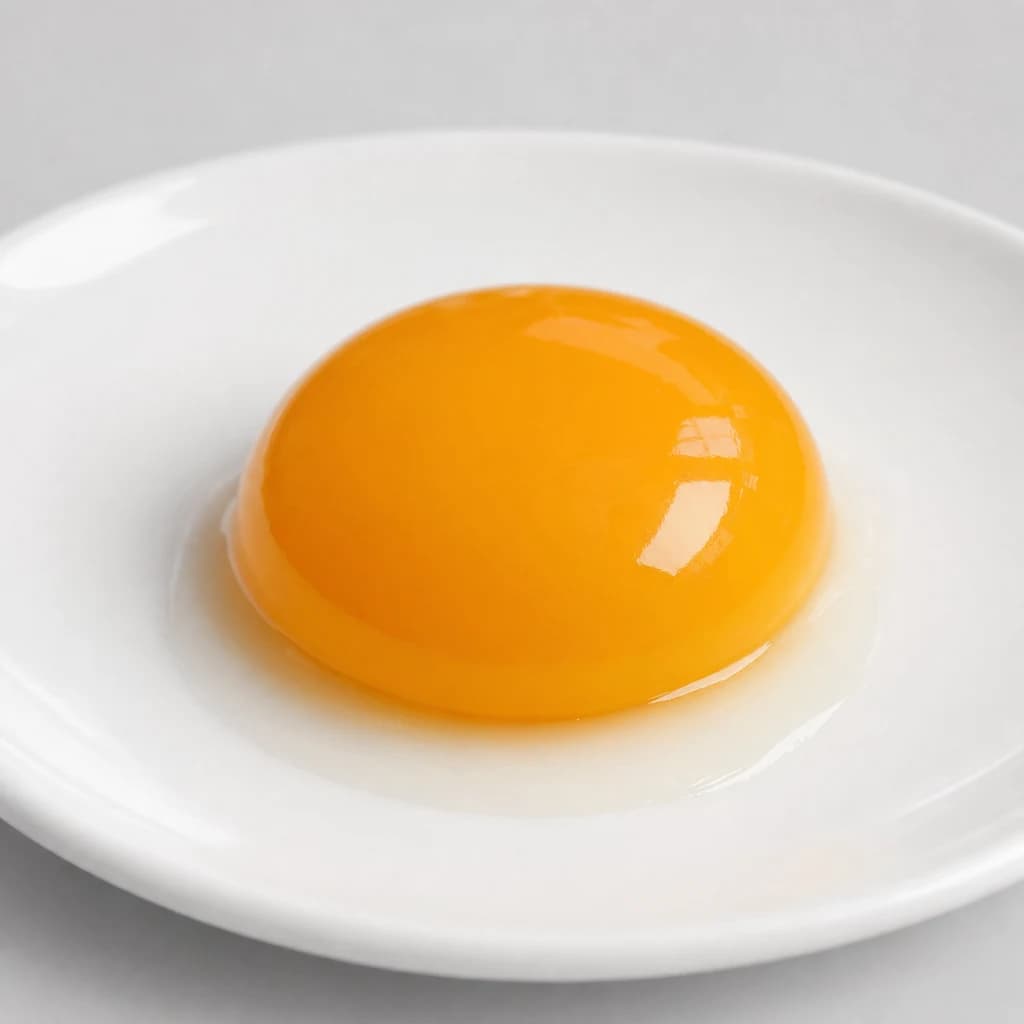
Egg Yolk
Rich, golden yolk for custards, mayonnaise, and pasta

Quail Egg
Tiny, speckled eggs for garnishing and elegant bites