Grains & Rice
Wheat Noodles
Springy noodles made from wheat flour, the backbone of countless Asian soups and stir-fries.
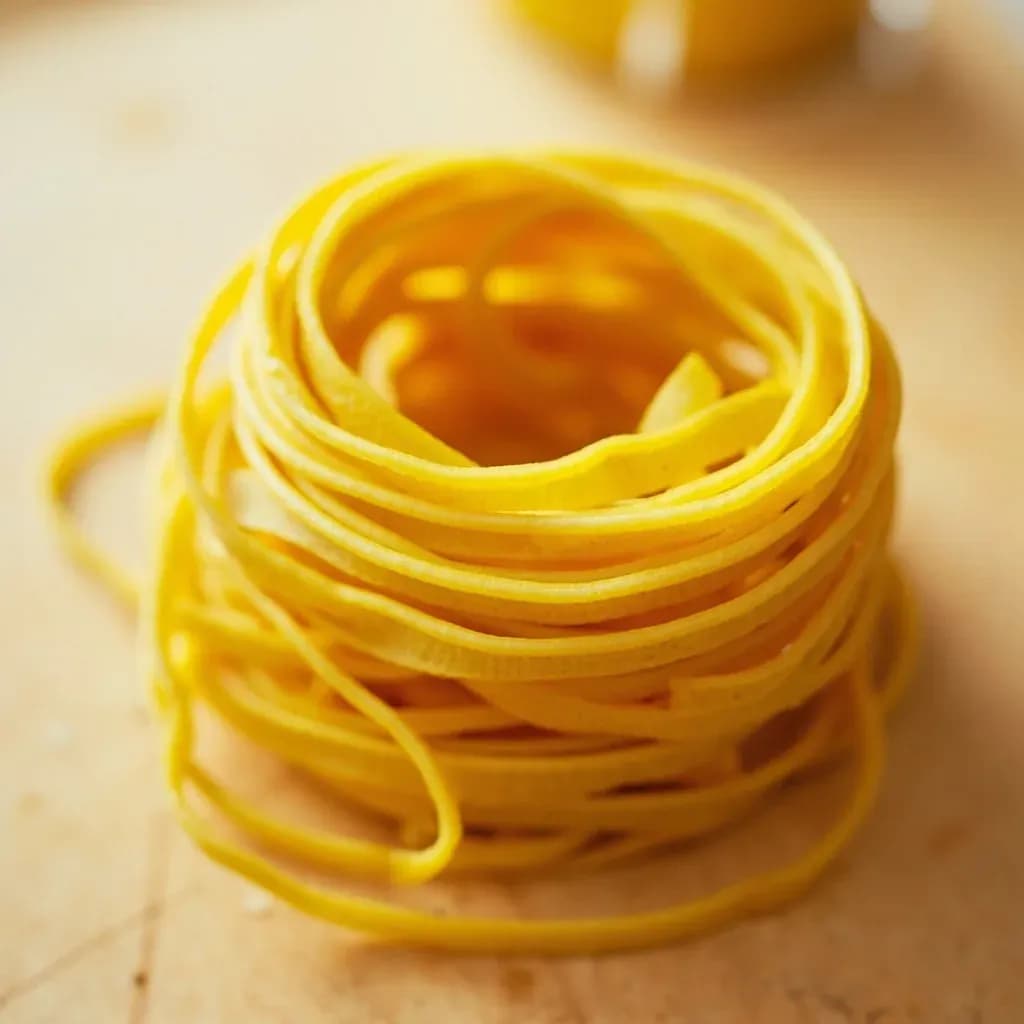
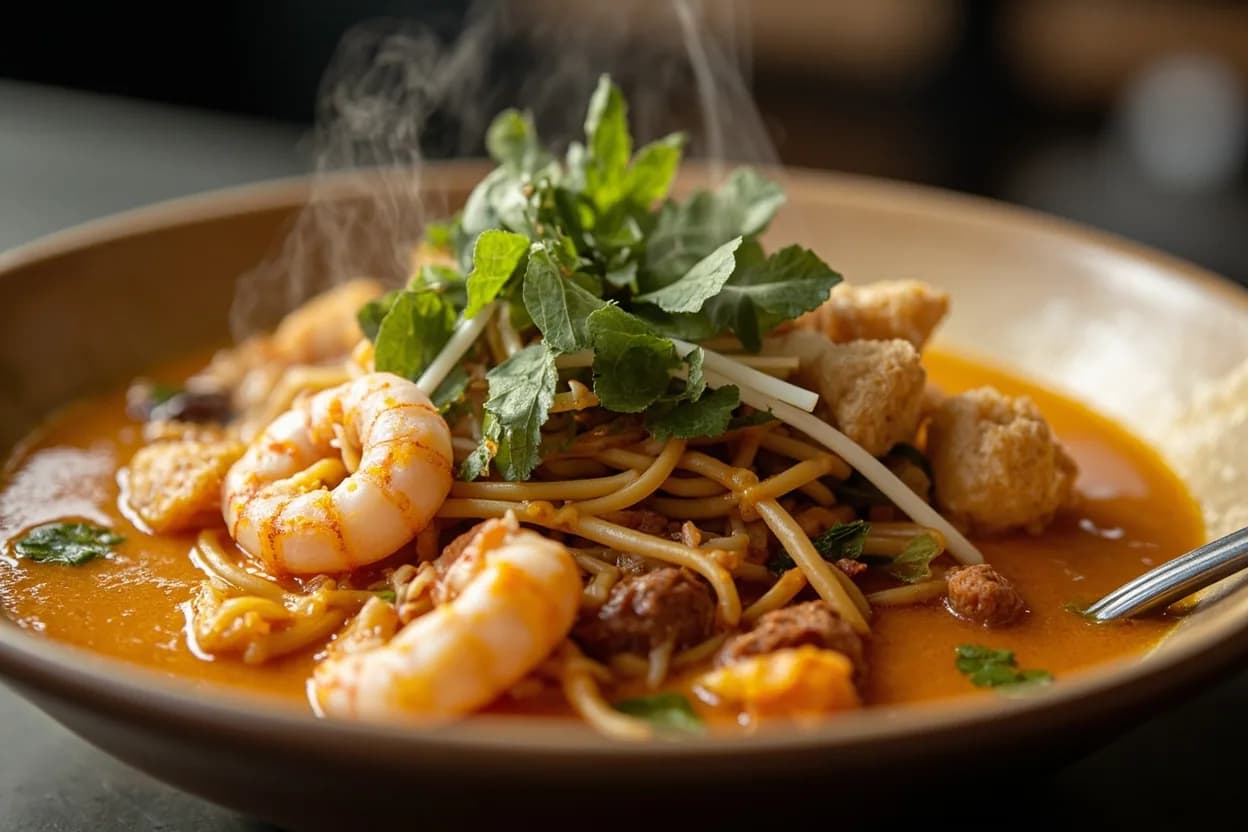
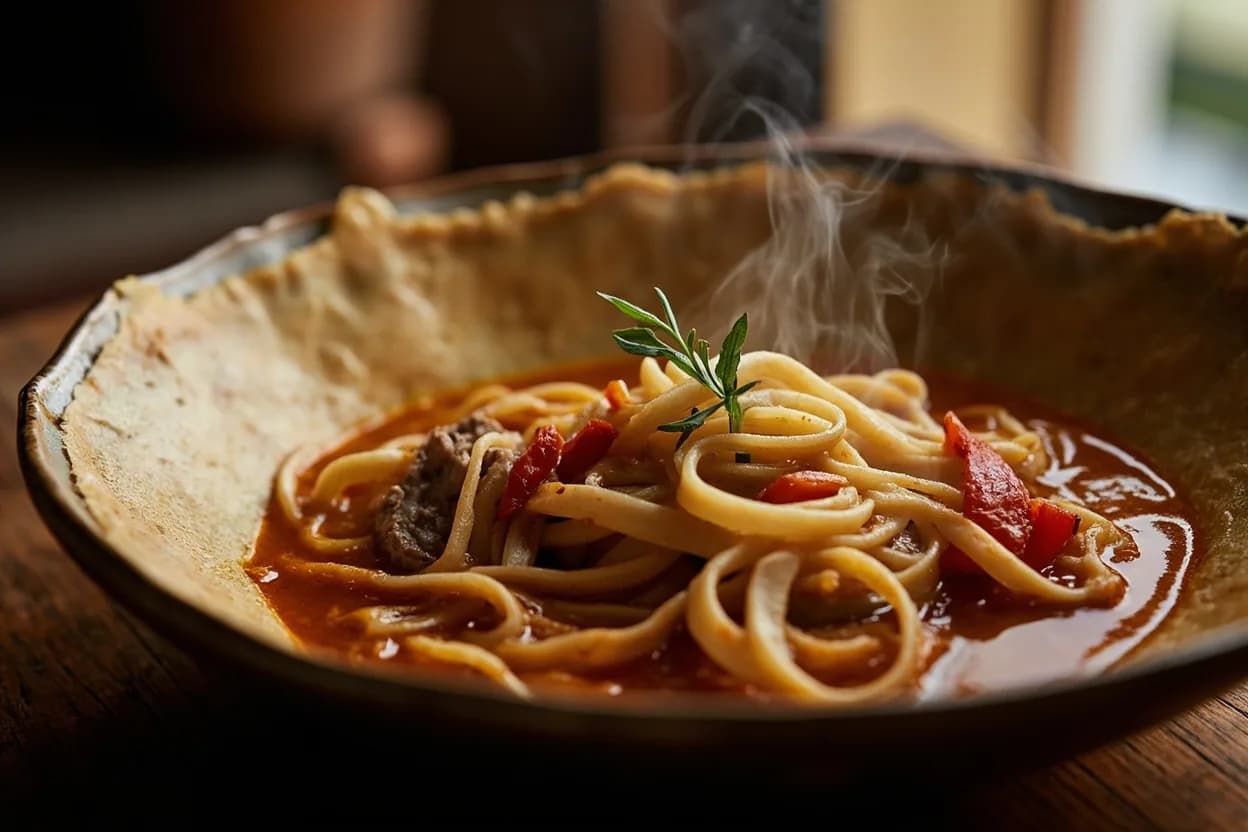
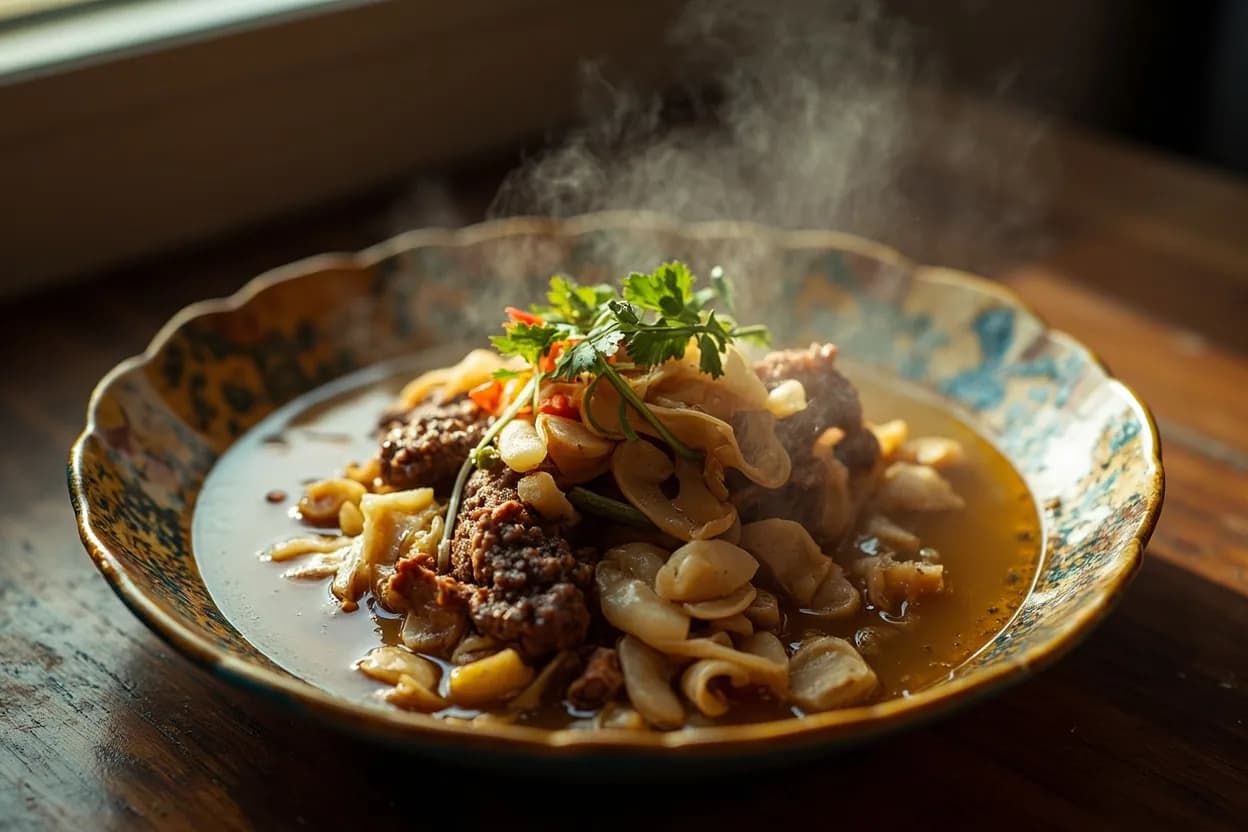
Wheat noodles are made from wheat flour and water (often with egg or alkaline salts) and come fresh or dried in many widths. They appear in dishes from Burmese khauk swe and Malaysian mee kuning to Chinese lamian, served in broth, tossed in sauce, or stir-fried. Alkaline versions (yellow noodles) get a firmer bite and golden color from kansui.
Wheat noodles are the most widely consumed noodle type across East and Southeast Asia, unified by the gluten network that forms when wheat flour meets water. This protein structure—built from gliadin and glutenin—creates the signature chew, spring, and resilience that distinguishes a well-made wheat noodle from its rice or mung bean counterparts. The gluten development is not incidental; it is the structural foundation that allows noodles to hold their shape in broth, absorb sauce without dissolving, and provide the satisfying bite that makes these noodles the backbone of countless soups, stir-fries, and cold dishes.
Beyond basic flour and water, regional traditions employ two distinct approaches to noodle character. Alkaline noodles—ramen with kansui, some hand-pulled lamian—introduce mineral salts that alter gluten structure, producing a firmer, more elastic bite and a distinctive yellow tint. Egg noodles incorporate whole eggs or yolk, adding richness and a slightly more tender interior. Fresh wheat noodles from Asian markets outperform dried noodles in hot soup applications because the higher moisture content creates a more tender, absorbent texture—but they demand precise timing, as they overcook quickly and spoil within days.
The most common failure with wheat noodles is overcooking. Unlike pasta, which is often cooked to softness, wheat noodles should retain perceptible resistance at their core when bite-tested; they will continue cooking in hot broth or sauce even after draining. For stir-fries, crowding the wok steams rather than fries, producing sticky, clumped noodles instead of the desired light char and separation. Understanding these behaviors transforms wheat noodles from a simple starch into a vehicle for texture, flavor, and technique.
- Measured in
- g
- Storage
- Pantry
Allergens
Types & varieties
Japanese wheat noodles made with kansui (alkaline mineral water) or egg; yellow color, chewy texture, designed for brothy soups; fresh ramen lasts only 1–2 days refrigerated
Thick, soft, white Japanese wheat noodles; pliant texture from low-protein flour and generous water content; used in hot soups, nabemono, or cold dipping dishes
Medium-thick round Japanese noodles; firmer than udon but softer than somen; often served cold in summer with dipping broth
Very thin, white Japanese wheat noodles; delicate texture; traditionally served cold with dipping sauce in summer; cooks in 2–5 minutes
Chinese-American term for stir-fried wheat noodles; can be crispy (pan-fried dry) or soft (saucy); typically medium thickness with wavy edges
Tossed Chinese wheat noodles; softer than chow mein, not crispy; coated with sauce rather than fried hard
Fresh noodles scraped directly from a fermented dough cylinder; irregular width, rustic chew; served in northern Chinese soups
Hand-pulled wheat noodles with layers that create visible strands; served in soups or stir-fries; signature chew and irregular thickness
Thick flat Chinese wheat noodles popular in Southeast Asia; slightly chewy; used in noodle soups or braised dishes
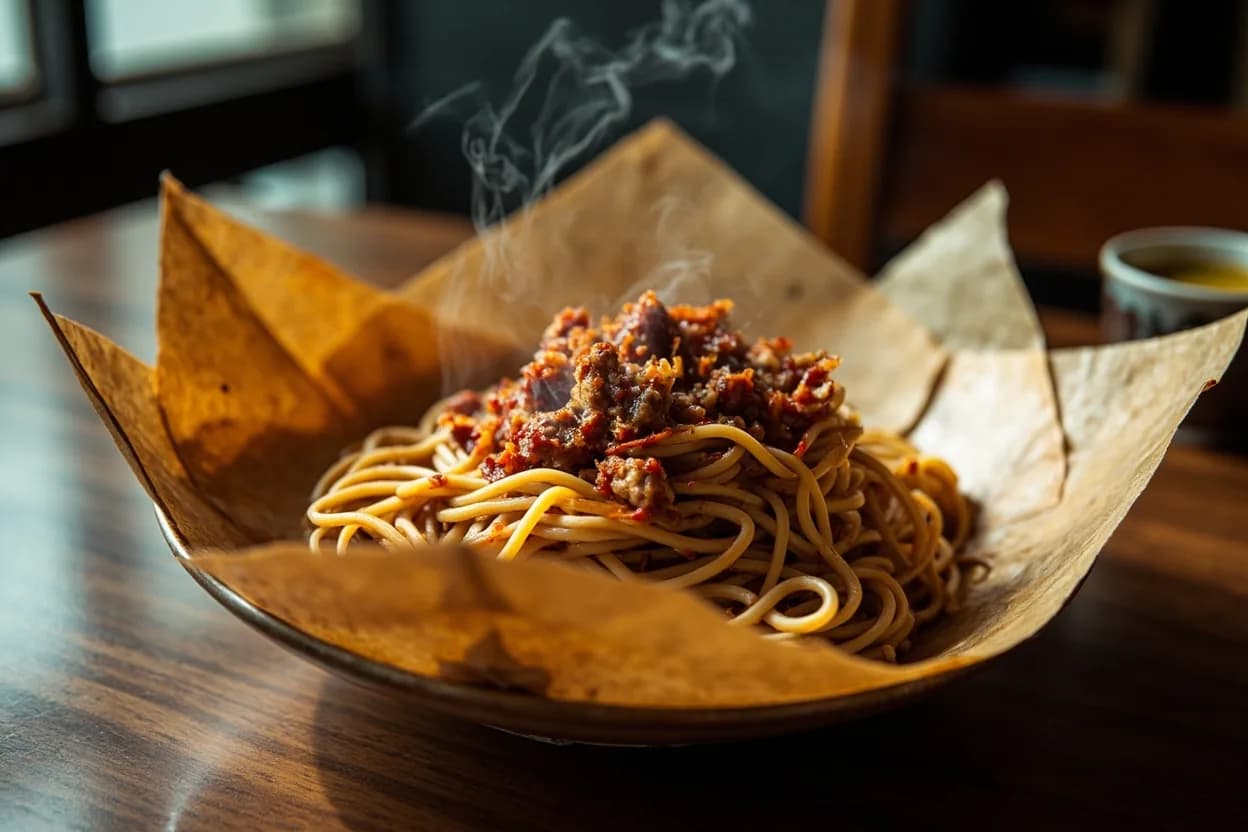
Wheat noodles served with spicy, numbing sauce featuring Sichuan peppercorn, chili oil, and ground pork; can be served warm or at room temperature
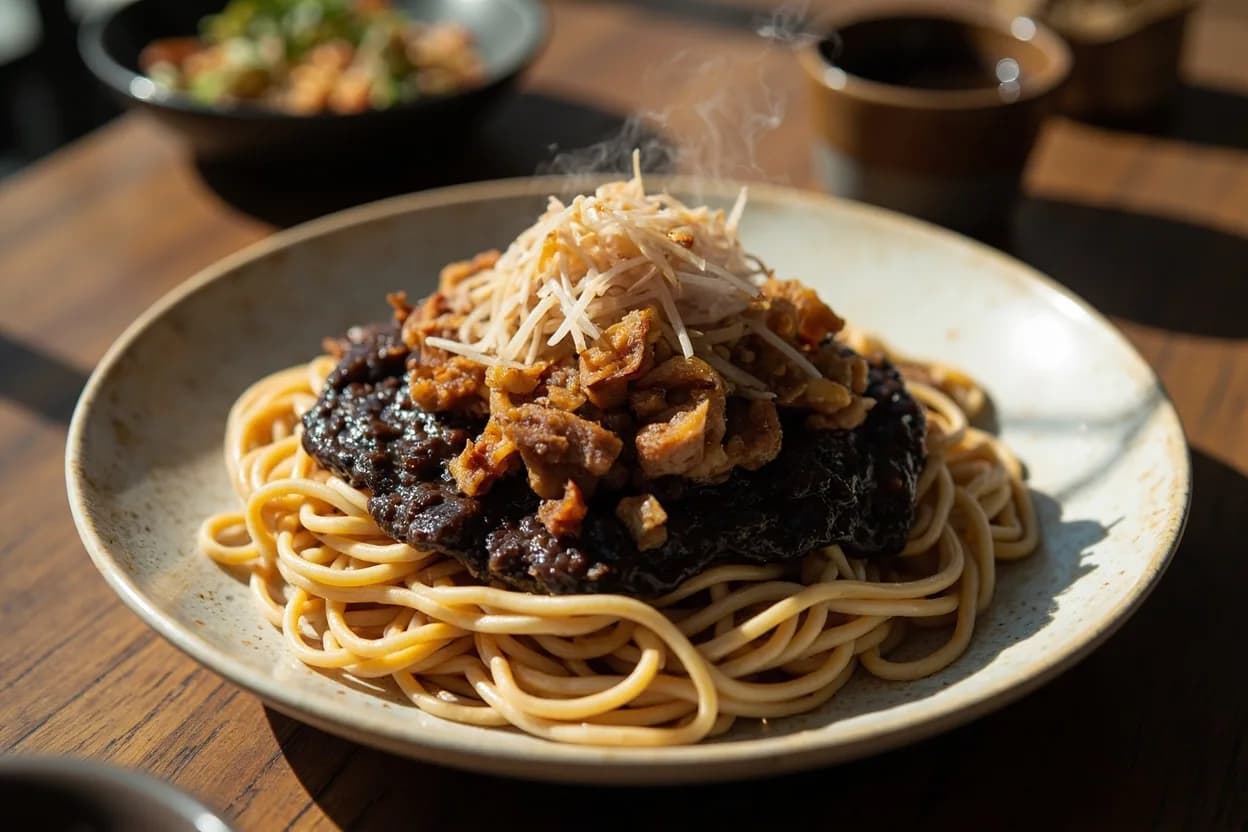
Korean wheat noodles topped with chajang, a savory-sweet black bean sauce; traditionally uses thick, chewy noodles
Fresh vs. Dried: Choosing the Right Wheat Noodle
The choice between fresh and dried wheat noodles affects cooking time, texture, and final dish quality. Fresh noodles (found in Asian grocery refrigerated sections or made at home) have higher moisture content and a tender, slightly yielding texture ideal for hot soups where they absorb broth gracefully. They cook in 2–7 minutes depending on thickness and should be used within a week of purchase. Dried wheat noodles have a longer shelf life and a firmer, more resilient texture better suited to stir-fries where they need to hold up to high heat and sauce without becoming mushy. For stir-fries, dried noodles can be par-cooked until just under al dente and finished in the wok; fresh noodles go directly from colander to hot wok with less margin for error.
- Fresh noodles superior for brothy soups; dried noodles better for stir-fries requiring firm texture
- Frozen fresh noodles last up to 3 months; thaw overnight in refrigeration before cooking
- Never use fresh noodles directly from the refrigerator in stir-fries—their cold temperature drops wok temperature significantly
Alkaline Noodles: The Science of Kansui
Kansui—the alkaline mineral water used in ramen and some hand-pulled noodle traditions—performs a chemical transformation that flour alone cannot achieve. The elevated pH (typically 8.5–9.5) modifies gluten proteins, making them more extensible and less prone to breaking under stretch. This produces noodles with a firmer bite, greater elasticity, and a characteristic yellow color that intensifies with alkalinity. The taste registers as slightly mineral and distinctively wheaty. Alkaline noodles should never be rinsed after cooking; doing so washes away the surface kansui that contributes both color and texture. For homemade alkaline noodles, a solution of baked baking soda (sodium bicarbonate heated to 250°F/120°C for 30–60 minutes) or food-grade lye water (potassium carbonate) reproduces the effect of traditional kansui.
- Kansui creates firmer, more elastic noodles with a yellow tint
- Never rinse alkaline noodles—washing removes the surface agents that create their character
- Baked baking soda at home can approximate kansui's effects
Common uses
Tips & pitfalls
- Cook dried wheat noodles in aggressively boiling water; adding noodles to cold water produces a gummy result.
- Test for doneness 1–2 minutes before package time; noodles continue cooking from residual heat and in hot sauce or broth.
- Shock or rinse fresh-cooked noodles under cold running water to halt cooking and prevent clumping—essential for stir-fries and cold dishes. Do not apply this step to alkaline noodles such as ramen.
- Toss drained noodles with a small amount of neutral oil immediately after rinsing if not adding to sauce right away; this prevents sticking.
- For stir-fries, par-cook noodles until just under al dente (70–80% done), then finish in the wok where they absorb sauce without overcooking.
- Alkaline noodles (ramen, some hand-pulled styles) should never be rinsed—rinsing washes away the kansui that creates their characteristic color and chew.
- Fresh noodles from Asian markets (not dried) have significantly shorter cooking times—2 to 4 minutes for thin to medium cuts, 5 to 7 for thick udon-style.
- Dried noodles expand 2–3x their dry volume when cooked; account for this when portioning.
- If using wheat noodles in place of rice noodles in soups, note that wheat noodles will absorb broth more readily and become soft faster—eat promptly.
Nutrition
Energy
1971 kJ · per 100 g
Where the calories come from
Protein
10.9g
22% DV
Carbs
63.6g
23% DV
Fat
21.2g
27% DV
Fiber
6.7g
24% DV
Sugars
0g
of which
Sodium
866mg
38% DV
Source · USDA FoodData Central · approx. Noodles, chinese, chow mein
View on FDC →In the shops
Matched grocery products
No matched grocery products for Wheat Noodles yet.
Good to know
- Primary Ingredients
- Wheat flour, water, salt; may include eggs or alkaline salts (kansui)
- Origin
- East Asia, with documented consumption in China dating to at least 4,000 years ago
- Typical Widths
- Extra thin (1mm), thin (1.5–2mm), medium (2–3mm), thick (3–4mm+)
- Shelf Life (Dried)
- 12–24 months in sealed packaging, away from heat and moisture
- Shelf Life (Fresh/Refrigerated)
- 7–14 days; frozen up to 3 months
- Key Texture Property
- Elasticity and chew from gluten development and, in some styles, alkaline agents
- Protein Content
- 8–14% depending on flour grade; higher protein produces a firmer, more resilient noodle
- Common Formats
- Straight, wavy, crinkled, rounded, flat, or folded strands; sold fresh, dried, or frozen
Substitutes
- Egg Noodles — Direct substitute for most wheat noodle applications; richer flavor and slightly more tender texture; avoid in clear broth soups where yellow color may be unwanted
- Pasta (Spaghetti, Linguine) — Acceptable emergency substitute for lo mein or chow mein; cook to firm al dente as wheat noodles are typically softer; Asian wheat noodles are less dense than Italian pasta
- Soba (Buckwheat Noodles) — Works in cold noodle dishes and soups but has distinct nutty, earthy flavor that changes the character of the dish; not ideal for saucy stir-fries
- Glass/Zeal Noodles (Cellophane Noodles) — Made from mung bean starch; completely different texture (soft and slippery) and neutral flavor; acceptable only in specific preparations like Korean japchae
- Rice Noodles (Fresh or Dried) — Milder flavor and softer, more fragile texture; acceptable in soups and stir-fries but not as a structural substitute; thin rice vermicelli used cold more often than in hot dishes
- Chickpea Flour Noodles (Soba-style brands) — Some brands labeled 'soba' contain only chickpea flour, no wheat; these are viable for wheat-free diets but have different cooking behavior and flavor
Pairs with
Also called
面条 · Wheat Noodle · Khauk Swe · Yellow Noodle · Mee Kuning
Appears in these dishes
Related

White Rice
Fluffy long-grain rice — the neutral base for almost any meal

White Bread
Soft sandwich loaf for toast, sandwiches, and crumbs
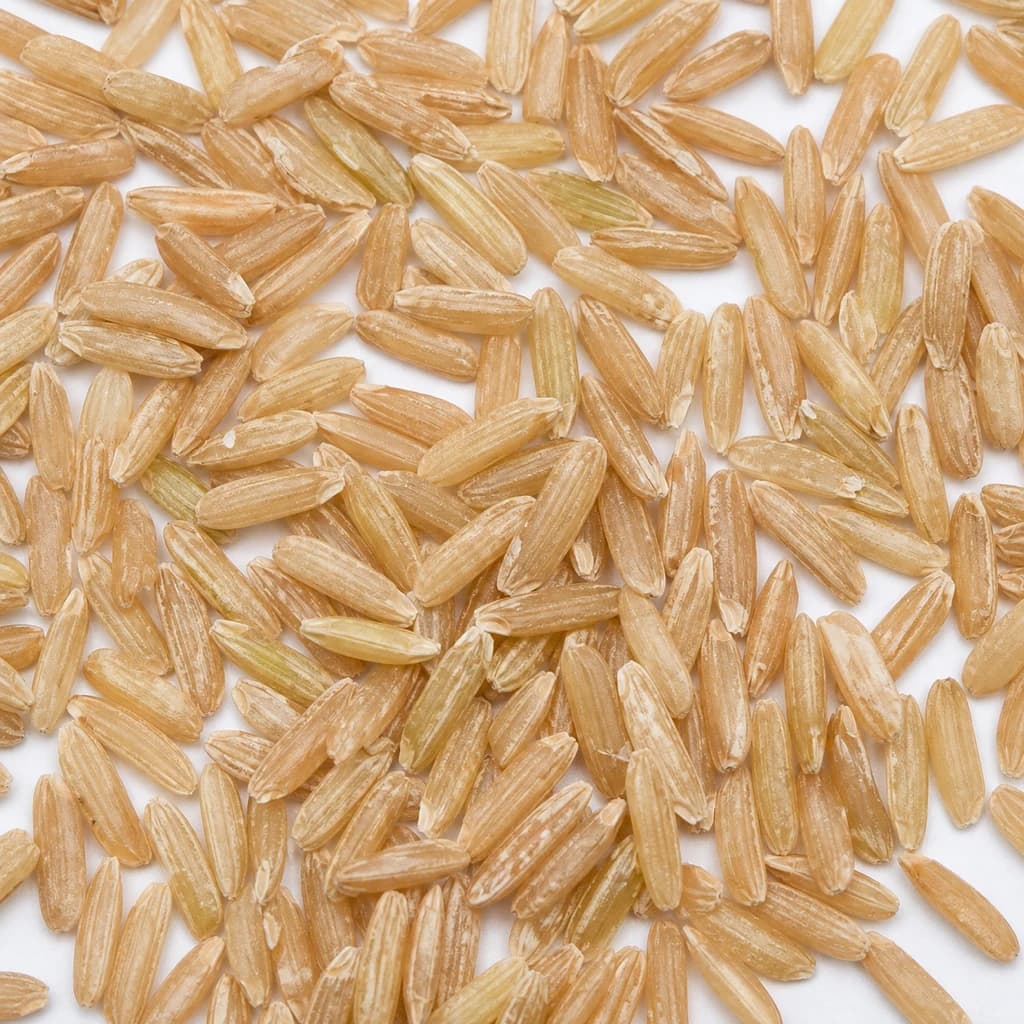
Brown Rice
Nutty, whole-grain rice with chew and extra fiber

Basmati Rice
Fragrant, long-grain rice that cooks up light and separate
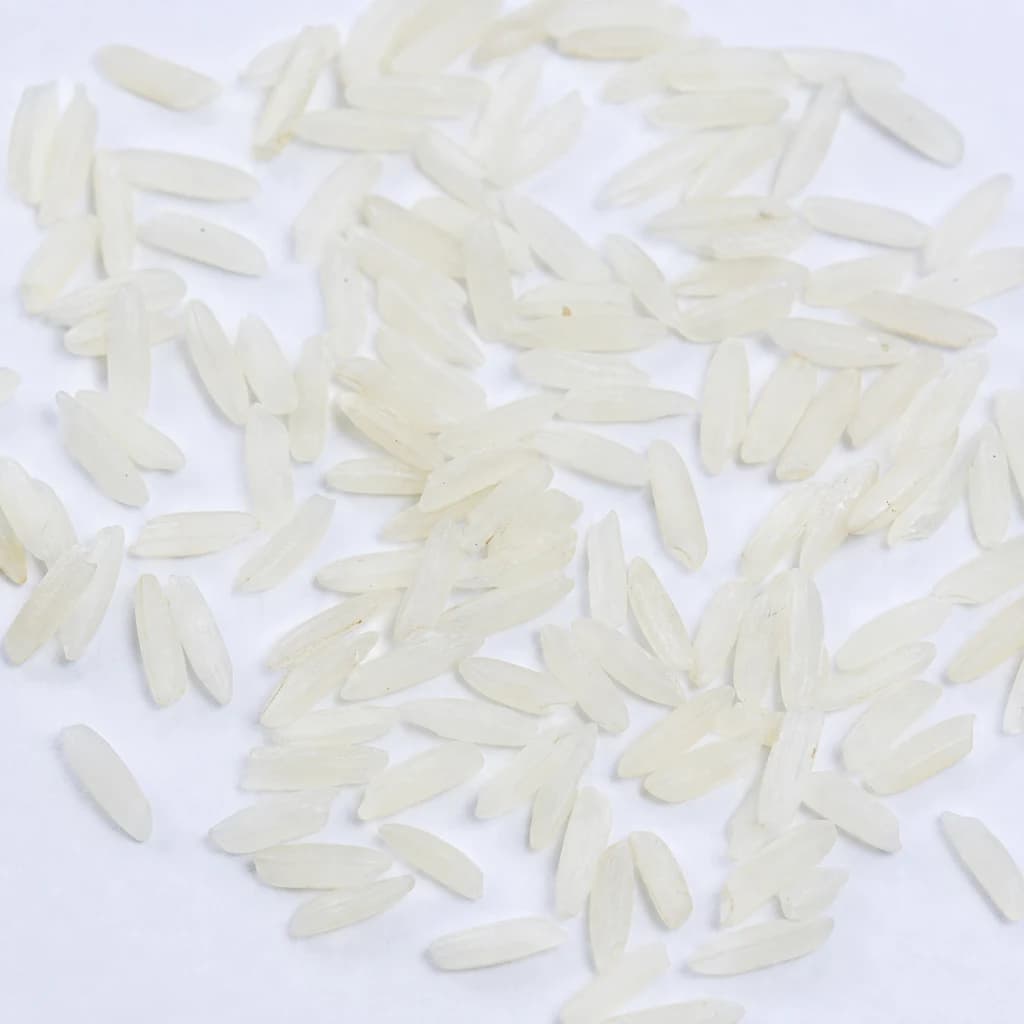
Jasmine Rice
Soft, floral-scented rice that's the pillar of Thai meals
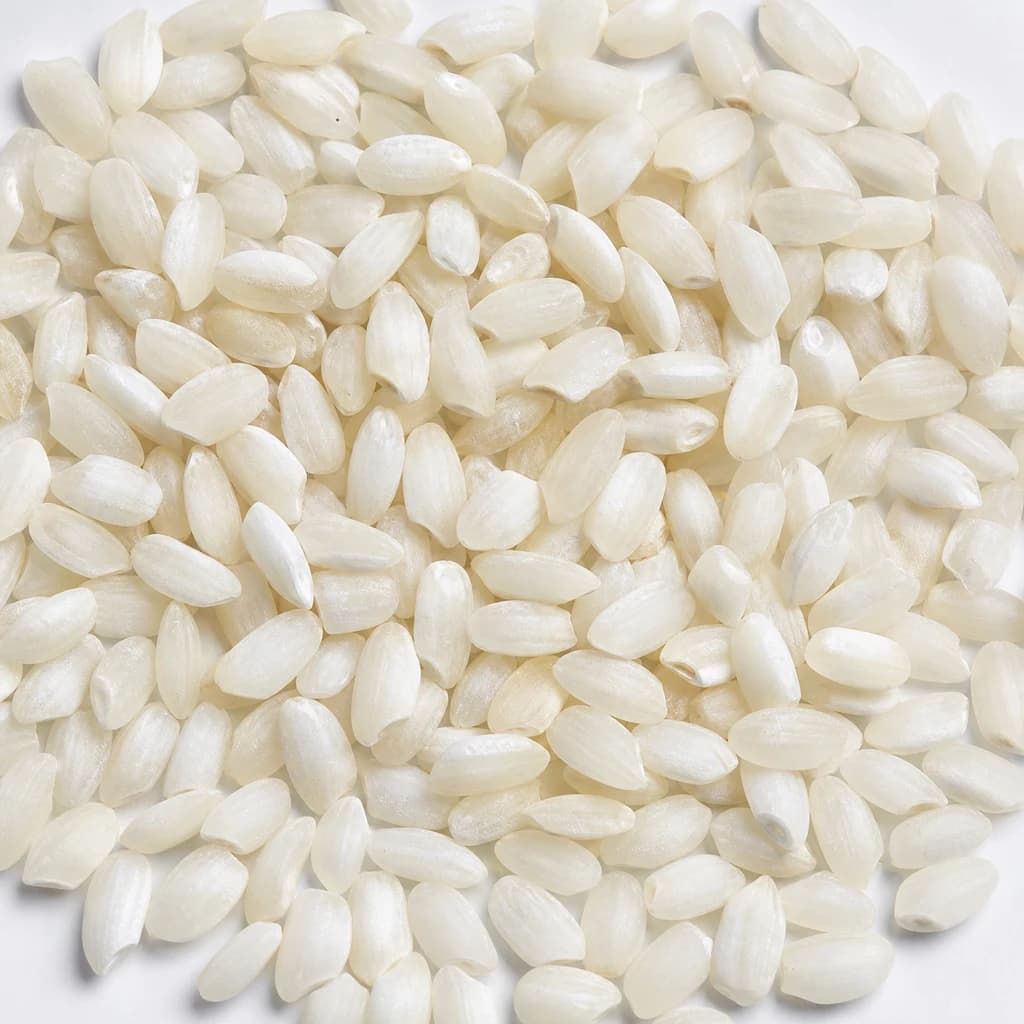
Arborio Rice
Plump, starchy rice that makes risotto creamy
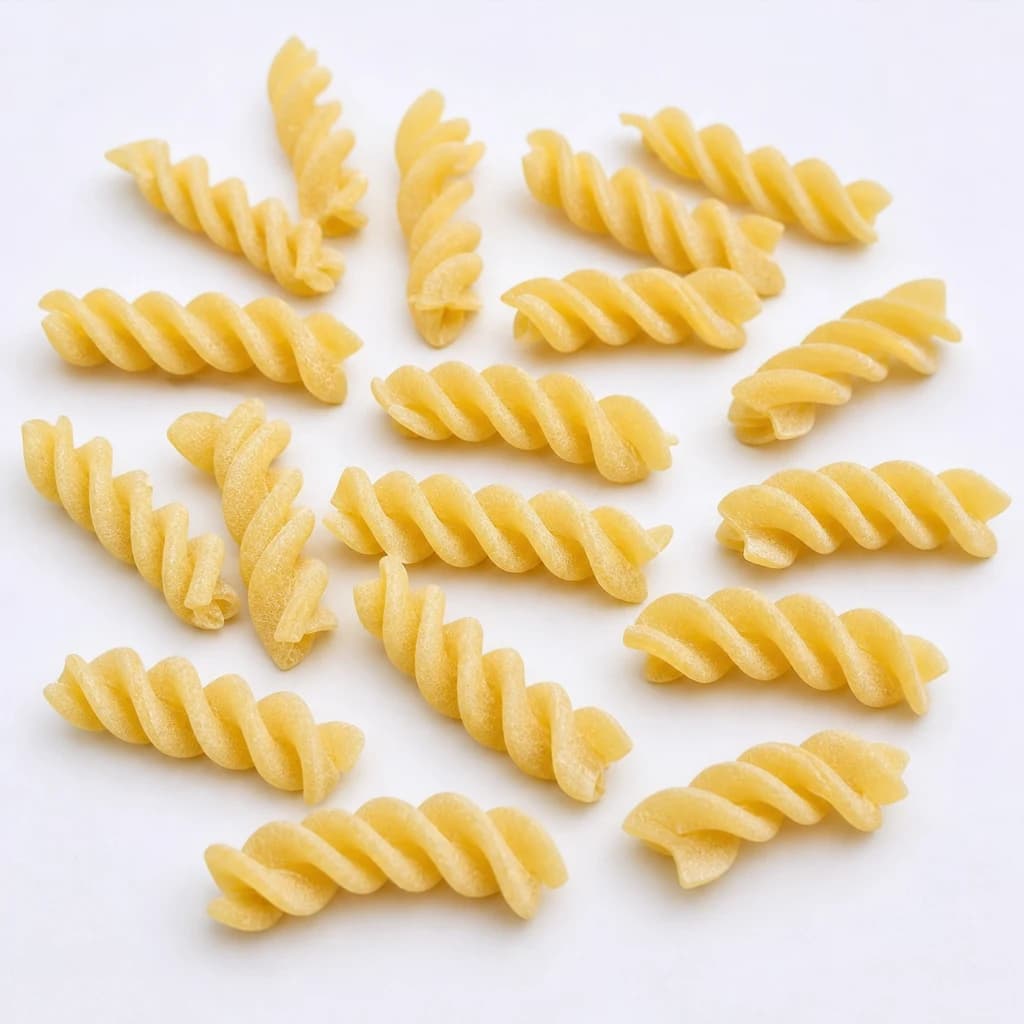
Fusilli
Spiraled pasta that twirls up sauce and dresses cold salads
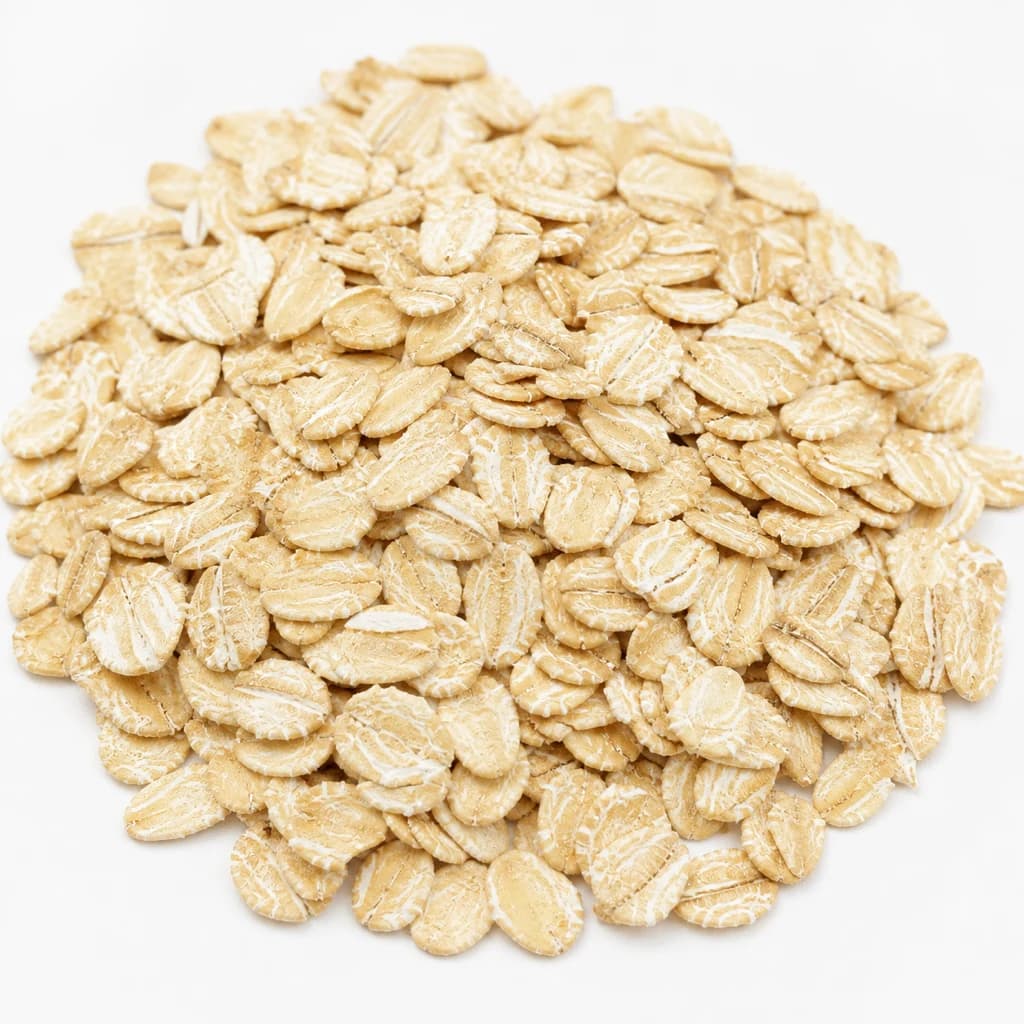
Rolled Oats
Hearty flakes for porridge, granola, and chewy cookies