
Natural form
Live land snails in their shells, showing size, coiling pattern, and shell banding.
Shows the reader exactly what a wild snail looks like before any preparation, so they can recognize it in the field or at a market.
Proteins
Wild Snail
Foraged land snail purged and cooked, classically as escargot in garlic-herb butter.
Wild snails are foraged land molluscs that must be purged and cleaned before cooking, yielding firm, mildly earthy meat. They are most famously prepared as French escargot baked in garlic-parsley butter, but also stewed across the Mediterranean and West Africa. Careful purging removes grit and any bitterness.
Wild land snails have been prized in French and Mediterranean cuisine for millennia—the Romans fattened them on wine-soaked bran, and Burgundy snails (Helix pomatia) remain the benchmark of quality. Their appeal lies not in a dominant flavor but in texture and what they absorb: a well-prepared snail tastes of its butter, garlic, and aromatics while delivering a distinct mineral, earthy undertone from the limestone soils where they foraged. This makes them simultaneously subtle and complex, which is why they anchor dishes like escargot en beurre d'ail rather than competing with bold seasonings. The catch is preparation: snails are essentially live protein that must be purged for days, cleaned meticulously, and cooked with precision—overcooked snails become rubbery and unappetizing, which is why most home cooks rely on prepared canned snails and why the dish demands respect for its technique.
- Measured in
- g
- Storage
- Fridge
Allergens
Types & varieties
The classic culinary snail; 40-55mm shells, large meaty foot, considered finest. Protected French season October-March.
Smaller (28-40mm), darker meat, more common in Provençal cooking. Hardier and easier to cultivate than Burgundy snails.
Largest aspersa variety; thick foot and good texture stand up well to butter and braising.
PDO-protected snails from Provence gathered in olive groves and limestone scrubland; distinct mineral character.
Pre-cleaned, fully cooked, canned; typically from Bulgaria, Romania, or China. Convenient and reliable for home cooks.
Common uses
Tips & pitfalls
- Always purge live snails minimum 48 hours on damp cornmeal or bran—insufficient fasting leaves grit and unpleasant soil flavors that cannot be cooked out
- Kill humanely by freezing 30-45 minutes before cleaning, or blanch in boiling salted water 3-5 minutes to loosen from shell
- Scrub the foot and body thoroughly with coarse salt and white vinegar to remove all mucus—this step is non-negotiable for clean flavor
- Never overcook: 8-12 minutes in butter or broth is sufficient; beyond 15 minutes they turn rubbery and chewy
- The foot is the prime eating portion; some preparations remove the dark visceral mass for milder flavor
- For canned snails: rinse thoroughly, pat completely dry, and add only at the end of cooking—they are already cooked during canning
- Use heavy ceramic snail dishes or a snail rack—they hold heat and keep butter bubbling during service
- Let cooked snails rest 2-3 minutes before serving—they continue cooking in residual heat and carryover is real
- When buying live snails, they must be active and smell only of damp earth; any ammonia or sour odor means dead or dying specimens—discard immediately
- Professional snail cleaners exist in France for good reason; home cleaning is genuinely labor-intensive, which is why most cooks use prepared canned snails
Nutrition
Energy
377 kJ · per 100 g
Where the calories come from
Protein
16.1g
32% DV
Carbs
2g
1% DV
Fat
1.4g
2% DV
Fiber
0g
0% DV
Sugars
0g
of which
Sodium
70mg
3% DV
Source · USDA FoodData Central · approx. Mollusks, snail, raw
View on FDC →In the shops
Matched grocery products
No matched grocery products for Wild Snail yet.
Good to know
- Species
- Helix pomatia (Burgundy), Helix aspersa (Petit Gris), Helix aspersa maxima (Gros Gris)
- Origin
- Limestone-rich vineyards and scrubland in France, Spain, Italy, Greece; US supply is farm-raised
- Season
- Spring and autumn after rain; most commercial harvest in autumn
- Flavor
- Earthy, mineral, slightly gamy; absorbs surrounding flavors well
- Texture
- Tender-chewy when cooked correctly; rubbery when overcooked (15+ minutes)
- Difficulty
- High for live snails (purging, cleaning, timing); straightforward for prepared canned varieties
- Storage
- Live: use within 2-3 days in ventilated container with damp cloth. Canned: unopened 1-2 years; opened 3-5 days refrigerated in liquid
Substitutes
- Canned prepared snails — Already purged, cleaned, and fully cooked; far more convenient and reliable than live snails for home cooking
- Frozen snail meat — Pre-cleaned and quick-frozen; thaw and sauté briefly in garlic butter before finishing in dishes
- Canned mushrooms (button or cremini) — For vegetarian adaptations; similar texture and sauce-absorption but lack the mineral earthiness and eating experience
Pairs with
Also called
Foraged Snail · Escargot · Land Snail
Appears in these dishes
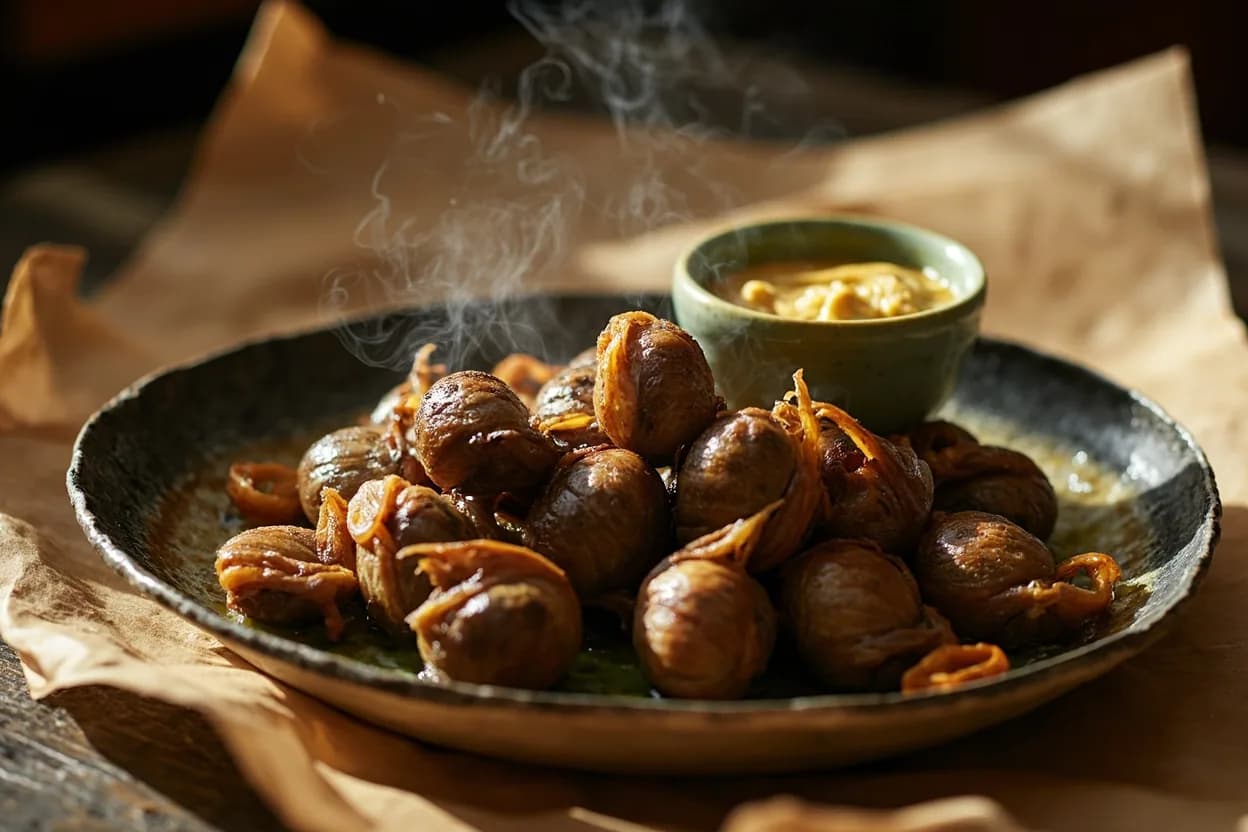
Related
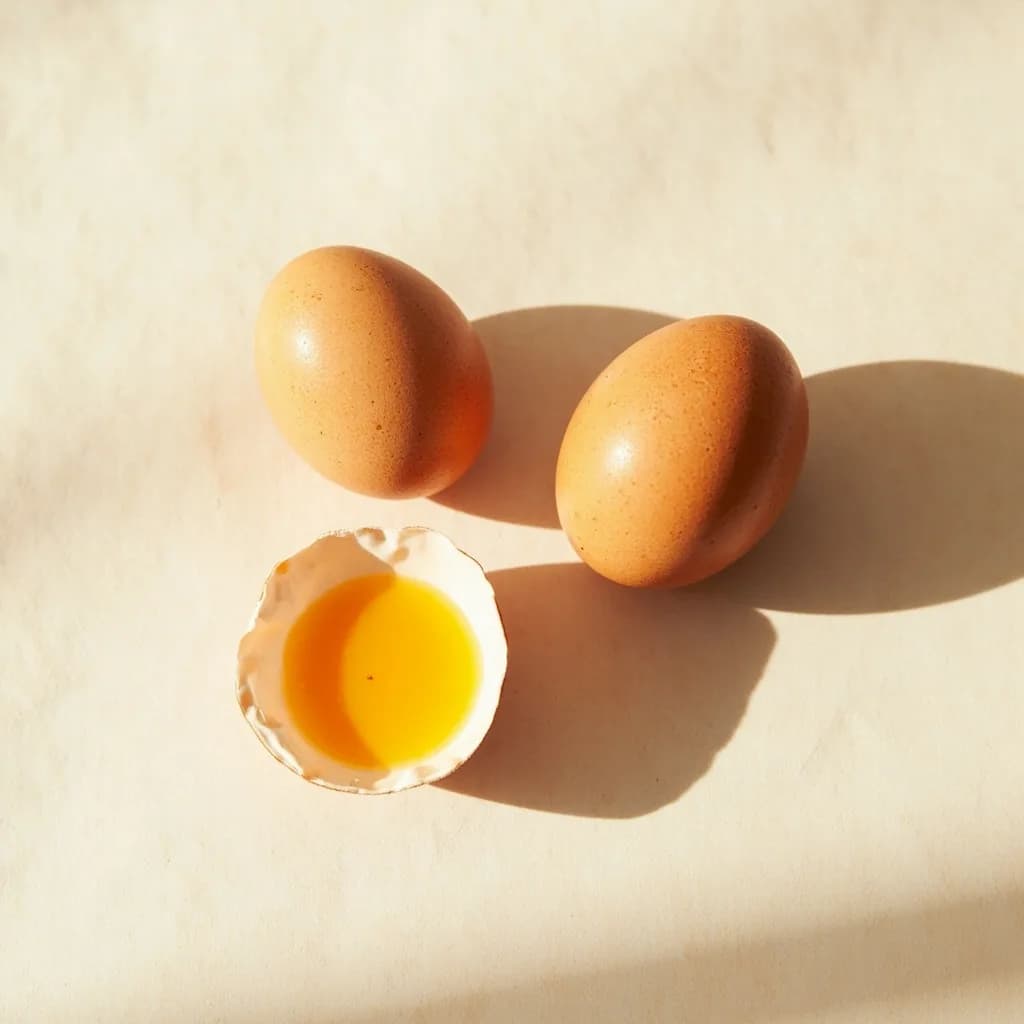
Egg
The kitchen's everything ingredient — bind, leaven, enrich, or fry
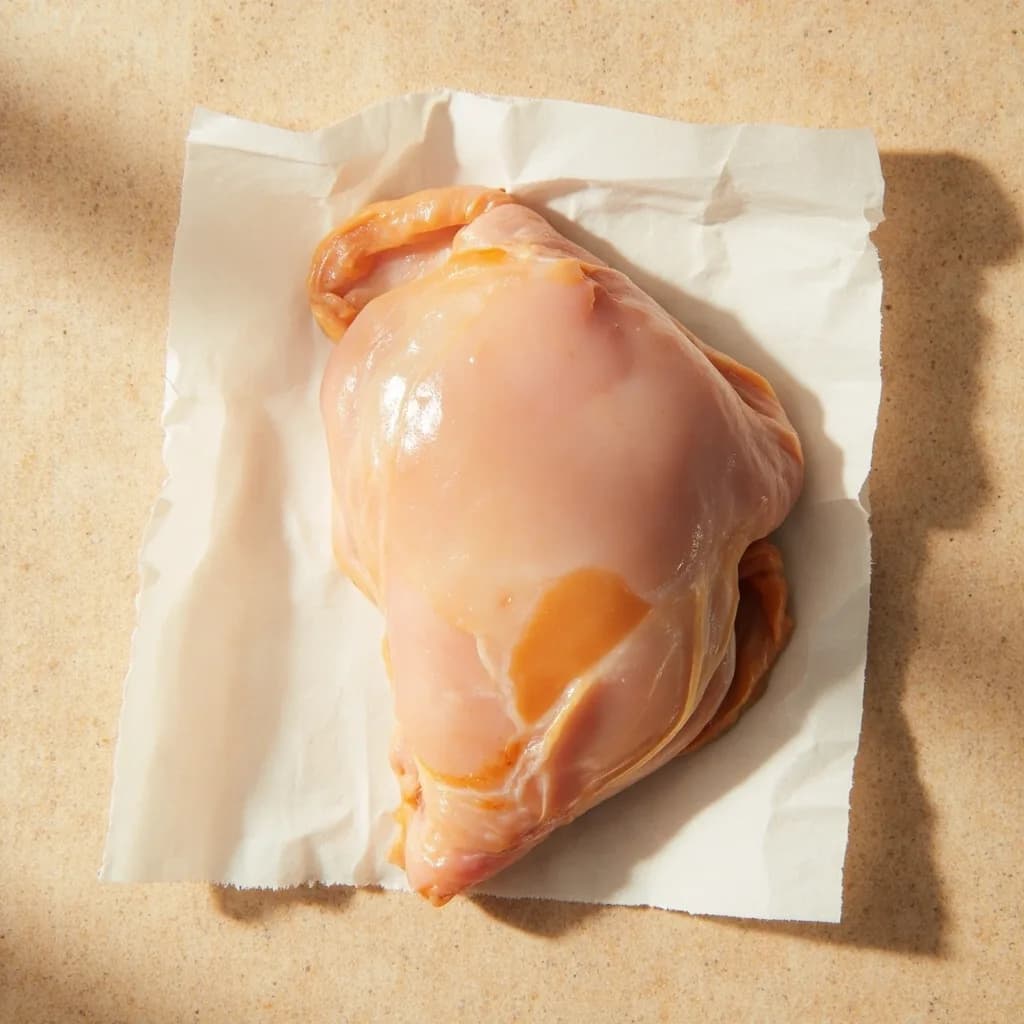
Chicken Breast
Lean, quick-cooking white meat for everyday dinners

Ground Beef
Versatile minced beef for burgers, ragù, tacos, and meatballs
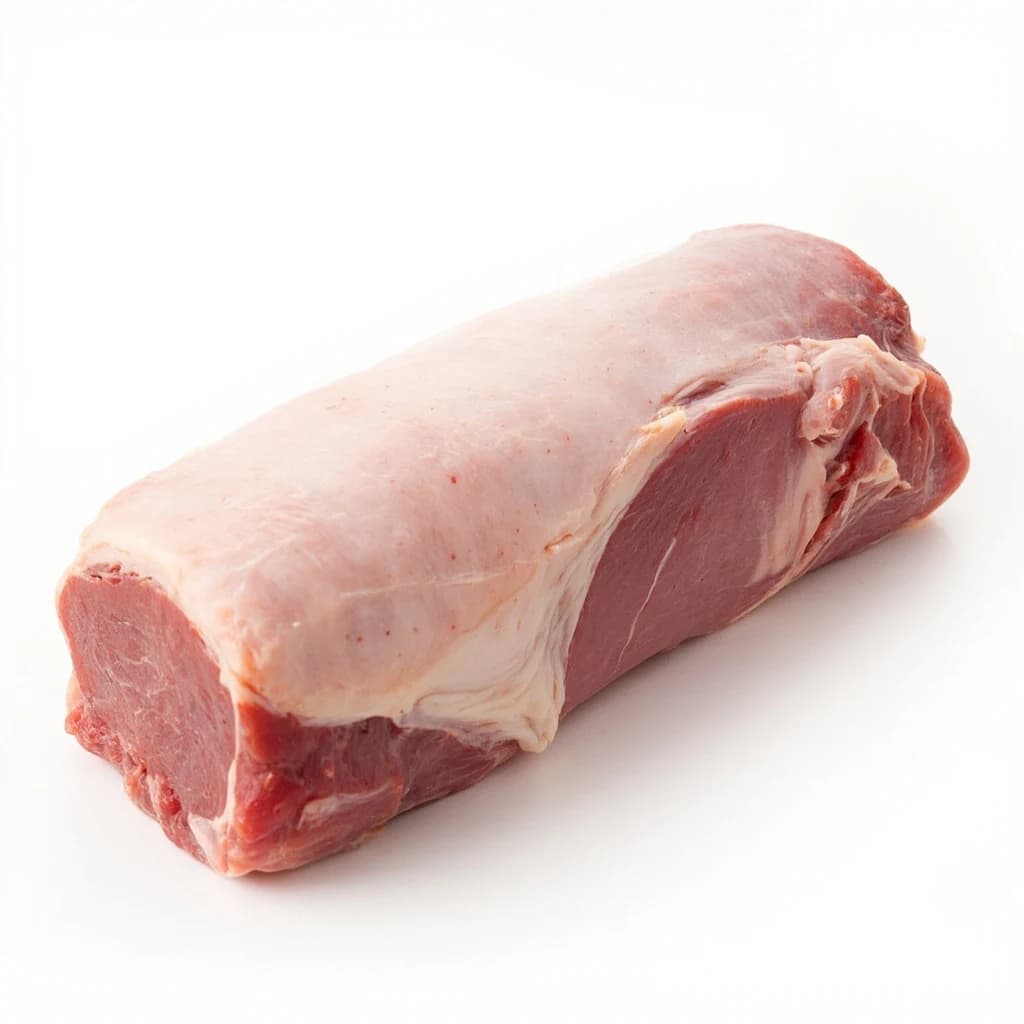
Pork Loin
Lean, tender roasting cut that stays juicy with care
Salmon
Rich, rosy fish that roasts, grills, or cures beautifully

Egg White
Pure protein that whips to airy peaks for meringue and more
Egg Yolk
Rich, golden yolk for custards, mayonnaise, and pasta

Quail Egg
Tiny, speckled eggs for garnishing and elegant bites