 Korean
Medium · Hot
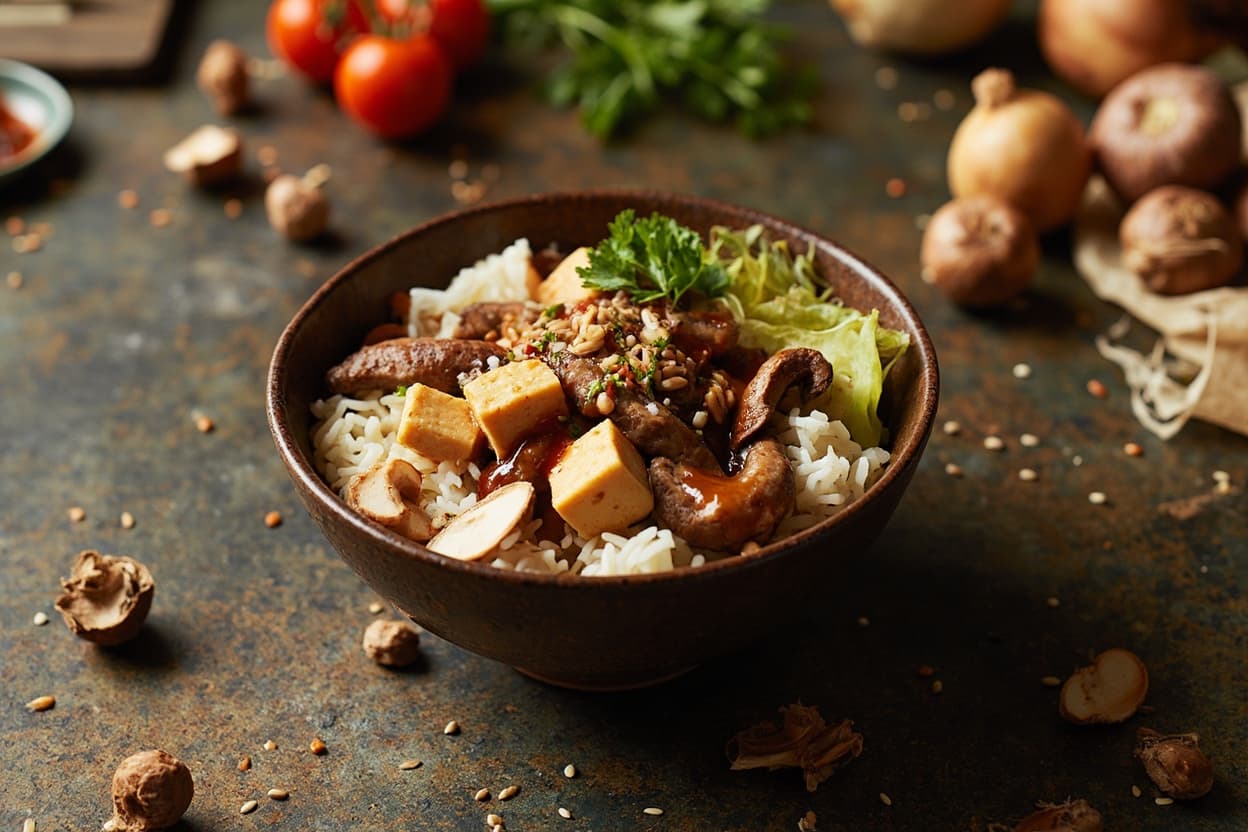
Earthy Mushroom and Tofu Bibimbap
A bibimbap that earns its name comes down to how each component is prepared individually — the mushrooms need direct heat to brown, the tofu needs seasoned soy before it hits the pan, and the rice needs to be warm enough to carry everything through to the last bite. Toasted sesame seeds distributed across the top are both garnish and flavor delivery, releasing oil as you mix. This is assembly cooking with a system behind it.
Prep
20 min
Cook
30 min
Rest
10 min
Total
1h
Method
Sauté Earthy Vegetables
Season Spinach
Crisp the Tofu
Make Bibimbap Sauce
Assemble Bowls
6
Sprinkle remaining sesame-seeds over each bowl and serve immediately. Mix thoroughly before eating.
A
Nutri-Score
Excellent balance
A–E · lower is better · score -2
Calories
722
per serving
Source of protein · 27gLow sugar · 13gLow saturated fat · 4g
Protein
27g
Carbs
115g
Fat
18g
Sat. fat
4g
Fiber
5g
Sugar
13g
Sodium
1103mg
VegetarianDairy FreeHigh Protein
Nutri-Score is a general nutritional-balance guide, not medical or dietary advice.
C
Environmental impact
Moderate impact
A–E · lower is better · includes estimates
kg CO2e
1.1
per serving
CCarbon
White Rice drives 39% of this recipe’s estimated footprint.
Carbon from Poore & Nemecek 2018; water, land & runoff from Agribalyse — modelled averages for comparing recipes, not a measurement of your groceries.
Flavor Profile
7
Umami
4
Sweet
6
Salty
1
Sour
2
Bitter
4
Spicy
Textures
CrispyTenderChewy
Aromas
EarthySesameSavoryHerbal
Kitchen Equipment
Primary Tool
WokCounter FootprintMedium
Safety & Storage
Cooking Temperature
Cook tofu cubes until golden and crispy (8 minutes, internal temperature 165°F/74°C). Fry eggs until whites are fully set and yolks reach 160°F/71°C minimum. Avoid runny yolks in high-risk populations including pregnant individuals, young children, elderly, and immunocompromised persons.
High Risk Population
Tofu and eggs are high-risk ingredients for vulnerable populations; ensure thorough cooking and avoid serving raw or undercooked egg components.
Cross Contamination
Sesame seeds are used in multiple stages (spinach seasoning and final garnish); use separate prep areas and utensils when preparing for sesame-allergic individuals.
Soy sauce contains soy and wheat allergens; avoid cross-contact with gluten-free or soy-free preparations by using dedicated containers and utensils.
Storage
Refrigerate leftover bibimbap within 2 hours; store tofu and egg components separately if possible for optimal shelf life of 3-4 days.
Shelf Life
Prepared bibimbap should be consumed within 24 hours if held at room temperature; refrigerate promptly and reheat to 165°F before serving leftovers.
Handling
When seasoning spinach with sesame seeds and olive oil, ensure hands and equipment are clean to prevent cross-contamination between raw and ready-to-eat components.
Pro Tips
Technique
Press tofu well before frying to remove excess moisture and achieve a crispier golden crust.
Substitution
If gochugaru is unavailable, substitute with a blend of cayenne and smoked paprika, but I always recommend using authentic Korean chile flakes for the true flavor.
Make Ahead
Prepare the seasoned spinach and bibimbap sauce a day ahead; store them separately and assemble the bowls fresh for the best texture.
Time Saver
Use pre-cut matchstick carrots, zucchini and mushroom slices from the grocery store to cut chopping time in half without sacrificing quality.
From the chef
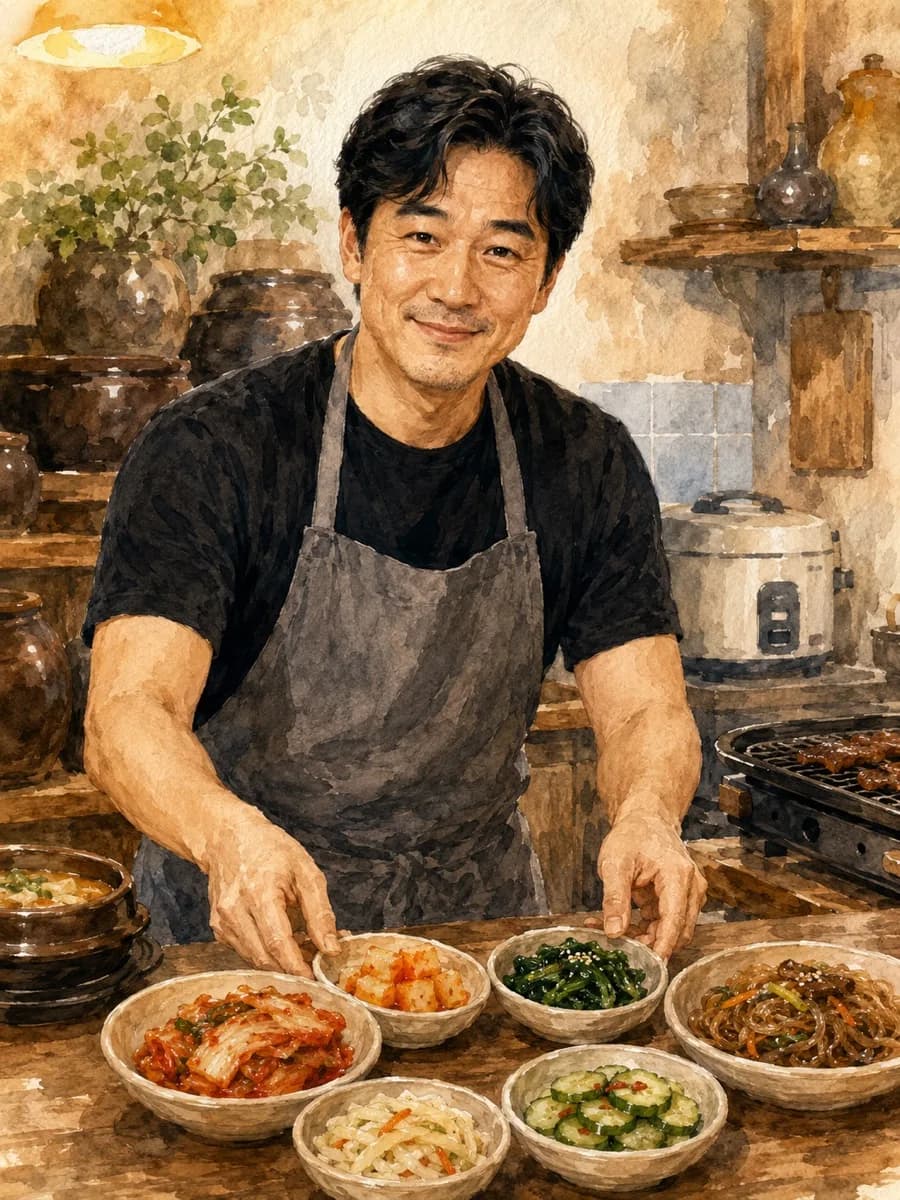
I love turning simple ingredients into a balanced rice bowl my family gathers around; this Earthy Mushroom and Tofu Bibimbap brings together the earthiness of mushrooms, the crunch of tofu, and bright seasoned greens in one comforting bowl.
TagsVegetarianTofuMushroomsSesameMeal PrepWeeknight DinnerHealthyOne Bowl
AllergensSoySesameEggsWheatGluten
Source: generated · May 30, 2026