 Venezuelan
Medium · Hot
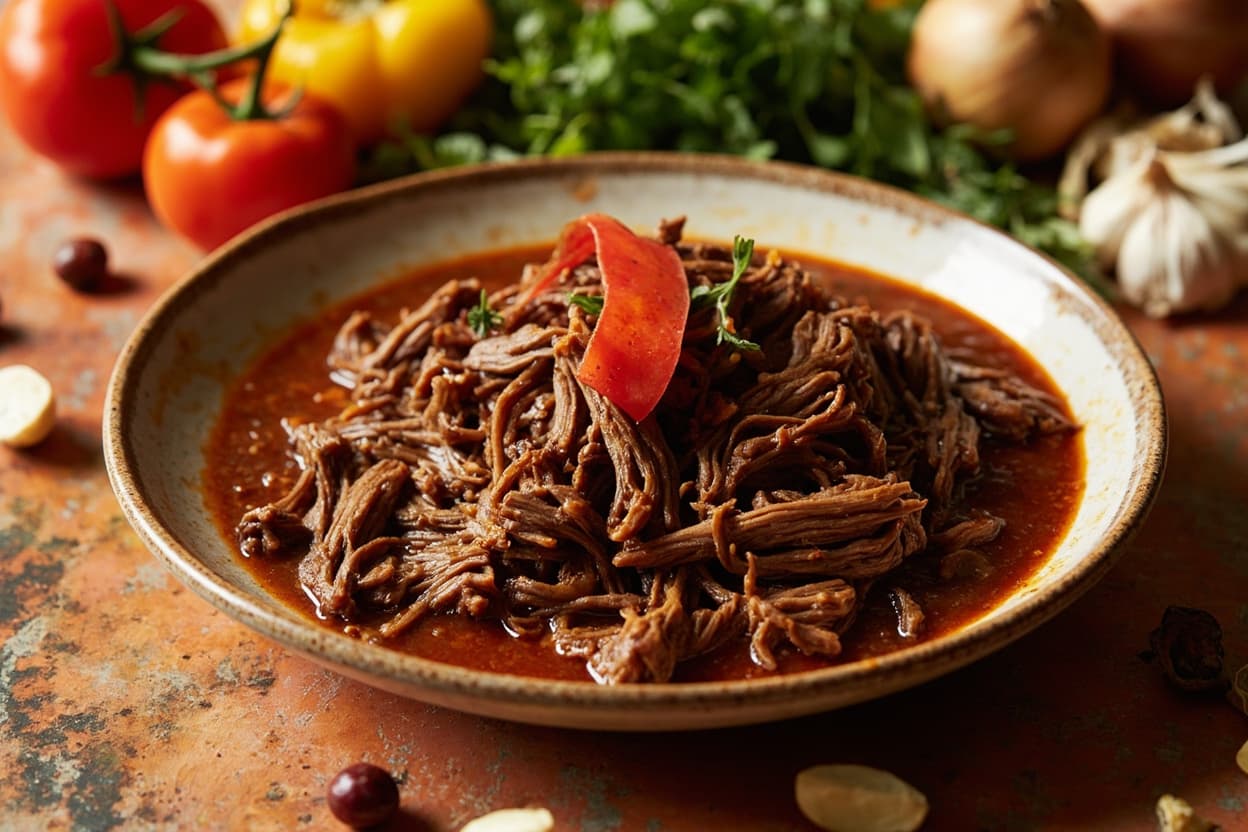
Carne Mechada in Slow Sofrito Tomato
Beef steak pulled into long, tender ribbons after a patient braise with tomato, onion, bell pepper, garlic, and cumin — the kind of sofrito that fills a kitchen and makes everyone come to the table without being called. This is the dish my abuela made when she wanted to say she loved you without saying a word.
Prep
20 min
Cook
2h 10m
Rest
10 min
Total
2h 40m
Method
Build the Sofrito
1
2
Heat the olive oil in your Dutch oven over medium heat. Add the diced onion and cook slowly, stirring with your wooden spoon, until it becomes translucent and sweet, about 8 minutes.
3
Add the bell peppers and continue cooking for another 5 minutes until softened. Add the garlic and cook until fragrant, about 1 minute more.
Season and Sear the Beef
5
While the sofrito simmers, pat the beef steak dry with paper towels. Season generously on all sides with the remaining salt, cumin, and black pepper, pressing the spices into the meat.
6
In a separate hot skillet, sear the seasoned beef steak for 3-4 minutes per side until deeply golden and caramelized. Do not crowd the pan — sear in batches if needed.
Low and Slow Braise
8
Pour the tomato sauce and water around the beef. The liquid should come about halfway up the sides of the meat.
9
Bring everything to a gentle simmer, then reduce the heat to the lowest setting. Cover tightly with a lid and let the beef braise slowly for 2 hours, turning halfway through.
10
Check occasionally and give the pot a gentle stir. The sofrito should bubble lazily — if it reduces too quickly, add a splash of water and reduce heat further.
11
Check occasionally. The braise should bubble lazily — if it reduces too quickly, add a splash of water and reduce heat further. Do not stir the beef directly as this may break it apart unevenly.
Shred and Finish
12
After 2 hours, the beef should be fork-tender and falling apart. Transfer it to a cutting board and use two forks to shred it into loose, delicious strands.
13
14
Taste and adjust seasoning with a pinch more salt or cumin if needed. Serve the carne mechada warm over white rice with a side of black beans and sliced avocado.
A
Nutri-Score
Excellent balance
A–E · lower is better · score -2
Calories
823
per serving
High in protein · 66gLow sugar · 12g
Protein
66g
Carbs
18g
Fat
55g
Sat. fat
8g
Fiber
4g
Sugar
12g
Sodium
1110mg
Gluten FreeDairy FreeEgg FreeHigh ProteinBalanced Macros
Nutri-Score is a general nutritional-balance guide, not medical or dietary advice.
E
Environmental impact
Very high impact
A–E · lower is better · includes estimates
kg CO2e
25
per serving
ECarbonCEU all-round· carbon sets the grade
Water
1.1m³
Land
486Pt
Runoff
0.3g P
Beef Steak drives 98% of this recipe’s estimated footprint.
Carbon from Poore & Nemecek 2018; water, land & runoff from Agribalyse — modelled averages for comparing recipes, not a measurement of your groceries.
Flavor Profile
7
Umami
4
Sweet
5
Salty
3
Sour
1
Bitter
3
Spicy
Textures
TenderSilkyMoistShreddable
Aromas
SavoryHerbalTomatoEarthyAromatic
Kitchen Equipment
Primary Tool
Dutch OvenCounter FootprintMedium
Techniques
Safety & Storage
Cross Contamination
Use separate cutting boards and utensils for raw beef. Wash hands thoroughly with soap and warm water for at least 20 seconds after handling raw meat. Sanitize all surfaces that contact raw beef to prevent bacterial transfer.
Cooking Temperature
Sear beef at high heat (400°F+) for proper caramelization, 3-4 minutes per side until golden. During braising, maintain gentle simmer (185-200°F). Cook to internal temperature of 145°F for medium-rare or 160°F for well-done.
Storage
Cool cooked carne mechada to room temperature within 2 hours, then refrigerate in airtight containers. Use within 3-4 days or freeze for up to 3 months. Reheat leftovers to 165°F before serving.
High Risk Population
For pregnant individuals, elderly, or immunocompromised persons, ensure beef reaches 160°F minimum internal temperature. Avoid holding dish at warm temperatures (140°F or below) for more than 2 hours to prevent bacterial growth.
Pro Tips
Technique
Do not rush the sofrito — those 8 minutes of slow-cooked onion are where the dish finds its soul. When the onion goes translucent and sweet, you know you are on the right track.
Substitution
If you cannot find beef steak, chuck or brisket cut into large pieces works beautifully — it has more connective tissue and becomes even more tender during the long braise.
From the chef
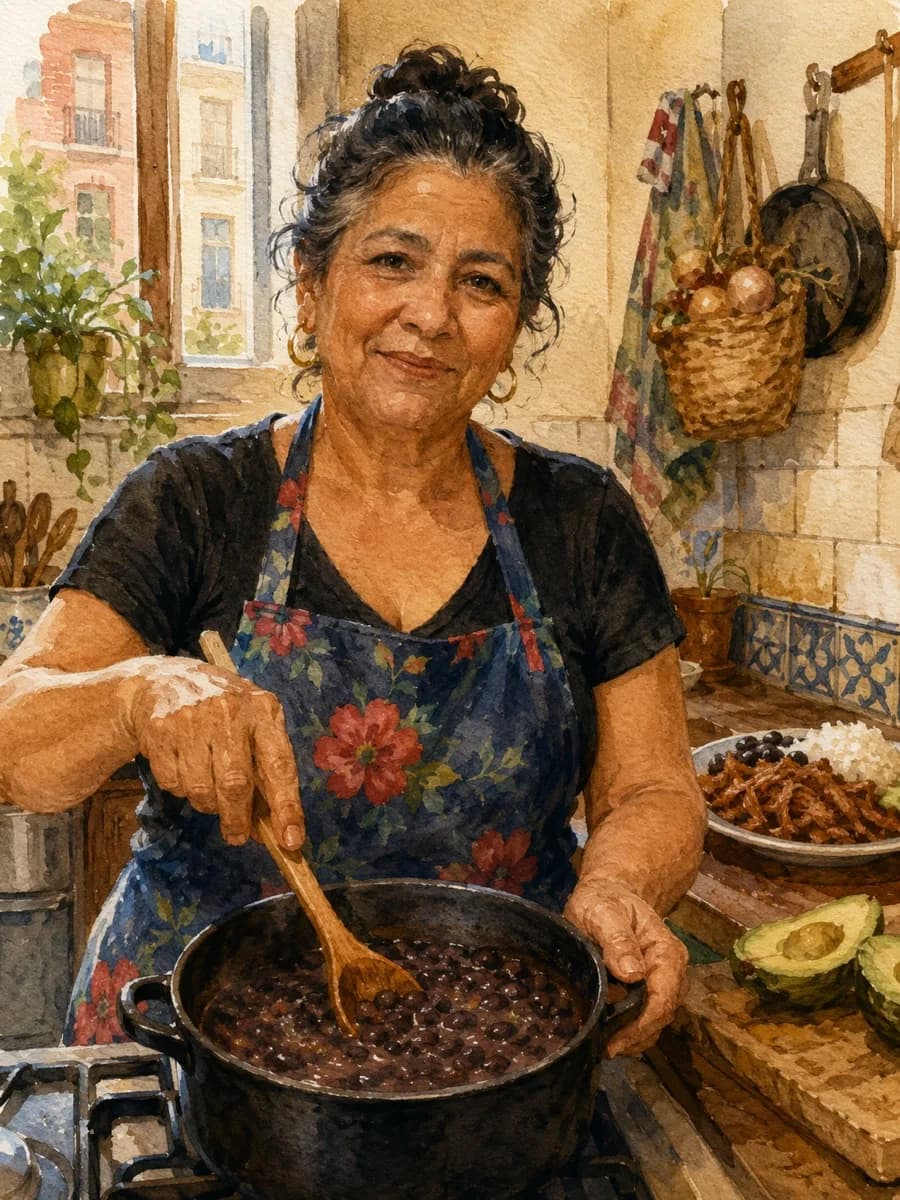
This carne mechada carries the heart of our home in every fork-tender strand. In Caracas, my grandmother would start the sofrito at dawn while the city was still quiet, and by afternoon the whole house smelled like cumin and slow-cooked beef and belonging. Here in my small Poblenou kitchen, I make it the same way she taught me — patient, unhurried, never rushing the onion as it turns golden and sweet — because the magic is not in any secret ingredient, it is in the time you give it.
TagsSlow CookedBraised BeefComfort FoodOne PotSofritoWeekend Cooking
Source: generated · May 30, 2026