 French
Medium · Hot
Seared Scallops with Shallot-Thyme Butter and Vermouth
Golden-seared sea scallops resting on a pool of glossy vermouth reduction, finished with a spoonful of fragrant shallot-thyme butter that melts into the warm pan jus.
Prep
10 min
Cook
12 min
Total
22 min
Method
1
Remove the side muscle from each scallop if present. Pat scallops completely dry with paper towels — moisture is the enemy of a proper sear. Season both sides evenly with salt and black pepper.
2
3
4
In the same skillet used for the butter, pour in the dry vermouth. Bring to a boil over medium-high heat and cook 3-4 minutes, swirling occasionally, until the liquid reduces by half and coats the back of a spoon — it should have a lightly syrupy consistency. Remove from heat.
5
Place a heavy-bottomed skillet (cast iron is ideal) over high heat. Add the olive oil and heat until it shimmers and just begins to smoke, about 2 minutes.
6
Lay the scallops in the pan, making sure they do not touch. Sear undisturbed for 90 seconds until a deep golden crust forms on the bottom. Flip each scallop and cook the second side for 60-90 seconds — they should feel firm but yield slightly when pressed. Use an instant-read thermometer: the internal temperature should reach 52-54C for medium-rare (adjust time for your preference).
7
Transfer scallops to a warm plate and rest 1 minute.
8
Swirl the warm vermouth reduction back to life and spoon it onto two warmed plates, creating a small pool.
Grade pending
Nutri-Score
Estimated nutrition
Grade pending · 100% ingredient coverage
Calories
489
per serving
High in protein · 27g
Protein
27g
Carbs
15g
Fat
32g
Gluten FreePescatarianDiabetesHeart HealthyHigh ProteinLow CarbOmega 3 Rich
Nutri-Score is a general nutritional-balance guide, not medical or dietary advice.
Flavor Profile
6
Umami
4
Sweet
5
Salty
2
Sour
2
Bitter
4
Spicy
Textures
CrispySilkyTender
Aromas
DairyHerbalPungentSmokyWine Forward
Kitchen Equipment
Primary Tool
Heavy Bottomed SkilletHeavy Bottomed SkilletSmall SaucepanChef KnifeCutting BoardInstant Read ThermometerSmall BowlWhiskPaper Towels
Safety & Storage
Cooking Temperature
Scallops must reach internal minimum temperature of 63°C (145°F) for food safety. Use instant-read thermometer to verify doneness. Undercooked scallops pose serious foodborne illness risk from Vibrio bacteria and other pathogens.
High Risk Population
Pregnant women, elderly, infants, and immunocompromised individuals must ensure scallops reach minimum internal temperature of 63°C (145°F). Shellfish pose heightened risk due to potential Vibrio bacteria contamination. Those in high-risk categories should avoid consuming scallops unless fully cooked to safe temperature.
Cross Contamination
Raw scallops may harbor pathogens. Use separate cutting boards, utensils, and plates for raw and cooked seafood. Wash hands thoroughly after handling raw scallops.
Storage
Cooked scallops should be consumed immediately. If storing leftovers, refrigerate at 4°C or below within 2 hours and consume within 1-2 days. Reheat to 74°C minimum.
Handling
Remove side muscle from scallops before cooking. Scallops must be patted completely dry - moisture prevents proper searing and can cause oil splatter.
Equipment Safety
Oil reaches high temperatures (smoking point ~190°C). Use long tongs for placement and removal. Never leave hot oil unattended. Have lid nearby to smother any grease fire.
Allergen Warning
This dish contains mollusks and dairy. Individuals with shellfish allergies should avoid this recipe entirely as scallops are a type of bivalve shellfish.
Pro Tips
Technique
The most common mistake home cooks make is not drying the scallops thoroughly. Moisture is the enemy of that beautiful golden crust we seek. After patting dry, let them rest uncovered on a paper towel in the refrigerator for 10 minutes — the surface will dry further, and your sear will reward you with color and caramelization.
Substitution
If dry vermouth is unavailable, a good dry white wine works, though you will lose that botanical complexity that makes this sauce distinctly Provençal. Simply reduce the quantity by one-third as wine has more water than vermouth.
From the chef
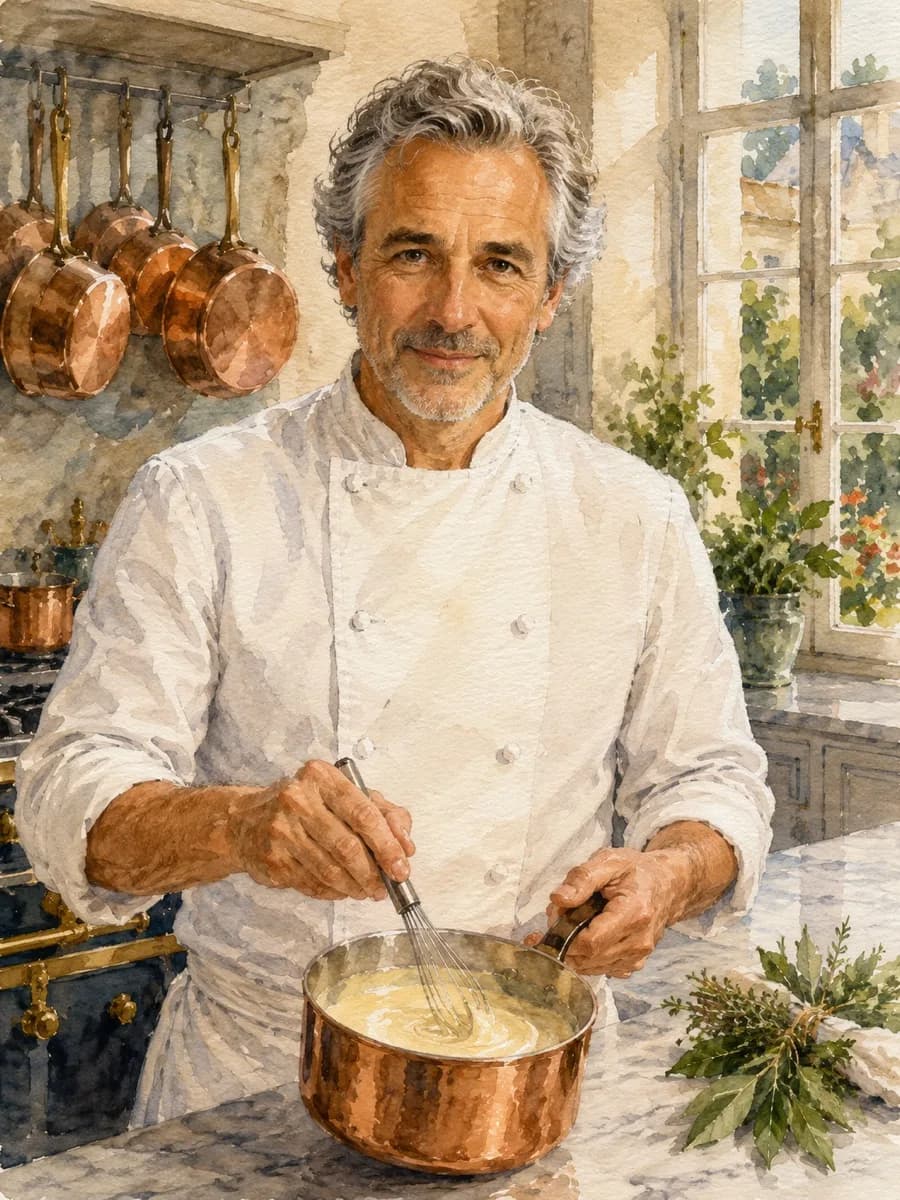
In Lyon, we called this a 'mise en place' love letter — every component prepared with intention, then united in perfect harmony on the plate. These seared scallops remind me why technique matters more than fancy ingredients: patience with that shallot butter, respect for the fond, and a proper sear transform simple elements into something that feels, how you say, like a small celebration.
TagsQuick CookingWine ReductionButter SauceElegantDate NightPan SearedFrench Bistro
AllergensMilkMollusksSulfites
Source: generated · June 13, 2026