South Asia
Bengali
Also: Bengal cuisine, Banga cuisine, Bangladeshi cuisine (overlapping), Niramish cooking
Fish, mustard, and the sublime sweetness of mishti — Bengal's cuisine is built on an obsessive relationship with the Ganges-Brahmaputra delta, where ilish swims through mustard-perfumed rivers and every meal closes with something sweet.
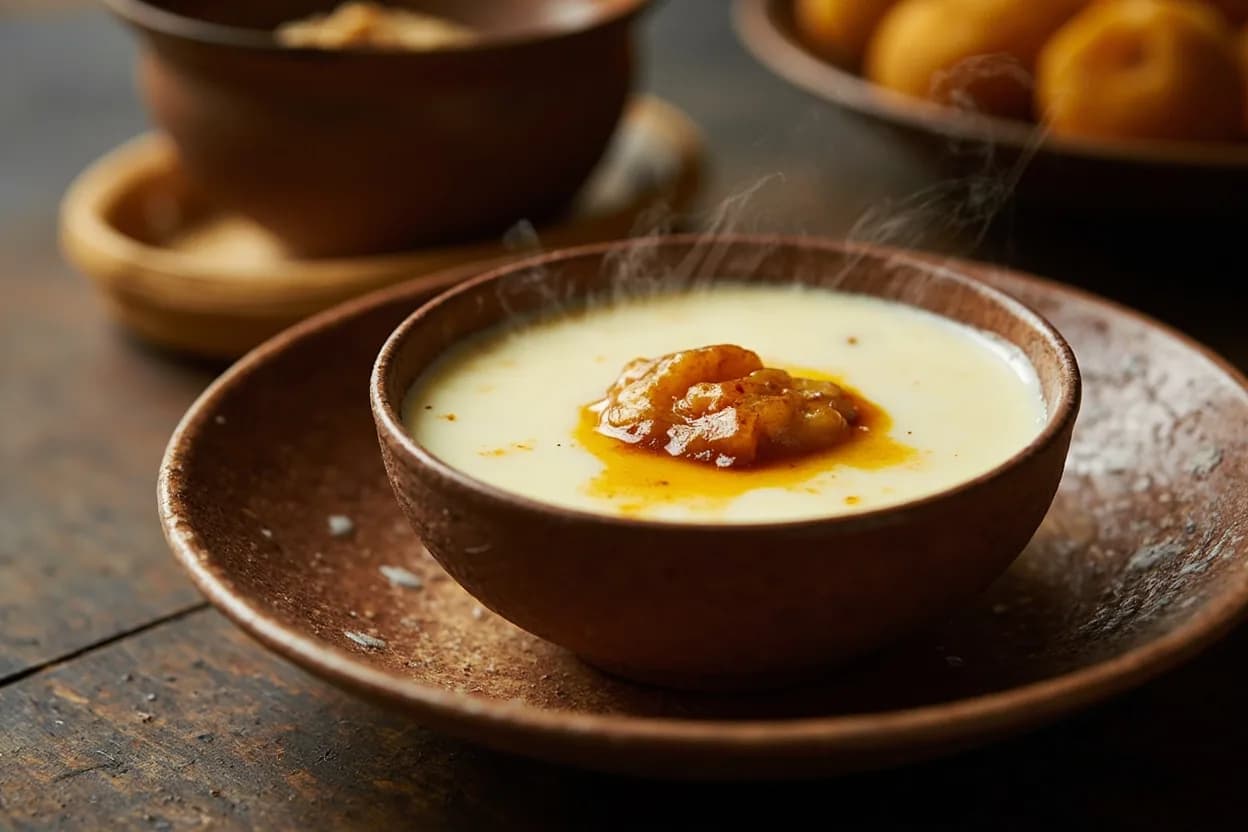
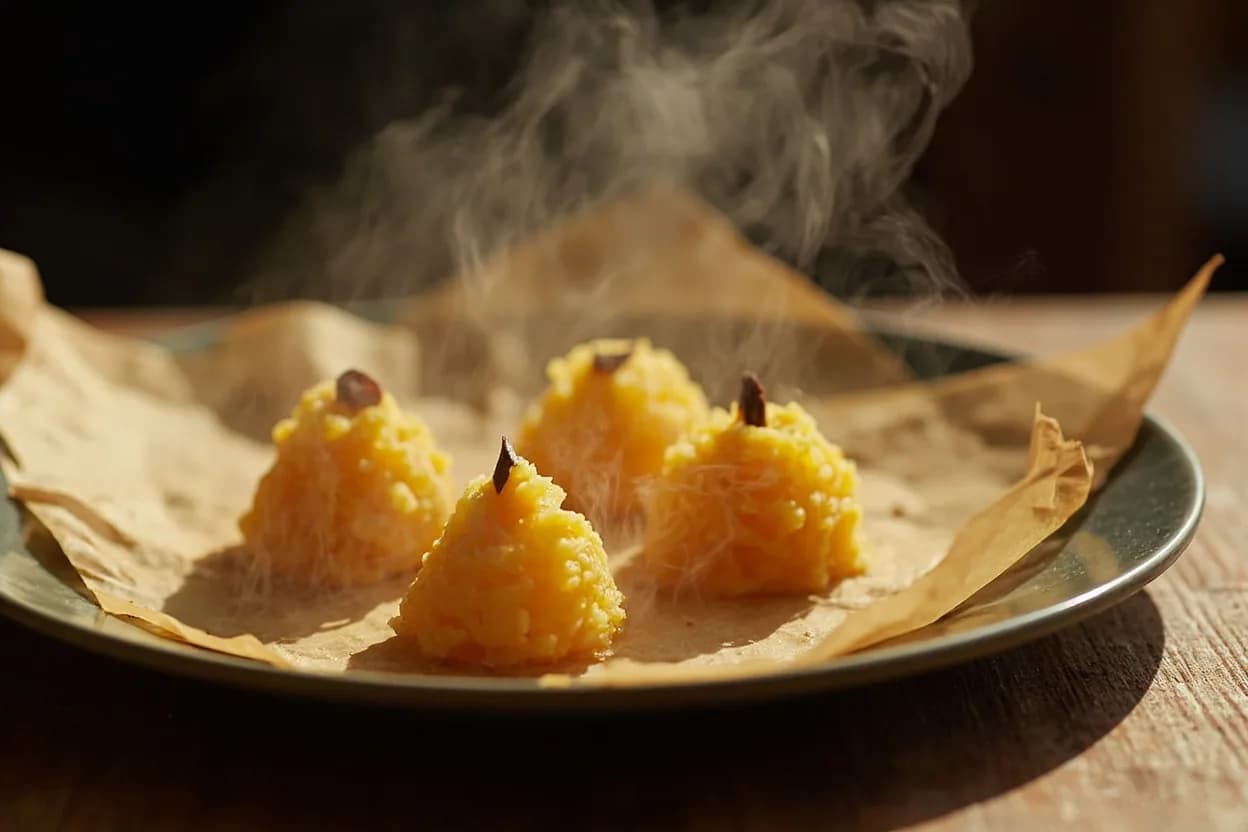
Bengali cuisine is the culinary tradition of the Bengal region, now shared between the Indian state of West Bengal and Bangladesh, with historical extensions to the Sylheti, Chittagonian, and Nawabi Dhaka traditions. Its grammar is defined by: fish as the soul protein (especially hilsa/ilish), mustard (shorshe) as the dominant seasoning agent in paste and oil form, the five-spice blend panch phoron (mustard, fenugreek, nigella, cumin, fennel) as the tempering standard, and an unrivaled sweet-making tradition (mishti) that includes rasgulla, sandesh, mishti doi, and rasmalai. The cuisine's vegetarian register is equally sophisticated, built on the bitter-to-sweet progression of a formal bhojon (sit-down meal). West Bengali Brahmin cooking (niramish) avoids onion and garlic on auspicious days; everyday Bengali cooking uses both freely. Nawabi Dhaka cuisine represents a distinct Mughal-inflected layer with biryani, kababs, and rich kormas.
The flavour base
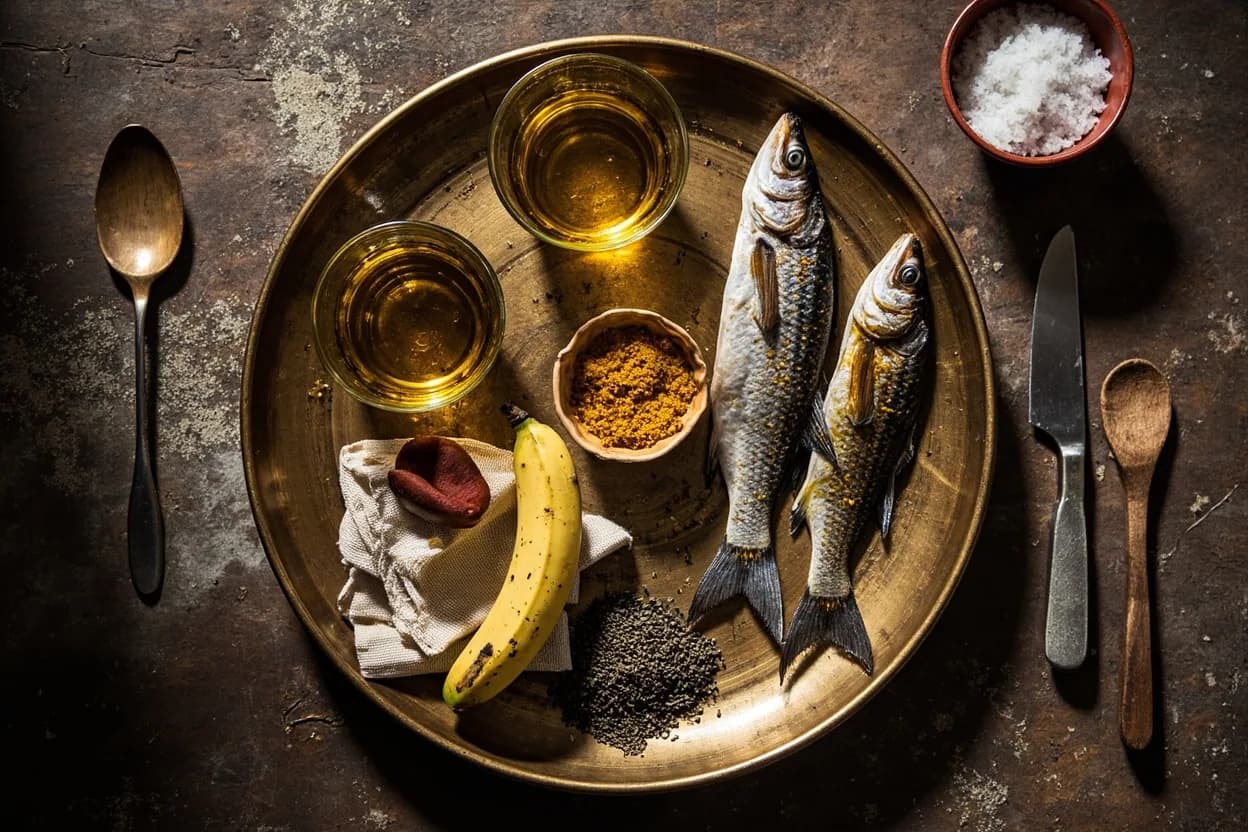
Mustard oil as the cooking fat; panch phoron (five-spice) as the tempering signature; mustard paste (shorshe) as sauce base; green chilli for heat; bay leaf and whole spices for fragrance
Pantry staples
Key ingredients
Signature techniques
Signature dishes
Bengali on the table

At the table
The formal Bengali bhojon follows a strict sequence on a banana leaf or thali: bitter preparations first (shukto, a vegetable medley with neem or bitter gourd), then dal with lemon, then fish curries in ascending richness, then a sweetened chutney, and finally sweets (mishti). Everyday meals are simpler — rice with dal, a fish curry or fried fish, one vegetable preparation, and pickle — but the sequential logic of bitter-to-sweet persists. Sweets are served at the end or given separately; the Bengali sweet shop (mishti dokan) is a social institution unto itself.
History & context
Bengal's culinary identity is inseparable from its river delta geography. The Ganges, Brahmaputra, and Meghna rivers deposit silt that sustains extraordinary paddy cultivation and freshwater fisheries; hilsa migrates upriver annually and has been at the center of Bengali food culture for at least a millennium. The Mughal conquest of Bengal in the late 16th century introduced a sophisticated court kitchen to Dhaka (Jahangiri-era), which evolved into the Nawabi Dhaka tradition: biryani cooked with kachchi (raw, unparboiled) method, rezala (Mughal white korma), and bakarkhani (layered flatbread). The British colonial period centered on Calcutta accelerated cross-cultural contact and the development of 'Calcutta cuisine' — Chinese-Bengali (Chinatown), Anglo-Indian, and Jewish Baghdadi food cultures layered onto the Bengali base. Partition in 1947 and again in 1971 (Bangladesh's independence) deepened the East-West Bengali divergence. West Bengali cooking is more associated with freshwater fish, poppy seed (posto), and the Brahmin niramish tradition; Bangladeshi cooking trends toward larger fish preparations, richer Mughal influence, and the Sylheti and Chittagonian sub-regional variations.
Regional variations
- West Bengal (Kolkata)
Stronger Brahmin niramish tradition; posto (poppy seed paste) dishes; Calcutta biryani (with potato, no saffron); Jewish and Chinese Calcutta influences; shukto as meal opener
- Nawabi Dhaka (Bangladesh)
Distinct Mughal-inflected layer: kachchi biryani, rezala, bakarkhani; richer use of ghee and whole spices; the 'old Dhaka' culinary identity is guarded fiercely
- Chittagonian
Coastal southern Bangladesh; heavier seafood emphasis; distinct spice use including strong dried fish (shutki) culture; mezban beef feast tradition
- Sylheti
Northeast Bangladesh / northeast India; associated with the British curry-house tradition (most UK Bangladeshi restaurants are Sylheti-owned); distinct dialect and spice blends; strong tea-plantation culture
Related cuisines
- Odia (Odisha)
Western neighbor; shares panch phoron, mustard, and freshwater fish obsession; Jagannath temple food has influenced Bengali temple cooking
- Mughal
Dhaka Nawabi tradition is a direct descendant; biryani and kabab repertoire flows from Mughal court cookery to Bengal
- Assamese
Eastern neighbor; shares freshwater fish culture, rice varieties, and mild sour-fermented elements; khar (alkaline cooking) is Assamese-specific
Canonical recipes
The dishes that define Bengali, documented in the Canon.
References
- 1.The Art of Indian Vegetarian Cooking — Yamuna Devi (chapter on Bengali niramish)
- 2.Bangla Ranna — Minakshie DasGupta
- 3.The Calcutta Kitchen — Simon Parkes and Udit Sarkhel
- 4.Bangladesh: A Legacy of Blood — Anthony Mascarenhas (cultural context)
- 5.Khana: Bengal's Food Philosophy — published by Ananda Publishers, Kolkata
Confidence: high
Notes
The hilsa covenant
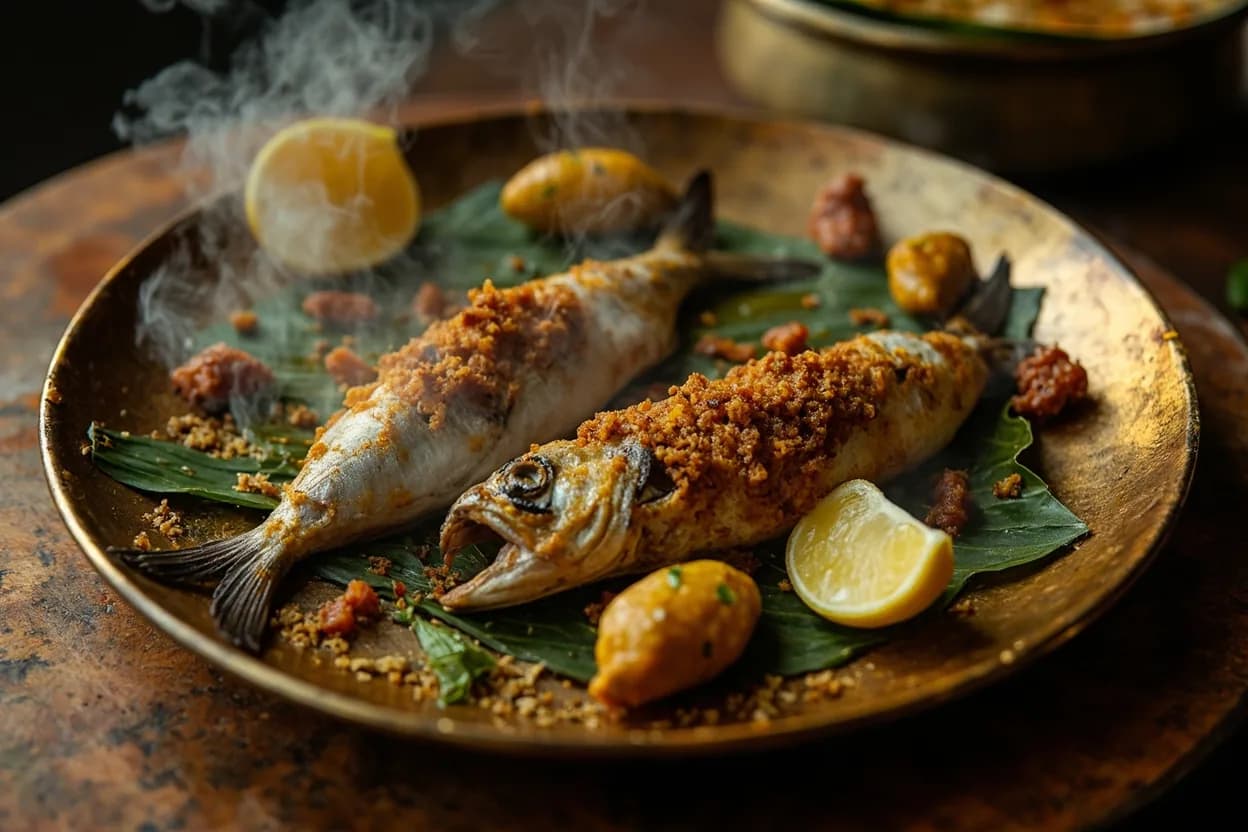
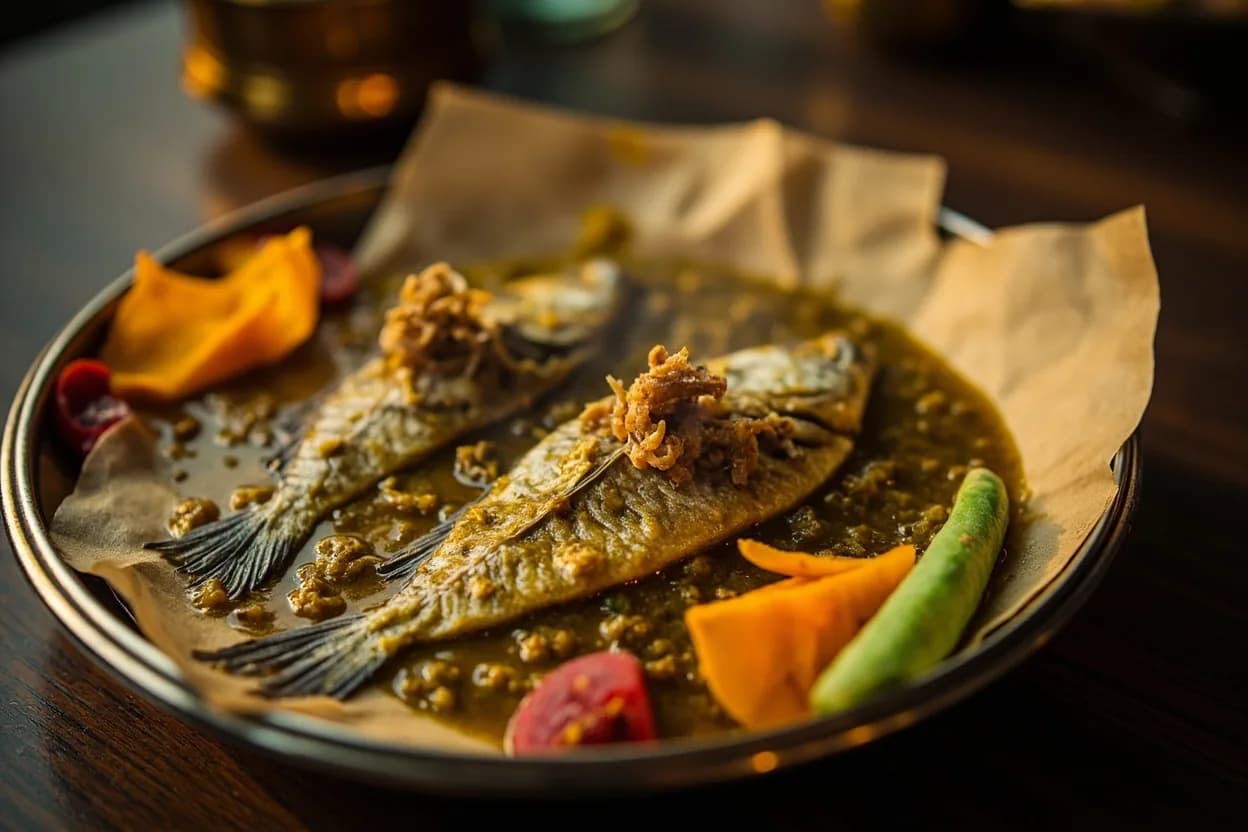
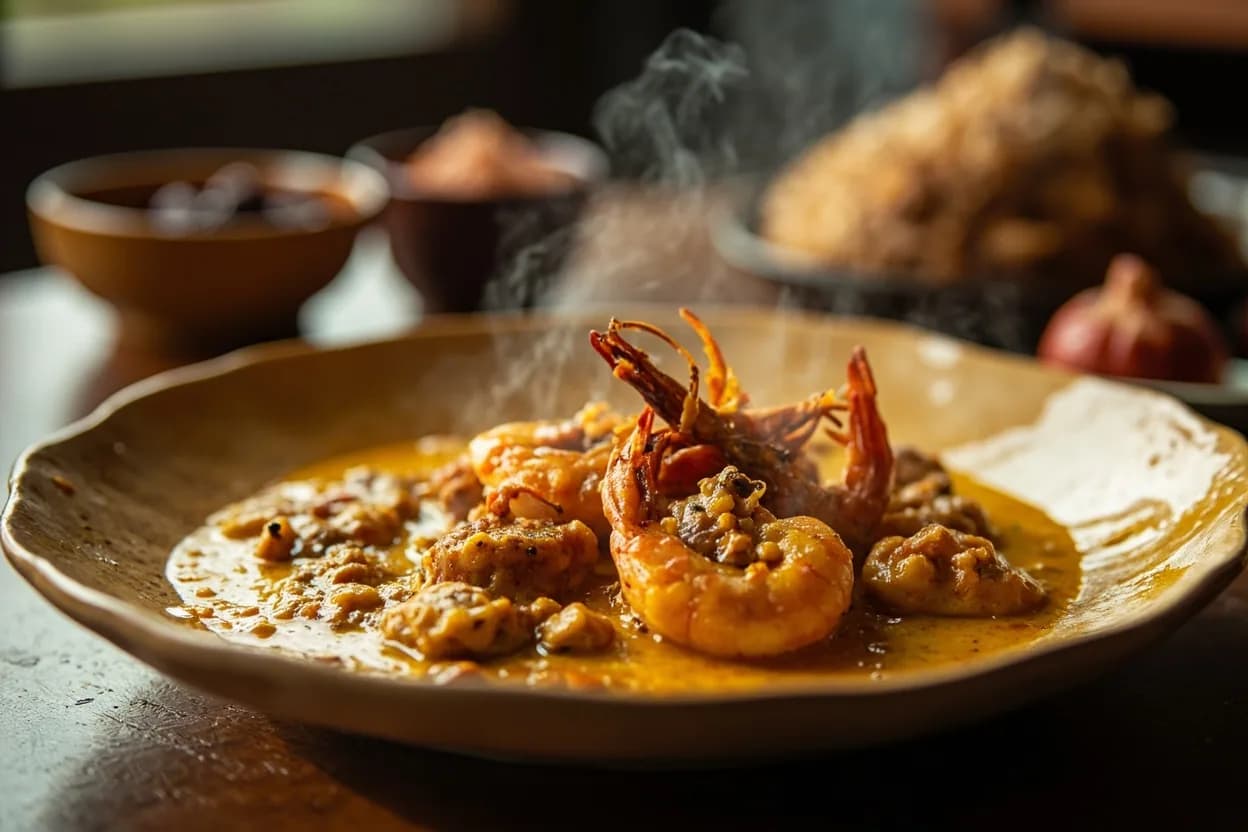
No fish carries more cultural weight in Bengali life than ilish (hilsa herring, Tenualosa ilisha). It spawns in the Bay of Bengal and migrates upriver into the Padma, Meghna, and Hooghly to breed — the upriver fish, fat with the river's cold freshwater, is considered finest. Shorshe ilish (mustard sauce) and ilish bhapa (banana-leaf steamed) are the canonical preparations. Bangladeshi chefs and West Bengali cooks argue with genuine passion about whose river produces the superior fish; the Padma ilish (Bangladesh) commands export premiums.
Nolen gur: the seasonal luxury
Date palm jaggery (nolen gur), tapped from Phoenix sylvestris trees in winter in West Bengal, is a seasonal ingredient of almost cult status. It liquifies at room temperature in winter but crystallizes in warmth. Its use in sandesh (nolen gur sandesh), payesh (rice pudding), and mishti doi transforms these sweets into something unique to a few winter months. No substitute captures its complex caramel-wine-molasses character.