Proteins
Rohu (Rui)
A popular South Asian freshwater carp, cut into steaks and fried or curried in Bengali kitchens.
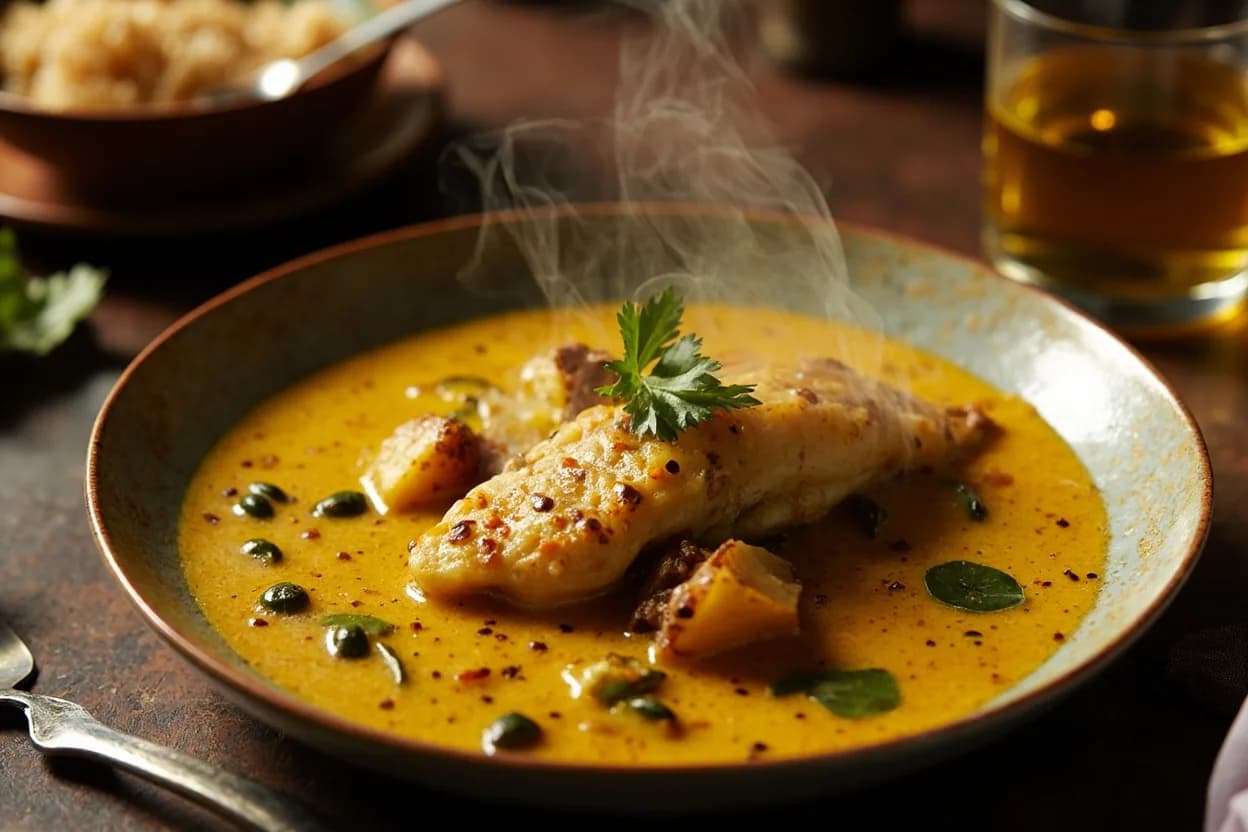
Rohu (rui) is a freshwater carp central to Bengali and broader South Asian cooking. It is typically cut crosswise into bone-in steaks, lightly fried, then simmered in mustard, turmeric, and onion-based gravies such as macher jhol. The flesh is soft and slightly sweet, though it carries fine bones.
Rohu (Labeo rohita) is one of the three Indian Major Carps and stands as a cornerstone of South Asian freshwater cuisine, particularly in Bengal where it is considered one of the five essential fish. Belonging to the Cyprinidae family, this species is native to the Indus River basin and is now cultivated extensively throughout India, Bangladesh, Pakistan, Nepal, Myanmar, and Sri Lanka. Its cultural significance runs deep—Rohu features prominently in Hindu festival foods, wedding feasts, and ritual offerings, and the fish commands premium pricing based on size and freshness.
The flesh offers a mild, sweet freshwater taste with firm, flaky white meat that holds together well during cooking, though cooks must navigate its characteristic numerous small Y-shaped intramuscular bones. Market-sized Rohu typically ranges from 1 to 15 kg, with wild specimens reaching 40 kg or more. The firm, coarse-grained texture makes it exceptionally suited to curries and frying, while the gelatinous cheek meat and rich belly fat are prized separately in Bengali preparations. As one of the most cultivated freshwater fish globally, Rohu provides approximately 15–20 g of protein per 100 g of raw flesh, with fat content varying by season and cut.
- Measured in
- piece
- Storage
- Fridge
Allergens
Types & varieties
Very fine, thin fillet cut; prized for delicate preparations like steamed fish or light poaching
Cross-section steaks with backbone intact; the traditional cut for Machher Jhol and Kalia
Cooked separately in Bengali cuisine; prized for Bhuna fish head and fish head curry; contains gelatinous cheek meat
Thicker section near the caudal fin; leaner and less fatty, well-suited for frying
Selecting Fresh Rohu
Freshness is paramount. Check for bright, clear eyes (not sunken or cloudy) and bright red or pink gills (brown or slimy gills indicate spoilage). Press the flesh—fresh Rohu springs back and feels firm. The smell should be mild and freshwater-like; avoid fish with a strong ammonia odor or yellowed fins, which signal decomposition. Scales should adhere tightly to the skin.
- Bright, clear eyes; avoid sunken or cloudy eyes
- Bright red or pink gills; reject brown or slimy gills
- Firm flesh that rebounds when pressed
- Mild freshwater smell; no ammonia or strong fishy odor
- Scales tightly adhered; avoid fish with loose or missing scales
Understanding Rohu's Bones
The numerous small Y-shaped bones throughout the flesh are characteristic of carp and do not indicate poor quality. This is simply the nature of the fish. Strategies for managing bones include: cutting into steaks concentrates bones in the central backbone area; for fillets, careful deboning with tweezers or a deboning knife removes most bones; traditional Bengali preparations often cook steaks whole so diners navigate bones deliberately rather than expecting boneless meat.
- Steaks concentrate bones in the center backbone
- Fillets require careful manual deboning
- Bone content does not indicate quality
- Traditional preparations expect diners to navigate bones
- Deboning yields clean meat for fish cakes and balls
Common uses
Tips & pitfalls
- Select fresh Rohu by checking bright clear eyes, bright red or pink gills, firm flesh that springs back, and a mild freshwater smell—reject fish with sunken eyes, brown slimy gills, or ammonia odor
- Rohu's small Y-shaped bones are characteristic of carp, not a quality defect—manage them by cutting steaks or careful deboning; do not assume you have been sold a low-quality fish
- For frying, score the flesh deeply before coating to allow heat penetration and prevent curling of the steaks
- Marinate fish with turmeric and salt for 10–15 minutes before cooking in curries—this firms the flesh and helps it hold together in the gravy
- Add fish to curry only after the gravy reaches a gentle simmer; overcook causes it to break apart—8–12 minutes is sufficient depending on cut size
- The belly fat (pait) is a delicacy in Bengali cuisine for its richer flavor; cook it separately or reserve for specific preparations rather than discarding
- Thaw frozen Rohu overnight in the refrigerator; never thaw at room temperature as this promotes bacterial growth
- Rohu scales are large and easy to remove—scrape against the grain with a dull knife or spoon edge for clean scaling
Nutrition
Energy
519 kJ · per 100 g
Where the calories come from
Protein
20g
40% DV
Carbs
0g
0% DV
Fat
4.2g
5% DV
Fiber
0g
0% DV
Sodium
60mg
3% DV
Source · USDA FoodData Central · approx. Fish, bluefish, raw
View on FDC →In the shops
Matched grocery products
No matched grocery products for Rohu (Rui) yet.
Good to know
- Scientific Name
- Labeo rohita
- Common Names
- Rohu (Hindi/English), Rui (Bengali)
- Family
- Cyprinidae (Carp family)
- Protein Content
- 15–20 g per 100 g raw flesh
- Fat Content
- 2–5 g per 100 g; higher in belly flaps
- Peak Season
- Autumn through early spring (cooler water)
- Typical Market Weight
- 1–15 kg; up to 40+ kg wild
- Dressed Yield
- 45–50% from whole fish
Substitutes
- Catla (Catla catla) — The other major Indian carp; nearly identical texture and mild flavor, often used interchangeably in Bengali dishes; slightly sweeter with more finely grained flesh
- Mrigal (Cirrhinus mrigala) — Third major Indian carp; leaner than Rohu with softer texture; acceptable substitute in curries and fried preparations
- Grass Carp (Ctenopharyngodon idella) — Not native but widely available; firmer, more fibrous flesh; works for frying and currying but lacks the characteristic sweet flavor
- Common Carp (Cyprinus carpio) — Introduced species with stronger, muddier flavor; acceptable in cooked preparations but not preferred for frying
- Asian Sea Bass (Barramundi) — Closest saltwater alternative for firm white fish; lacks the freshwater carp character but suitable for curries and grilling when carp is unavailable
Pairs with
Also called
Rohu (Rui) · Rui · Rohu Carp
Appears in these dishes
Related

Egg
The kitchen's everything ingredient — bind, leaven, enrich, or fry

Chicken Breast
Lean, quick-cooking white meat for everyday dinners

Ground Beef
Versatile minced beef for burgers, ragù, tacos, and meatballs

Pork Loin
Lean, tender roasting cut that stays juicy with care

Salmon
Rich, rosy fish that roasts, grills, or cures beautifully

Egg White
Pure protein that whips to airy peaks for meringue and more

Egg Yolk
Rich, golden yolk for custards, mayonnaise, and pasta

Quail Egg
Tiny, speckled eggs for garnishing and elegant bites