Proteins
Hilsa (Ilish)
Oily, intensely flavored river fish, the prized national fish of Bengal.
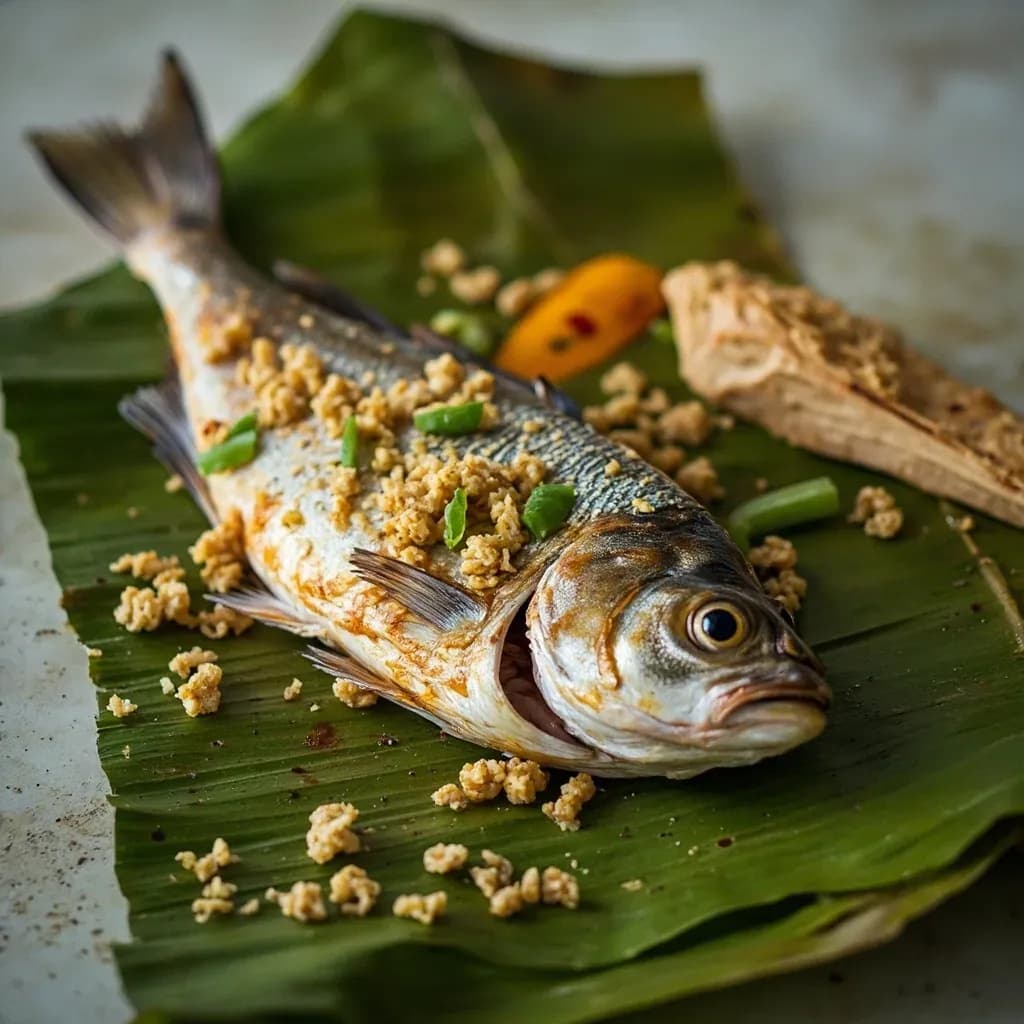
Hilsa, or ilish, is an oily silver fish revered in Bengali cuisine as the king of fish. It is steamed with mustard paste (shorshe ilish), fried, or smoked, its rich fatty flesh and distinctive aroma making it a festive delicacy. Famous for its many fine bones, it rewards careful eating with deep, buttery flavor.
Hilsa (Tenualosa ilisha) is an anadromous oily river fish that ranks among the most prized catches in South Asian waters. Unlike most fish, it spends most of its life in the sea before migrating upstream into freshwater rivers—the Ganges, Brahmaputra, and Meghna basins—to spawn during the monsoon. This migratory life builds its distinctive fat reserves, reaching 12–15% lipid content, which gives the flesh its buttery richness and makes it one of the few fish that releases oil during cooking rather than absorbing it. The flavor is intensely fishy yet delicate—undeniably oceanic, with a sweetness that separates it from leaner species. The texture is soft and flaky, but the many small intermuscular bones running through the flesh are structural, not avoidable; they are meant to be eaten around, a practice Bengali diners master from childhood.
In Bengali cuisine, Hilsa occupies a position closer to ritual than mere ingredient. Bangladesh declared it the national fish, and across West Bengal and Bangladesh, the arrival of monsoon Hilsa in markets is a cultural event that generates genuine excitement. The fish is so integral to regional identity that debates about which river produces the finest Hilsa, and how it should be prepared, can occupy an entire dinner conversation. This reverence shapes cooking: Hilsa is never masked with heavy sauces or aggressive flavors that would obliterate its character. Instead, Bengali technique builds around the fish—mustard oil as the assertive cooking medium, mustard paste as the primary seasoning, banana leaf as the steaming vessel that traps moisture and imparts subtle smokiness. The roe, meanwhile, is considered a separate delicacy and is often battered and fried to crisp, golden perfection.
Sustainability casts a shadow over this beloved fish. Wild populations have declined significantly from overfishing, and prices reflect this scarcity—Hilsa often costs several times more than other fish. Farmed Hilsa exists but is considered markedly inferior in flavor and texture, lacking the fat depth and concentration of wild-caught specimens. For the cook, practical realities shape the approach: freshness is paramount, because Hilsa deteriorates rapidly and develops a strong, unpleasant fishy odor within 24 hours of catch. The fat content means the fish should not require additional cooking oil. And those small bones are simply part of the experience—a sign of authenticity, not a flaw to be engineered away.
- Measured in
- g
- Storage
- Fridge
Allergens
Types & varieties
Considered the finest; from the Meghna River estuary in Bangladesh
From the Padma River (Ganges distributary) in Bangladesh and West Bengal, India
From the Hooghly River estuary near Kolkata, prized in Bengali markets
From upstream Ganges and Brahmaputra regions; tends to be leaner than estuarine catches
Small-sized Hilsa, typically under 500g, considered a delicacy when young
Selecting Hilsa
Freshness is the governing principle when buying Hilsa. The fish deteriorates rapidly—within 24 hours of catch it begins developing an unpleasant strong odor that worsens quickly. At the market, examine the eyes first: they should be clear and slightly protruding, not sunken or clouded. The gills must be bright red or pink; brown or gray gills indicate age. The scales should be firmly attached and glossy, not lifting or dry. If buying whole, the flesh should spring back when pressed. For frozen Hilsa, avoid specimens with freezer burn or ice crystals, which signal prolonged storage. Buy from a vendor with high turnover to maximize freshness. If cooking within 12 hours, Hilsa needs no special storage beyond refrigeration on ice or in the coldest part of the fridge. Beyond 24 hours, freeze it—but accept that frozen Hilsa will never match fresh in texture or flavor.
- Clear, protruding eyes and bright red or pink gills indicate freshness
- Cloudy eyes and brown gills mean the fish is old
- Strong fishy odor at the counter means it has passed its prime
- Buy from vendors with high turnover; Hilsa should smell clean, briny, and oceanic
- The roe (egg clusters) attached to the fish is a bonus delicacy—buy whole female specimens when available
Cooking Behavior
Hilsa's high fat content fundamentally changes how it behaves in the pan. The fish releases its own oil during cooking, which means you should not add cooking fat to the dish—the oil that emerges from the flesh is sufficient and desirable. This fat also makes the fish forgiving in terms of moistness; it resists drying out better than lean fish. However, the softness that makes Hilsa tender also makes it fragile. Extended cooking—more than 12–15 minutes of total heat exposure—causes the flesh to break apart and turn mushy. The flesh flakes easily when done, which is desirable, but it should hold together during cooking. The small, numerous bones are structural; they cannot be filleted out without destroying the fish. Instead, they are eaten around, a practice that requires no special skill for experienced eaters but should be mentioned to novices. The fat also carries flavor aggressively; strong seasonings like mustard oil and green chilies are not just traditional—they are necessary to balance the richness.
- The fish releases its own oil during cooking; do not add cooking fat to the pan
- Extended cooking causes the delicate flesh to become mushy and fall apart
- Small intermuscular bones are structural and expected; they are eaten around, not removed
- Strong seasonings—mustard oil, mustard paste, green chilies—balance the richness rather than mask it
- The roe fries well battered and crisped; cook it alongside the main fish for a bonus component
Common uses
Tips & pitfalls
- Purchase the freshest available; Hilsa deteriorates rapidly and develops a strong fishy odor when old—the flesh should smell clean, briny, and oceanic
- Use generous mustard oil for cooking; its sharp pungency is the traditional and correct medium for Bengali preparations, providing essential contrast to the oily fish
- Cook quickly over medium-high heat; extended cooking causes the delicate flesh to break apart and become mushy—plan for 10–15 minutes total
- Expect and plan for small bones; advise unfamiliar diners accordingly, and consider portioning larger fillets carefully before serving to sensitive eaters
- When buying whole fish, check for clear, protruding eyes and bright red or pink gills—cloudy eyes and brown gills indicate age
- The roe (egg clusters) is considered a delicacy and should be cooked alongside the fish; batter and deep-fry for crisp contrast
- Refrigerate on ice or in the coldest part of the fridge if not cooking within a few hours; never leave at room temperature
- For banana leaf steaming, briefly char the leaf over an open flame to make it pliable before wrapping—fresh leaves will crack
Nutrition
Energy
519 kJ · per 100 g
Where the calories come from
Protein
20g
40% DV
Carbs
0g
0% DV
Fat
4.2g
5% DV
Fiber
0g
0% DV
Sodium
60mg
3% DV
Source · USDA FoodData Central · approx. Fish, bluefish, raw
View on FDC →In the shops
Matched grocery products
No matched grocery products for Hilsa (Ilish) yet.
Good to know
- Scientific Name
- Tenualosa ilisha
- Origin
- Ganges-Brahmaputra-Meghna river basin (Bangladesh, India, Myanmar)
- Peak Season
- Monsoon, June–August; available October–November in some regions
- Fat Content
- High; approximately 12–15% lipid content, making it an oily fish
- Typical Weight
- 2–3 kg; can reach 4–6 kg
- Flavor Profile
- Rich, buttery, and distinctly fishy with a delicate, tender texture
- Texture
- Soft, flaky flesh with many small intermuscular bones
- Forms Available
- Fresh whole, frozen, dried, salted, smoked, and as fillets
- Distinctive Feature
- Dark spot behind the gill cover; deeply forked tail
- Shelf Life
- 2–3 days refrigerated; best when cooked within 24 hours of catch
Substitutes
- Indian Mackerel — Similar oily texture and richness; use 1:1 in curries, though the flavor is less distinctive and lacks Hilsa's characteristic intensity
- Atlantic or Pacific Herring — Comparable fat content and flaky texture; best when cooked with bold Bengali spices—mustard oil and strong aromatics compensate for the milder flavor
- Chinese Shad (Tenualosa toli) — Closely related species; the same cooking methods apply; slightly leaner but behavior in the pan is nearly identical
- Rohu or Catla (Indian Major Carps) — Not oily like Hilsa; use in non-mustard preparations; texture is firmer and more robust, better suited to aggressive cooking methods
- Sabrefish (Shad/Alosa spp.) — Acceptable in a pinch; cook similarly to Hilsa with bold Bengali spices to approximate the cultural context
Pairs with
Also called
Ilish · Hilsa Herring
Appears in these dishes
Related
Egg
The kitchen's everything ingredient — bind, leaven, enrich, or fry
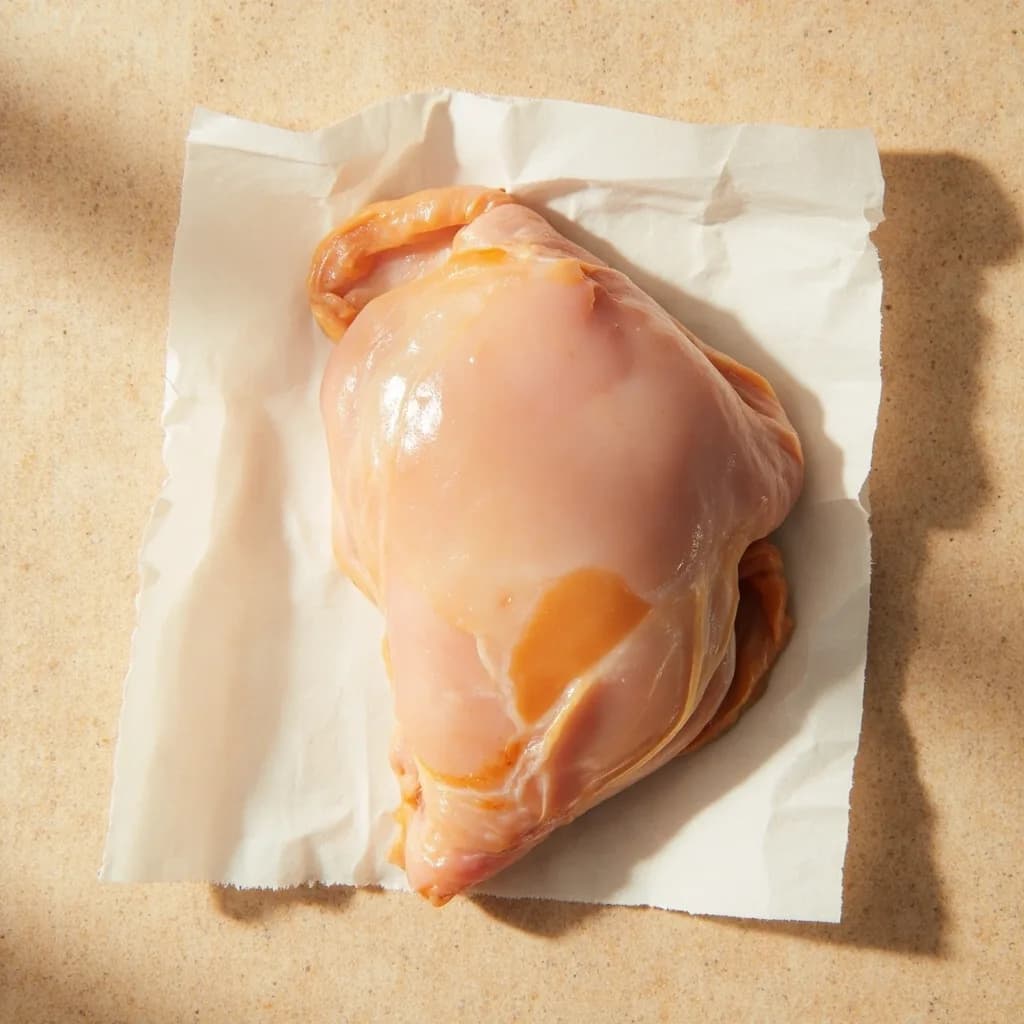
Chicken Breast
Lean, quick-cooking white meat for everyday dinners

Ground Beef
Versatile minced beef for burgers, ragù, tacos, and meatballs
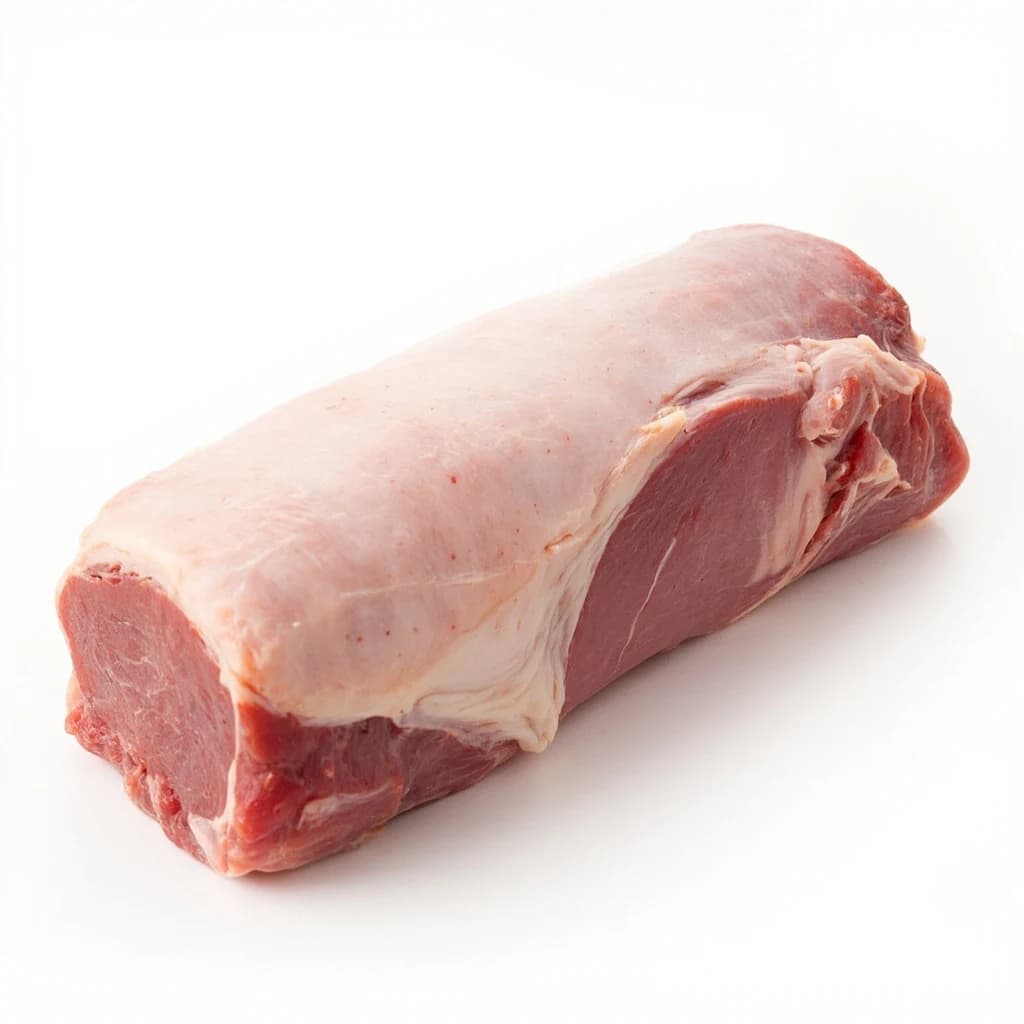
Pork Loin
Lean, tender roasting cut that stays juicy with care
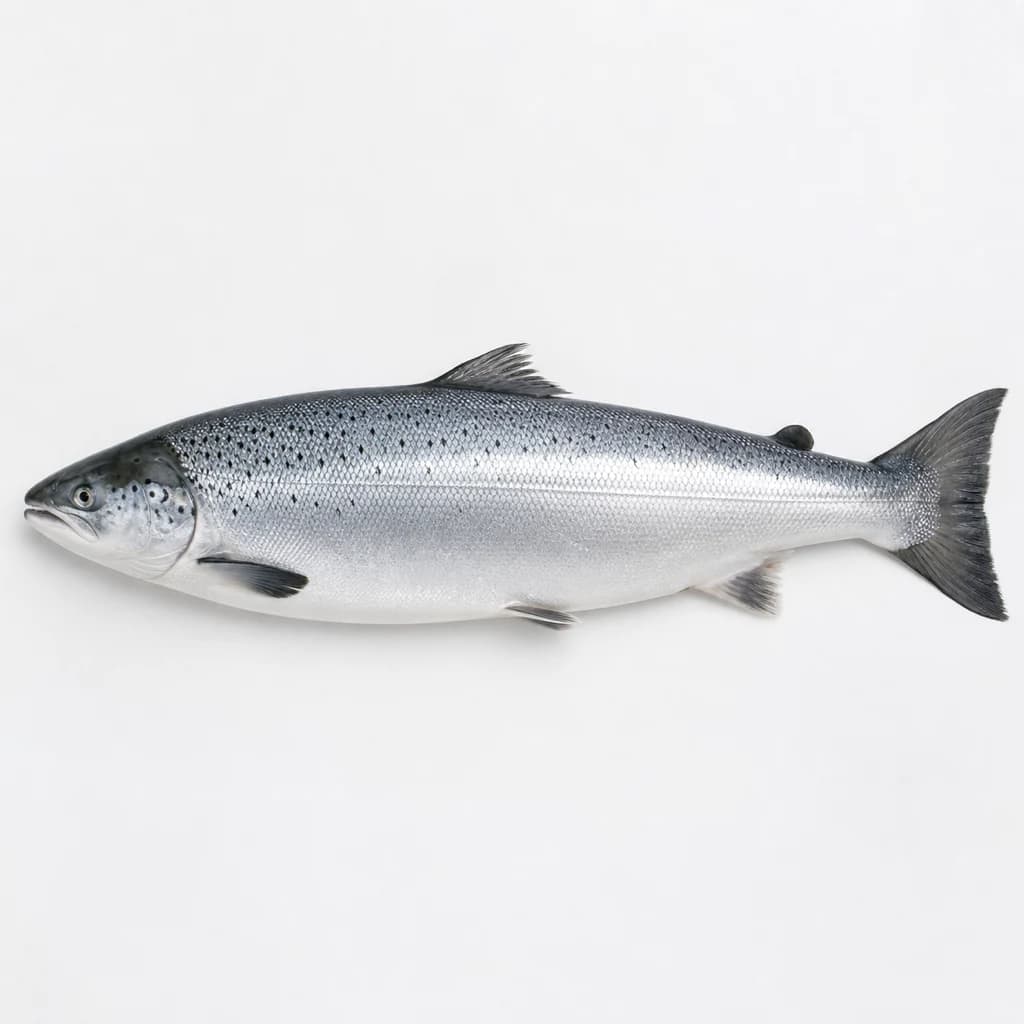
Salmon
Rich, rosy fish that roasts, grills, or cures beautifully

Egg White
Pure protein that whips to airy peaks for meringue and more

Egg Yolk
Rich, golden yolk for custards, mayonnaise, and pasta

Quail Egg
Tiny, speckled eggs for garnishing and elegant bites