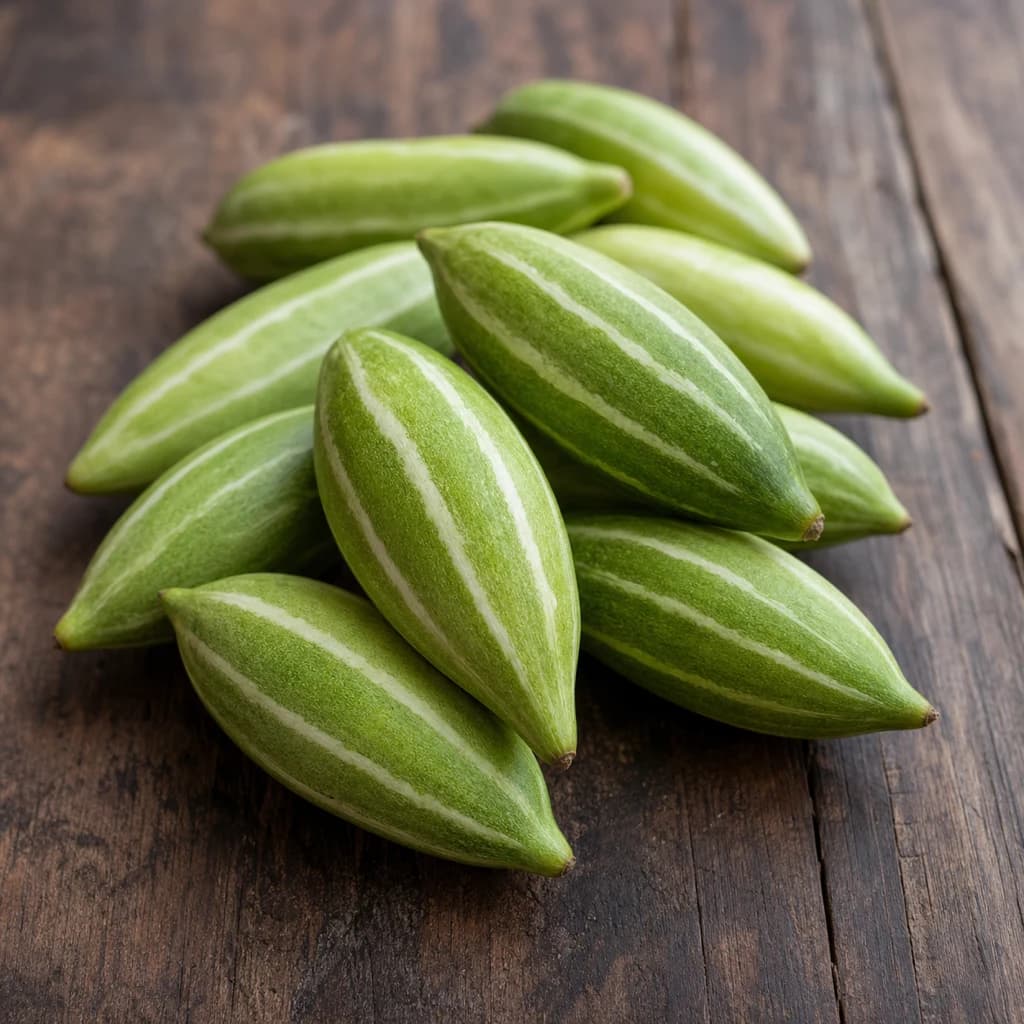
Natural form
Fresh pointed gourds showing the small spindle shape and pale-striped green skin.
Teaches readers to identify the ingredient by its distinctive elongated teardrop form, pointed tips, and characteristic green-and-white striped exterior.
Produce
Pointed Gourd
Small green South Asian gourd (parwal) fried, curried, or stuffed.
Pointed gourd, known as parwal or potol, is a small, spindle-shaped green gourd common in eastern South Asian cooking. It is fried, added to curries and dals, or stuffed and stewed, with a mild flavor and tender flesh when cooked. In Bengal it is prized in dishes like dorma (stuffed potol).
Pointed gourd (Trichosanthes dioica), known as parwal across South Asia, is a small, firm-skinned gourd that holds a special place in the cooking traditions of India, Bangladesh, Nepal, and Pakistan. Unlike the more watery gourds, parwal maintains its shape remarkably well through cooking, developing a silky, almost melting texture at its center while the outer walls retain a gentle firmness. Its flavor is mild and vegetal with a whisper of bitterness when raw that sweetens and rounds out during cooking—a quality that makes it uniquely adaptable, equally at home in savory curries and rich Bengali sweets. The vegetable is considered medicinal in Ayurveda, prized for its cooling properties and often given to convalescing patients, which speaks to both its digestibility and its gentle nature on the body. For the home cook, pointed gourd is forgiving and versatile: it absorbs spices without becoming bland, holds stuffing without falling apart, and caramelizes without turning mushy. Look for firm, glossy specimens with unblemished dark green skin and pale longitudinal stripes; avoid any with yellowing or soft spots, which indicate age and deterioration.
In regional kitchens, parwal is treated with quiet reverence. Bengali cuisine elevates it into sweets—a testament to its ability to absorb sugar while maintaining structure. Bihari and Awadhi cooks favor it in stuffed preparations and dry sabzis. Punjabi kitchens incorporate it into kadhi kofta, while Odia cooking often pairs it with mustard and coconut. What unites these traditions is an understanding of the gourd's character: it wants low, patient heat, and it rewards spicing with genuine depth. Understanding this vegetable means understanding restraint combined with bold tempering—the gourd itself asks to be filled, fried, or simmered rather than eaten raw.
- Measured in
- piece
- Storage
- Fridge
Types & varieties
Most common variety; dark green with pale stripes, typically 6–10 cm long
Lighter green with pronounced white stripes; slightly sweeter
Smaller, more bitter; found in rural markets, often cooked with lentils
Selecting and Preparing Pointed Gourd
Choosing parwal at peak freshness ensures the best results. Select firm, glossy specimens with vibrant green color and visible pale longitudinal stripes. The skin should be unblemished—no cuts, bruises, or soft spots. Avoid any gourd that has begun to yellow, as this indicates aging and will result in a watery, less flavorful vegetable. Size matters less than firmness; smaller specimens tend to be more tender.
Preparation begins with washing and peeling. Use a vegetable peeler or small knife to remove the skin entirely, though some preparations (particularly stuffed versions) may leave narrow strips of skin for visual interest. Cut the gourd into 2-inch sections or leave whole for stuffing. The interior contains small seeds surrounded by a softer flesh—always remove the seeds before cooking, as the flesh around them becomes fibrous and unpleasant. For stuffed preparations, gently hollow out each piece with a small spoon, leaving walls approximately 3–4 mm thick. This requires patience; press too firmly and you'll puncture the walls.
If bitterness concerns you—a valid concern with older or wild specimens—score the gourd pieces lengthwise, rub with a pinch of turmeric and salt, and let rest 10 minutes before rinsing. This draws out the bitter compounds without affecting the vegetable's structure.
- Choose firm, glossy, unblemished gourds with vibrant green color
- Peel completely or in stripes depending on the recipe
- Always remove seeds—the flesh around them becomes fibrous when cooked
- For stuffed preparations, hollow gently to leave 3–4 mm walls intact
- Neutralize bitterness by scoring, rubbing with turmeric and salt, then rinsing
Understanding the Difference: Parwal, Snake Gourd, and Ridge Gourd
Three gourds share culinary territory in South Asian markets, but they are not interchangeable. Pointed gourd (parwal) is the smallest—6 to 10 cm—with a firm, almost waxy skin and a dense, silky interior. It holds its shape in cooking and is the only gourd suitable for Bengali sweets.
Snake gourd (chachinda) grows long and curling, sometimes reaching 30–150 cm. Its flavor is more pronounced and its texture softer; it breaks down more readily in liquid. It is better suited for dal and wet preparations than for stuffing.
Ridge gourd (tori) falls between the two in size and has a ridged exterior. It cooks quickly and has a slightly sweeter, more delicate flavor. It works well in stir-fries and light curries but cannot replicate the stuffing capability of parwal.
The distinction matters at market and in the kitchen. Substituting one for another will change the dish's character—sometimes acceptably, sometimes not. When a recipe specifies parwal, it likely requires the vegetable's particular density and cooking behavior.
- Pointed gourd is smallest and densest; best for stuffing and sweets
- Snake gourd is larger, softer, and better for wet preparations
- Ridge gourd is mid-sized with a ridged skin; good for stir-fries
- These three are not freely interchangeable in recipes
Common uses
Tips & pitfalls
- Score the length of each piece with a knife before cooking to allow spices to penetrate and ensure even cooking throughout
- Salt parwal only just before cooking—salted in advance, it releases moisture and becomes watery, ruining both texture and seasoning distribution
- Hollow out the center for stuffing gently with a small spoon, leaving walls 3–4 mm thick; press too hard and the stuffing will fall out during cooking
- Always remove the seeds before cooking—the flesh surrounding them becomes unpleasantly fibrous
- When frying parwal, start on medium heat to cook the interior through, then increase to high for the final 30 seconds to crisp the exterior without burning
- For halwa or sweet preparations, cook the gourd in milk over low heat for 45–60 minutes until completely soft; rushing this step results in grainy texture
- If the gourd tastes bitter, score and rub with a pinch of turmeric and salt, let rest 10 minutes, then rinse—this draws out bitter compounds without damaging the vegetable
- Choose the firmest, glossiest specimens; soft spots indicate age and will produce a watery, less flavorful dish
Nutrition
Energy
84 kJ · per 100 g
Where the calories come from
Protein
1.2g
2% DV
Carbs
4.4g
2% DV
Fat
0.2g
0% DV
Fiber
1.1g
4% DV
Sugars
2g
of which
Sodium
3mg
0% DV
Source · USDA FoodData Central · approx. Gourd, dishcloth (towelgourd), raw
View on FDC →In the shops
Matched grocery products
No matched grocery products for Pointed Gourd yet.
Good to know
- Scientific Name
- Trichosanthes dioica
- Origin
- Indian subcontinent (India, Bangladesh, Nepal, Pakistan)
- Season
- Year-round; peak summer months (May–August)
- Size
- 6–10 cm long, 2–4 cm diameter when mature
- Flavor
- Mild, slightly vegetal; faint bitterness when raw, sweetens when cooked
- Texture
- Firm when raw; silky and tender when cooked
- Yield
- Approximately 75–80% edible after peeling and seeding
- Storage
- Refrigerate unwashed in crisper drawer for up to 5 days; do not freeze
- Key Cuisines
- Bihari, Bengali, Awadhi, Punjabi, Odia
Substitutes
- Bottle Gourd (Lauki/Doodhi) — Milder flavor with higher water content; best for curries and kofta, not suitable for stuffing
- Zucchini — Similar silky texture when cooked; lacks the subtle bitterness and traditional character; use 1:1 in stir-fries
- Tinda (Apple Gourd) — Comparable size and mild flavor profile; cook using identical methods
- Chayote (Chow-Chow) — Similar firm-yet-tender cooked texture; slightly sweeter and less dense
Pairs with
Also called
Potol · Parwal · Parval
Related
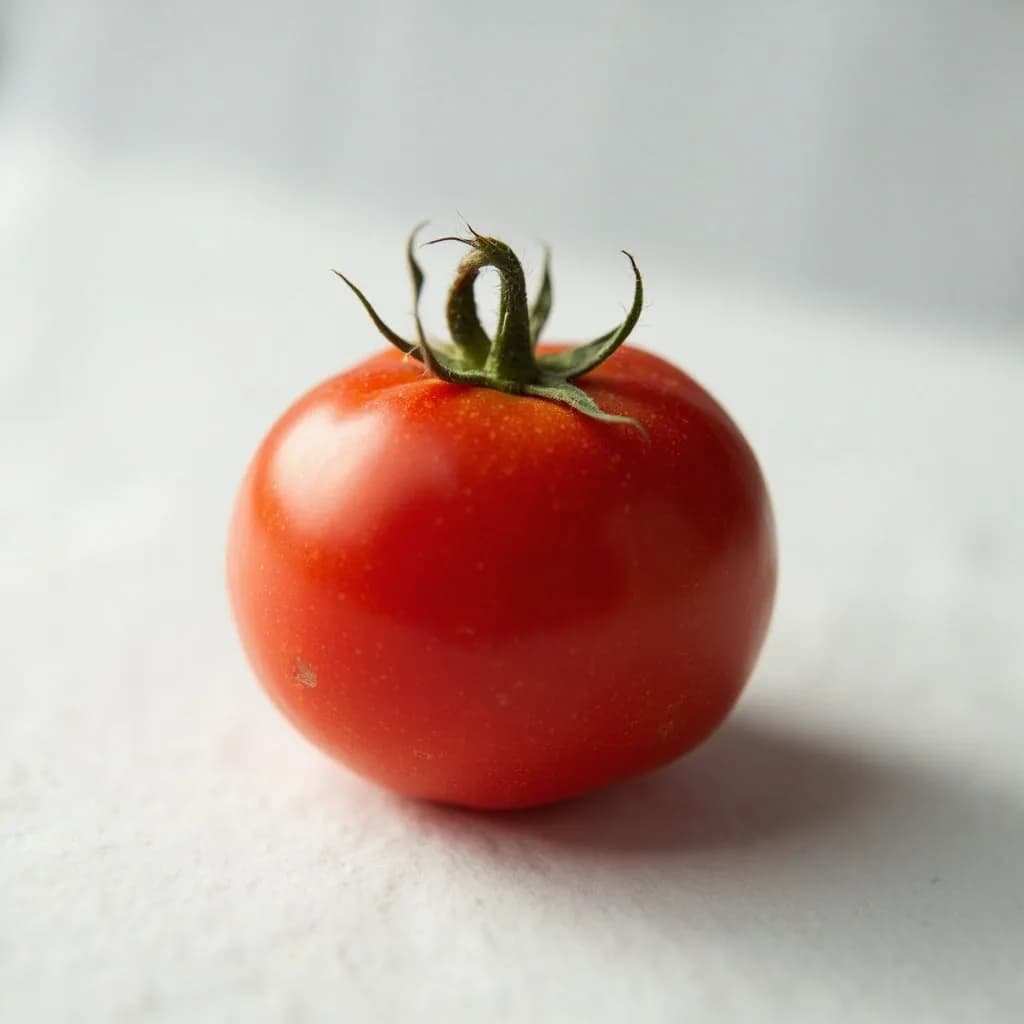
Tomato
Juicy, sun-sweet fruit for sauces, salads, and slow-cooked depth
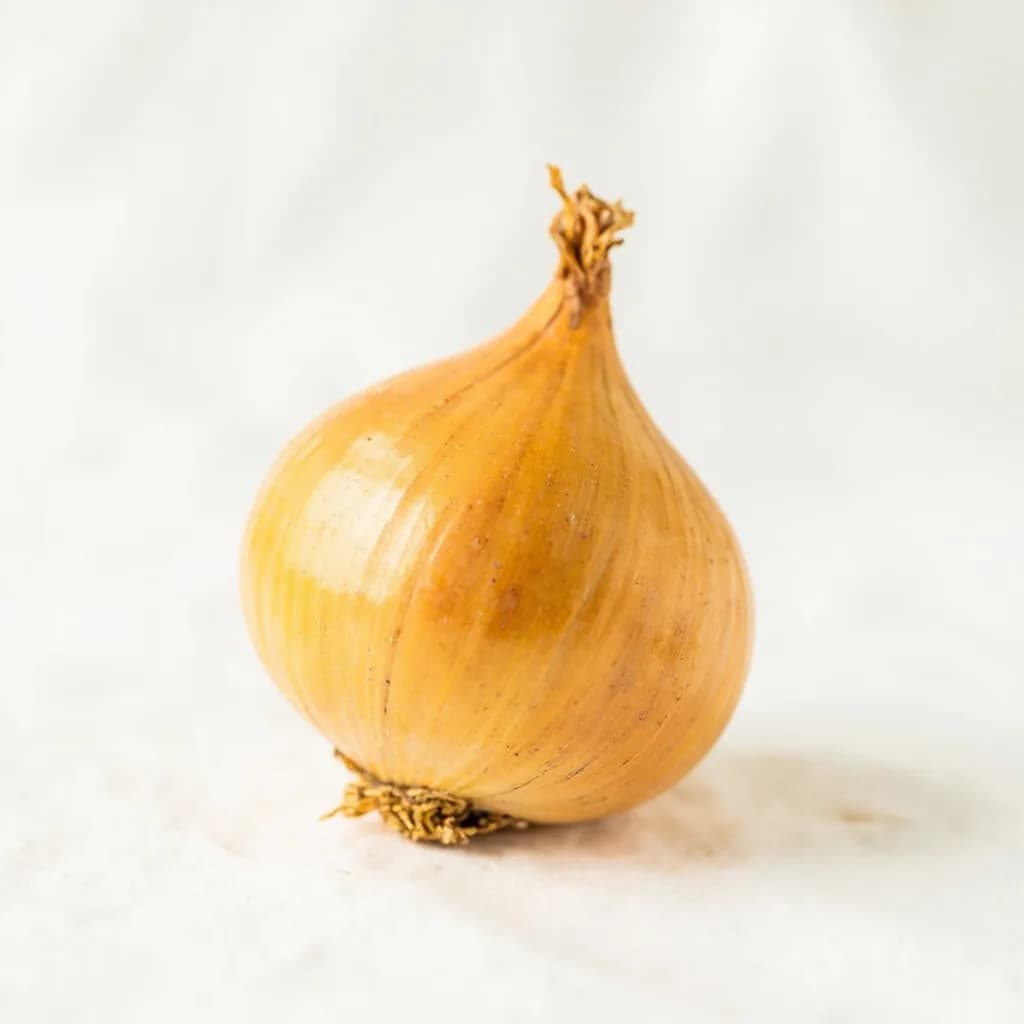
Yellow Onion
The aromatic backbone of soups, sofritos, and braises
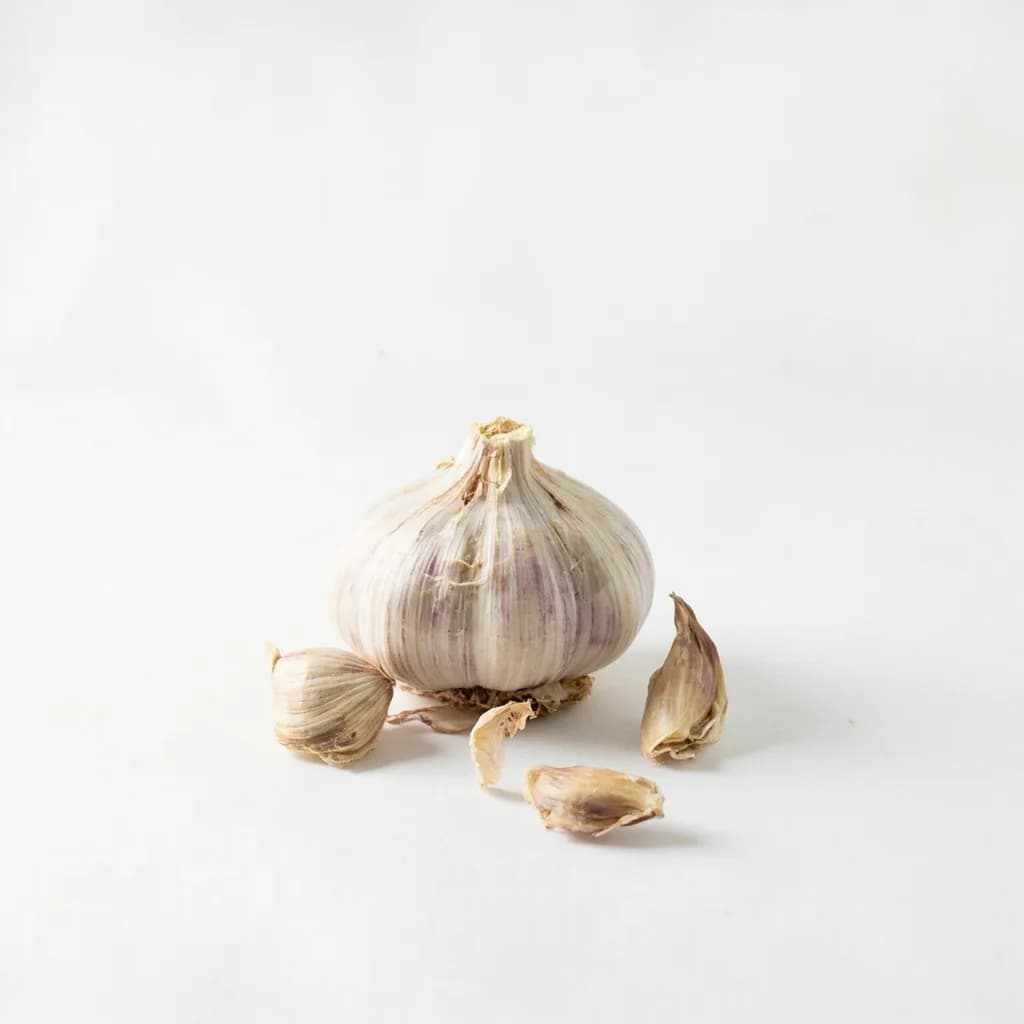
Garlic
Pungent cloves that perfume nearly every savory dish
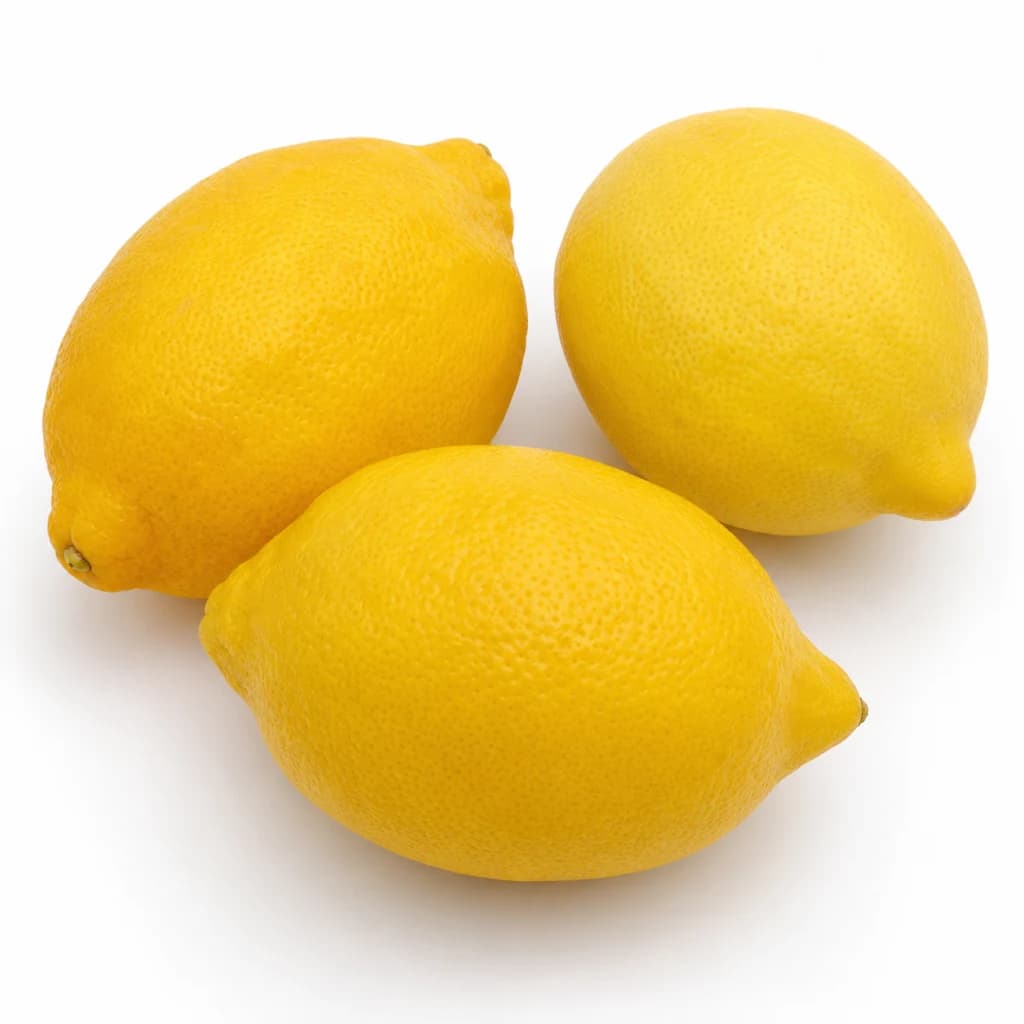
Lemon
Bright, acidic citrus that wakes up almost any dish
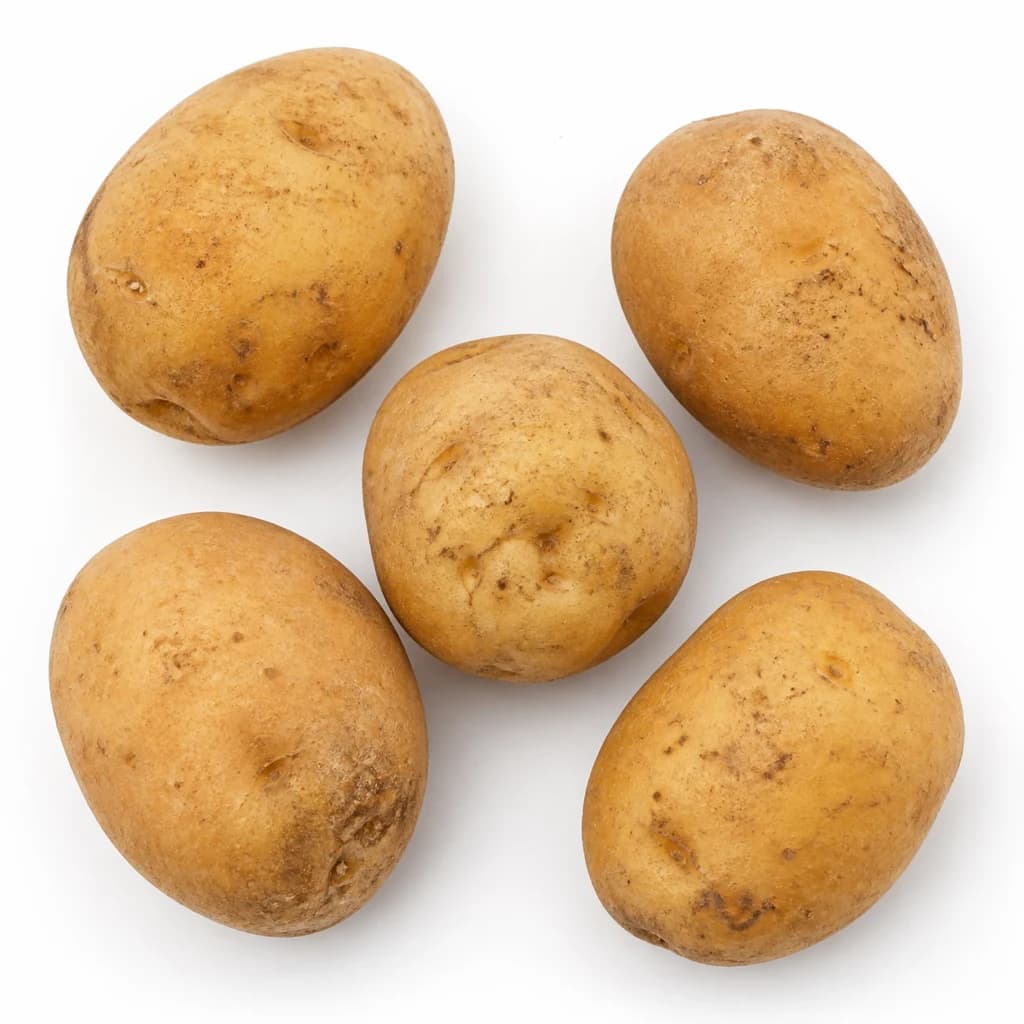
Potato
Humble, hearty staple — roast, mash, fry, or boil
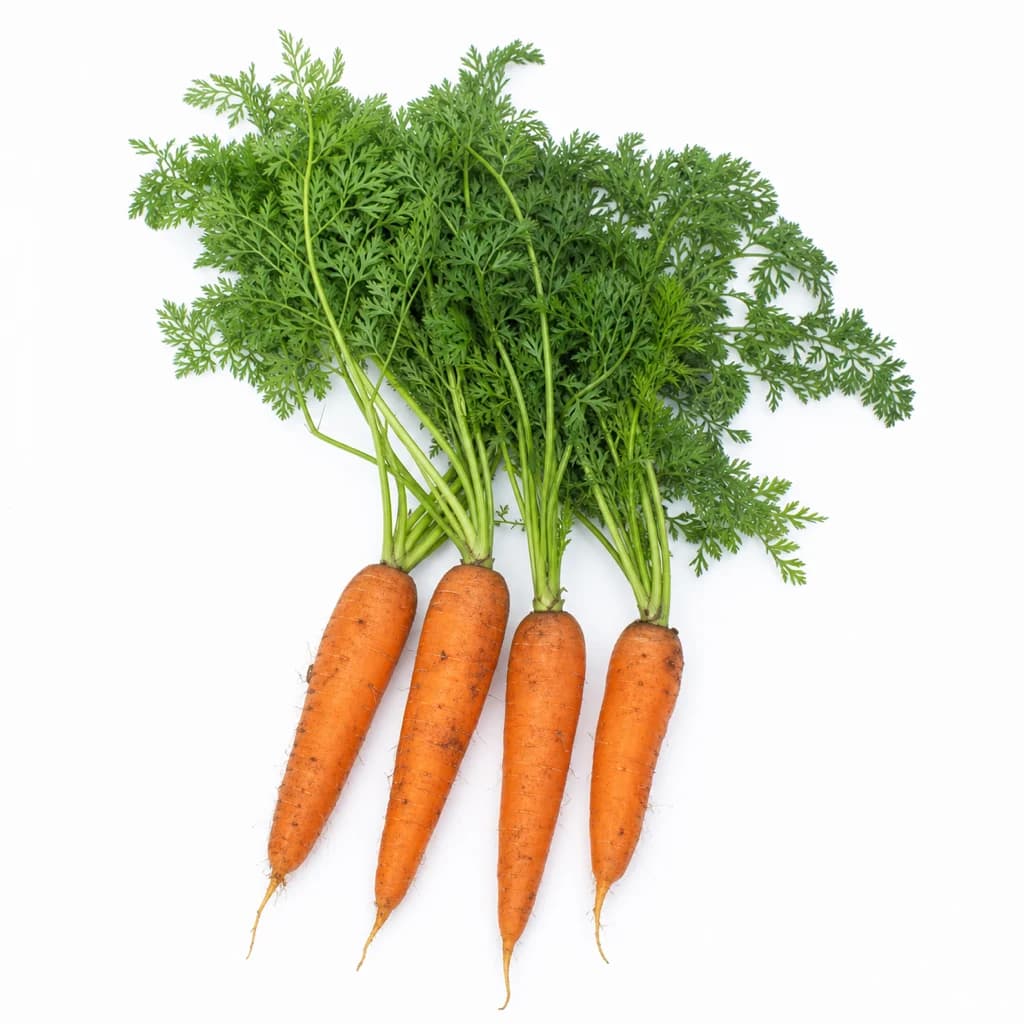
Carrot
Sweet, crunchy root — raw, roasted, or the base of a sofrito
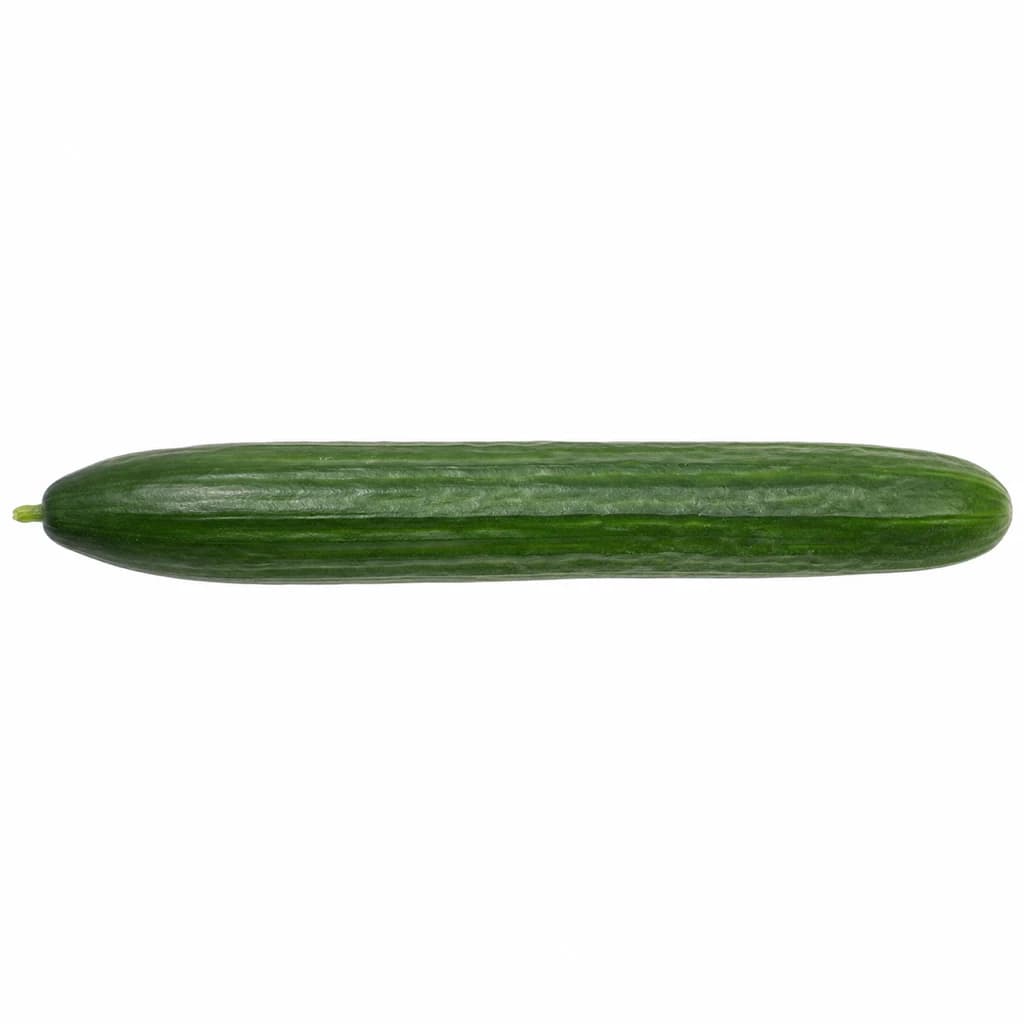
Cucumber
Cool, crisp, and watery — for salads, pickles, and tzatziki

Lettuce
Crisp leaves for salads, wraps, and a fresh crunch