Middle East
Kurdish (Kurmanci Kitchen)
Also: Kurmanci cuisine, Kurdish cuisine, Highland Arab-Iranian cuisine
A highland pastoral cuisine stitched across four modern borders — lamb from the mountain, walnuts from the valley, and an oral food tradition that survived where writing could not.
Kurdish cuisine is the food tradition of the Kurdish people, an ethnic group of 35–45 million spread across the highlands of eastern Turkey, northern Iraq, northwestern Iran, and northern Syria — four nations whose political boundaries fragment a single cultural and culinary landscape. The cuisine is defined by the products of highland pastoral life: lamb and dairy (yogurt, white cheese, buttermilk), walnuts, pomegranate, dried herbs, and grains grown in mountain valleys. The Kurmanci-speaking northern and western Kurds (the majority Kurdish dialect group) share a largely unified food vocabulary, though local names and forms vary across the political divide. Unlike neighboring cuisines with elaborate court traditions, Kurdish cooking is largely oral and domestic, resisting both documentation and assimilation.
The flavour base
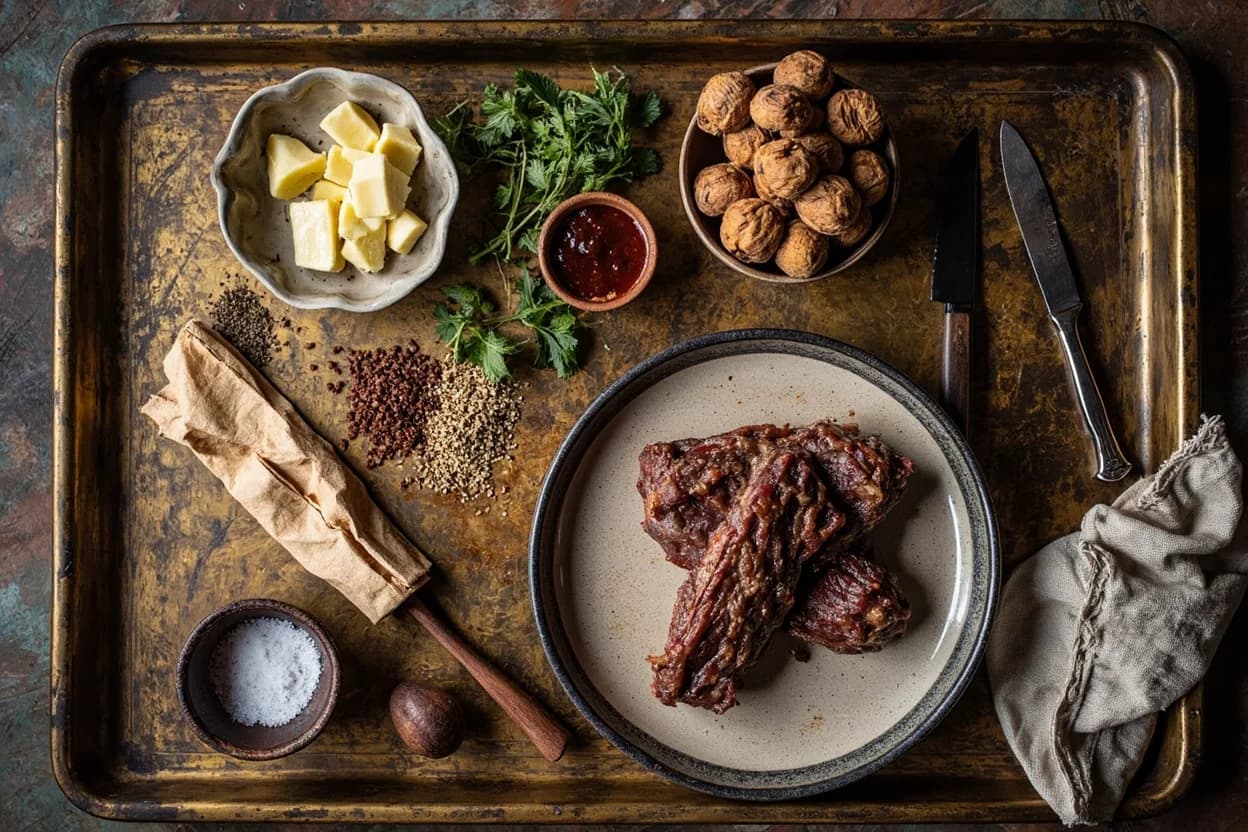
No single sofrito or spice compound dominates; instead, Kurdish cooking builds flavor through animal fat (tail fat of fat-tailed sheep, clarified butter), the acidity of pomegranate molasses or sour grape juice (verjuice), and abundant fresh or dried mountain herbs (mint, tarragon, dill, sumac berries). Garlic and onion are constant; tomato is present but not central.
Pantry staples
Key ingredients
Signature techniques
Signature dishes
Kurdish (Kurmanci Kitchen) on the table

At the table
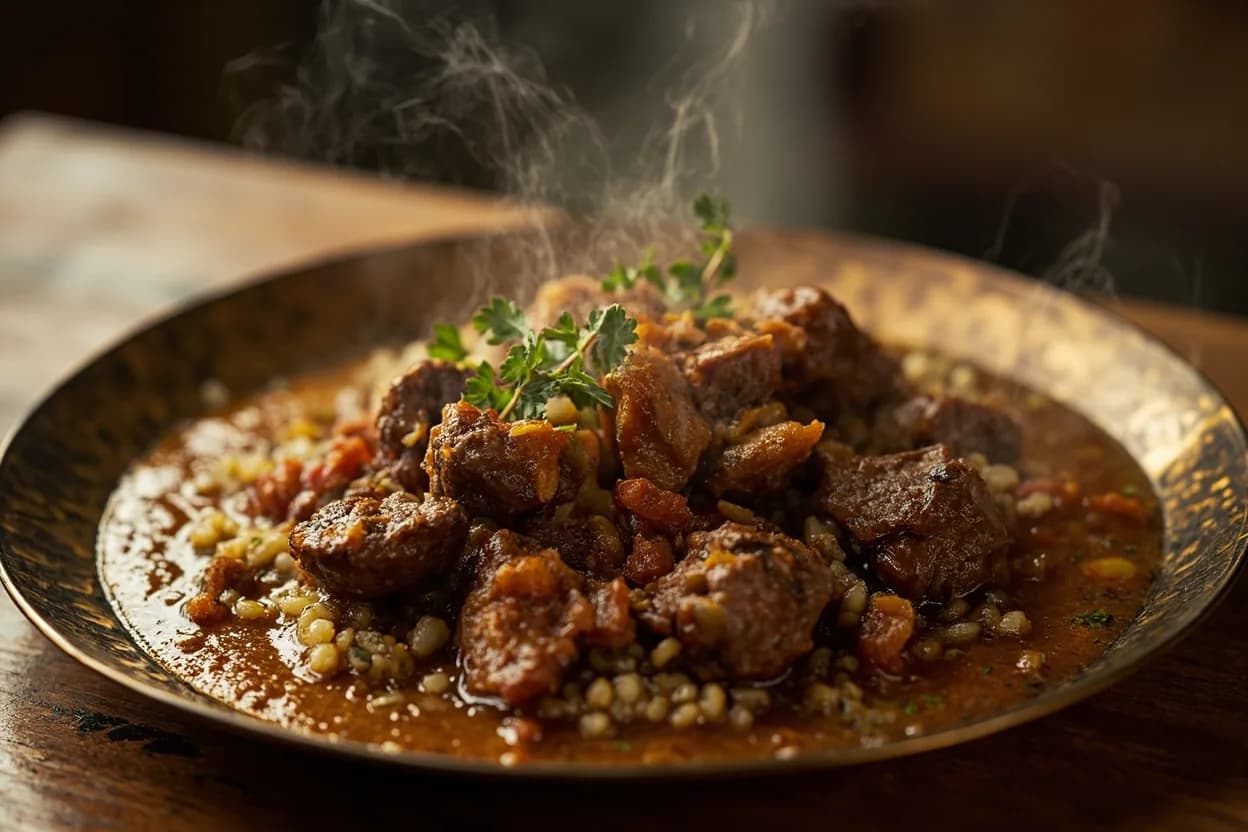
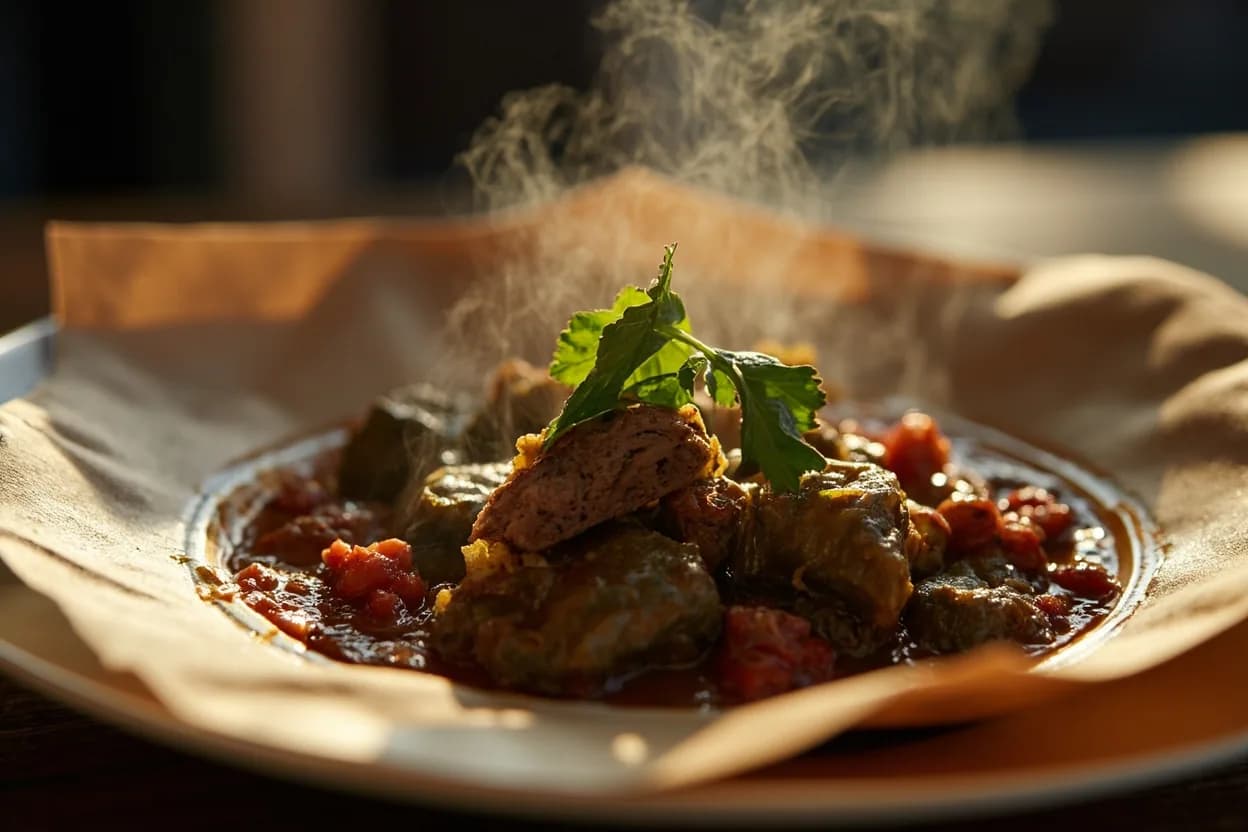
Kurdish meals center on communal sharing, with bread (lavash or tandir bread) always present. The structure is flexible: stews and grilled meats served alongside rice or bulgur, with yogurt, pickled vegetables, and fresh herbs accompanying every meal. Large gatherings (weddings, Newroz celebrations) involve whole roasted lamb. Because Kurdish communities straddle four nations, urban Kurdish food has absorbed Ottoman, Persian, and Arab restaurant formats, while rural highland cooking remains organized around seasonality and pastoral availability.
History & context
The Kurds are an Indo-European people, descendants of ancient Medes and related highland populations of the Zagros and Taurus mountains. Their cuisine predates the Arab Islamic conquests that shaped neighboring food traditions — Kurdish food shares deeper roots with ancient Persian and Anatolian cooking. The political fragmentation of Kurdistan across Turkey, Iraq, Iran, and Syria following World War I (the Treaty of Lausanne, 1923, and the Treaty of Sèvres that preceded it) created a stateless diaspora with no single canonical culinary record. Much of the cuisine exists in oral tradition, in diaspora community cookbooks published in Europe and America, and in the deep domestic practices of Kurdish women. Newroz (Kurdish New Year) is the single most important culinary occasion, featuring elaborate roasts and communal feasts that assert cultural continuity across political fragmentation.
Regional variations
- Iraqi Kurdistan (South Kurmanci / Sorani)
More Arab-influenced; heavier rice use, stronger tomato base, overlap with Iraqi stew traditions. See also Iraqi cuisine entry.
- Turkish Kurdistan (North Kurmanci)
Strong Anatolian influence; overlap with Turkish dolma, börek (Kurdish term: bölik), and yogurt-sauce traditions.
- Iranian Kurdistan (Rojhelat)
Persian culinary gravity is strong here: herb-heavy stews (aash), rice with dill and fava beans, and the use of kashk (dried yogurt) in sauces.
- Syrian Kurdistan (Rojava)
Leaner tradition, more closely tied to northern Syrian Arab cooking; olive oil appears alongside butter; bulgur more prominent than rice.
Related cuisines
- Persian
Deep shared roots: herb-rice dishes, pomegranate in savory cooking, and dried-yogurt sauces overlap strongly.
Long coexistence has blended dolma, köfte, and lavash traditions; Turkish cuisine absorbed many Kurdish highland preparations.
Significant overlap in Iraqi Kurdistan: stuffed vegetables, slow lamb stews, rice with dried fruit and nuts.
- Armenian
Neighboring mountain people with parallel dependence on lamb, dairy, walnut, and dried fruits — some dishes are near-identical under different names.
Canonical recipes
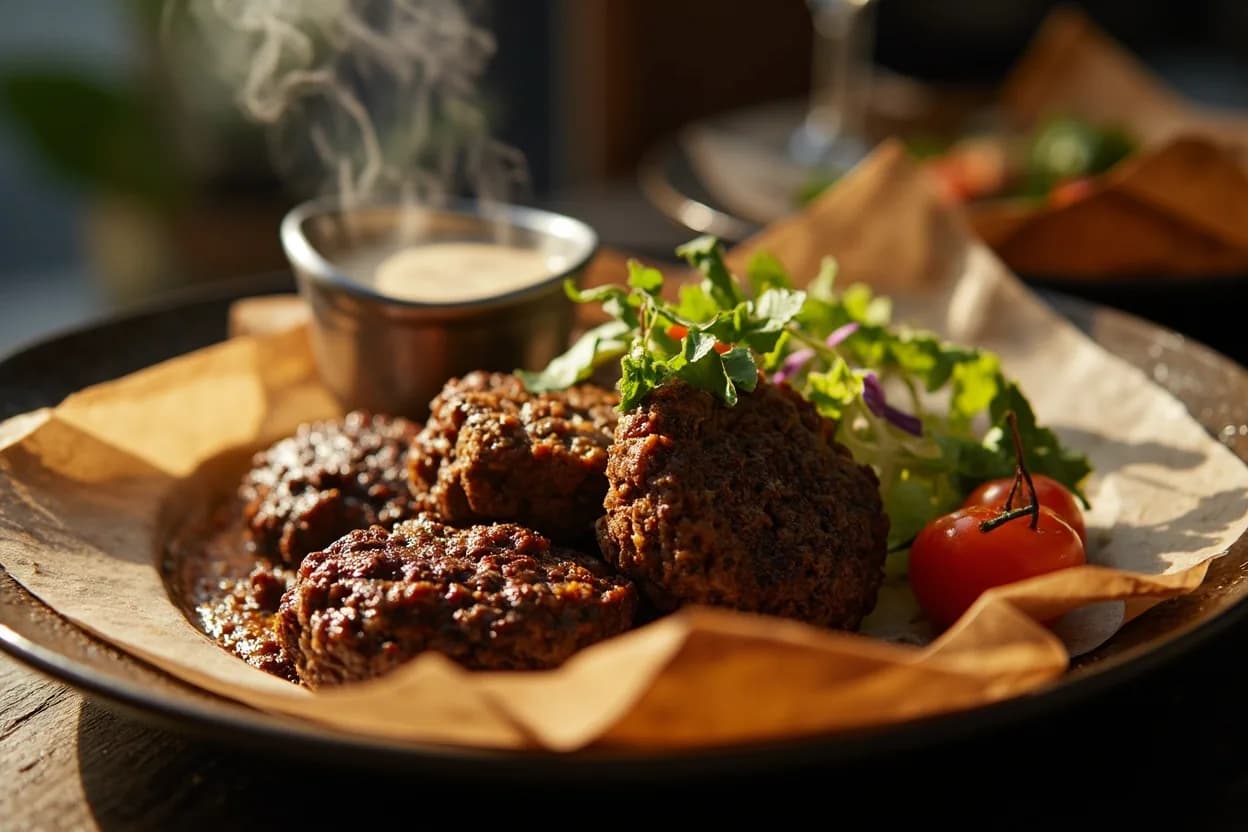
The dishes that define Kurdish (Kurmanci Kitchen), documented in the Canon.
References
- 1.The Kurdish Kitchen — Rawand Osman
- 2.Feast: Food of the Islamic World — Anissa Helou
- 3.Savoring the Past: The French Kitchen and Table from 1300 to 1789 — Barbara Ketcham Wheaton (comparative context)
- 4.Nawal Nasrallah, Delights from the Garden of Eden — (Iraqi-Kurdish overlap documentation)
Confidence: medium
Notes
An oral food culture under political pressure
Because Kurdish identity has been suppressed across all four nations at various points — Turkey banned the Kurdish language for decades; Iraqi Kurds survived the Anfal campaign — the food culture has been deliberately passed orally, woman to woman, in domestic spaces where state power penetrated less. This makes it both remarkably resilient and extraordinarily difficult to document with canonical sourcing. The confidence rating reflects this gap: the food is real and consistent, but written records are fragmentary.
Newroz and the lamb
Kurdish New Year (Newroz, March 21) is the primary culinary occasion of the year, centered on the roasting of whole lamb over open fire and communal outdoor feasting. The Newroz lamb is not simply a meal — it enacts continuity, solidarity, and the assertion of cultural identity that statelessness makes necessary. It is the Kurdish cuisine's equivalent of a national dish.