Middle East
Turkish (Anatolian)
Also: Turkish cuisine, Ottoman cuisine, Türk mutfağı, Anatolian
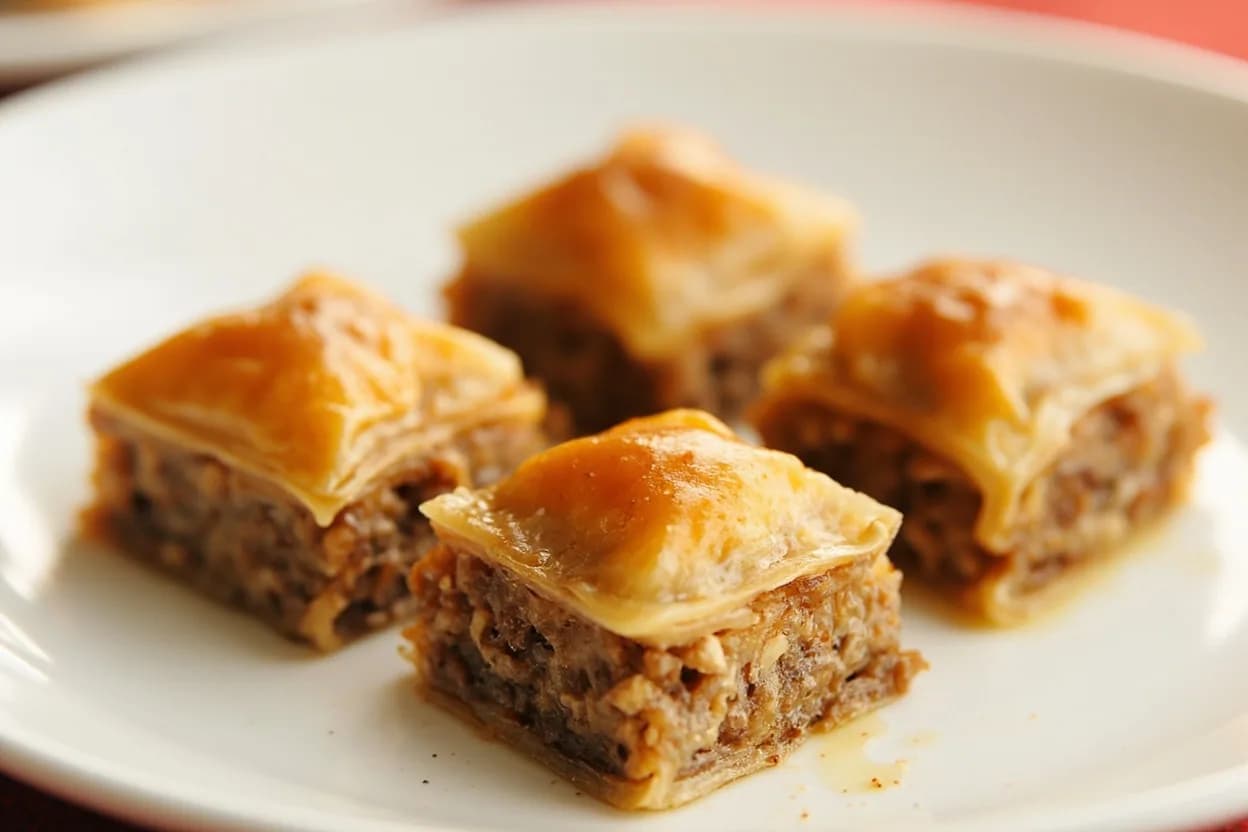
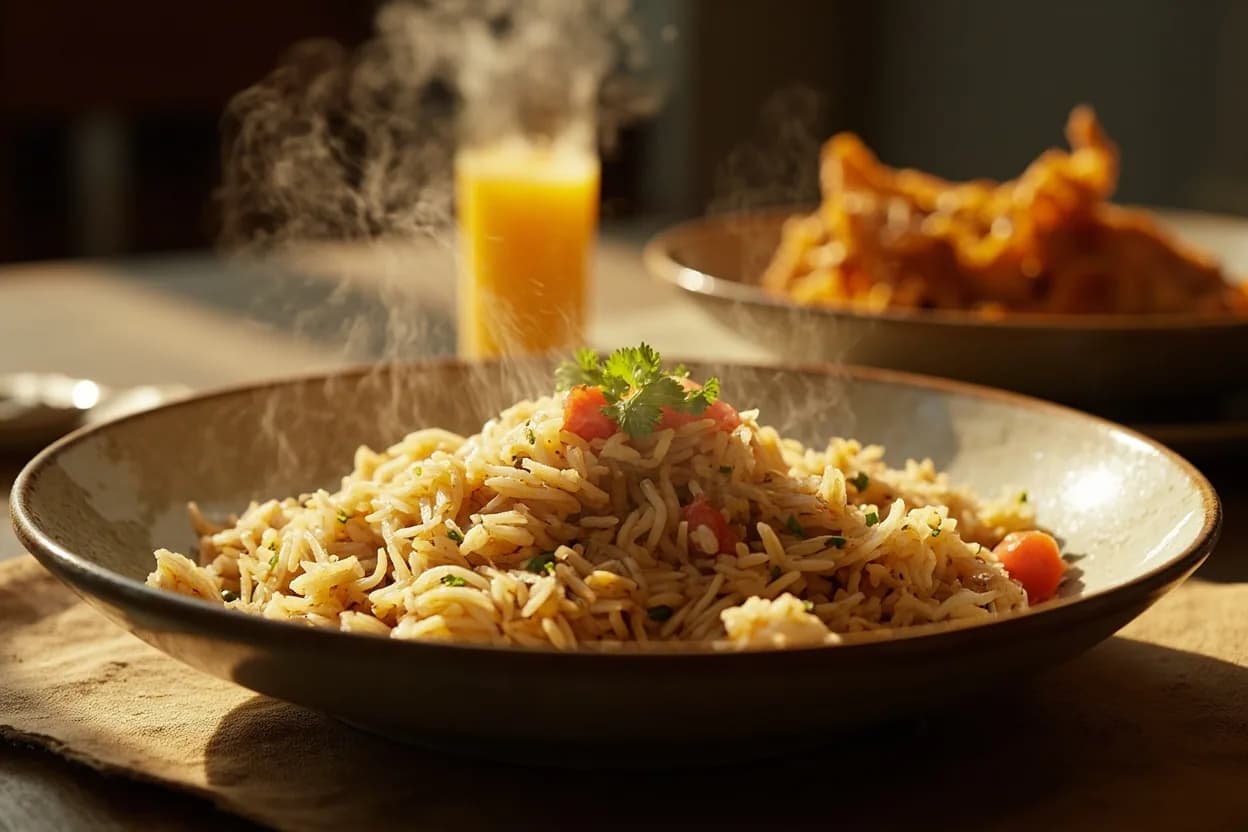
The heir to the Ottoman imperial kitchen — one of the world's great culinary traditions, spanning three continents in its reach, from silken döner to paper-thin börek, saffron pilav to honeyed baklava.
Turkish cuisine is among the world's major culinary traditions, shaped by six centuries of Ottoman imperial court cooking and the diverse ethnic and geographic inheritance of Anatolia — a landmass that connects Europe and Asia, borders the Black Sea, Aegean, and Mediterranean, and has hosted Greek, Armenian, Kurdish, Arab, and Sephardic Jewish populations alongside Turkic peoples. The imperial Ottoman kitchen (saray mutfağı) in Istanbul developed into an institution of extraordinary sophistication, systematizing meze culture, pilav technique, sweet-pastry making, and grilled meat preparation at a scale and diversity that influenced every neighboring cuisine. Modern Turkish cooking is simultaneously this refined court tradition and a living regional mosaic: the cuisine of Gaziantep is barely recognizable in a Trabzon kitchen, and neither resembles Istanbul. Lamb remains the prestige protein, but lamb, seafood (on the coasts), and dairy form three distinct regional emphases.
The flavour base
Soffritto of onion and tomato in butter or olive oil (depending on region); grilled lamb fat as flavor carrier for kebabs; tahini and lemon for cold meze; dried red pepper paste (biber salçası) as deep umami base for Anatolian stews.
Pantry staples
Key ingredients
Signature techniques
Signature dishes
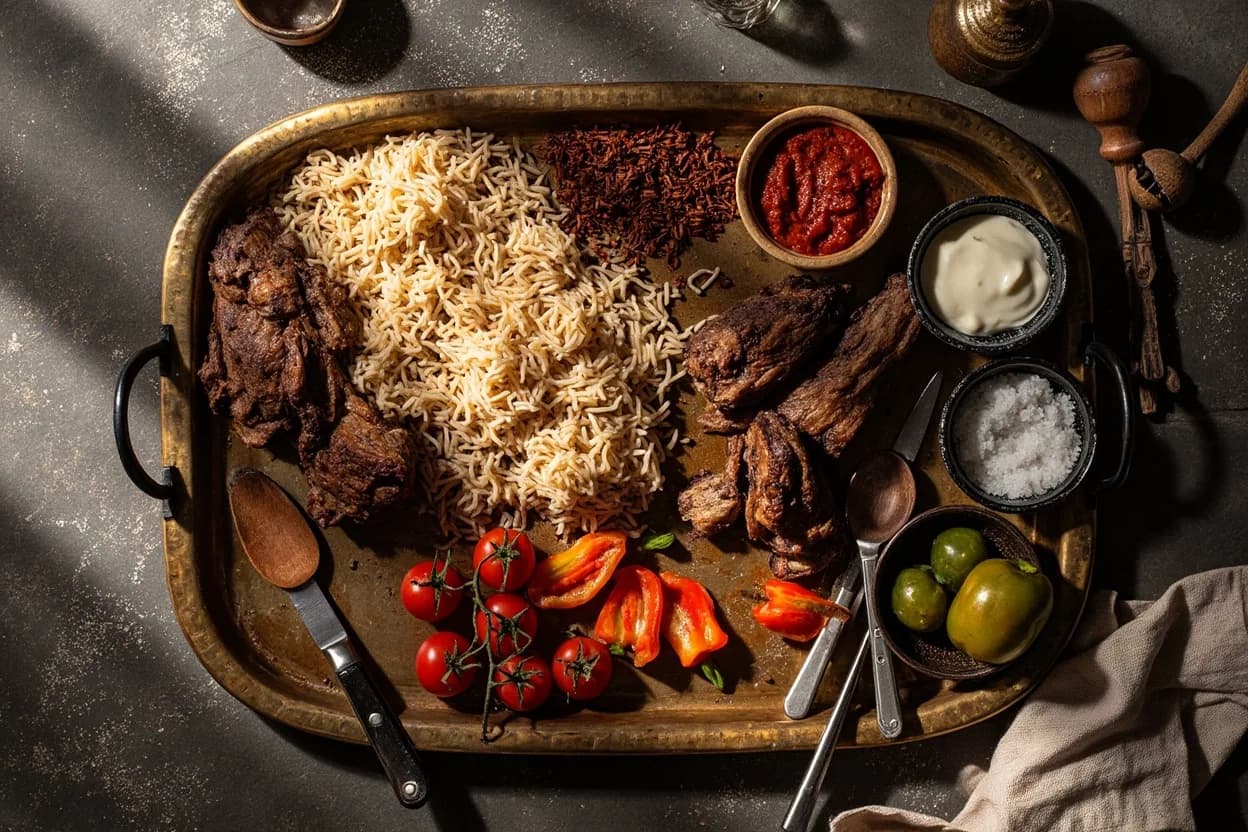
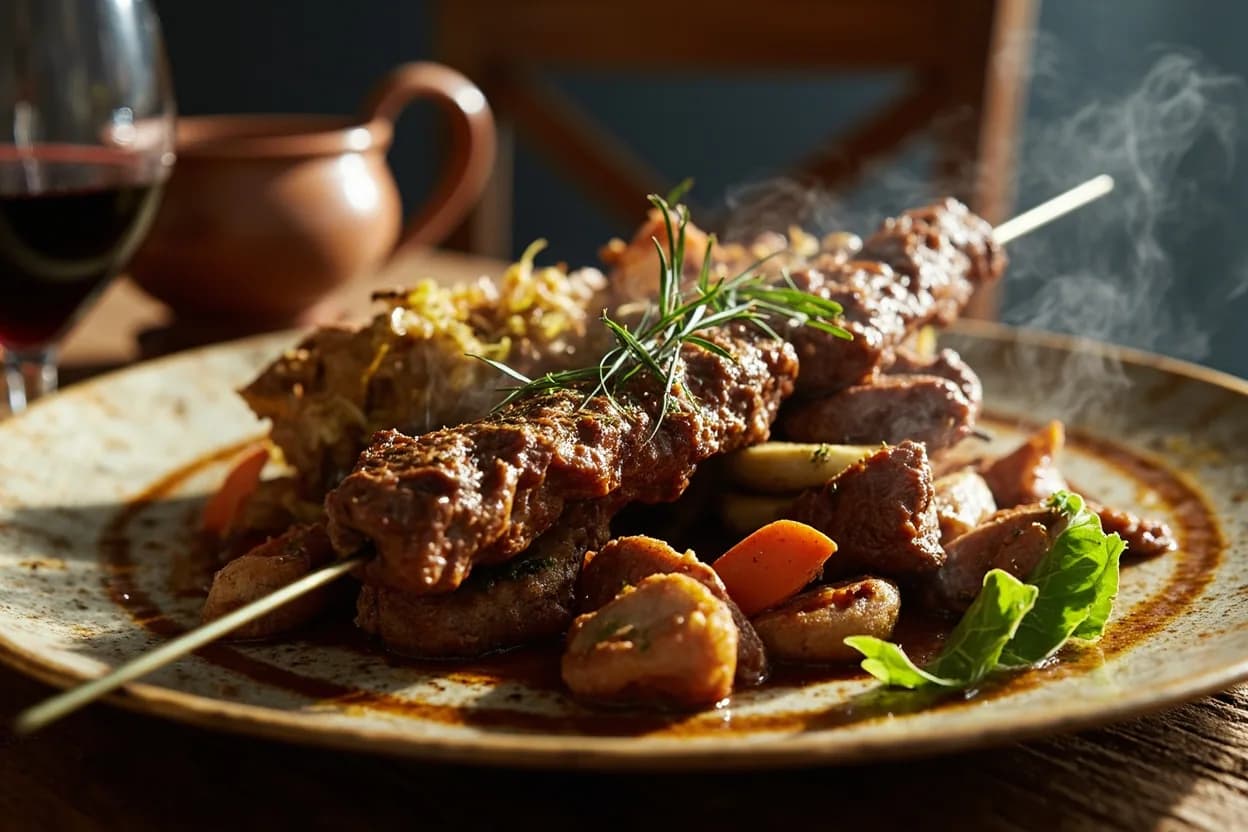
Turkish (Anatolian) on the table

At the table
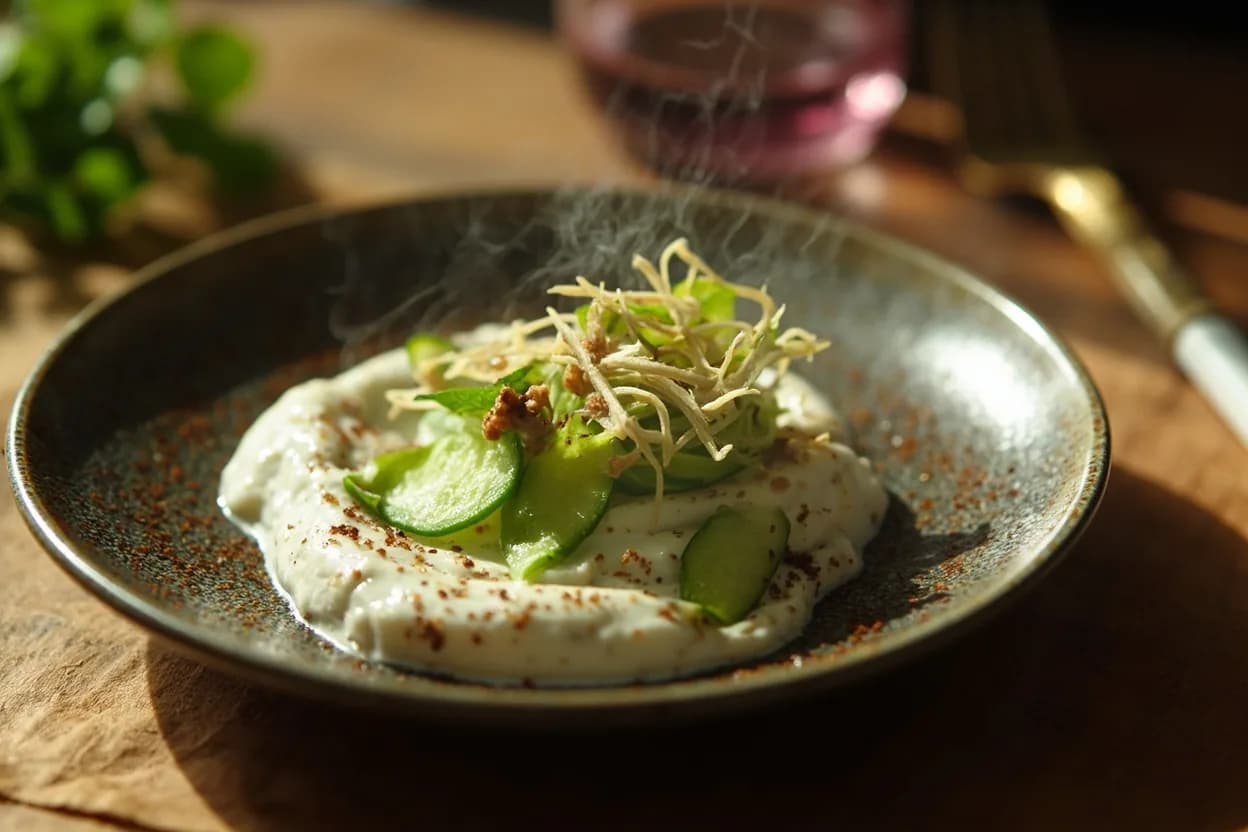
The meze tradition is foundational: meals in Turkey — especially social ones — begin with an array of small cold dishes (cold meze: cacık, haydari, muhammara, patlıcan salatası, tarama) before hot dishes arrive. Bread (ekmek, pide, lavash) is present throughout. Main meals center on meat — a kebab, a stew (güveç), or a stuffed vegetable (dolma). Rice or bulgur pilav accompanies rather than anchors. The meal closes with fruit, then sweet pastry and tea (Turkish çay, strong, in tulip glasses) or Turkish coffee.
History & context
Anatolian food history begins with Neolithic settlements at Çatalhöyük (~7500 BCE), one of the world's earliest urban communities. The region was shaped by Hittites, Greeks, Romans, Byzantines, and Arab traders before Turkic peoples migrated from Central Asia from the 11th century. The Seljuk Sultanate of Rum in Anatolia established early Turkish-Persian court cuisine. But the Ottoman Empire (1299–1922) is the defining culinary event: the Topkapı Palace kitchen in Istanbul employed up to 1,300 cooks, organized by specialty (bread, pilav, kebab, sweets), feeding thousands daily and setting food fashions that radiated across the empire from Belgrade to Baghdad. The 20th century brought Republican-era standardization and diaspora spread: döner kebab became a global food through Turkish immigration to Germany, and Turkish cuisine now operates at enormous international scale. Regional cuisines are actively preserved by the Gastronomy Academies in Gaziantep (UNESCO Creative City since 2015) and Hatay.
Regional variations
- Gaziantep (GAP region)
Pistachio capital of Turkey; baklava, katmer, lahmacun, and a complex red pepper paste tradition; UNESCO Creative City of Gastronomy 2015.
- Istanbul
Ottoman court legacy meets the Bosphorus; fish sandwiches, sophisticated meze, and the most diverse cuisine in the country from its historic multicultural population.
- Black Sea (Trabzon, Rize)
Corn-forward (mısır ekmeği), anchovy-obsessed (hamsi in dozens of preparations), dairy-rich, and generally less spiced than the south.
- Aegean (İzmir, Muğla)
Olive oil dominant; vegetable-forward; strong Greek culinary parallels; lighter and more herb-driven than Anatolian interior.
- Hatay (Mediterranean south)
Arab-influenced; strongest use of pomegranate molasses, fresh herbs, and spice complexity; künefe and katayef Arab-origin sweets prominent.
- Central Anatolia (Konya, Kayseri)
Wheat and lamb heartland; mantı (tiny dumplings) in Kayseri; etli ekmek (meat flatbread) in Konya; tarhana soup culture.
- Eastern Anatolia (Erzurum, Van)
Kurdish culinary influence; harsh winter cooking; butter-based curd (van otlu peyniri with wild herbs), cağ kebabı on horizontal spit.
Related cuisines
Shared Turkic heritage, parallel dolma traditions, pide/flatbread culture, and börek family pastries; post-Ottoman political split divides what is often near-identical food.
Ottoman court cuisine heavily absorbed Persian culinary traditions including pilav technique, stuffed vegetables, and sweet-sour balancing; influence was bidirectional.
- Greek
Byzantine and Ottoman cohabitation for centuries produced a deeply entangled cuisine; moussaka, spanakopita, baklava, and kebab have contested dual origins.
Ottoman rule unified the Levant under the same culinary administration; meze culture, kibbeh, and tabbouleh parallels reflect shared Ottoman-Arab kitchen history.
Shared Timurid-era court influences and Turkic migration routes; börek/borek, pilav/palau, and dumpling traditions run parallel.
Canonical recipes
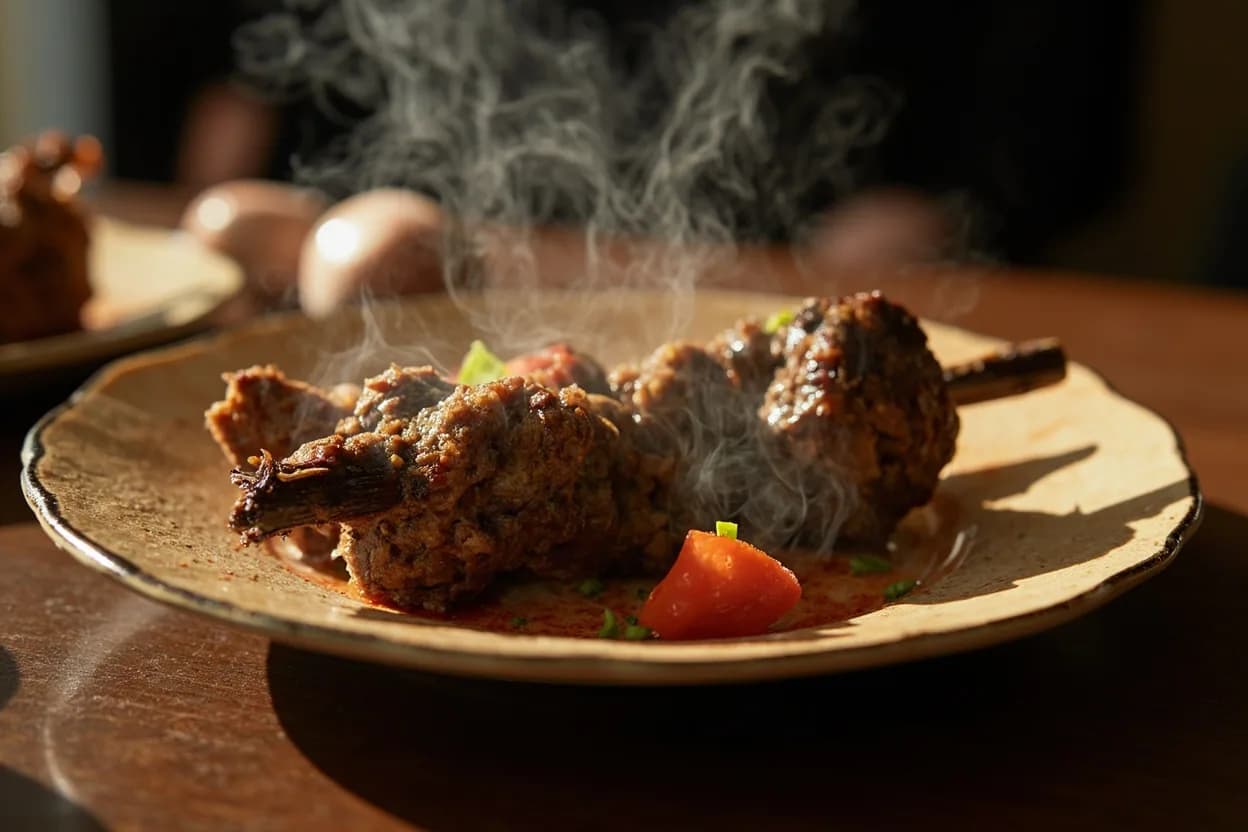
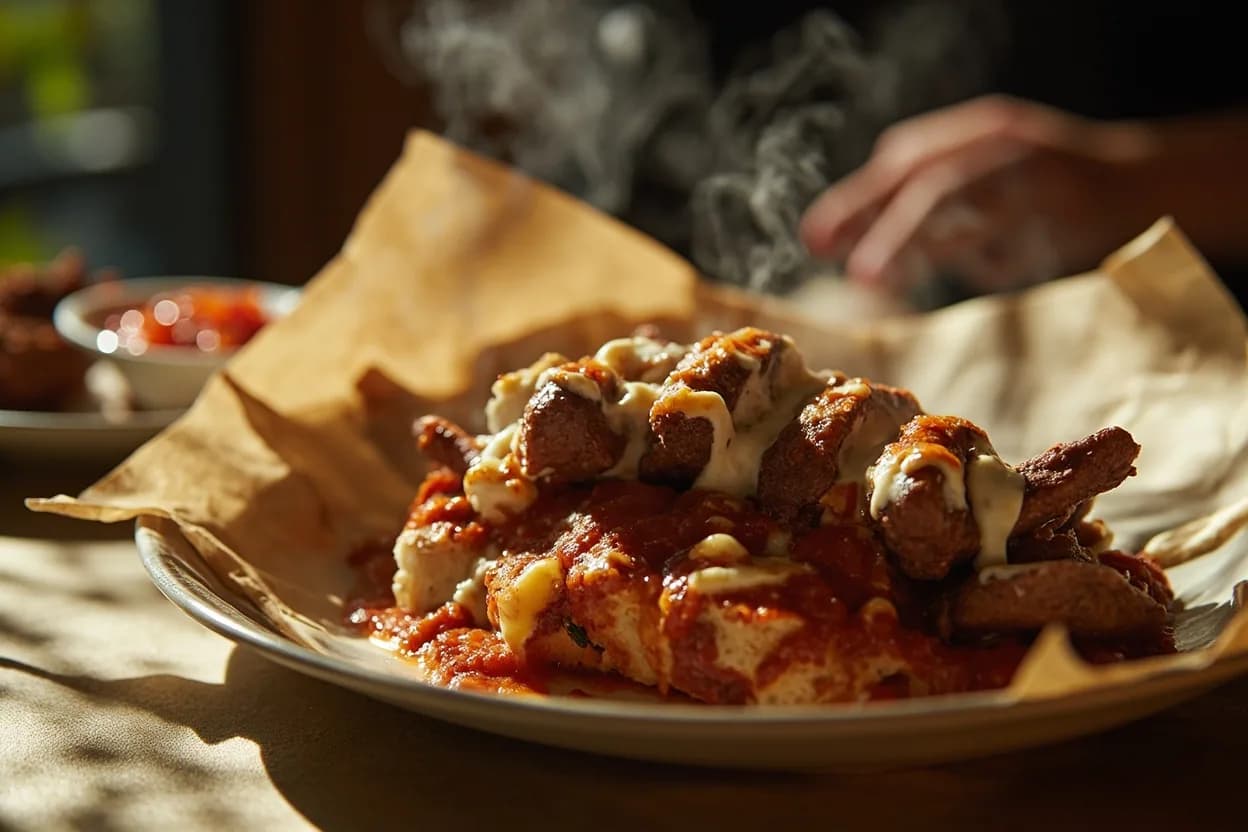
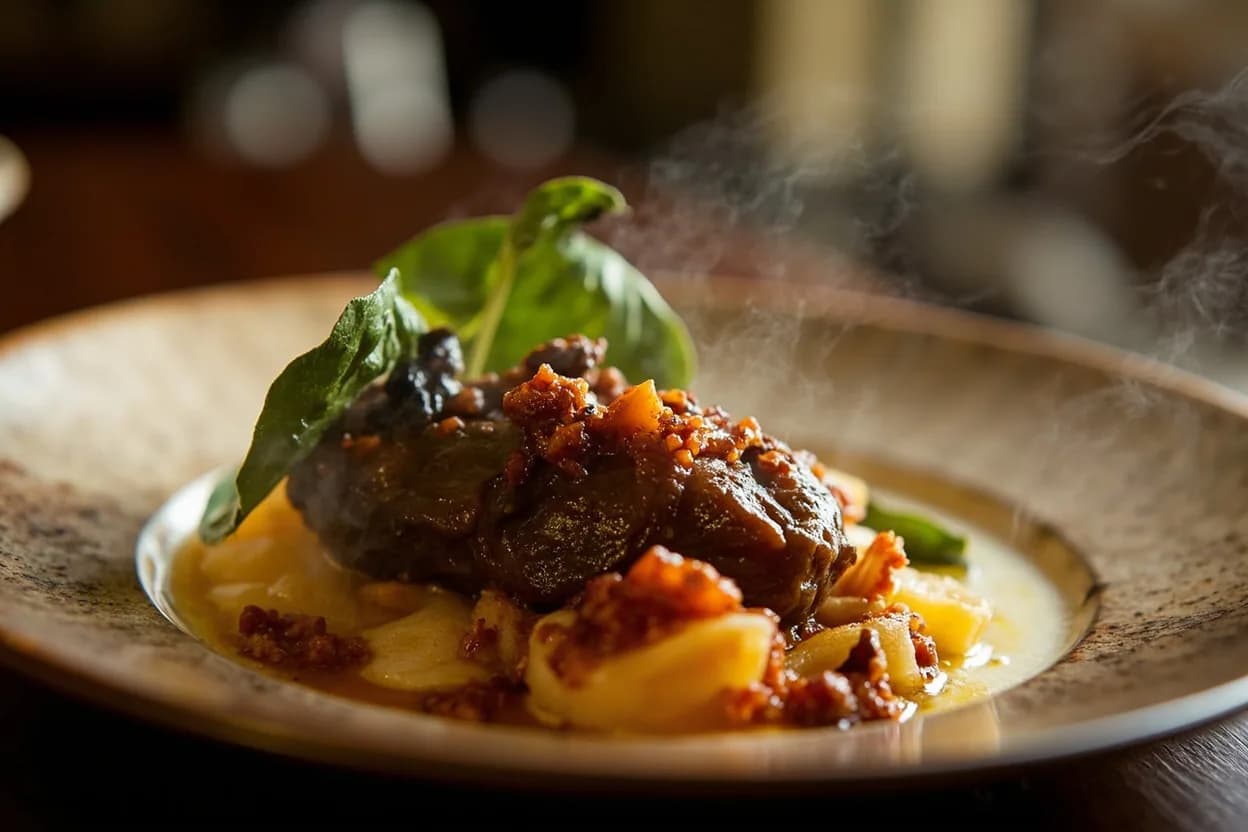
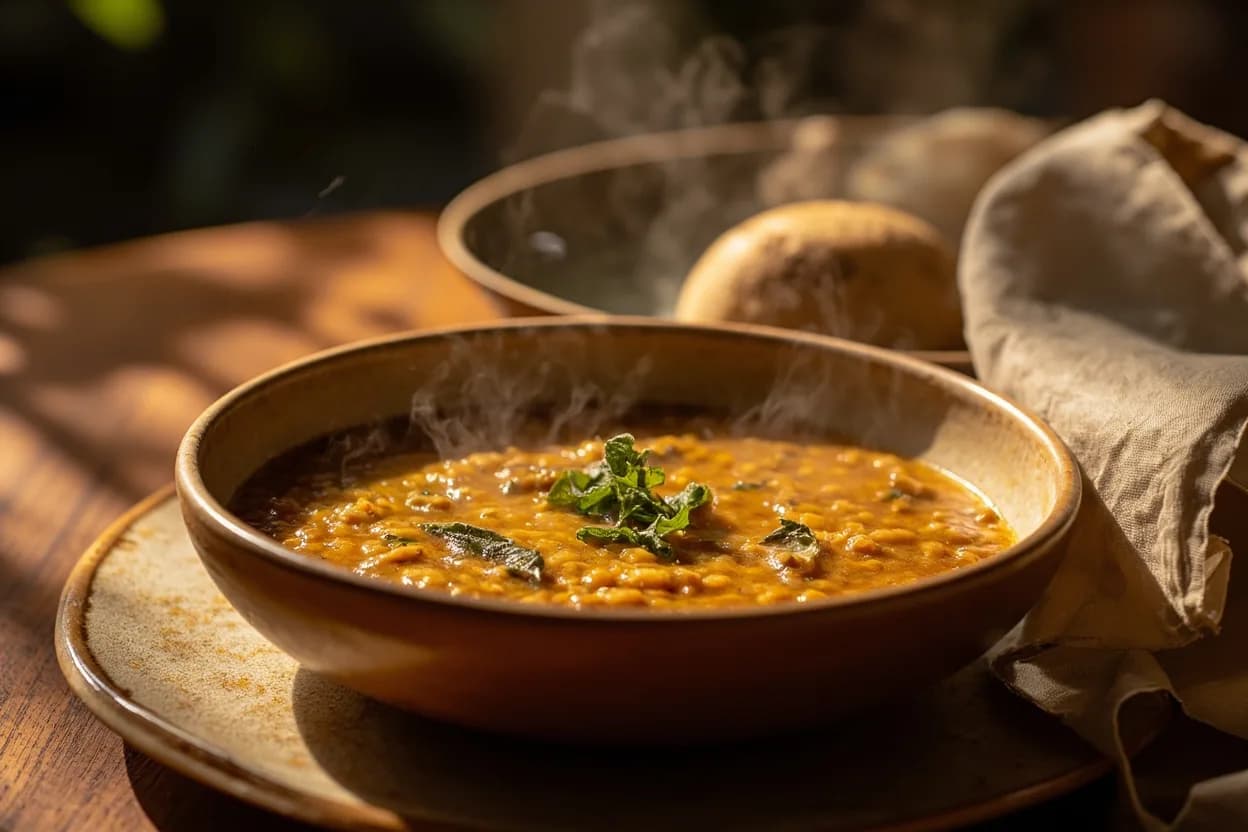
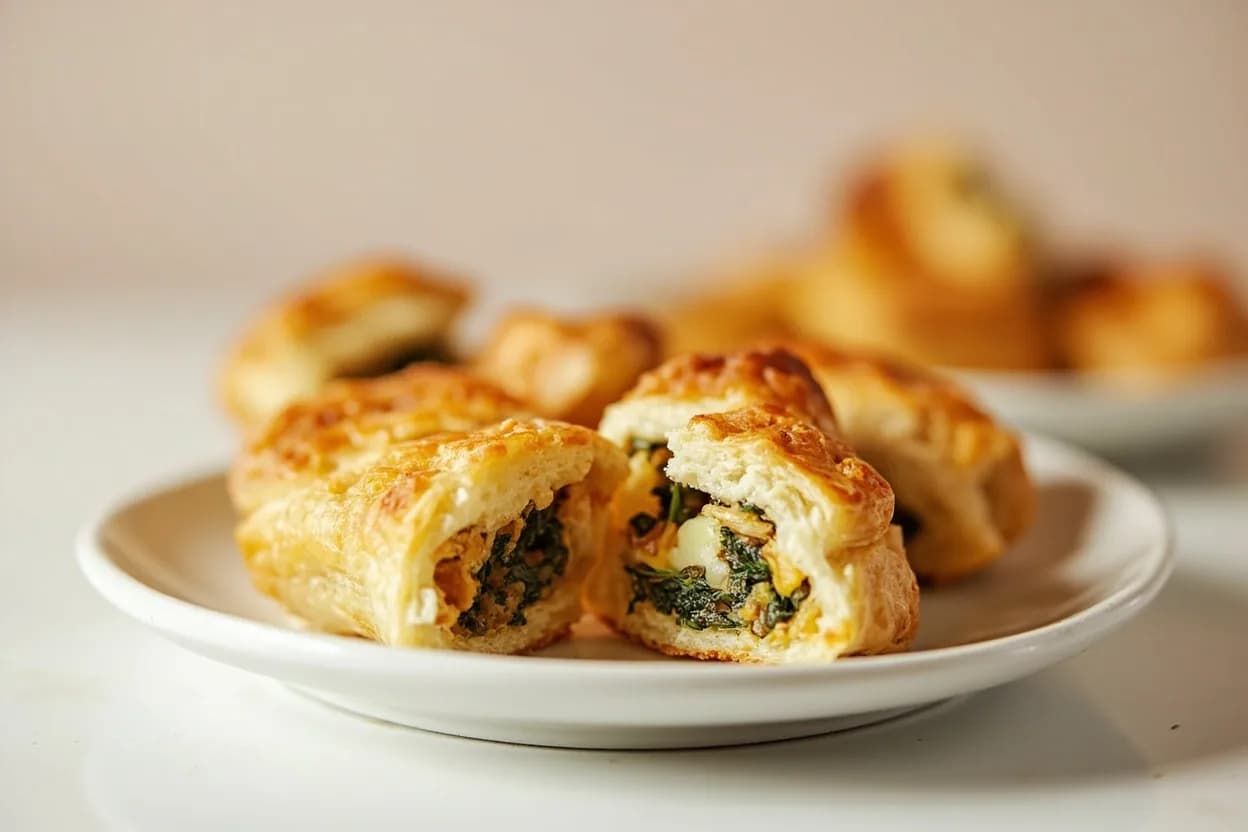
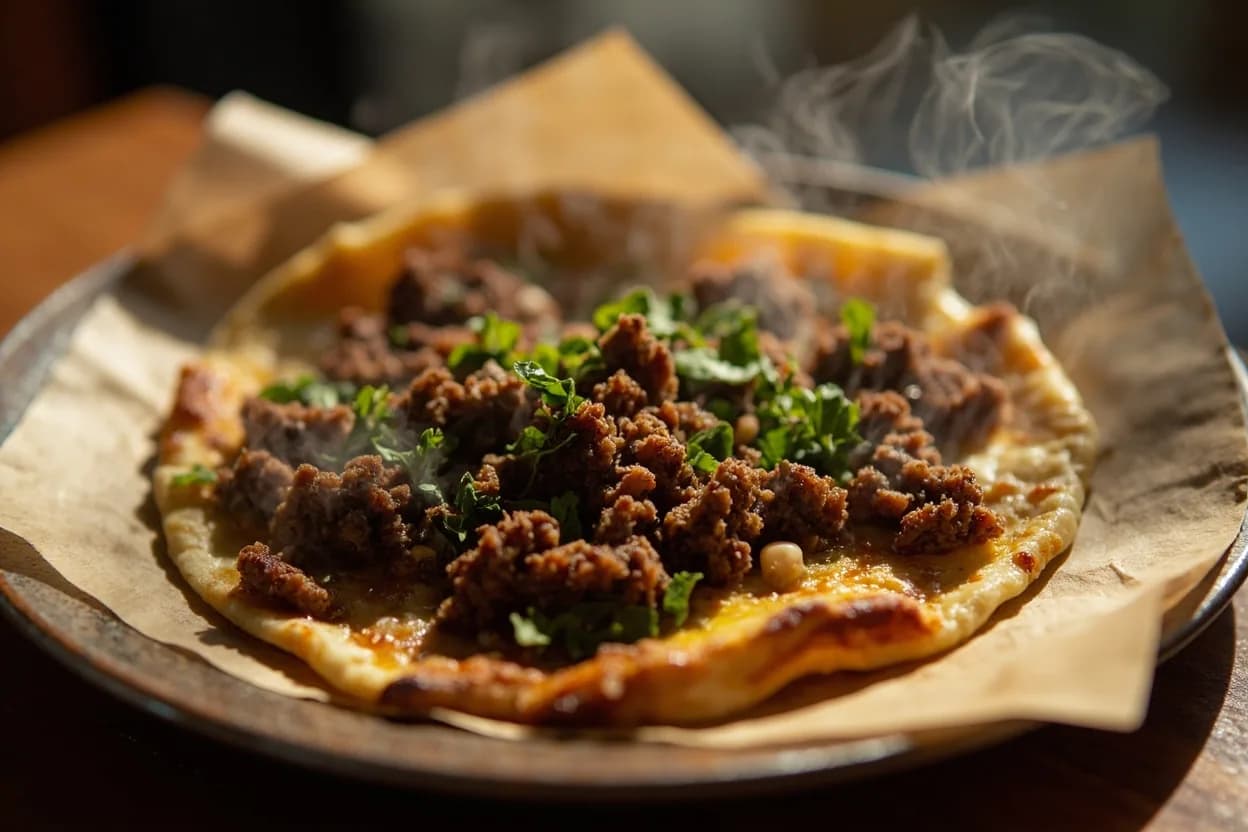
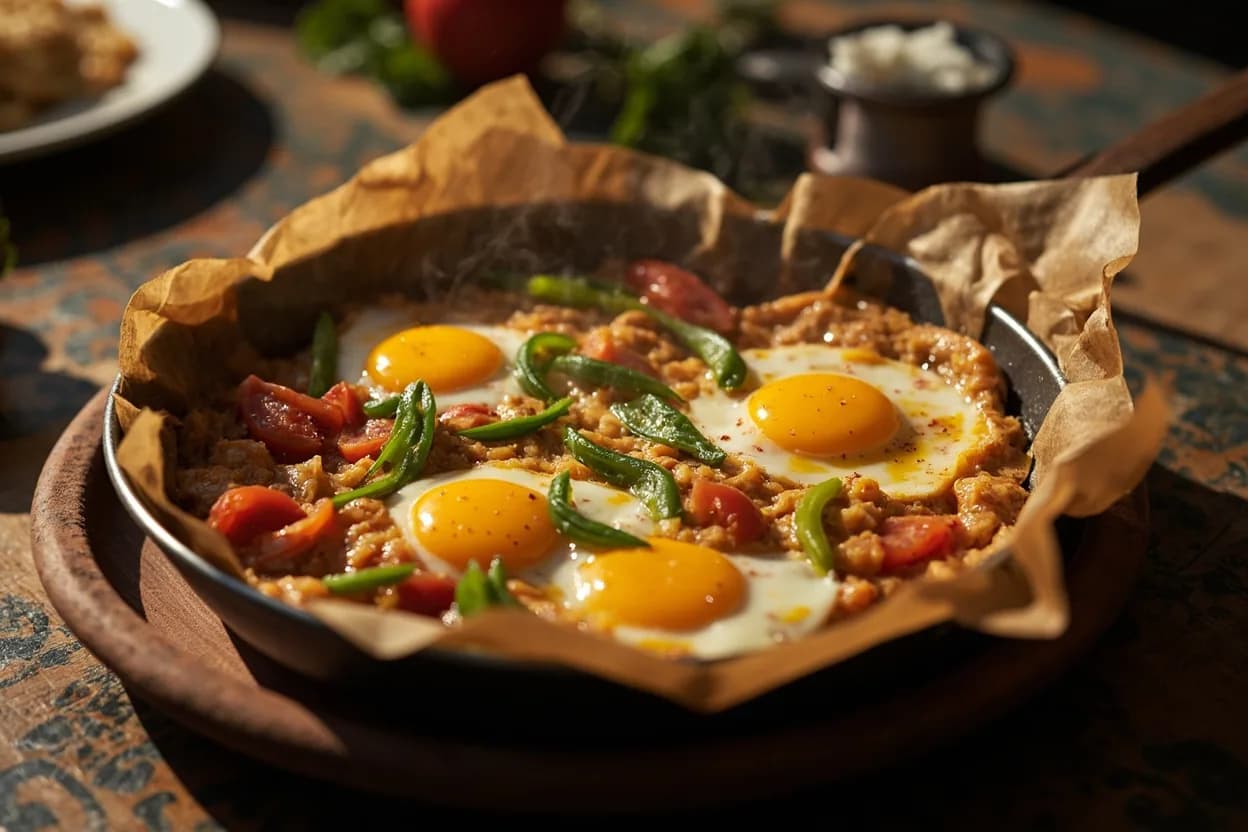
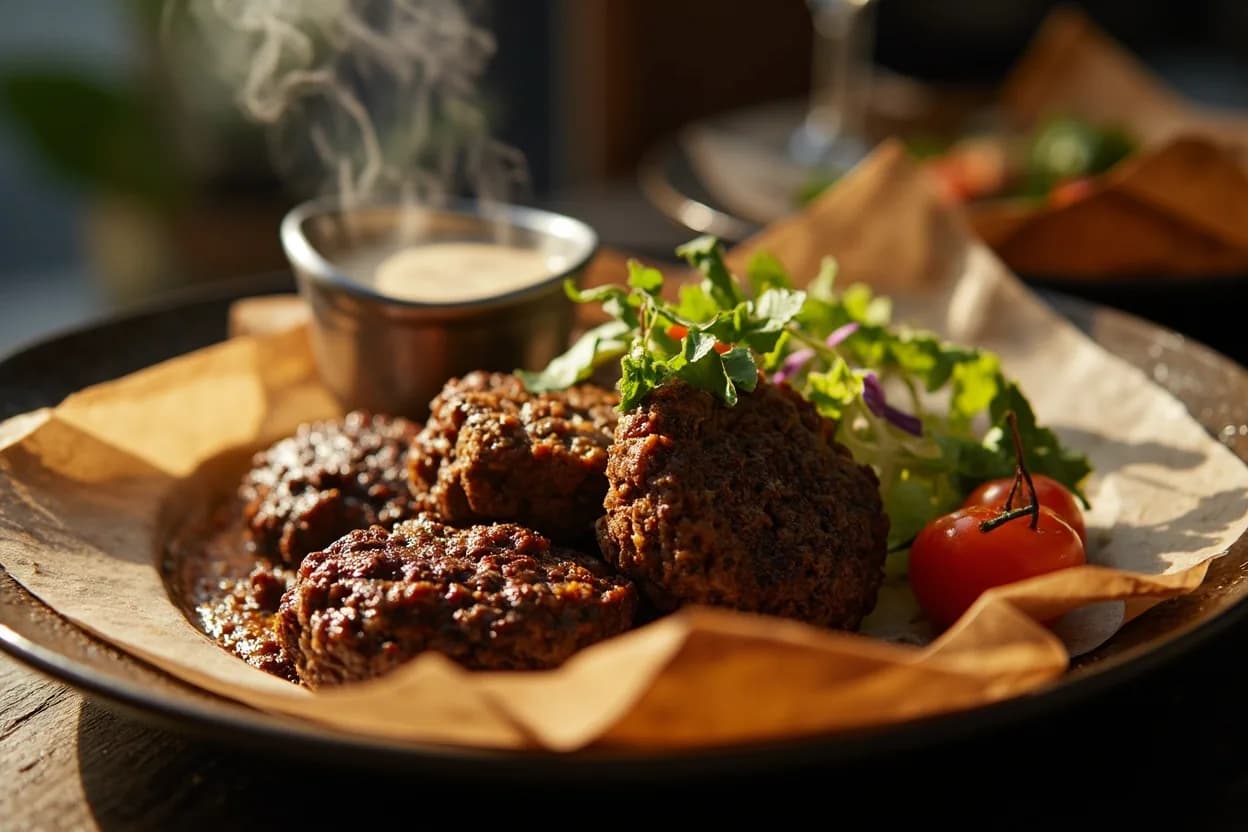
The dishes that define Turkish (Anatolian), documented in the Canon.
References
- 1.Istanbul and Beyond — Robyn Eckhardt (2017)
- 2.The Complete Book of Turkish Cooking — Ayla Algar (1985)
- 3.Turquoise — Greg Malouf and Lucy Malouf (2007)
- 4.Ottoman Cuisine — Marianna Yerasimos (2009)
- 5.The Oxford Companion to Food — Alan Davidson, 3rd ed. (2014)
Confidence: high
Notes
The Ottoman imperial kitchen as culinary institution
The Topkapı Palace kitchen was the most elaborate food production institution in the medieval world, with cooks organized into guilds by specialty: bread-bakers, pilav-makers, kebab-masters, halvah-makers, pickle-makers, and confectioners. Recipes were standardized and recorded; the kitchen served 4,000–5,000 people daily from the palace complex. This systematization is why Turkish culinary technique is unusually codified for a pre-industrial tradition: exact ratios, specific cuts, and defined technique sequences survive in Turkish cooking in ways that are rare in other regional cuisines.
Eggplant as the central vegetable
Turkish cuisine has more eggplant preparations than any other major cuisine — estimates run to 40 distinct named dishes. Imam bayıldı, karnıyarık, şakşuka, patlıcan kebabı, patlıcan salatası, hünkarbeğendi (smoked eggplant purée), and çoban kavurması all feature eggplant in structurally different roles: braised, smoked, grilled, fried, pureed, stuffed. This diversity reflects both Anatolian climate (eggplant grows prolifically) and the Ottoman tendency to exhaust a single ingredient's technical possibilities.