Natural form
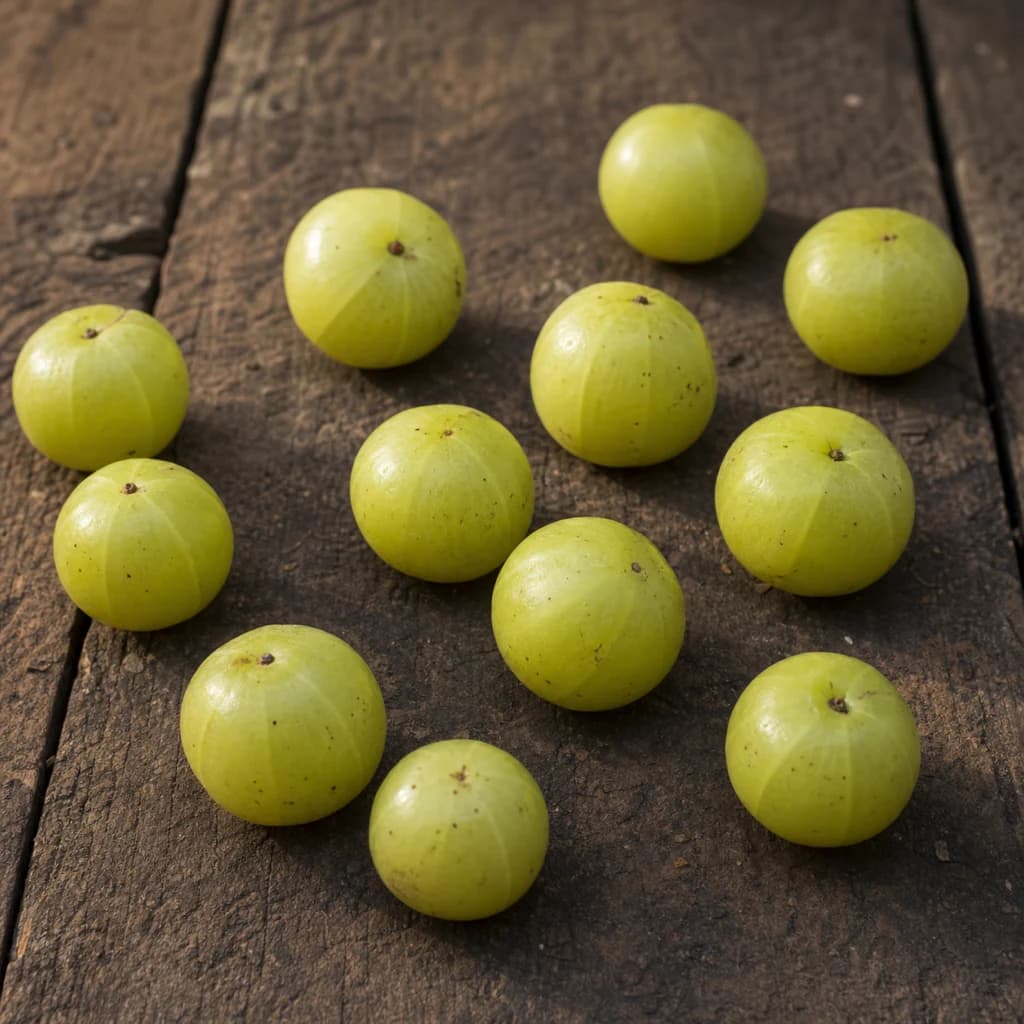
Fresh amla fruits clustered together, showing their pale green skin and distinctive ribbed segments.
Establishes the fruit's defining visual identity — size, color, shape, and the characteristic vertical lobes that distinguish amla from other small fruits.
Produce
Amla (Indian Gooseberry)
Tart, astringent green Indian fruit rich in vitamin C, used in pickles and tonics.
Amla, or Indian gooseberry, is a small, round, pale-green fruit with an intensely sour, astringent, and slightly bitter taste. In Indian cooking it is pickled, candied, juiced, or dried, and it is famed in Ayurveda for its very high vitamin C content. The flavor mellows considerably when cooked or preserved.
Amla, botanically classified as Phyllanthus emblica and known in English as Indian gooseberry, is a small round fruit—typically 2–4 cm in diameter— native to South Asia and cultivated throughout India and Southeast Asia. Despite its name, it bears no botanical relation to true gooseberries. The fruit grows on medium-sized trees and ripens during the Indian winter months (November through February), though availability of fresh and preserved forms varies by region. Its surface is smooth to slightly fuzzy, and each fruit contains a single hard stone seed at its center.
What makes amla distinctive—and genuinely challenging—is its flavor profile. Raw fresh amla delivers an almost shockingly intense tartness combined with pronounced astringency, qualities that most palates find nearly unbearable when eaten out of hand. The fruit does develop slight sweetness when fully ripe, but the window is narrow. This extreme sour-tannic character is precisely what makes amla so useful in South Asian cooking: it functions simultaneously as a souring agent, a preserved fruit, and a health ingredient. Its extraordinary vitamin C content—approximately 20 to 30 times that of an orange by weight—is unusually stable in preserved forms because the fruit's own organic acids help protect the ascorbic acid from heat degradation, unlike most other fruits.
In the kitchen, amla behaves like a tart, astringent fruit that softens with blanching and breaks down readily when cooked in syrups or ground into pastes. The hard stone must always be removed before use. The fruit discolors rapidly once cut due to oxidation, so quick work or acidulated water is necessary. Across India, amla appears in three main culinary registers: as a souring agent in savory preparations, as the basis for sweet preserves and tonics, and as a dried or powdered commodity used year-round. It occupies a niche in South Asian cooking that has no direct equivalent in Western cuisine—simultaneously serving roles filled elsewhere by tamarind, sumac, candied citrus peel, and medicinal supplements.
- Measured in
- g
- Storage
- Fridge
Types & varieties
Widely cultivated commercial variety in North India; medium-sized fruit, good for pickles and preserves
Large-fruited variety from the Varanasi region; popular for fresh eating when ripe
Commercial cultivar developed for processing; prolific bearer with uniform fruit size
Smaller fruit with higher tannin content; often chosen when pronounced astringency is desired
Smaller, more astringent than named cultivars; traditional trees grown from seed rather than grafted
Selecting and Storing Fresh Amla
The window for using fresh amla is narrow. Choose firm, bright green fruit with smooth, unblemished skin. Avoid any with yellowing, soft spots, or signs of shriveling—these indicate age or improper storage. The fruit should feel heavy for its size, indicating good moisture content. Once home, refrigerate immediately in a loose plastic bag; fresh amla deteriorates rapidly at room temperature and will last only about a week in the refrigerator. For longer storage, blanch briefly, remove the stone, and freeze, or proceed immediately to drying or preserving.
- Select firm, bright green fruit with smooth, unblemished skin
- Reject yellowing, soft, or shriveled specimens
- Refrigerate immediately; fresh amla lasts only about one week
- For longer storage, blanch and freeze, or proceed to drying and preserving
Prepping Amla for Cooking
Amla requires straightforward but essential preparation. Rinse the fruit thoroughly under running water—the fuzzy skin may carry field residue. The stone must always be removed before chopping, grinding, or cooking; it remains hard regardless of cooking time and will damage teeth and disrupt textures. Blanching whole fruit in boiling water for 30 to 60 seconds before pitting softens the flesh slightly and makes stone removal easier, while also reducing harsh astringency. Once pitted and prepared, work quickly: amla oxidizes and browns rapidly once cut. Drop cut pieces into lightly salted water if you cannot proceed immediately, or work over a bowl of acidulated water (water with a squeeze of lemon or pinch of citric acid).
- Wash thoroughly—the fuzzy skin carries residue
- Blanch 30–60 seconds to soften flesh before pitting
- Always remove the hard stone; it never softens with cooking
- Cut fruit browns rapidly—work quickly or submerge in salted water
Common uses
Tips & pitfalls
- Blanch whole amla in boiling water for 30–60 seconds before pitting; this softens flesh, makes stone removal easier, and tames harsh astringency
- Remove the hard stone before any further prep; it stays rock-hard through cooking and damages teeth
- Amla browns rapidly once cut—work quickly or drop pieces into lightly salted water to slow oxidation
- For clearest amla juice, blanch first, then blend and strain through fine mesh; blanching reduces mucilaginous quality
- Balance extreme tartness with jaggery or raw sugar in sweet preparations; use salt and mustard oil in savory pickles
- In sugar syrups, add sweetener after removing from direct heat to preserve vitamin C; prolonged high heat degrades it
- For oil pickles, ensure fruit is completely dry before combining with spices—any moisture causes rapid spoilage
- Dried amla rehydrates in warm water but never regains fresh texture; use it for infusing liquids and tempering dals and vegetables
- Never consume unwashed fresh amla—the fuzzy skin may carry pesticide or environmental residue
- Pair amla with turmeric, cumin, and red chili in virtually all savory preparations; these spices are the reliable foundation
Nutrition
Energy
184 kJ · per 100 g
Where the calories come from
Protein
0.9g
2% DV
Carbs
10.2g
4% DV
Fat
0.6g
1% DV
Fiber
4.3g
15% DV
Sodium
1mg
0% DV
Source · USDA FoodData Central · Gooseberries, raw
View on FDC →In the shops
Matched grocery products
No matched grocery products for Amla (Indian Gooseberry) yet.
Good to know
- Botanical name
- Phyllanthus emblica syn. Emblica officinalis
- Family
- Phyllanthaceae
- Origin
- South Asia, primarily India; cultivated throughout the subcontinent and Southeast Asia
- Peak season
- Winter in India (November–February)
- Form
- Small round fruit, 2–4 cm diameter; single hard stone seed; smooth to slightly fuzzy skin
- Flavor
- Intensely tart and astringent when raw; slight sweetness develops when fully ripe
- Vitamin C content
- One of the richest natural sources among edible fruits; approximately 20–30× that of an orange by weight
- Fresh storage
- Refrigerate up to 1 week; oxidizes and deteriorates quickly at room temperature
Substitutes
- Tamarind paste — Provides sourness and body; use half the quantity and adjust sweetness; flavor profile differs significantly from amla's astringency
- Green mango (unripe) — Comparable tartness and astringency; texture differs but acceptable in pickles, preserves, and souring applications
- Sumac — Provides sour-tangy flavor for seasoning; not a direct substitute in preparations requiring whole fruit or body
- Lemon or lime juice — Simple sour replacement for drinks and quick preparations; lacks amla's astringency and complexity
Also called
Indian Gooseberry · Amla · Aamla
Appears in these dishes
Related
Tomato
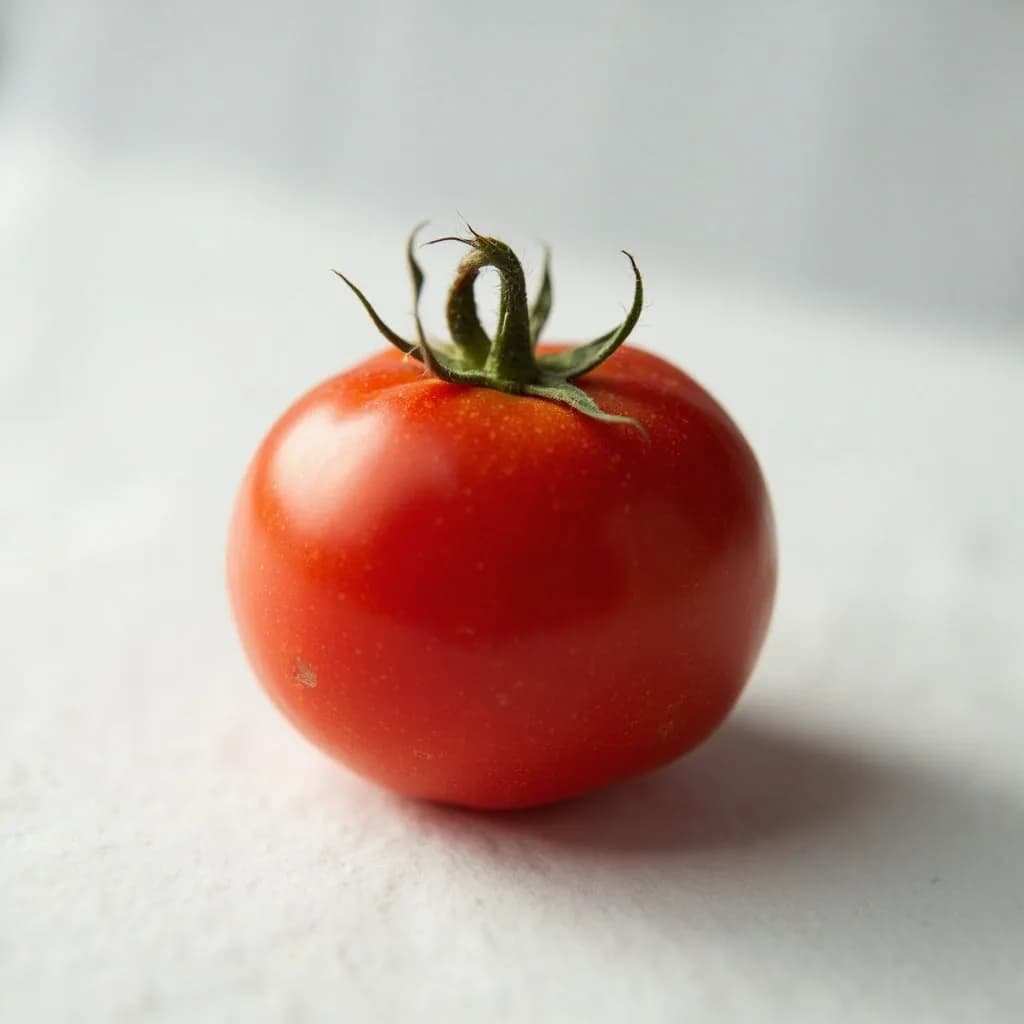
Juicy, sun-sweet fruit for sauces, salads, and slow-cooked depth
Yellow Onion
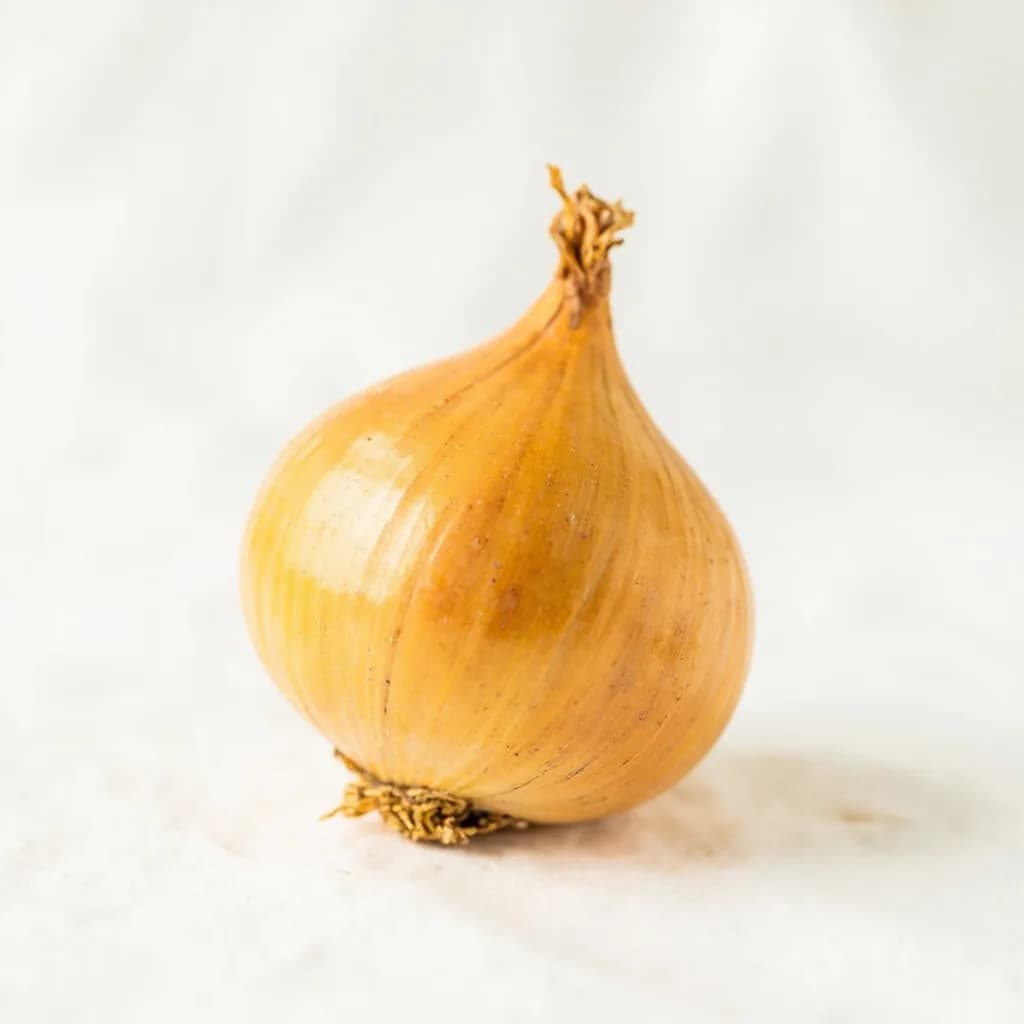
The aromatic backbone of soups, sofritos, and braises
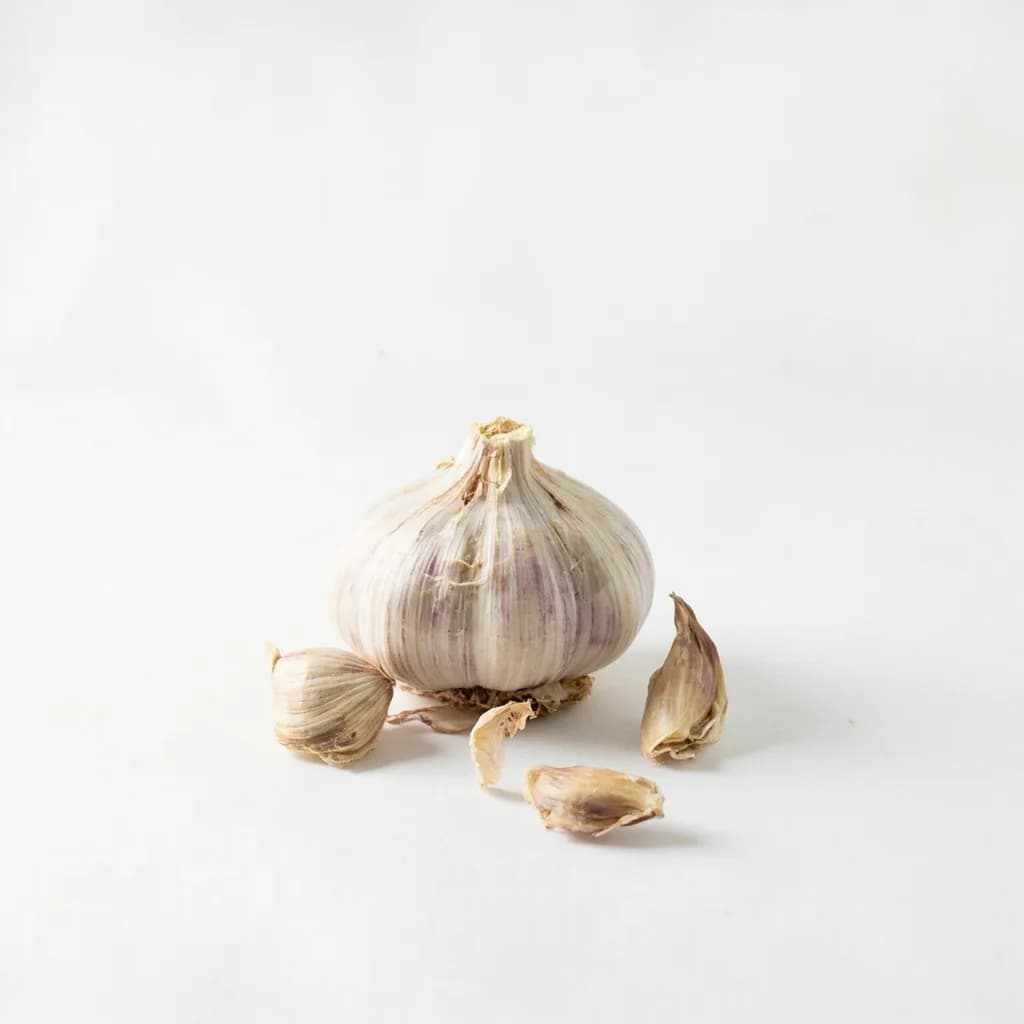
Garlic
Pungent cloves that perfume nearly every savory dish
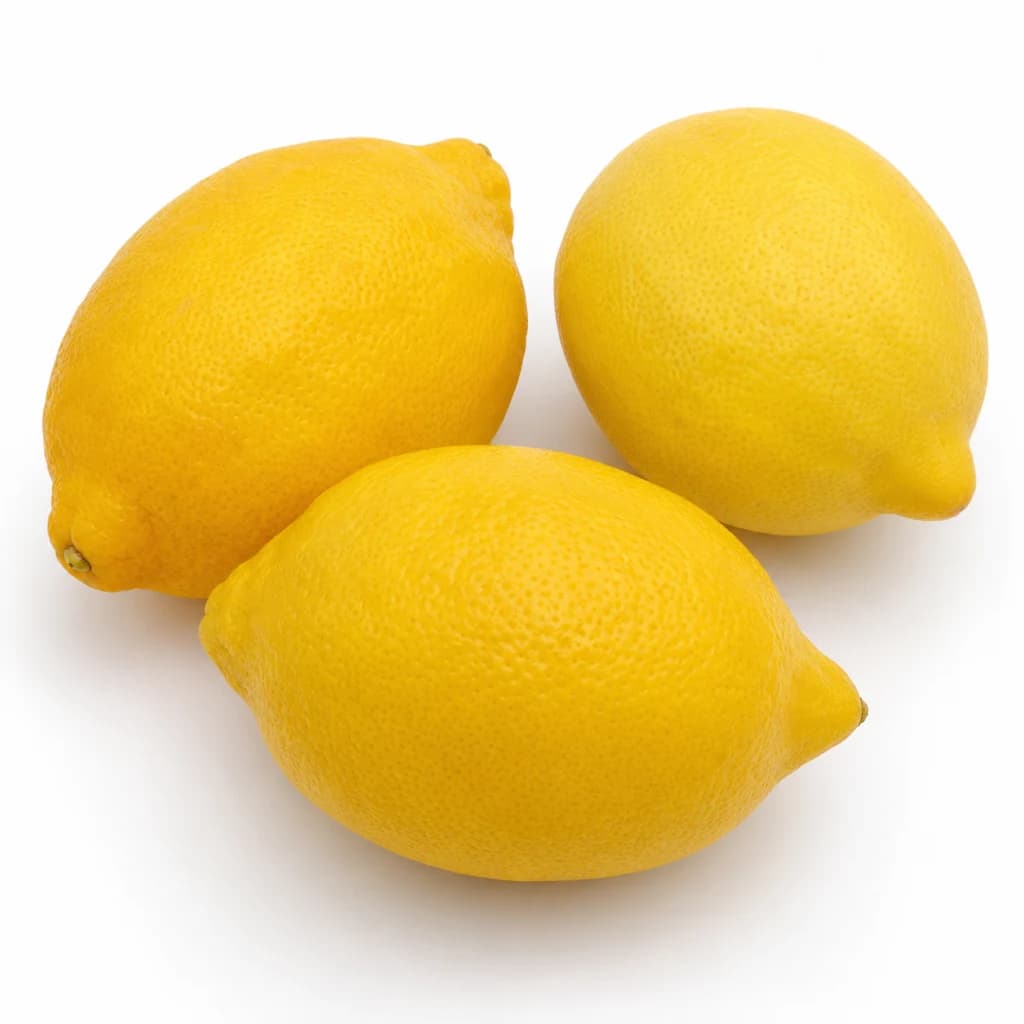
Lemon
Bright, acidic citrus that wakes up almost any dish
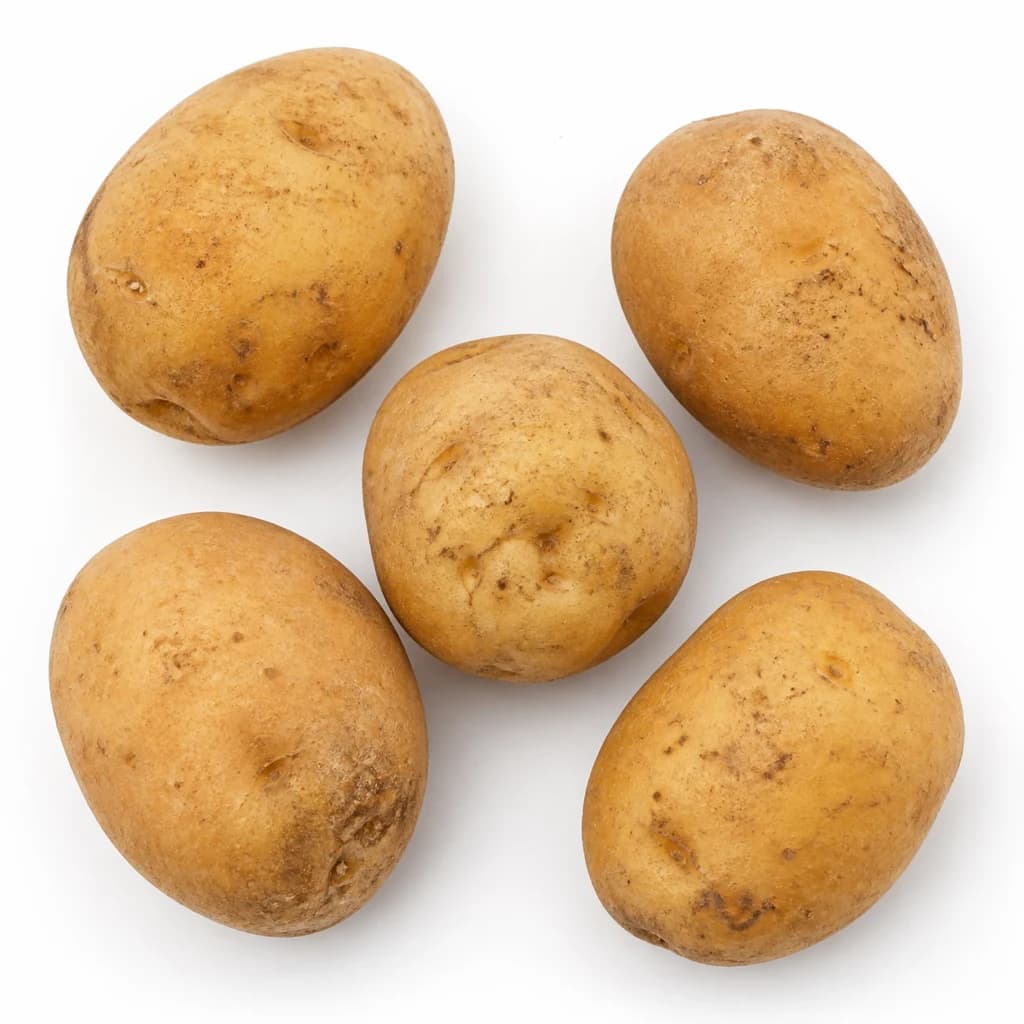
Potato
Humble, hearty staple — roast, mash, fry, or boil
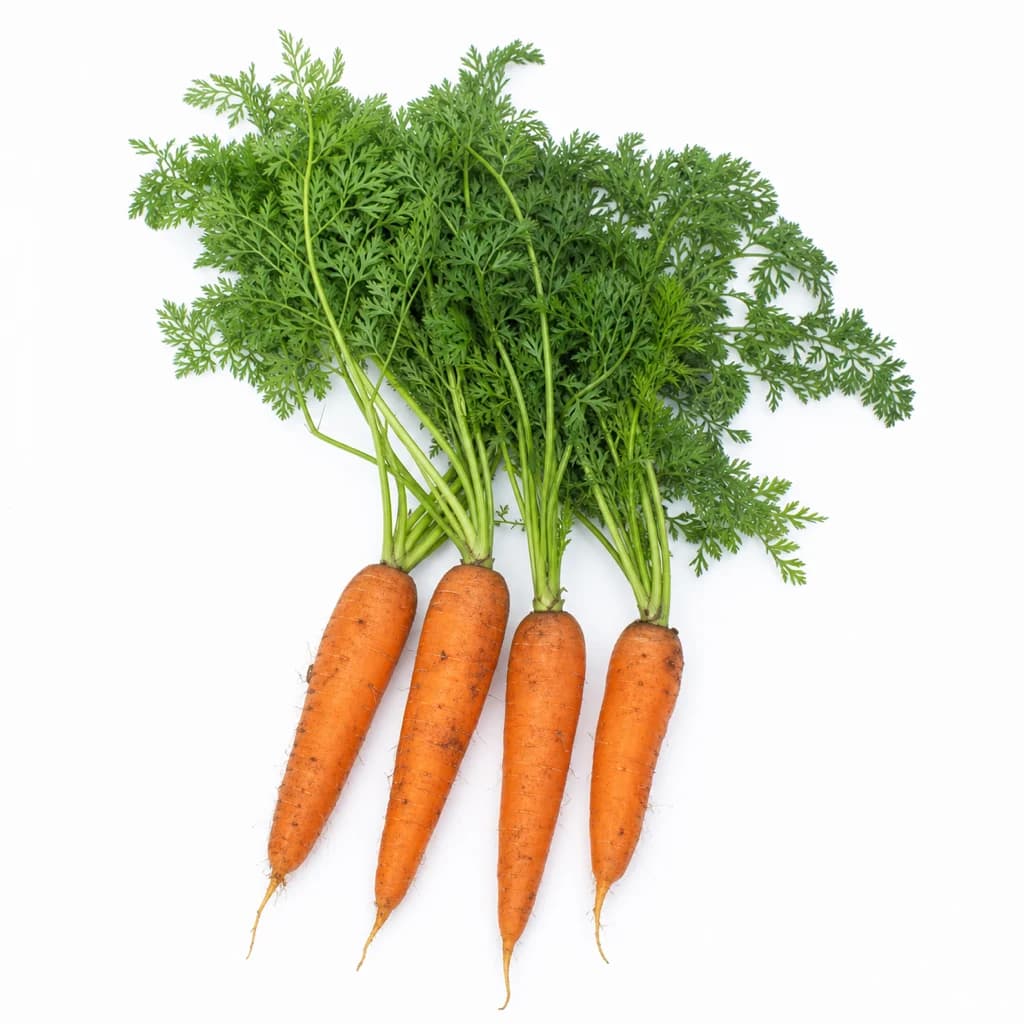
Carrot
Sweet, crunchy root — raw, roasted, or the base of a sofrito
Cucumber
Cool, crisp, and watery — for salads, pickles, and tzatziki

Lettuce
Crisp leaves for salads, wraps, and a fresh crunch